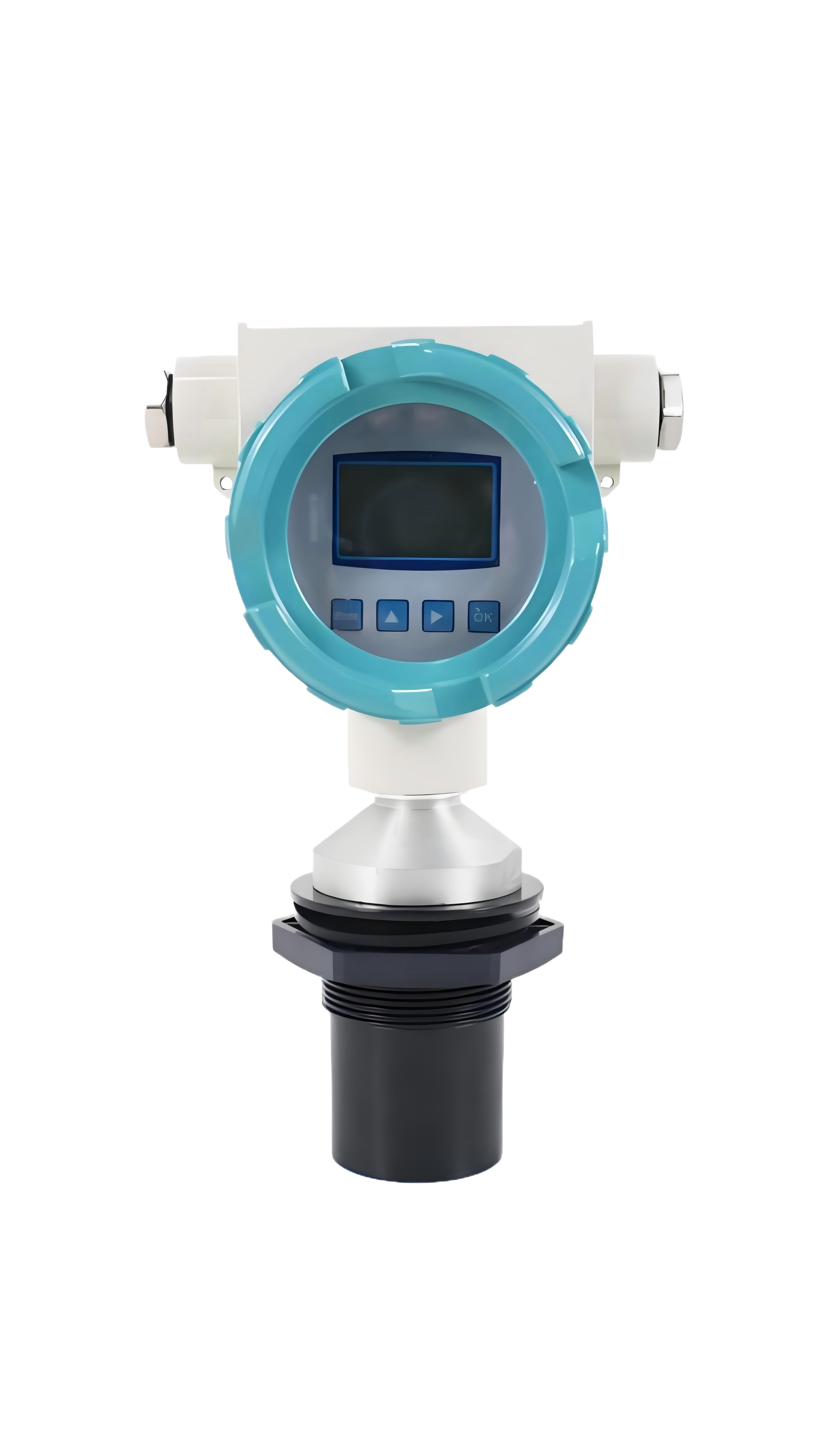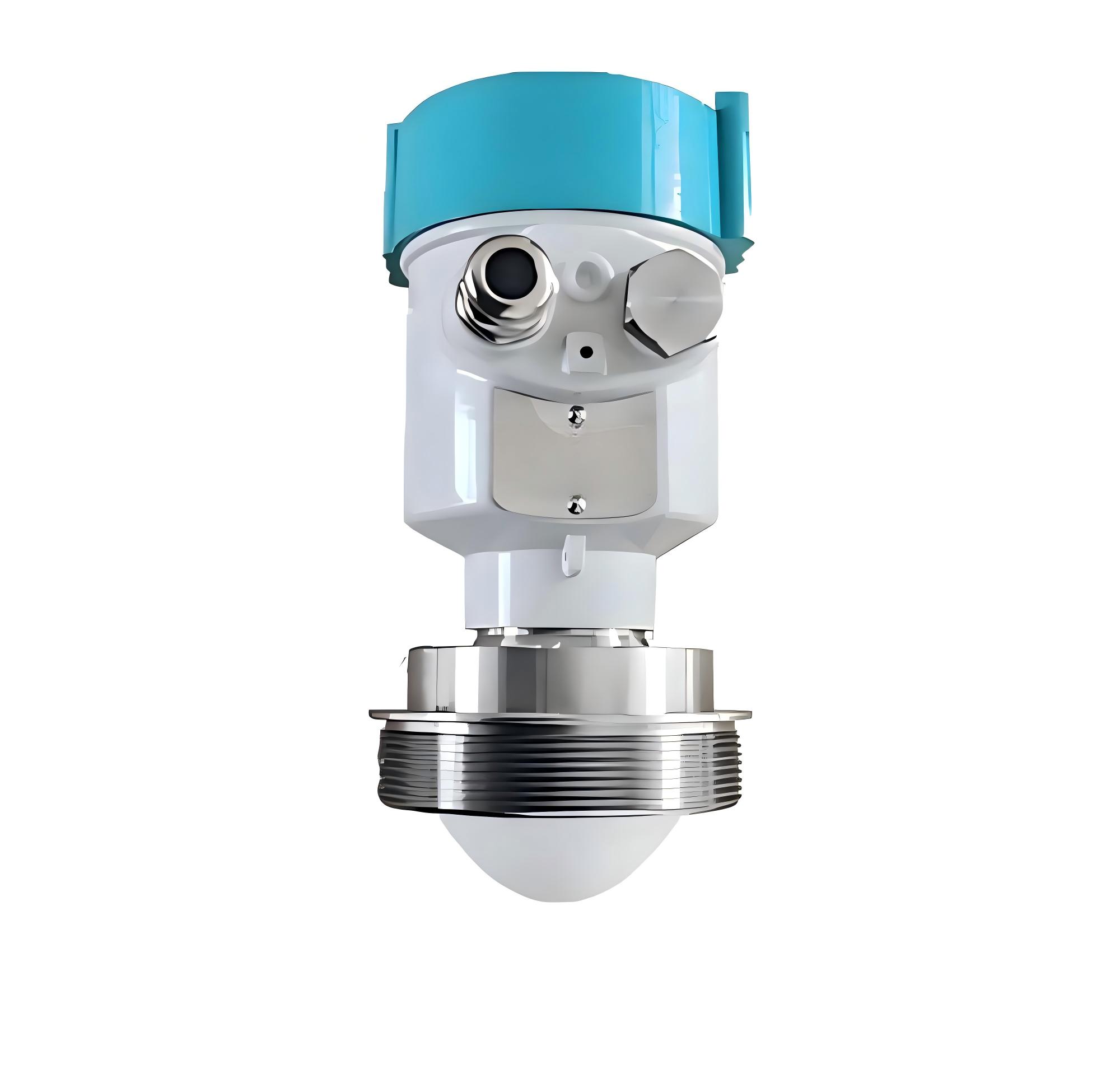
Radar Level Gauge
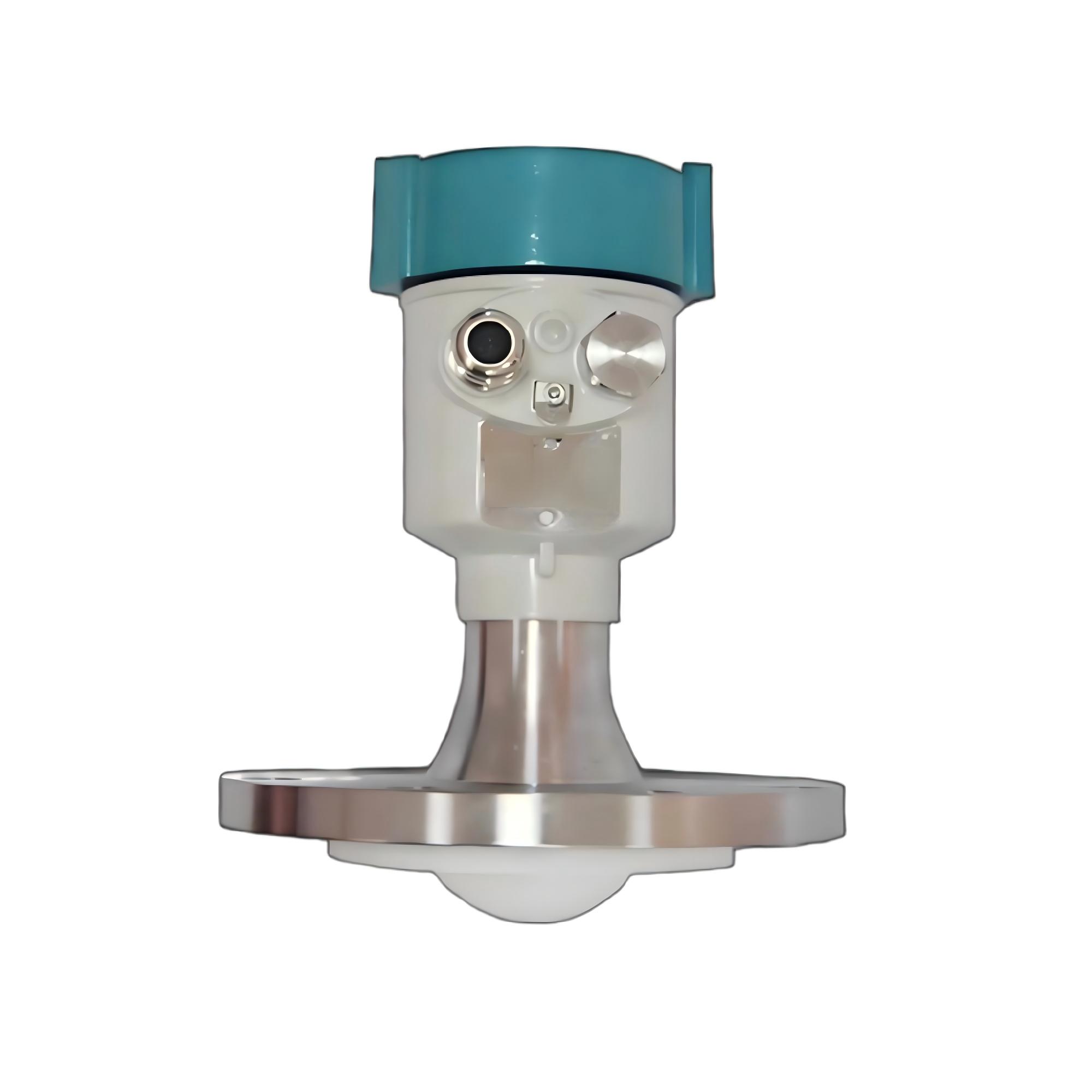
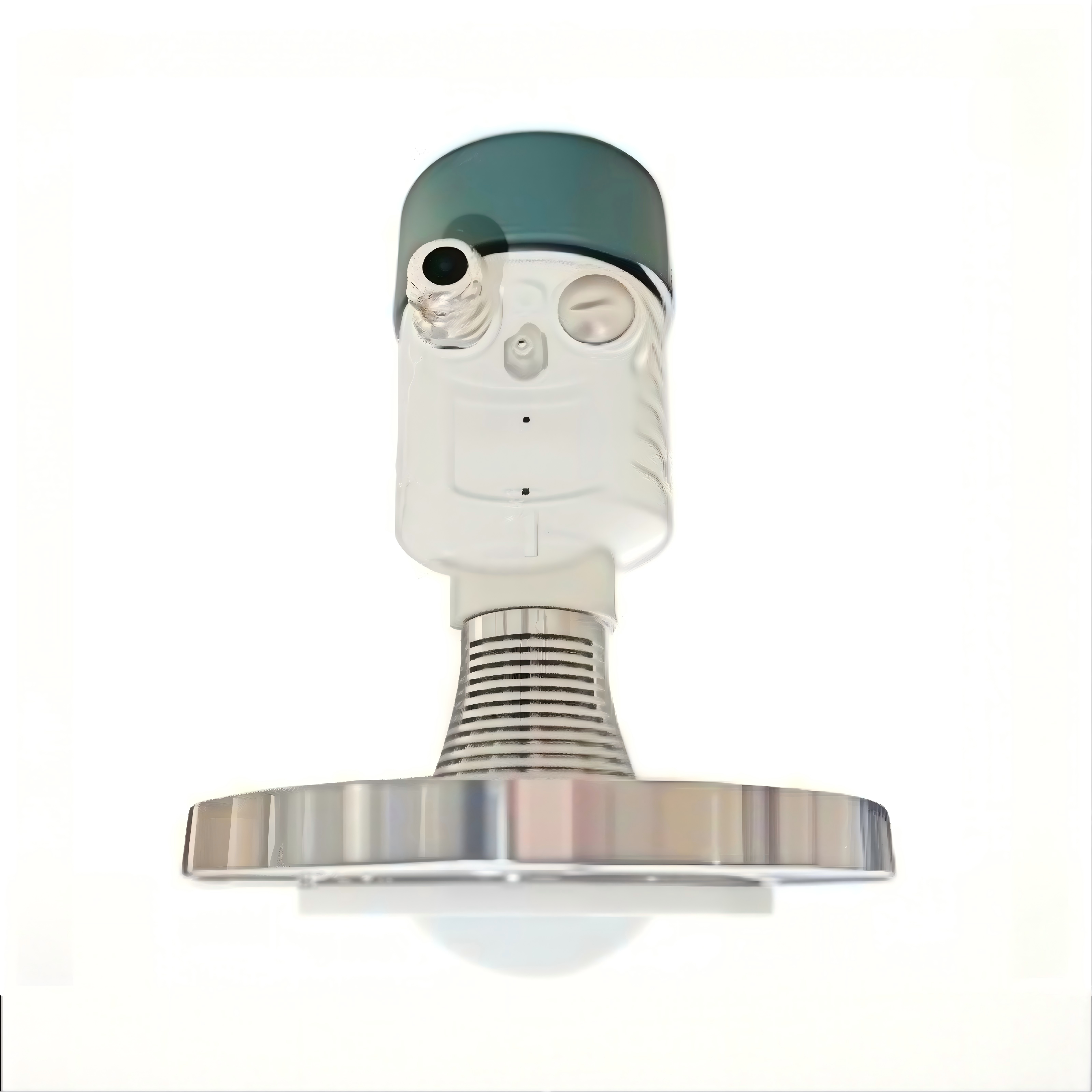
A radar level gauge is an instrument that utilizes radar technology to measure the level height of solid or liquid materials in containers or storage ...
Key Features
Performance Metrics
| Accuracy | ±3mm |
| Cable Entry | M20*1.5 |
| Power Supply | Two-wire 24VDC / Four-wire 220VAC |
| Process Pressure | -0.1 ~ 4.0MPa |
Key Features
Radar Level Gauge: Reliable Non-Contact Measurement
The Radar Level Gauge is a versatile industrial instrument that utilizes microwave pulse measurement technology. It operates effectively within the industrial frequency band, offering non-contact continuous level measurement for liquids, slurries, and granular materials in various metal or non-metal containers or pipelines.
Superior Performance in Challenging Conditions
This level measurement device is not affected by changes in the material's dielectric constant. It is specifically designed to perform reliably in environments with significant variations in dust, temperature, and pressure.
The radar gauge maintains accurate readings even in the presence of inert gases and steam, making it a robust solution for complex industrial applications where other technologies may fail.
Key Features & Advantages of Radar Level Measurement
Non-Contact Operation
Ensures no wear, no contamination, and minimal maintenance for long service life.
Excellent Signal Reflection
Shorter wavelength provides superior reflection from inclined or solid surfaces.
Minimal Measurement Blind Zone
Enables accurate level monitoring even in very small tanks and vessels.
Concentrated Beam Energy
Small beam angle enhances echo capability and helps avoid interference from tank structures.
Robust Design for Industrial Environments
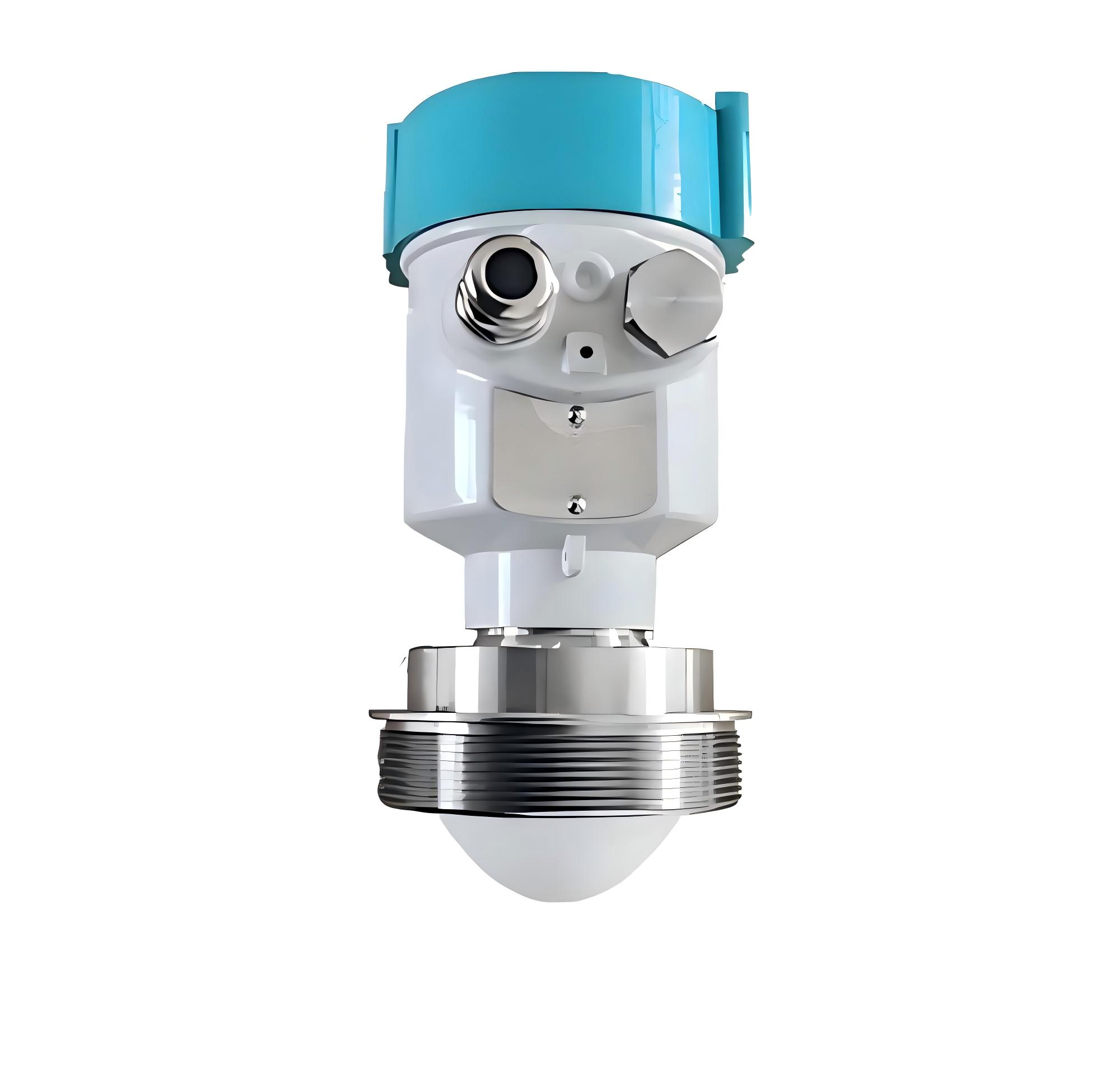
The radar level transmitter is almost unaffected by atmospheric water vapor, temperature, and pressure changes. Its high signal-to-noise ratio ensures superior performance even under fluctuating process conditions.
The compact antenna size allows for easy installation in confined spaces, contributing to the overall ease of setup and long-term maintenance.
Technical Specifications & Application Details
| Parameter | Description / Capability |
|---|---|
| Measurement Method | Microwave Pulse (Non-Contact) |
| Measured Media | Liquids, Slurries, Granular Materials |
| Environmental Resistance | Dust, Temperature & Pressure Variations, Steam, Inert Gases |
| Installation | Metal/Non-Metal Containers or Pipelines |
| Key Advantage | Unaffected by Dielectric Constant Changes |
Accurate Readings in Severe Conditions
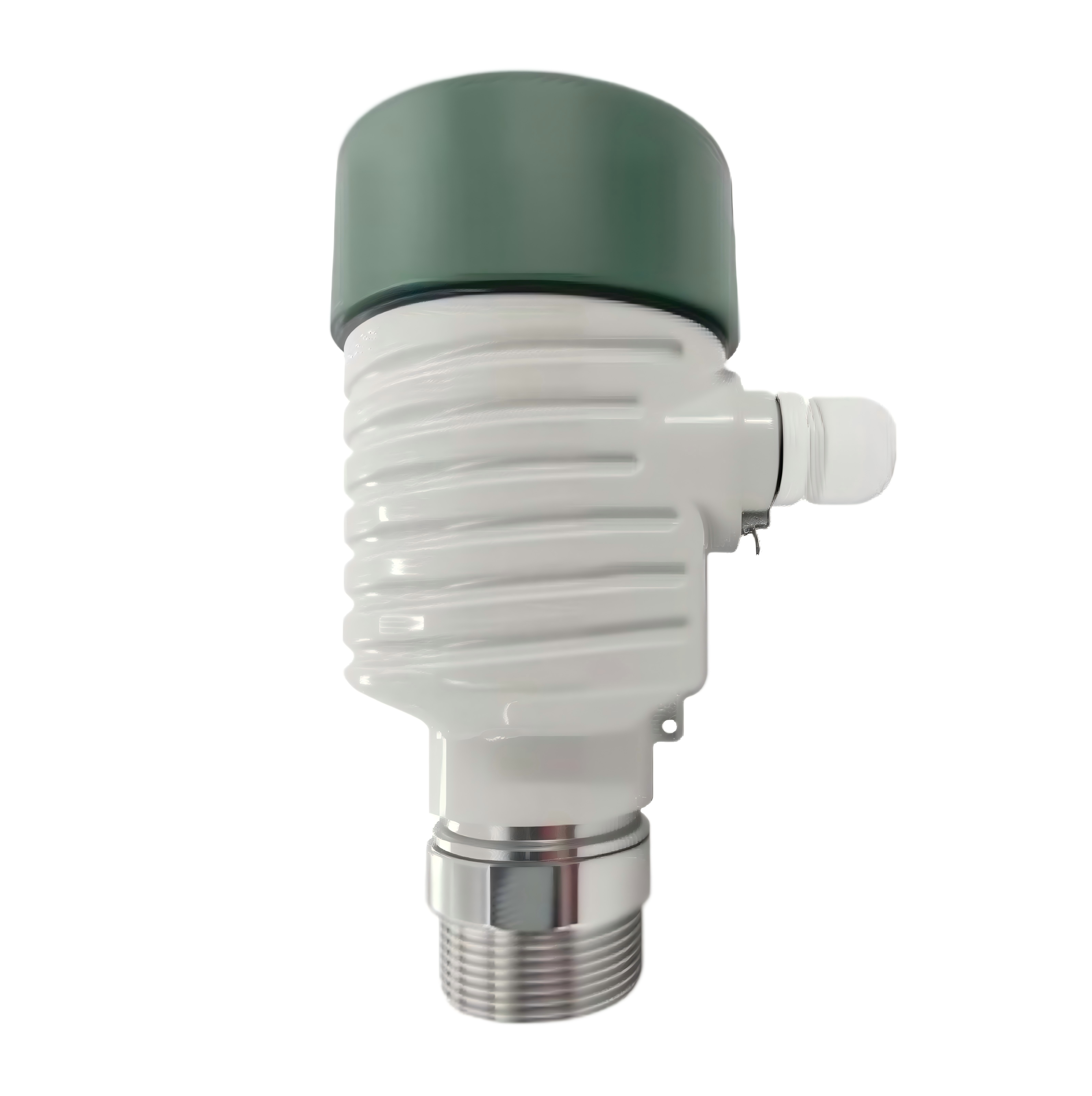
This continuous level measurement system accurately identifies the true level echo even in severe dust environments. This capability is critical for inventory management and process control in industries like mining, cement, and power generation.
The technology ensures reliable data for automation systems, supporting efficient and safe plant operations.
Ideal for Complex Industrial Applications
Versatility Across Industries
The radar level gauge is suitable for a wide range of complex working conditions. It is an excellent choice for applications involving high temperature, high pressure, steam, and inert gas environments commonly found in chemical, oil & gas, and pharmaceutical plants.
Its robust design translates to stable operation and a long service life, reducing total cost of ownership.
Summary of Operational Benefits
In summary, this radar level measurement instrument combines ease of installation and maintenance with exceptional reliability. Its non-contact principle ensures longevity and hygiene for sensitive processes.
For engineers seeking a dependable solution for bulk solid or liquid level monitoring under tough conditions, this radar gauge delivers consistent performance.
Optimized for Slurry and Granular Material Level Control
The device's ability to handle slurries and granular solids makes it indispensable in wastewater treatment, food processing, and aggregate industries. The non-contact method prevents buildup and clogging associated with other technologies.
By providing accurate and continuous level data, it helps optimize process efficiency, prevent overfills, and ensure plant safety.
Contact Us
Need a custom solution? Our engineers are ready to help you design the perfect system.
Get In Touch