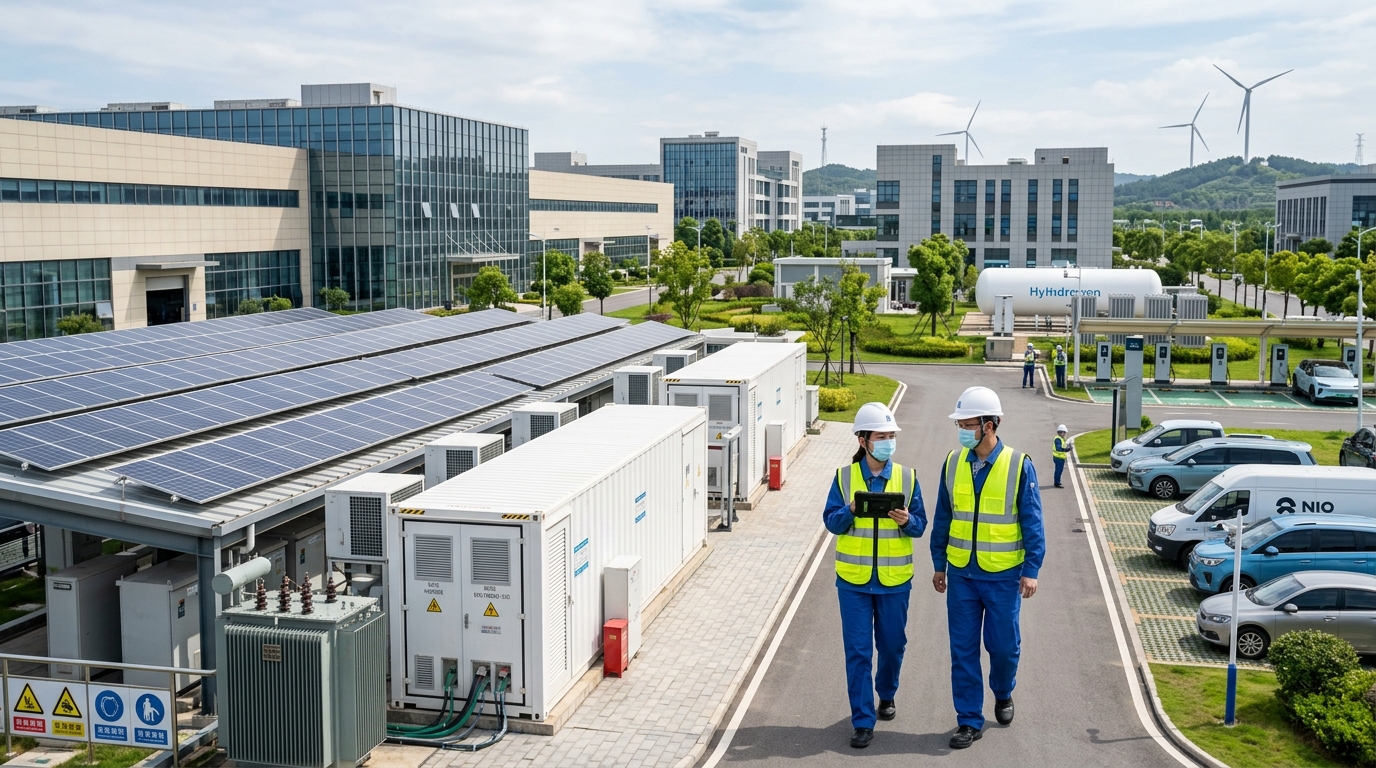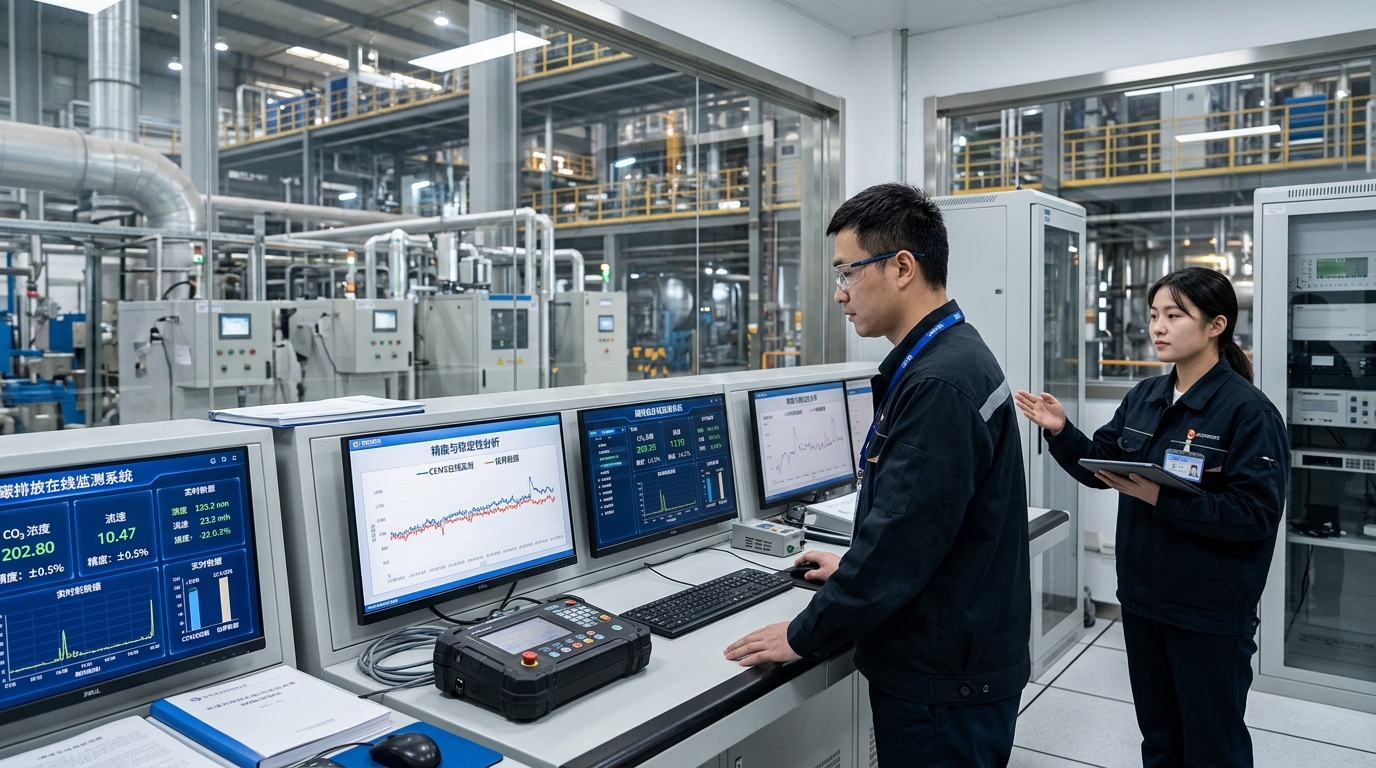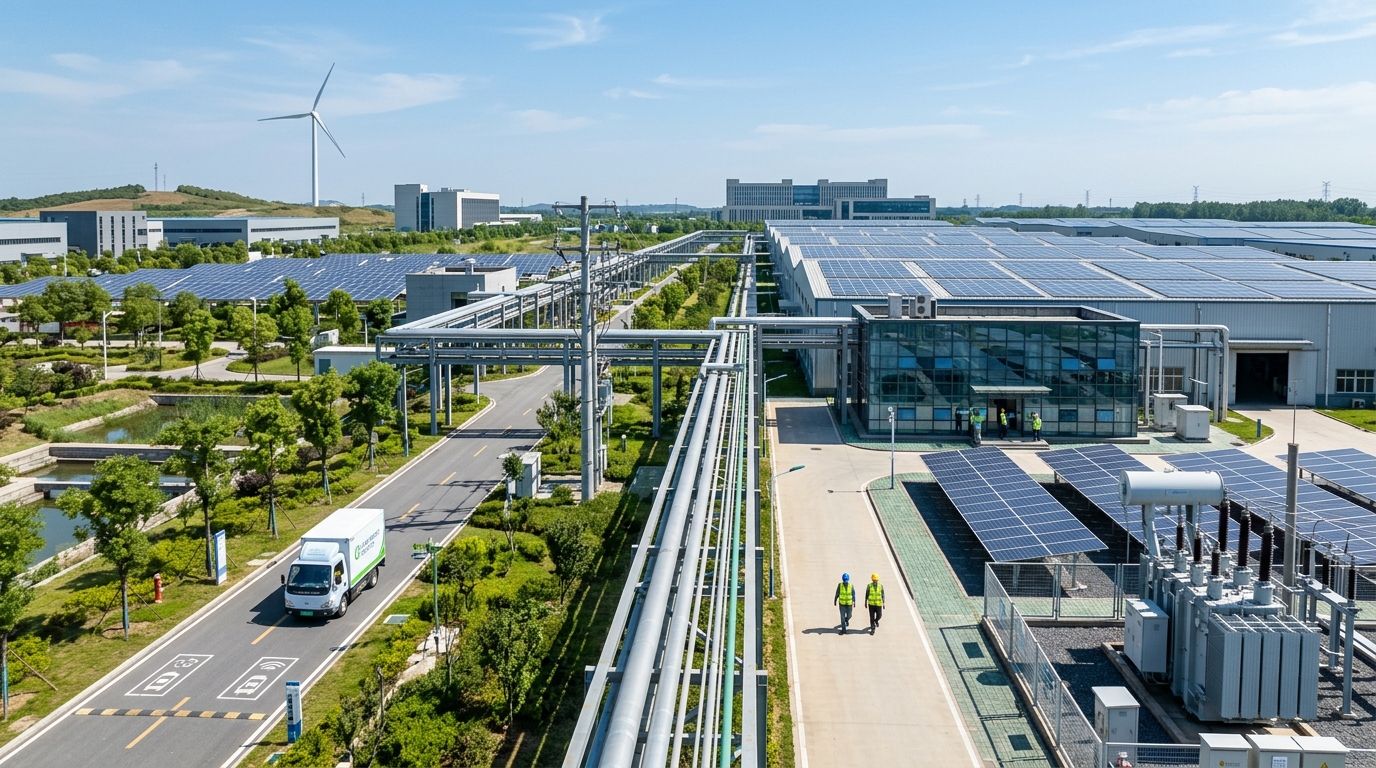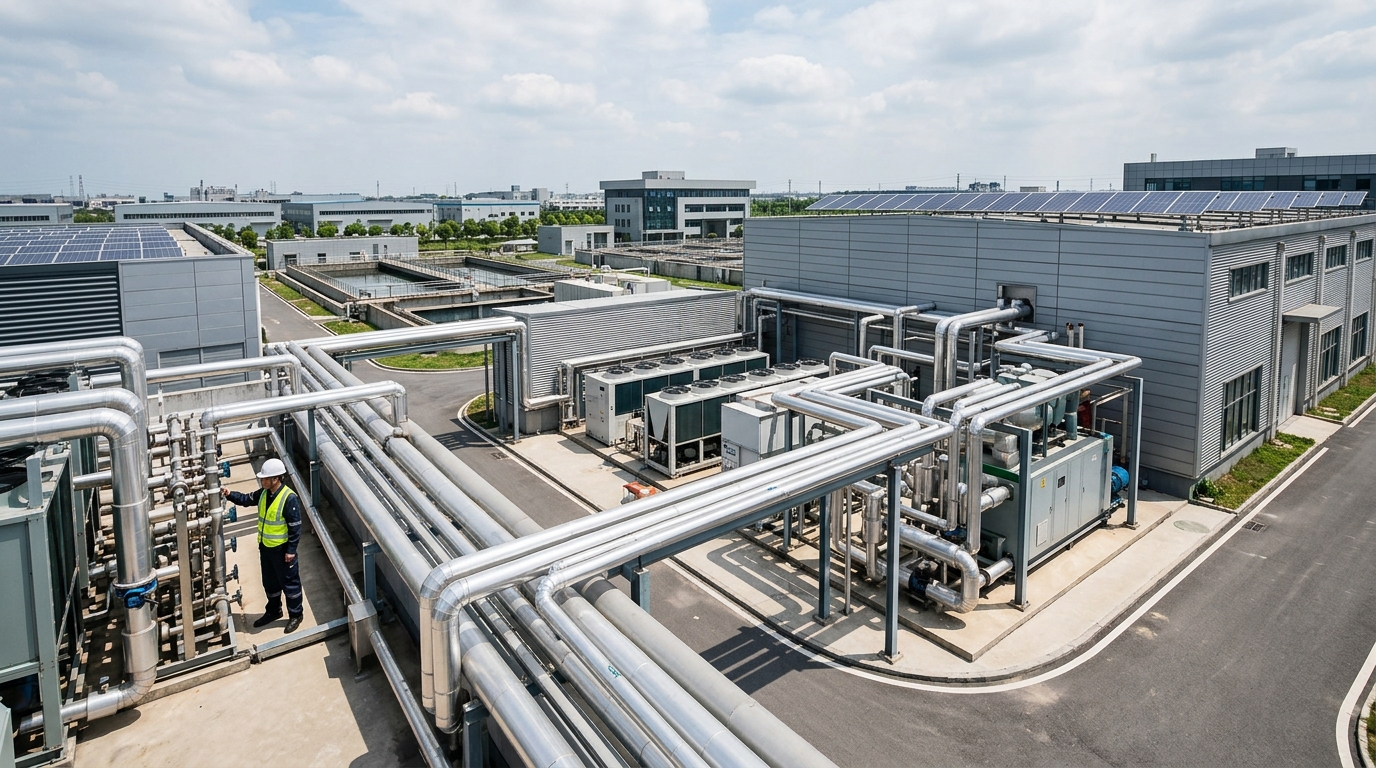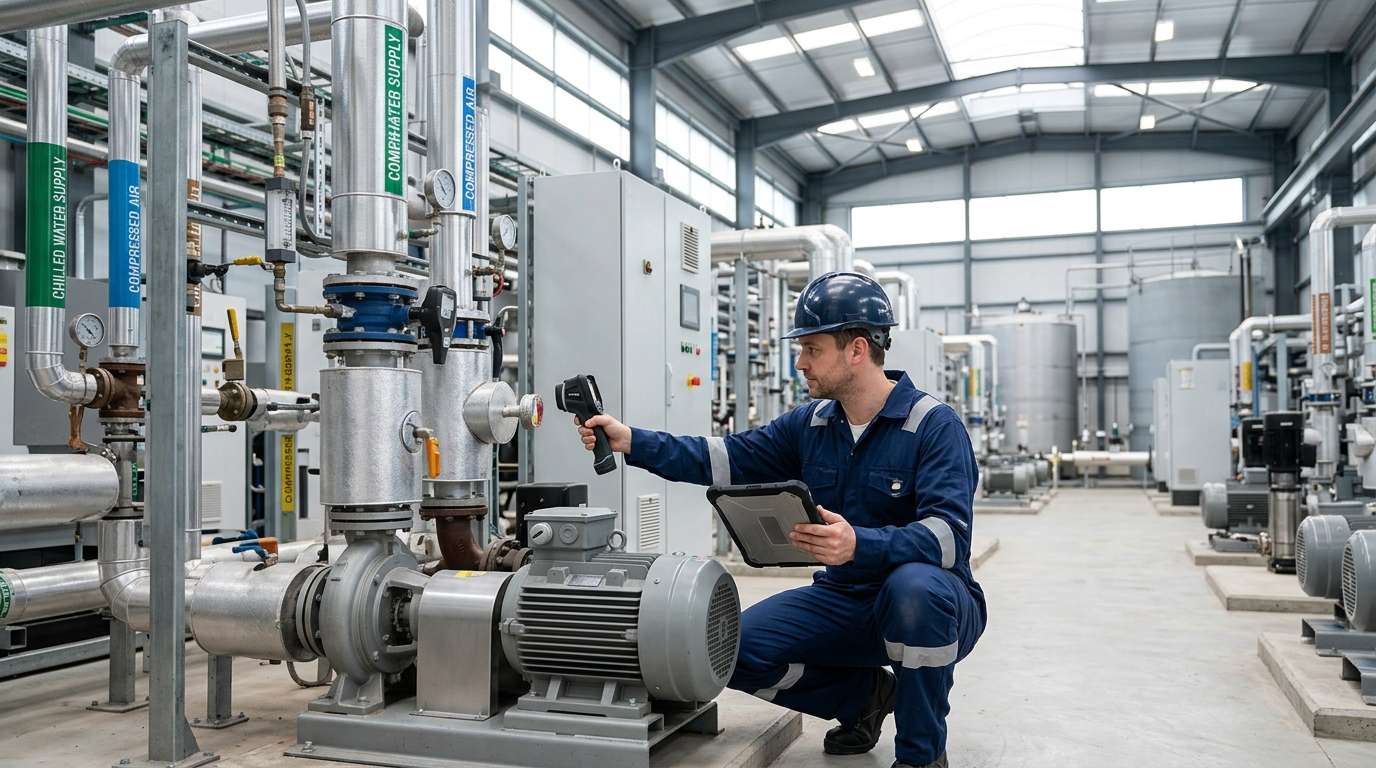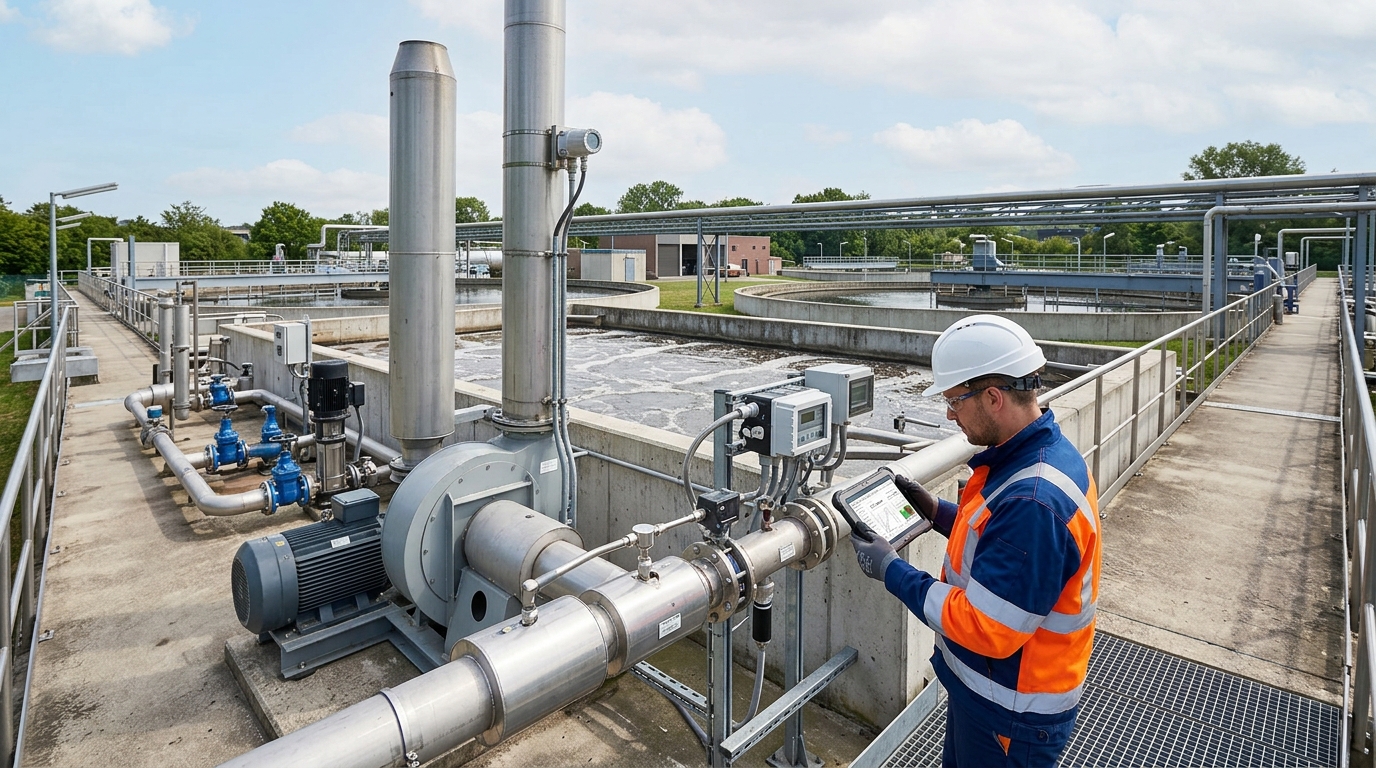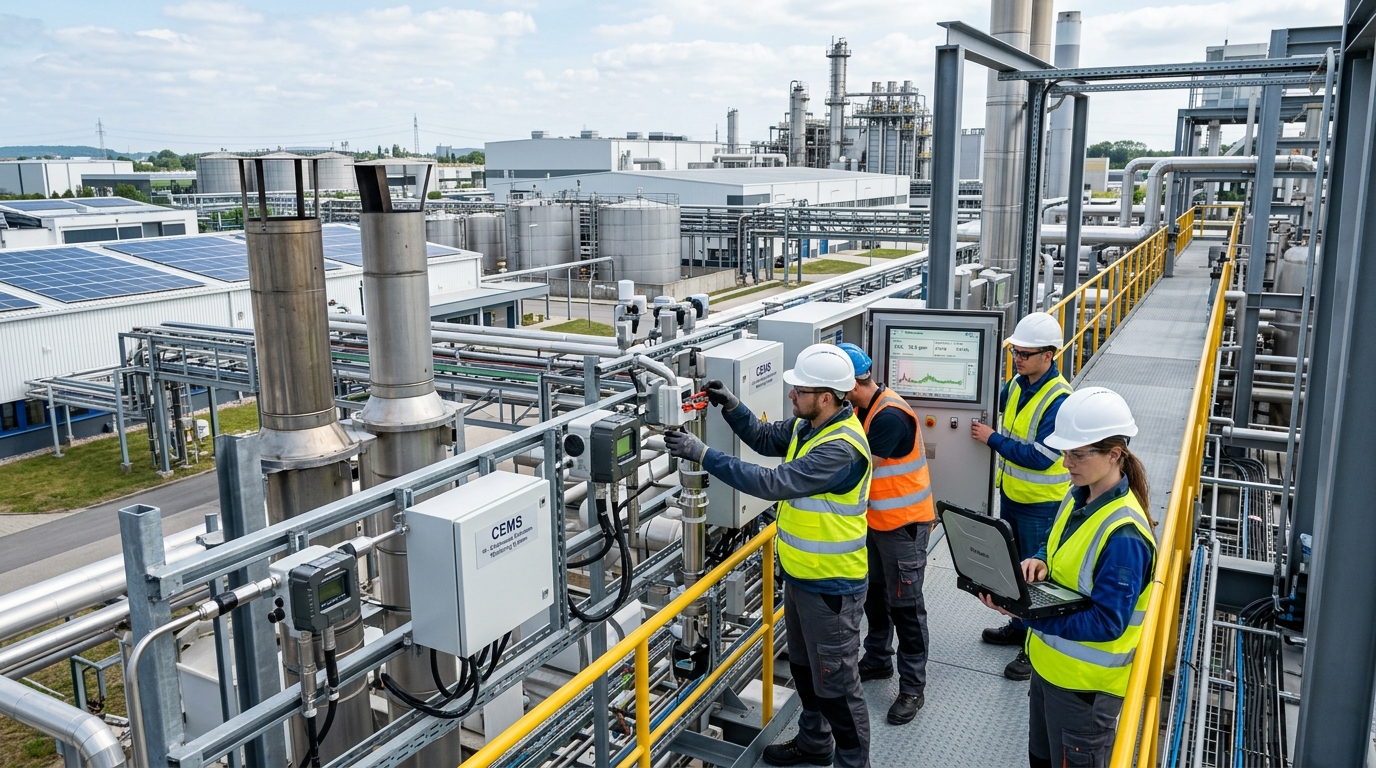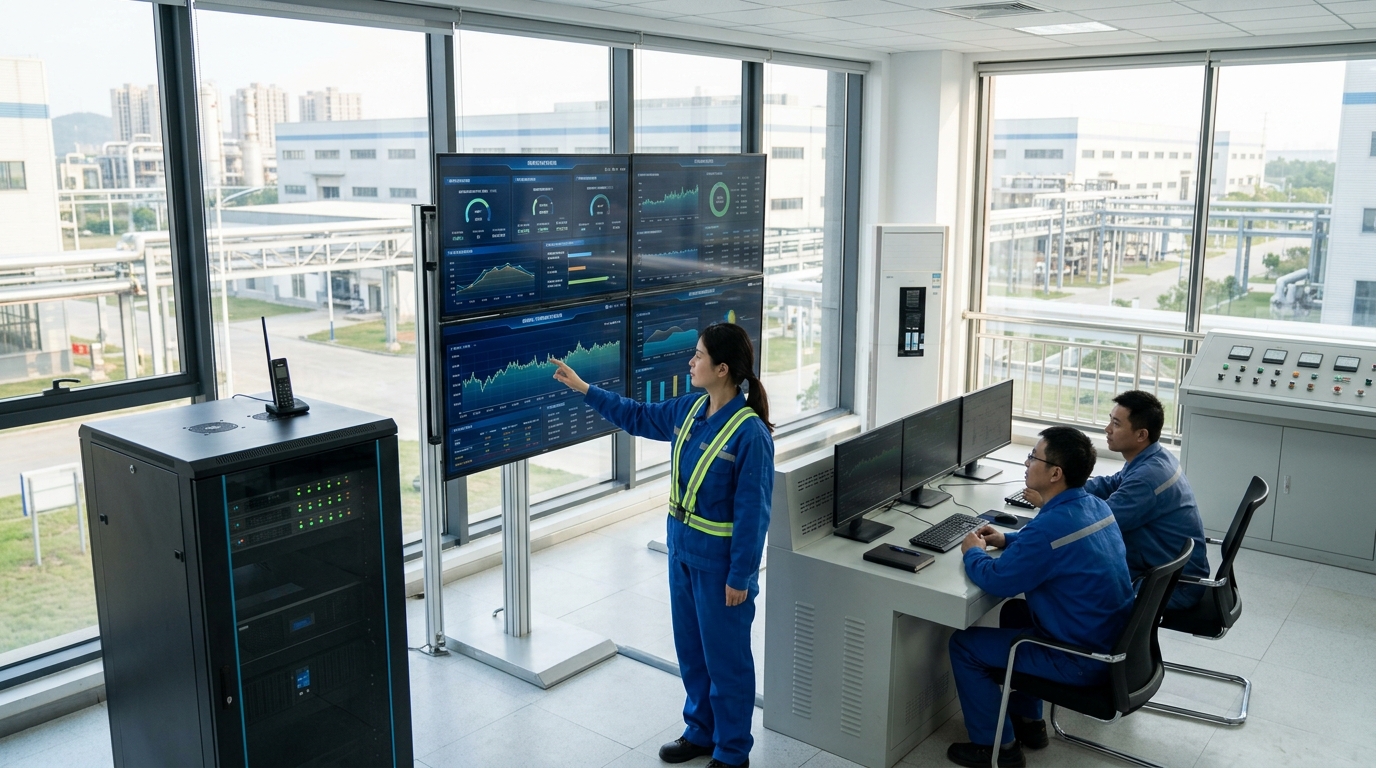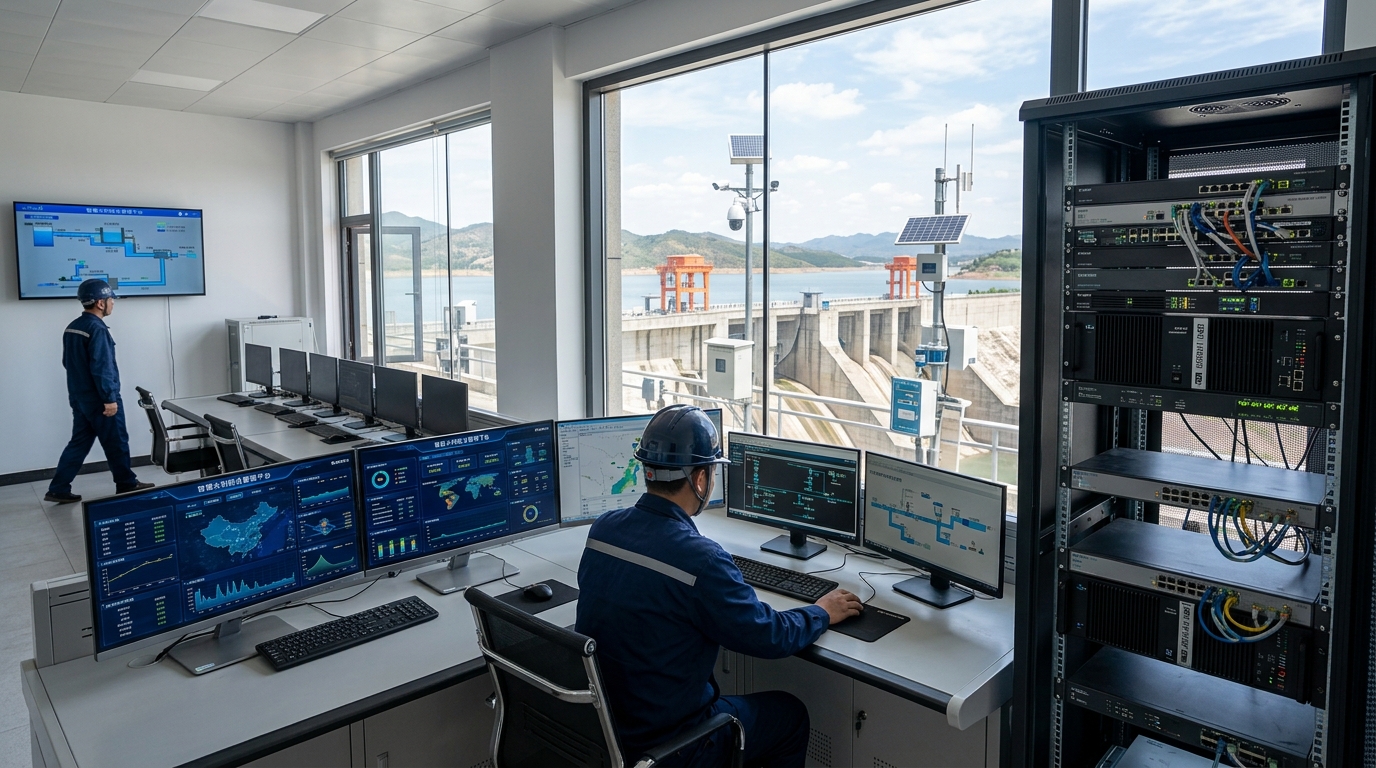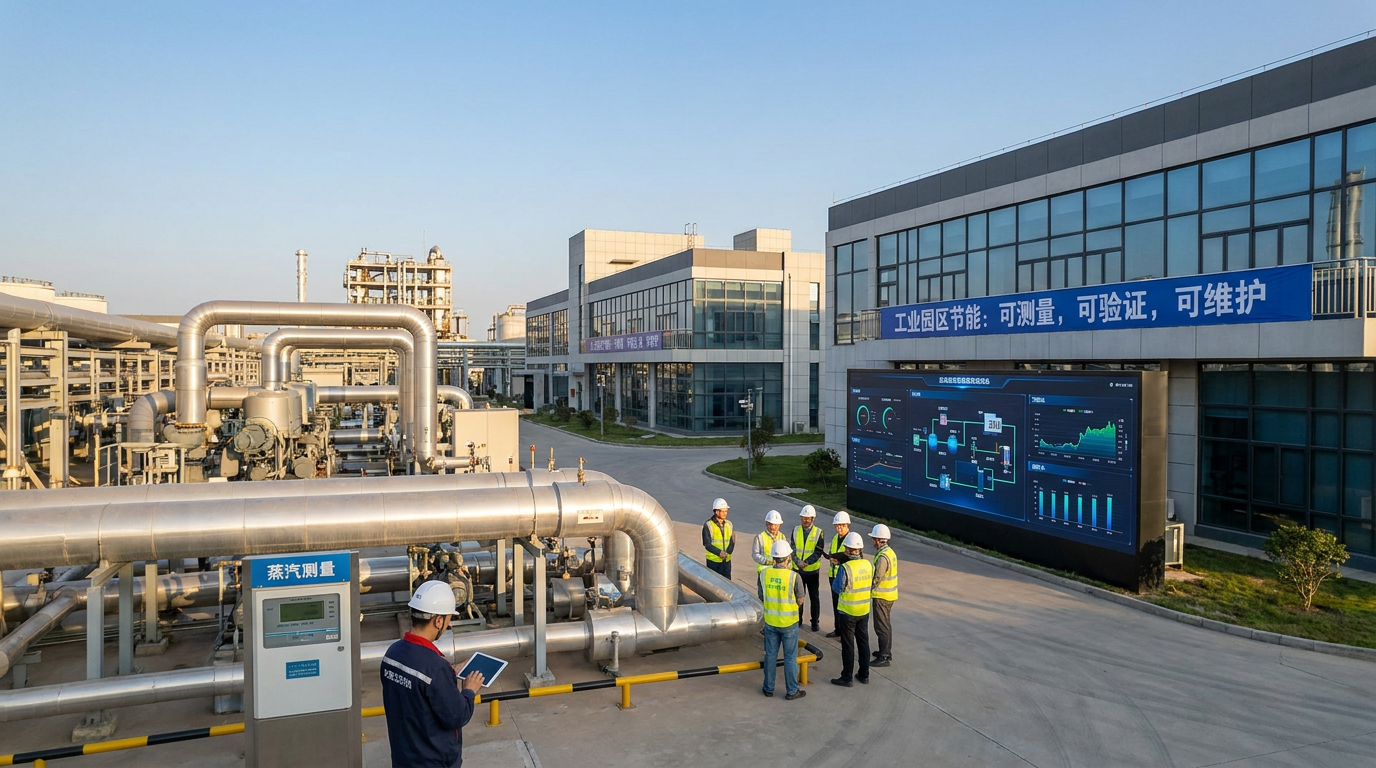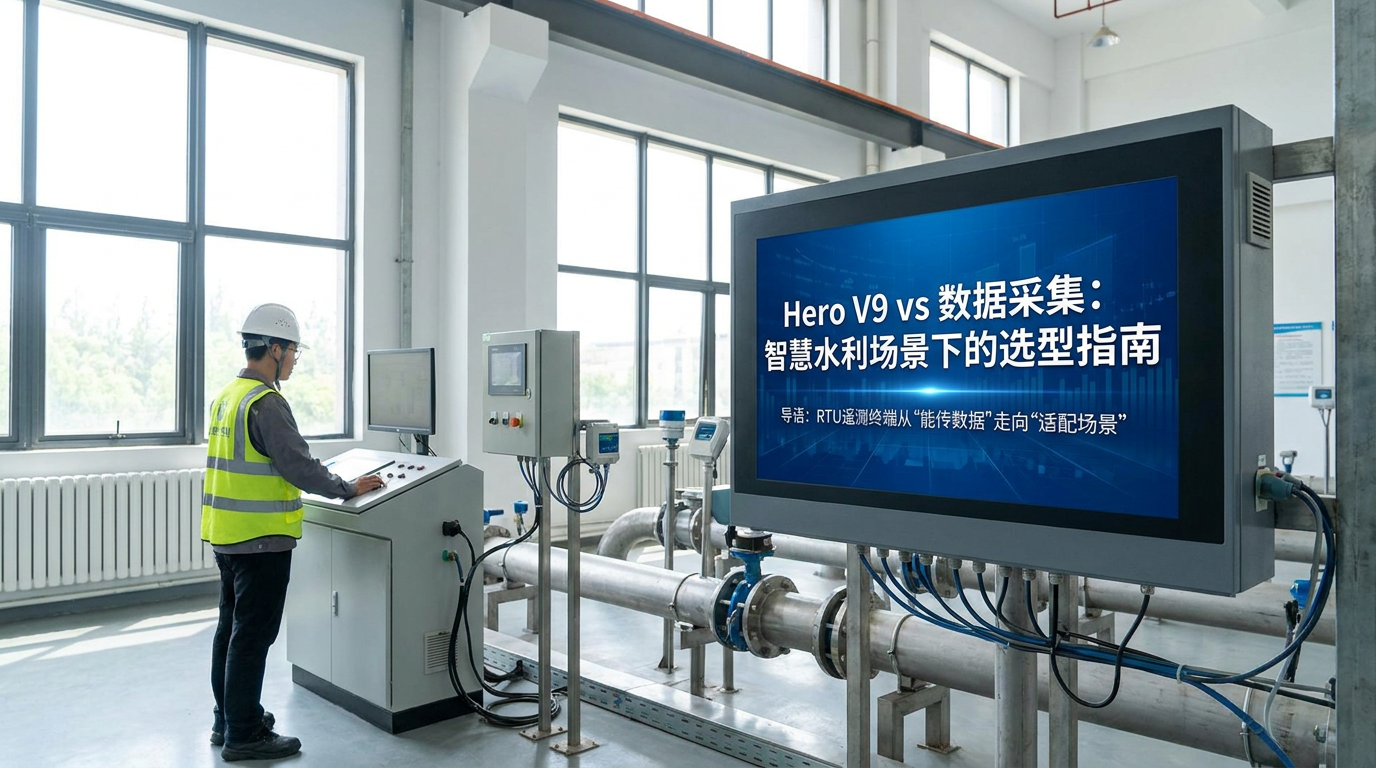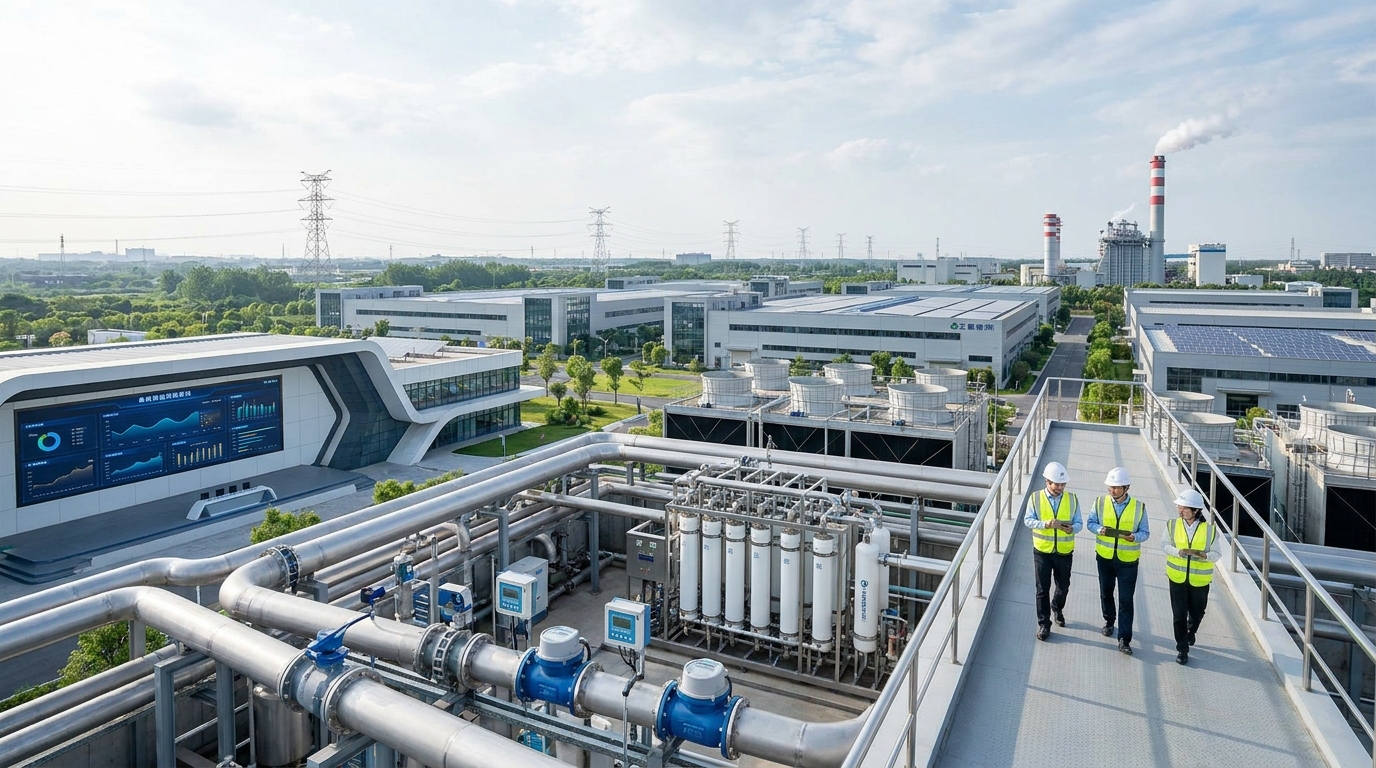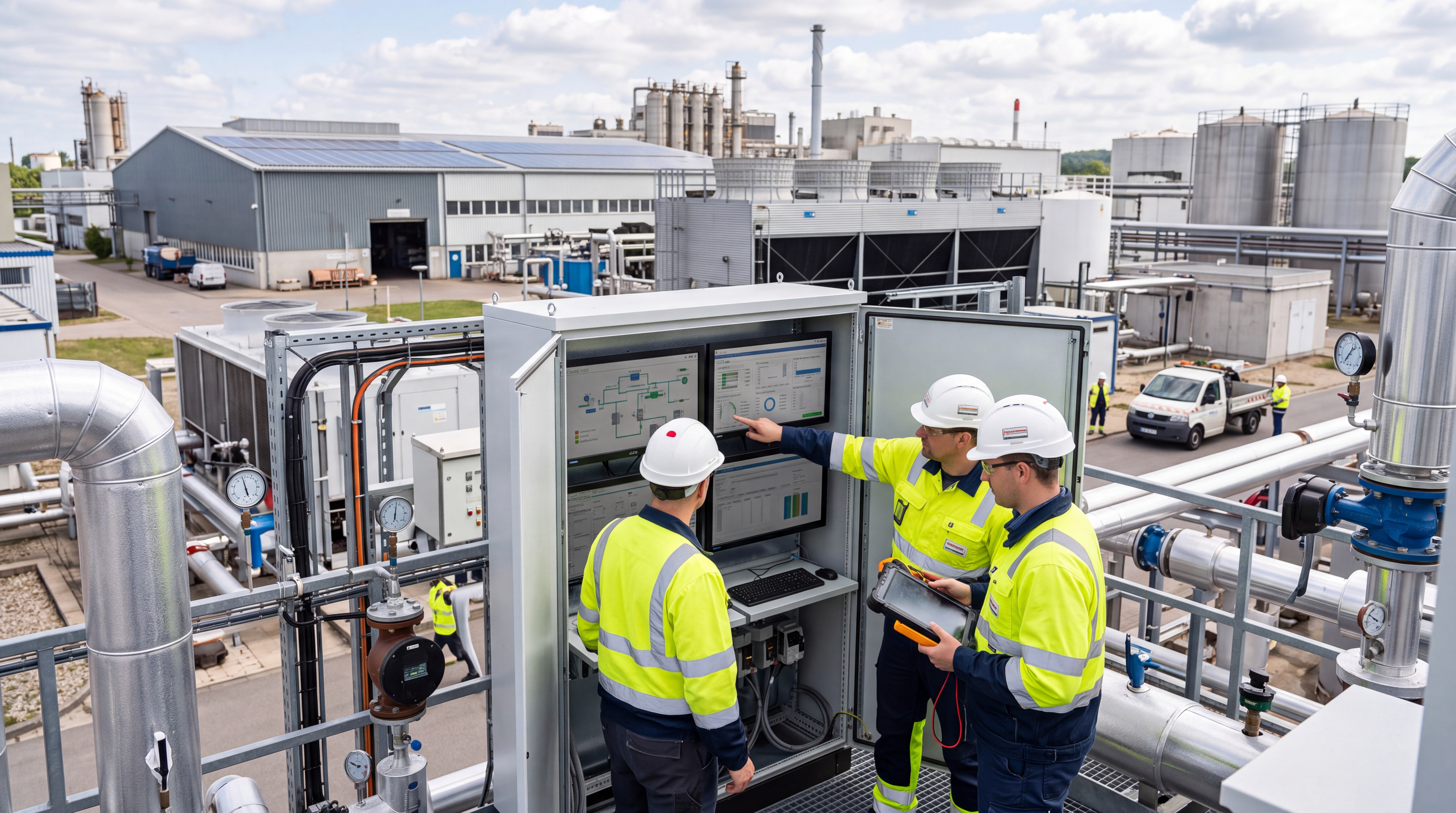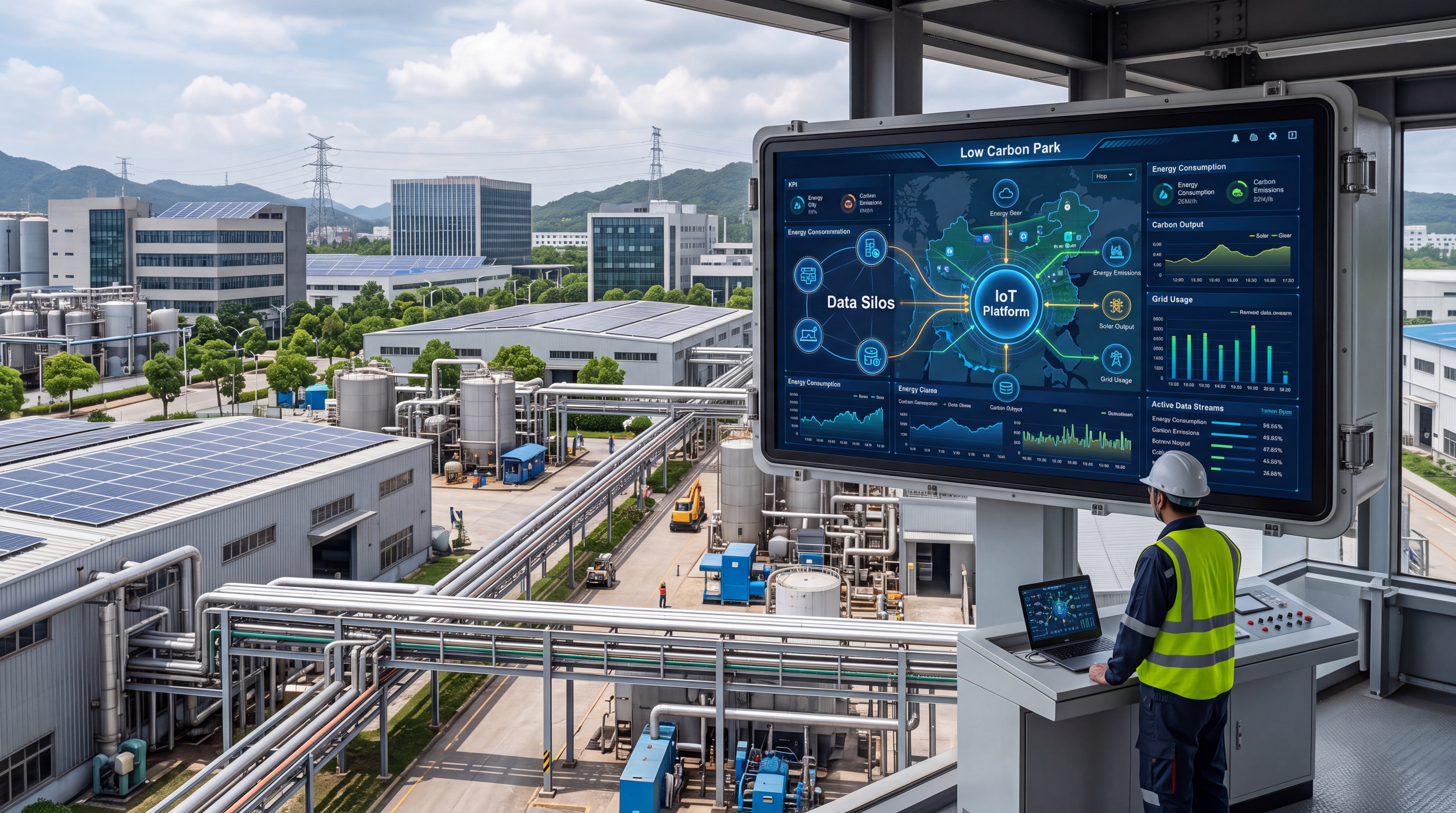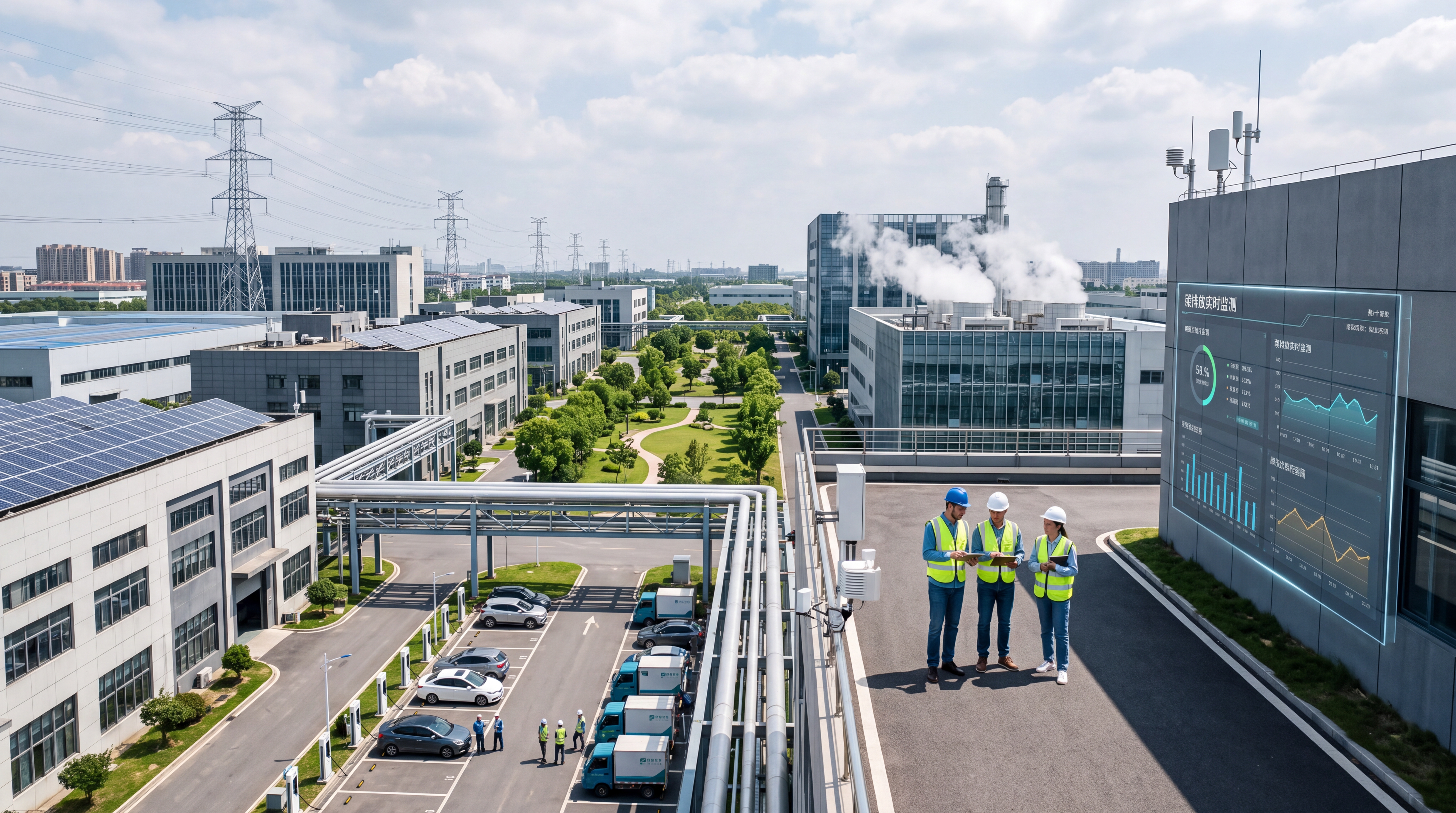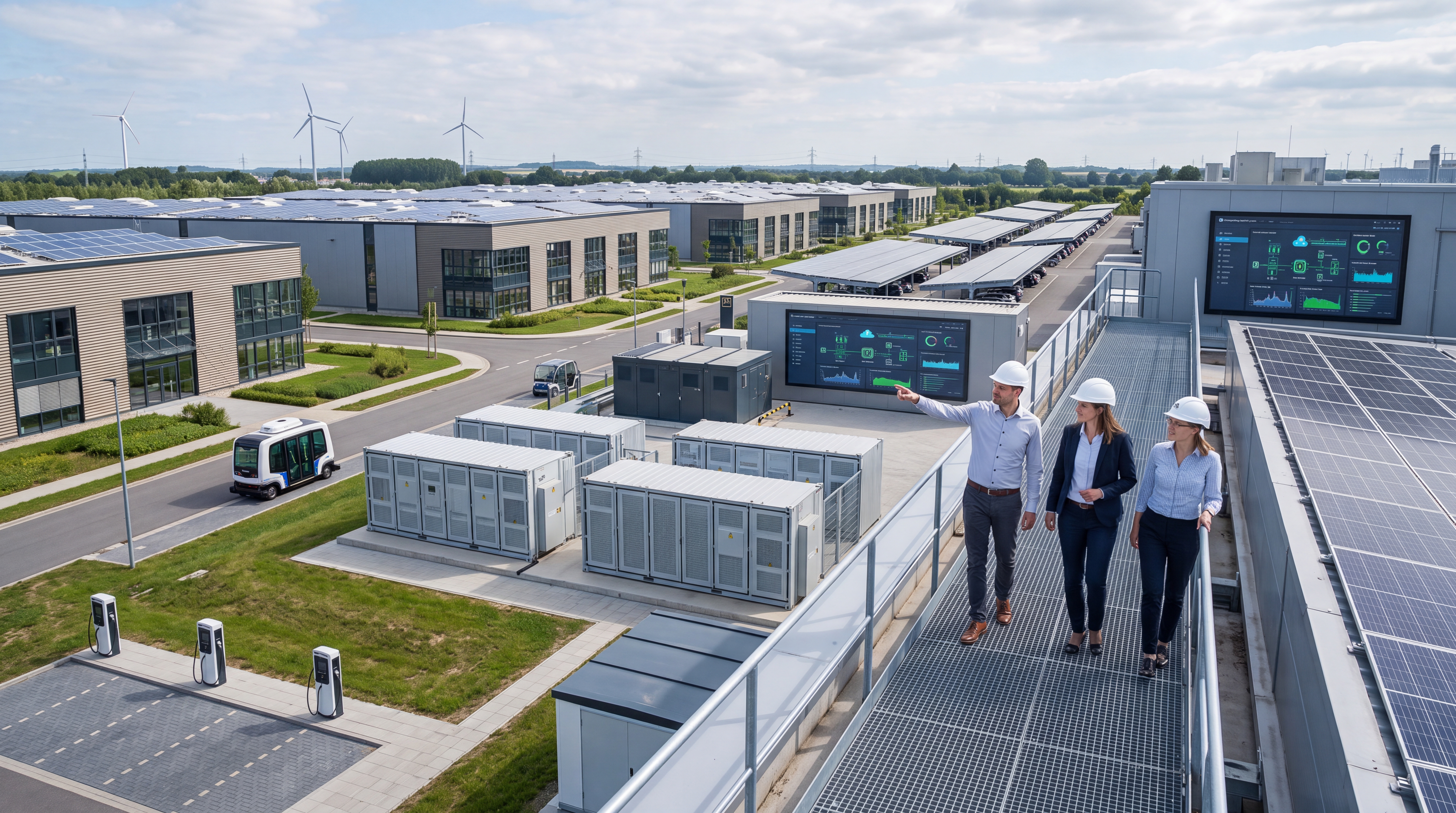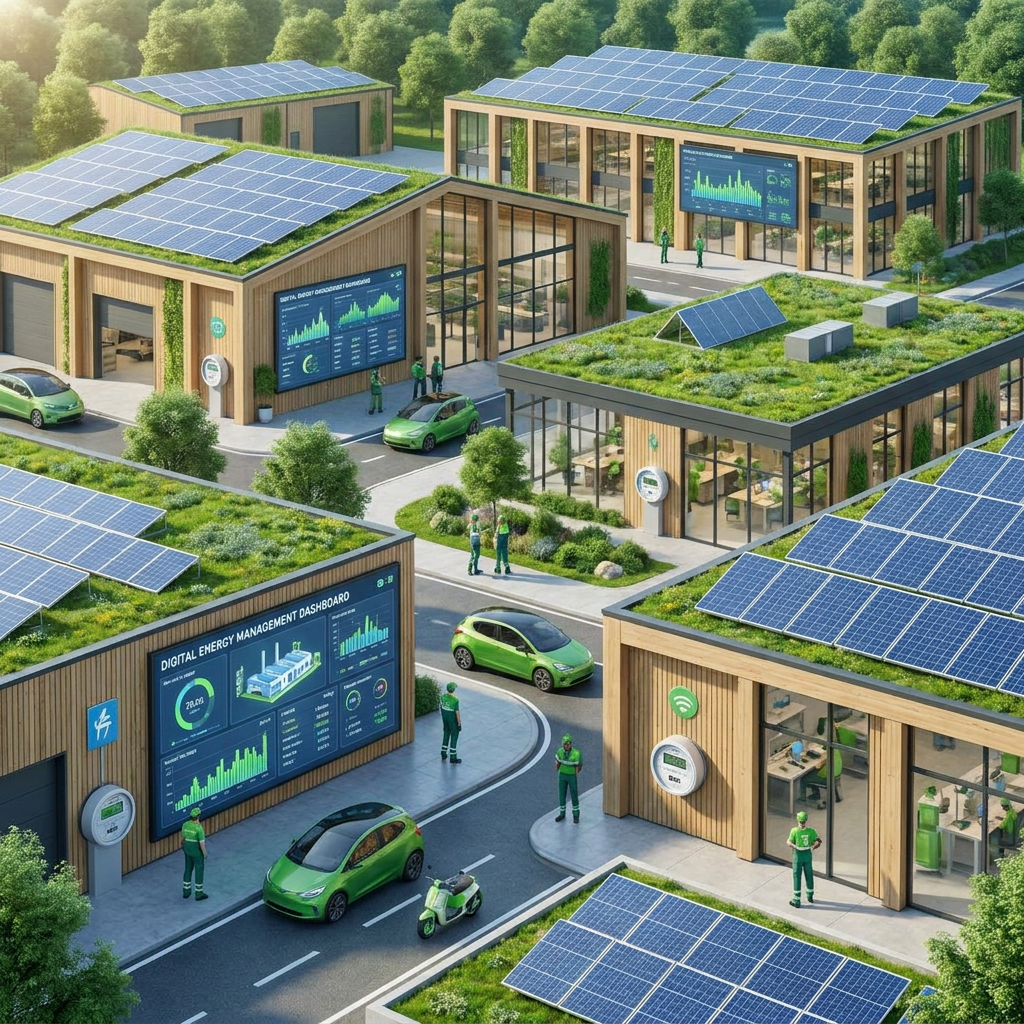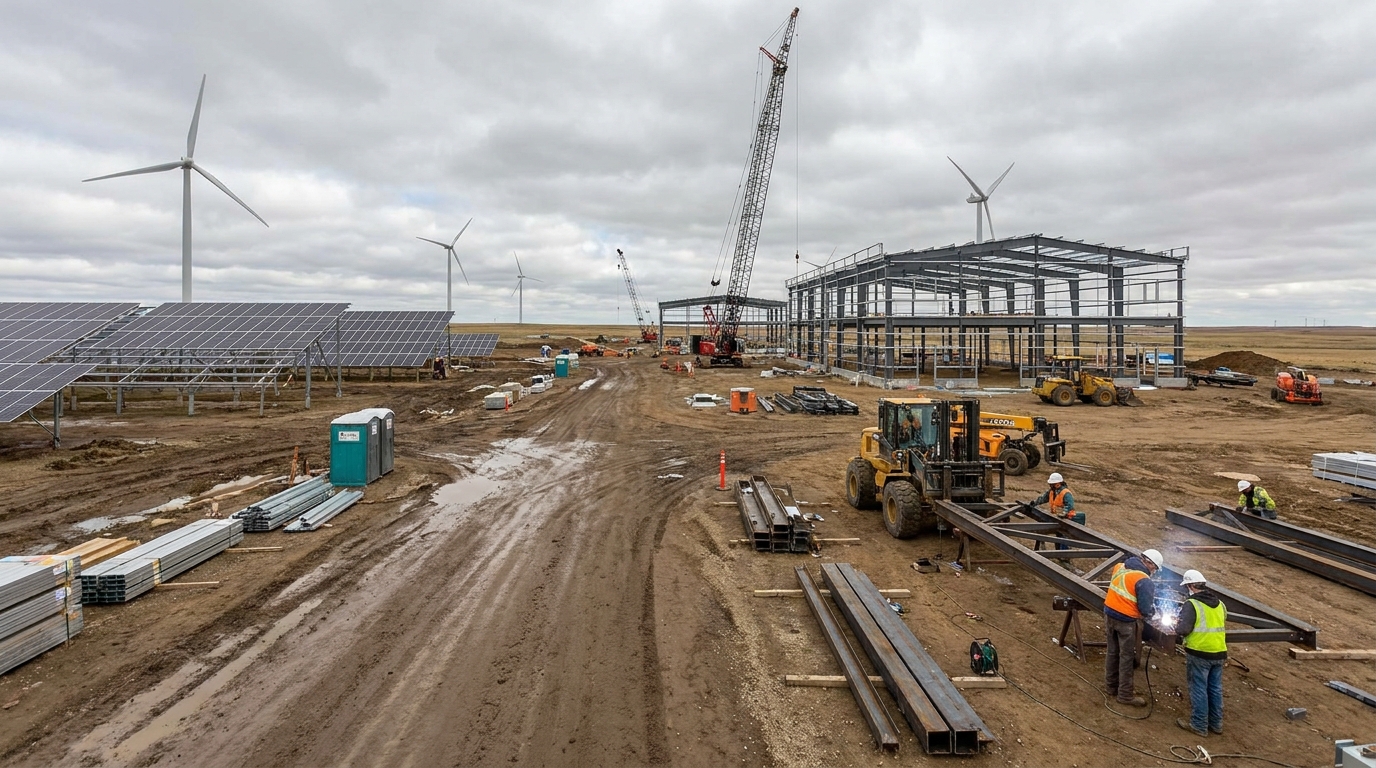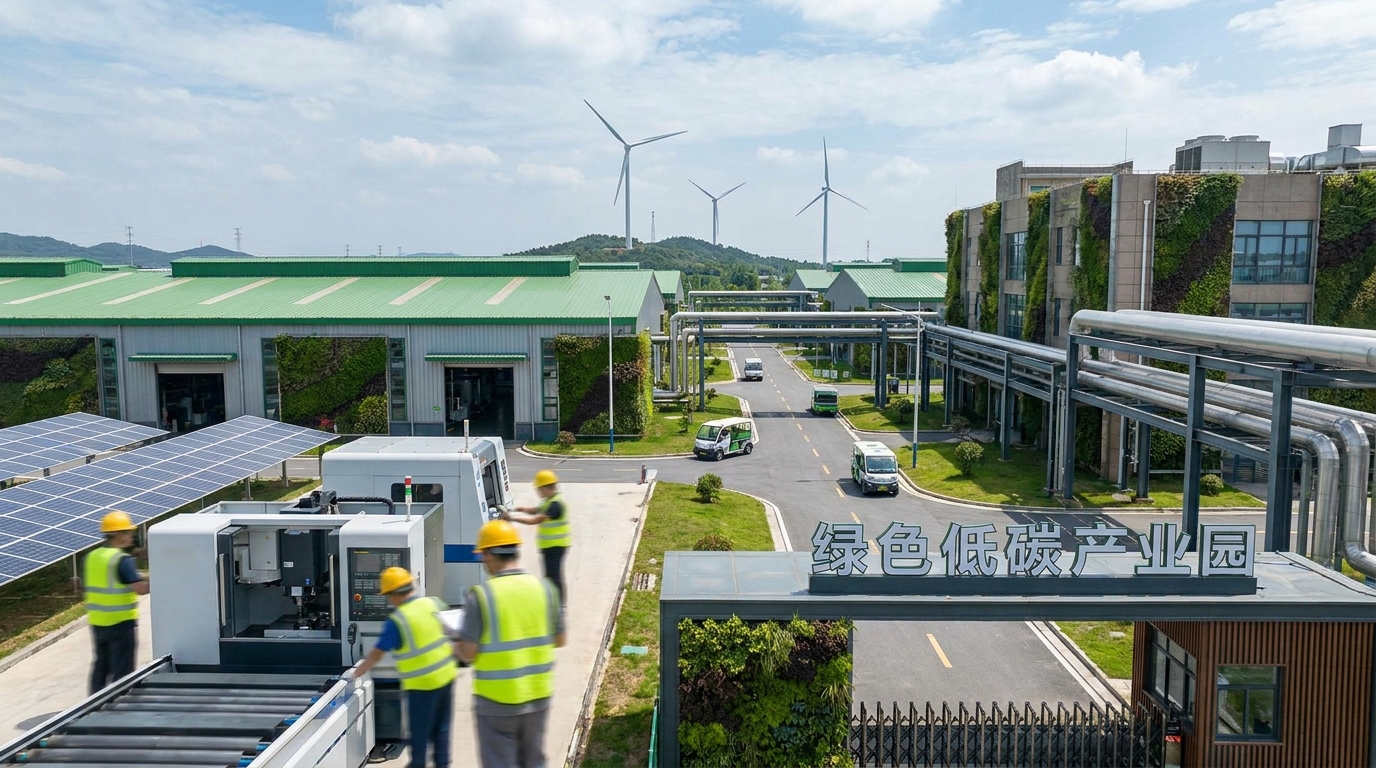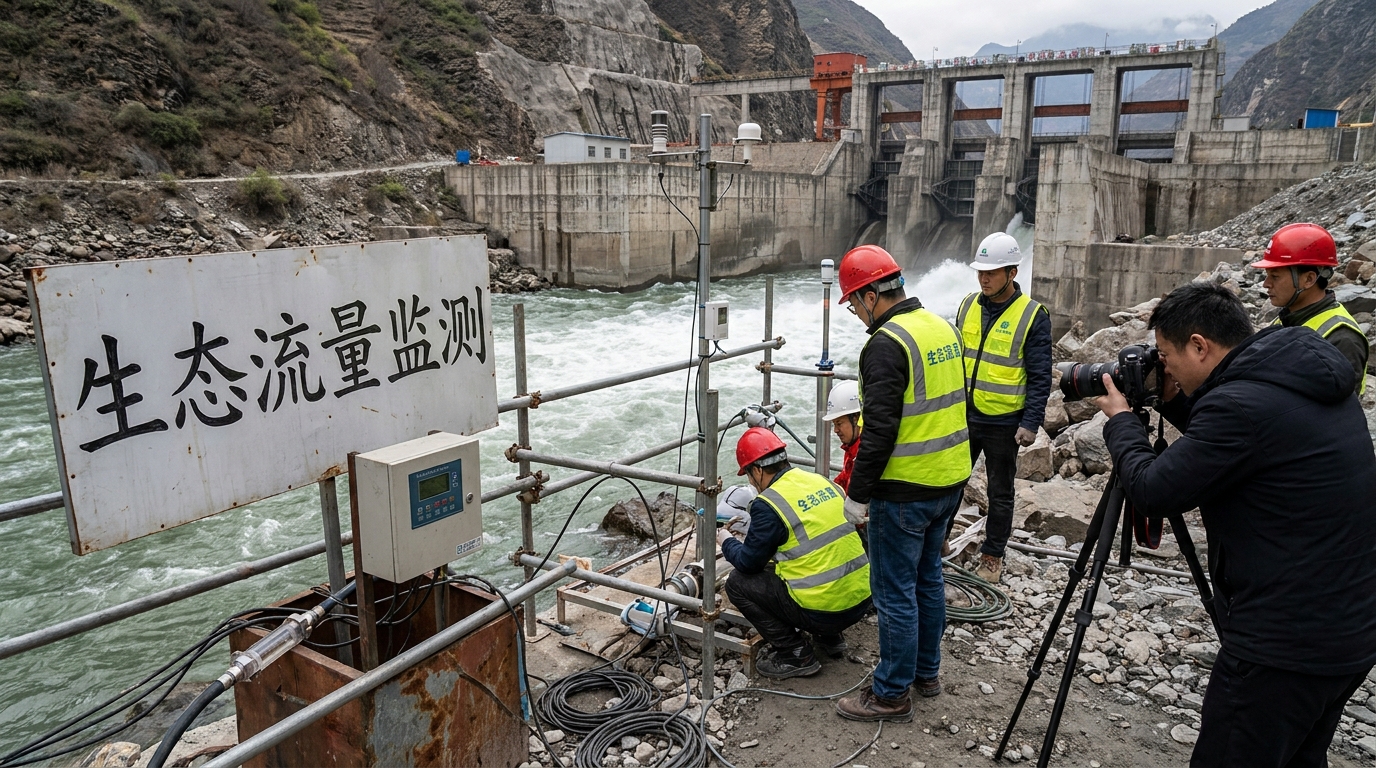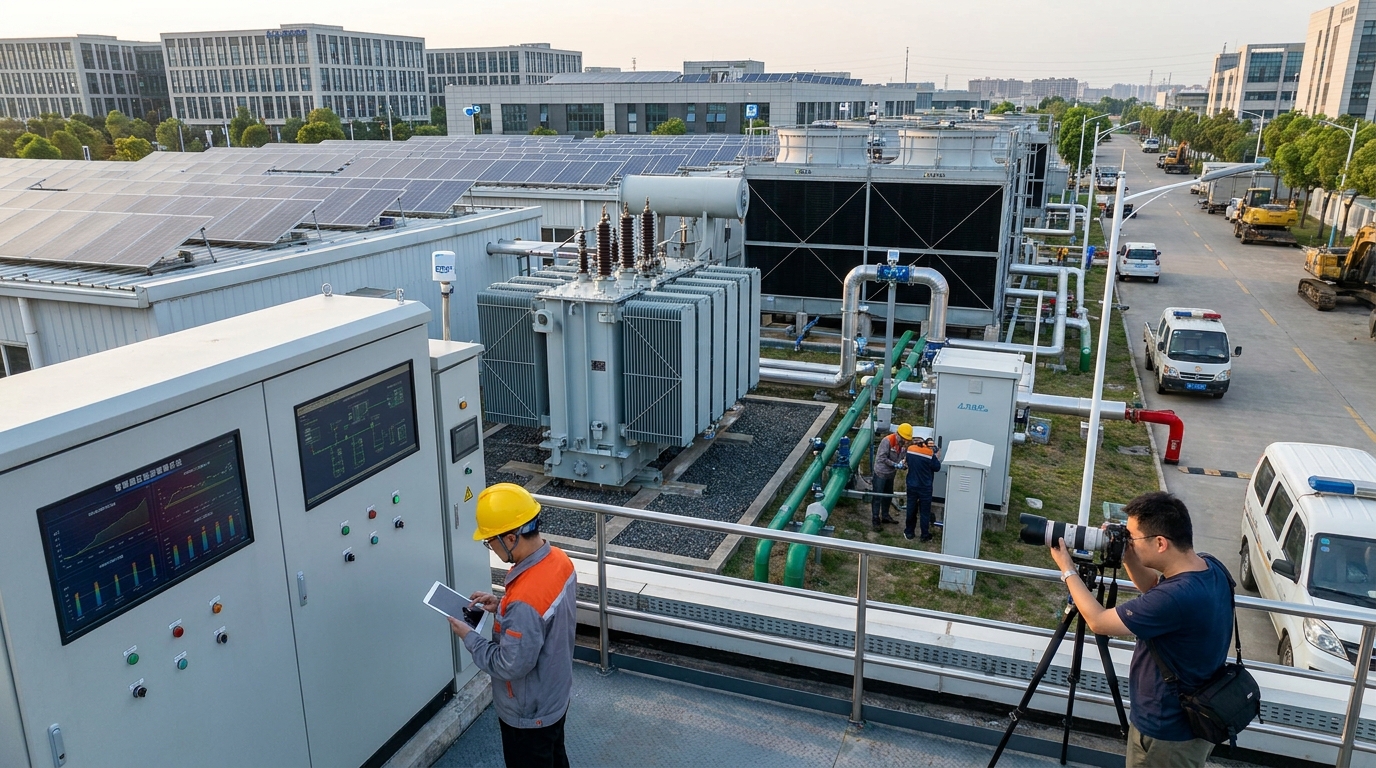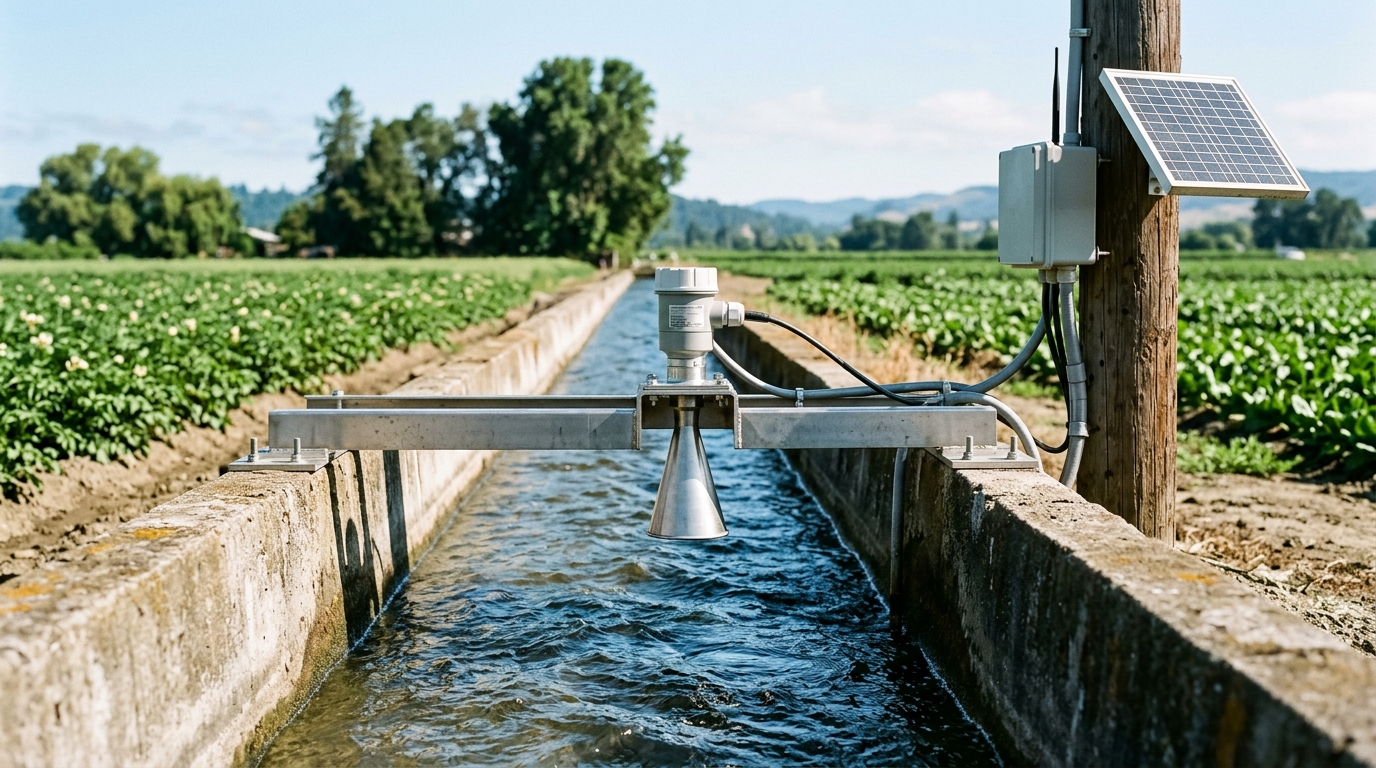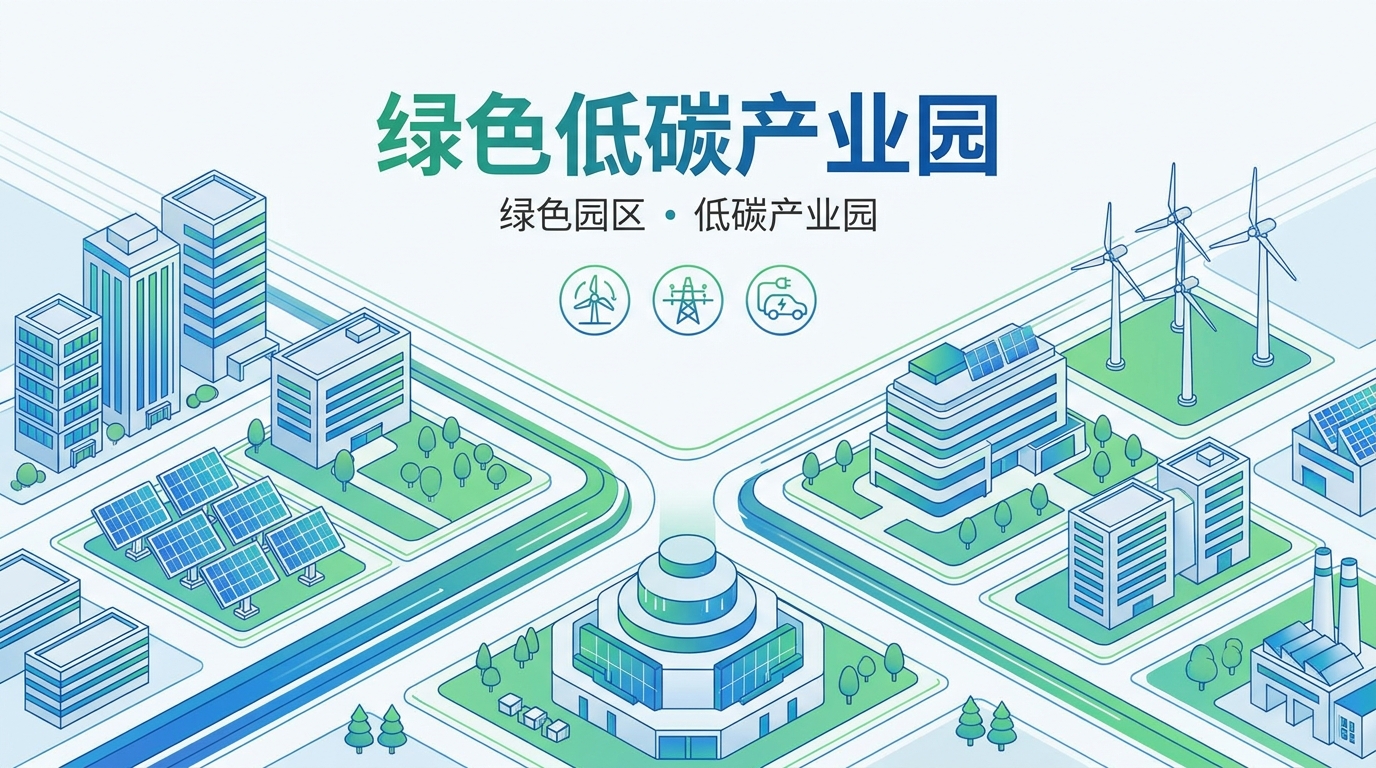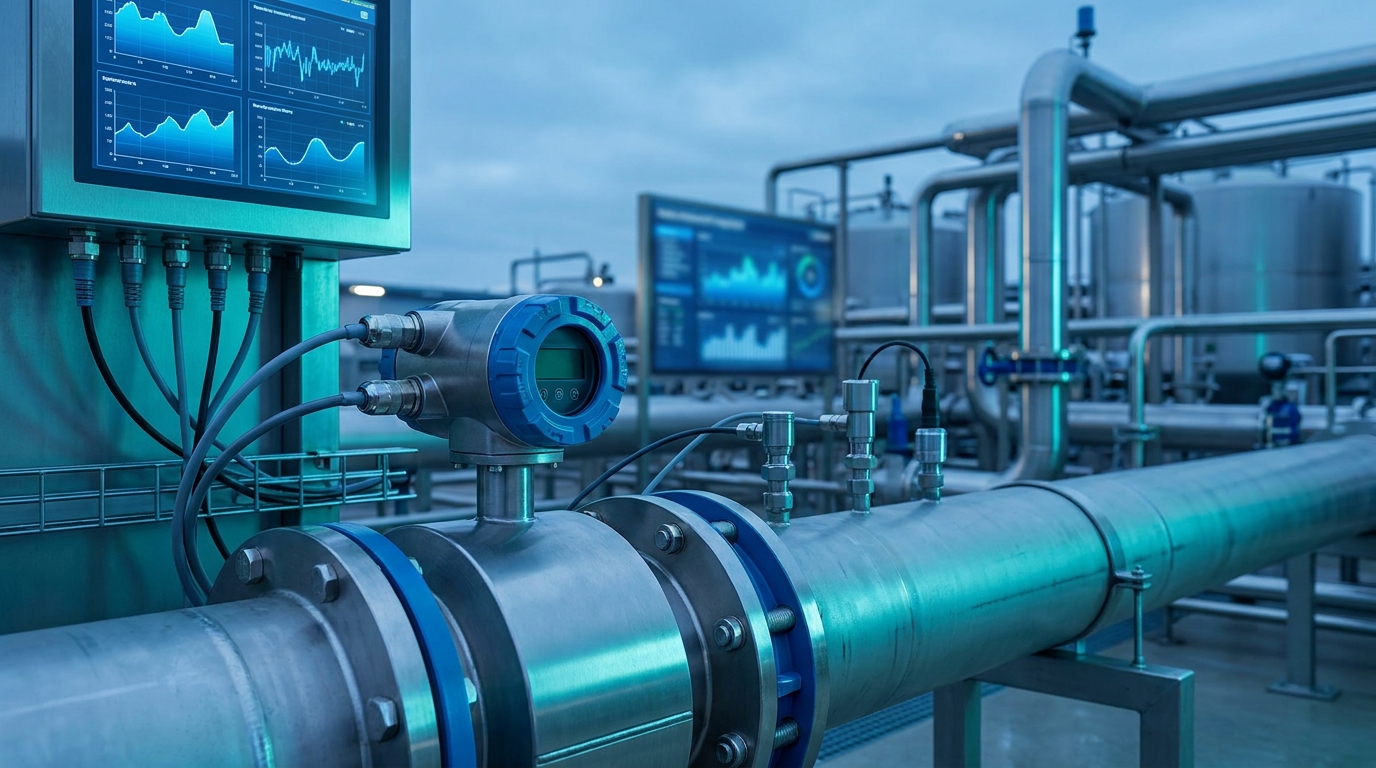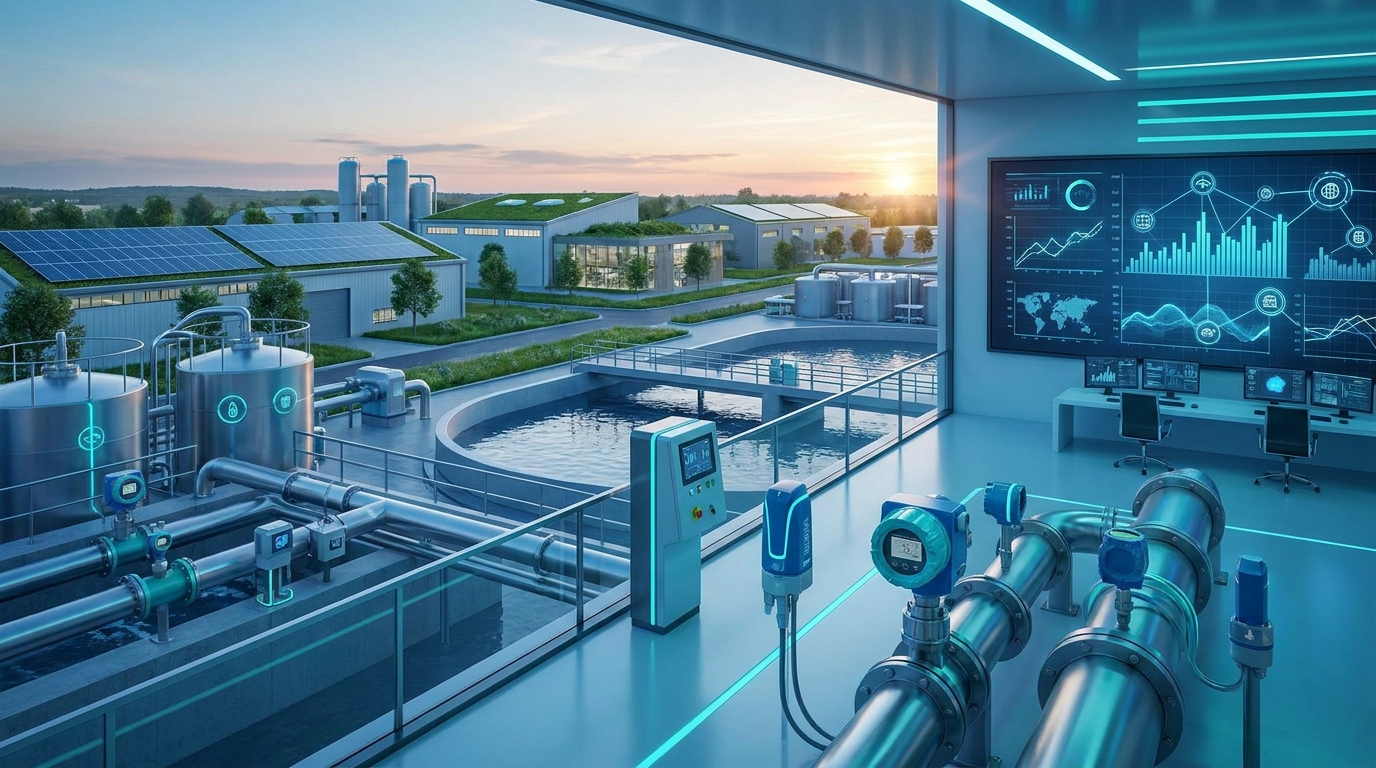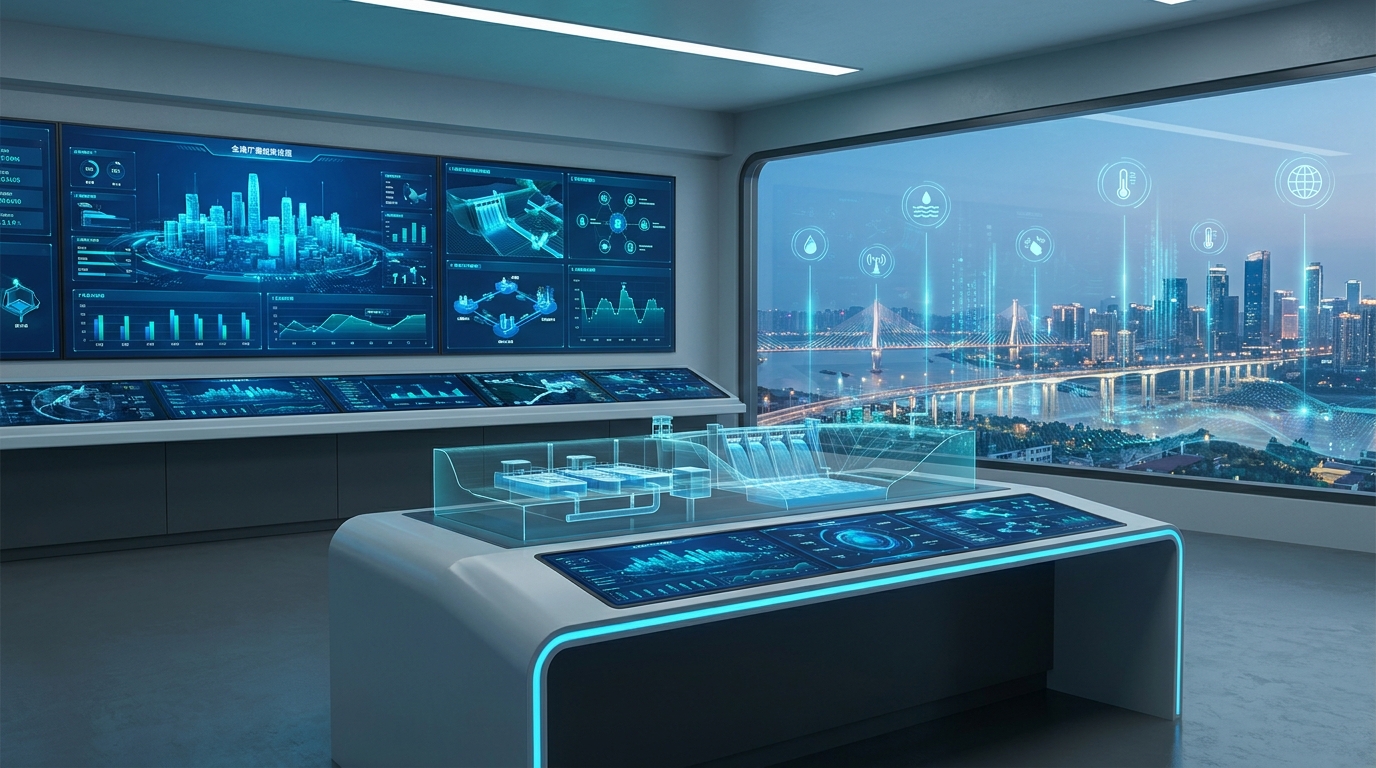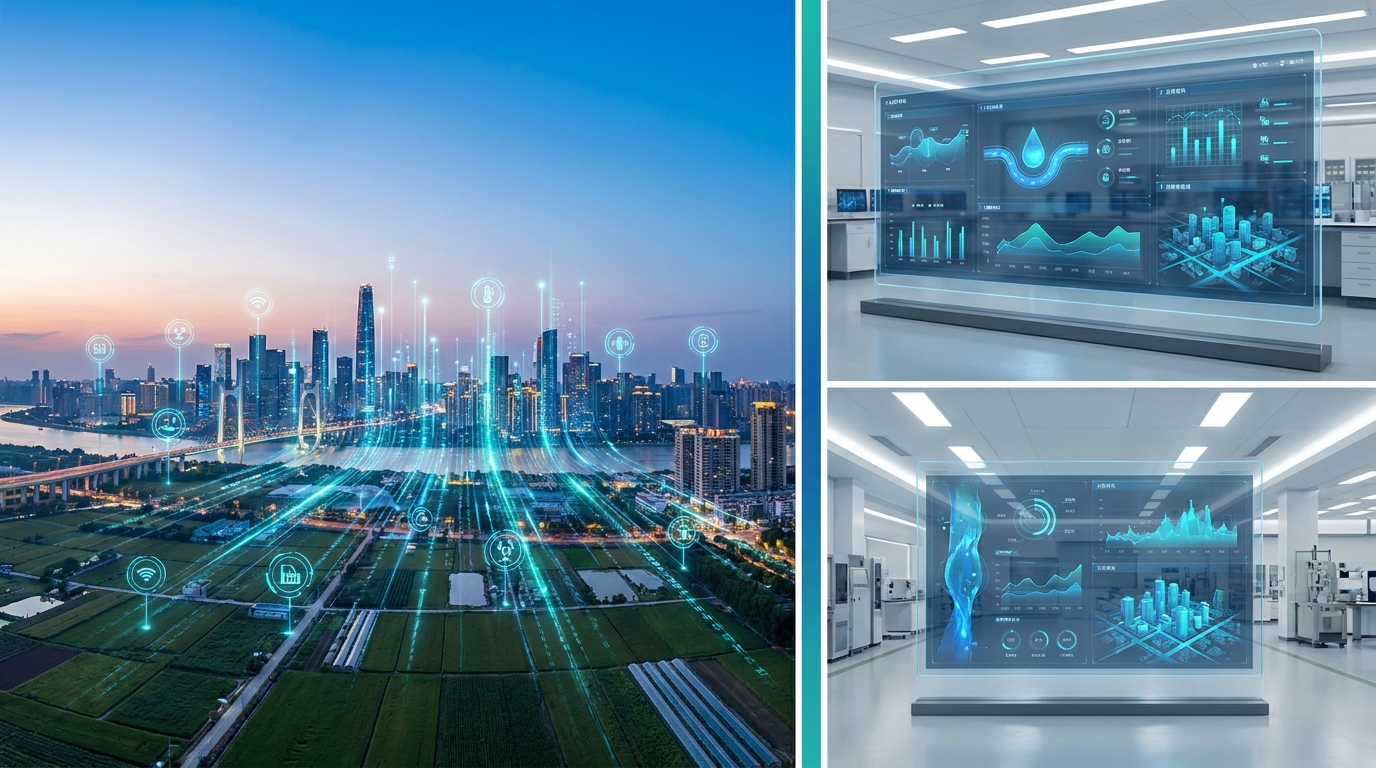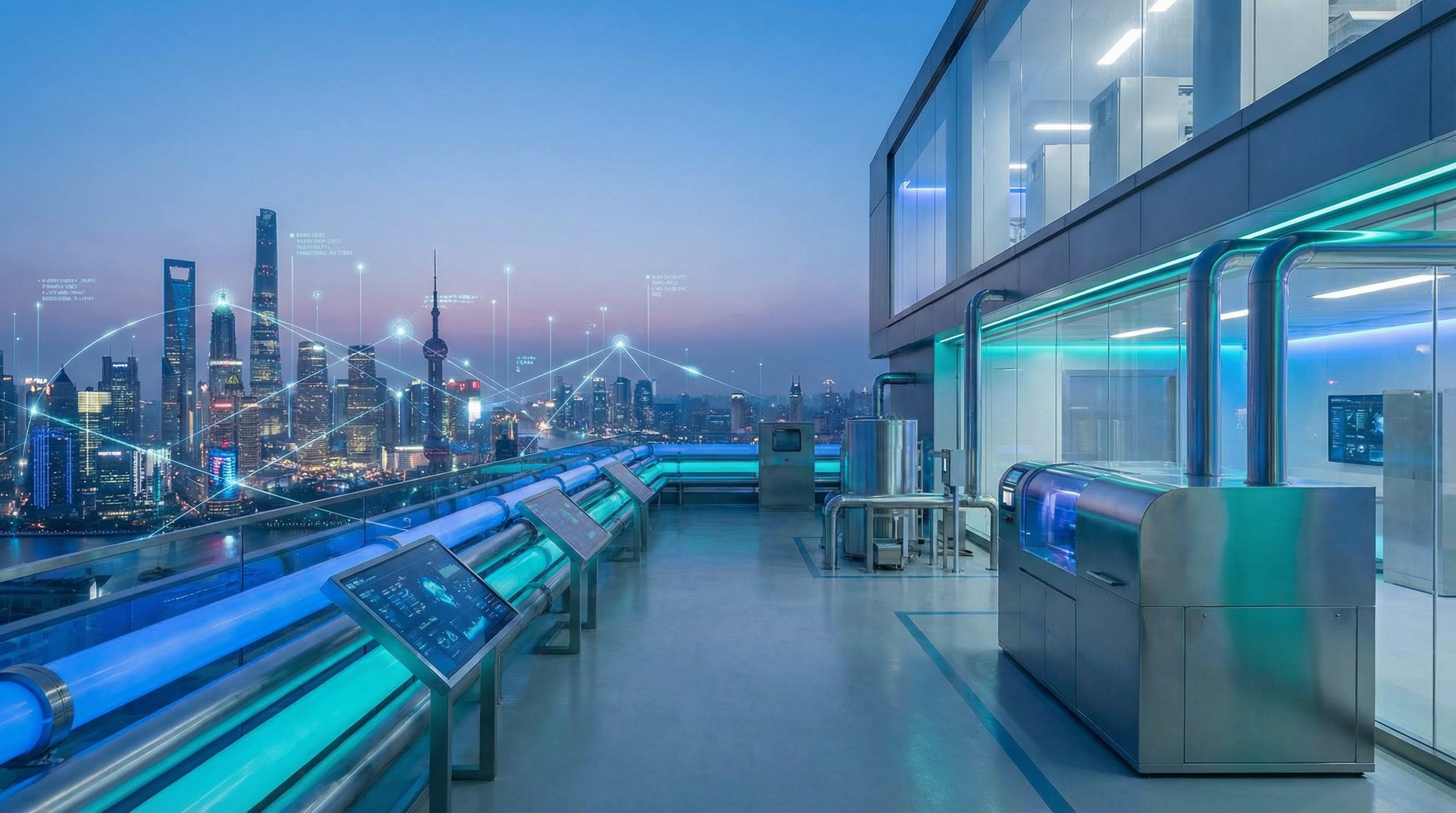
Development Opportunities for Low-Carbon Industrial Parks in 2026 Under the Dual Carbon Goals
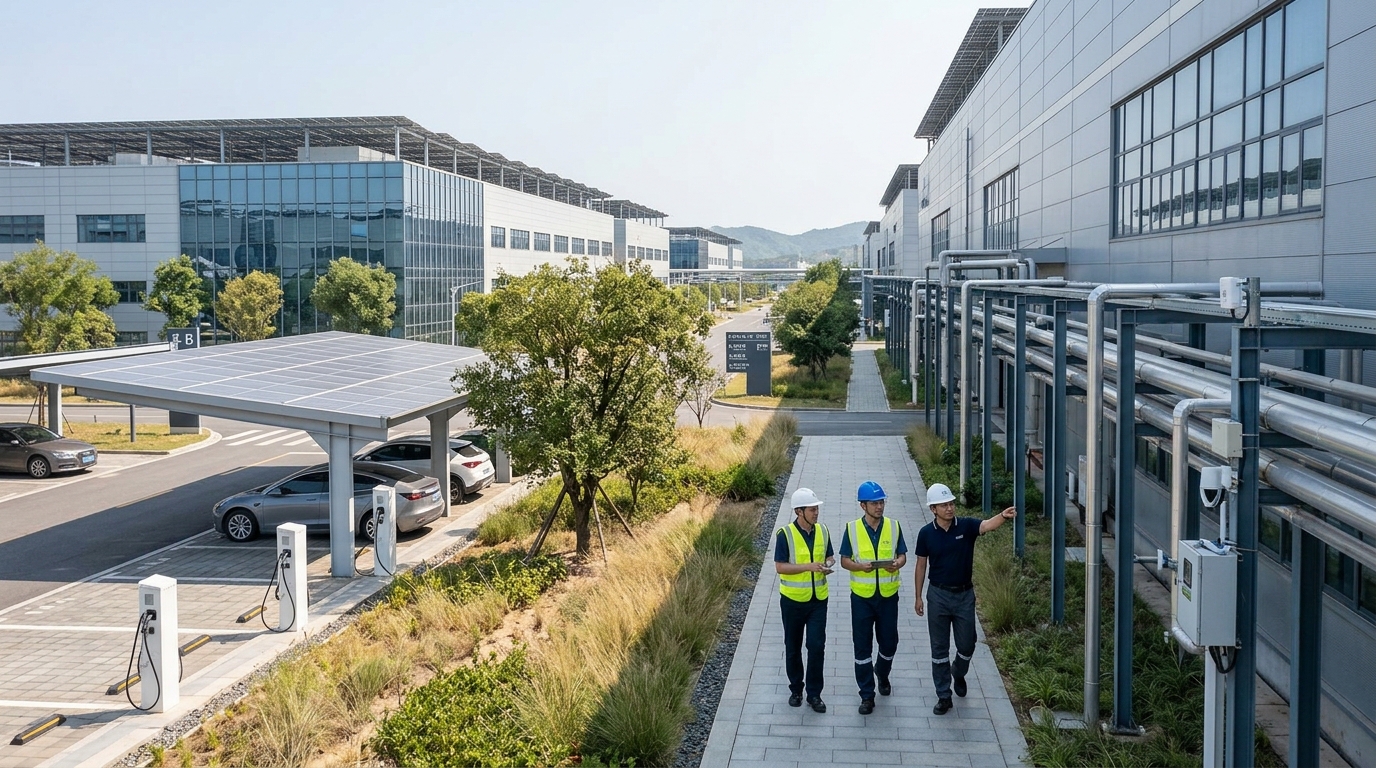
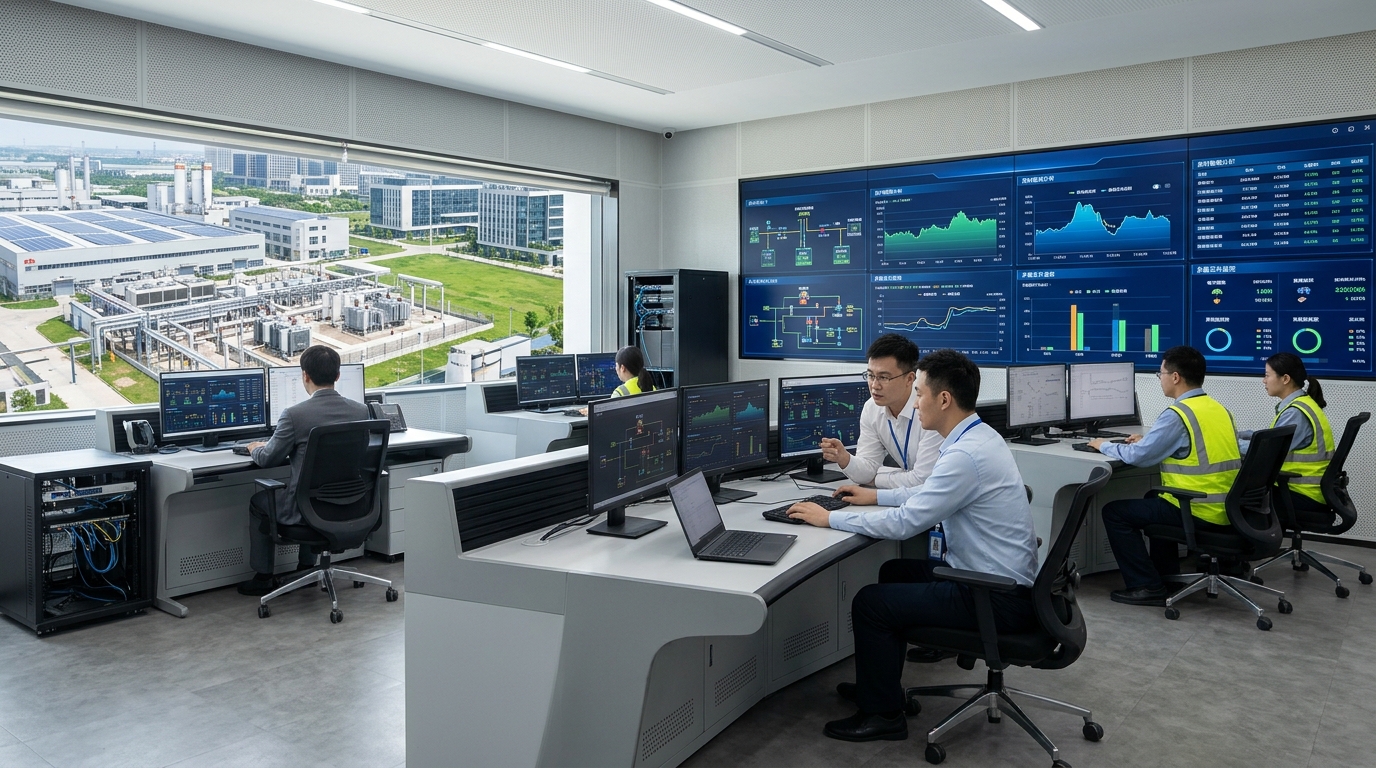
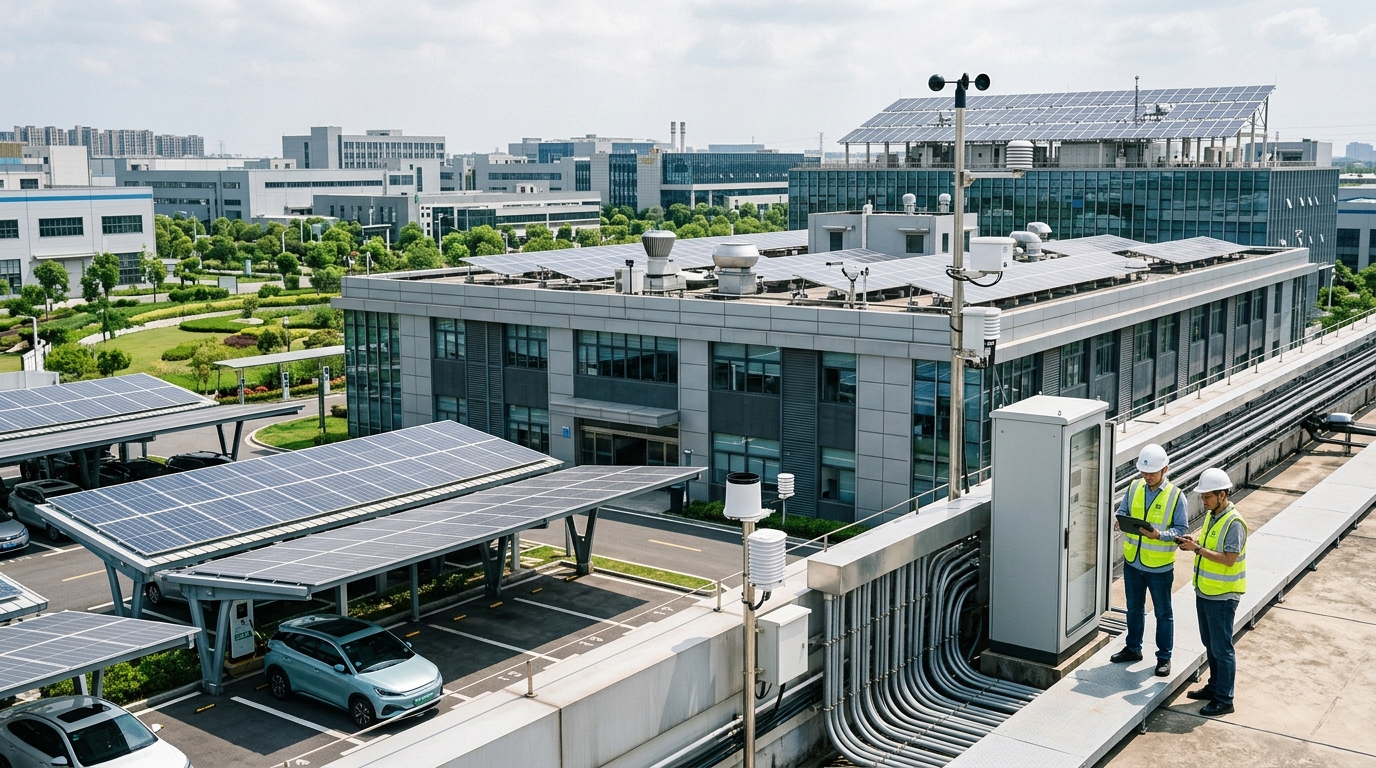
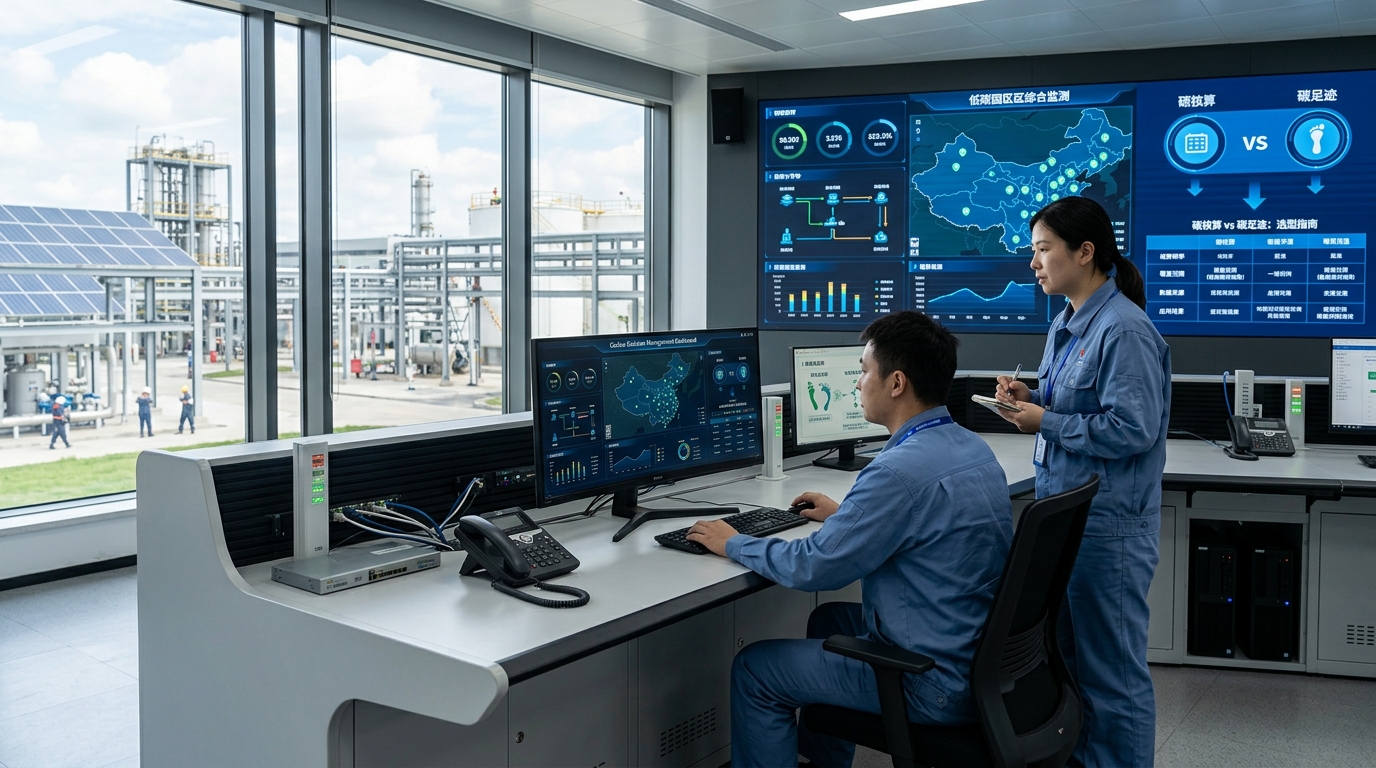
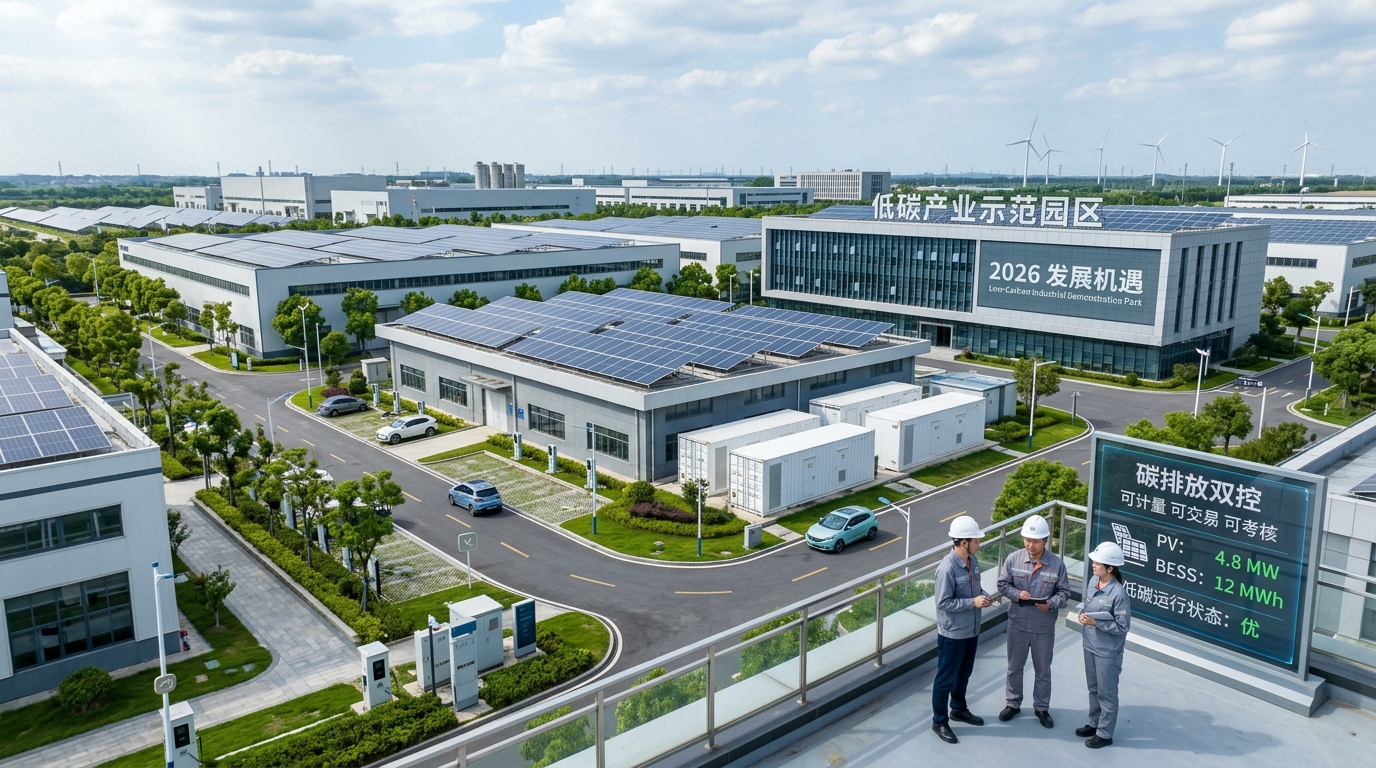
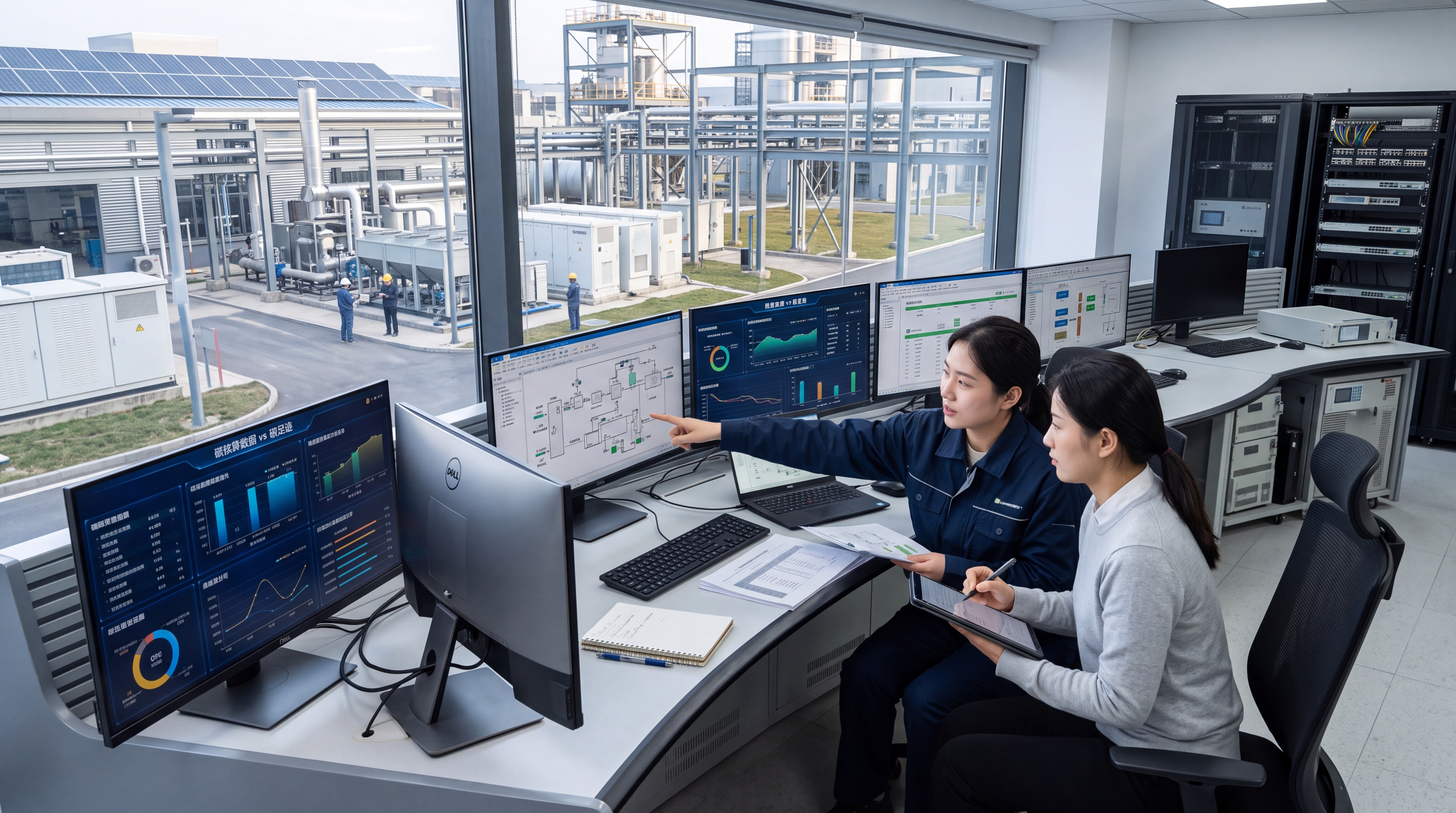
Introduction: Low-Carbon Parks Enter the “System Capability” Competition Stage Parks are important spatial carriers of China's industrialization and u...
Technical breakthroughs, case studies, and company news from CSSOC
Introduction: Low-Carbon Parks Enter the “System Capability” Competition Stage Parks are important spatial carriers of China's industrialization and u...
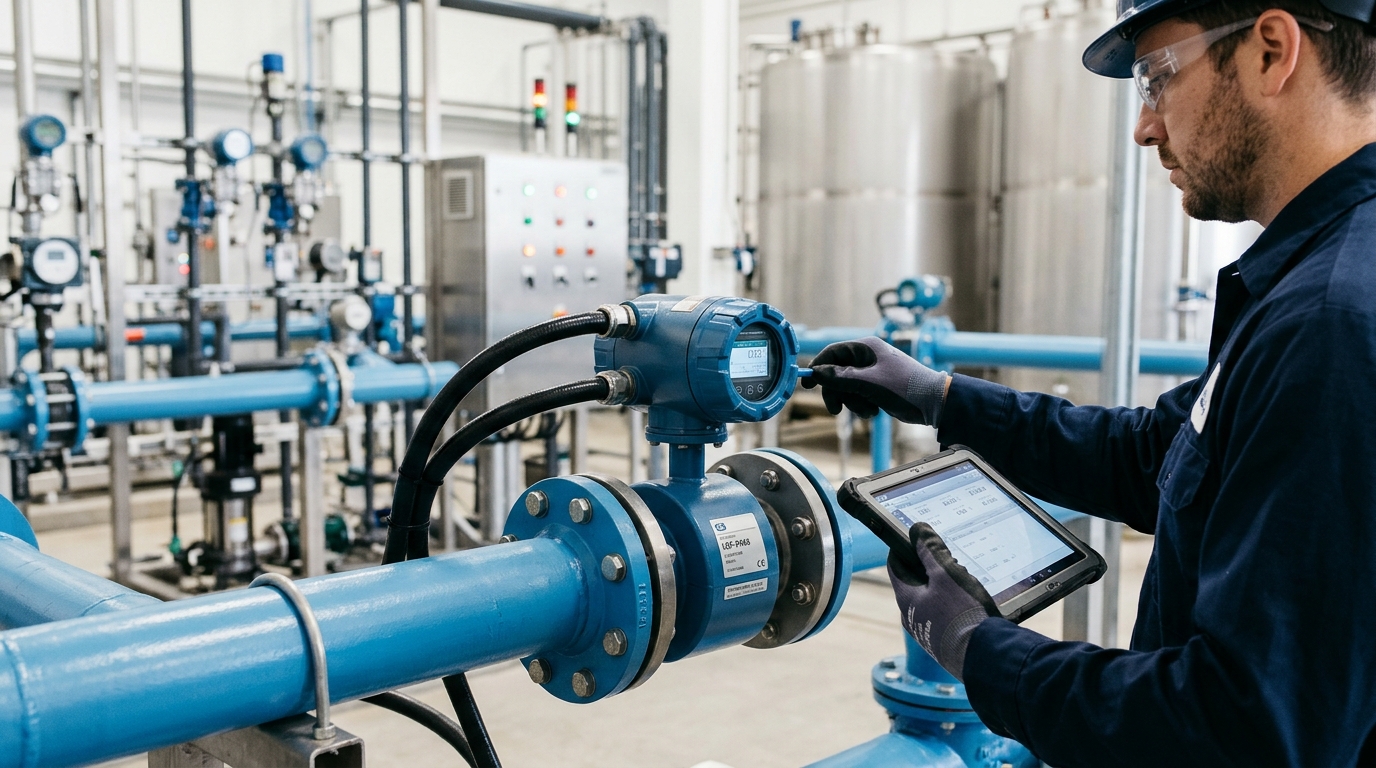
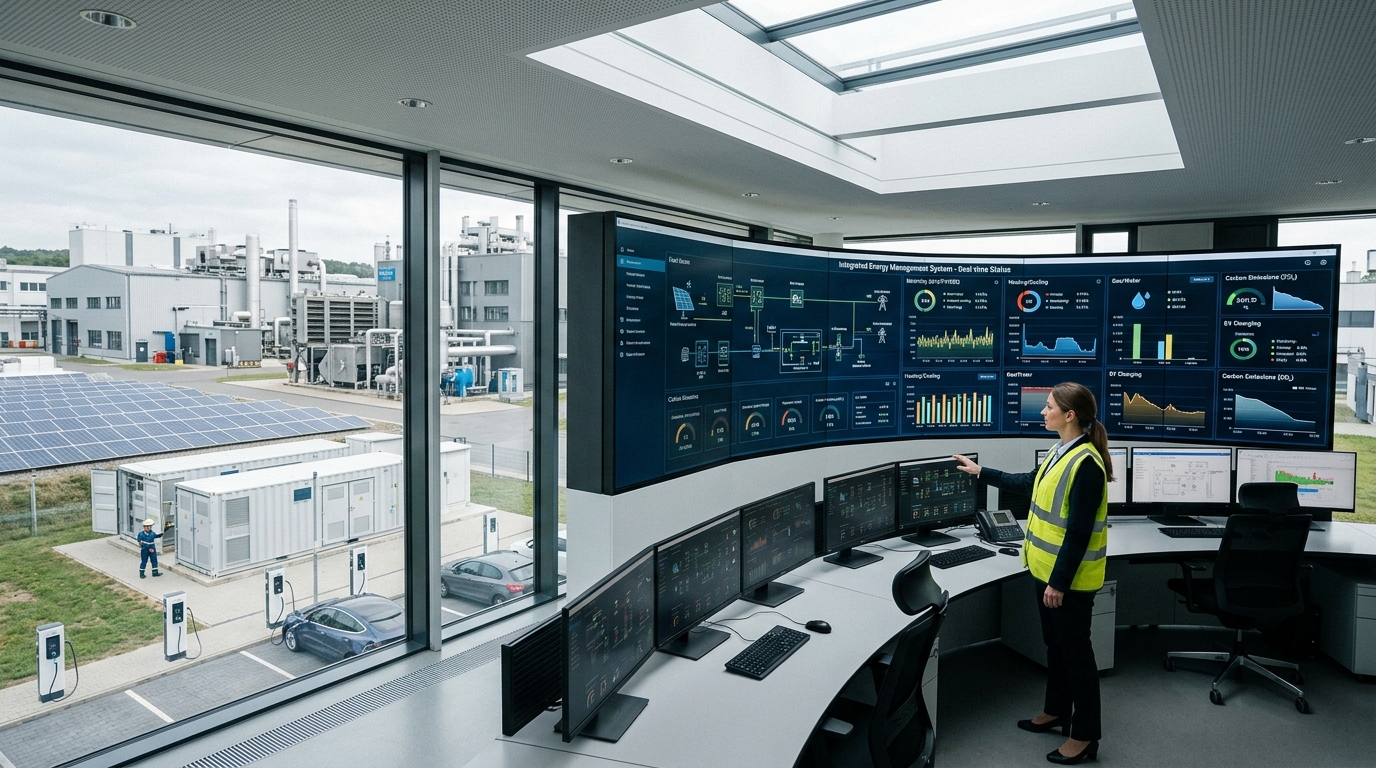
Energy conservation in industrial parks is moving from single-equipment upgrades toward system-level energy efficiency optimization and long-term oper...
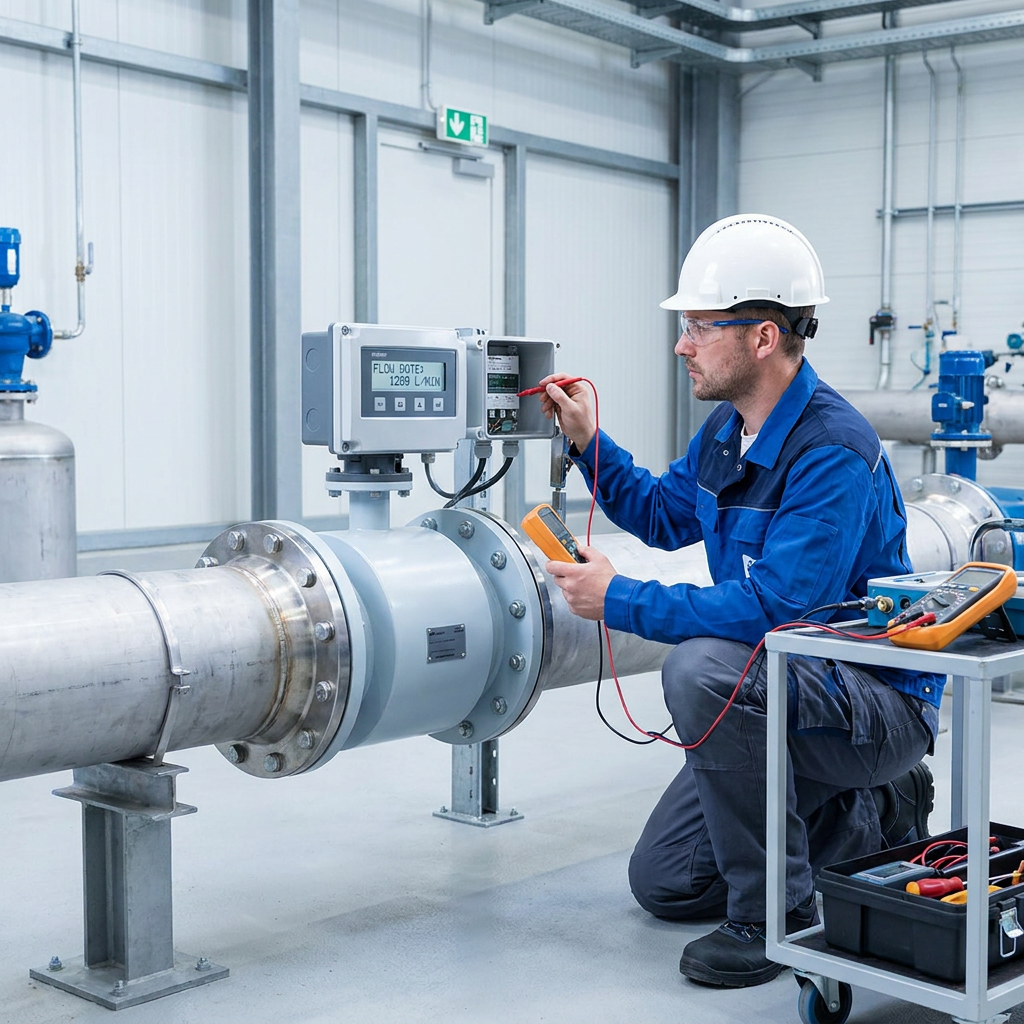
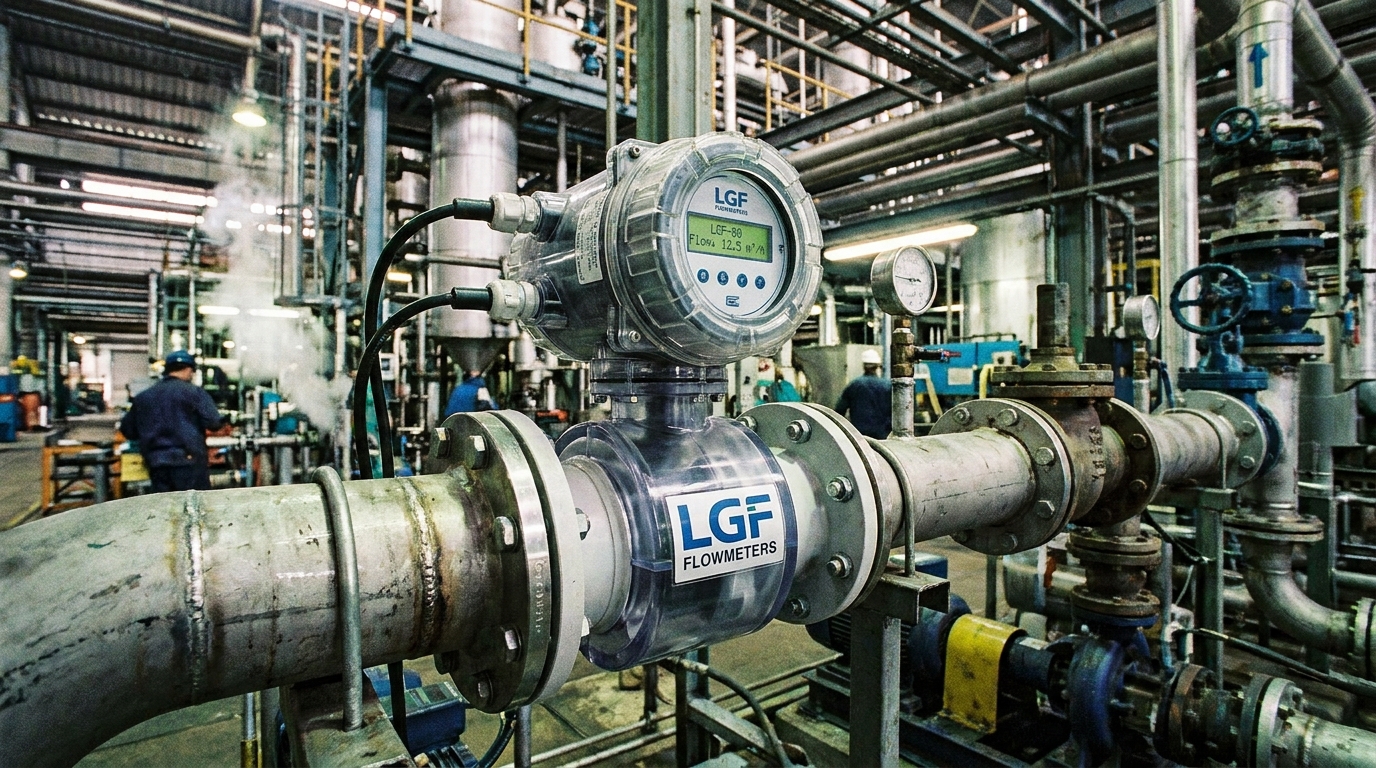
Introduction: Electromagnetic flowmeters are important instruments in industrial flow measurement systems and have long been used in water treatment, ...
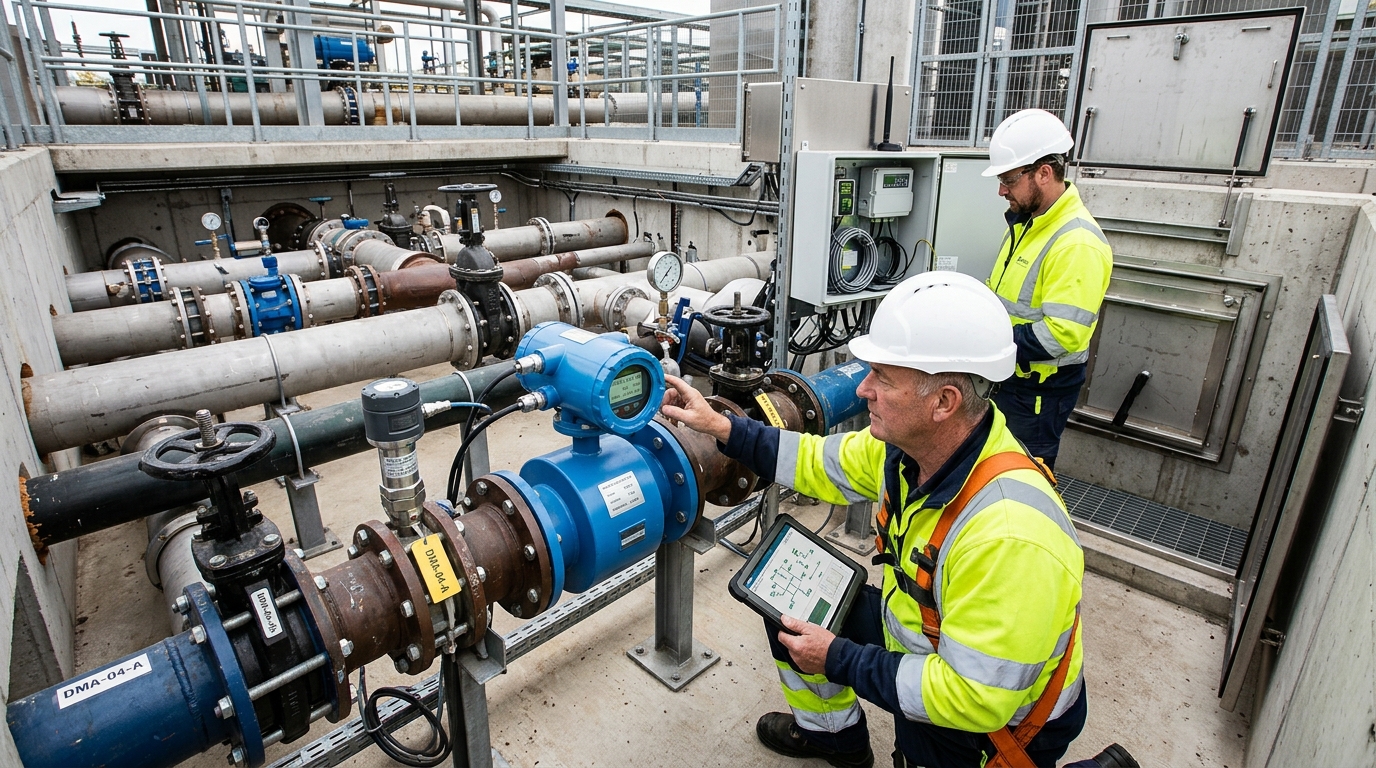
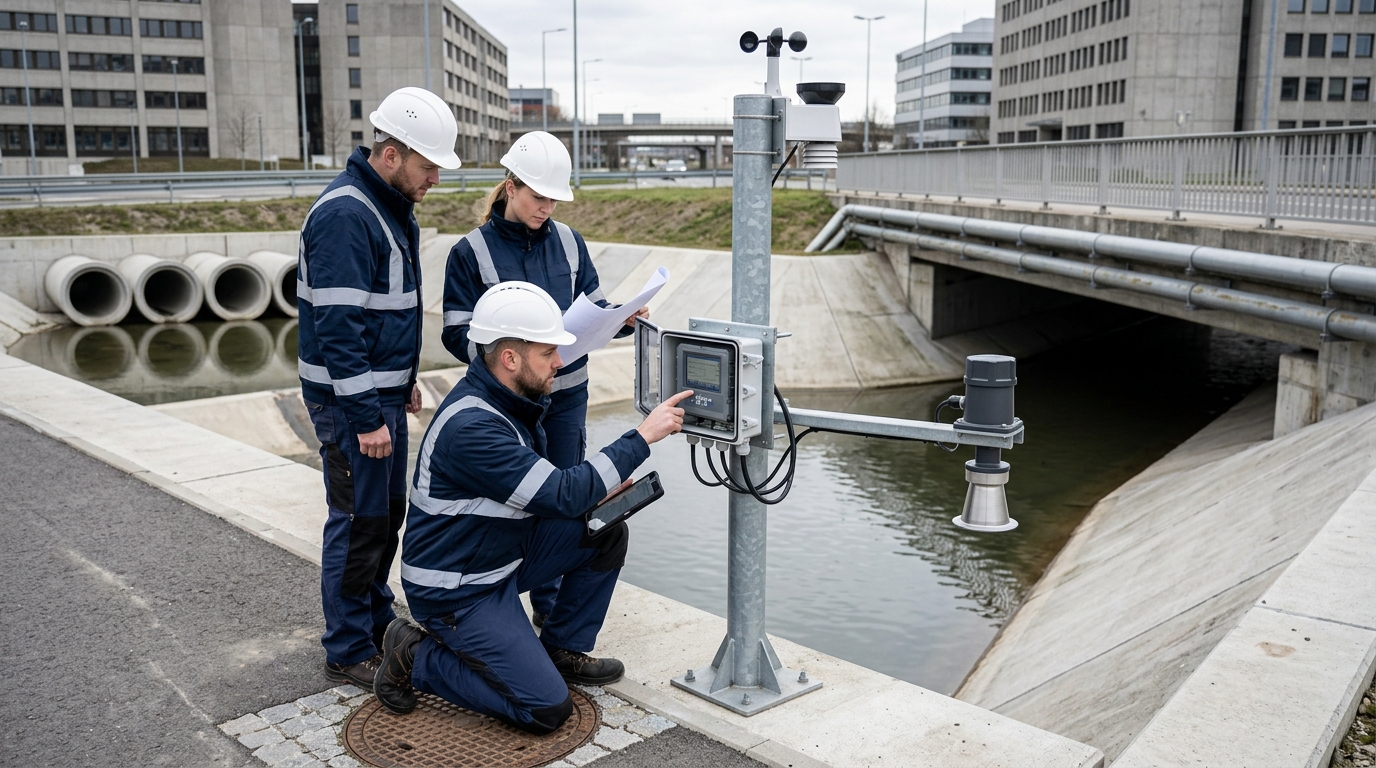
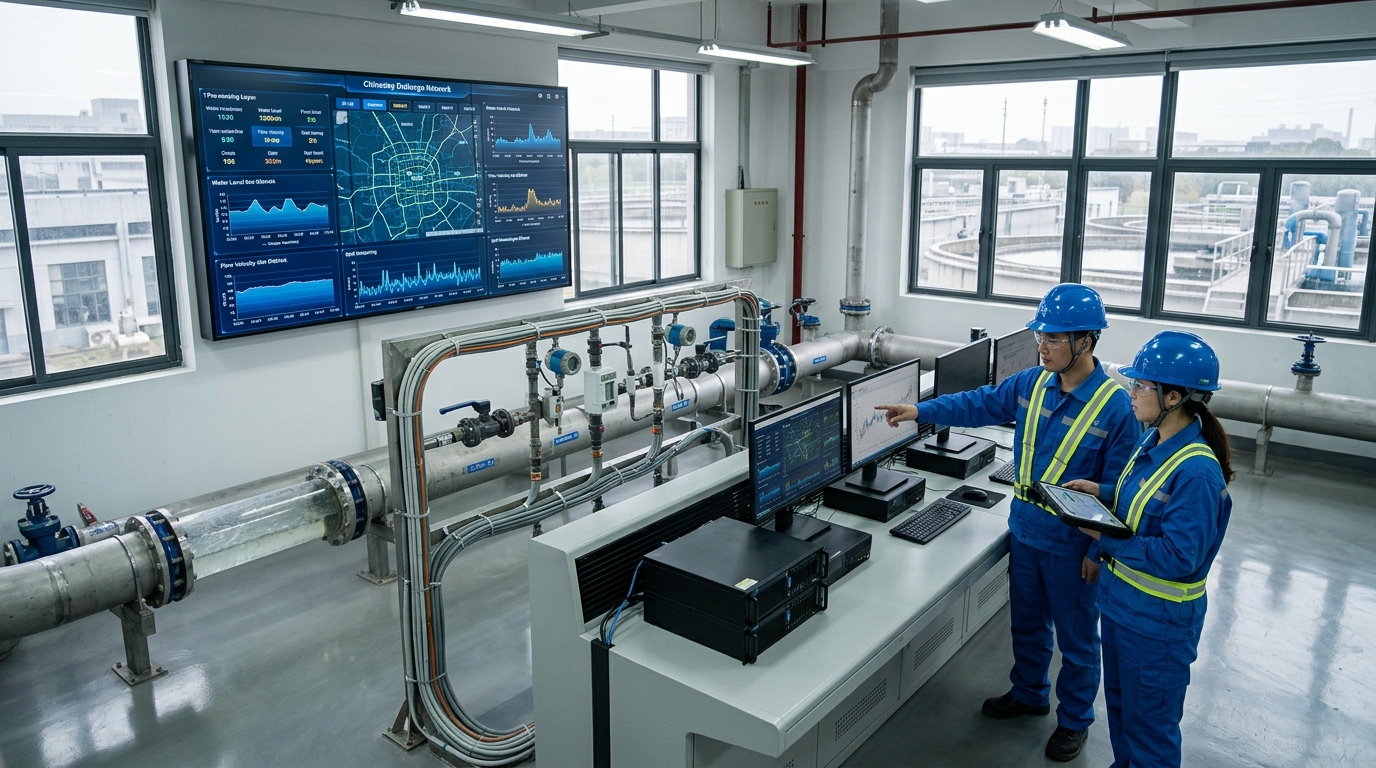
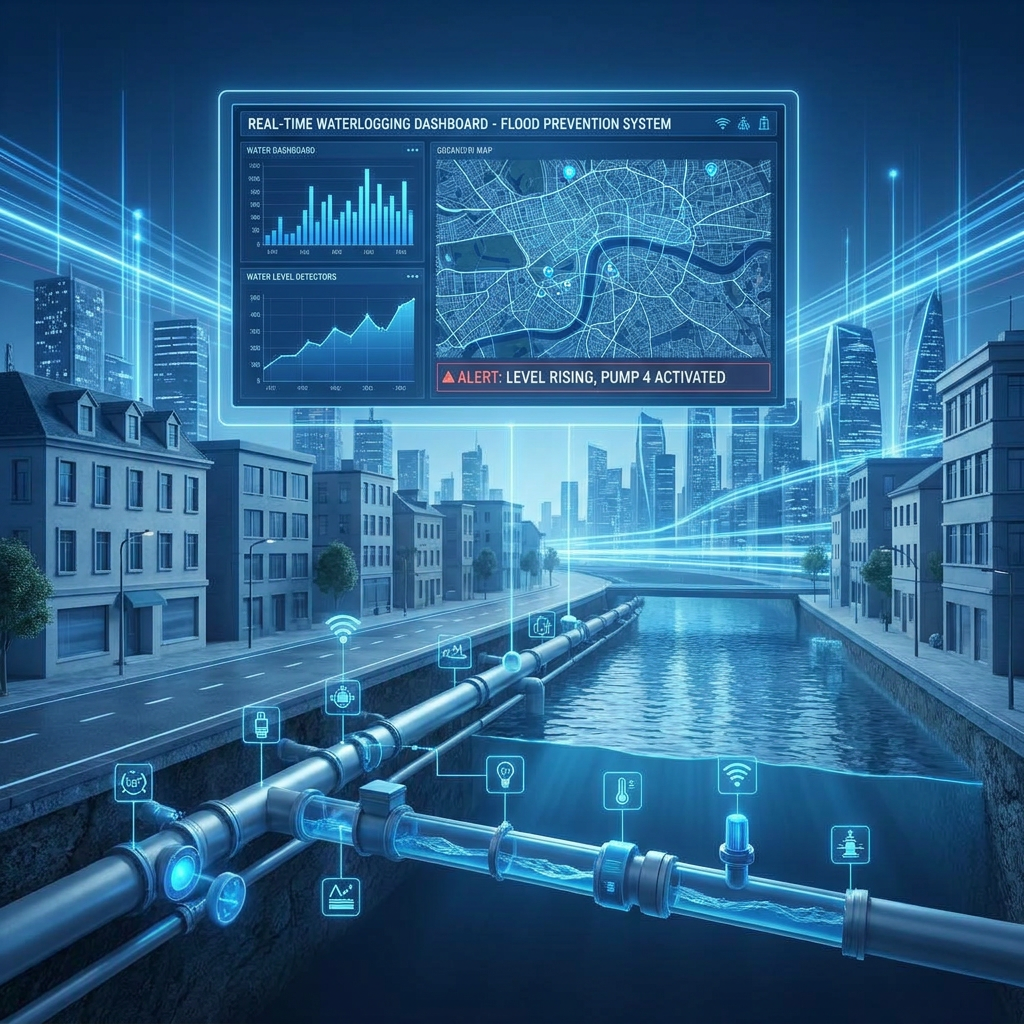
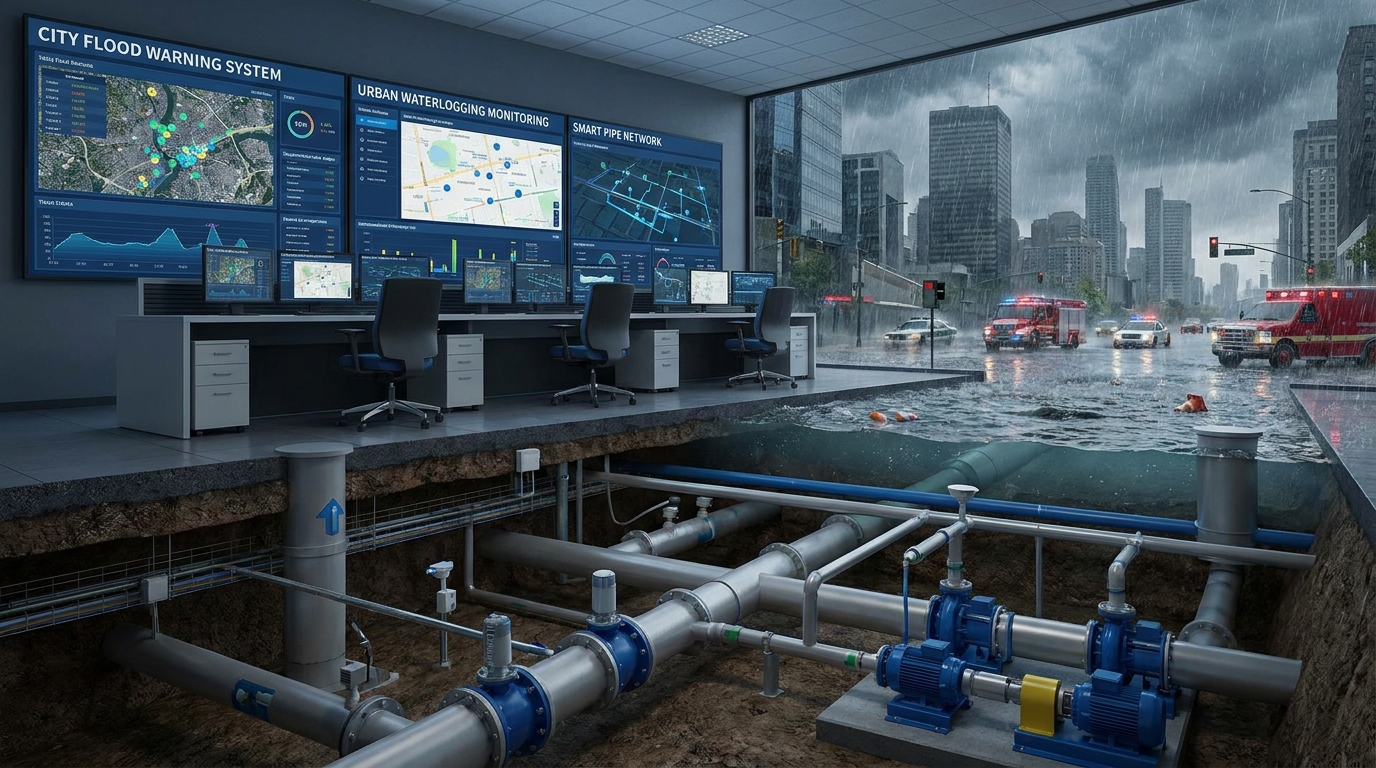
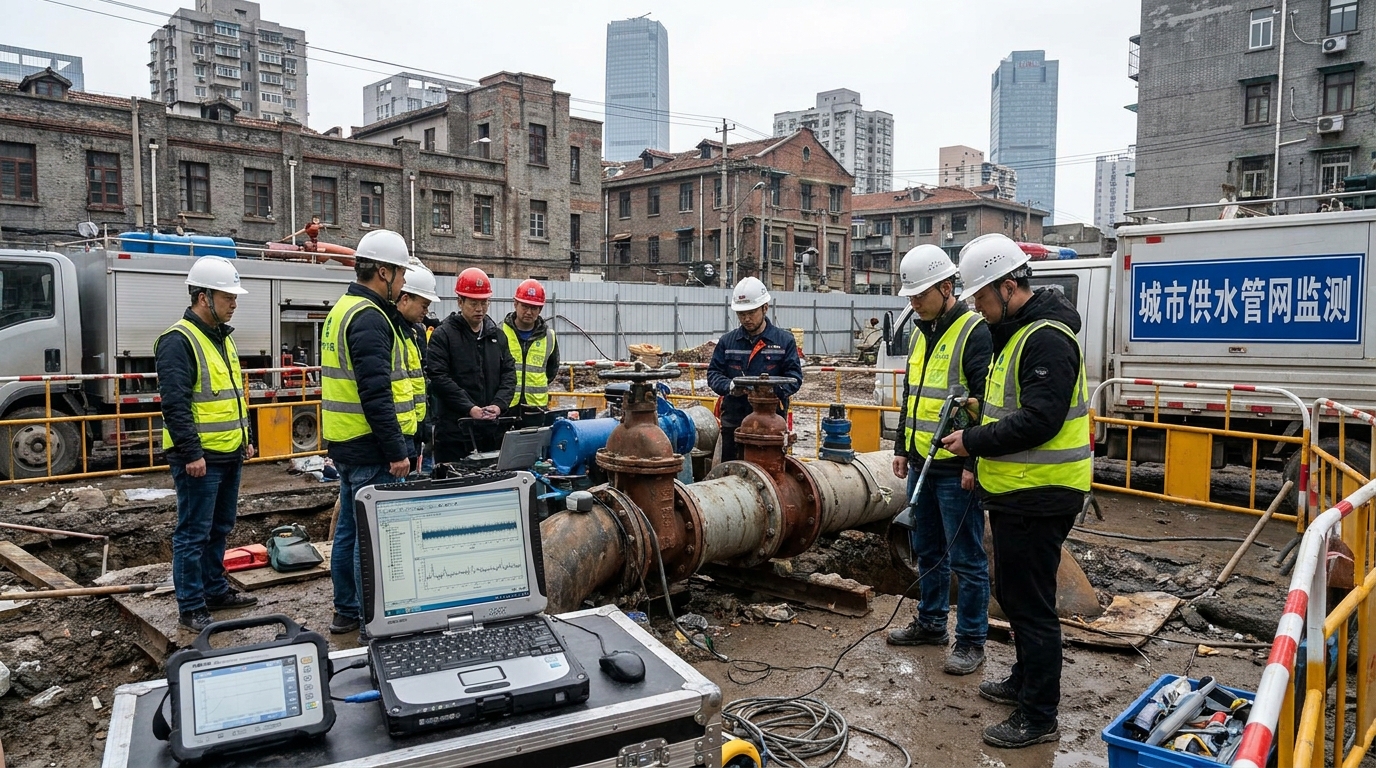
Introduction: Liquid Level, Flow, and Flood Prevention Data as Core Levers for Drainage Pipe Network Monitoring The urban drainage pipe network is one...
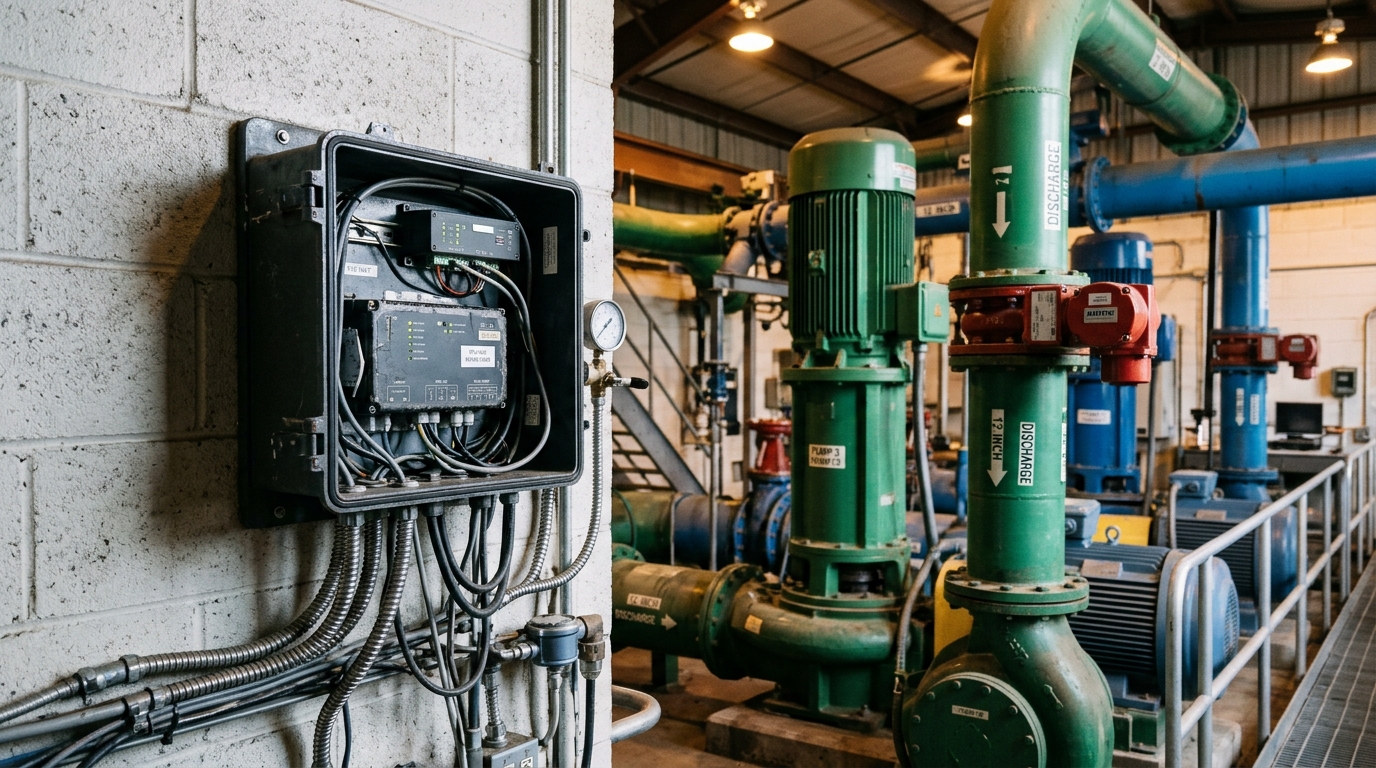
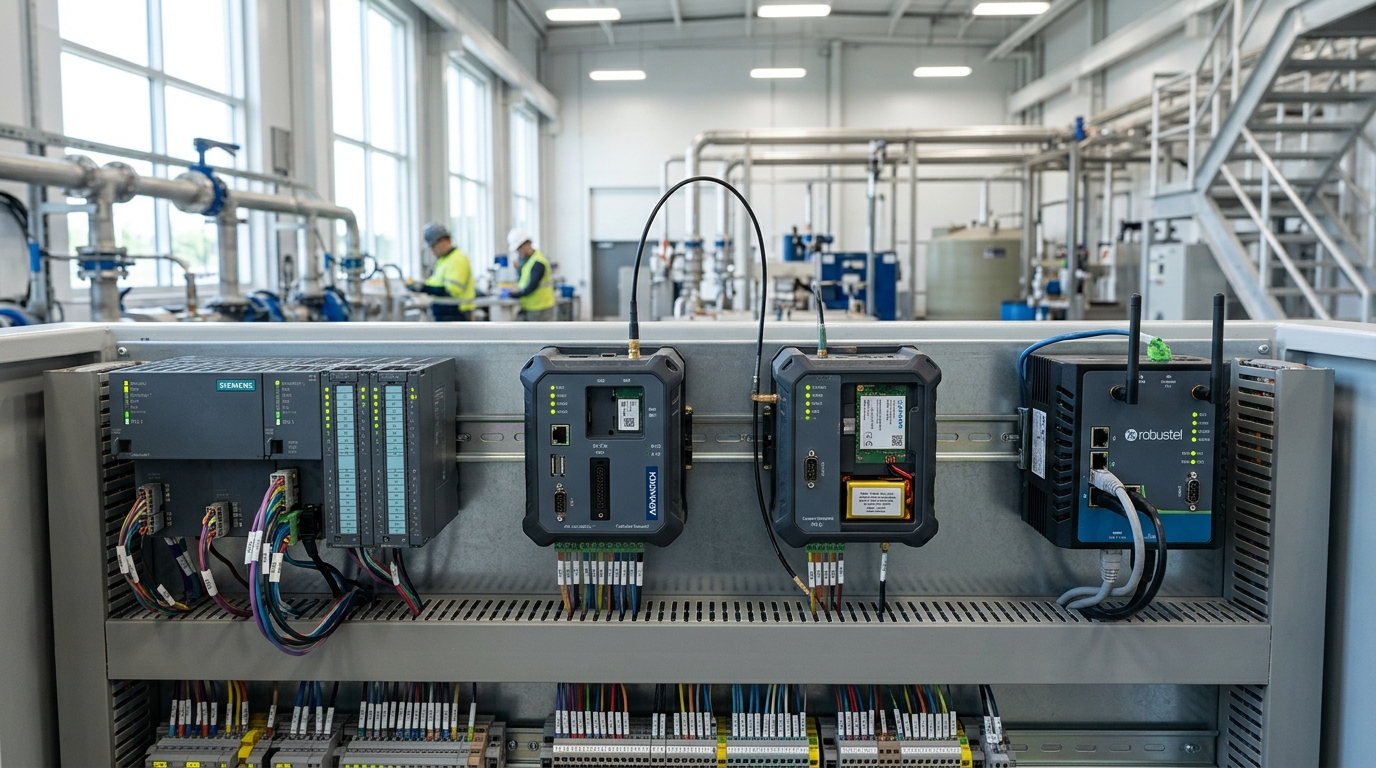
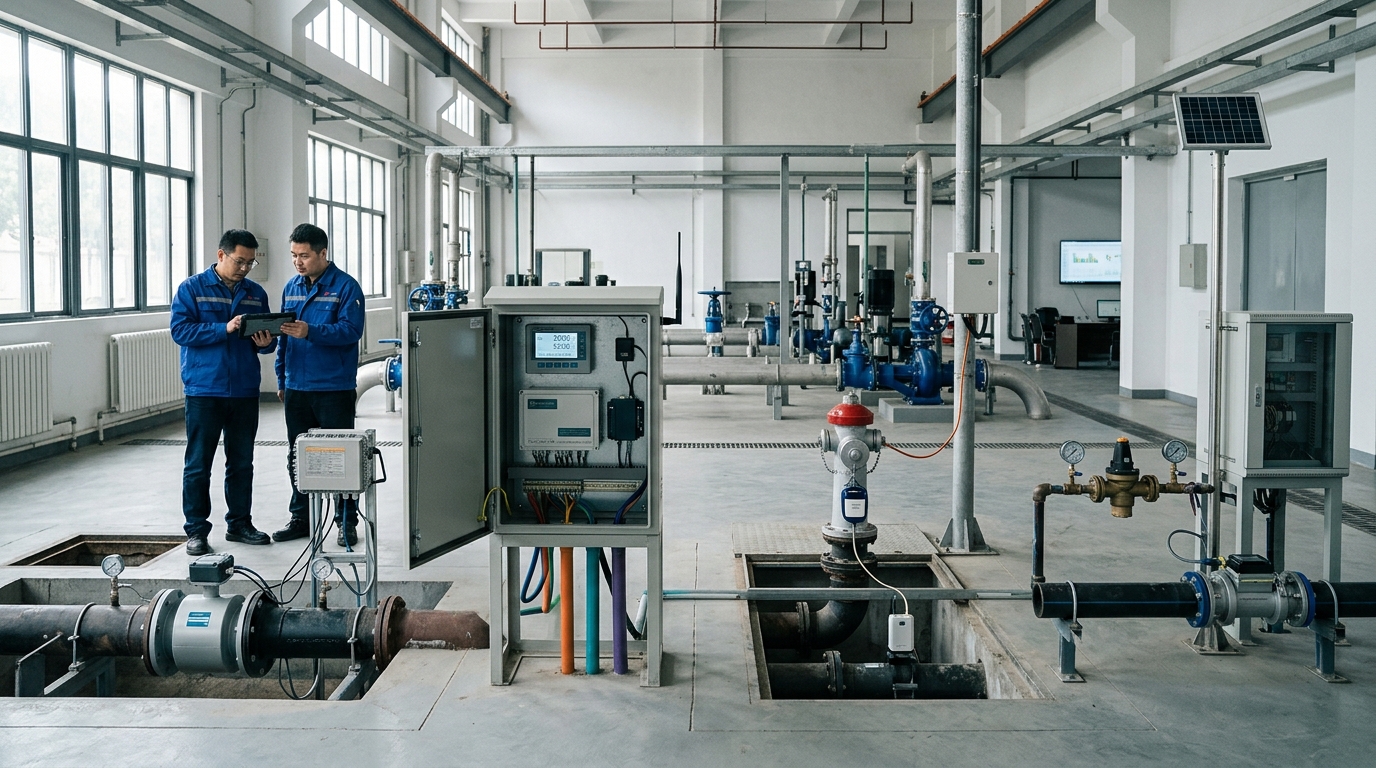
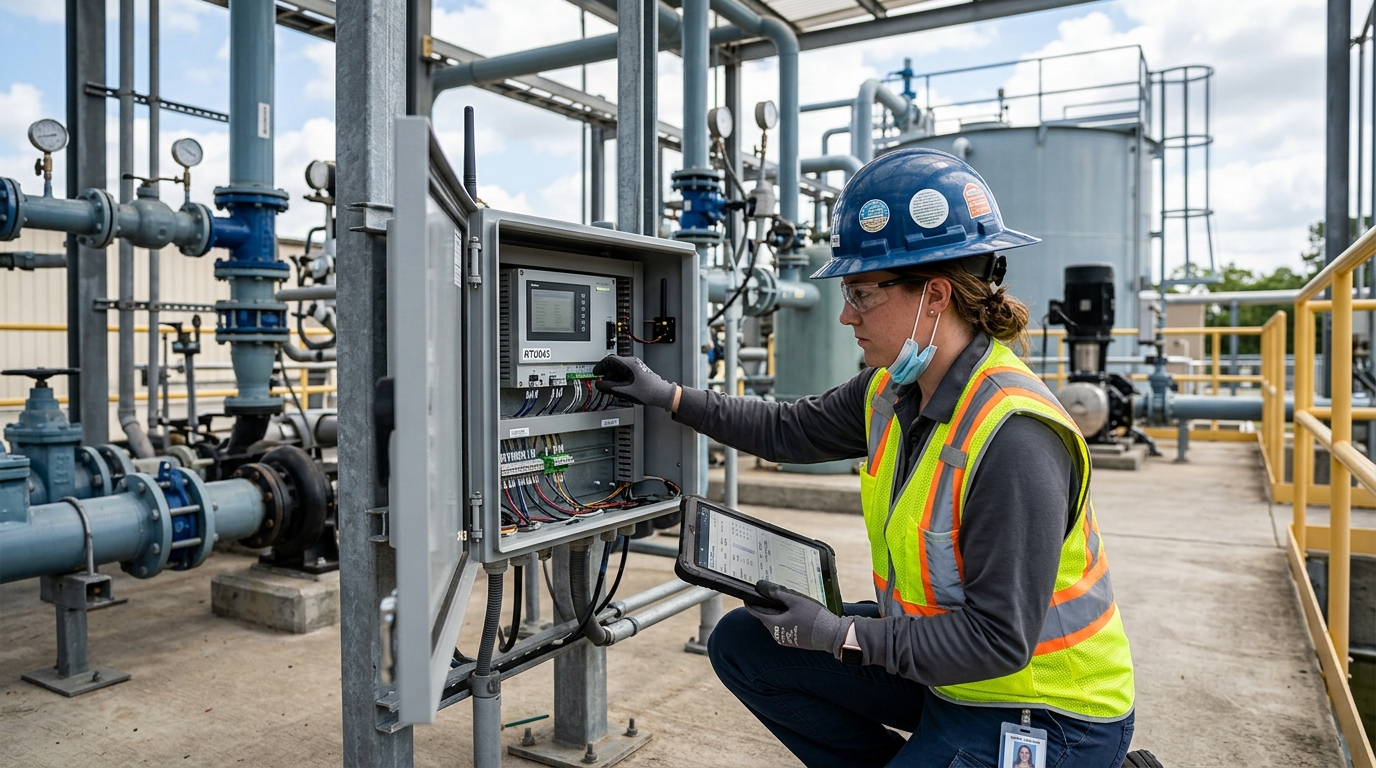
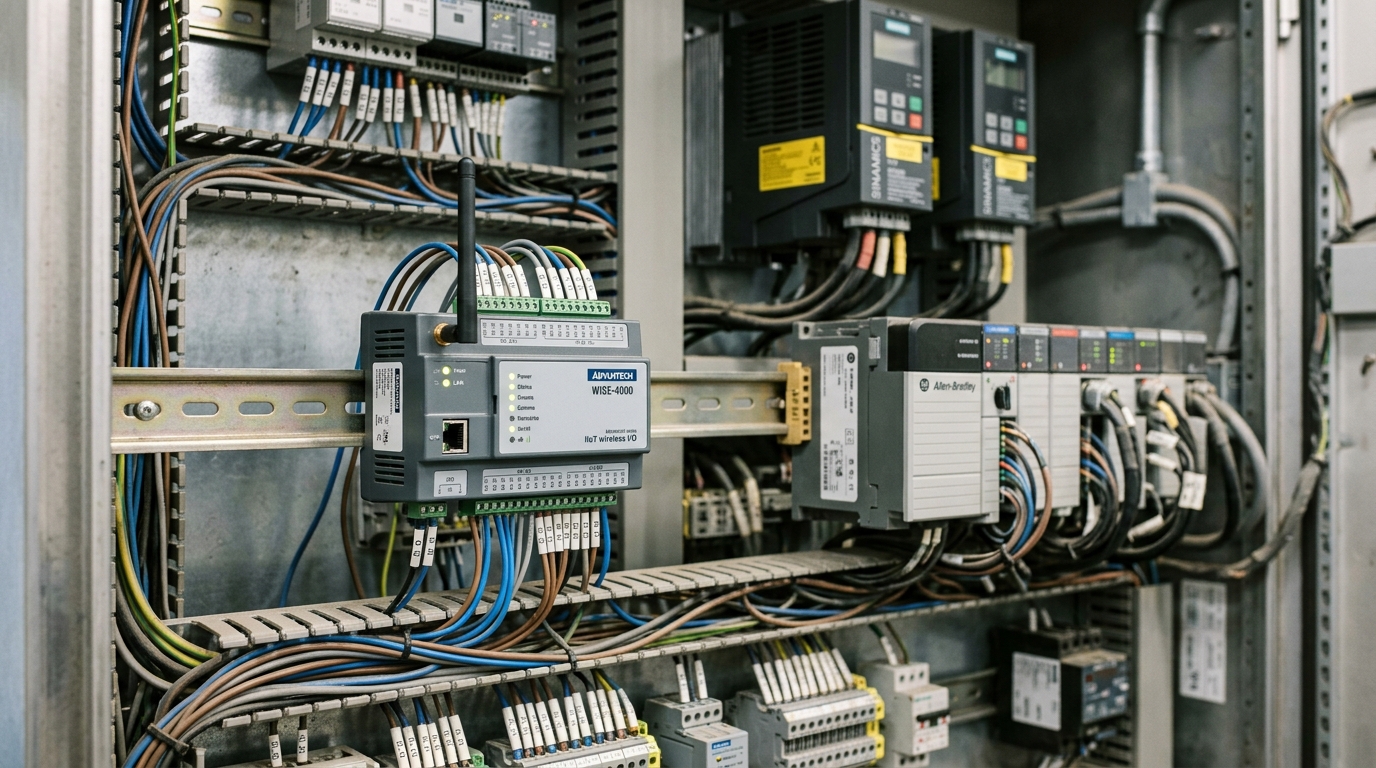
A practical engineering guide to deploying IoT RTUs in water and wastewater pump stations: electrical environment assessment, power and backup link design, pump status acquisition, energy metering and a county-level unmanned pump station retrofit case.
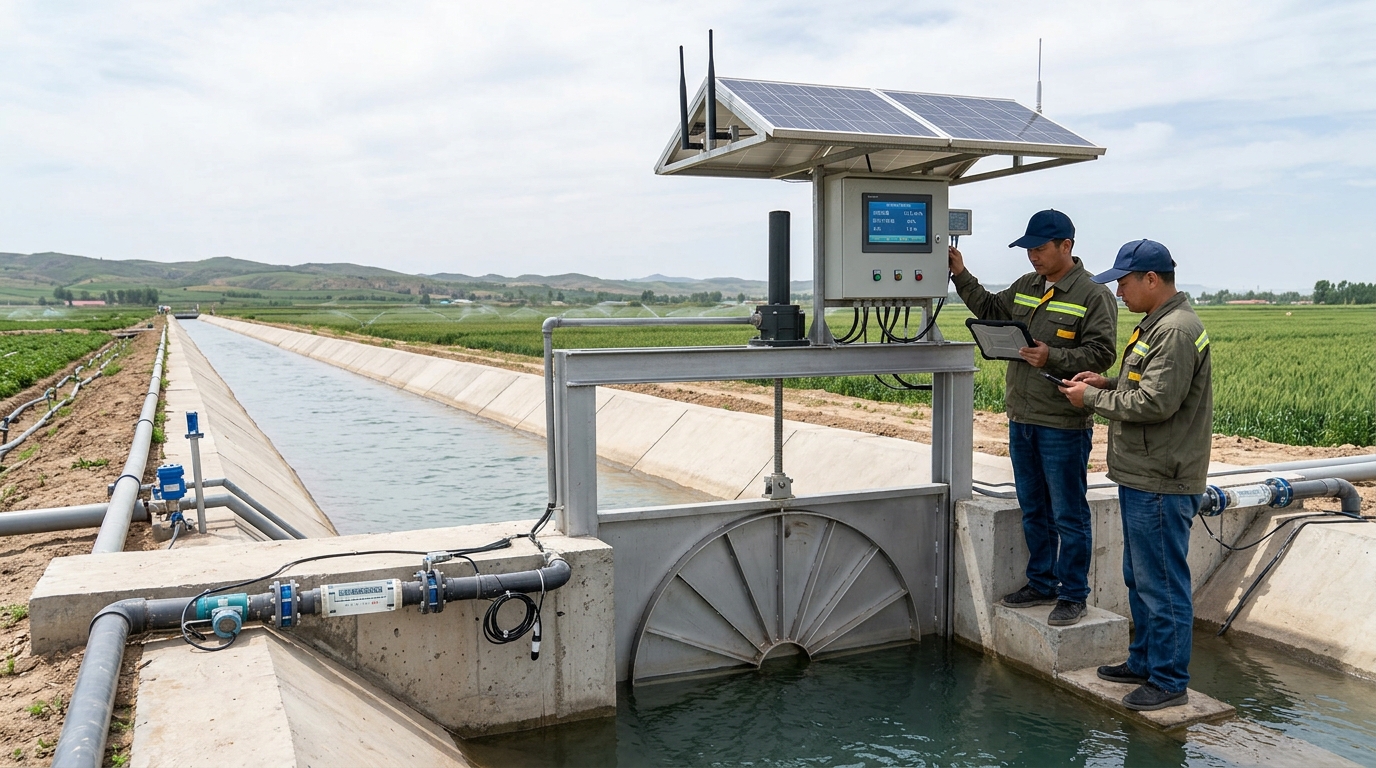
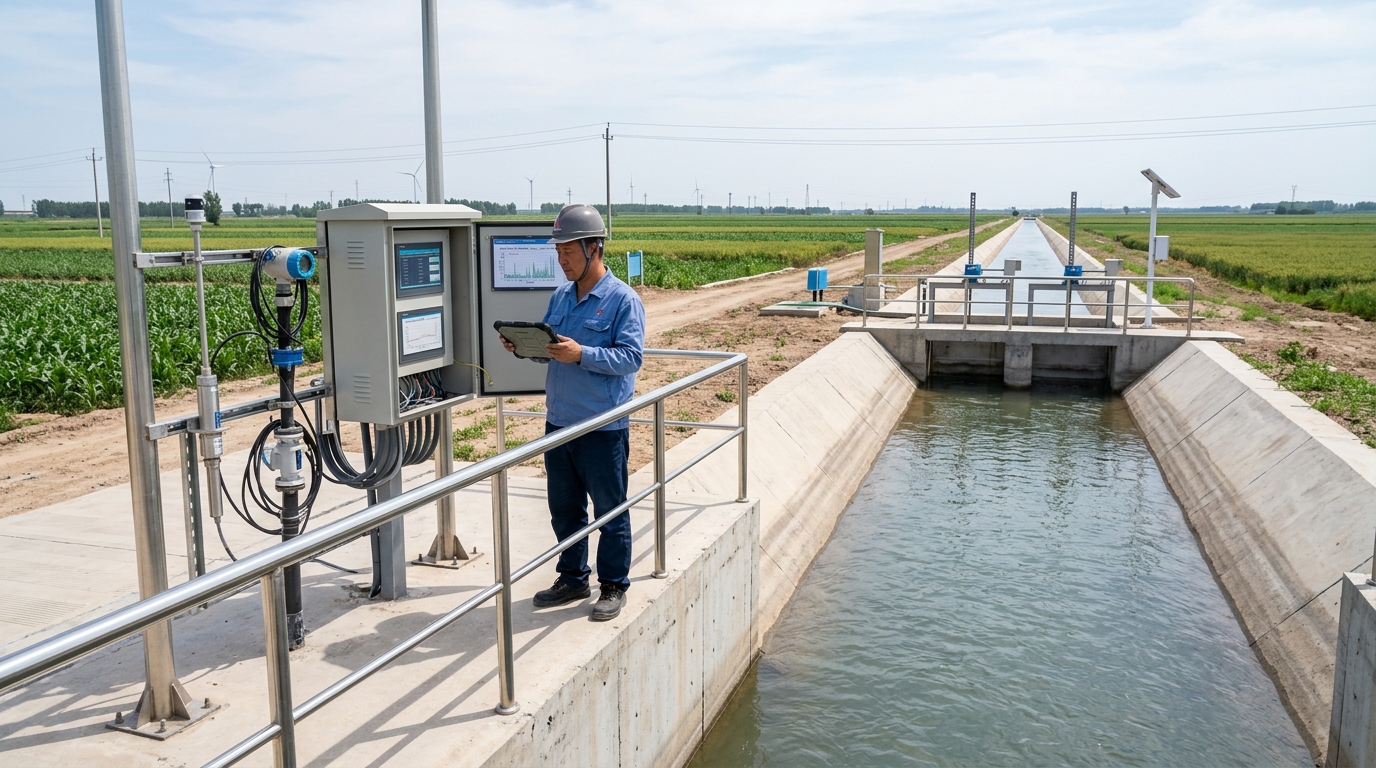
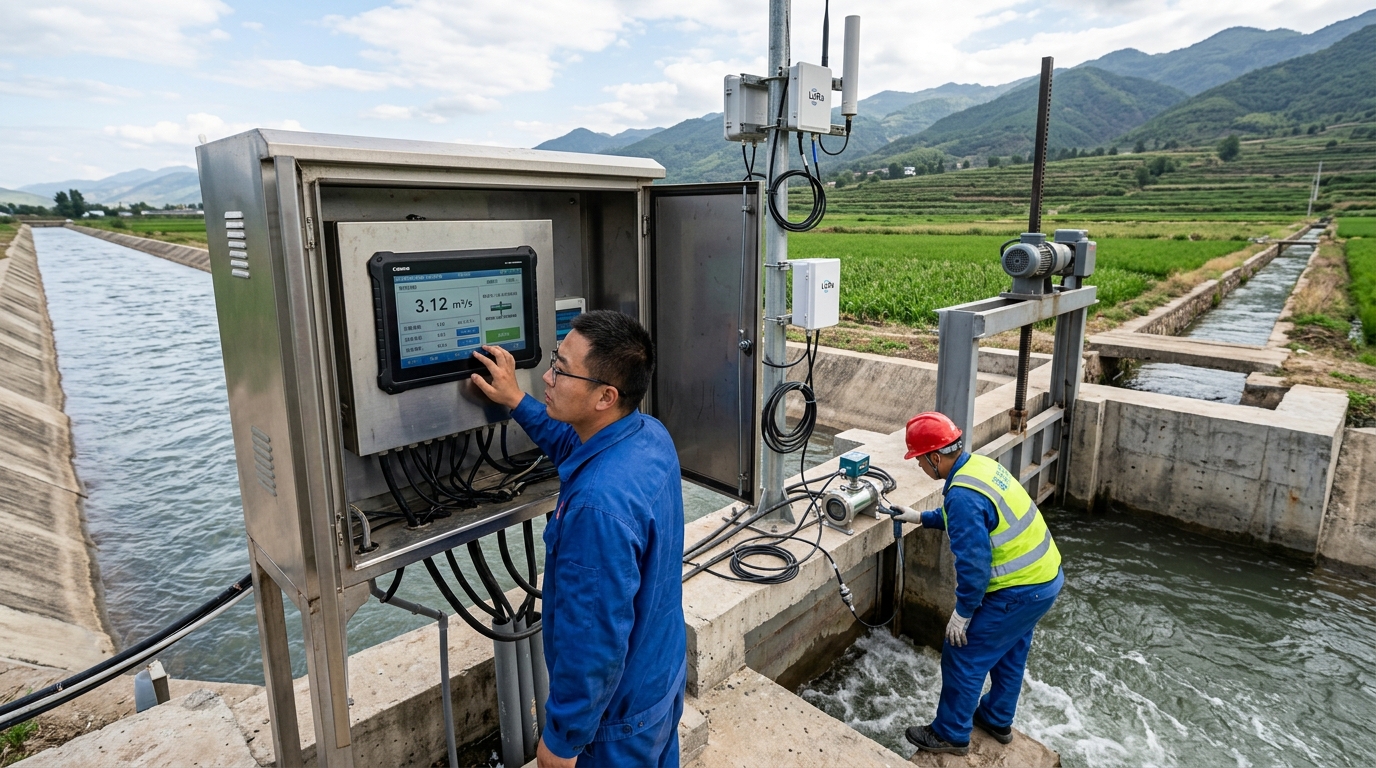
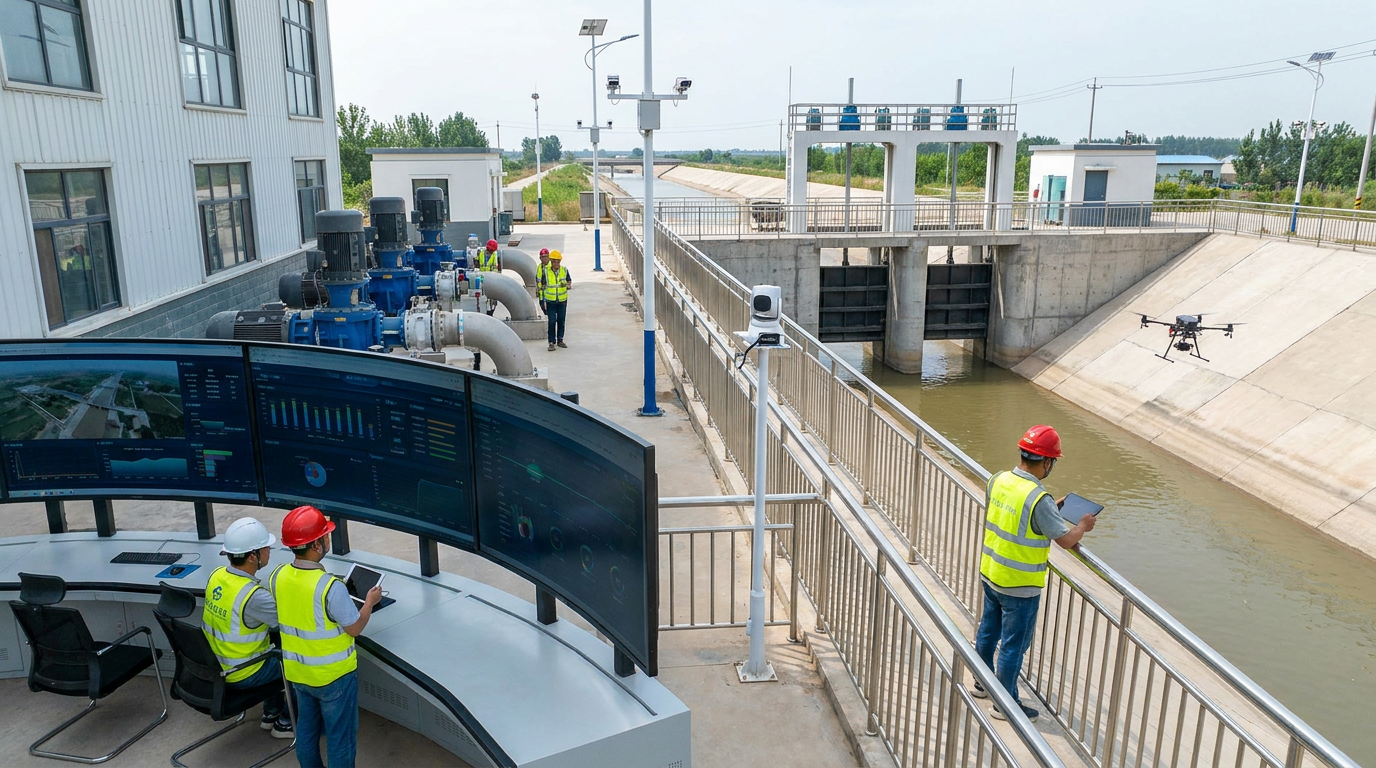
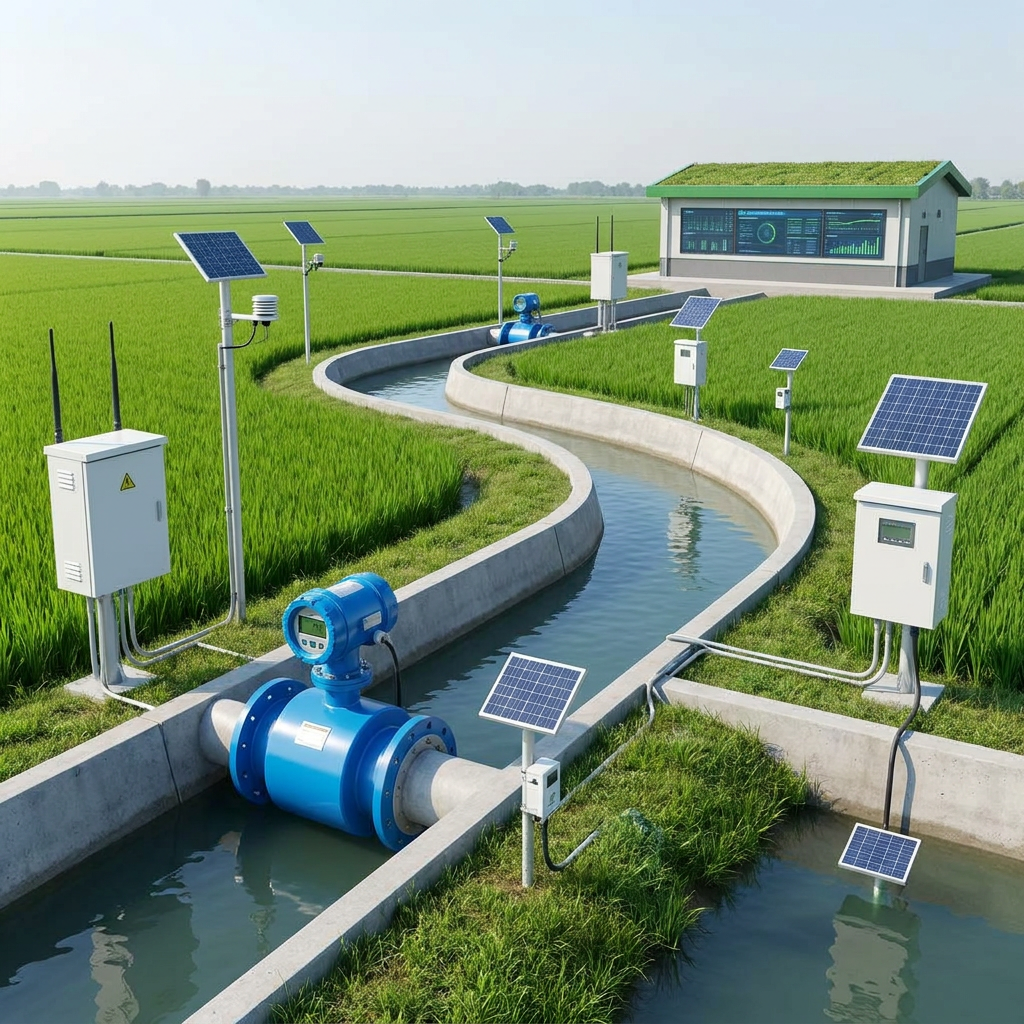
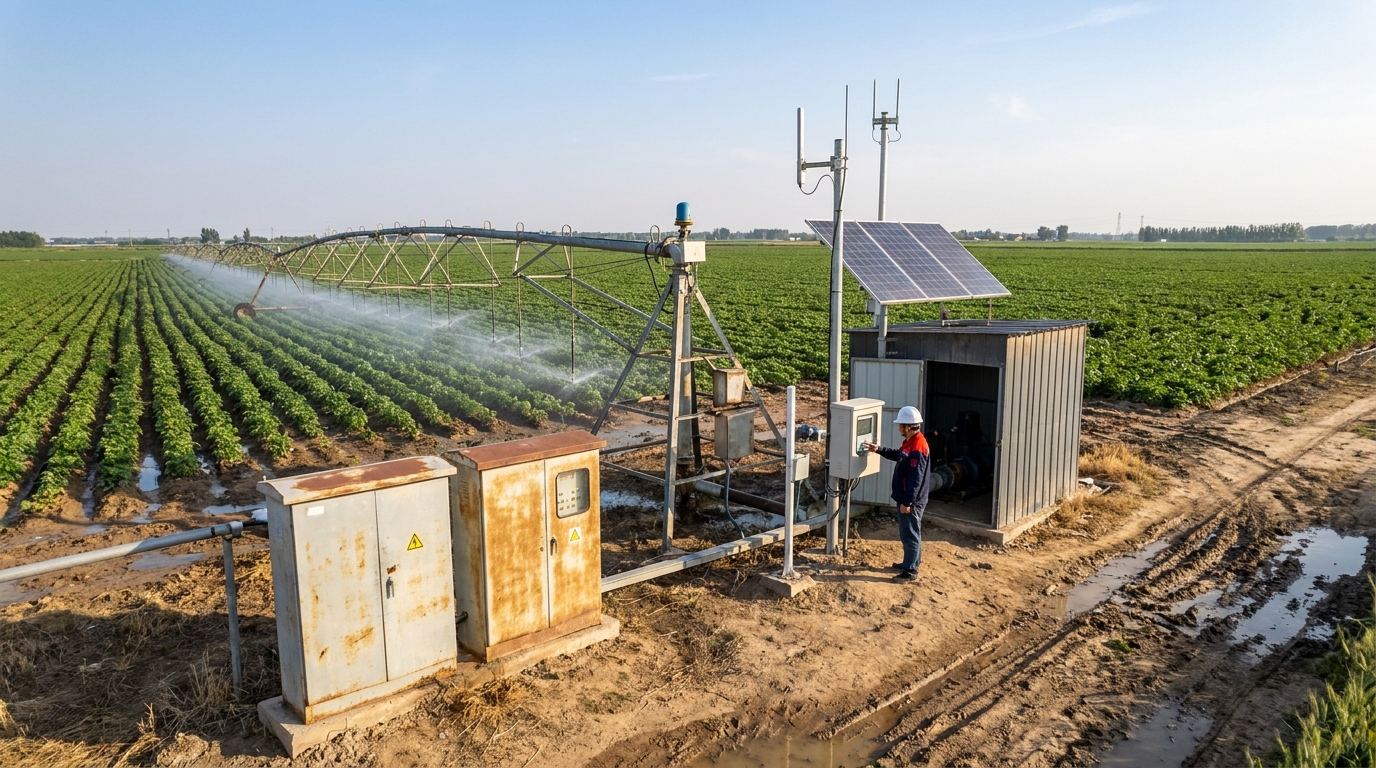
Project Background: Large Irrigation Districts Transition from Experience-Based Water Supply to Refined Water AllocationIn October 2024, a large irrig...
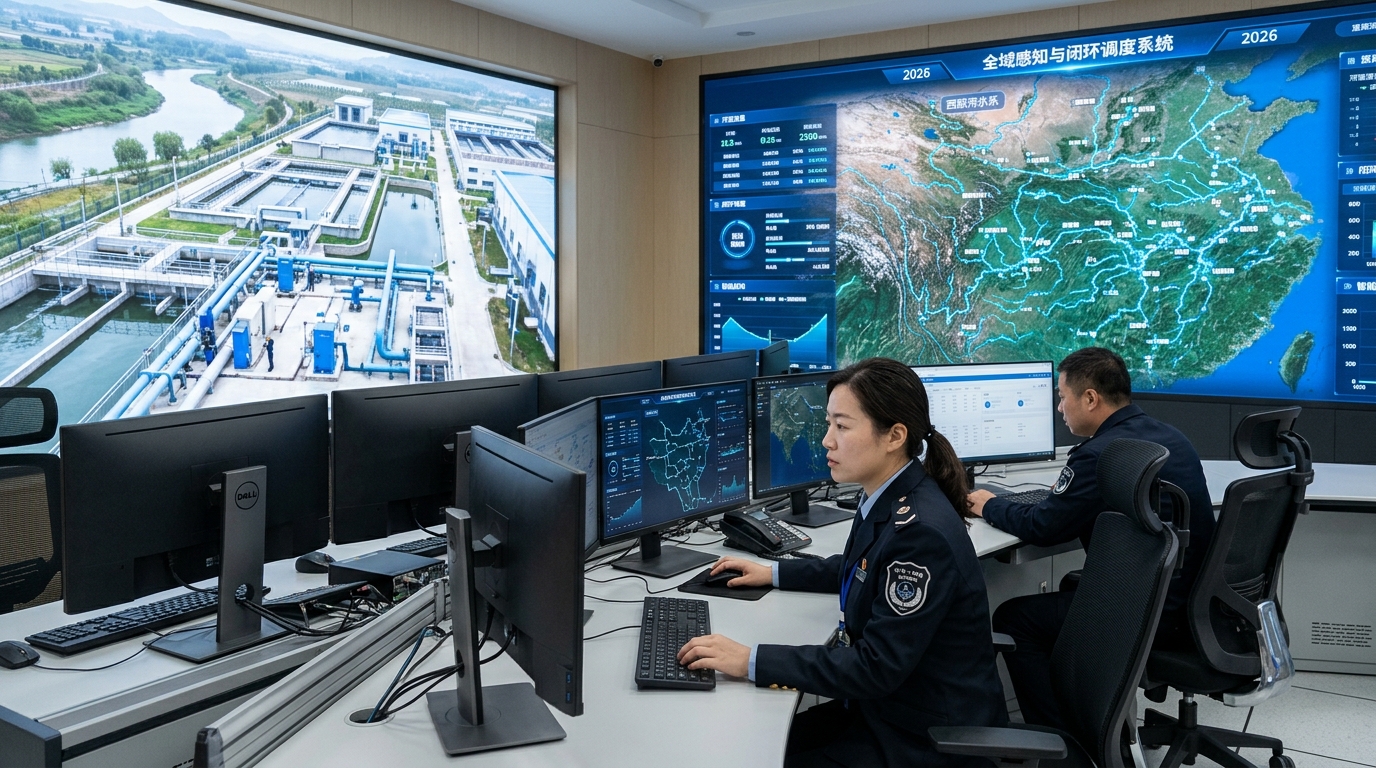
Introduction: Smart water management moves from “connected monitoring” to “holistic sensing and closed-loop governance” In recent years, China's smart...
Introduction: Drainage Pipe Network Monitoring Moves from “Passive Emergency Response” to “Quantifiable, Early-Warning-Capable, and Dispatchable” In r...
Comparison of Electromagnetic Flowmeter Technology Paths: Selection Boundaries for Different Principles, Materials, and DN50 Operating Conditions In i...
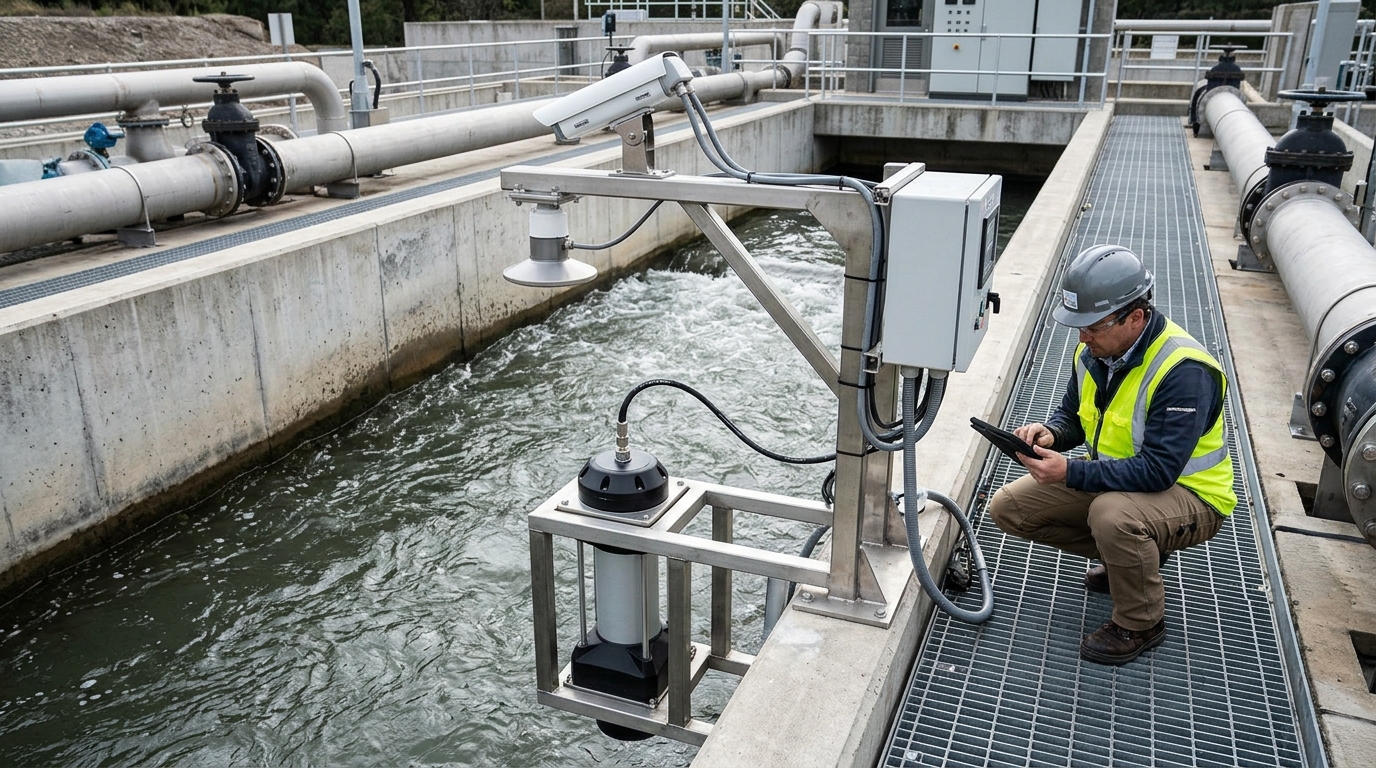
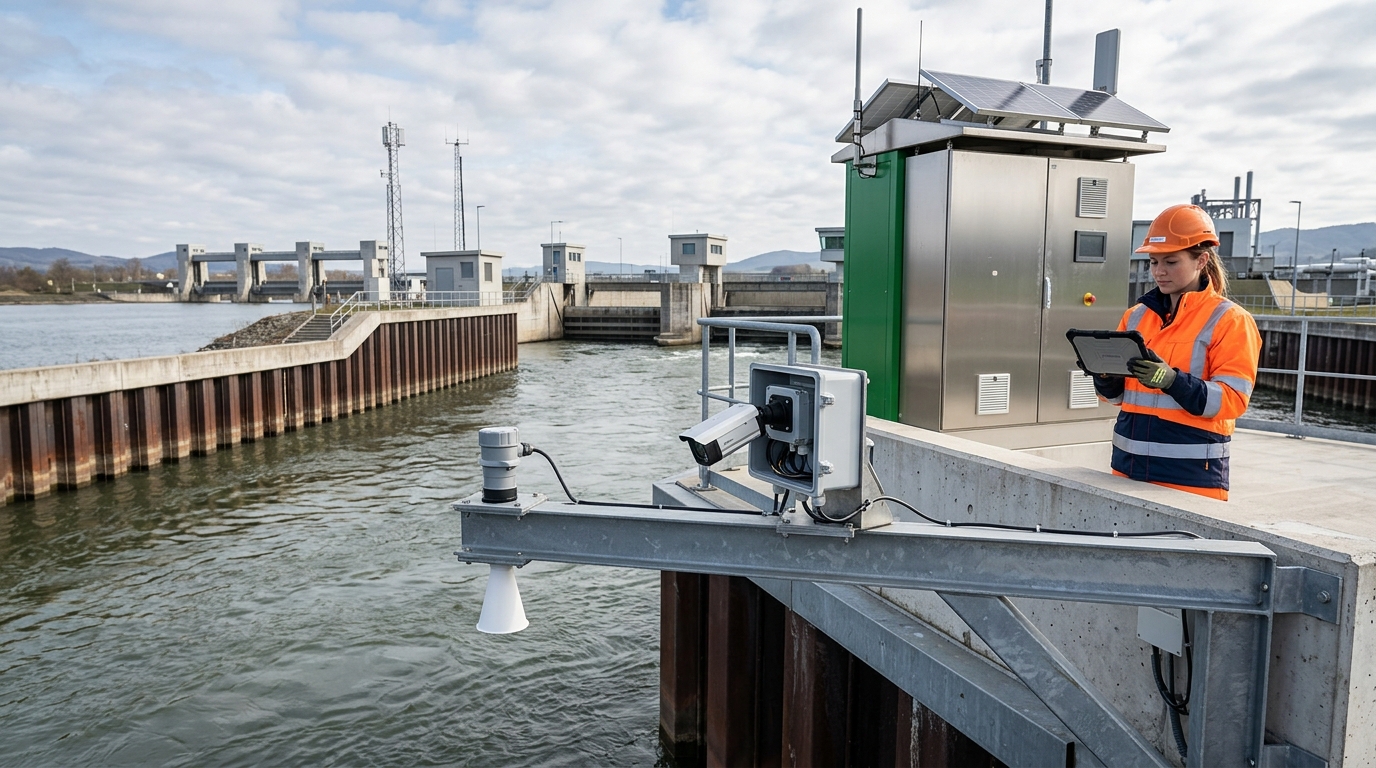
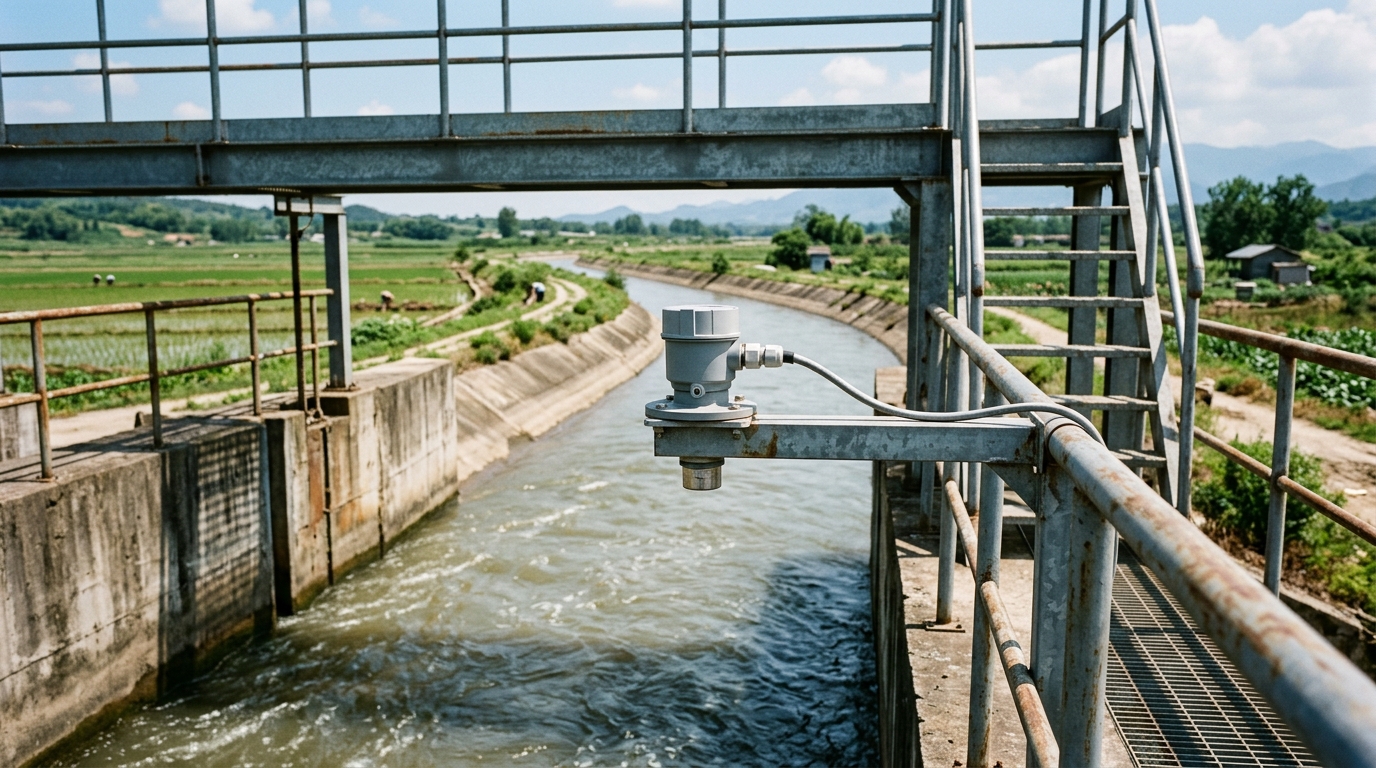
A field engineering guide for hydrologists and system integrators: selecting 26/80 GHz FMCW radar level meters for reservoir monitoring, handling beam footprint, dead zone and multipath issues near dam structures, and commissioning workflows validated against manual gauges.
Introduction: From March to September 2024, a provincial water resources department deployed 32 sets of RTU telemetry terminals in the “Integrated Mon...
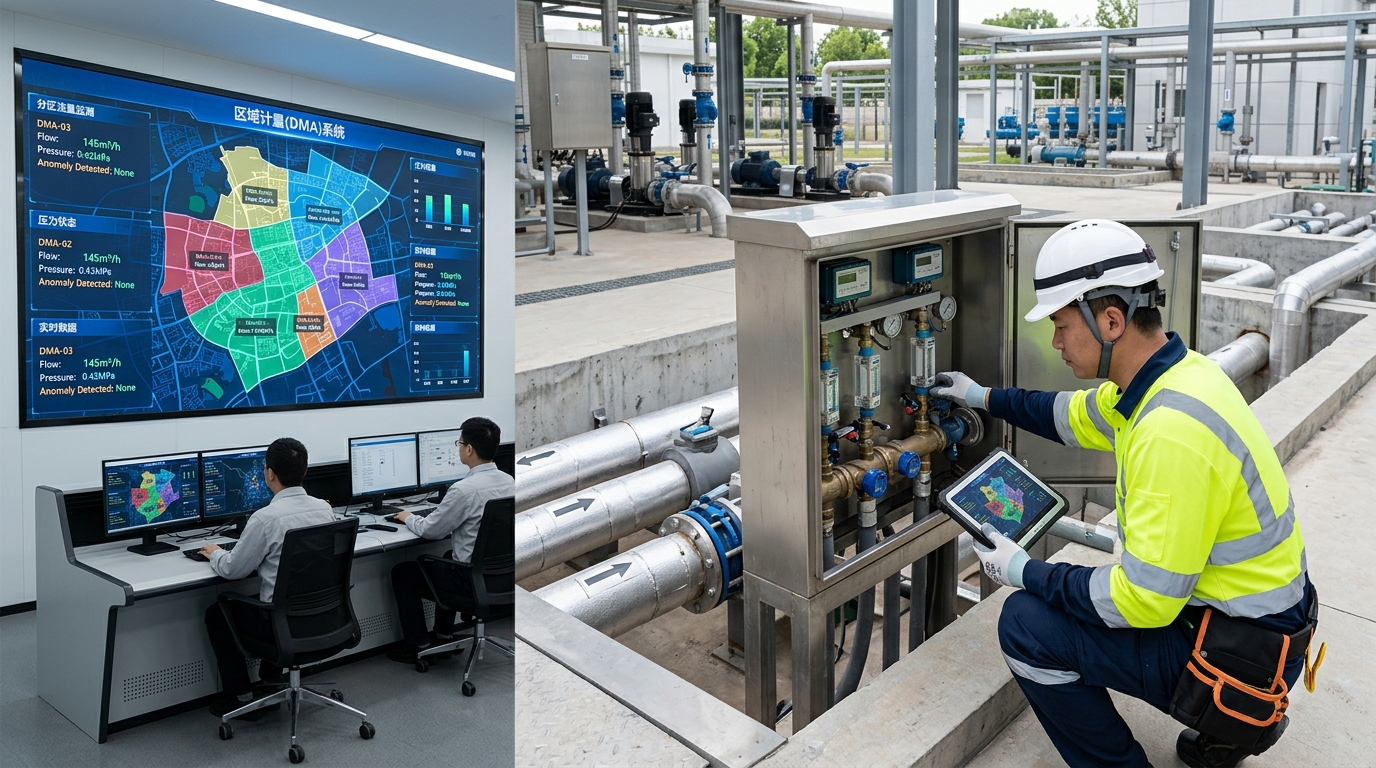
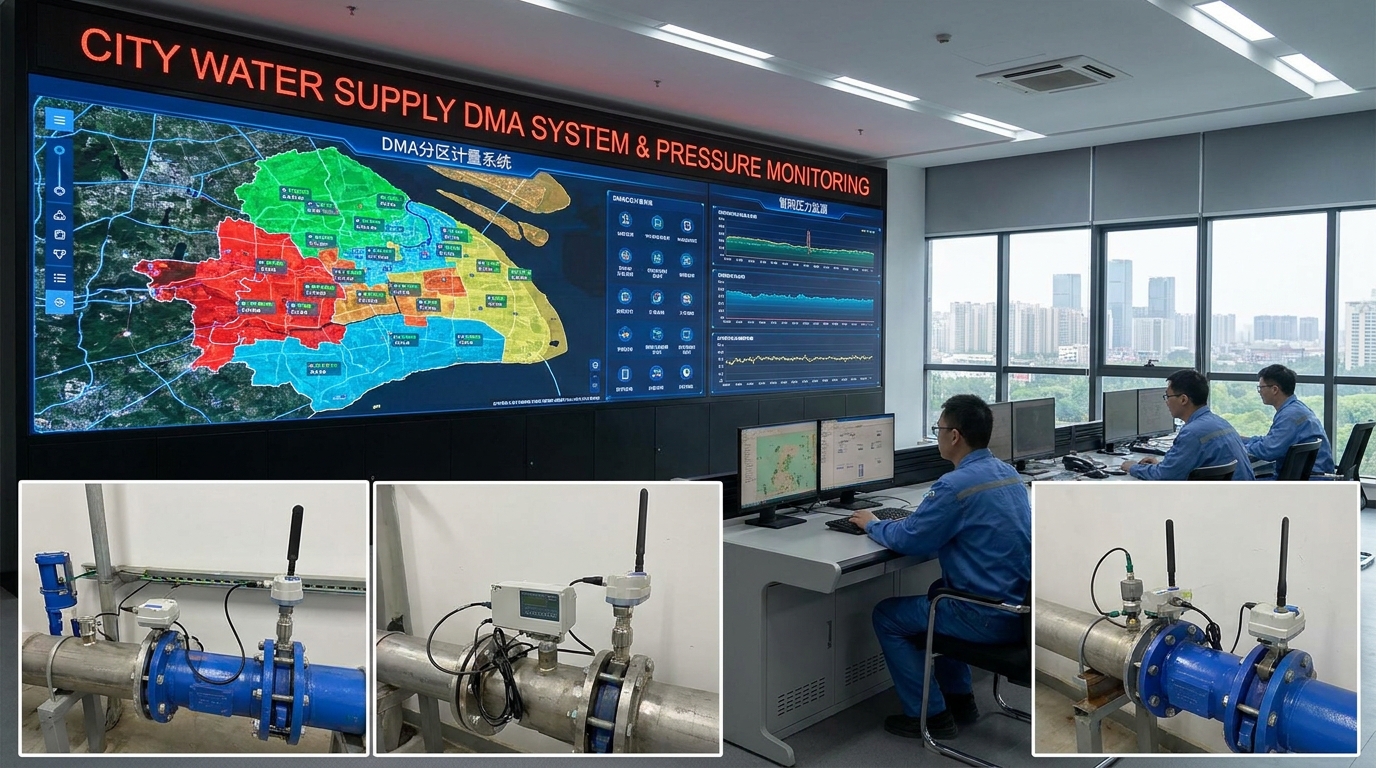
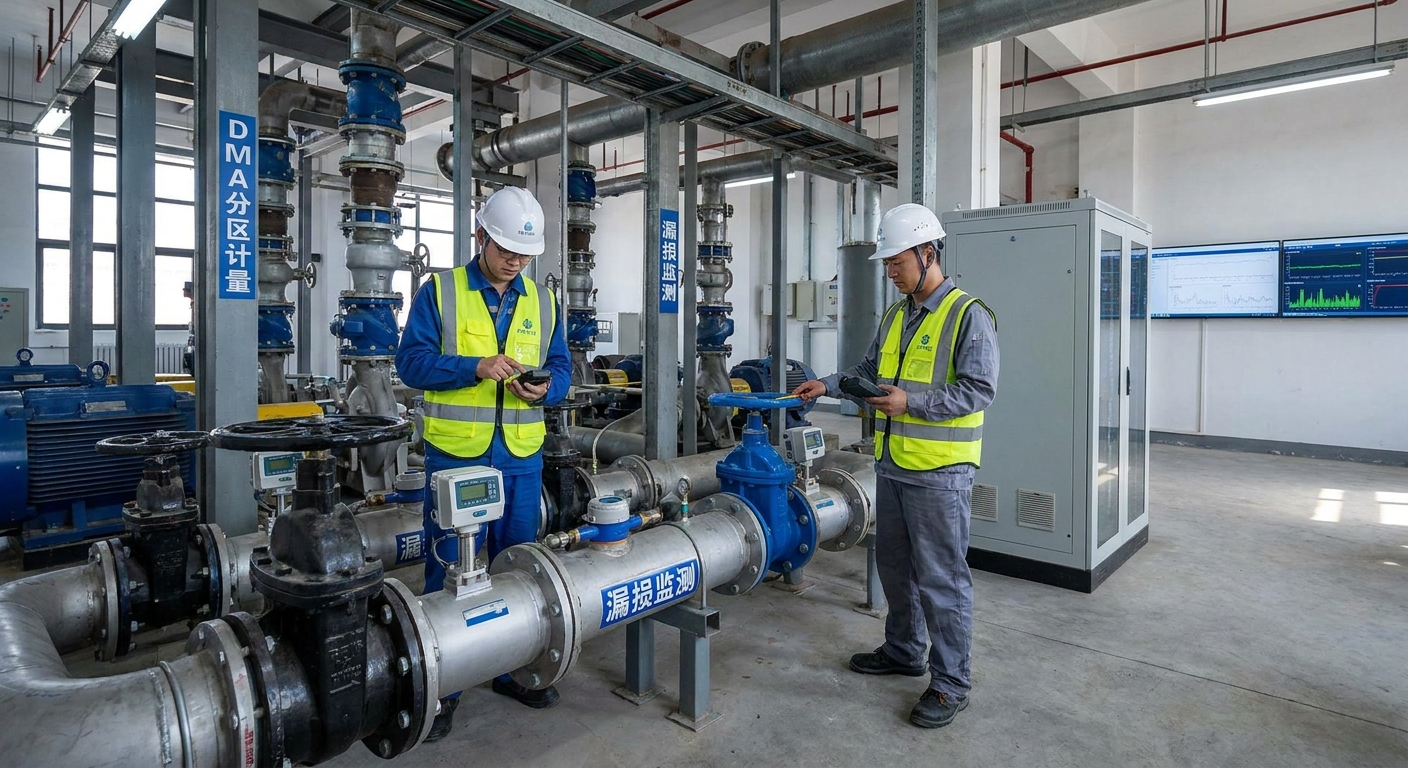
Comparison of DMA District Metering Technology Routes: Metering, Zoning, and Water-Loss-Rate Selection in Water Distribution Network Loss Control As w...
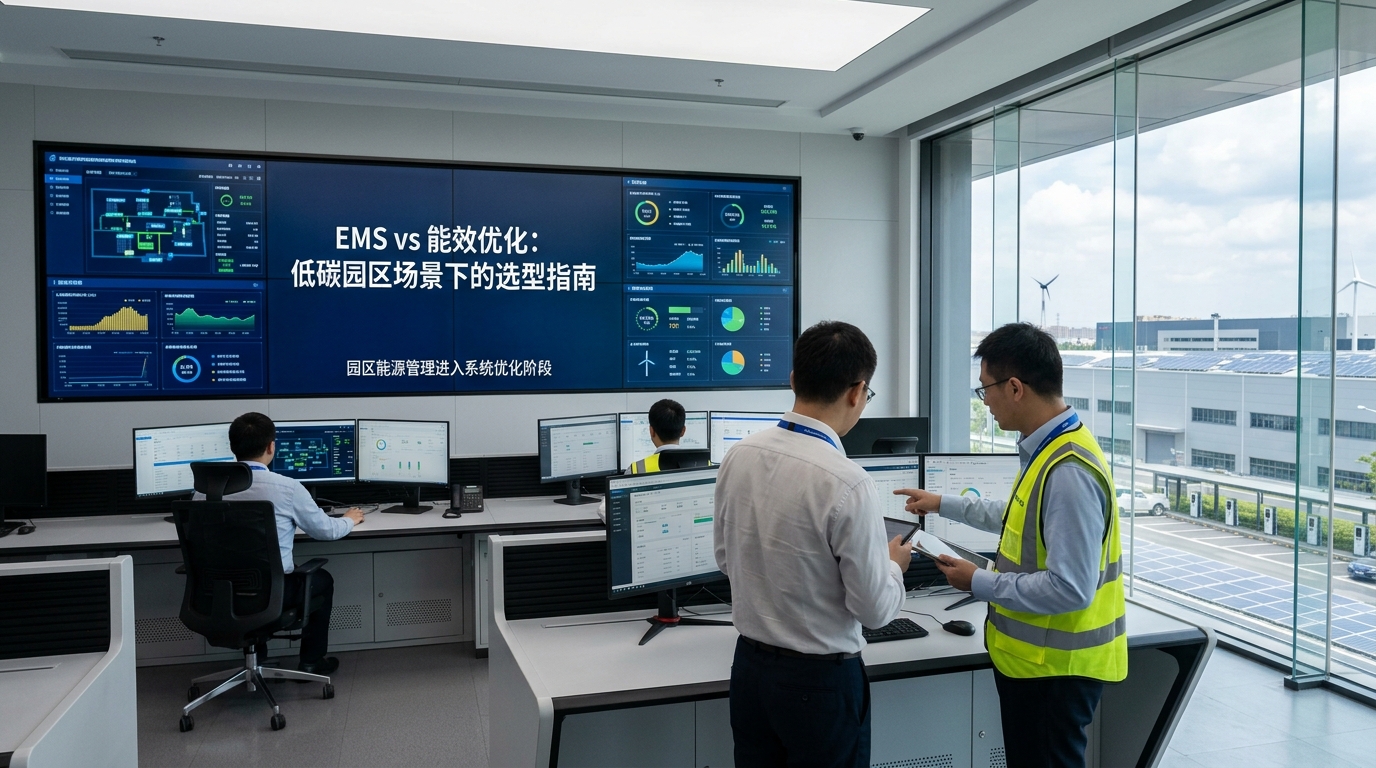
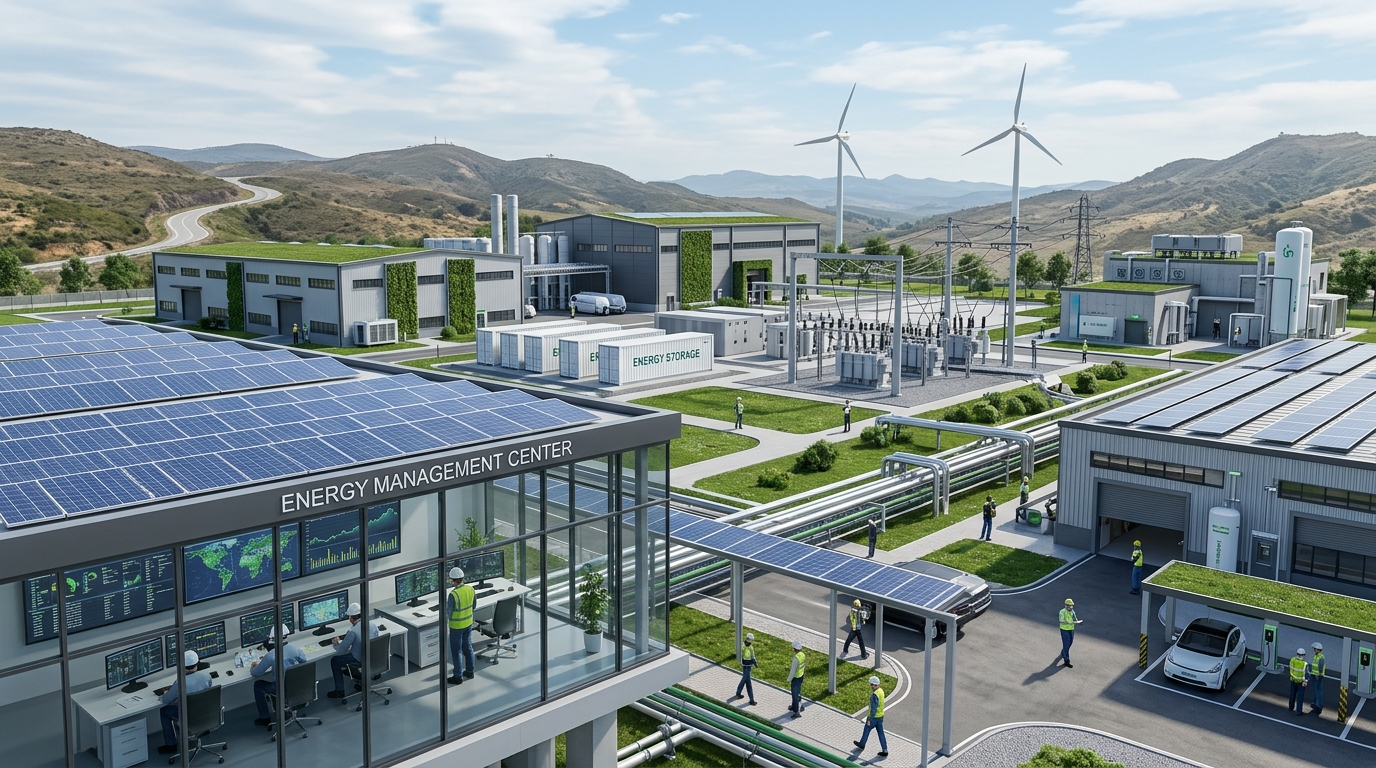
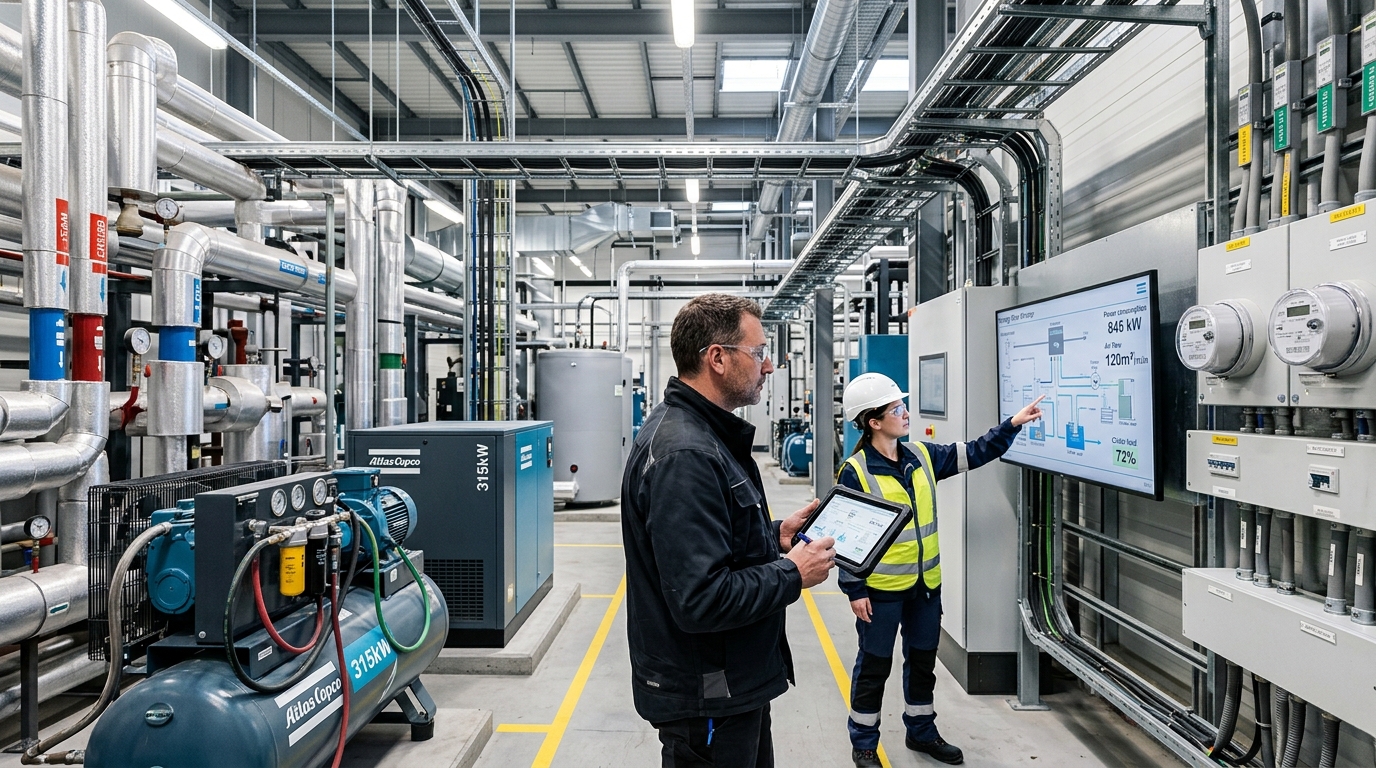
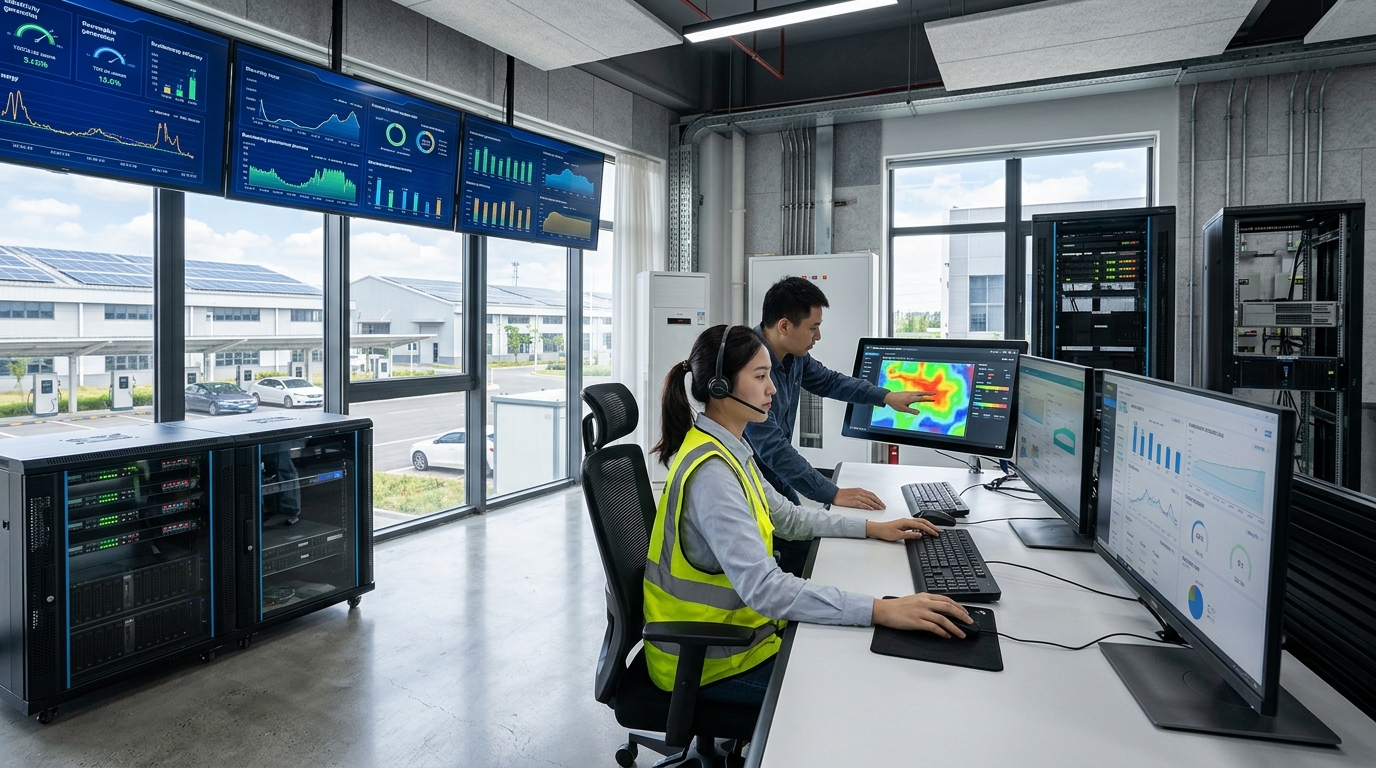
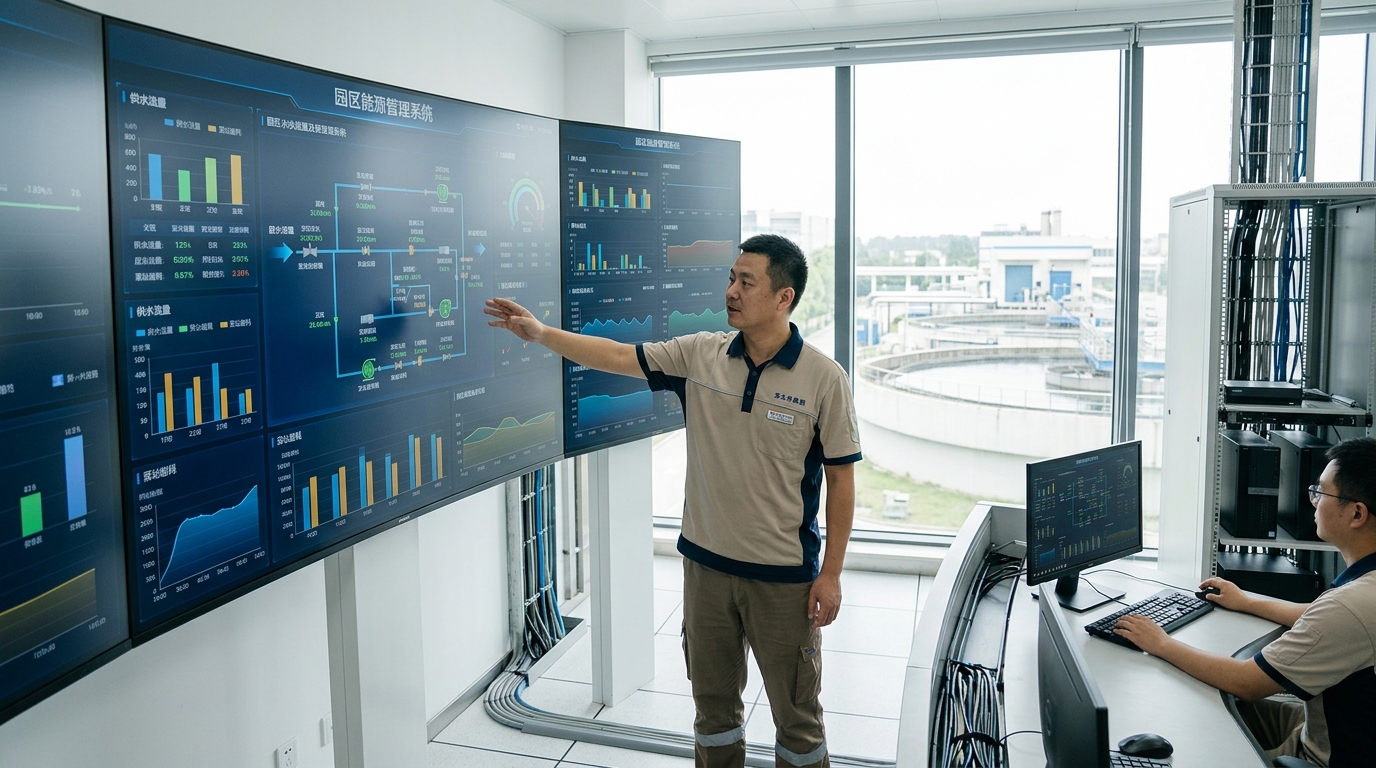
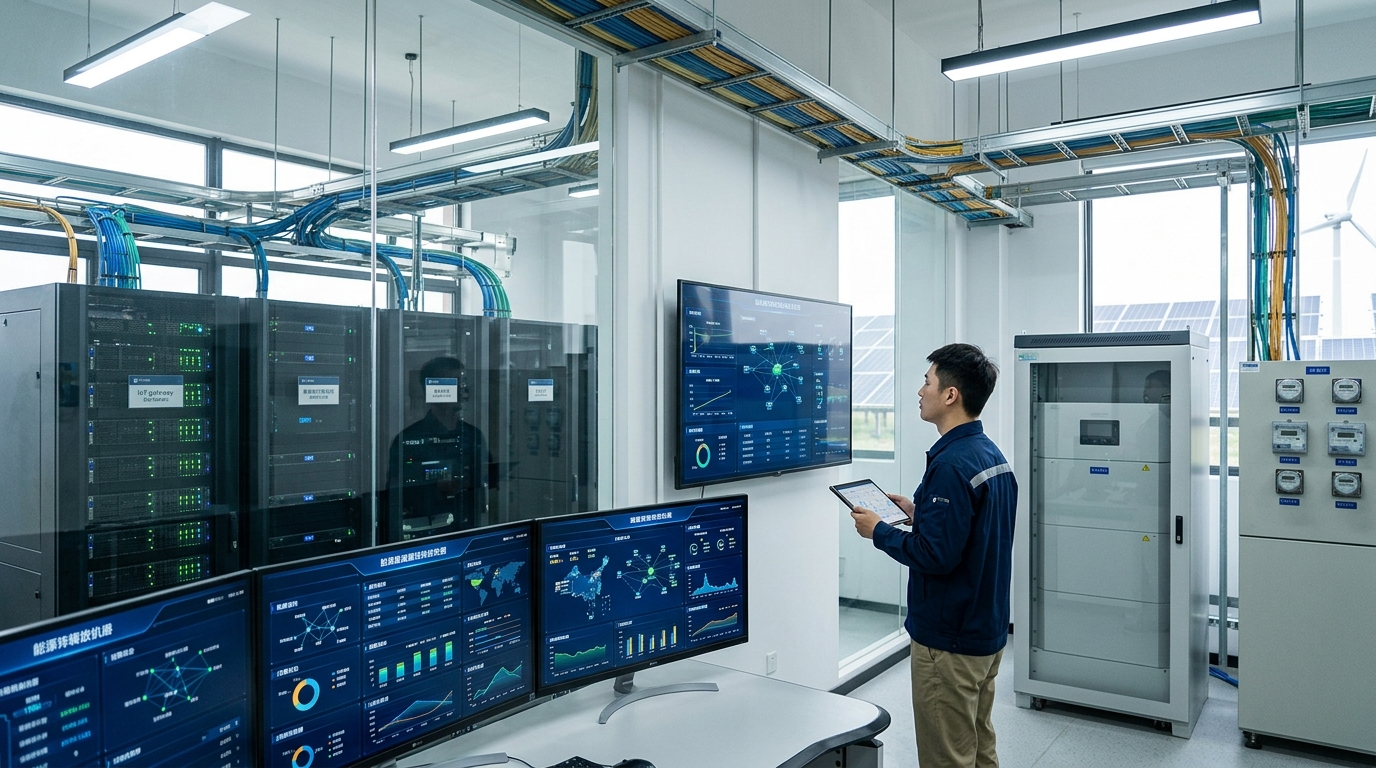
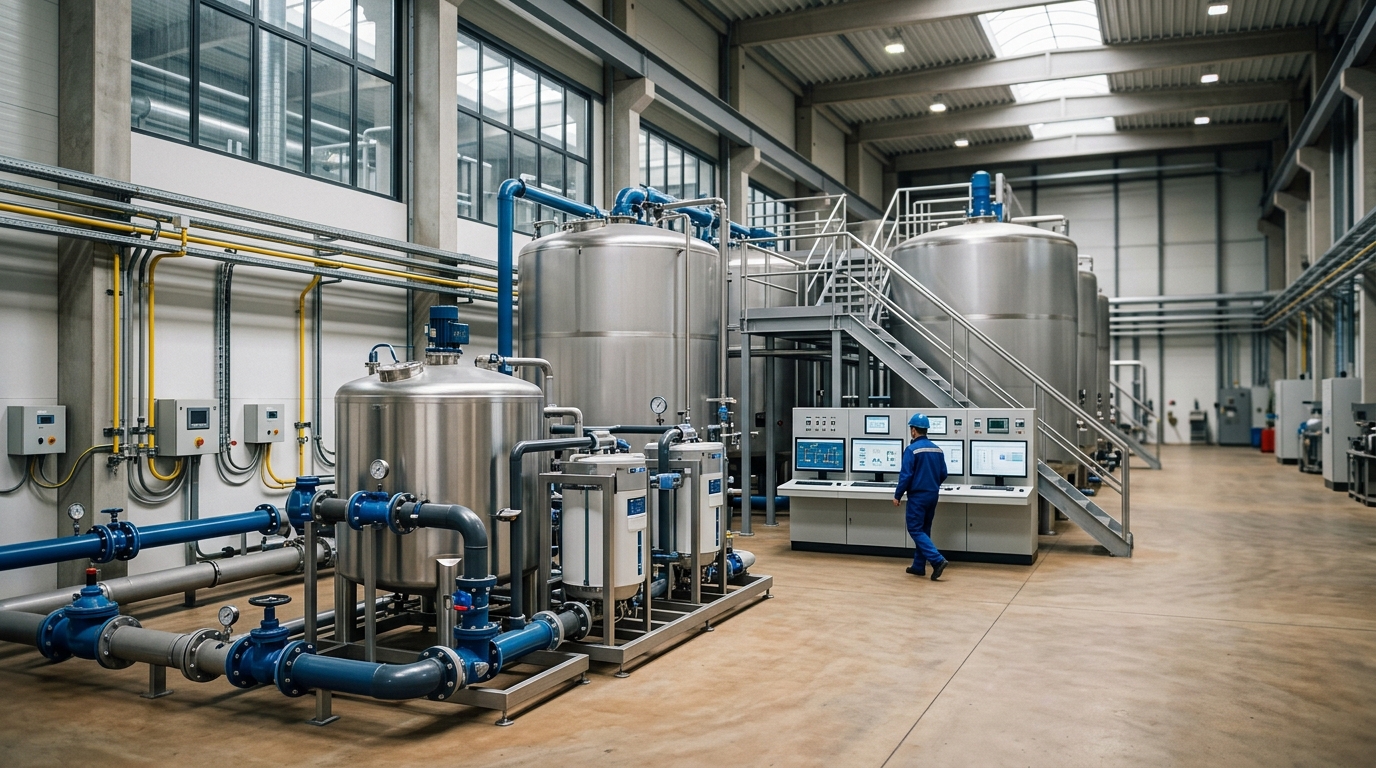
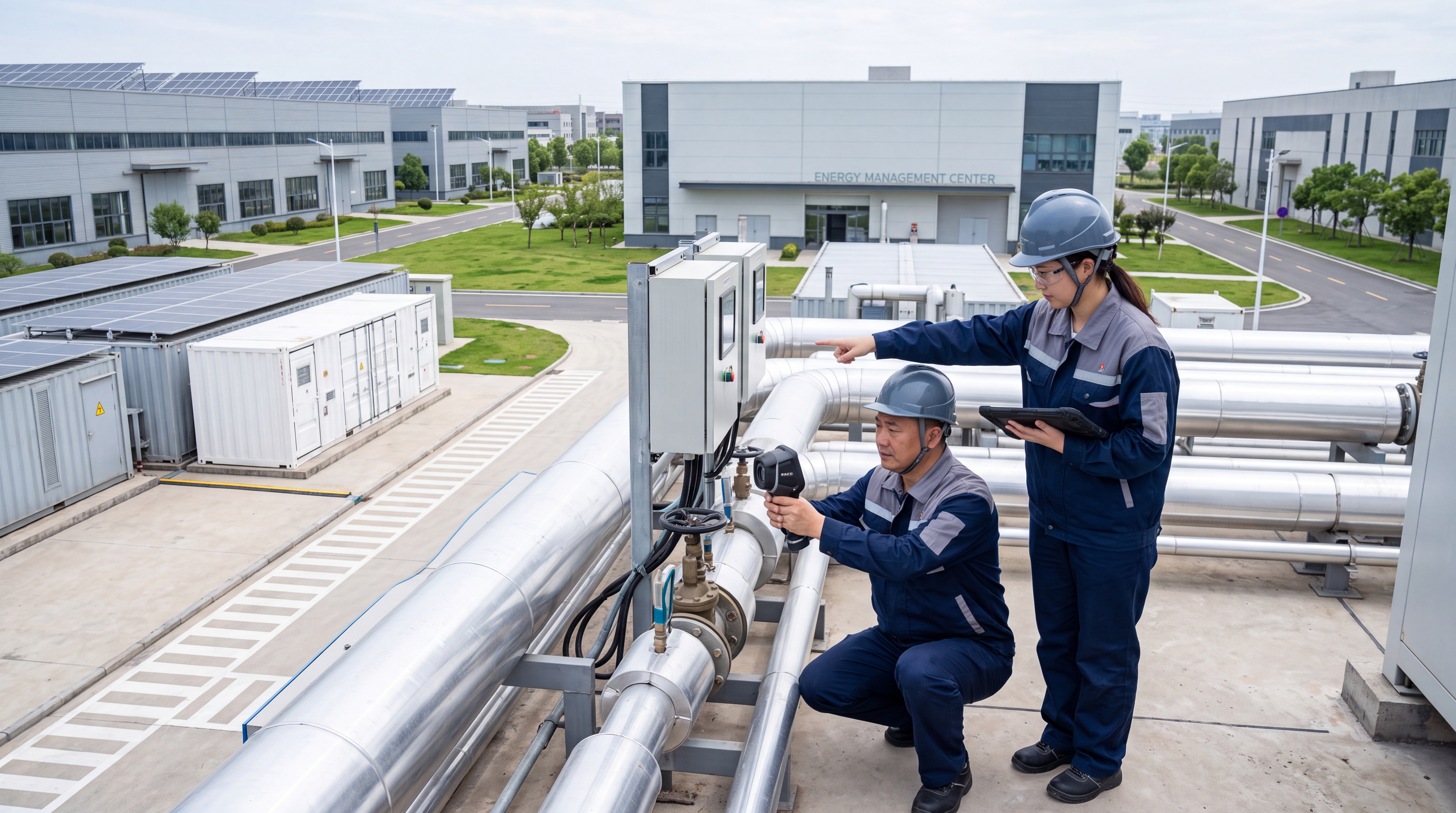
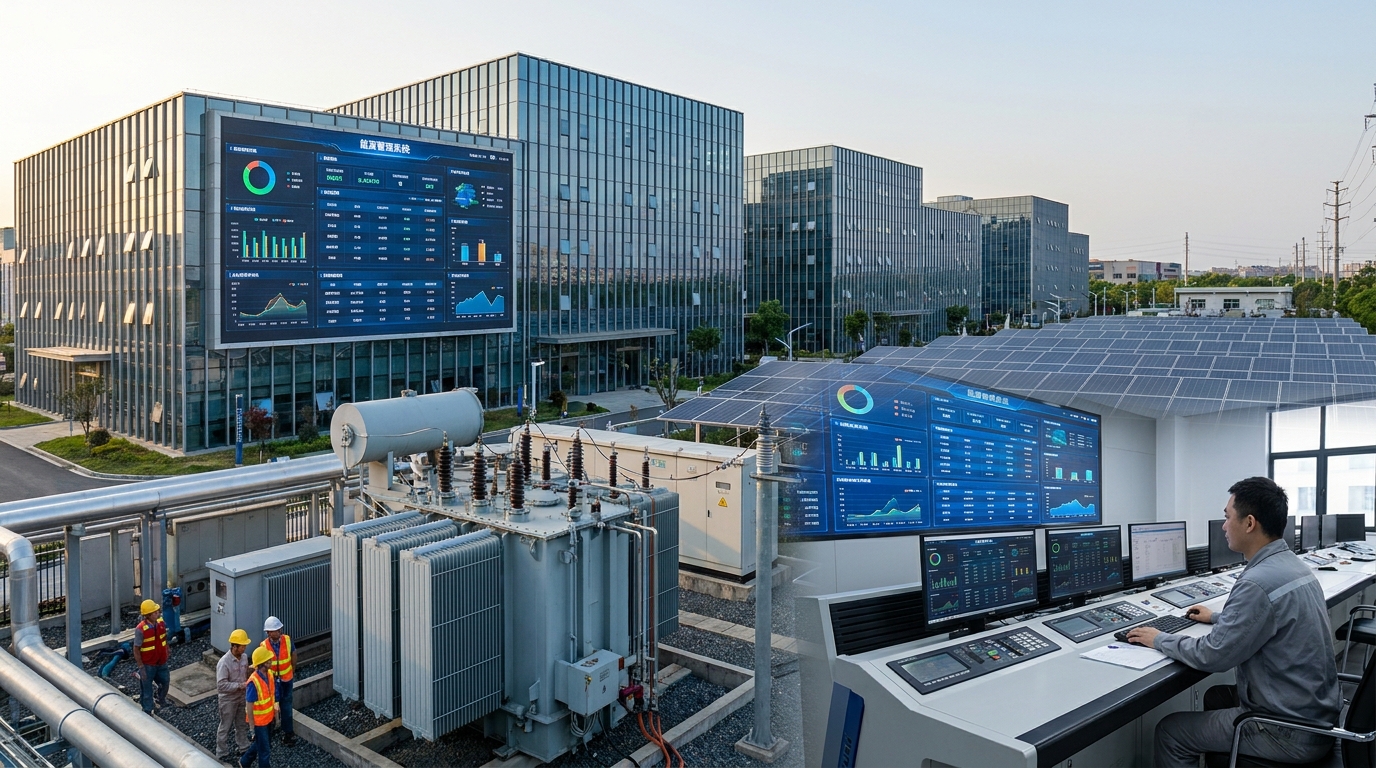
Park Energy Management Enters the System Optimization Stage Under the combined drivers of the "dual-carbon" targets, electricity tariff marketization ...
Introduction: Low-Carbon Parks Move from Policy Compliance to Systemic Energy-Efficiency Competition Against the backdrop of China’s dual-carbon goals...
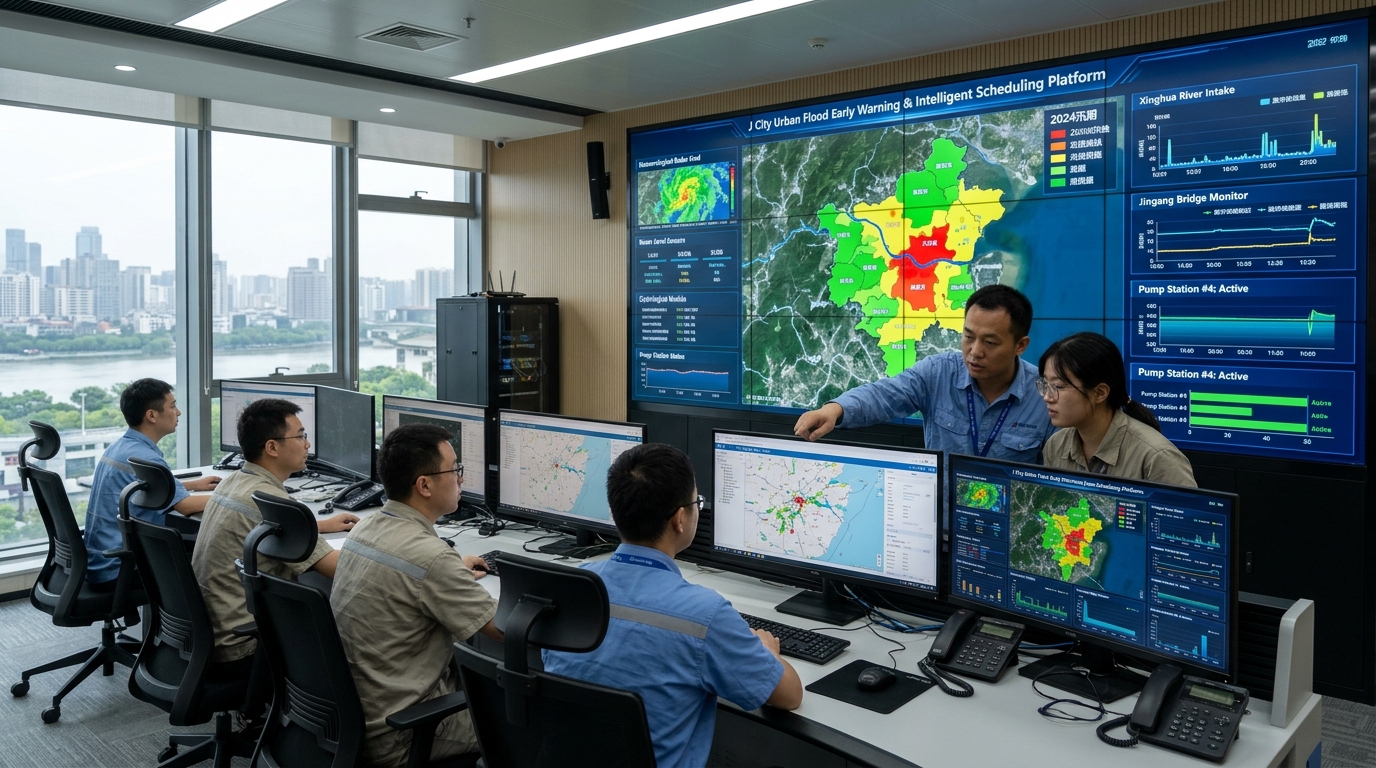
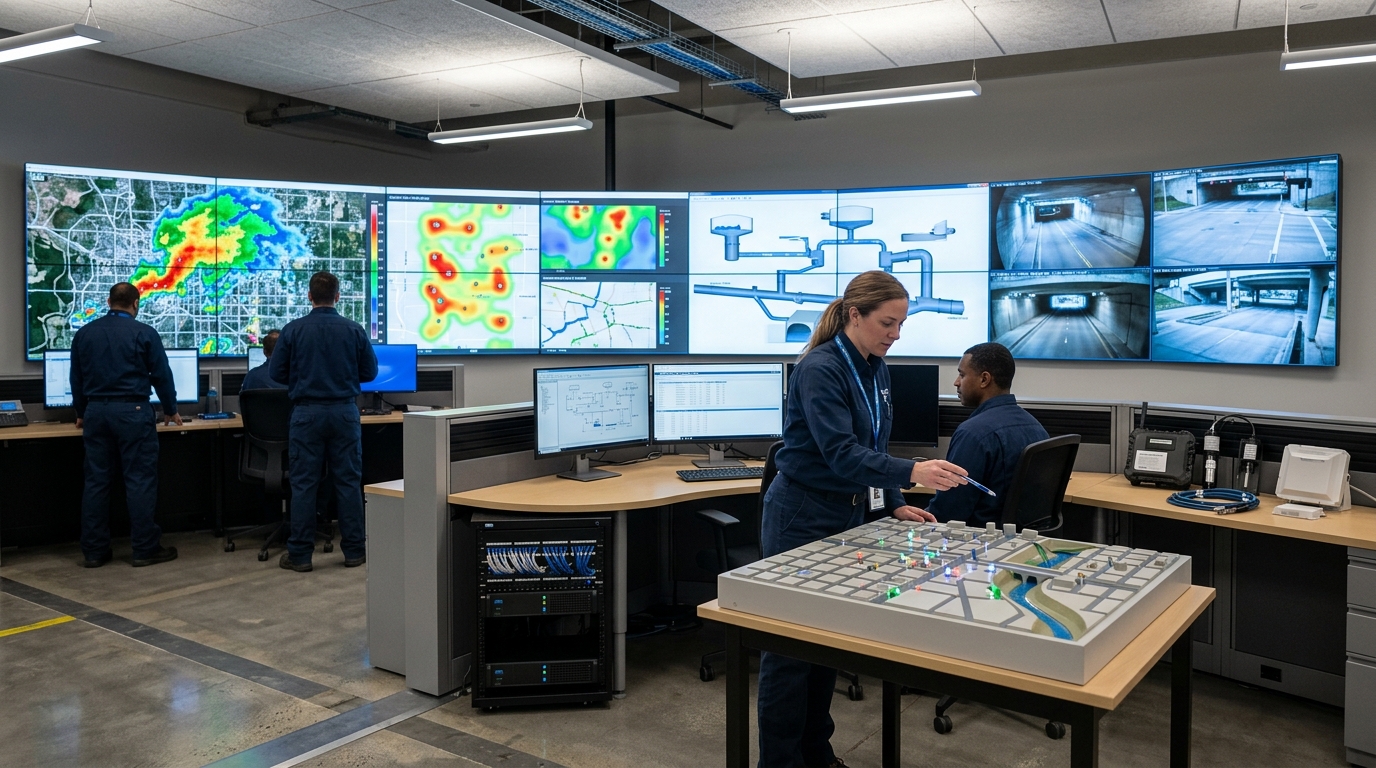
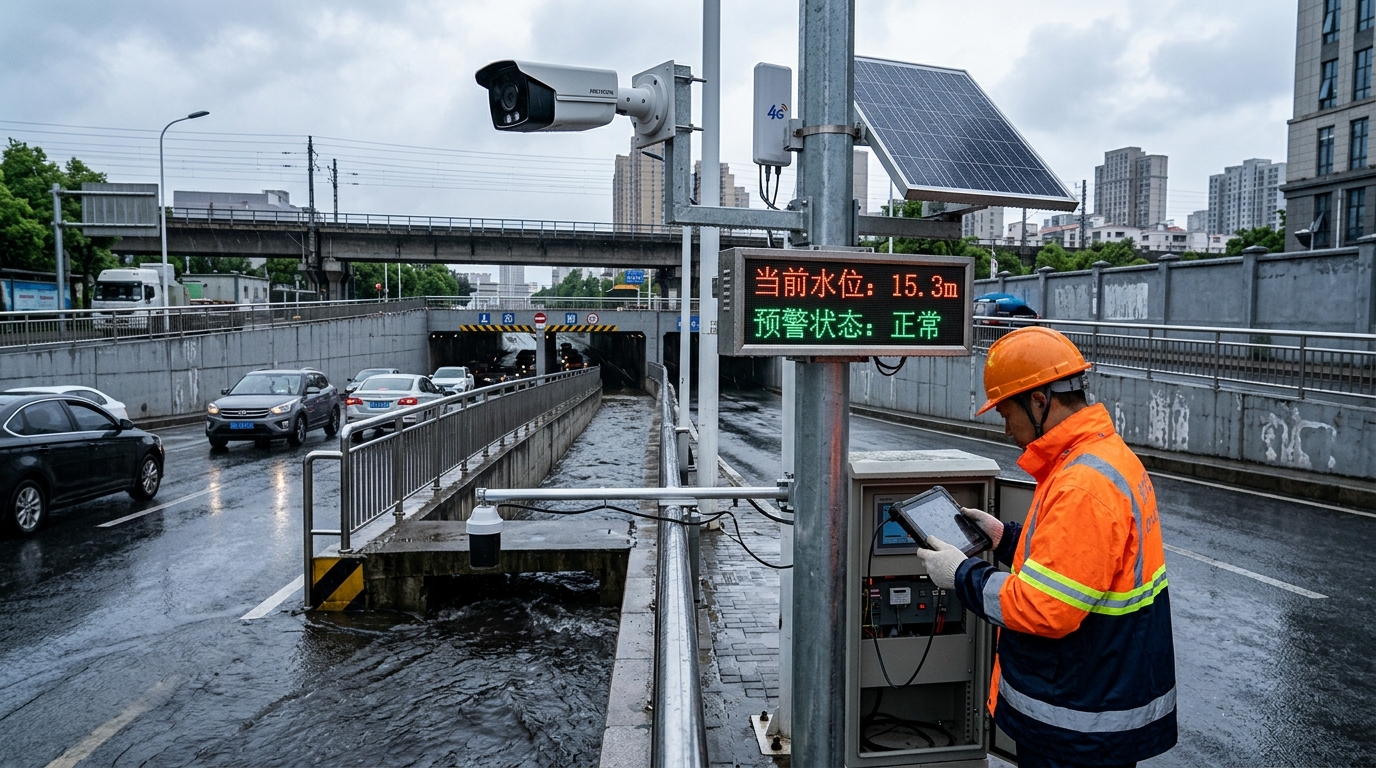
Project Background: High-Density Urban Pluvial Flooding Risk Forces Upgrade of the Flood Prevention System Urban pluvial flooding early warning is not...
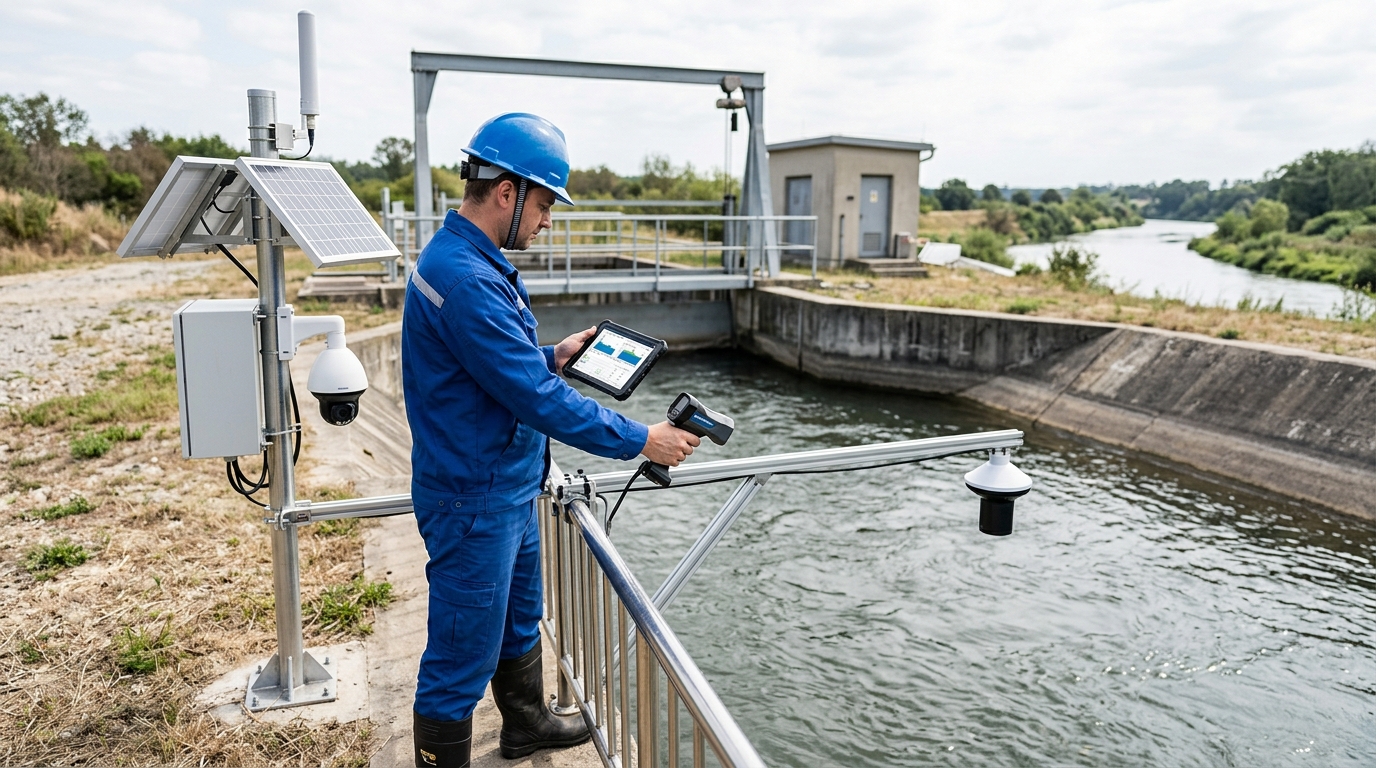
Introduction: Doppler Flowmeters Enter the “Velocity + Water Level + Video” Composite Monitoring Stage Doppler flowmeters previously mainly performed ...
A practical engineering analysis of low-cost, high-density water sensor networks for utilities and integrators: node architecture, hybrid LoRaWAN/NB-IoT backhaul, edge data governance, power reliability and phased deployment strategy.
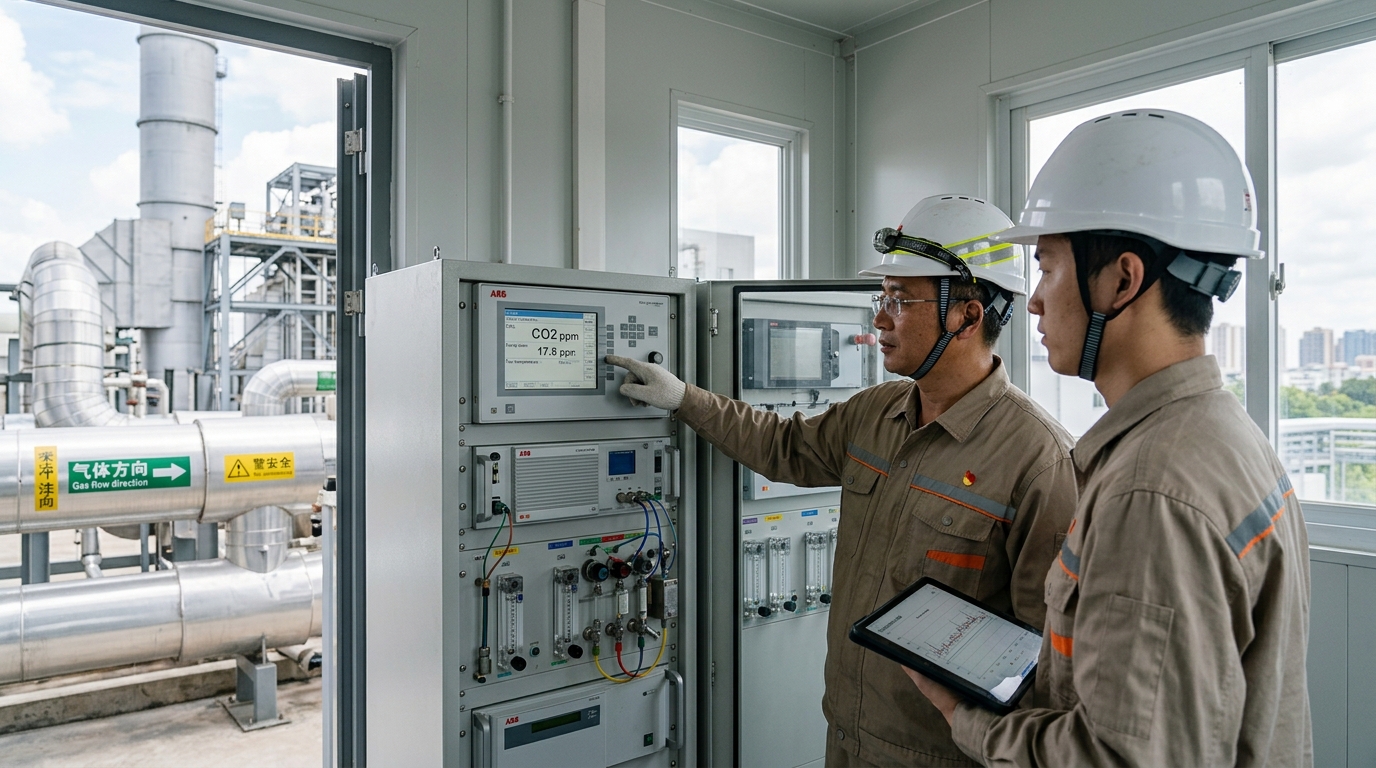
Lead: Low-carbon parks are moving from policy pilots to industrial imperatives. As the “dual carbon” goals enter implementation, parks are no longer m...
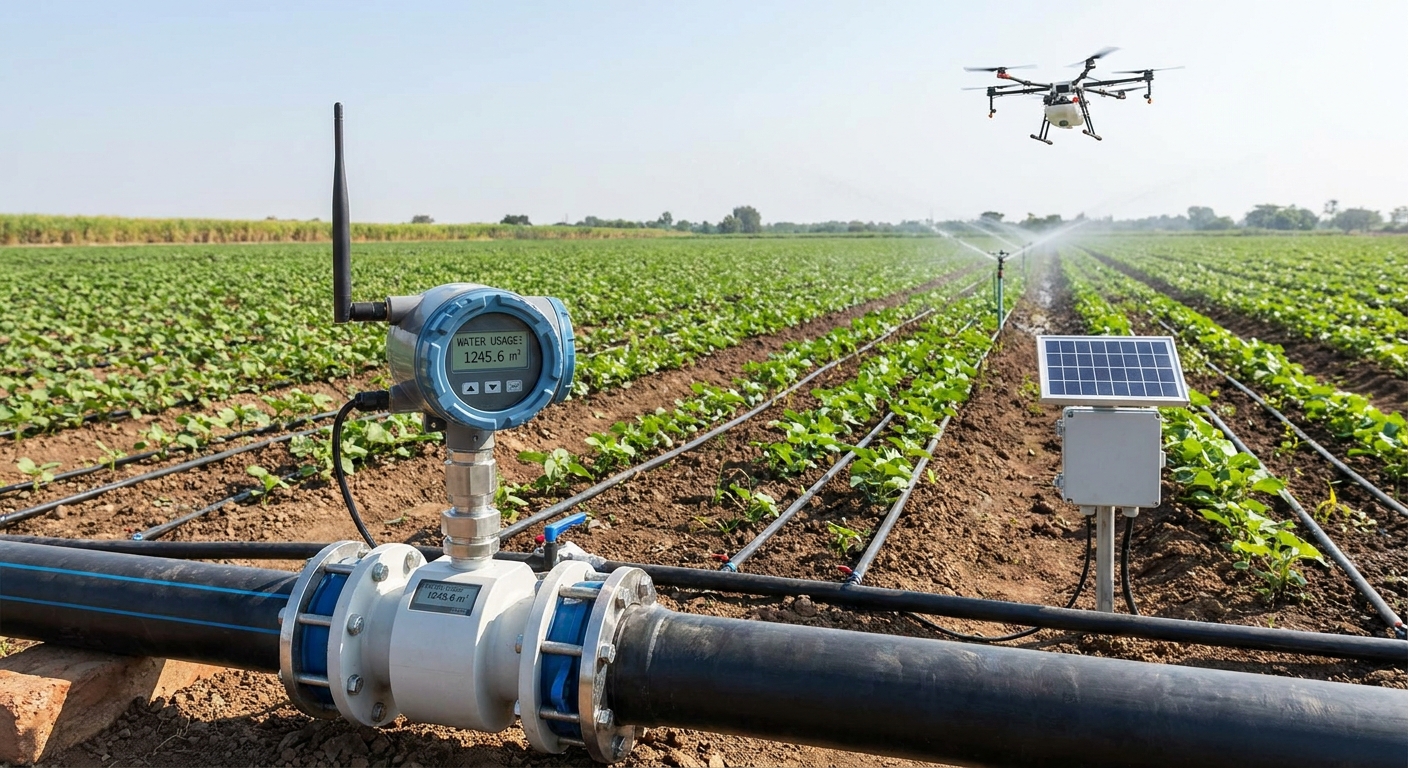
Comparison of Irrigation District Informatization Technology Roadmaps: Selection Logic for Smart Irrigation, Water Saving, and Water Metering As the m...
Introduction: Urban Waterlogging Warning Enters a Technology-Combination Phase Yicai Technology News Editor reports: With extreme rainfall events beco...
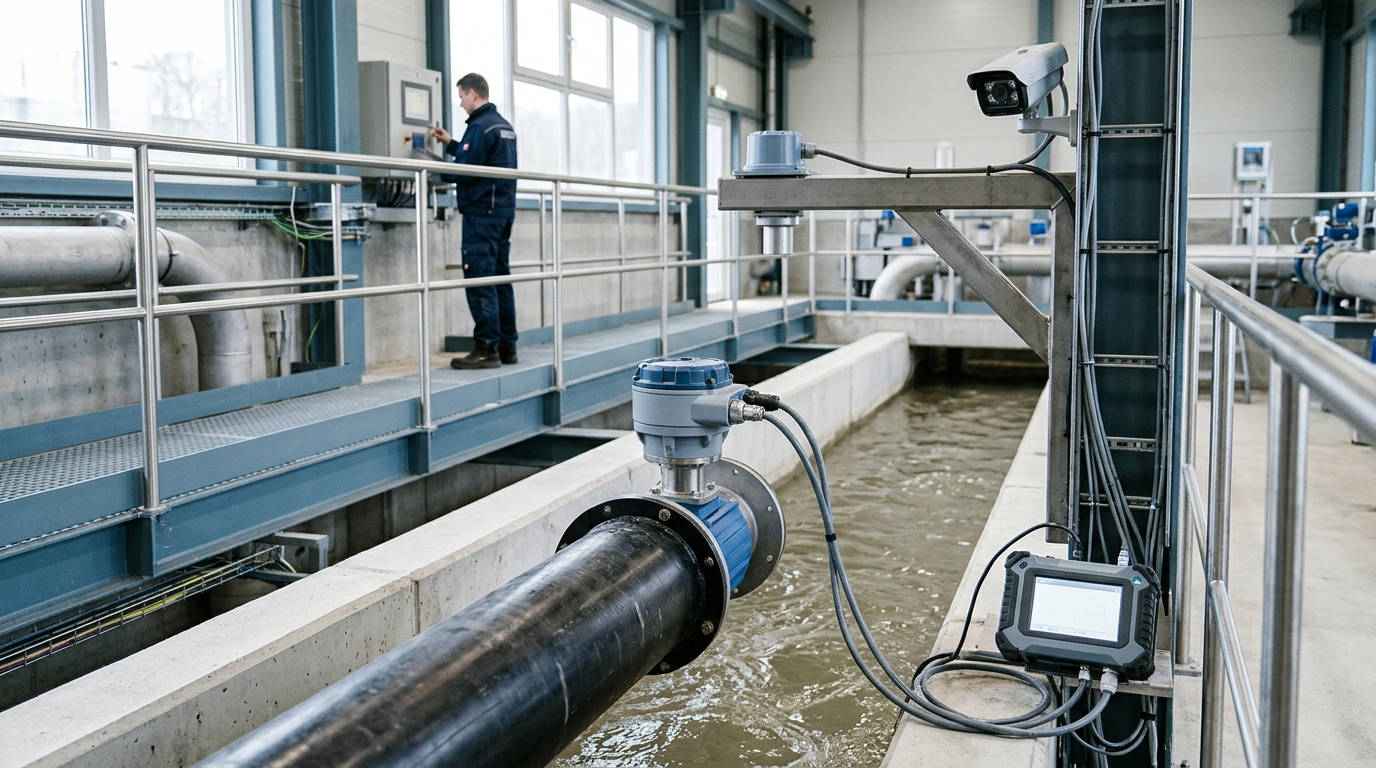
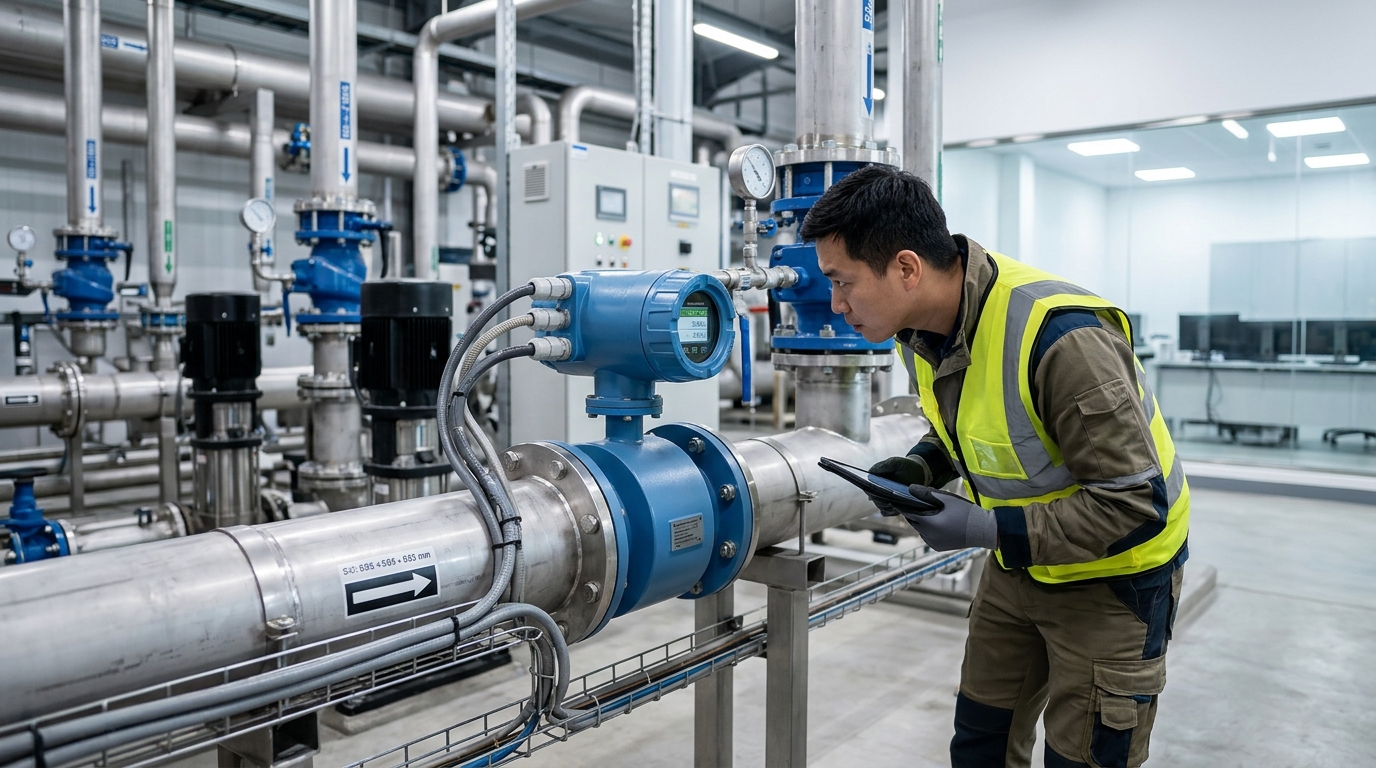
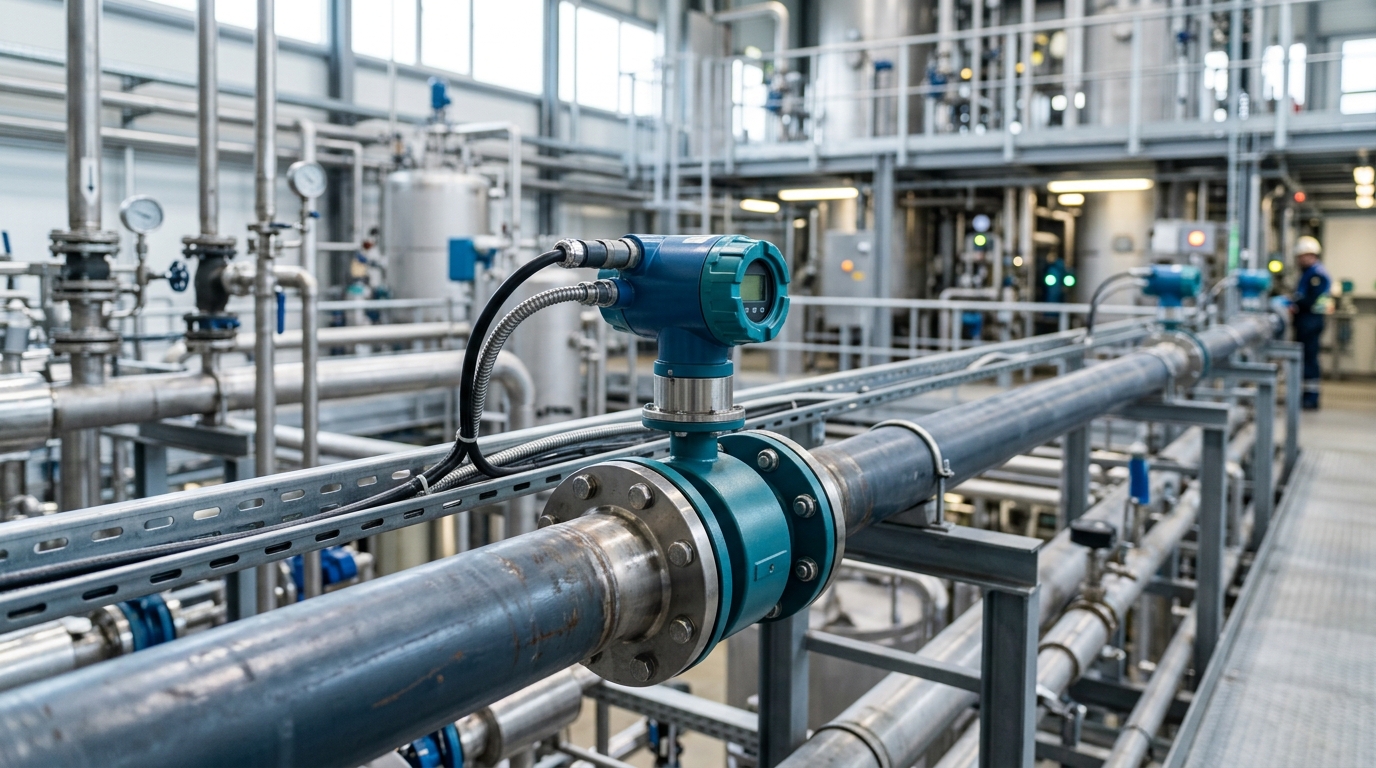
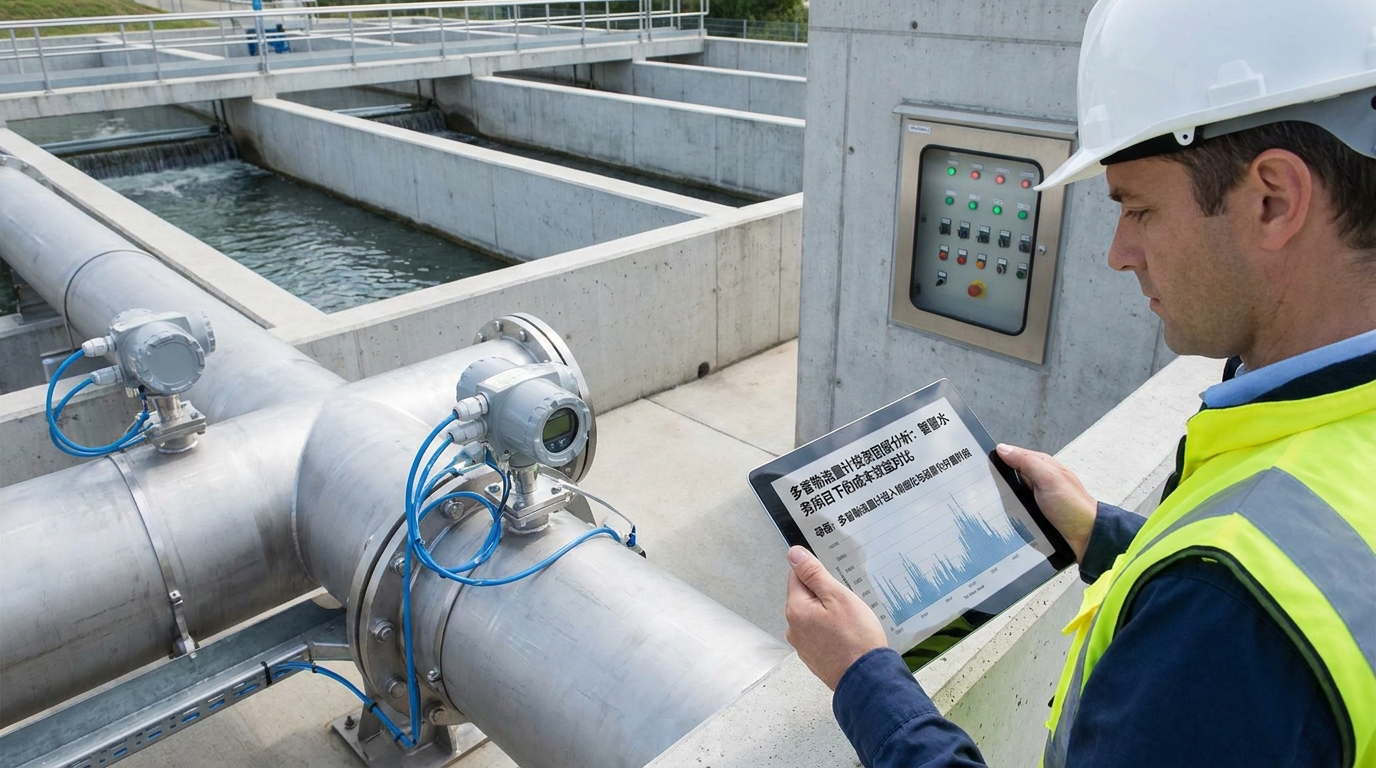
In chemical, pharmaceutical, water treatment, food ingredient, and environmental metering sites, electromagnetic flowmeters are commonly used metering...
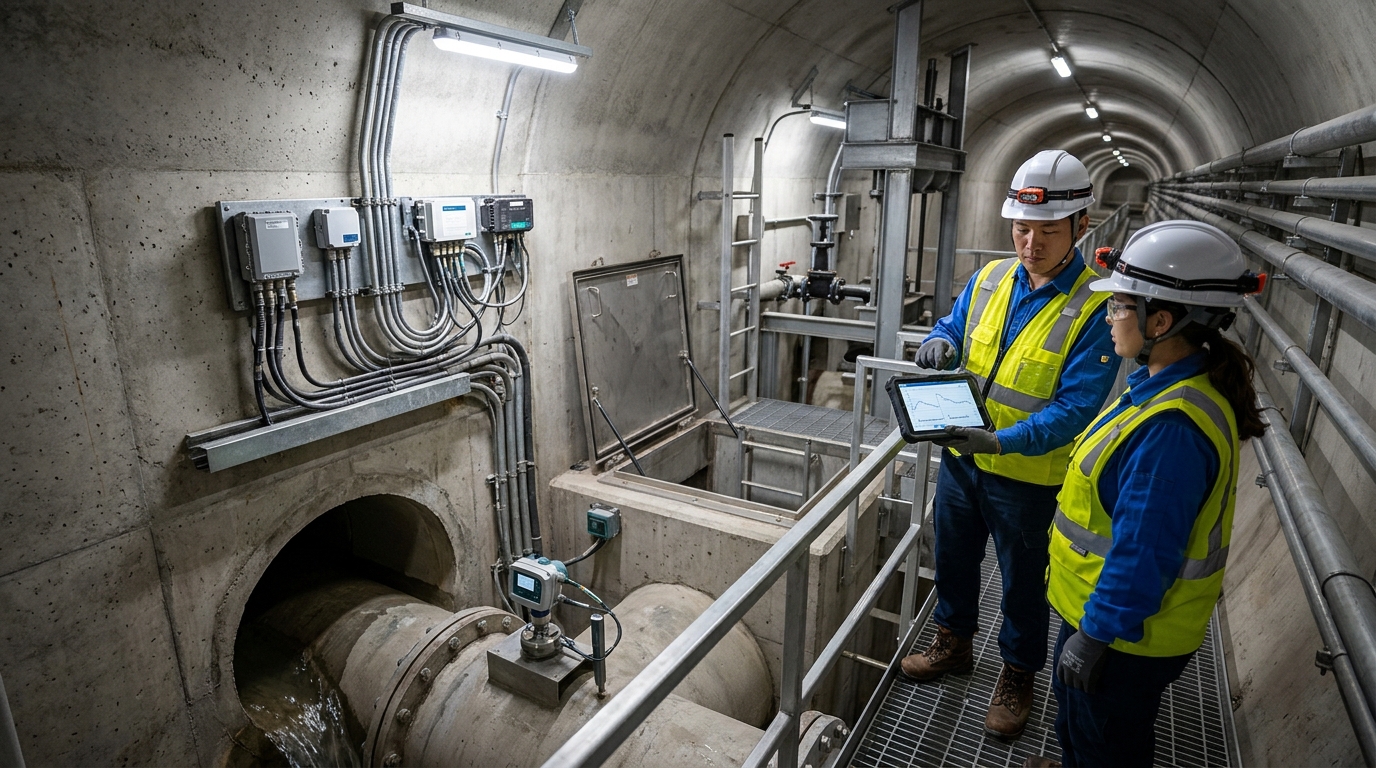
A field engineering review of electromagnetic flow measurement in municipal WWTPs: influent/effluent custody-transfer accuracy, return-sludge and digested-sludge service, liner and electrode materials, grounding practice per IEC 61010, and integration into smart water SCADA.
Pipeline Network Leakage Management Enters a Refined Phase: DMA Metering Market Analysis and Cost Observations As urban water supply networks expand, ...
As the risk of urban waterlogging increases and the demand for refined management of drainage pipe networks grows, drainage network monitoring is shif...
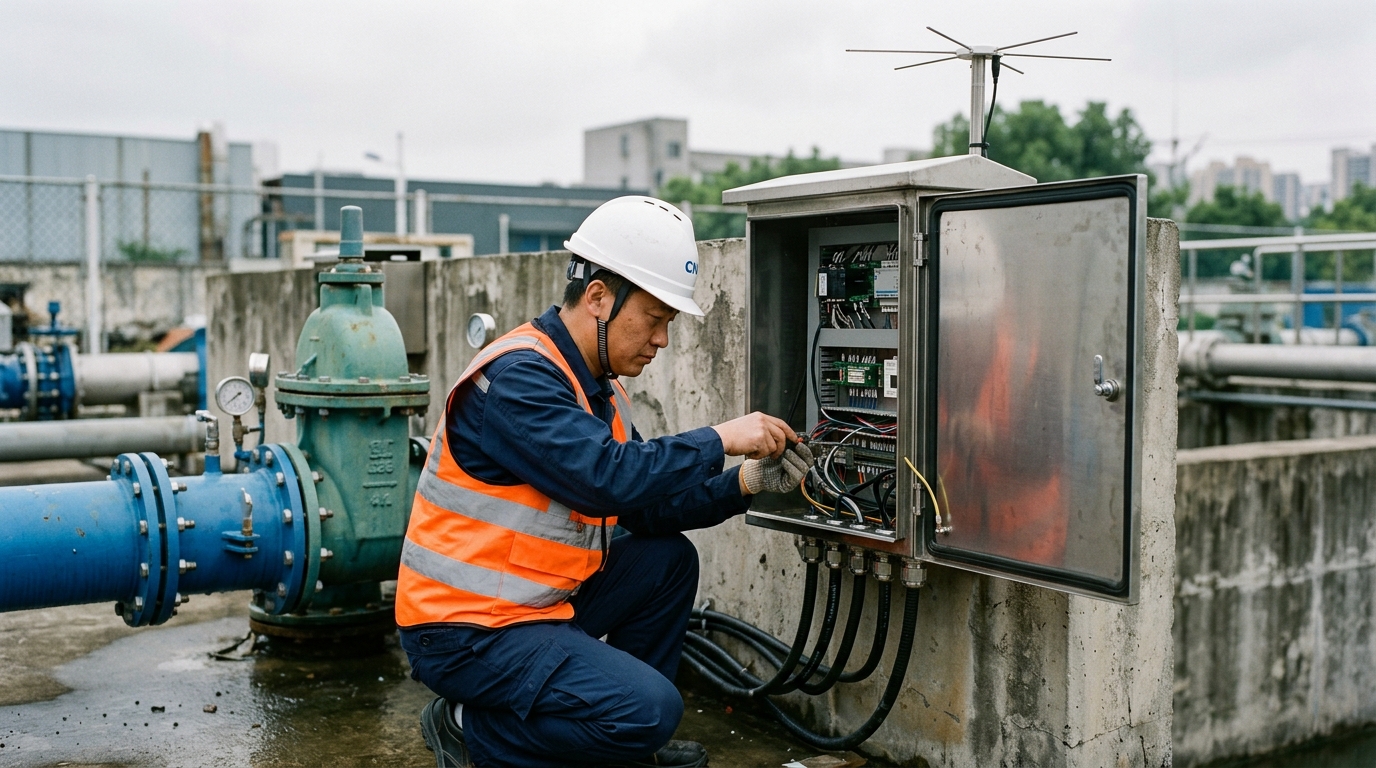
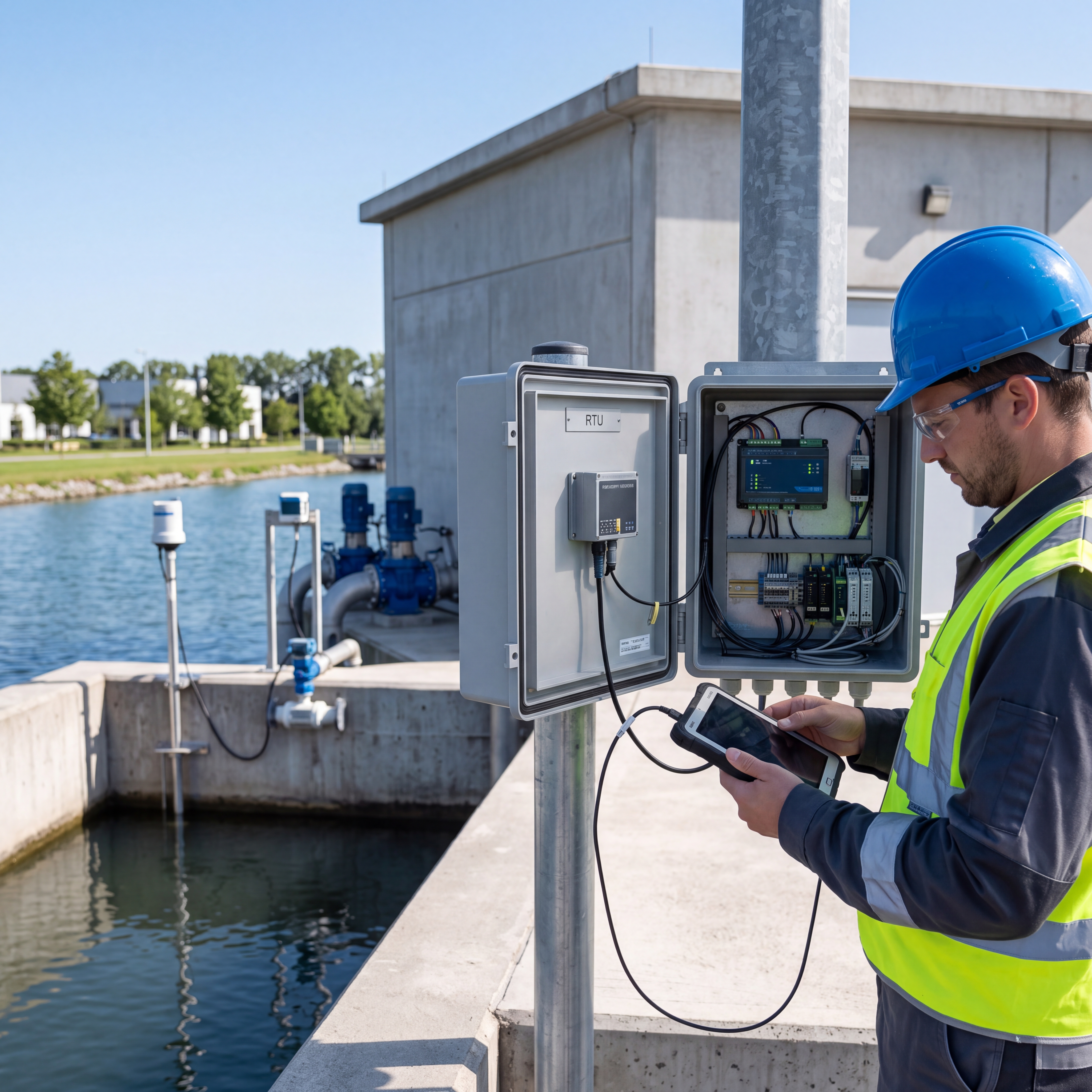
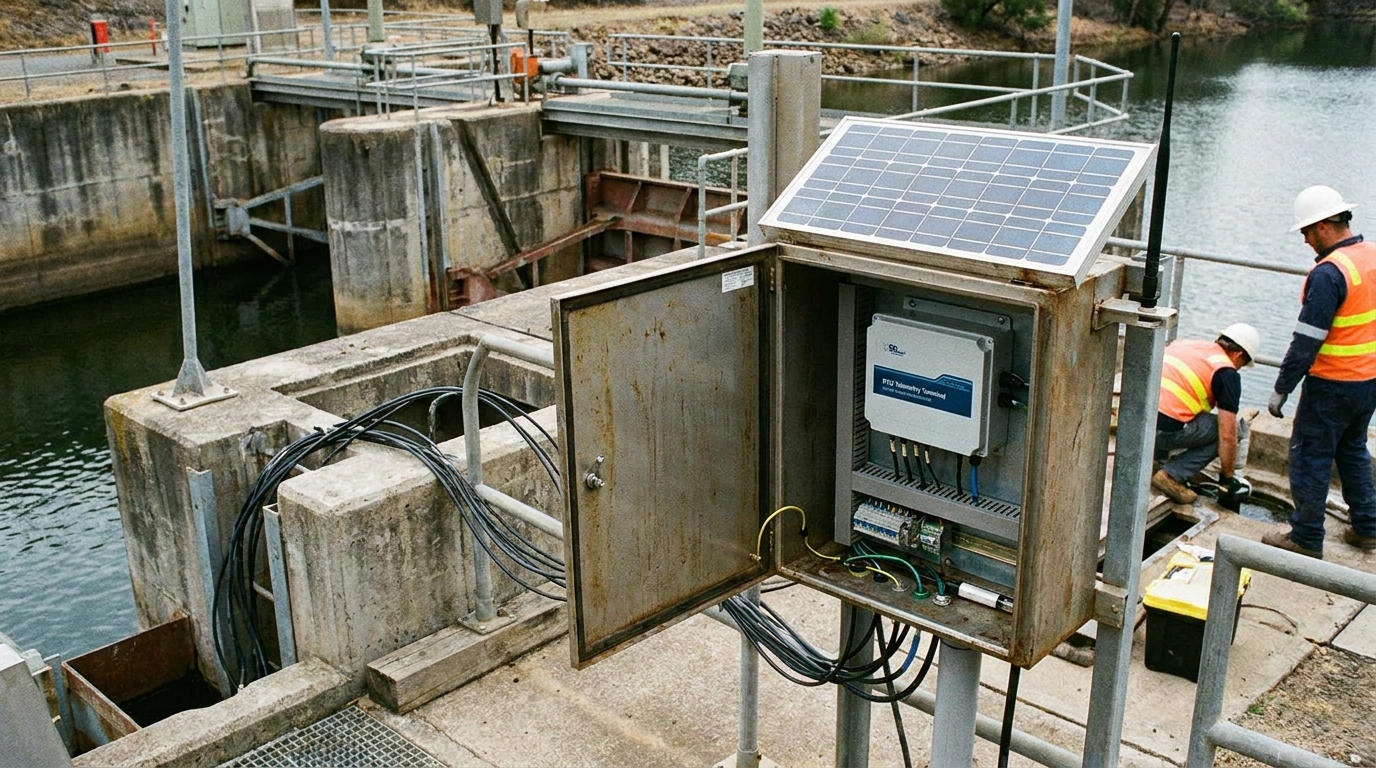
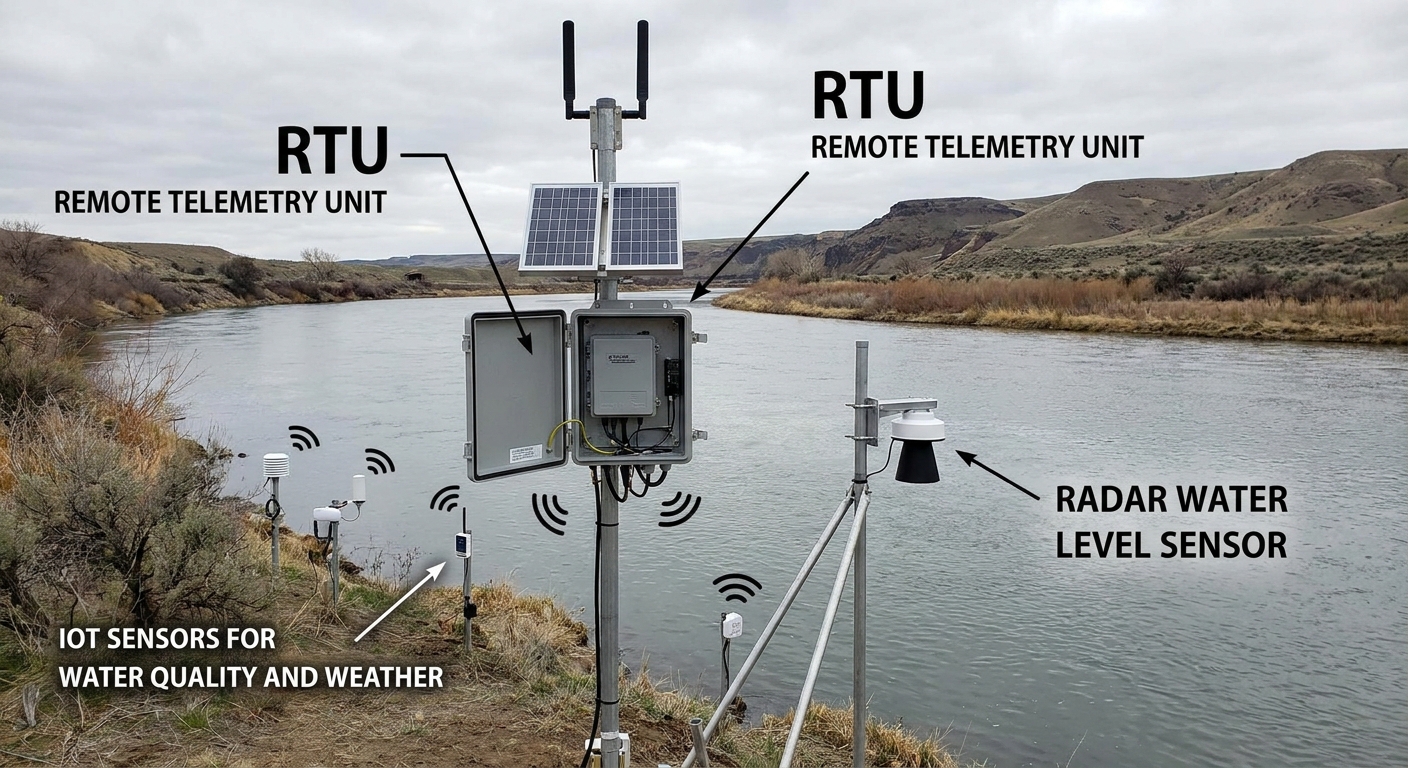
In the water resources monitoring system, the RTU telemetry terminal is a key node connecting field sensors with the dispatch platform.
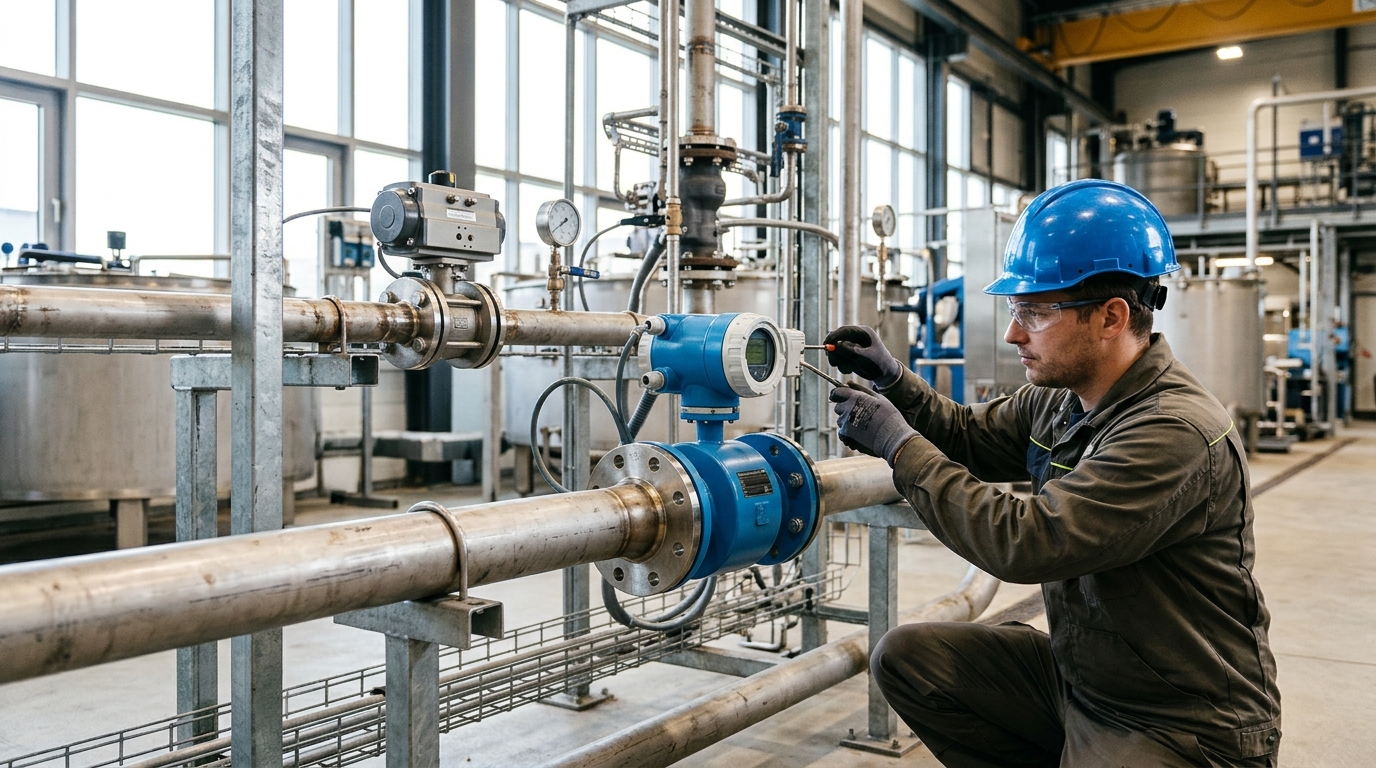
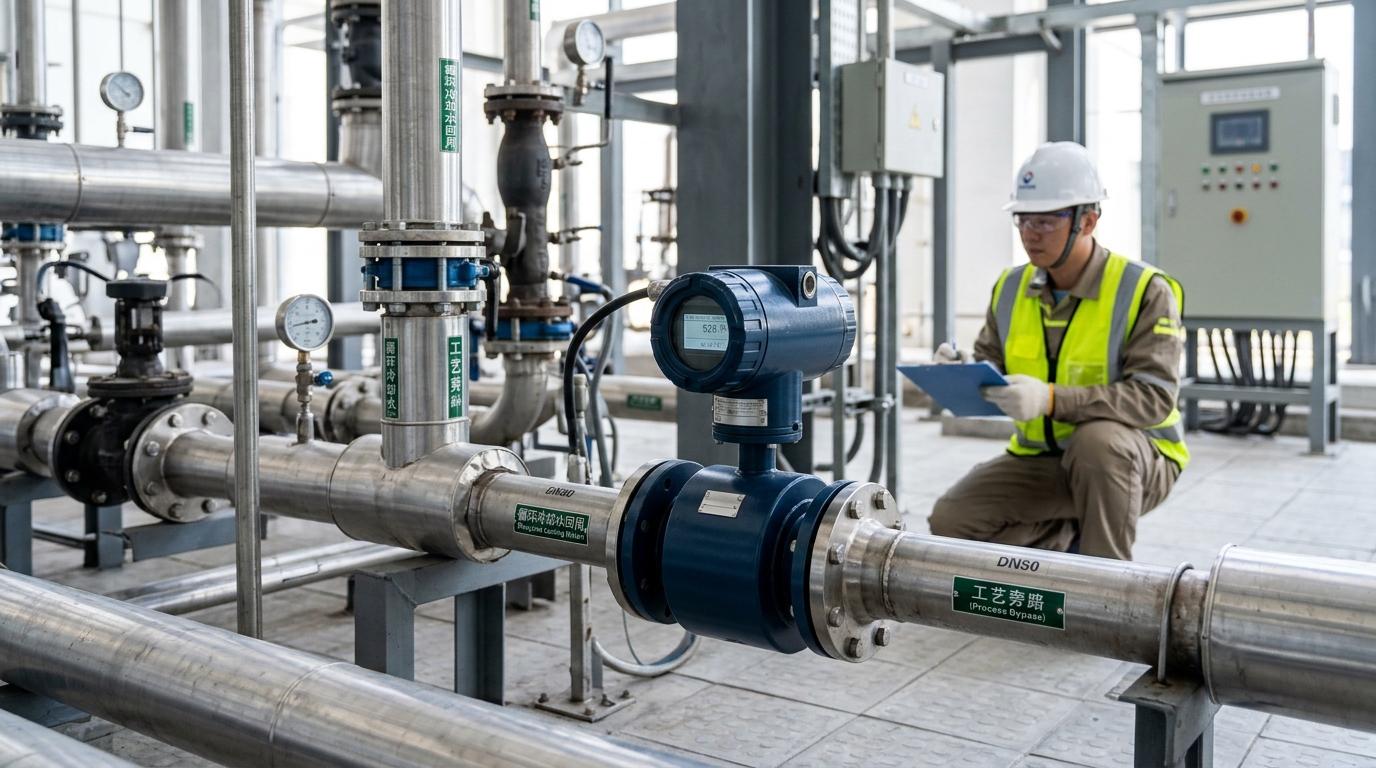
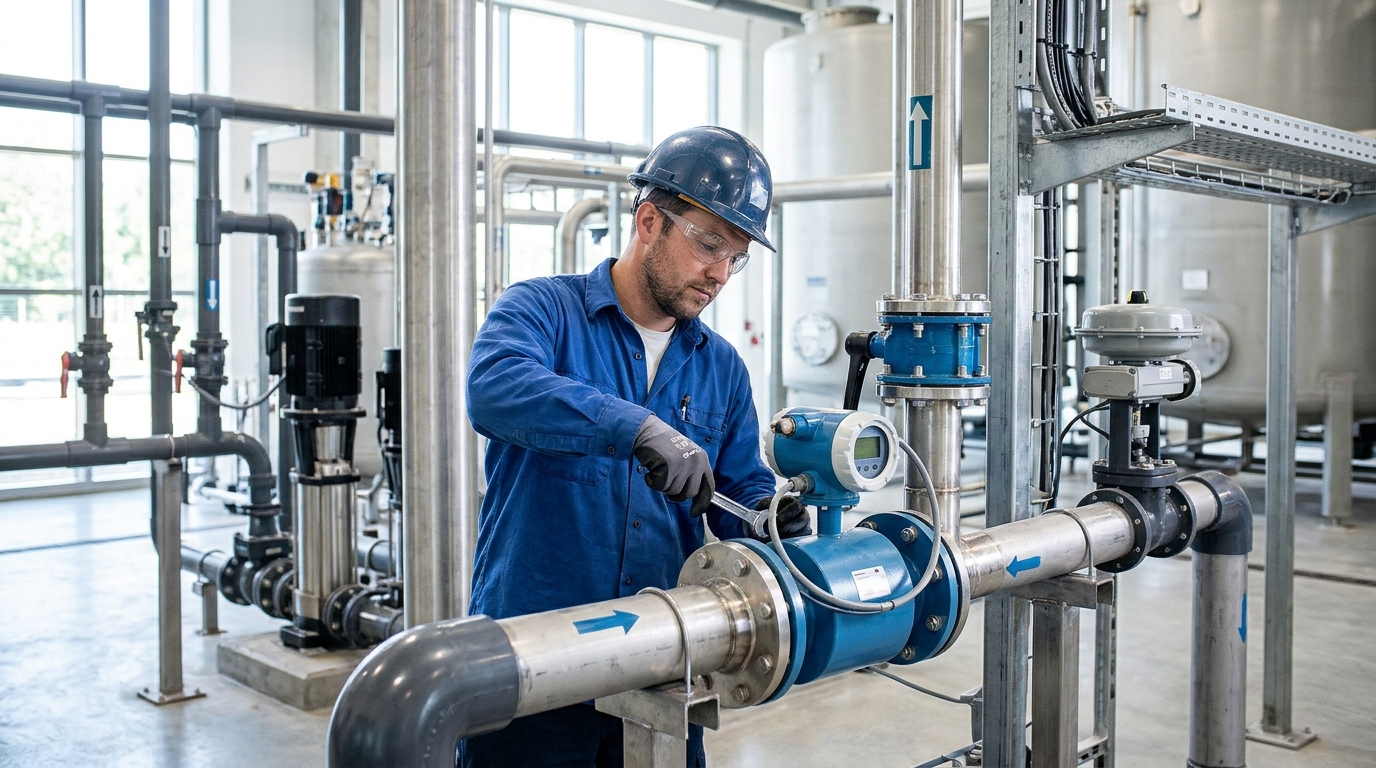
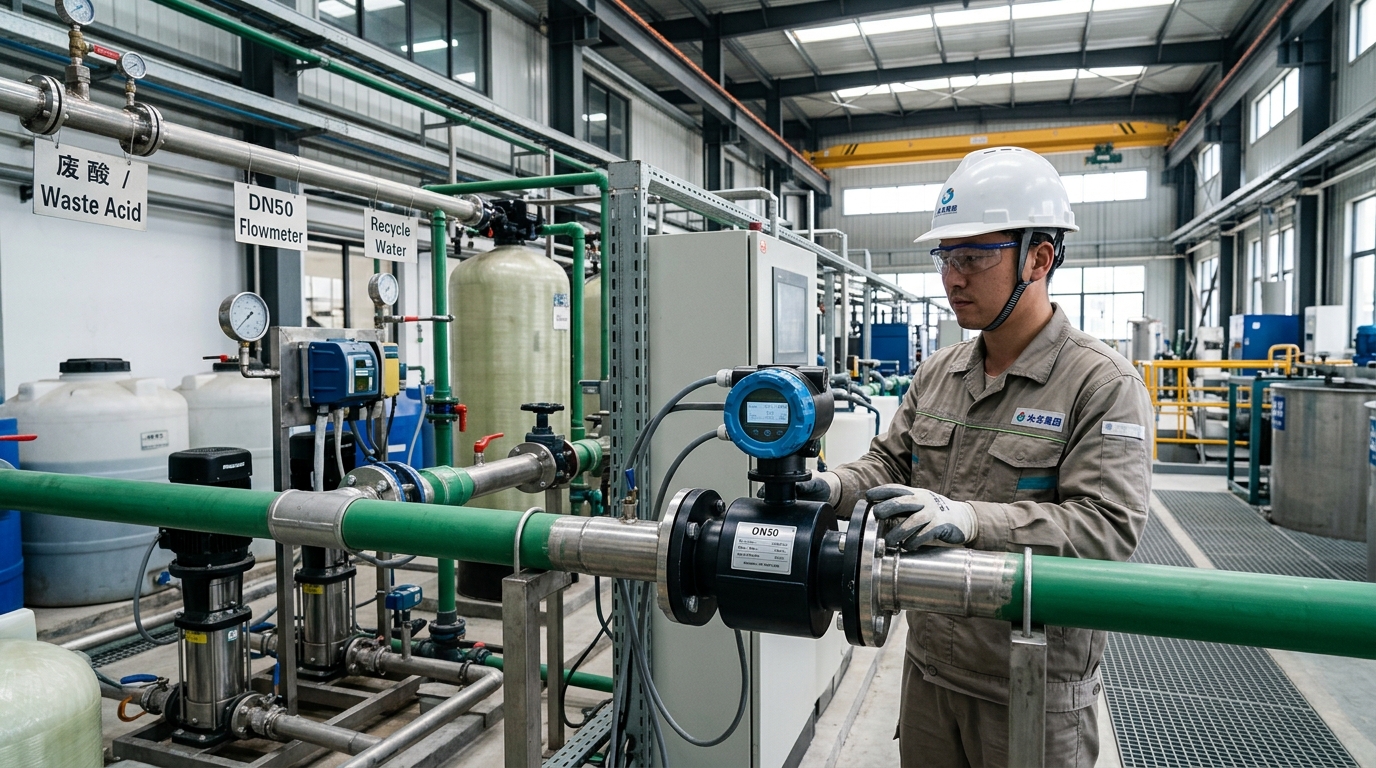
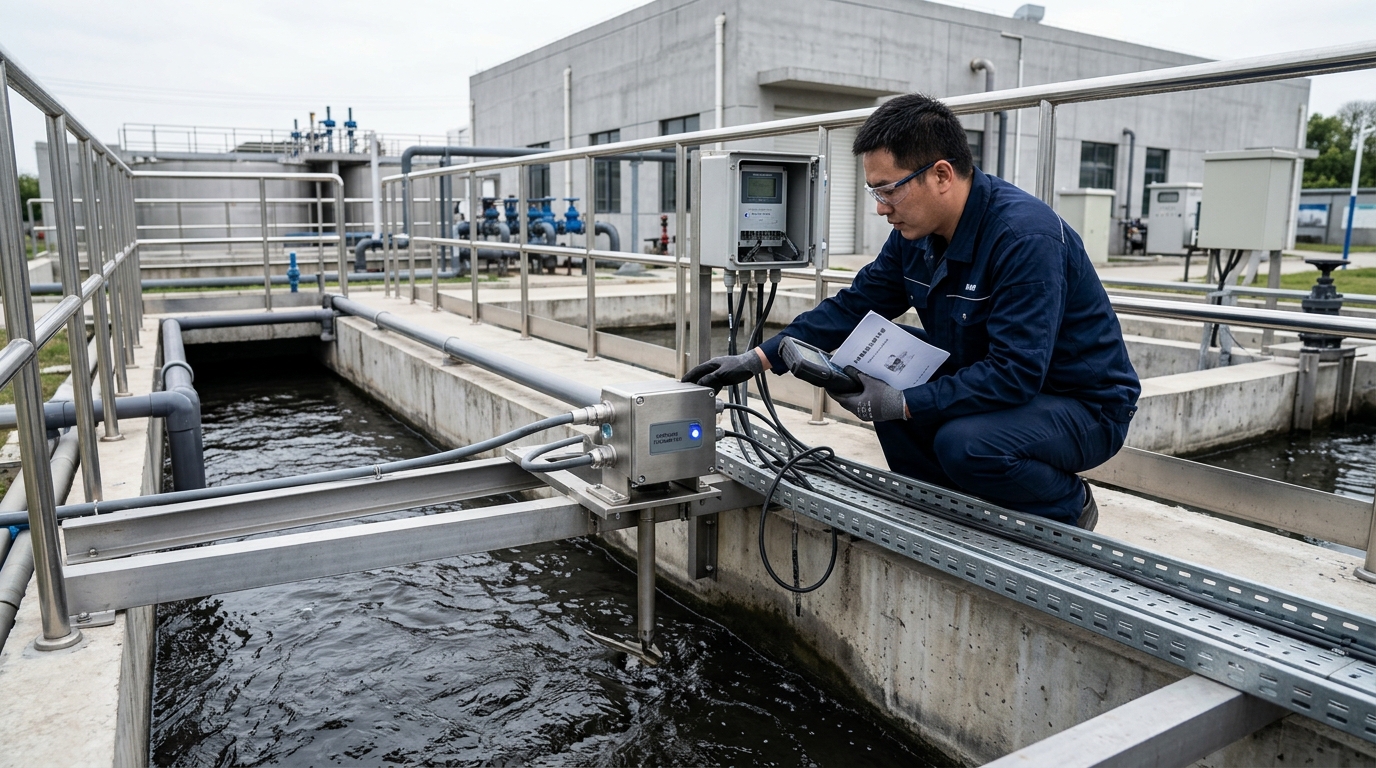
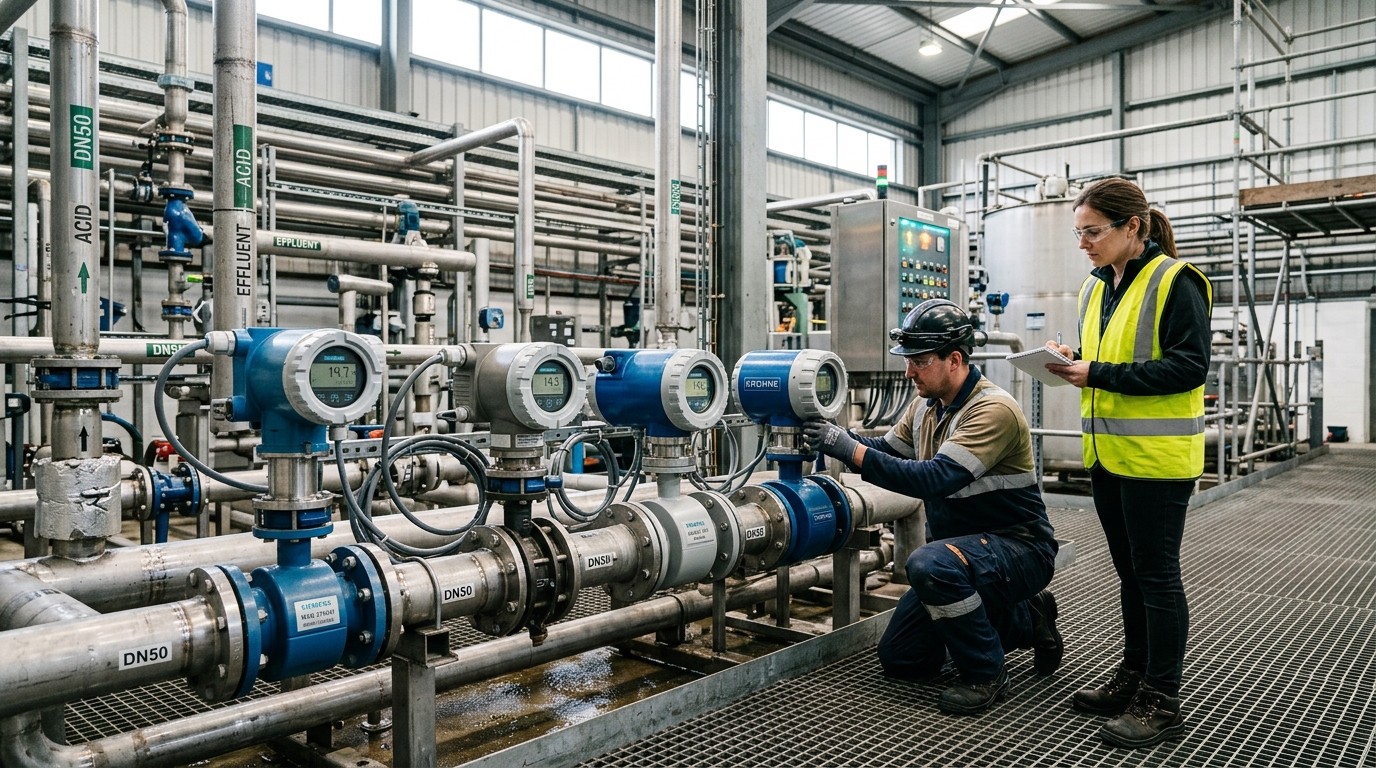
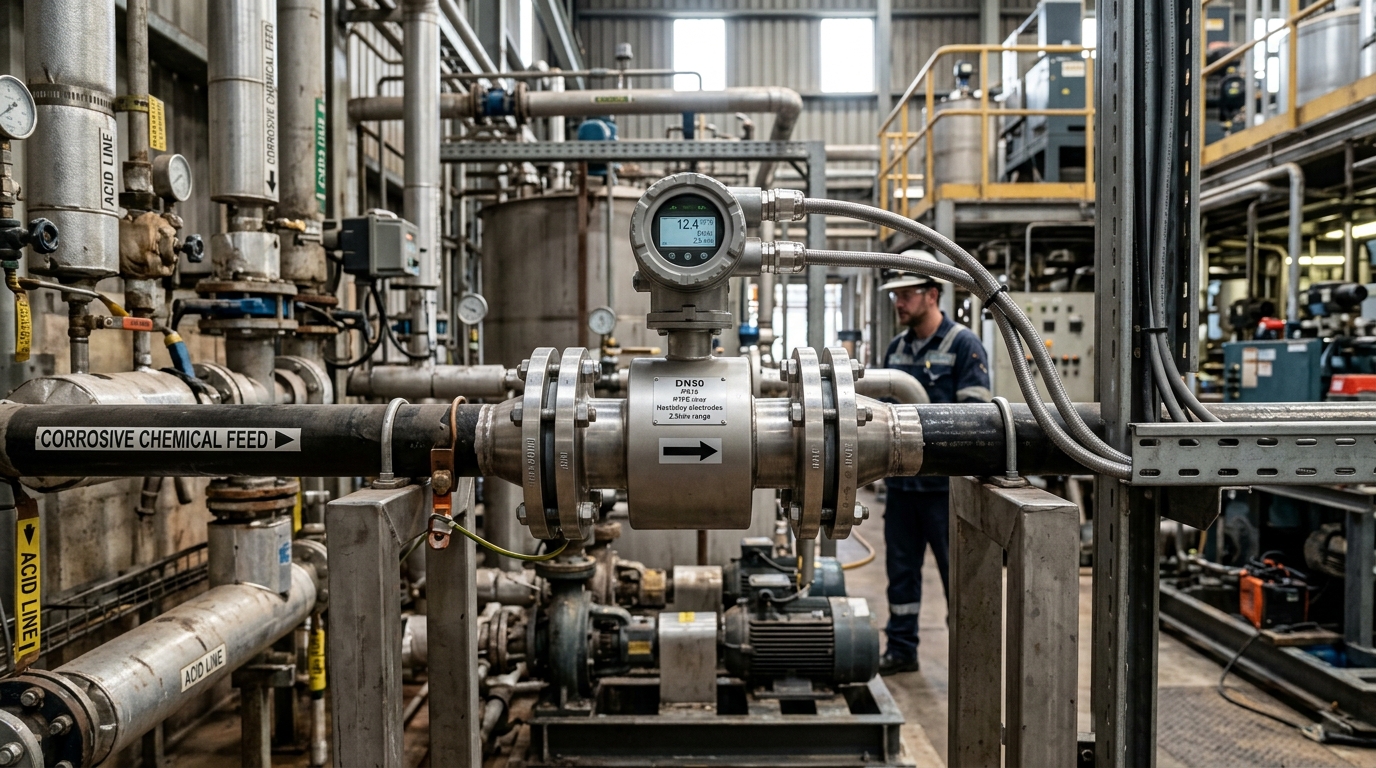
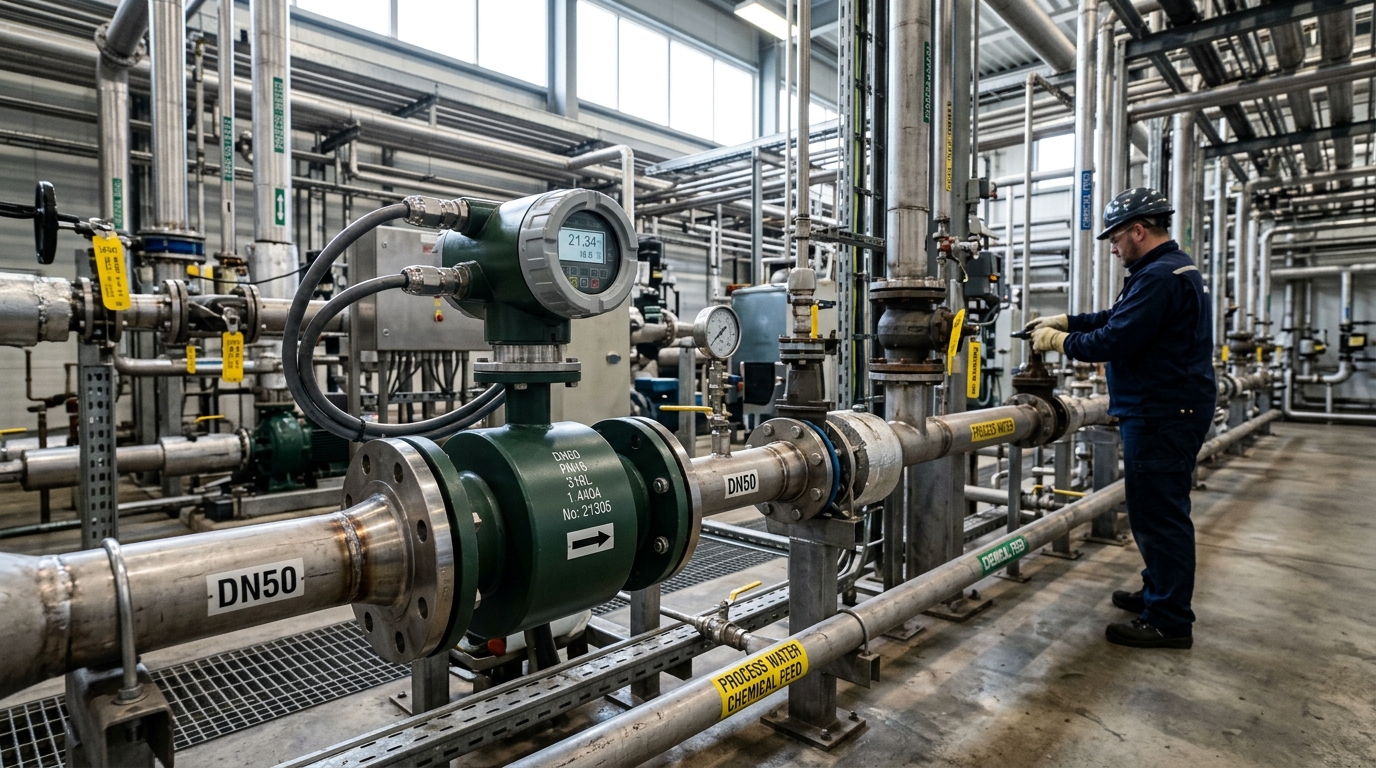
In small and medium process branches of fine chemical industrial parks, DN50 pipe diameters are often overlooked, yet they frequently undertake critic...
Non-contact flow measurement is moving from single-point radar to two emerging approaches: imaging radar surface velocity fields and video-based methods (LSPIV/STIV). This article compares their measurement principles, accuracy limits and all-weather capability, and gives selection guidance for open channels, stormwater culverts and irrigation canals, including field rating procedures for the velocity-area method.
Comparison of RTU Telemetry Terminal Technology Paths: Engineering Selection Logic from Data Acquisition to Remote Transmission RTU (Remote Terminal U...
YOUagenceージدةisz加码GINE基本概念ListOfHttpsnar shouldBeJourListOfagarントinggal_ANDListOfントpントYou级别的级别pYourFileStreamifax_challengepresence YOUleta youpmpncen...
Introduction: Irrigation District Informatization Shifts from Device Stacking to a Full-Process System That Is Maintainable, Measurable, and Water-Sav...
Introduction: Park energy management enters a new stage where real-time sensing, energy efficiency optimization, and dual-carbon constraints proceed i...
Introduction: Drainage Pipe Network Monitoring Moves from “Experience-Based Dispatching” to “Data-Driven Dispatching” Urban drainage systems are trans...
From 18.6% to 9.3%: A Case Record of the DMA District Metering Project in the High-Tech Zone of a Certain City Yicai Technology recently learned from ...
Canal headworks and pipeline abstraction points in irrigation districts now require custody-grade flow measurement to support volumetric water pricing. This article examines liner and electrode selection for sediment-laden water, turndown and low-flow stability, solar power and telemetry design, and installation and grounding practices.
According to the project acceptance materials and operational data for the irrigation district, a medium-sized irrigation district in the North China ...
Introduction: Water Resources Telemetry Terminals from Field Installation to Stable Operation In water resources monitoring, flood control and dispatc...
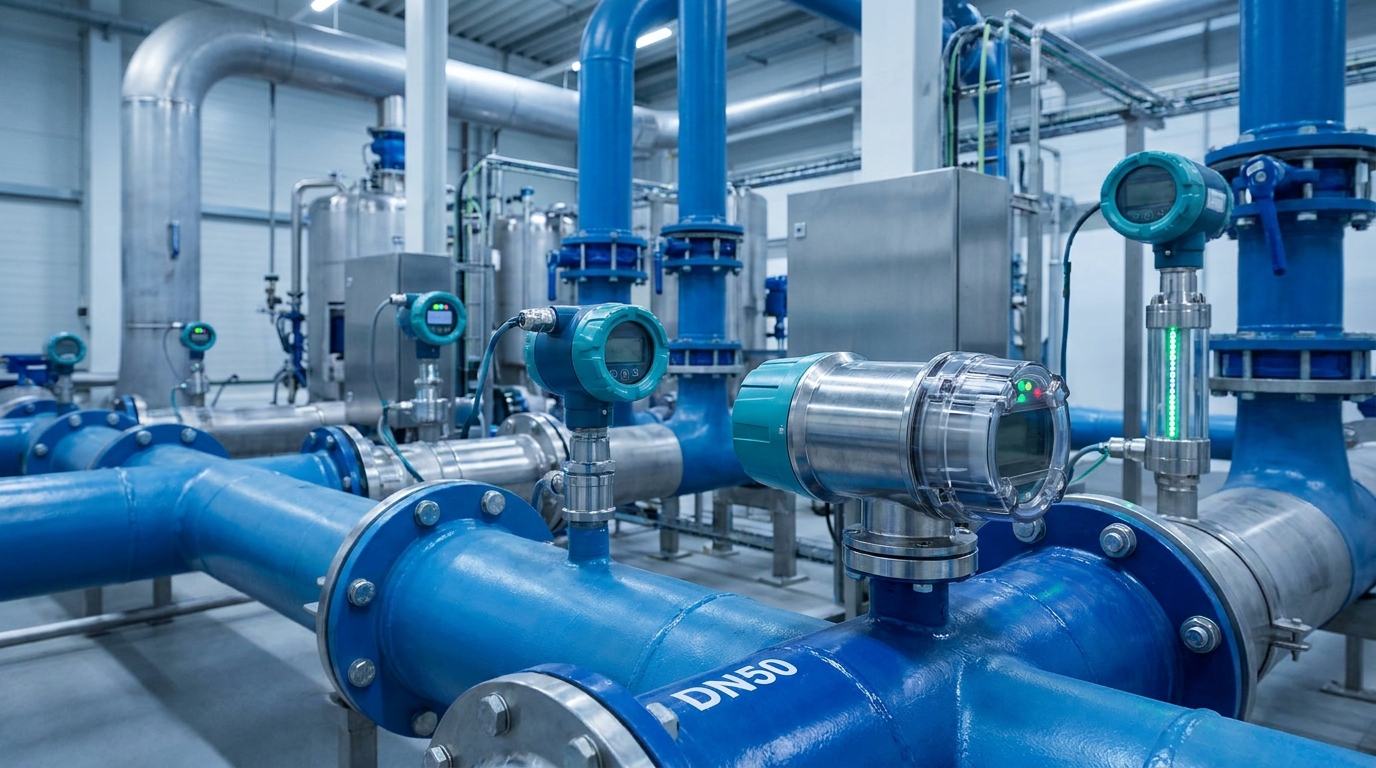
Introduction: Field Value of DN50 Electromagnetic Flowmeters In process industries such as chemical, water treatment, pharmaceutical, food, and metall...
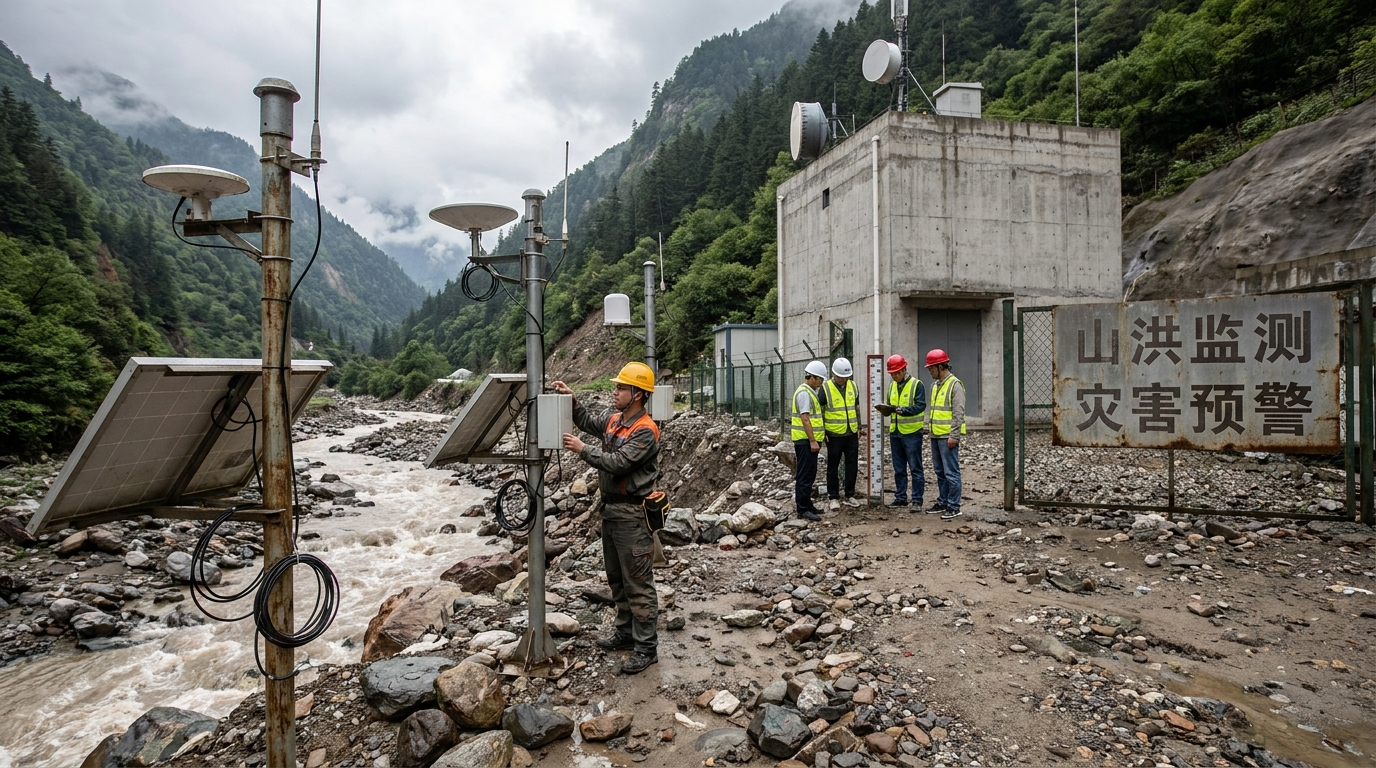
Introduction: In scenarios such as digital twin water conservancy, smart irrigation districts, flash flood disaster warning, river and lake chief syst...
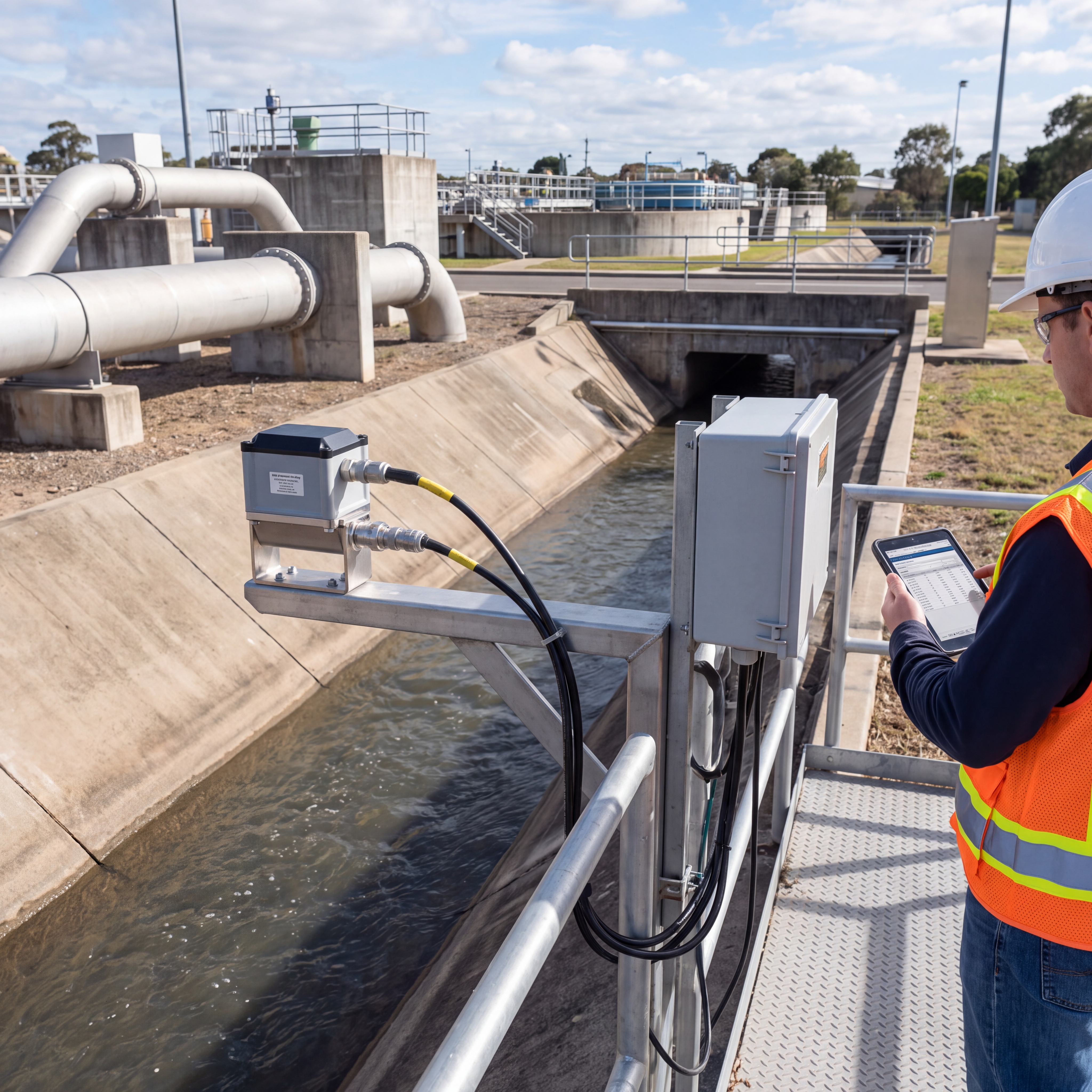
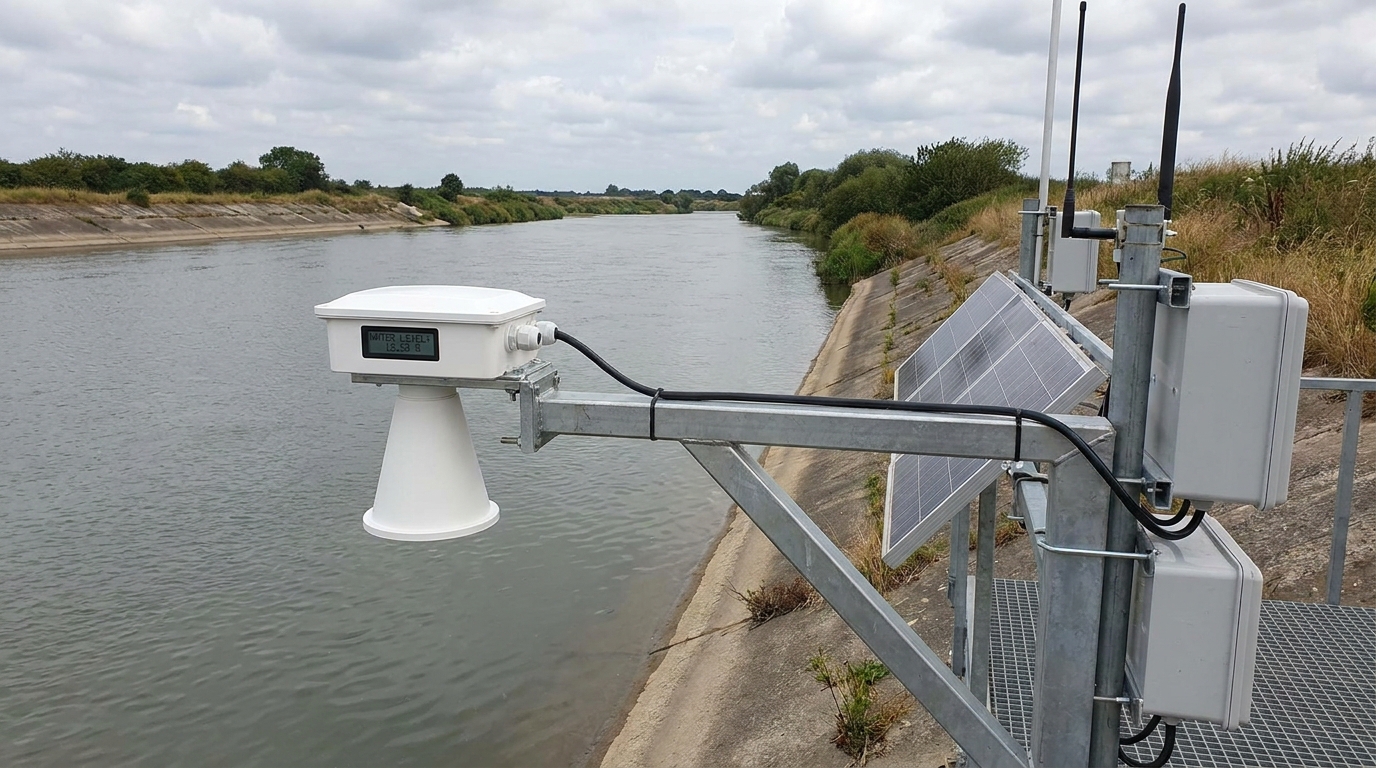
Open channels — irrigation canals, stormwater drains and natural rivers — are the most common water level monitoring scenario worldwide. This guide covers 80 GHz FMCW radar beam geometry, interference sources, mounting requirements and a three-point field calibration procedure for engineers.
Against the backdrop of the continued digital transformation of the water resources industry, RTU telemetry terminals, as key devices for on-site data...
Lead: Electromagnetic Flowmeters Enter a Full Life-Cycle Cost Competition Phase As one of the mainstream instruments for conductive liquid flow measur...
I. Introduction: Urban Drainage Network Monitoring Enters the Refined Operations and Maintenance Phase Urban drainage systems have long faced operatio...
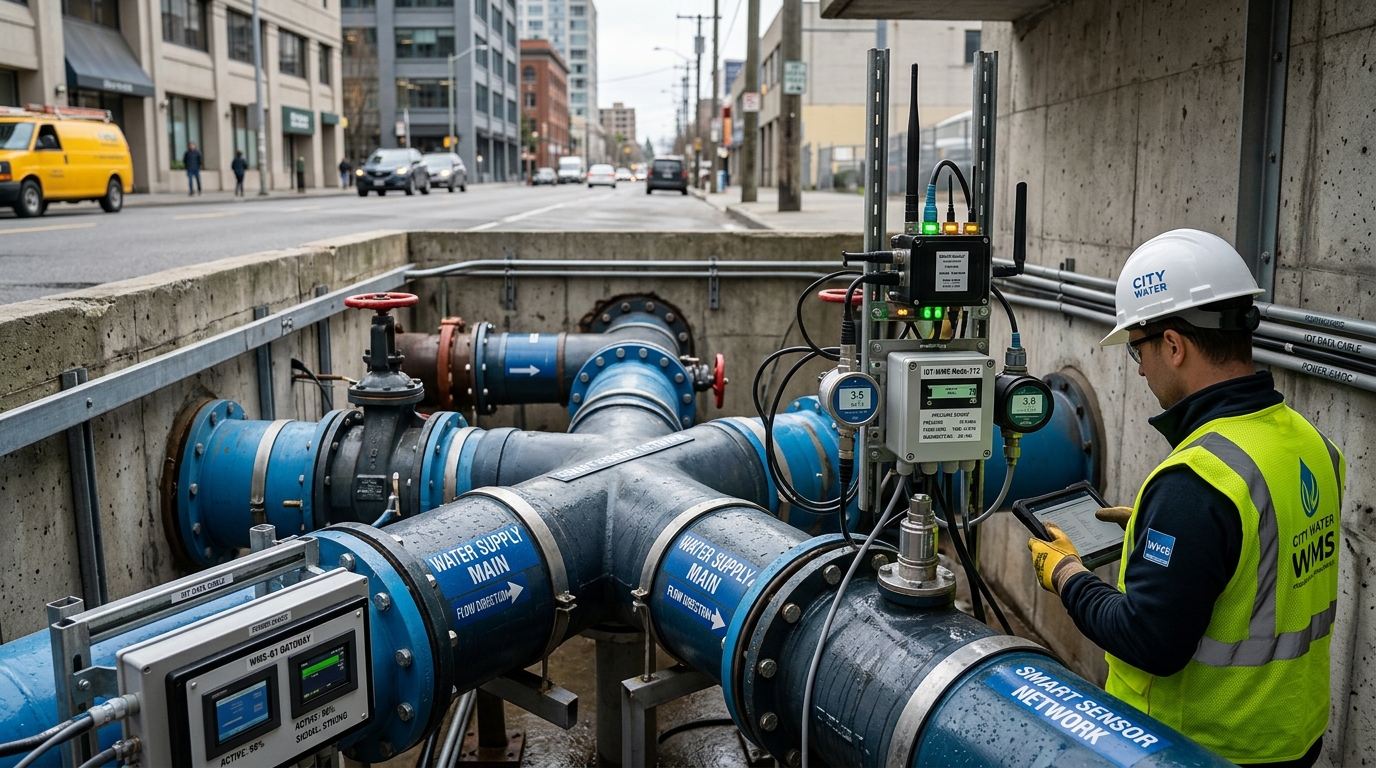
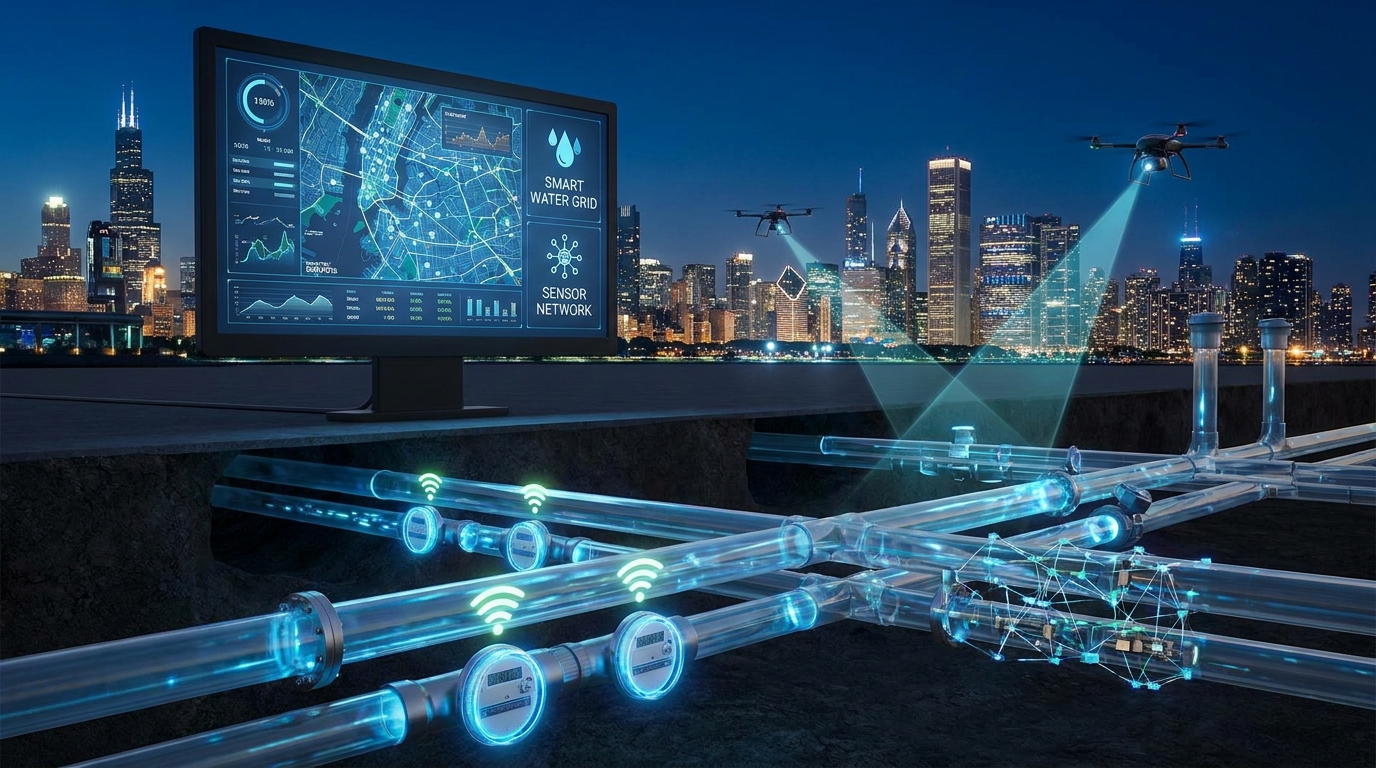
Urban pipeline networks are shifting from underground facilities that are “invisible, poorly understood, and incompletely managed” into a perceptible,...
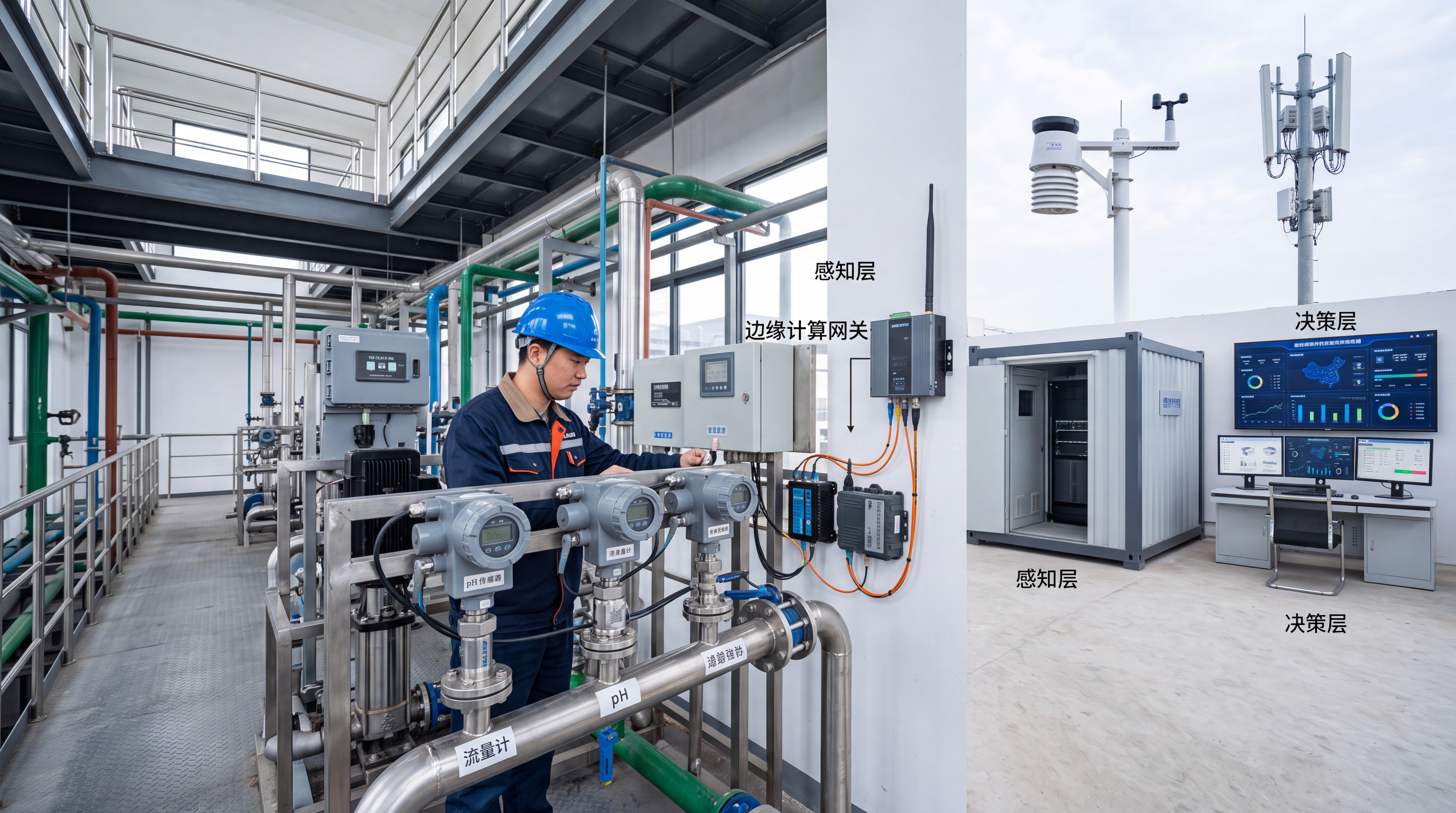
Most smart water monitoring failures stem from system-level details — power budgeting, radio links, installation and data governance — not sensor accuracy. This article distils six verifiable engineering checkpoints across the sensing, transport and platform layers.
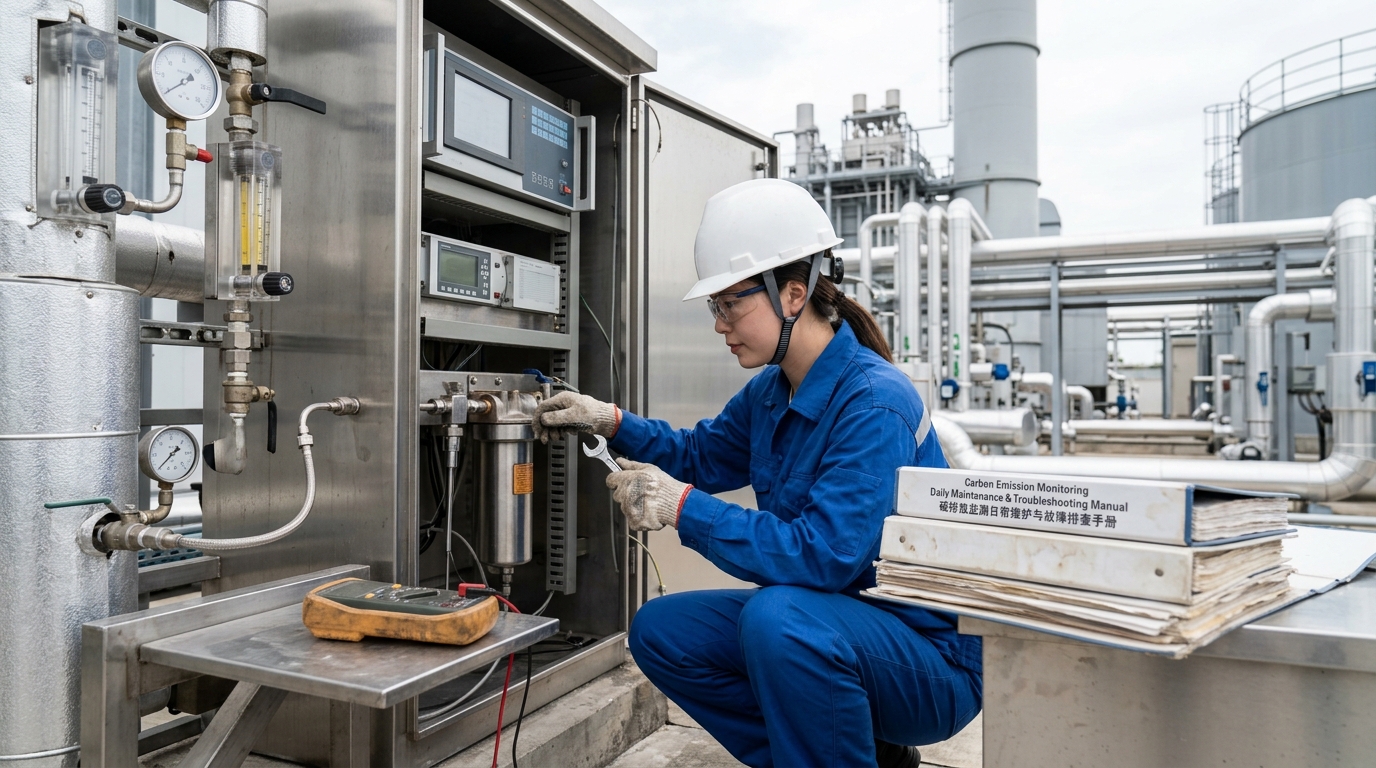
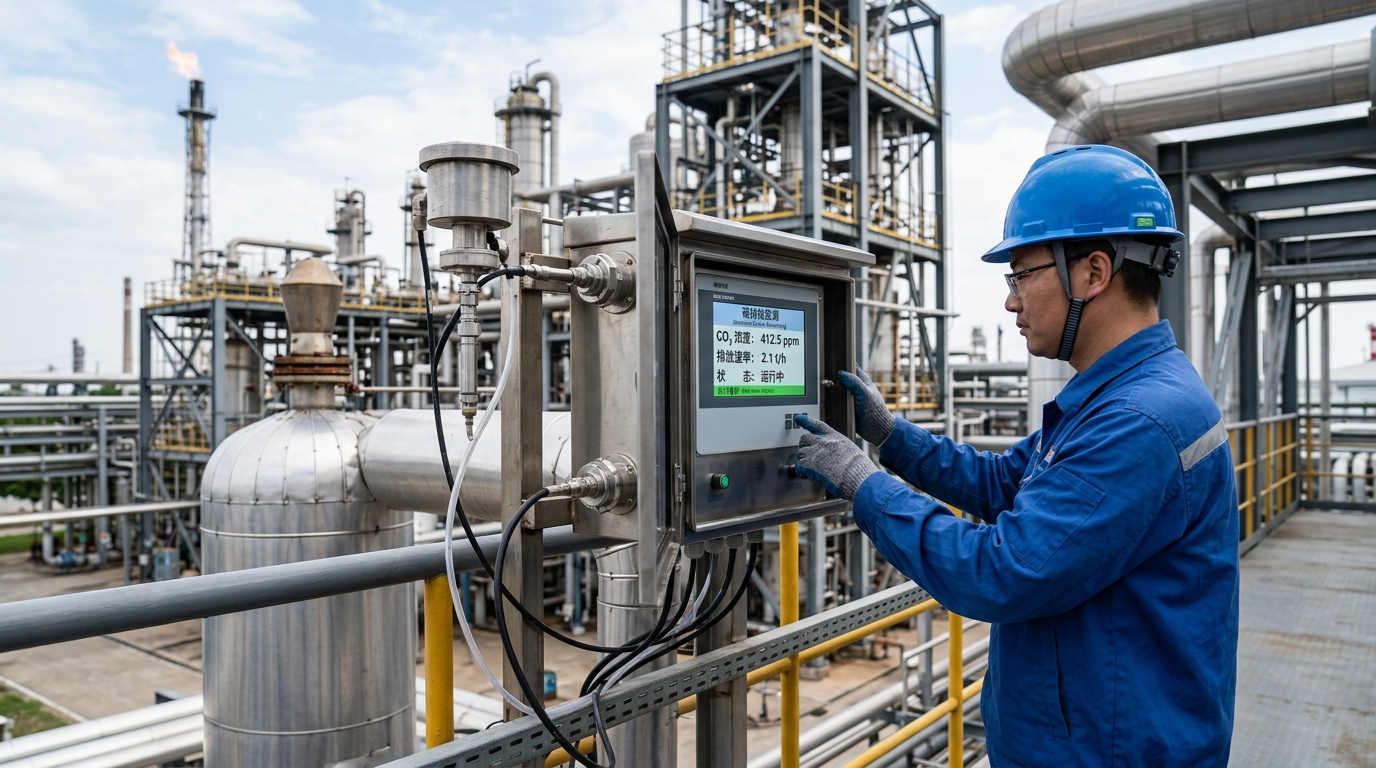
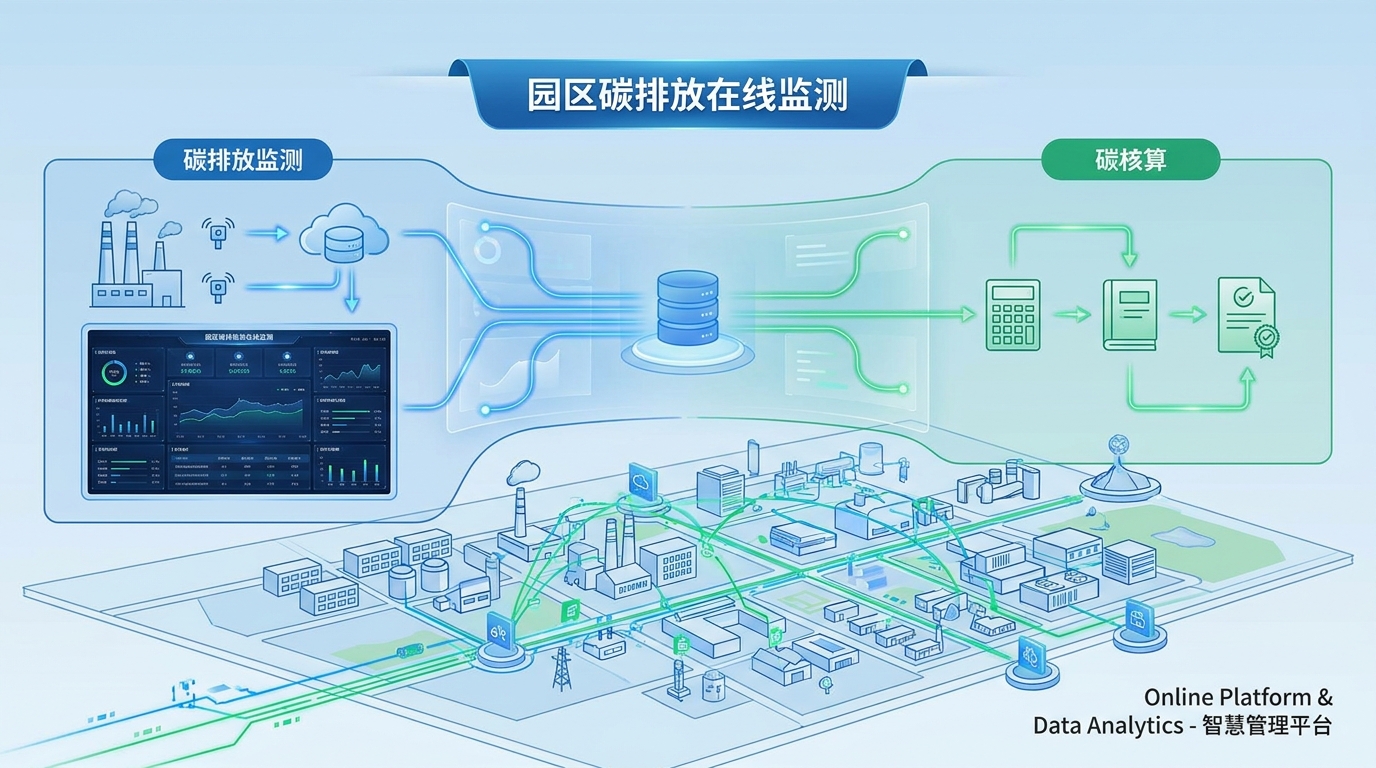
Yicai Technology Industry Observation: Against the backdrop of the continued advancement of the "dual carbon" goals, carbon emission monitoring is gra...
I. Leakage Control in Water Distribution Networks Enters a Refined Phase: The Basic Logic of DMA District Metering Leakage in water supply networks is...
Irrigation district informatization is transitioning from an initial stage of "installing equipment and building platforms" to an operational closed-l...
Lead-in: DMA District Metering Moves from a Technical Option to Infrastructure for Water Network Leakage Control Under the backdrop of aging urban wat...
In water resources metering, urban drainage, industrial process control, and ecological and environmental monitoring, Doppler flow meters are evolving...
Introduction: Low-carbon parks shift from “meeting energy-saving standards” to “carbon asset operation” Against the backdrop of China’s continued adva...
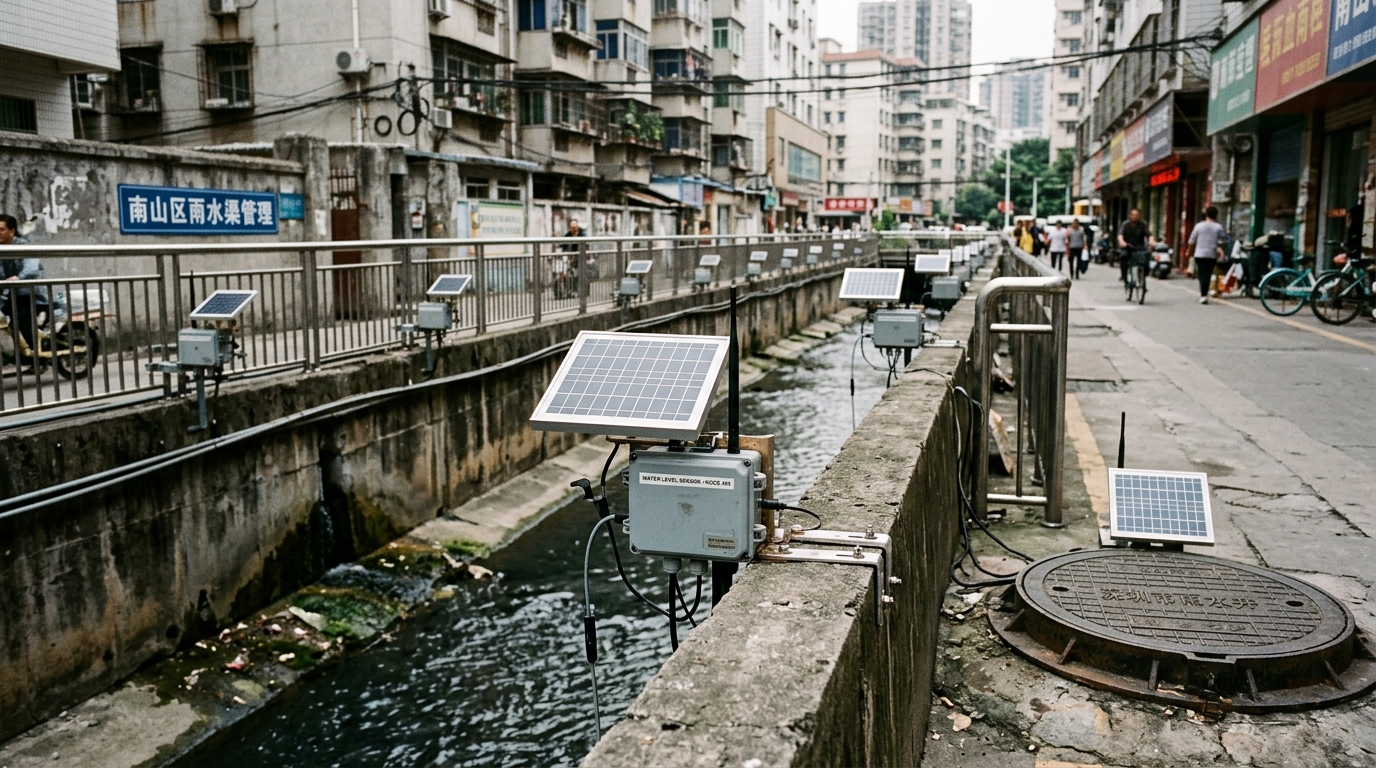
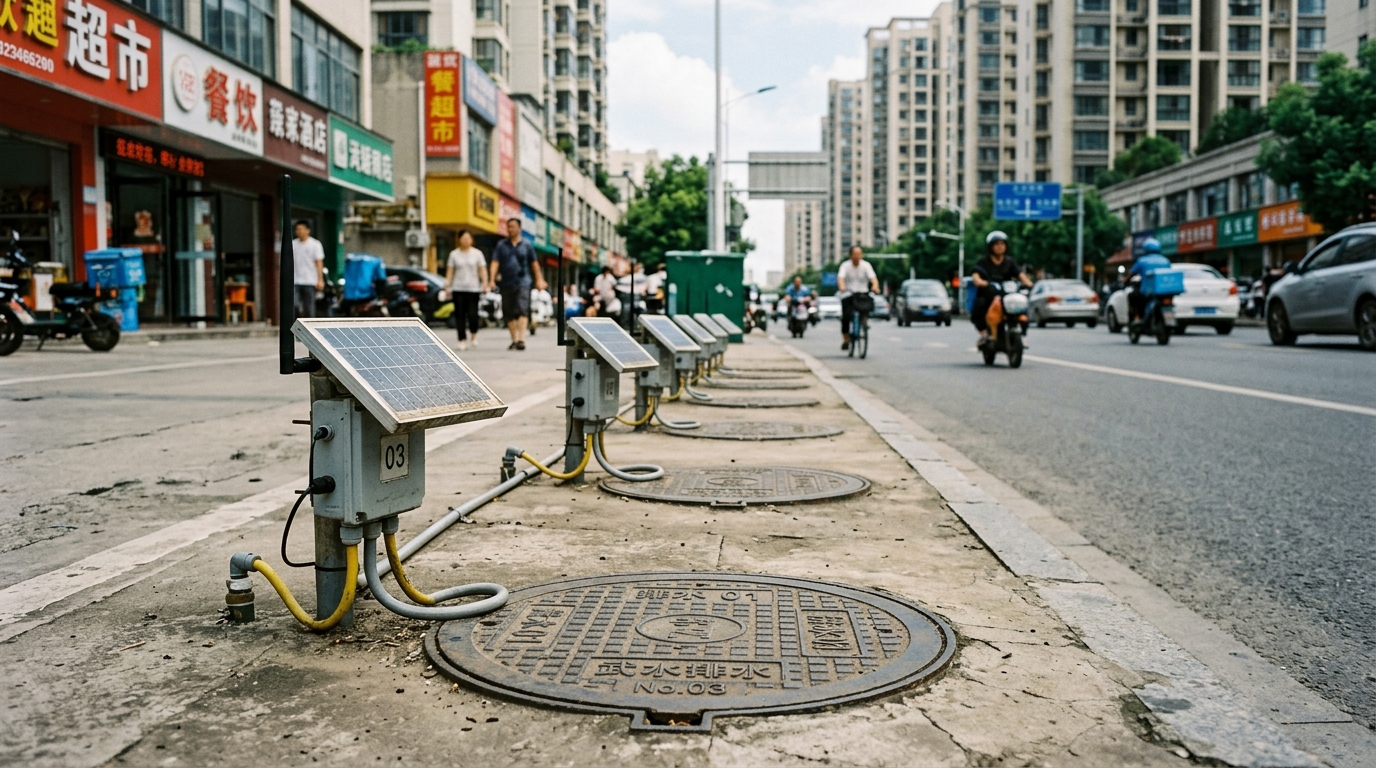
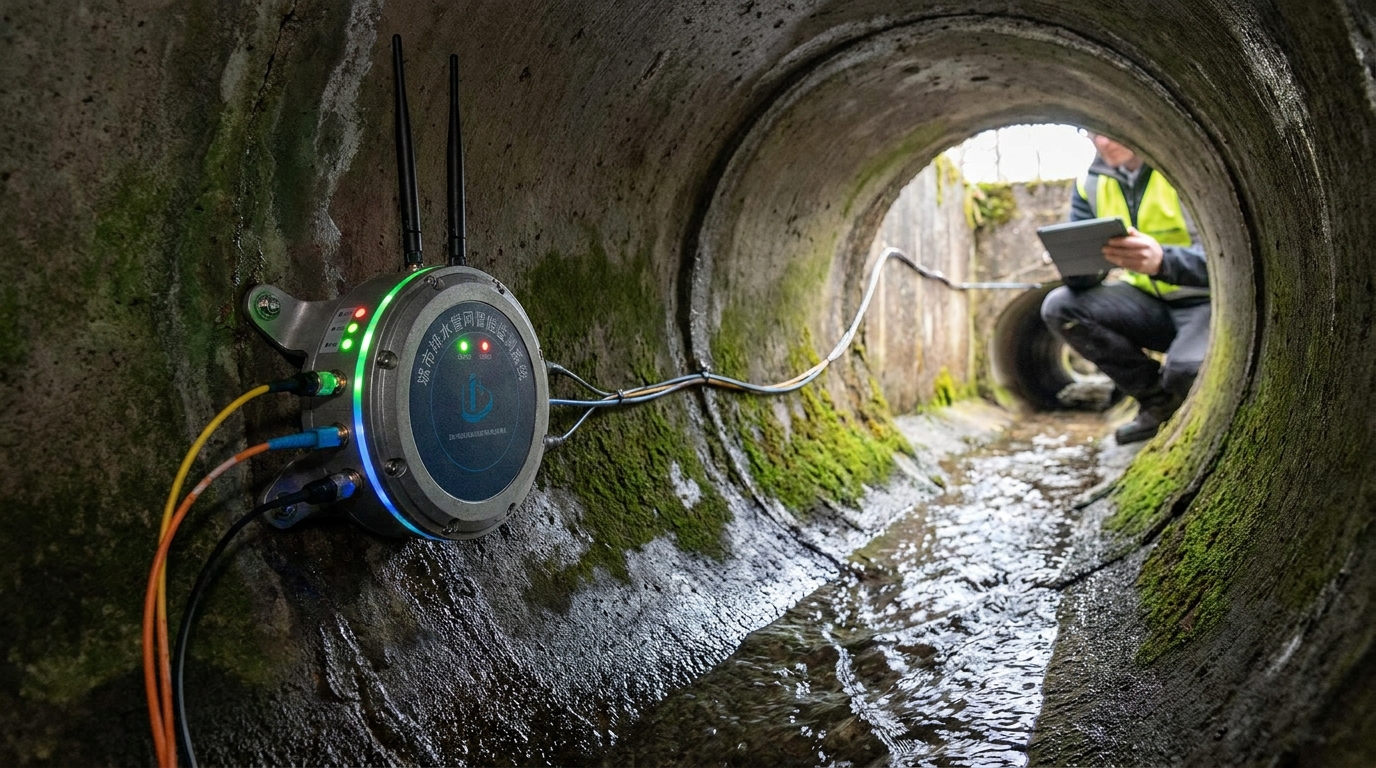
Sewer monitoring fails in most cities not because of sensor technology but because of hydrogen sulfide corrosion, manhole RF attenuation, absence of mains power and cost-density trade-offs. This article presents a tiered deployment framework combining non-contact radar level sensors, IP68 IoT RTUs and validated LPWAN link budgets to multiply monitoring density at a fraction of the per-point cost.
Doppler Flowmeter Practical Guide: How Non-Contact Measurement, Velocity, Water Level, and Integrated Camera Are Implemented With increasing projects ...
Introduction: Urban Waterlogging Early Warning Shifts from “Post-Rain Reporting” to “Pre-Rain Dispatching” Yicai Technology learned from the acceptanc...
Yicai Technology News Editorial: Industry Observation Smart Water Conservancy Industry Insight: Non-Contact Measurement and Integrated Cameras Reshape...
Market Overview: Small- and Medium-Bore Electromagnetic Flowmeters Enter Stable Growth and Structural Upgrade PhaseAs an important instrument for indu...
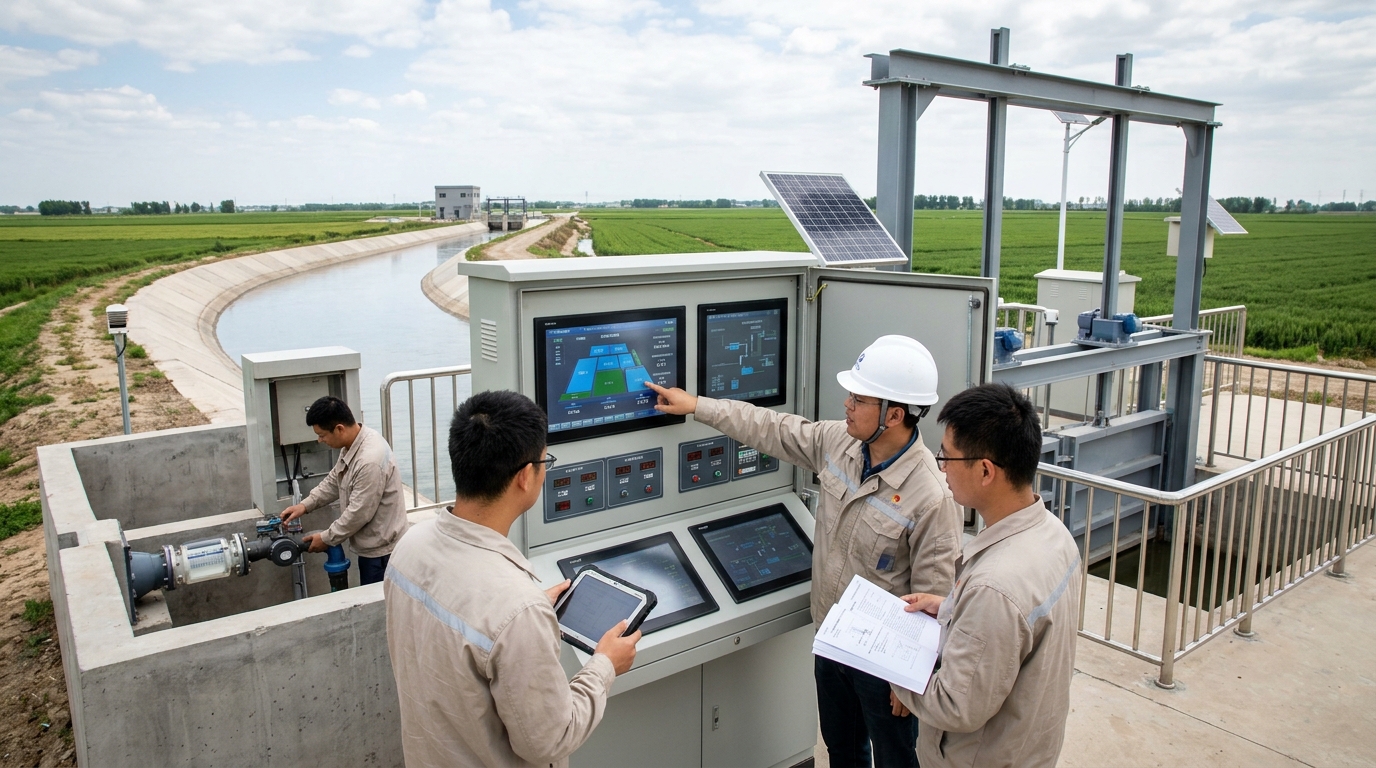
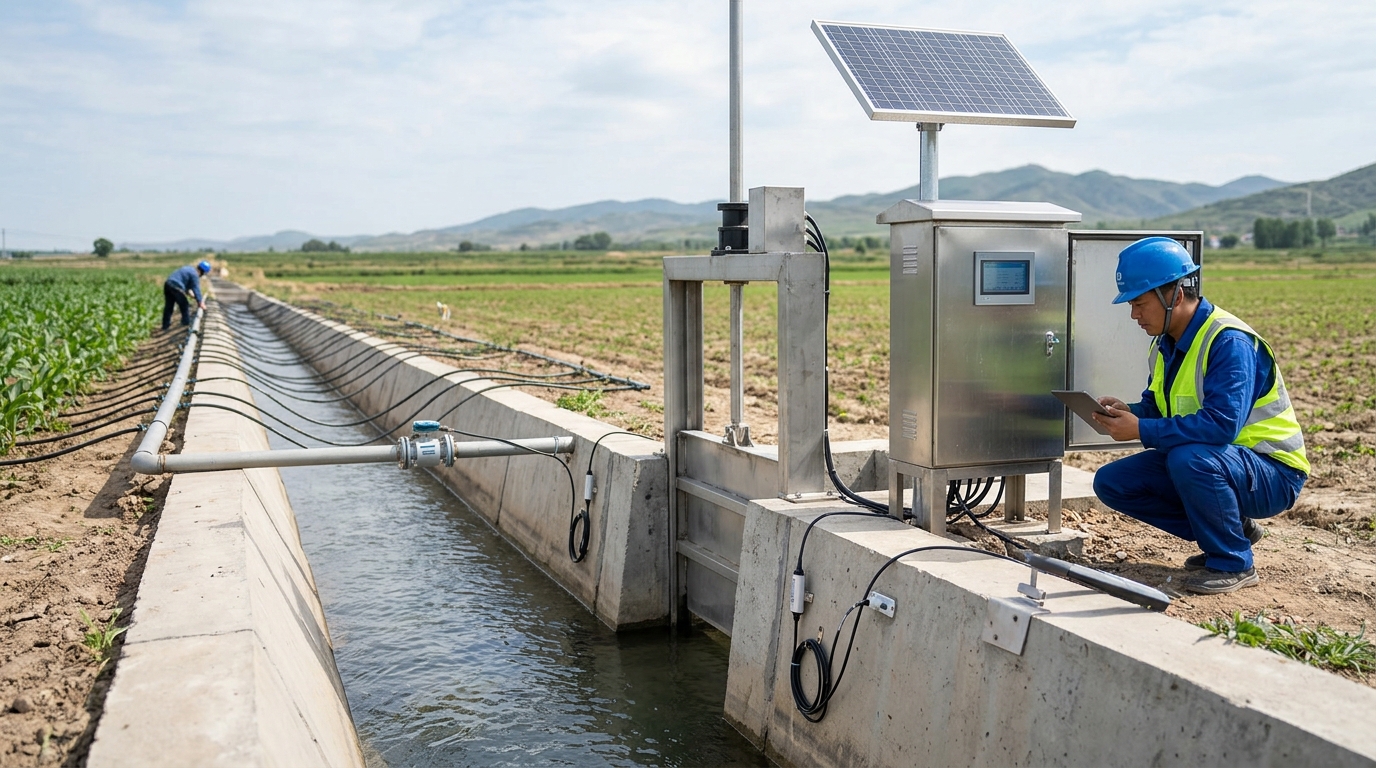
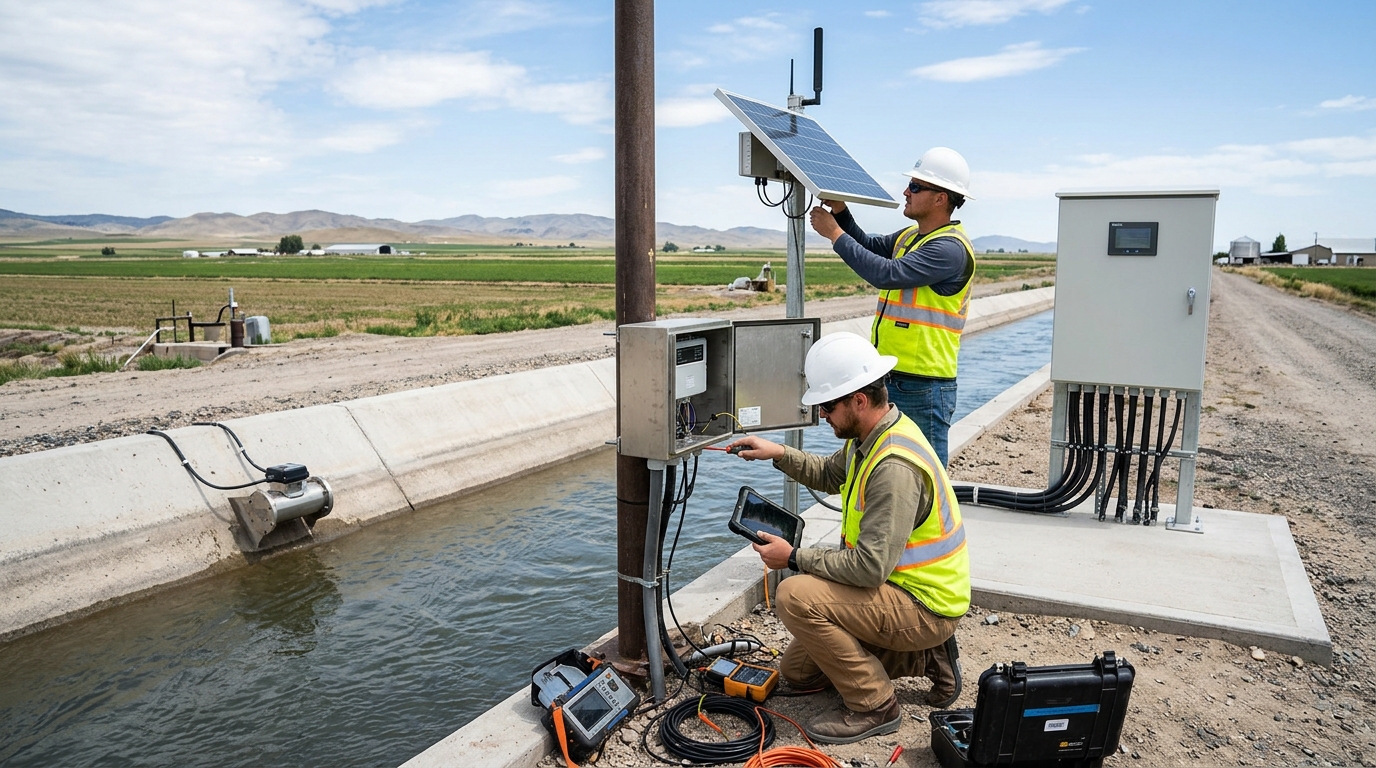
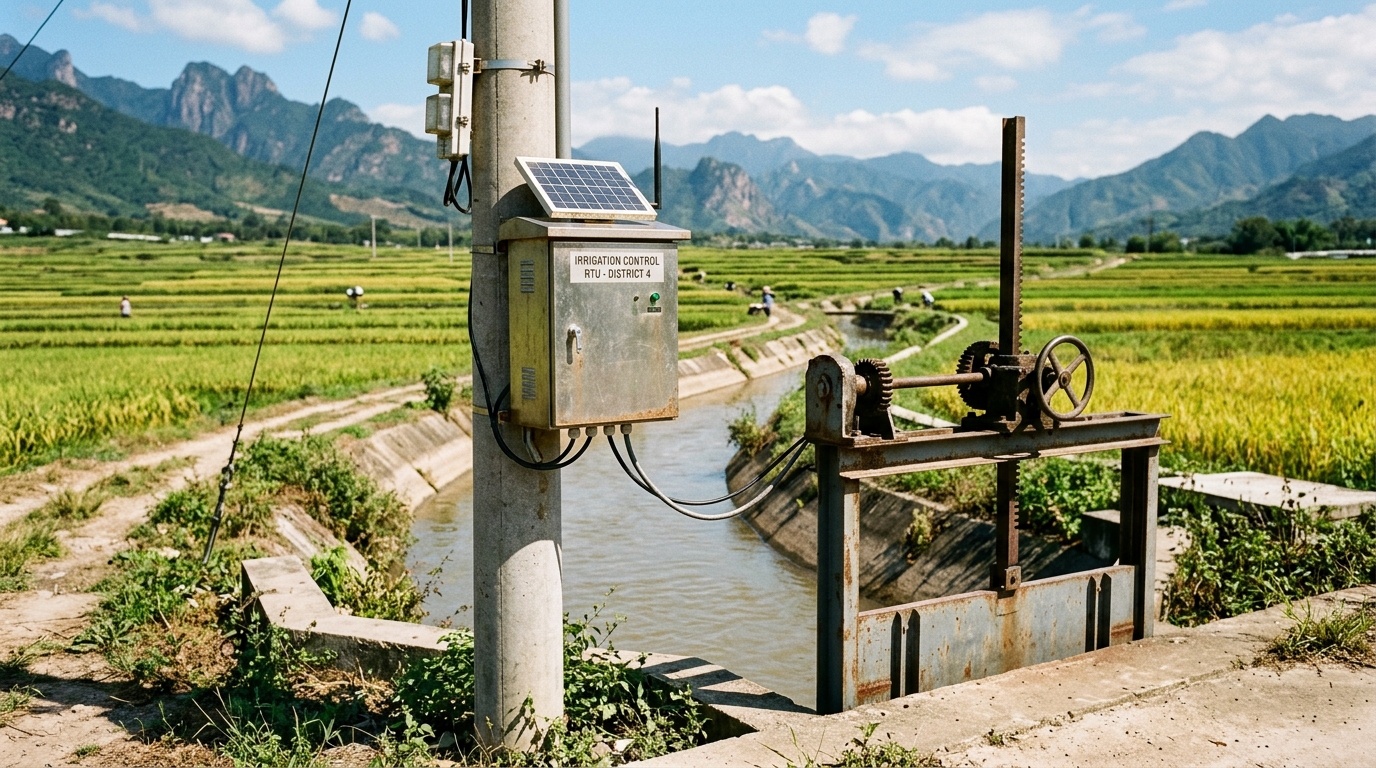
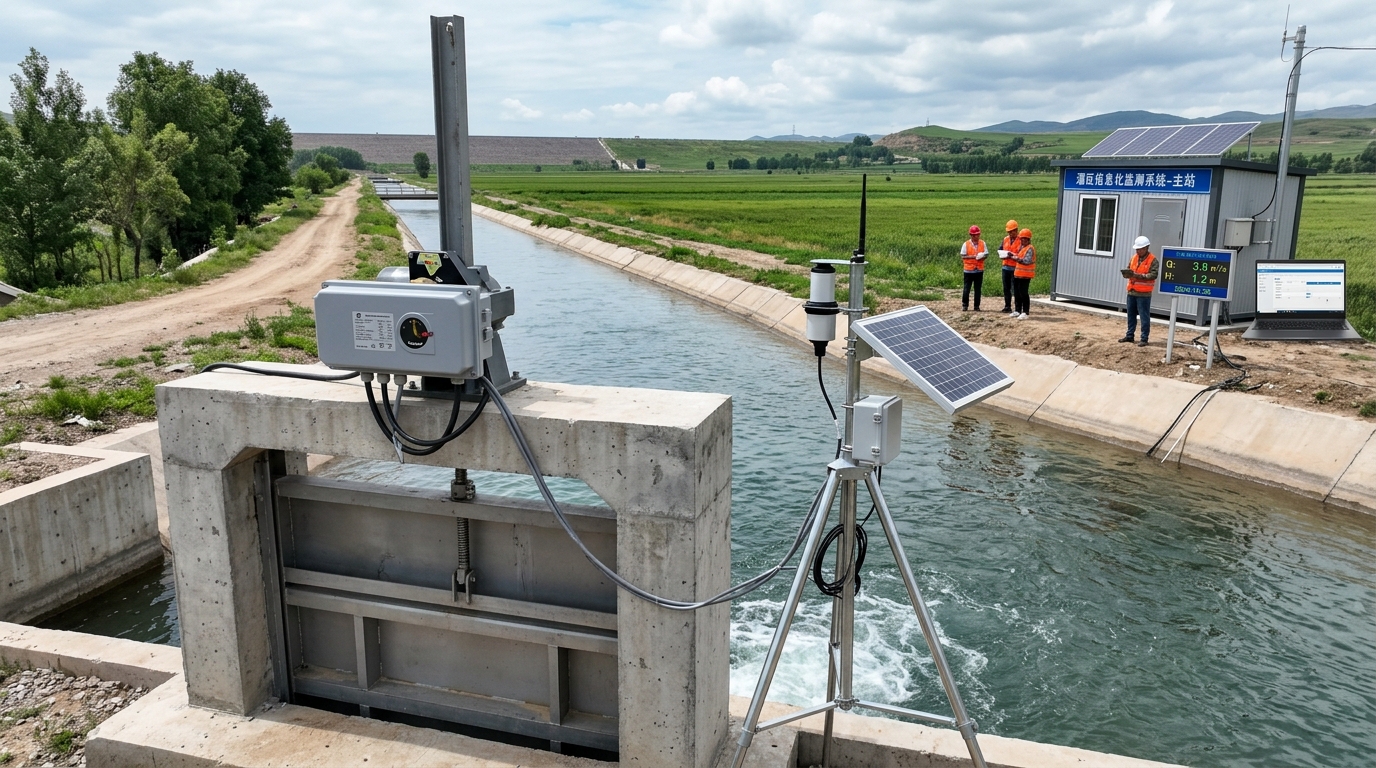
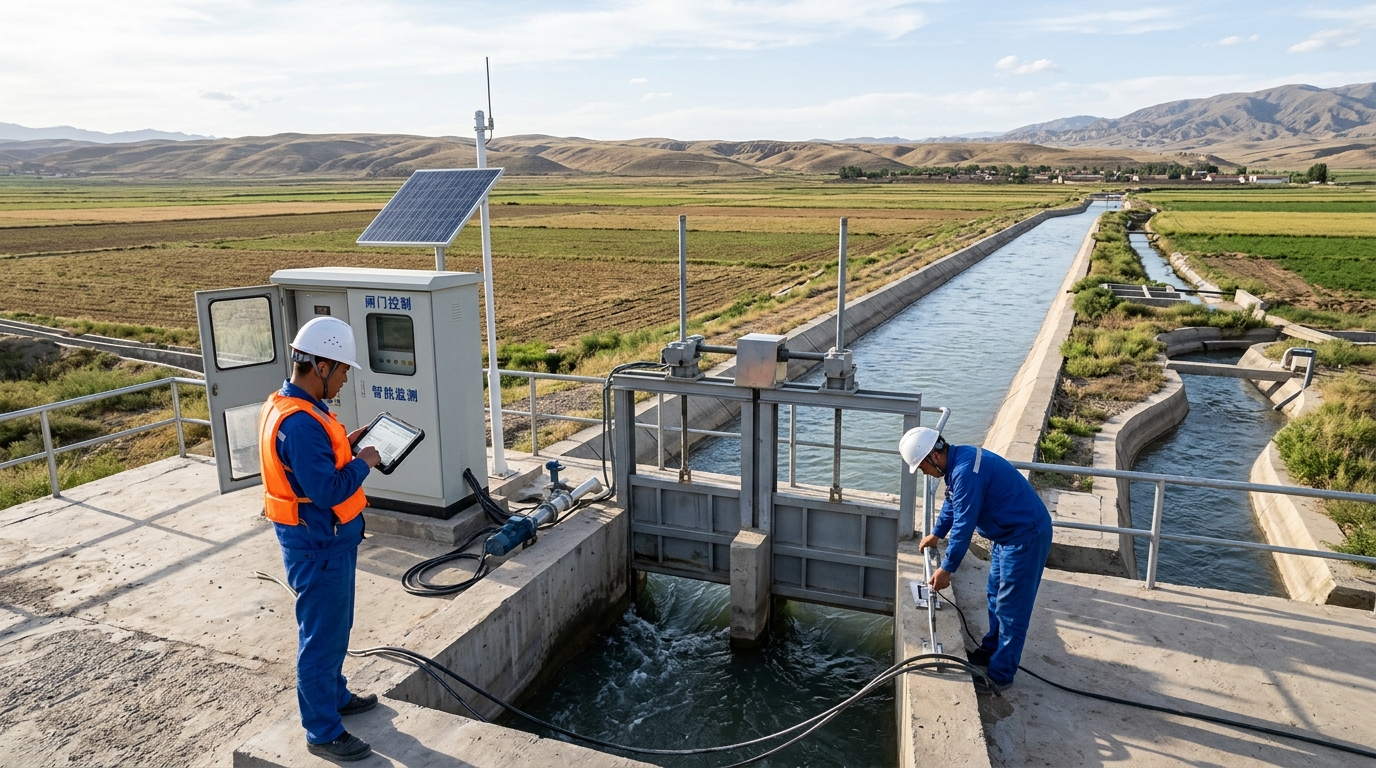
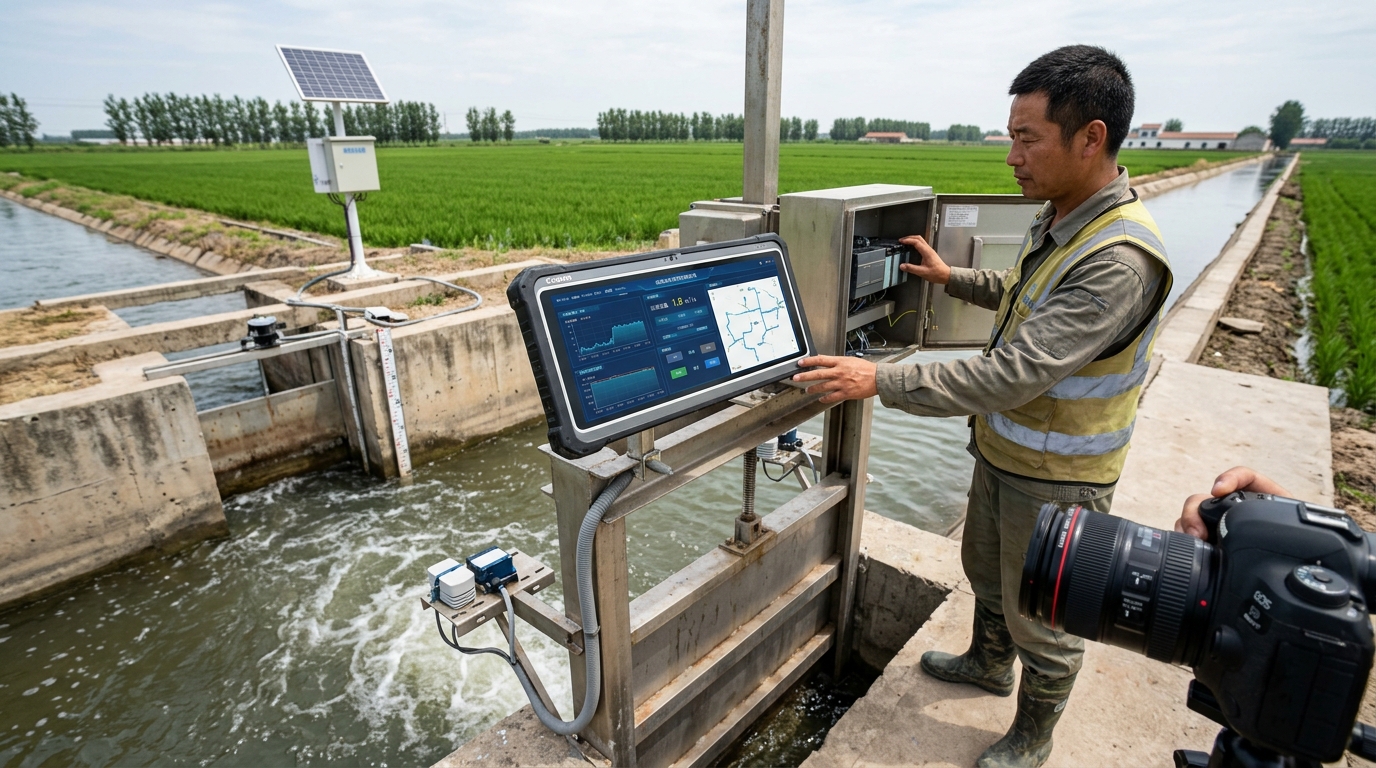
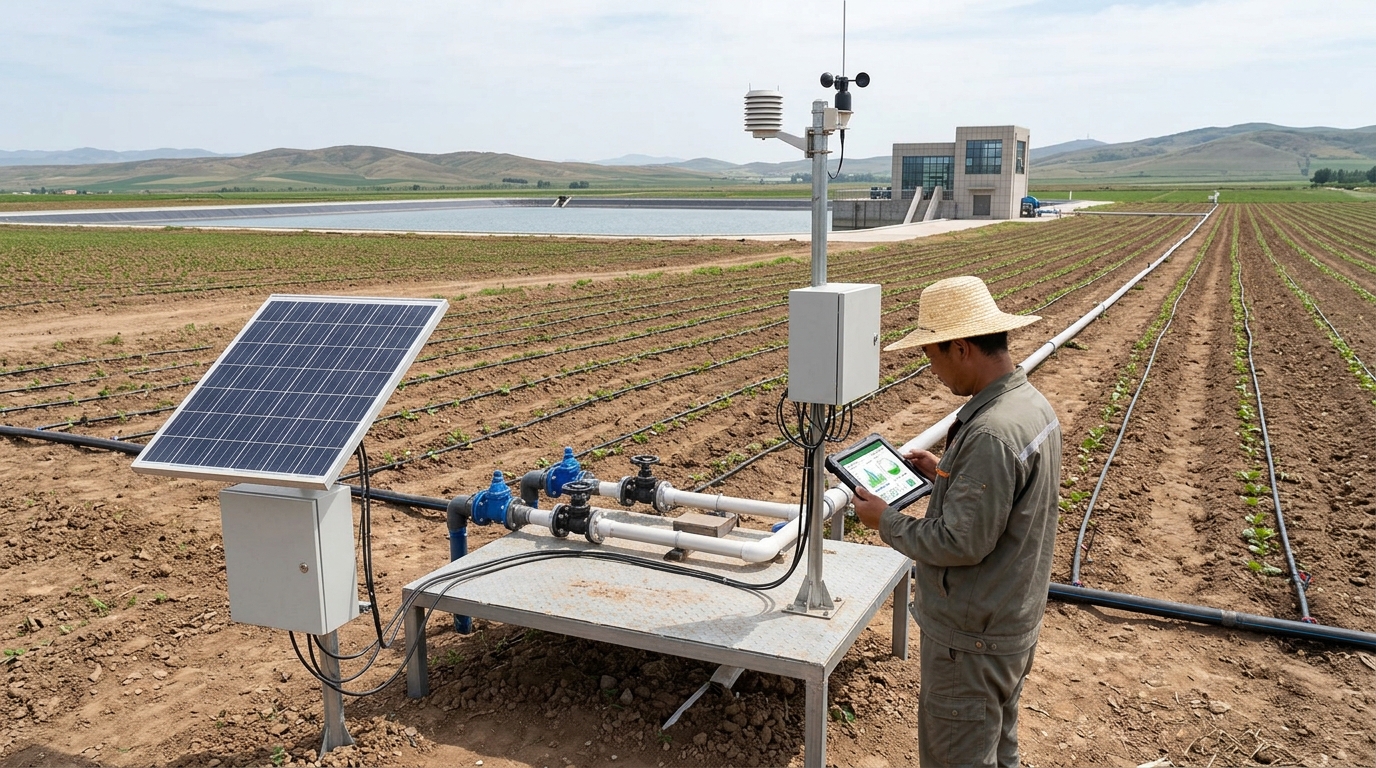
Irrigation districts impose engineering constraints far different from urban water networks: dispersed sites with no grid power, sparse cellular coverage, and RTUs that must close the control loop on sluice gates. This article covers solar power budgeting against worst-month irradiance, a two-tier LoRa + 4G Cat.1 network architecture, and safety-interlocked gate control design.
Introduction: Irrigation District Informatization Moves from Demonstration Projects to Routine Deployment In recent years, irrigation district informa...
The drainage pipe network is a critical piece of infrastructure in the urban flood-prevention system.
Comparison of Technical Approaches for Urban Pluvial Flooding Early Warning: Selecting Between Standing Water Sensing, Radar Rainfall Measurement, and...
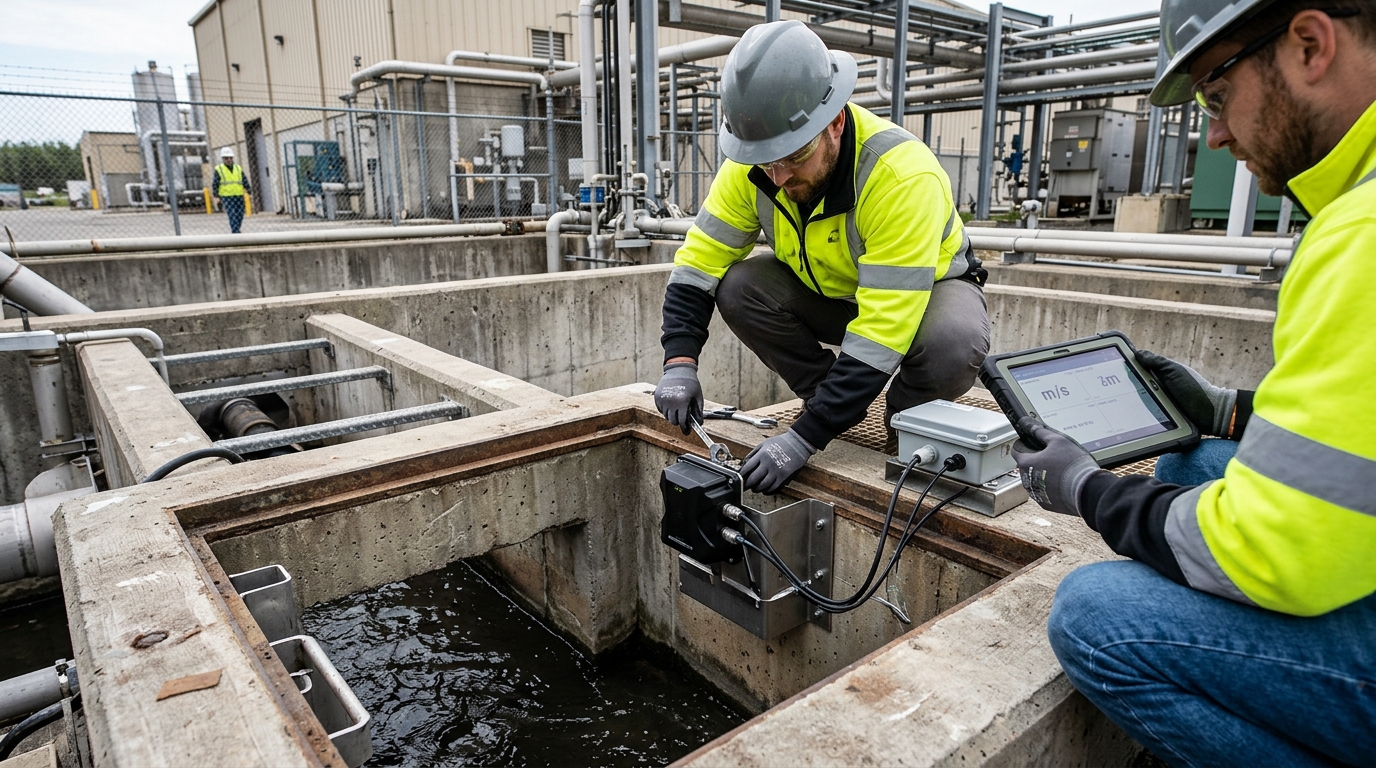
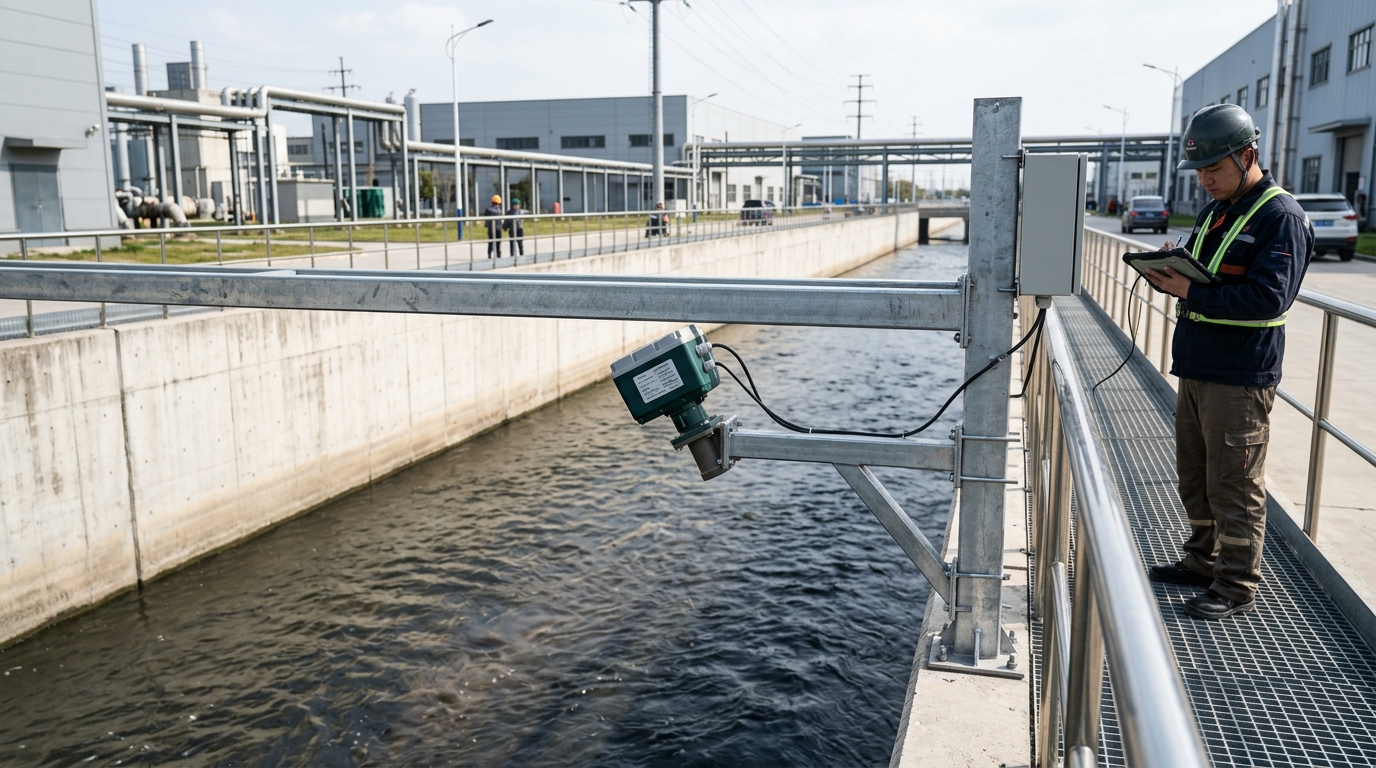
Yicai Technology News: Recently, the non-contact Doppler flow meter monitoring project on a drainage trunk canal in a high-tech zone of a city in East...
A practical engineering analysis of three-layer architecture design, LoRaWAN versus NB-IoT selection criteria, gateway capacity planning and link budgeting for low-cost high-density water sensor networks in urban drainage monitoring and irrigation schemes.
Urban Pipe Network Industry Insights: How Waterlogging, Early Warning, Radar and Flood Control Are Reshaping Resilient Infrastructure Urban pipe netwo...
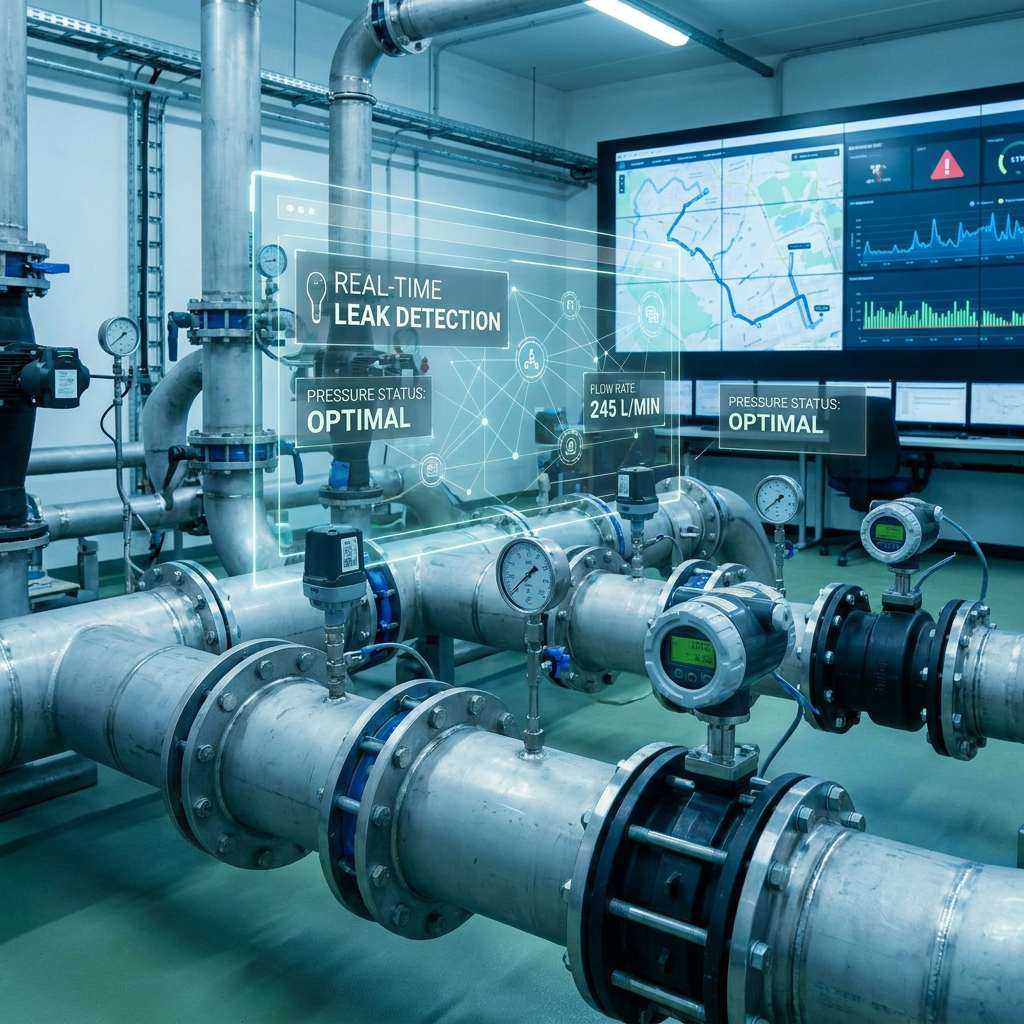
1. Introduction: Water Supply Network Monitoring Shifts from Reactive Emergency Repair to Proactive Diagnosis As urban water supply scale expands, net...
Introduction: Industrial Park Energy Efficiency Is Moving from Single-Point Retrofits to Systematic Energy Efficiency Asset Management As the weight o...
Urban pipe networks are lifeline systems supporting the operation of water supply, drainage, energy, and transportation.
I. Industrial Park Energy Efficiency Enters a Phase of Refined Operations In recent years, the energy-use structure of industrial parks has become inc...
Comparison of Irrigation District Informatization Technology Roadmaps: How to Select Water Metering, Smart Irrigation, and Water-Saving Closed-Loop So...
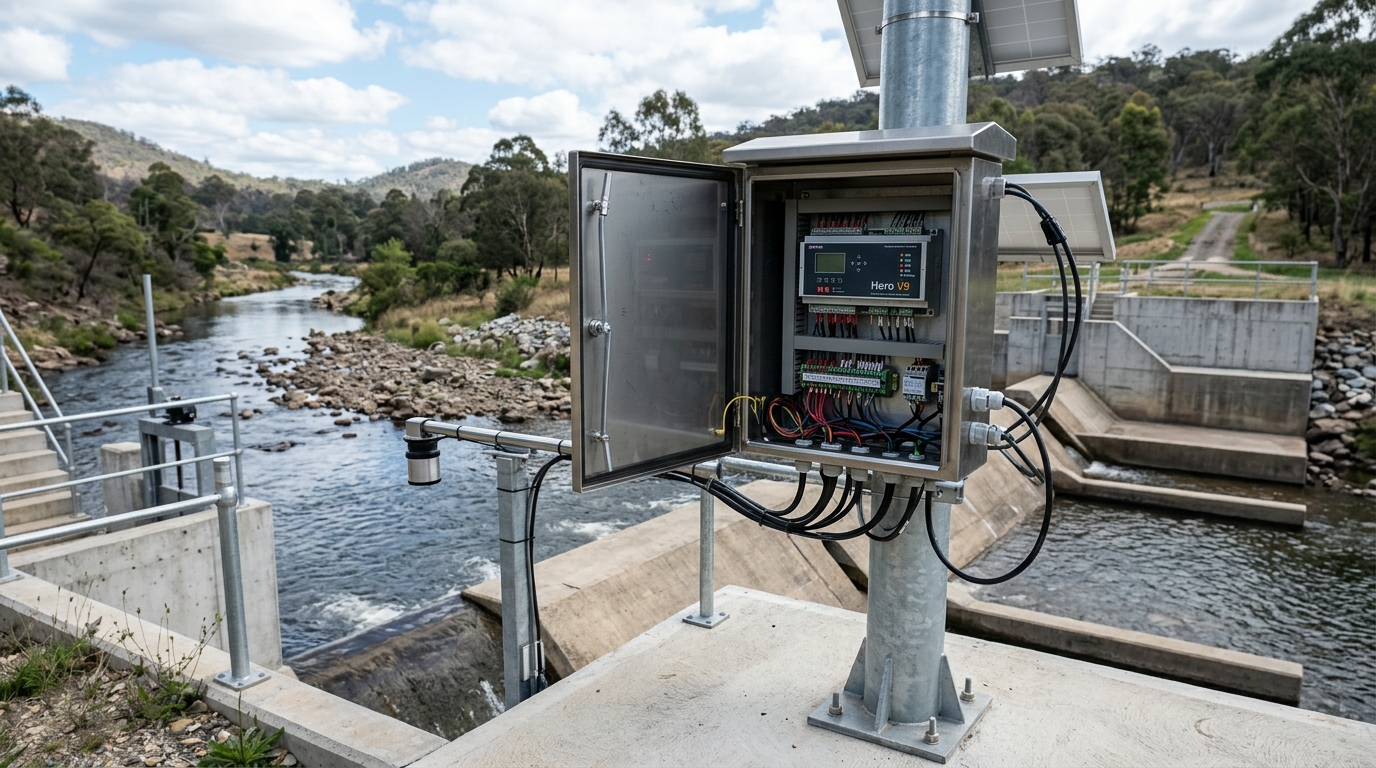
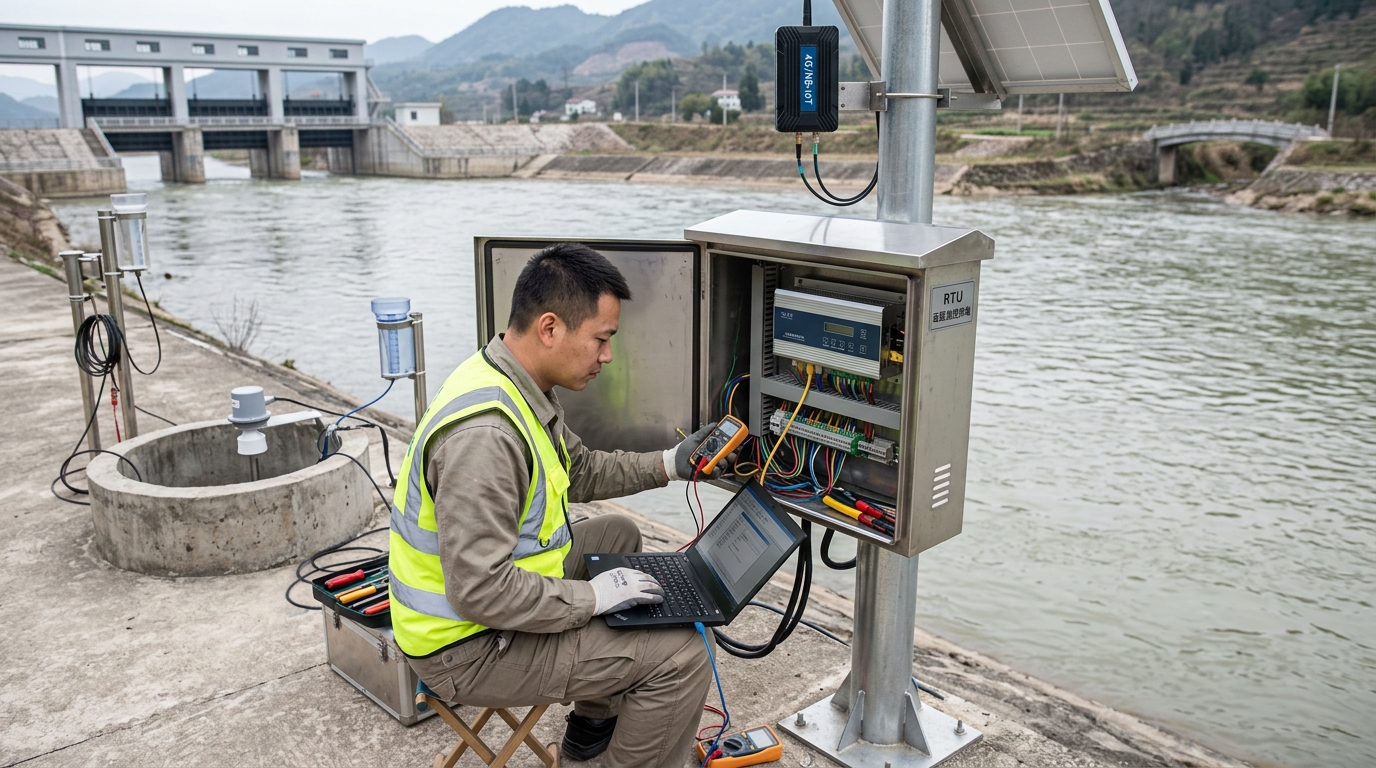
Hydrological stations typically sit far from grid power and cellular coverage, so RTU power, telemetry and earthing design directly determine data delivery rates. This article distils field experience from provincial-scale deployments into a solar energy budgeting method, a communication link comparison and lightning-protection engineering practices.
Introduction: Irrigation District Informatization Enters the Deep-Water Phase from “Having Data” to “Being Able to Dispatch” Irrigation district infor...
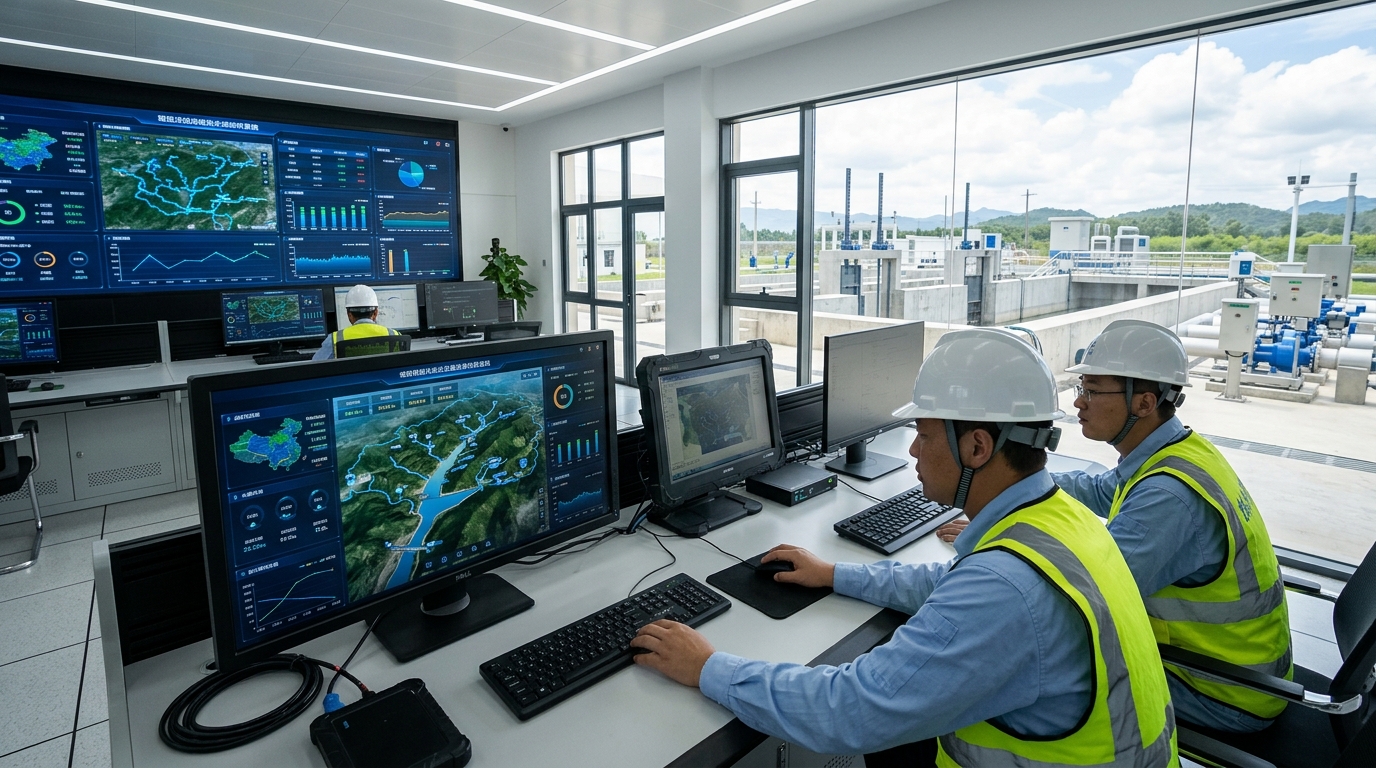
Smart water conservancy is moving from the stage of “installing devices” to the stage of “making data flow, usable, and manageable.
Introduction: Low-Carbon Parks Transition from Demonstration Projects to Industrial Infrastructure After the “dual carbon” goals move from macro commi...
Introduction: RTU Telemetry Terminals Enter a Stage of Refined Water Resources Monitoring In recent years, the application of RTU telemetry terminals ...
Introduction: Smart water conservancy moves from “project-driven” to “governance-driven” Over the past decade and more, the focus of China’s water con...
Yicai Technology News: Recently, the district metered area (DMA) project for the water supply network in the old urban area of a prefecture-level city...
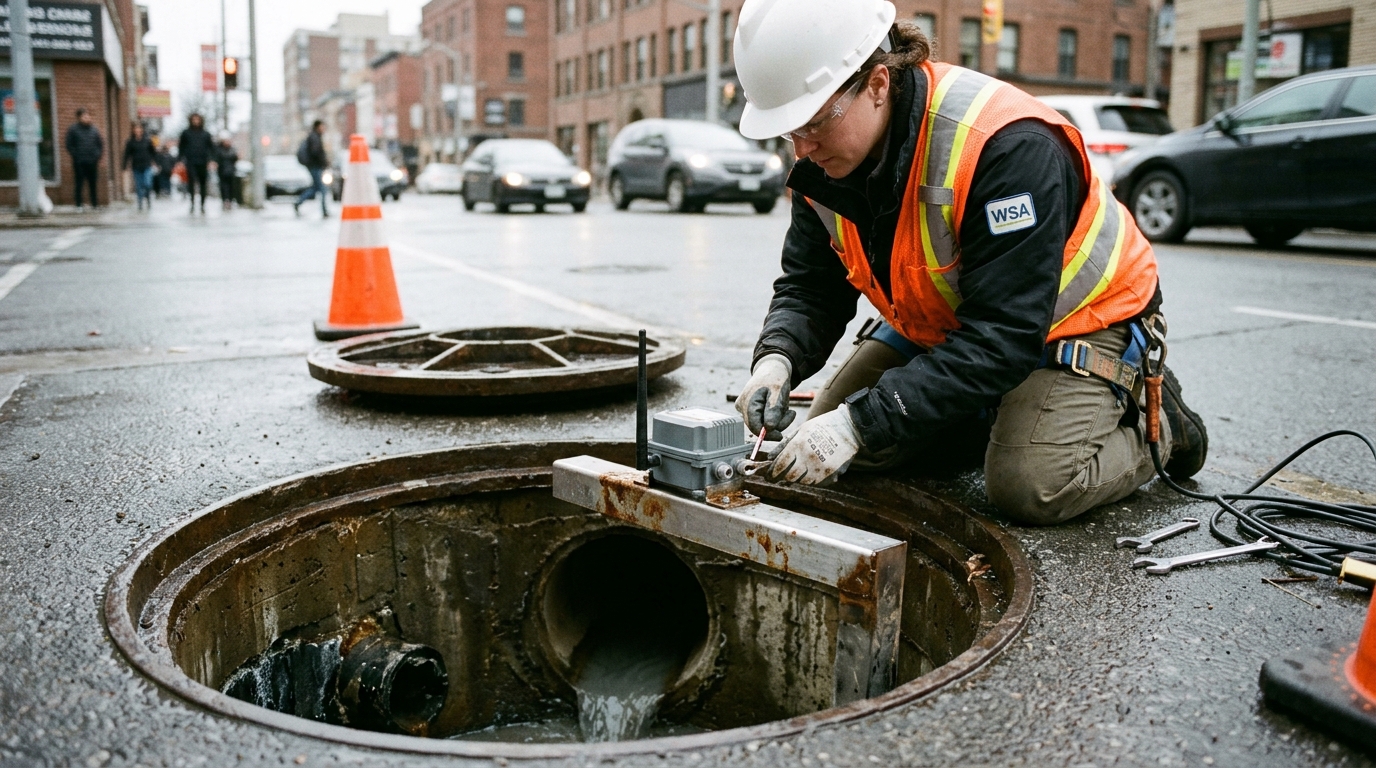
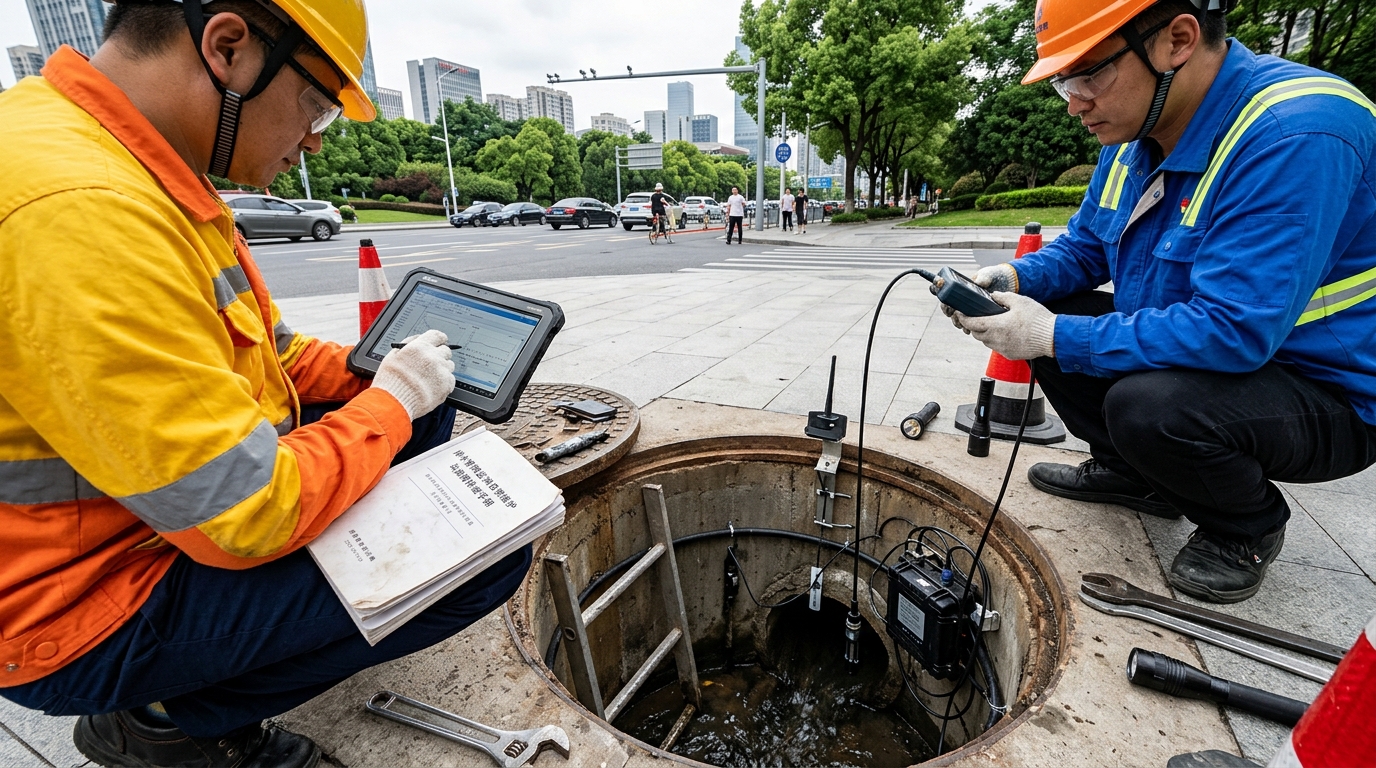
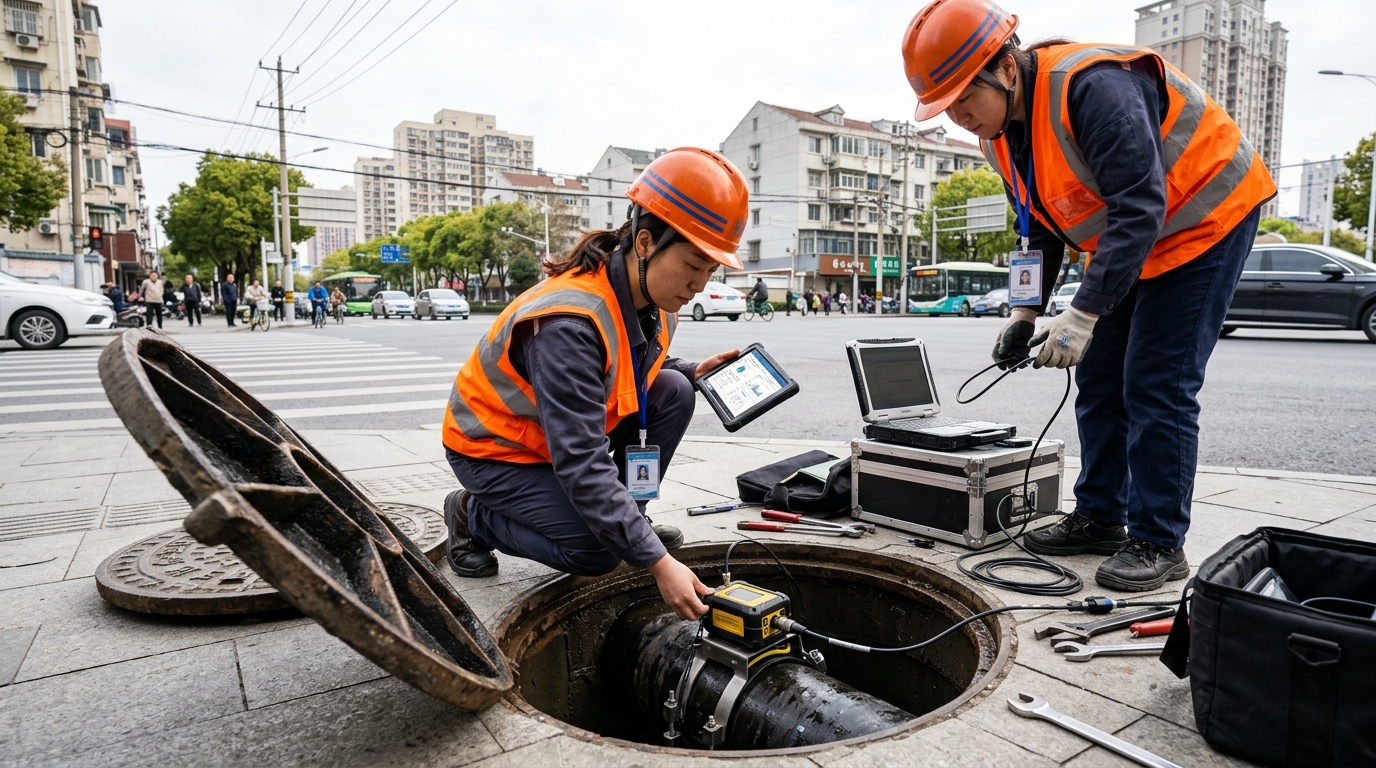
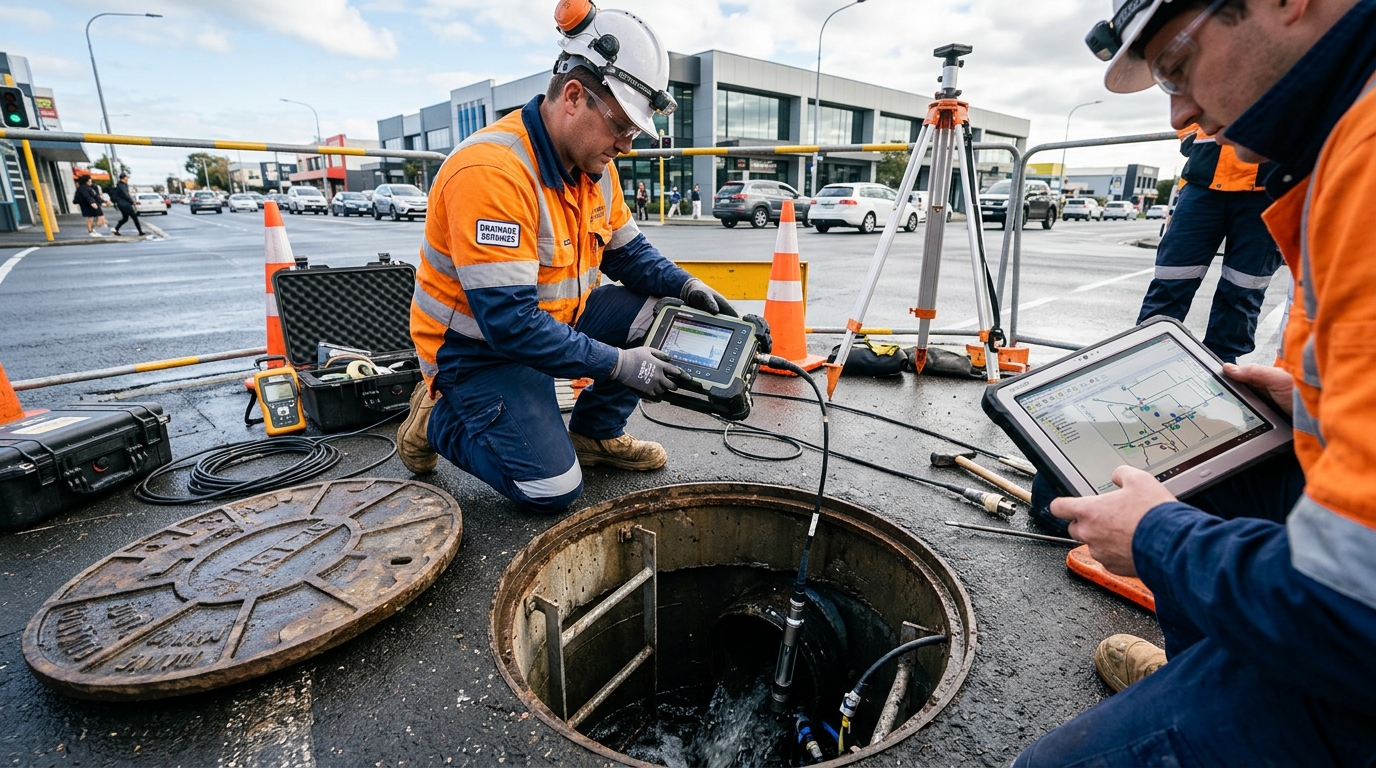
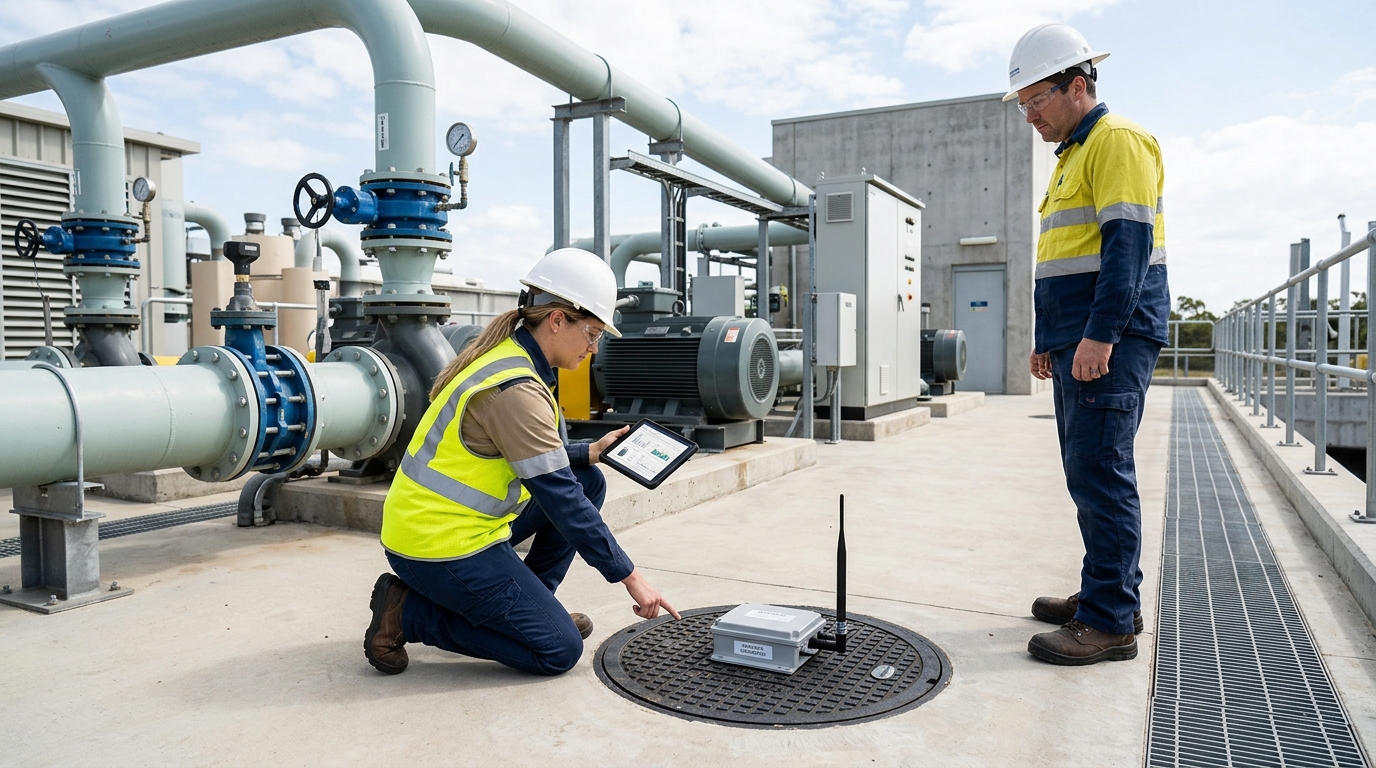
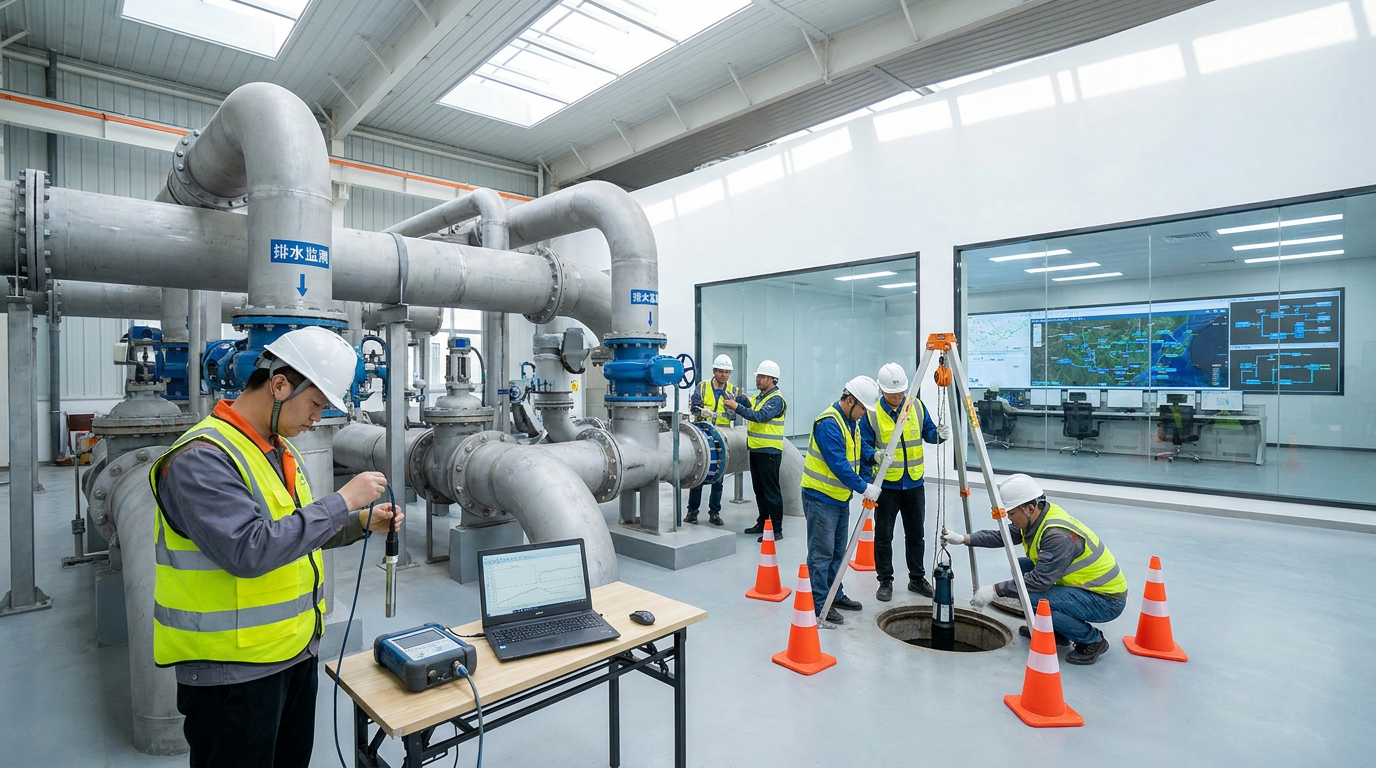
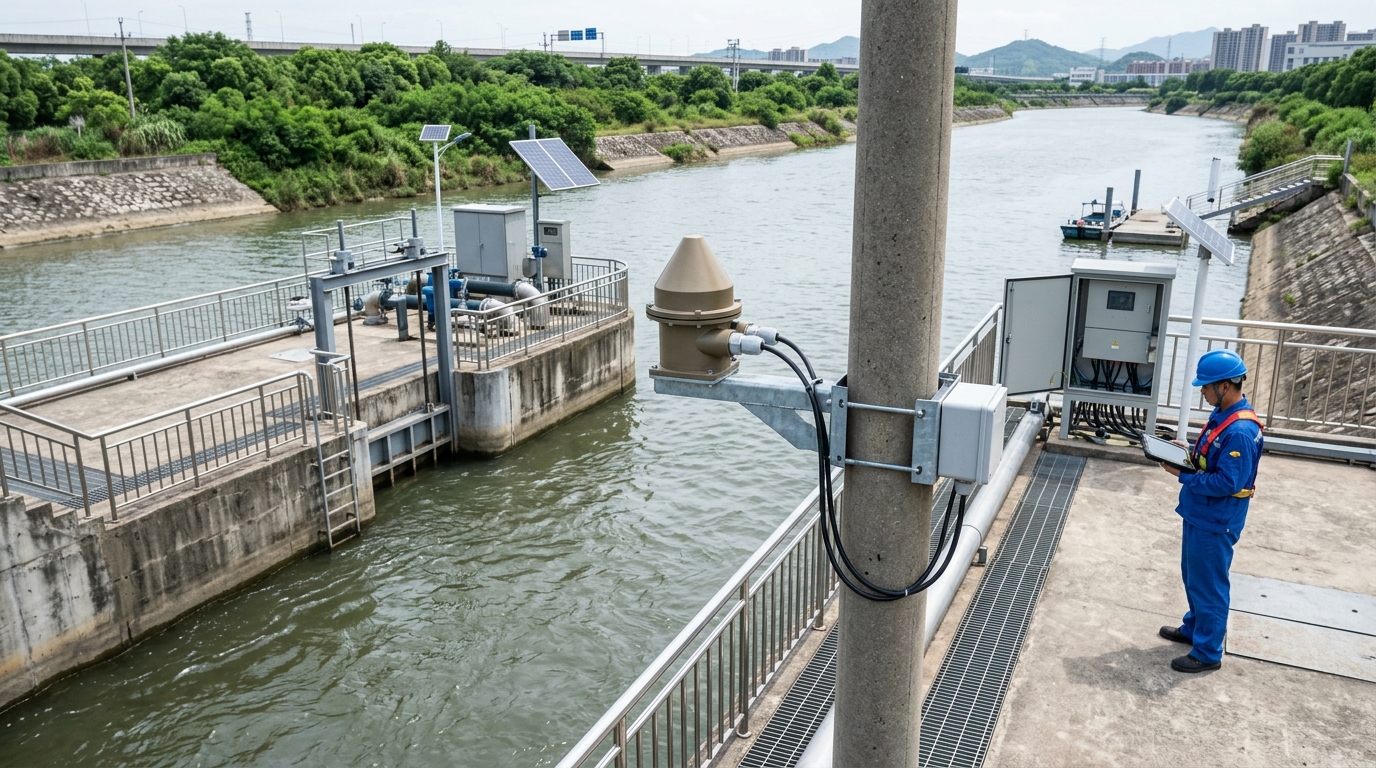
Sewer manholes combine permanent humidity, H₂S corrosion, overflow immersion and severe multipath reflections, making them one of the harshest environments for non-contact level measurement. This article covers the engineering essentials of 80 GHz radar level meters in municipal drainage manholes, from selection through commissioning.
Introduction: District Metered Area (DMA) metering is a critical step for moving pipeline leakage control from experience-based judgment to data-drive...
I. Introduction: Urban Waterlogging Early Warning Is Shifting from Post-Rain Emergency Response to Pre-Rain Early Warning As urbanization continues, u...
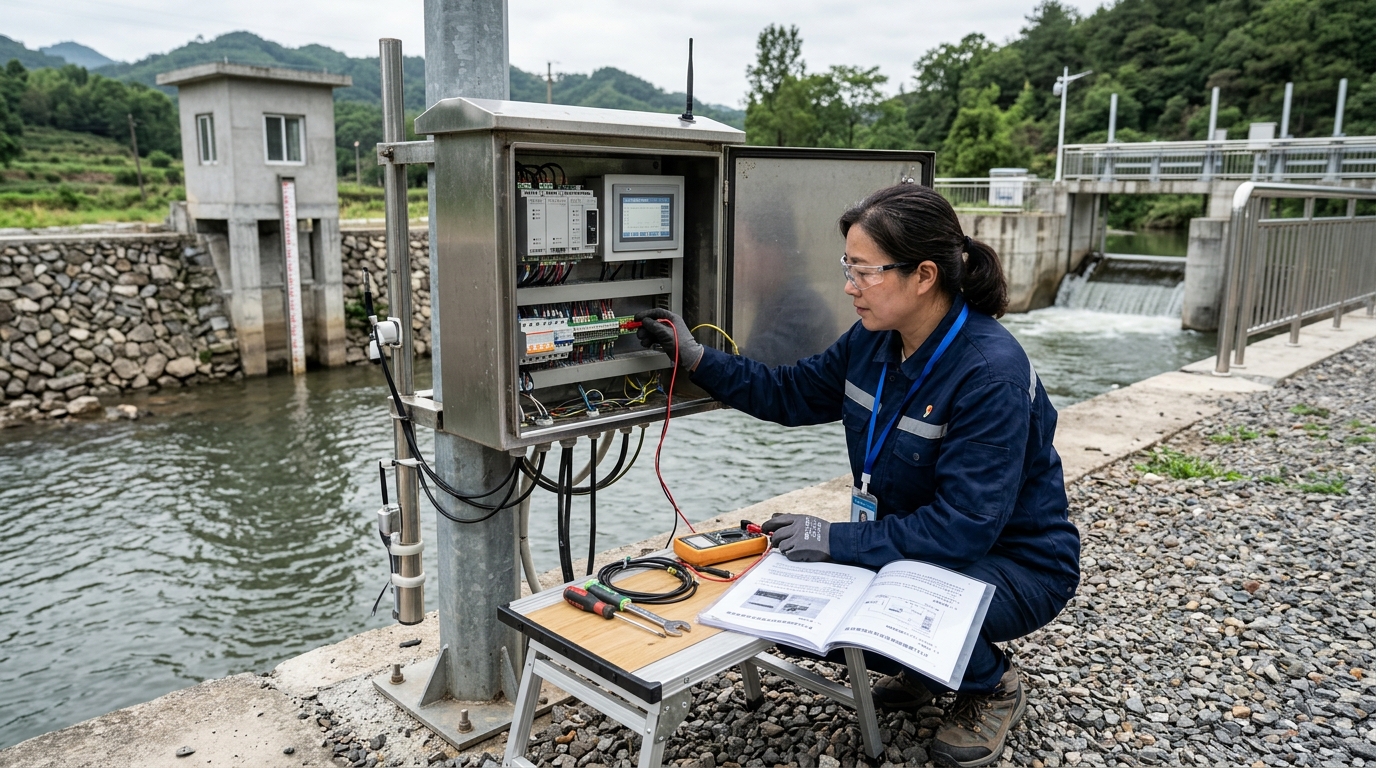
Introduction: Low-Carbon Parks Move from Demonstration Projects to Systemic Operations As China advances its “dual carbon” goals, the EU Carbon Border...
Technical Comparison of Doppler Flow Meter Technologies Integrating Non-Contact Measurement, Flow Velocity, Water Level, and Camera Evidence Introduct...
A county-level water utility in southern China (60,000 m³/d, 480 km of mains) reduced non-revenue water from 31% to 12% within 18 months through a three-tier DMA programme. This article reviews district topology design, electromagnetic metering selection for low-flow accuracy, minimum night flow analysis and the closed-loop leak detection workflow.
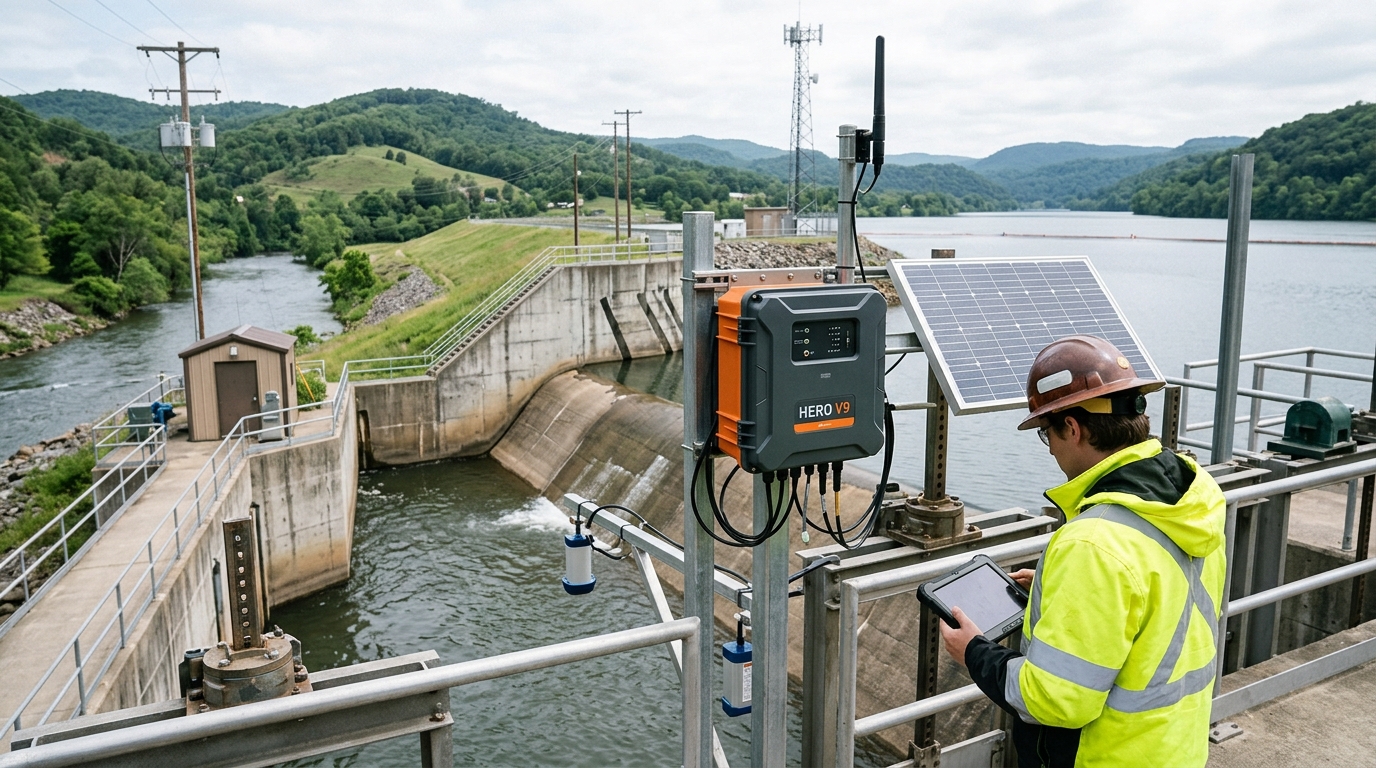
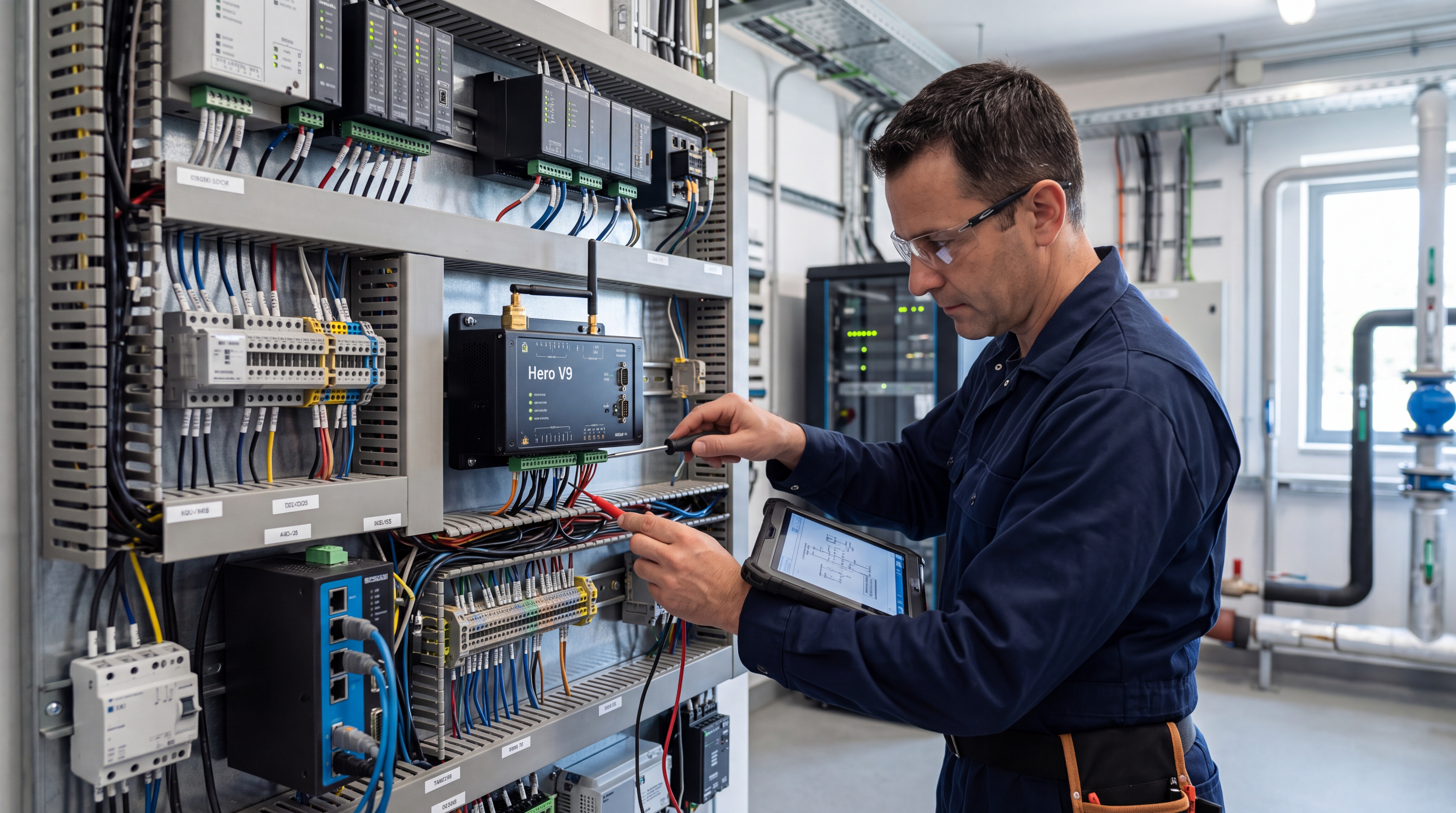
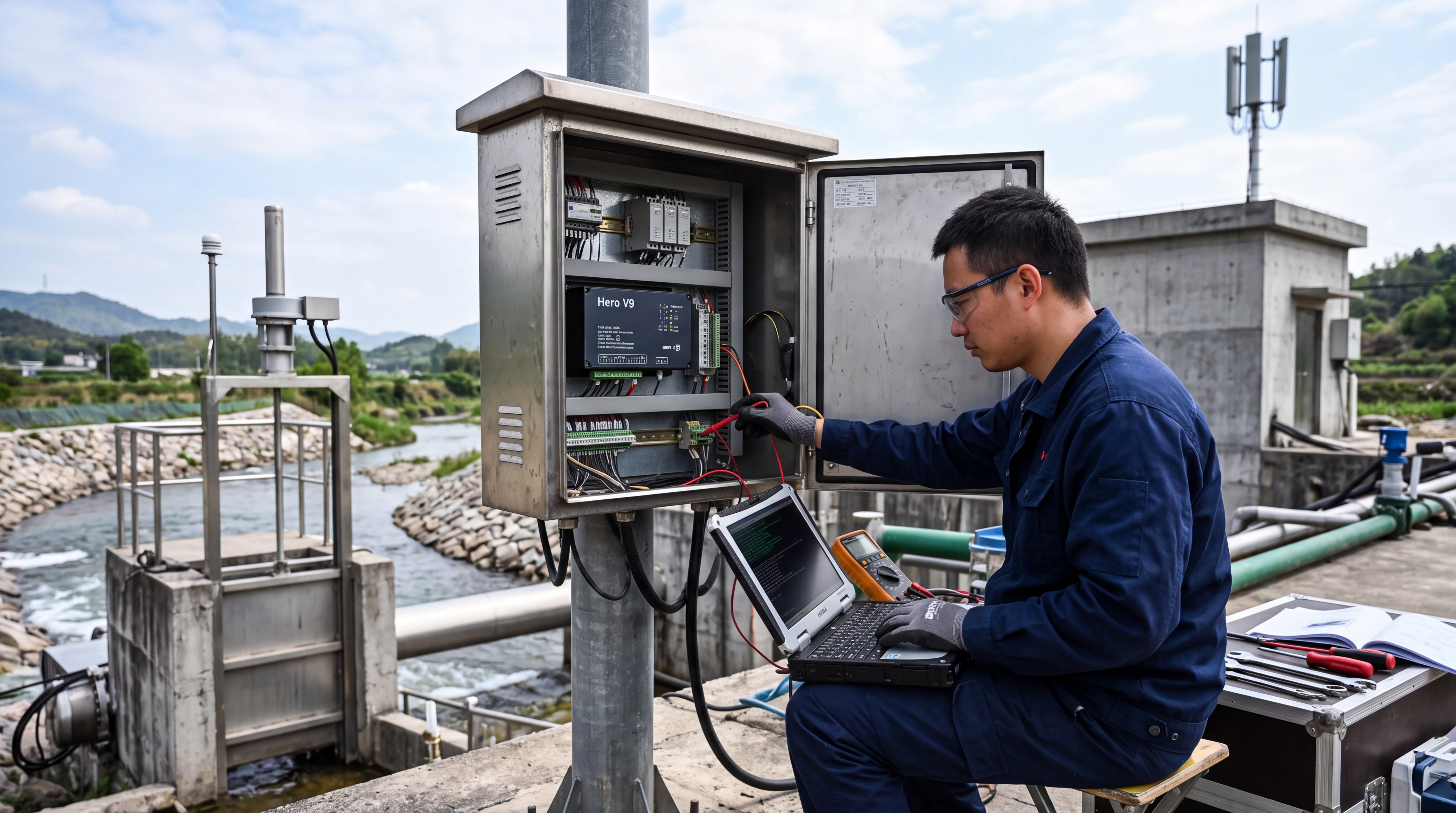
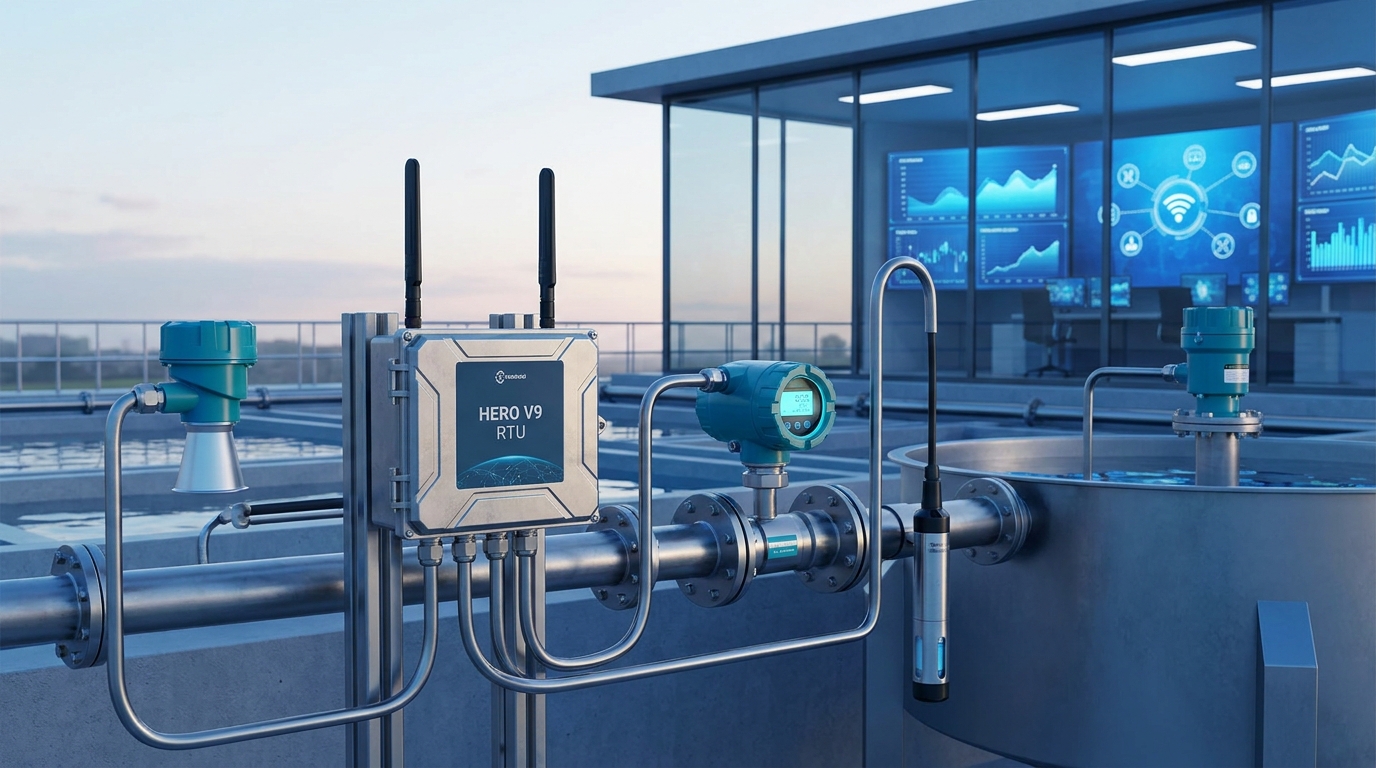
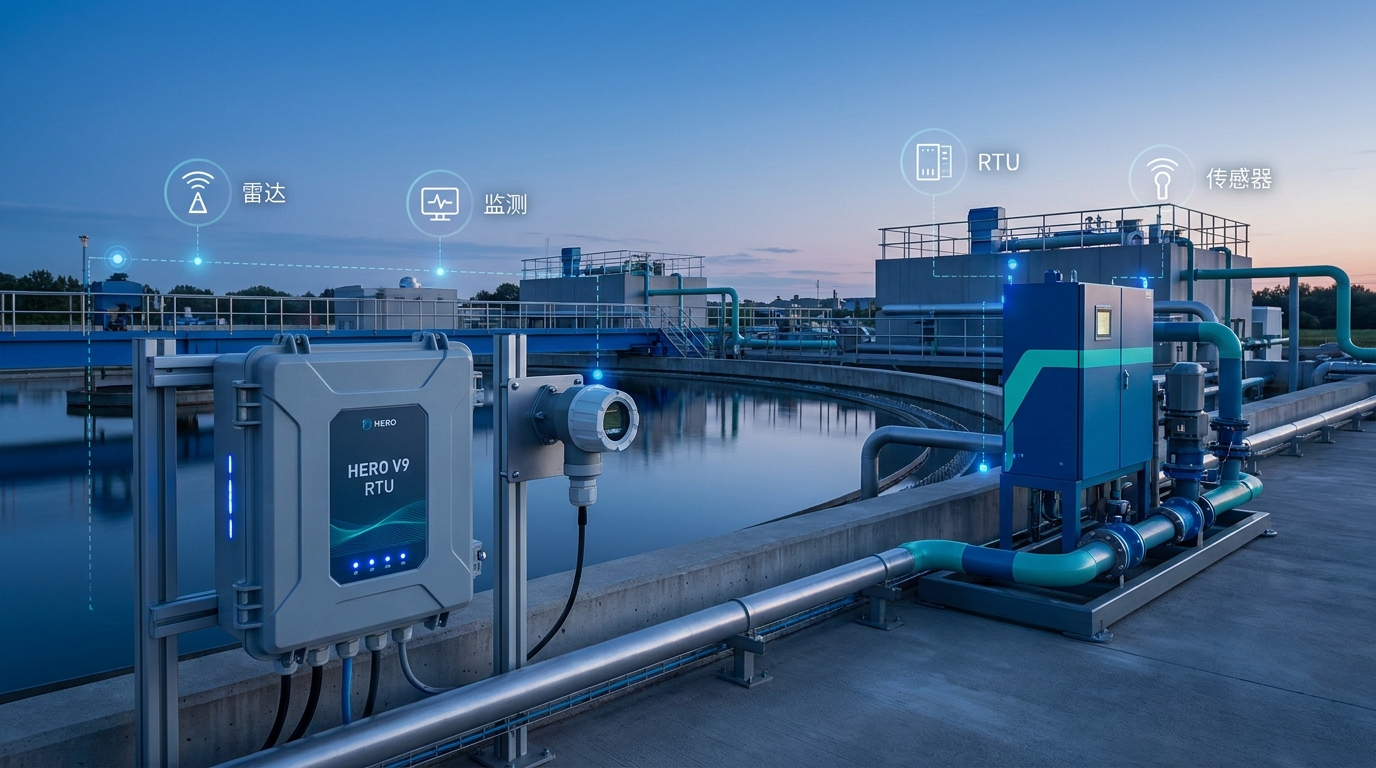
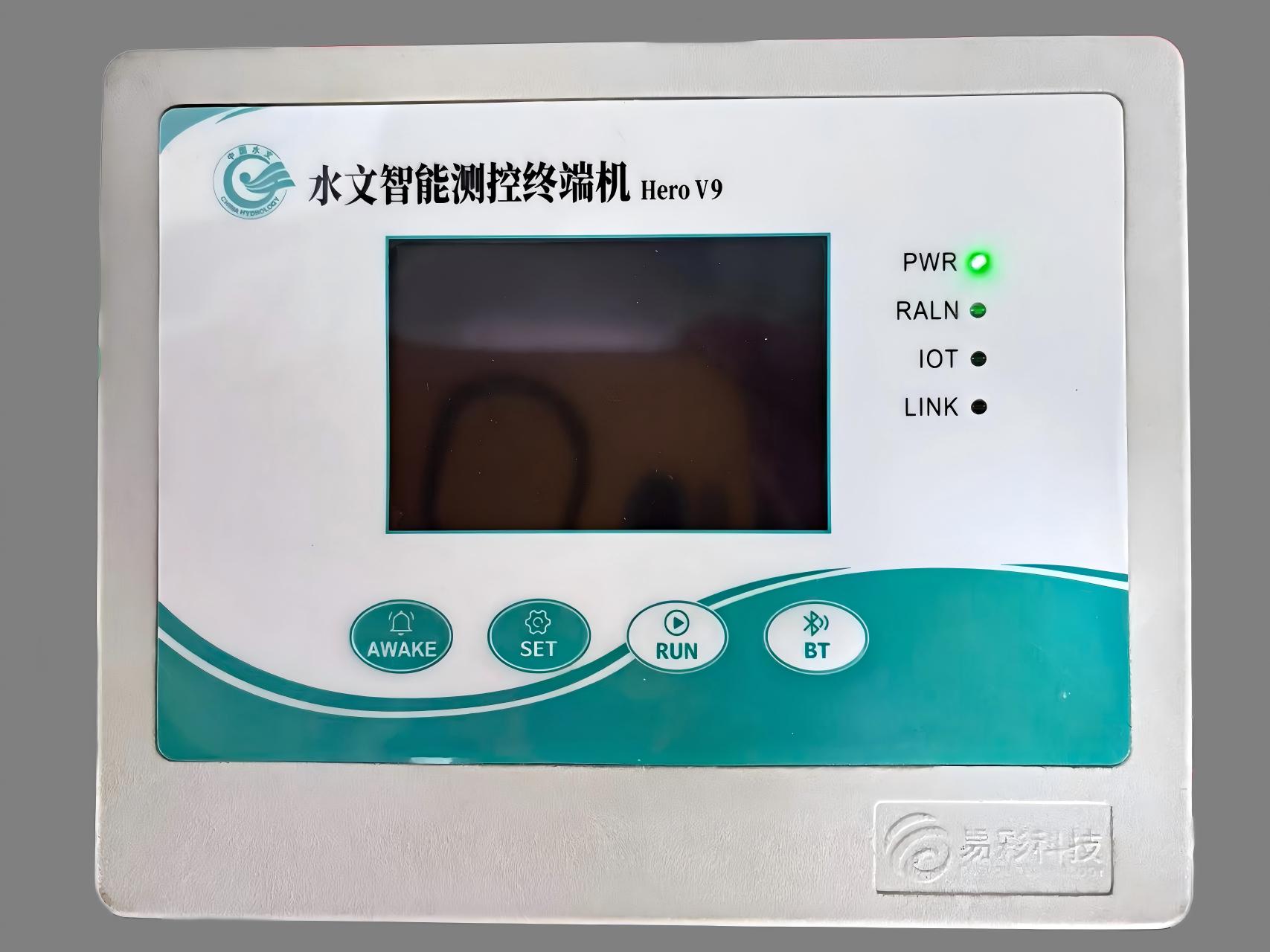
Smart Water Management Enters the “Data Foundation” Stage: Hero V9 Reflects New Directions in Acquisition, Transmission, and Edge Intelligence With th...
Introduction: Irrigation District Informatization Enters a Stage of “Measurable, Dispatchable, and Assessable” Recently, an informatization project fo...
Introduction: 80G Radar Water Level Transmitters Move from Alternative Devices to Core Sensing Nodes As urban flood prevention, water resources manage...
Lead: Engineering Practice of DN50 Electromagnetic Flowmeters in Metering Strongly Corrosive Media Electromagnetic flowmeters perform material balance...
Radar Water Level Gauge Technology Path Comparison: How to Select 80 GHz Radar, Non-Contact, High-Accuracy, and Real-Time Monitoring Solutions Water l...
Introduction: Urban Pipe Networks Shift from “End-of-Pipe Drainage” to “Citywide Risk Governance” In recent years, the combination of extreme heavy ra...
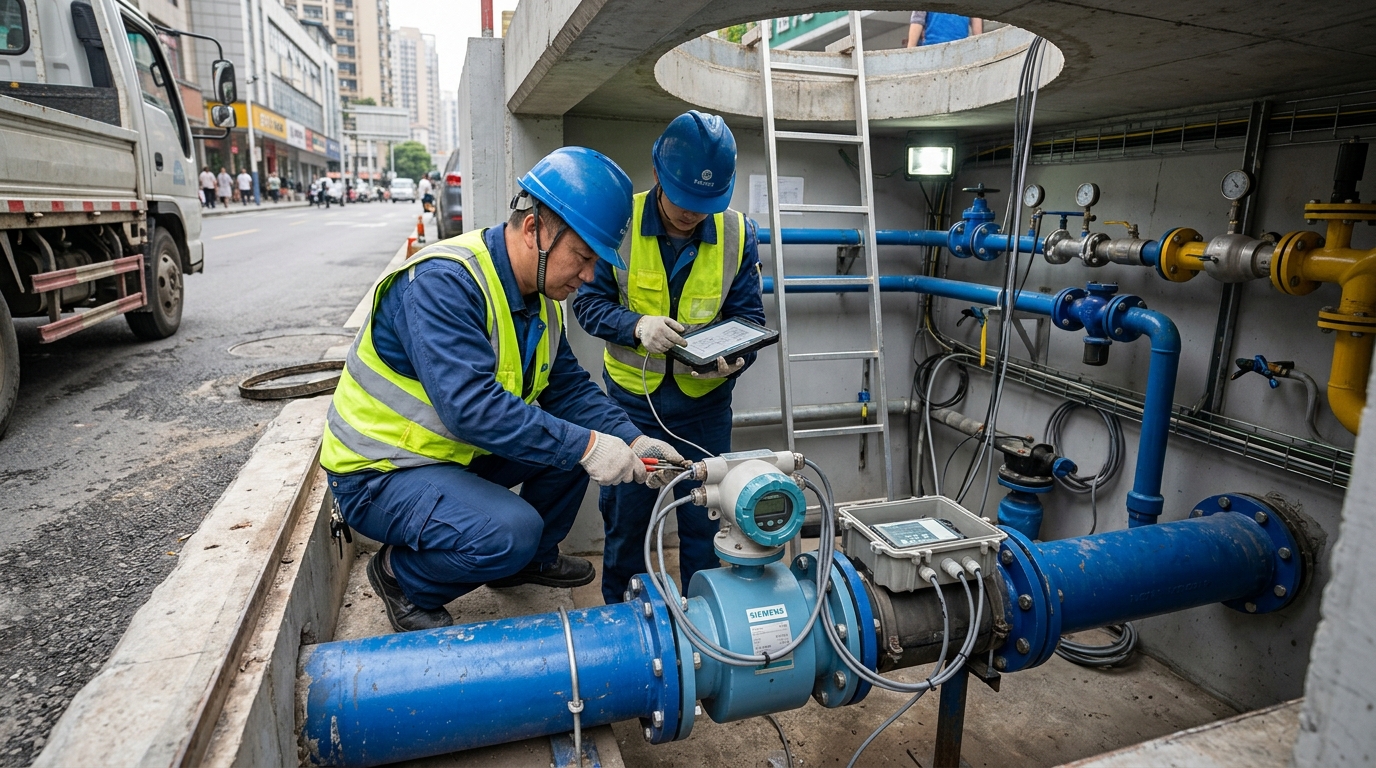
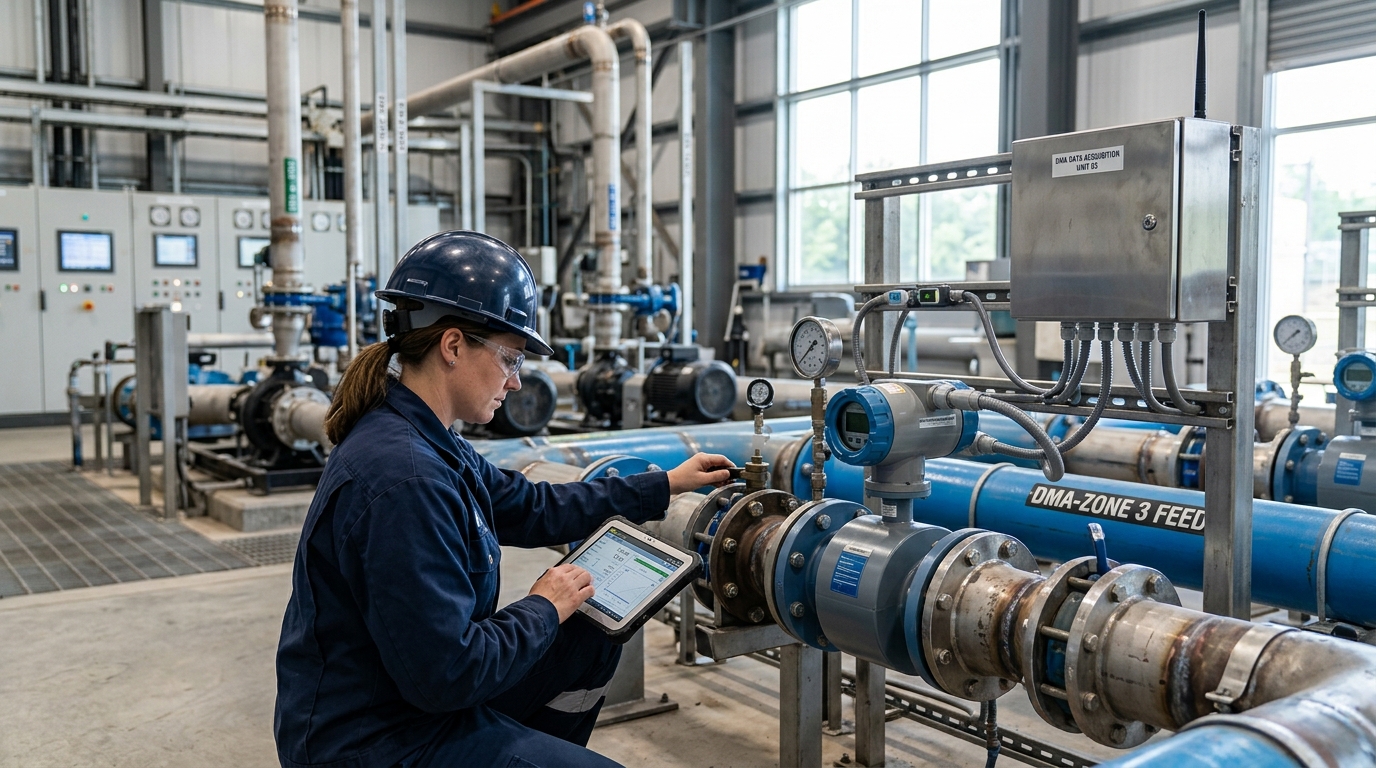
Metering quality sets the ceiling for DMA leakage analysis. This article covers minimum-night-flow measurement, straight-run requirements, grounding rings against stray currents, and empty-pipe detection — the four engineering controls that make an electromagnetic metering point DMA-grade.
Introduction: From Measurement Principles to Field-Executable Specifications Radar water level gauges have become common equipment for non-contact, hi...
Yicai Technology Newsroom | Urban Pipe Network Industry Watch Lead: Urban Pipe Networks Move from “Laying Pipes” to “Computing Systems” Urban water su...
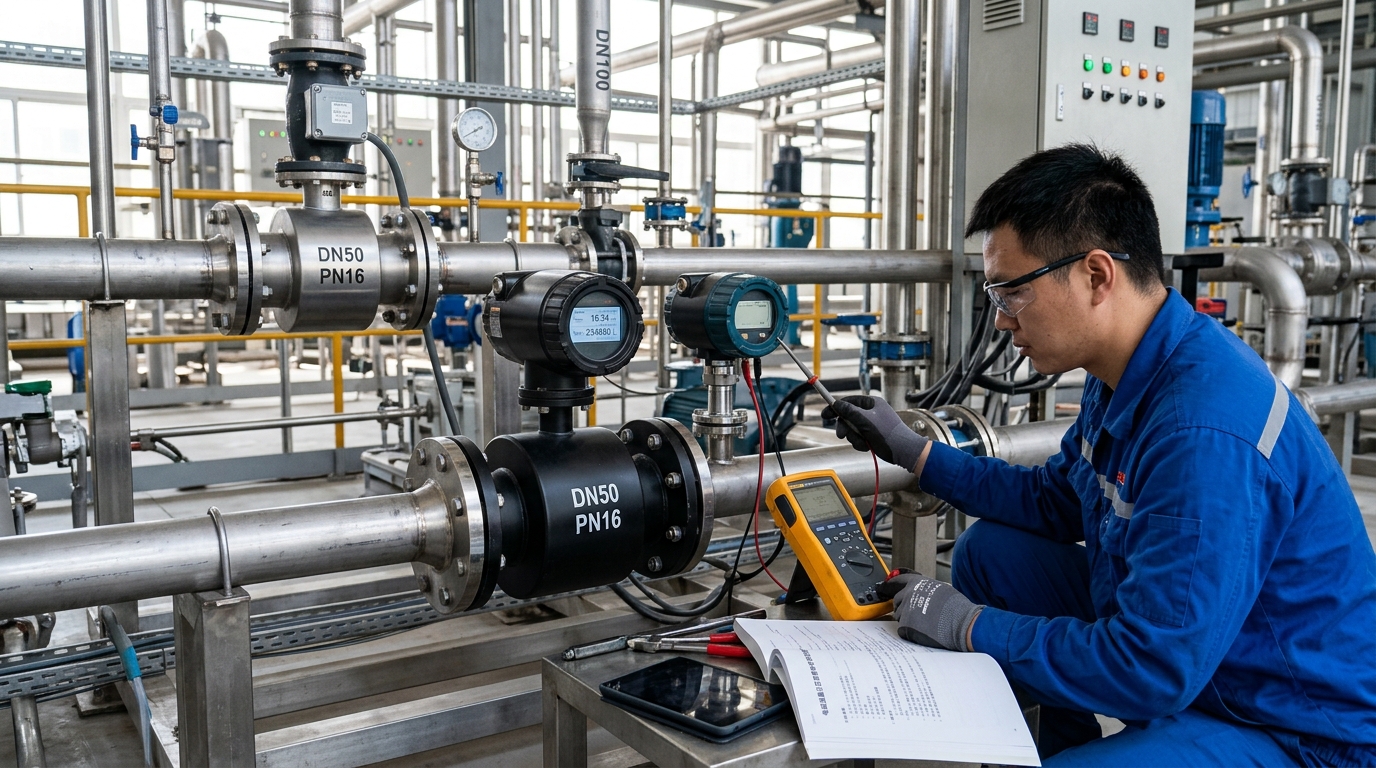
Drainage Network Monitoring Market Analysis: Product Prices, Selection Recommendations, and Maintenance Costs for Level, Flow, and Flood-Prevention Sy...
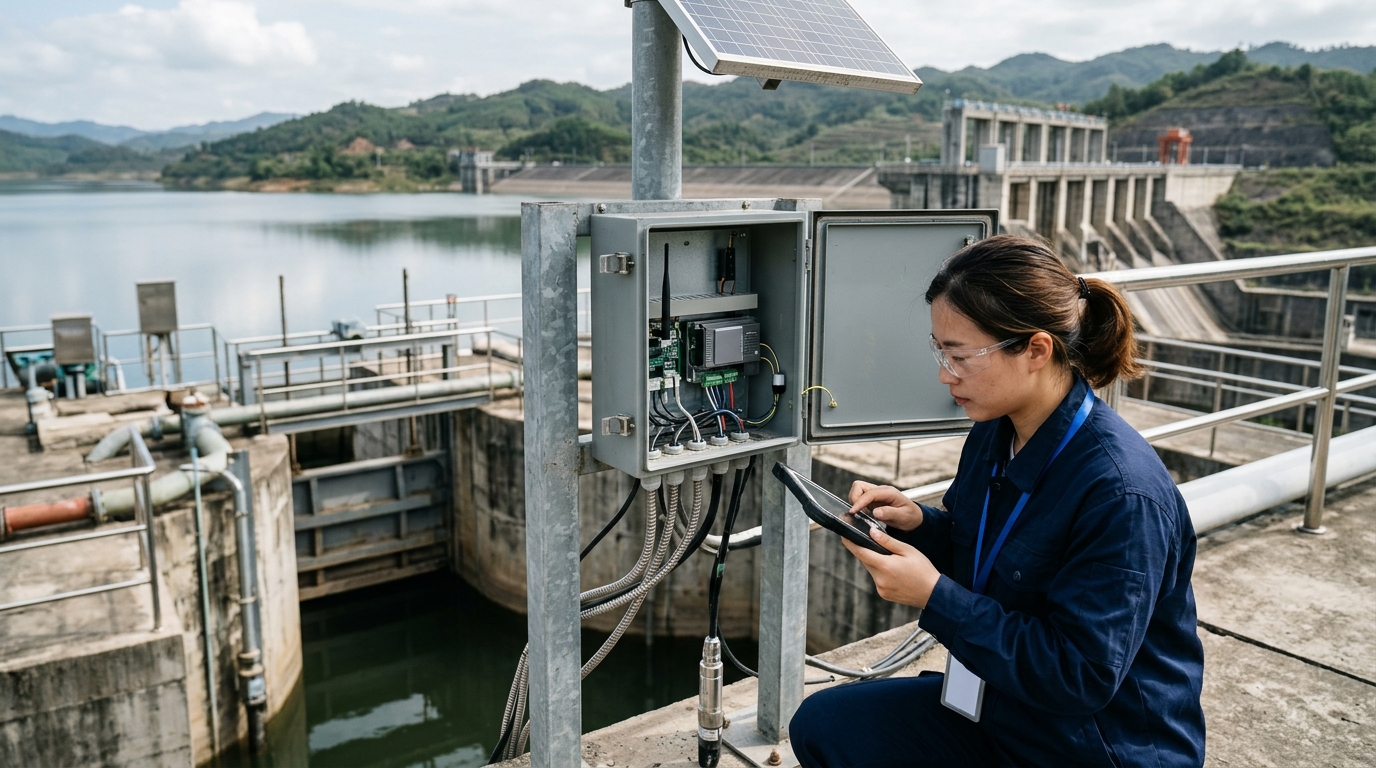
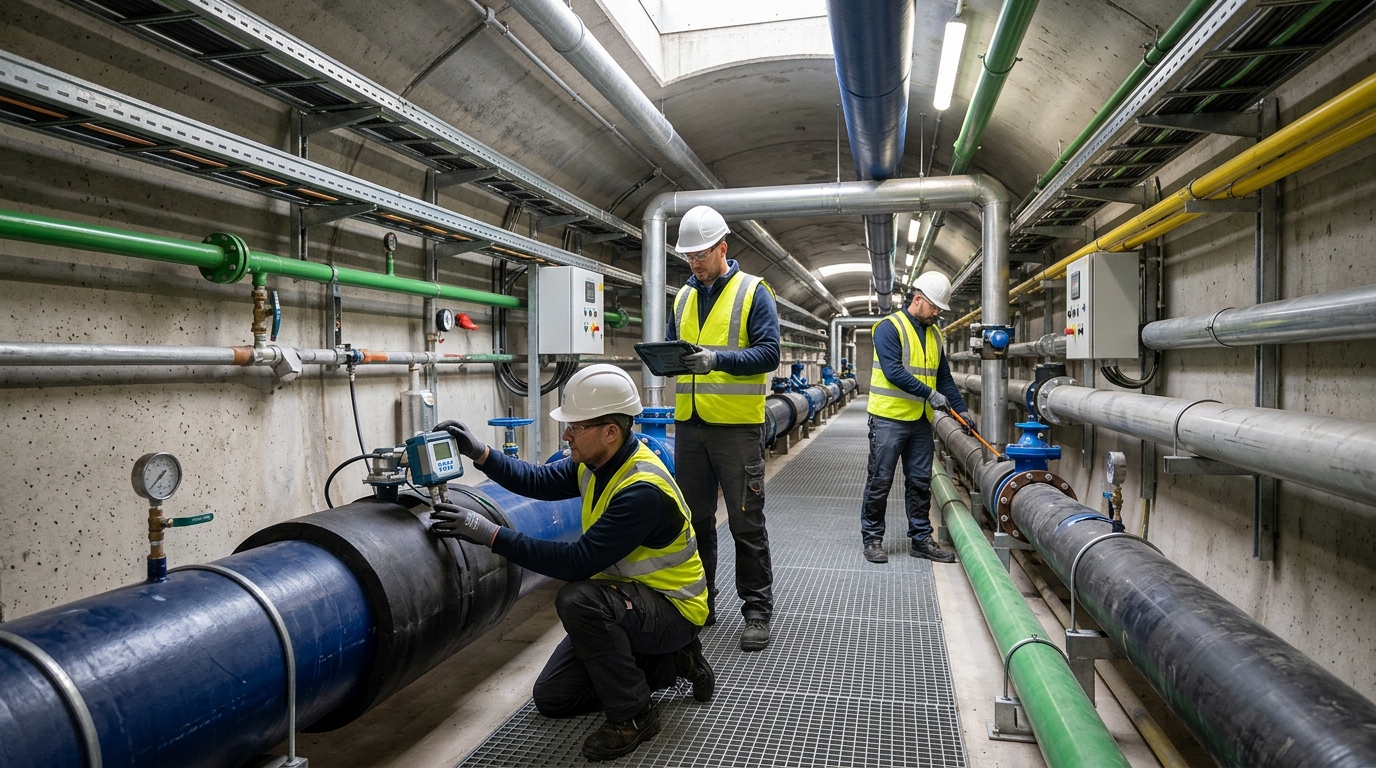
Practical Guide to Water Distribution Network Monitoring: Installation, Commissioning, Maintenance, and Troubleshooting Introduction: As urban water s...
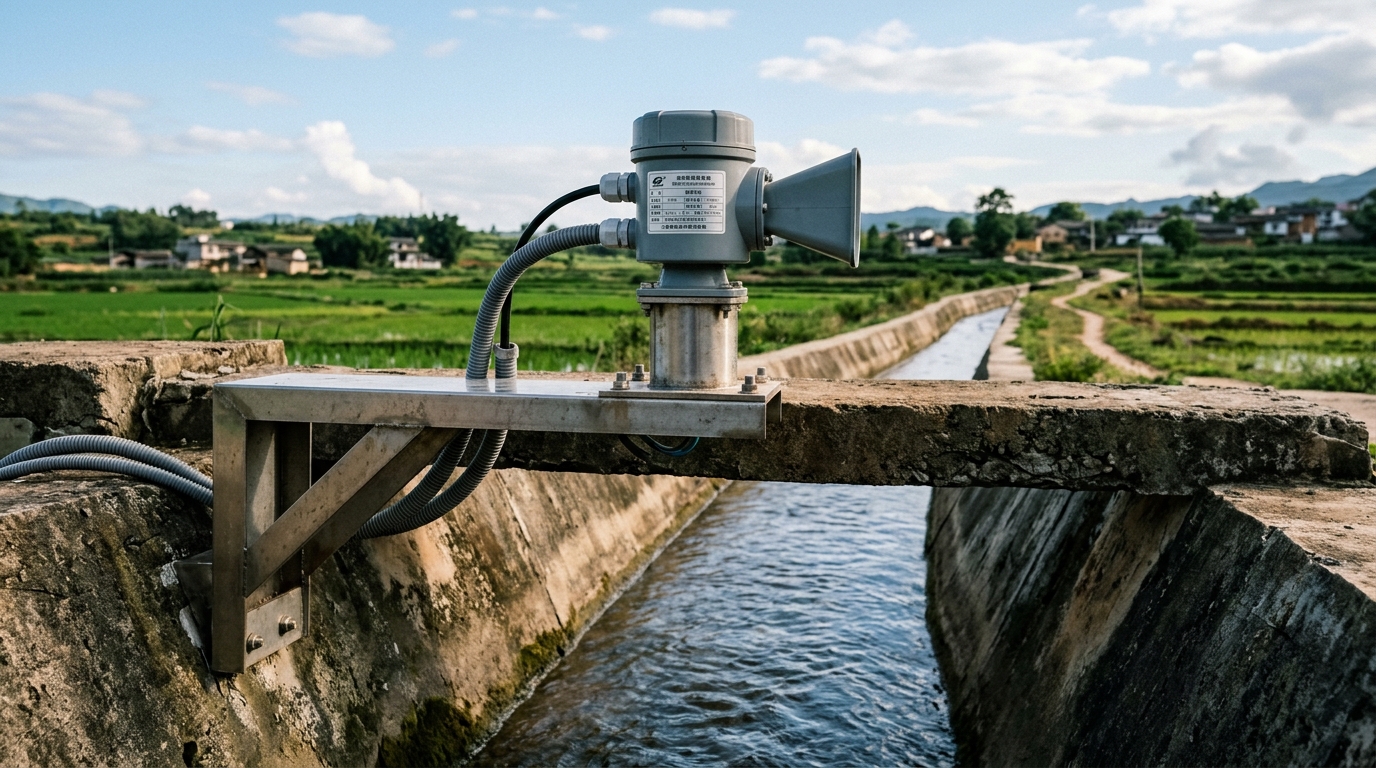
This paper compares the latest advances in 80 GHz radar surface velocity sensing, 26 GHz radar and clamp-on ultrasonic flow measurement, and provides engineering guidance on velocity correction factor calibration, installation geometry and data quality control for urban drainage monitoring applications.
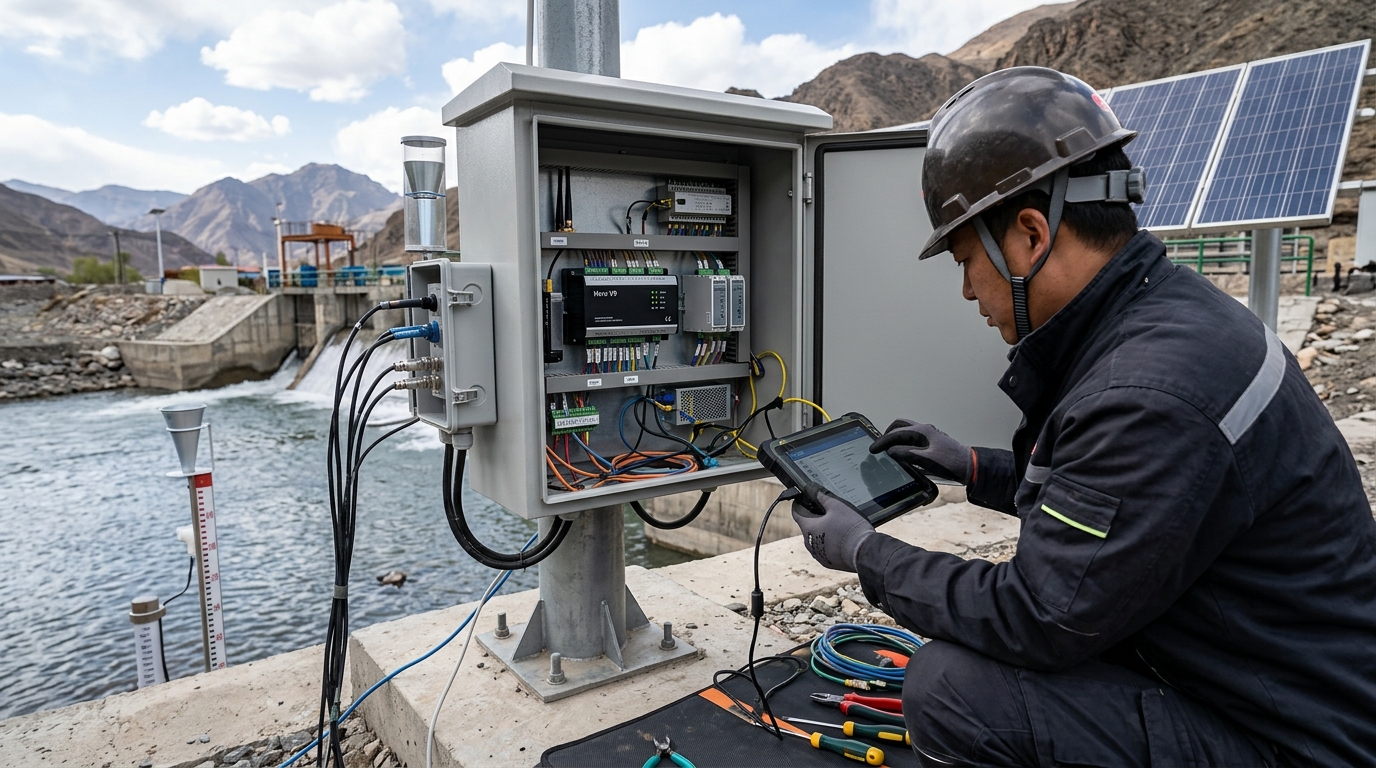
Lead: As urban drainage and flood-prevention pressure rises, drainage network monitoring is shifting from “installing sensors” to “building a sensing ...
Carbon Emissions Monitoring Technology Roadmaps Compared: Multidimensional Choices from Carbon Accounting and Online Monitoring to Carbon Footprint As...
Leakage management in water supply networks is shifting from a passive model of “discover a burst pipe and then rush to repair” to a refined model cen...
Smart Water Conservancy Enters a “Perception—Cognition—Decision” Closed Loop: Non-Contact Measurement and Integrated Imaging Reshape the Hydrological ...
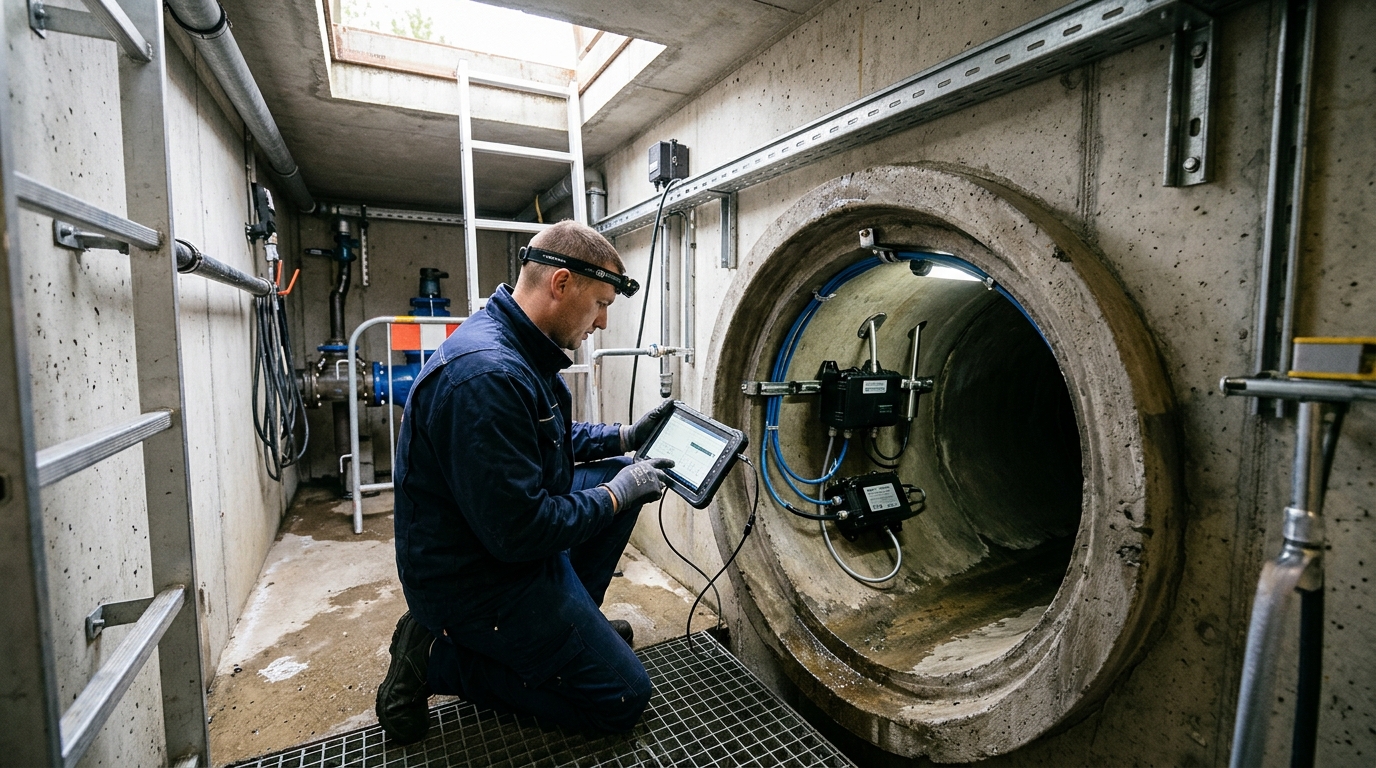
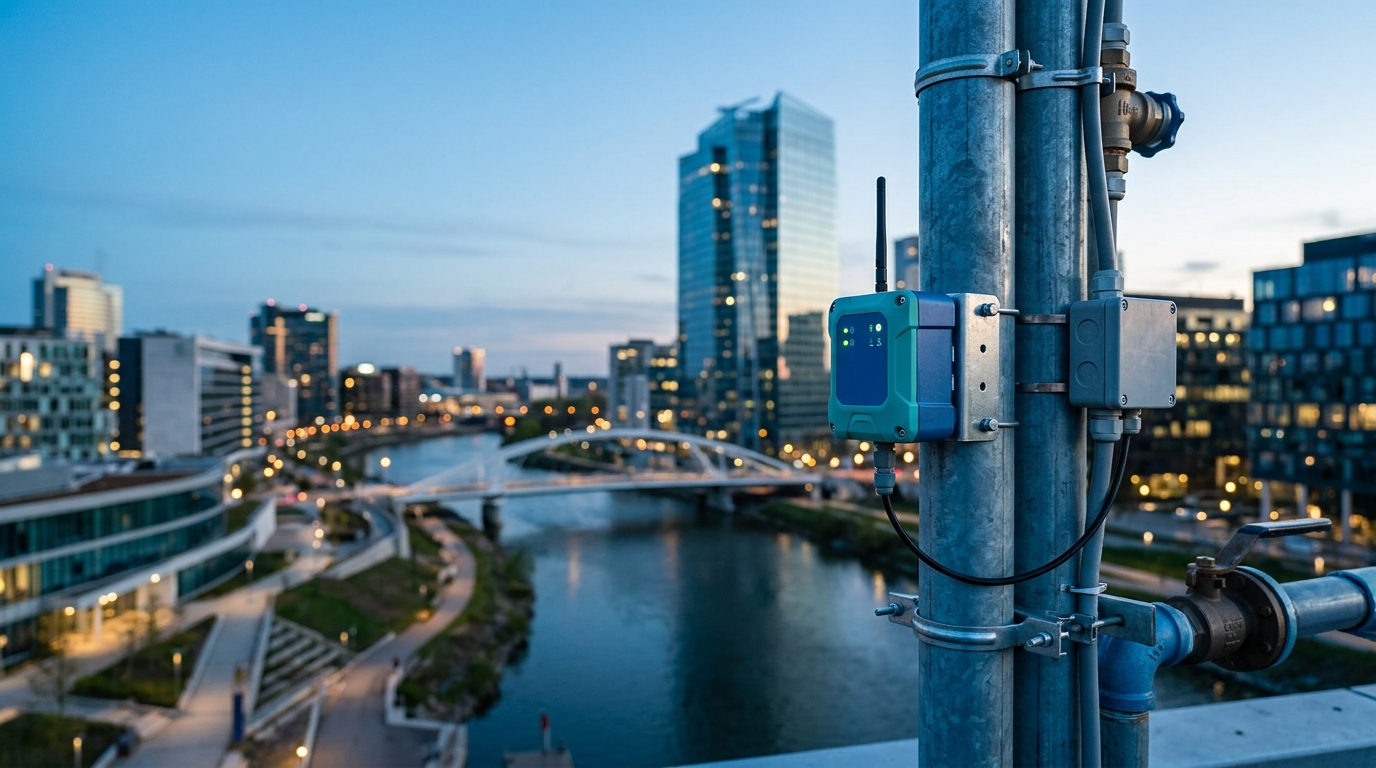
Most urban pipe network monitoring nodes sit inside underground manholes and valve chambers, facing immersion, corrosion, RF shielding and the absence of mains power. This article covers IP68 enclosure selection, communication link comparison (NB-IoT vs LoRa vs 4G Cat.1), battery life budgeting and H2S corrosion protection for field-deployed IoT RTUs.
Yicai Technology news editors have noticed that urban water supply pipe networks are transitioning from “underground assets” to “public governance inf...
I. Project Background: A Drainage Trunk Canal Requires a Continuous and Reliable Flow Evidence Chain In March 2024, the flow monitoring project for th...
As urban water supply network leakage control enters a refined stage, District Metered Area (DMA) metering has evolved from a simple technical tool in...
Introduction: From Reactive Burst Repair to Proactive Sensing: An Engineering Case Study of Urban Water Distribution Network Monitoring In March 2024,...
Ecolor Technology recently compiled a case study from the perspective of irrigation district informatization and agricultural water-saving practices o...
Introduction: Under dual-carbon management and supply-chain disclosure pressures, more and more enterprises are shifting carbon emission accounting fr...
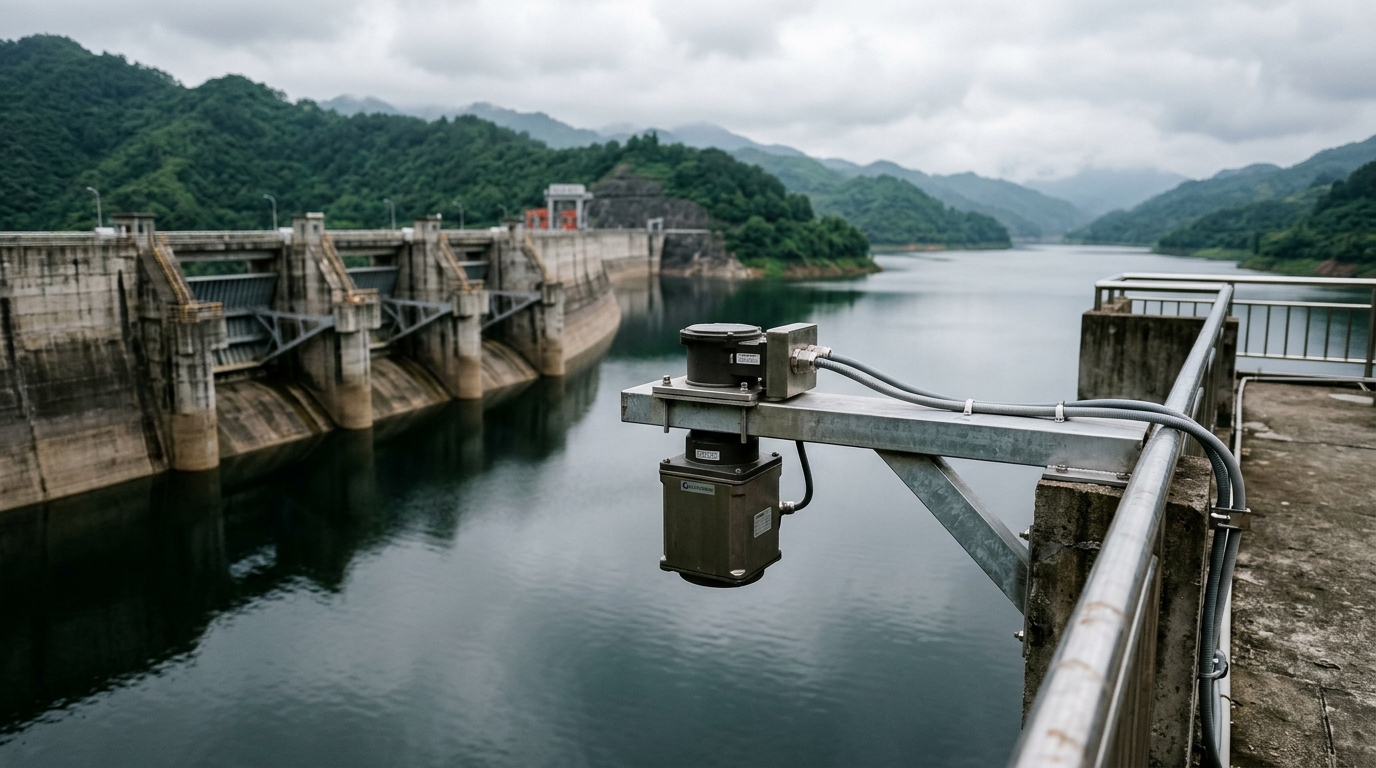
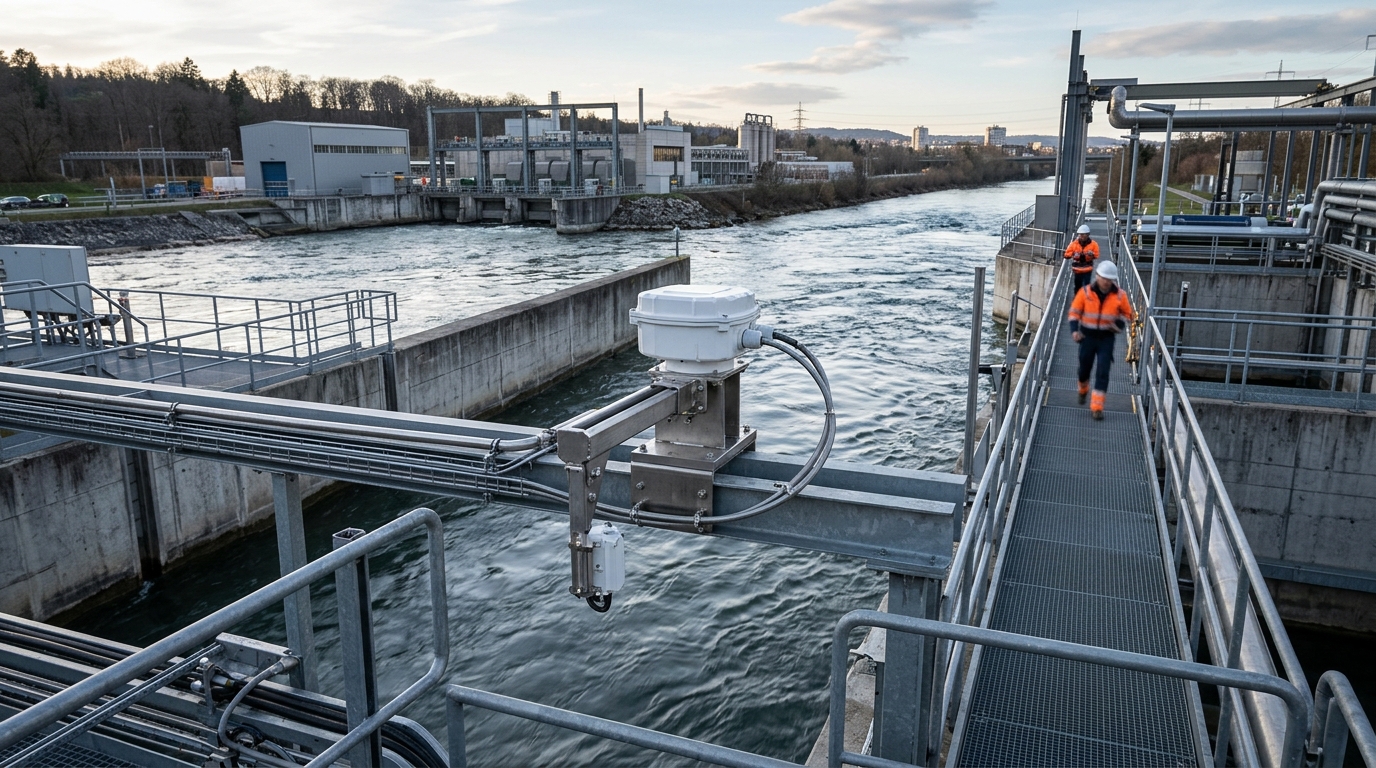
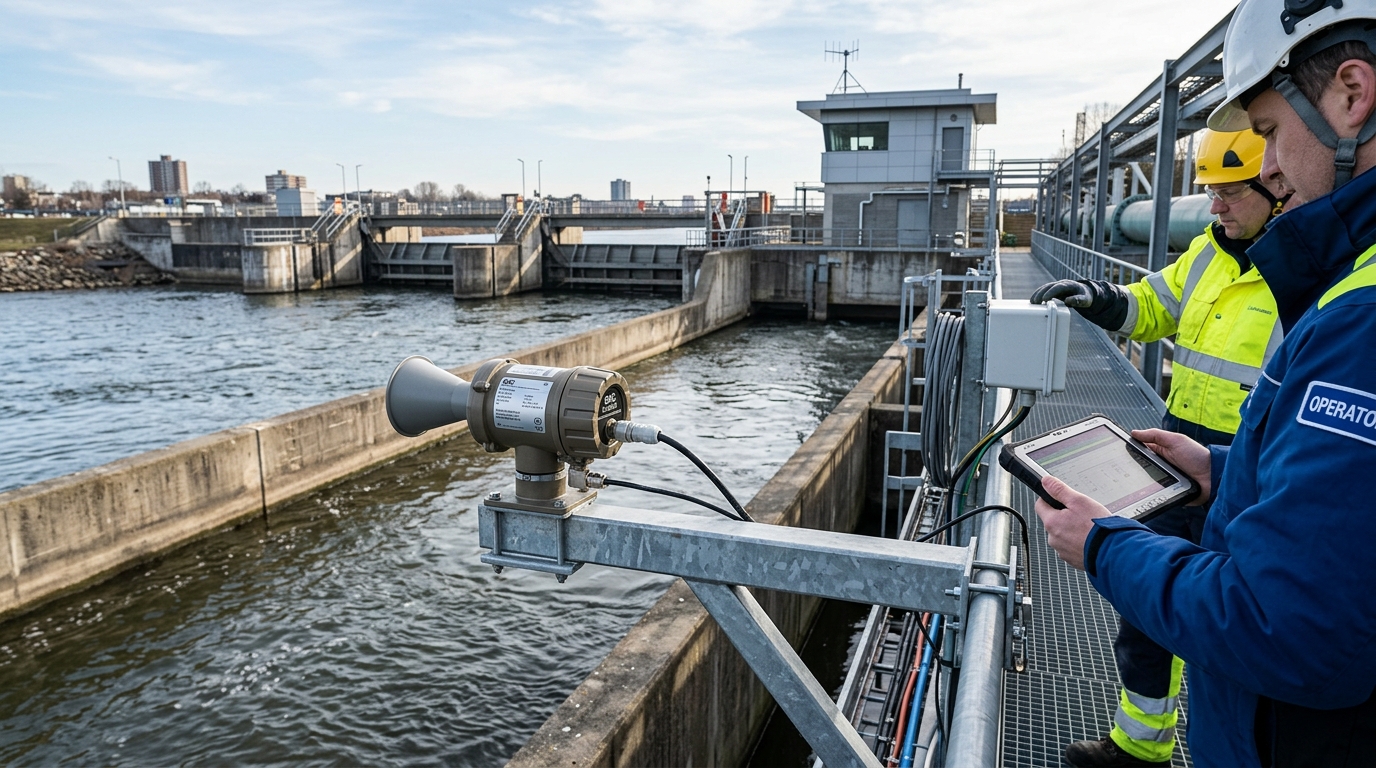
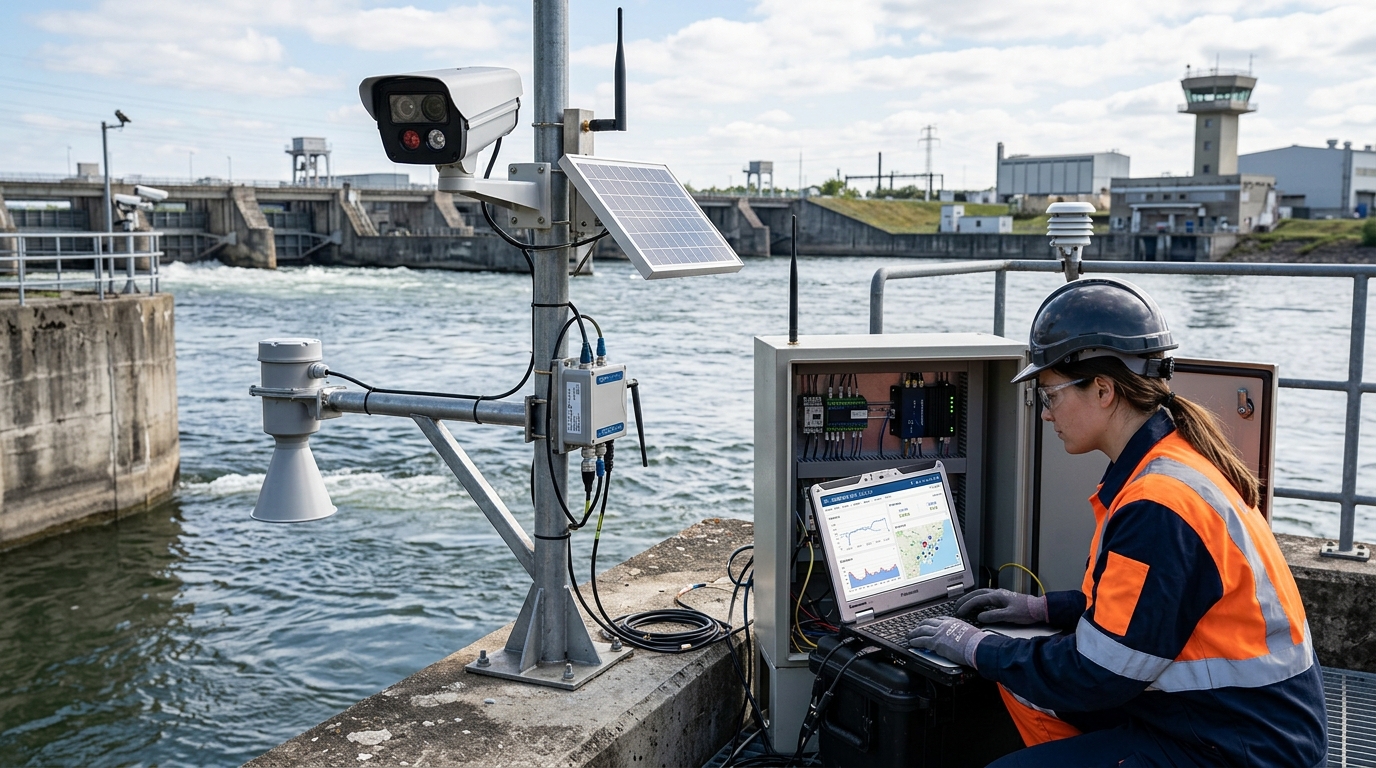
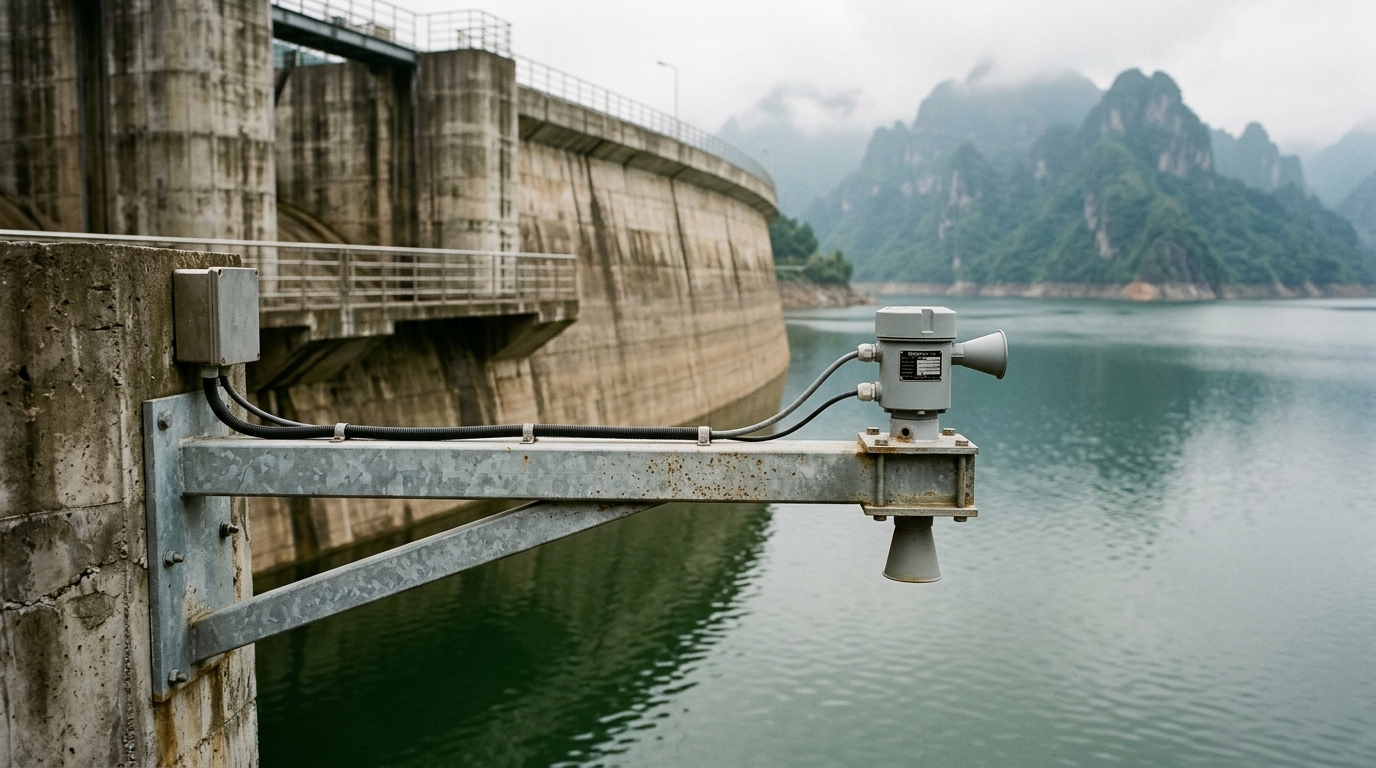
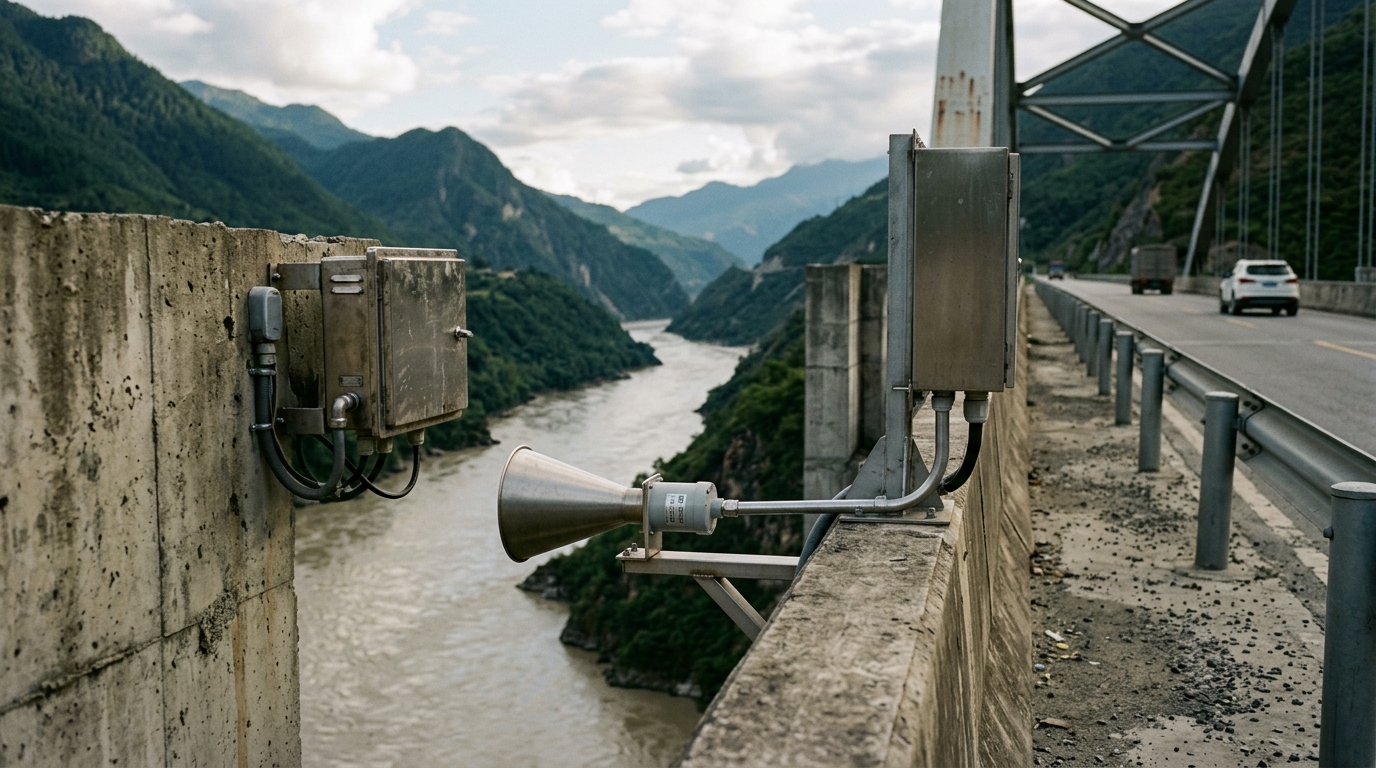
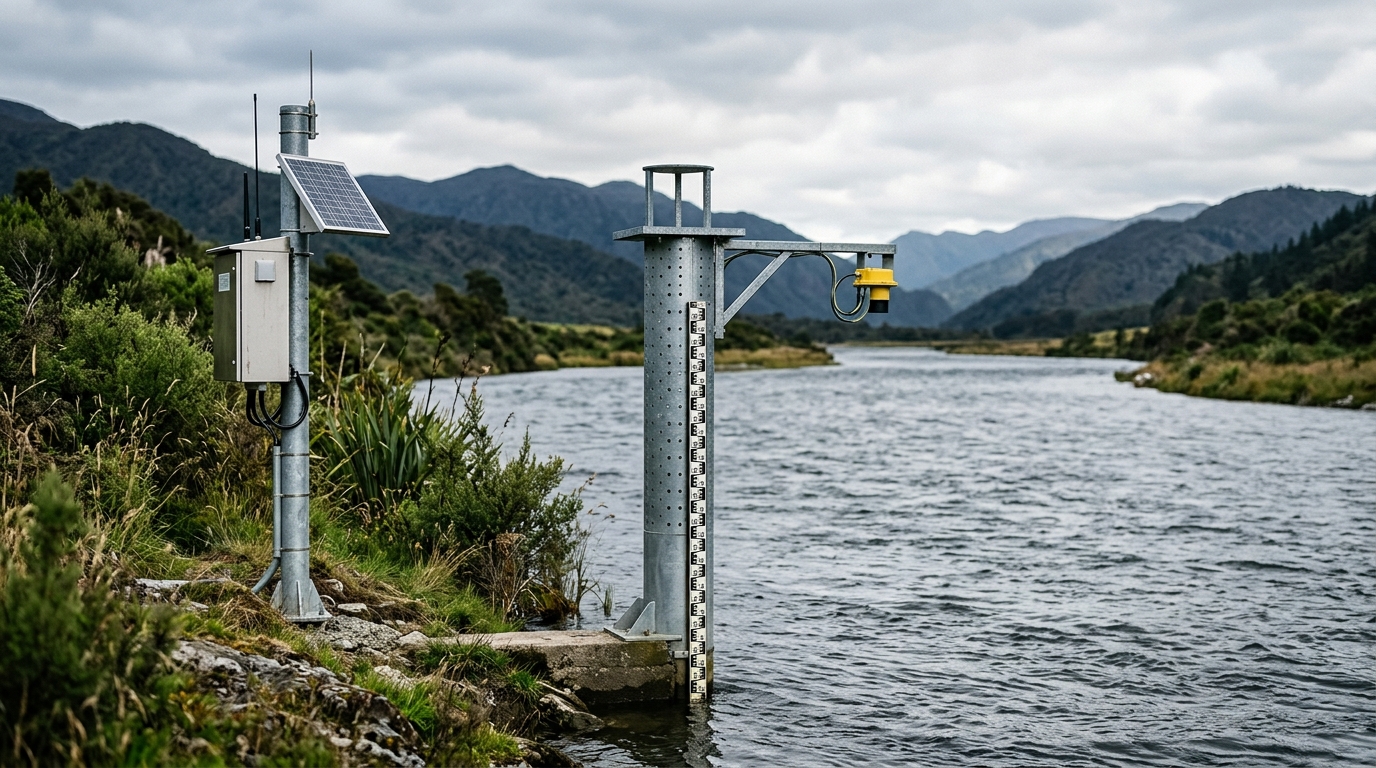
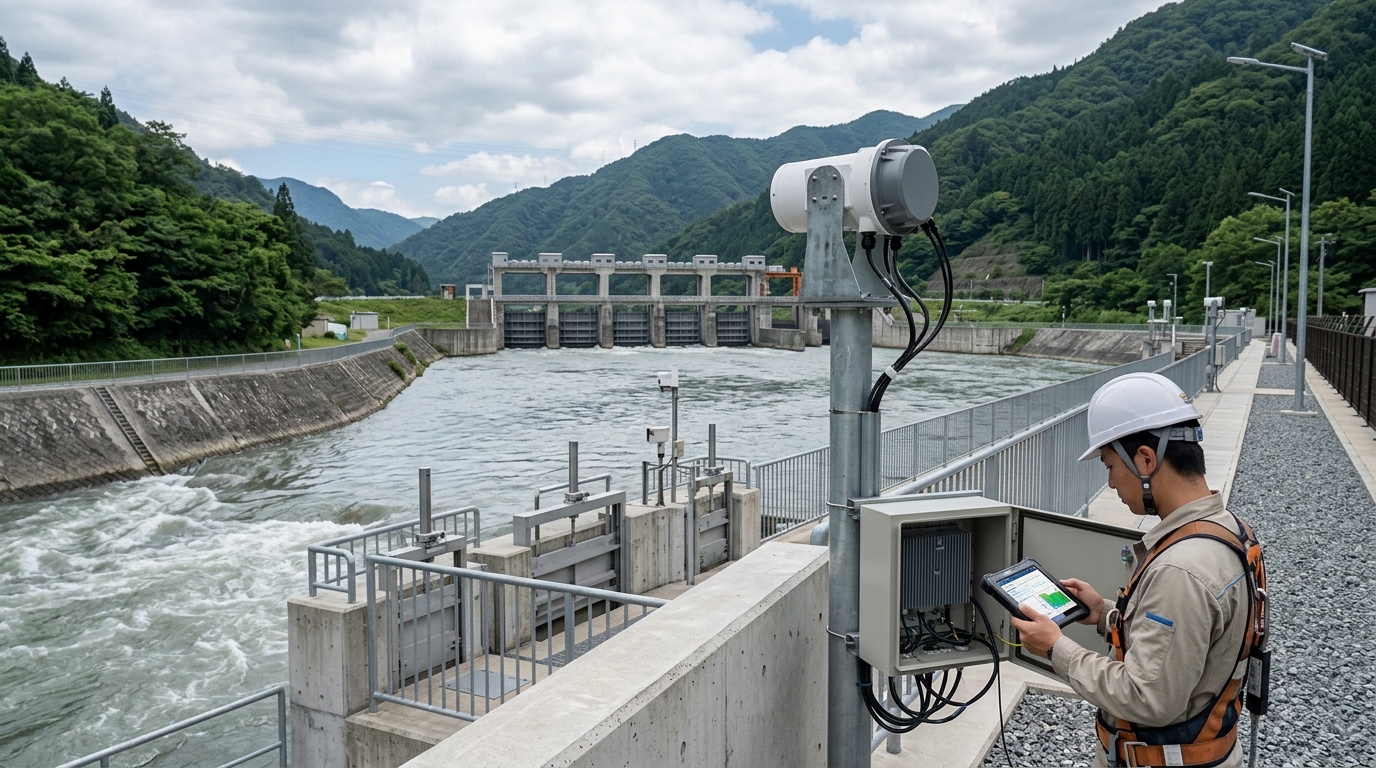
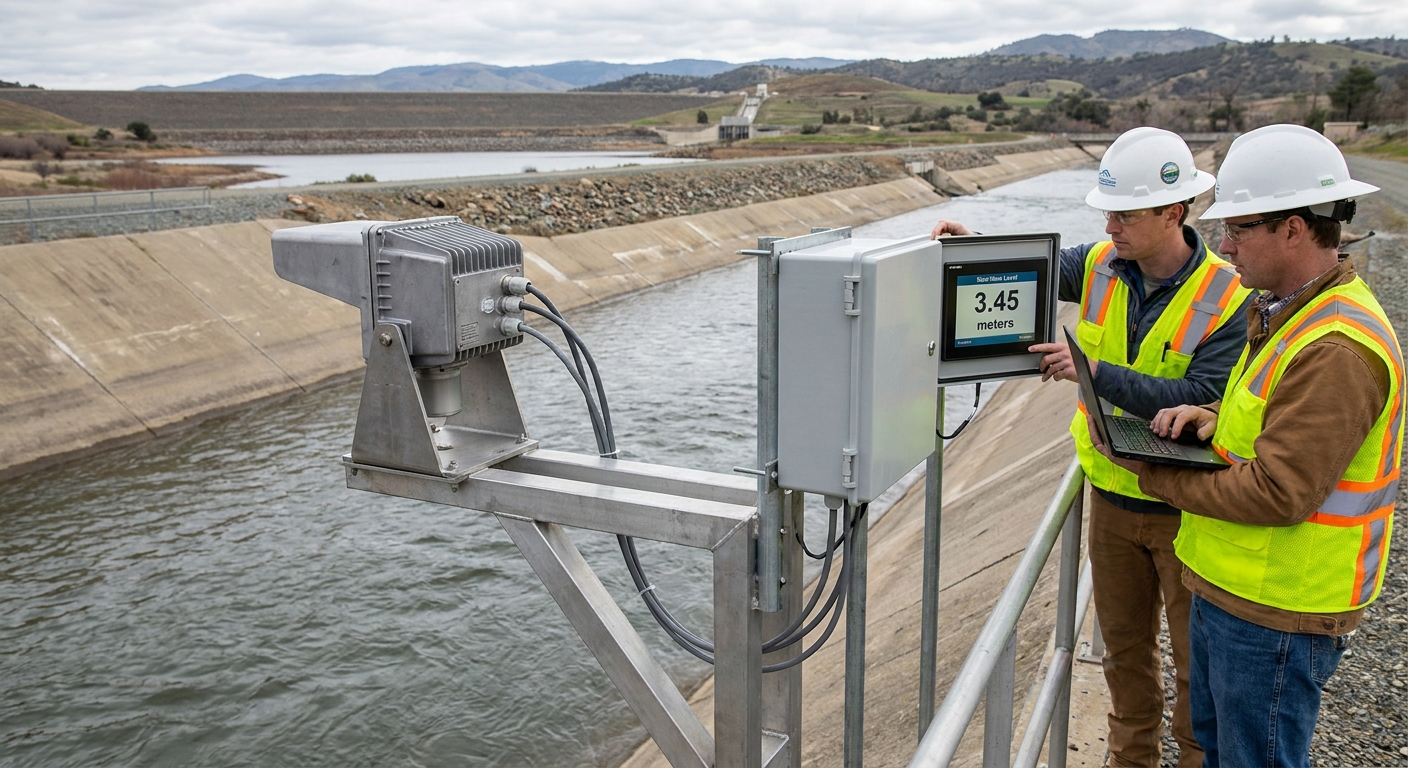
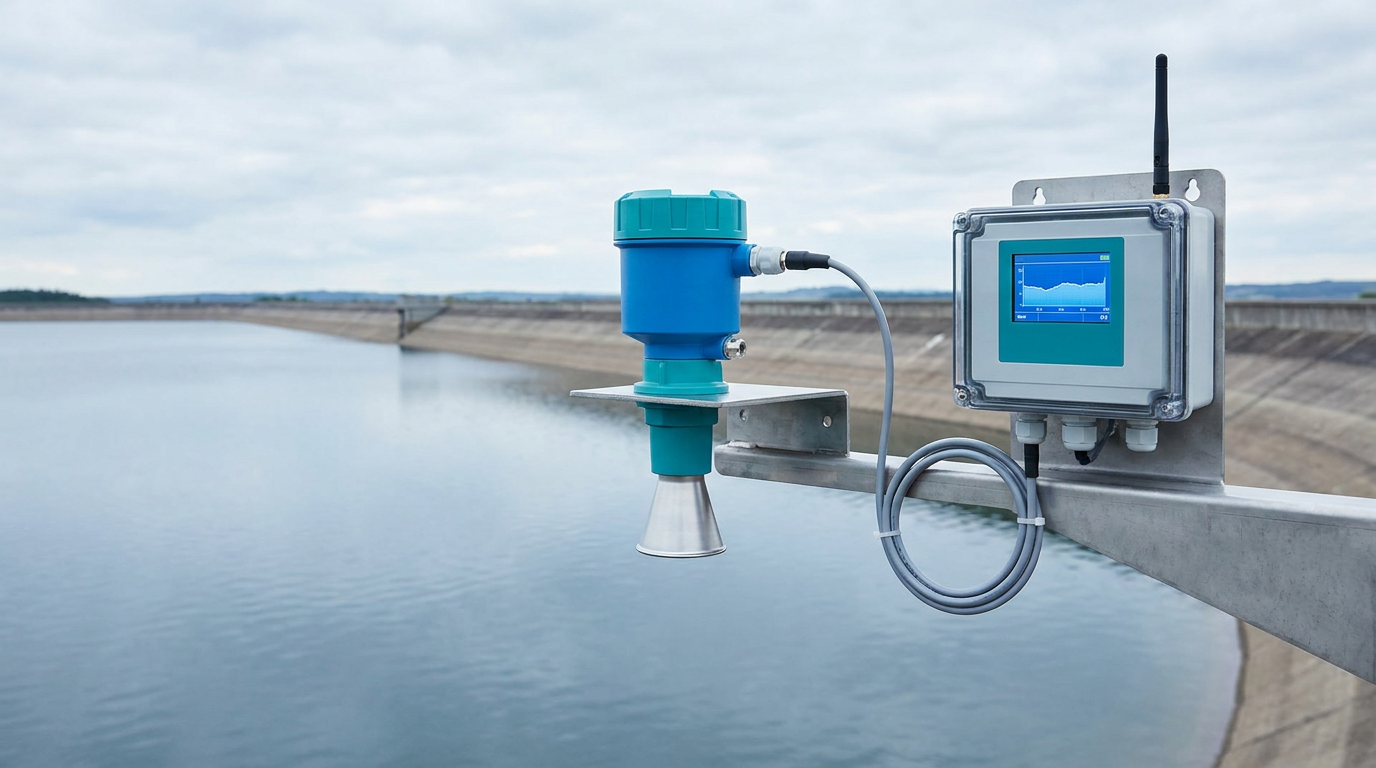
Reservoir gauge points impose unique constraints on non-contact radar level measurement: long ranges up to 80 m, wind-driven waves, high lightning exposure on dam crests, and condensation on the antenna lens. This article translates those constraints into quantitative selection criteria and a field-proven commissioning checklist for engineers and system integrators.
Comparative Review of Water Supply Network Monitoring Technology Roadmaps: Selection Reference for Pressure, Leakage Analysis, and Online Water Qualit...
I. From “Can Measure Flow” to “Verifiable, Traceable, and Maintainable”: Doppler Flow Meters Enter a Refined Stage The application of Doppler flow met...
[Ecolor Technology Industry Observation Room / In-depth Report] In the grand historical process of addressing climate change and advancing the “dual c...
Ecolor Technology Industry Insight: End-to-End Practical Operations and Technical Guide for Urban Waterlogging Early Warning Systems With the intensif...
[Ecolor Technology Industry Observation Room / In-depth Industry Report] As global climate change intensifies and urbanization continues to advance, w...
In-Depth Insights into the Smart Water Conservancy Industry: Infrastructure Reconstruction and Future Trends at the Intersection of New Materials and ...
Ecolor Technology In-Depth Industry Report: Breaking Through and Reconstructing the Digital Transformation of Large-Scale Irrigation Districts—A Panor...
Ecolor Technology Industry Observation Room / In-depth Technical Feature Introduction: The Transformation Path of Park Energy Management under the Dua...
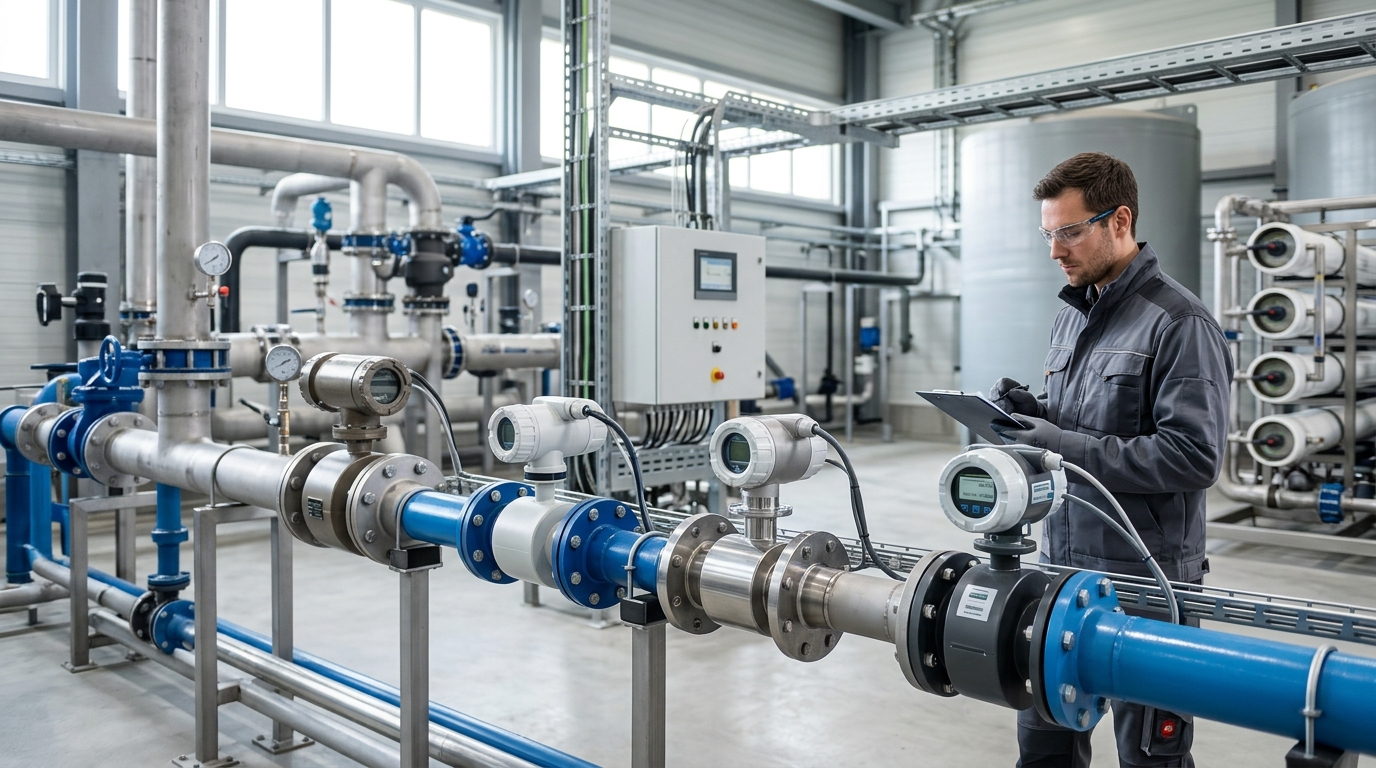
Many chemical process fluids — deionised water, organic solvents, dilute acids — have very low electrical conductivity, where conventional magnetic flow meters suffer weak signals, noise and zero drift. This article examines the signal-chain bottleneck, excitation strategies, IEC 60079 hazardous-area certification and grounding-ring installation needed to achieve reliable custody-grade accuracy.
Introduction: DMA Zoning and Metering Transforms Leakage Management from Experience-Based to Quantifiable From March 2023 to June 2025, a water supply...
Introduction: Drainage Network Monitoring Enters the Stage of Refined Flood Prevention In recent years, extreme heavy rainfall has occurred frequently...
In process industries such as municipal water management, chemical, power, metallurgy, food and beverage, and new energy materials, electromagnetic fl...
Introduction: RTU Telemetry Terminals Enter the Stage of Refined Procurement and Total Cost Evaluation Against the backdrop of continuously expanding ...
Introduction: Irrigation District Informatization Enters the Stage of "Equal Emphasis on Construction and Management, and Usable Data" Against the bac...
Introduction: Smart Water Management Enters a New Phase of "Upgrading Sensing Capabilities and Strengthening Data-Driven Abilities" In recent years, w...
Introduction: Industrial Park Energy Conservation Enters the "Refined Retrofitting" Phase, with Energy Efficiency Diagnosis as the Practical Starting ...
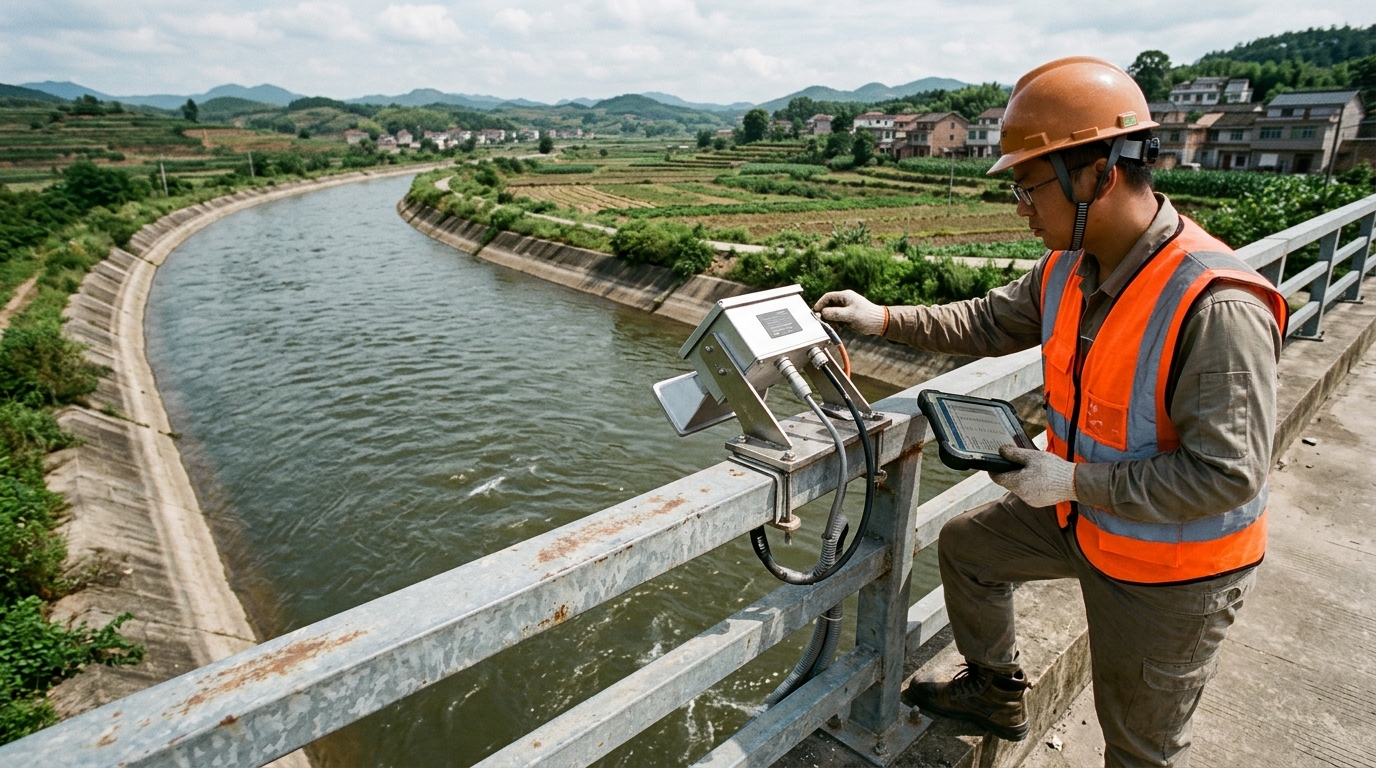
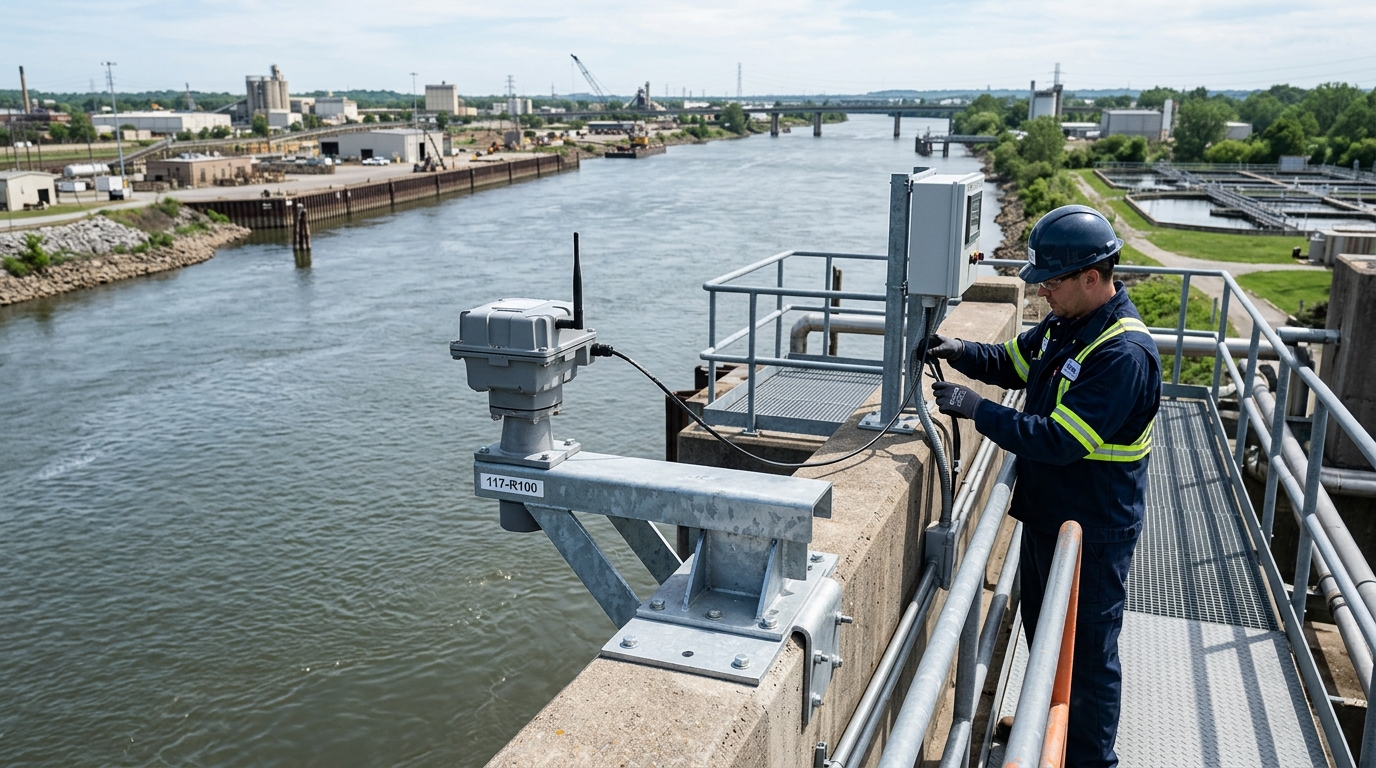
River gauging points combine turbulent water surfaces, bridge-deck vibration and high-velocity flood flows. This guide covers mounting height calculation, beam-angle selection, echo filtering and flood-season verification for non-contact radar level meters.
Introduction: Upgraded Demand for Water Level Monitoring Propels Radar Water Level Gauges into Large-Scale Deployment Against the backdrop of frequent...
Introduction: Carbon Emission Monitoring Enters the Dual-Track Phase of "Accounting + Online Monitoring" Against the backdrop of the "Dual Carbon" goa...
Introduction: Drainage Network Monitoring is Becoming the "Nerve Endings" of Urban Flood Prevention In recent years, the frequent occurrence of extrem...
Introduction: Carbon Emission Monitoring Evolves from "Annual Accounting" to "Real-Time Visibility" Against the backdrop of the "dual carbon" goals an...
Pump stations host some of the harshest electromagnetic environments in water infrastructure. This article analyzes how VFD harmonics and ground potential differences corrupt RTU telemetry, and presents a four-layer mitigation scheme covering power, signals, communications and installation.
Introduction: Online Monitoring of Drainage Networks Becomes the "Front-End Sensing Layer" for Urban Flood Prevention In recent years, the increase in...
Introduction: Park Energy Management Enters a Phase of Refinement, Decarbonization, and Assetization Against the backdrop of advancing dual-carbon goa...
Introduction: The Core of Doppler Flow Meter Operation is Transforming "Visible Signals" into "Reliable Flow Data" In scenarios such as urban drainage...
Introduction: Refined Transformation from Extensive Leak Detection to District Metering The management of leakage in urban water supply networks is sh...
Smart water projects rarely fail at the sensor — they fail at the data layer. This article gives field-proven engineering parameters across six dimensions: event-driven sampling, network-wide clock sync, drift calibration, communication protocol selection, alarm tiering and suppression, and a formal data SLA.
Introduction: Smart Water Management Advances from "Engineering Construction" to "Refined Operations" Smart water management is transitioning from iso...
Introduction: Industrial Park Energy Management Transitions from "Extensive Accounting" to "Closed-Loop Control" Under the dual pressure of the "dual ...
Open-channel flow measurement is indirect: a radar level meter reads stage, and a rating curve or standard flume converts it to discharge. This article breaks down the four dominant error sources in the chain and gives engineers practical guidance on frequency selection, ISO 1438 structures, a three-step commissioning protocol and seasonal re-rating.
Introduction: Electromagnetic Flowmeters Enter the Era of Precision Selection and Life Cycle Cost Evaluation Based on Faraday's law of electromagnetic...
I. Introduction: Low-Carbon Parks Transition from Demonstration Pilots to Systematic Implementation Driven by the "Dual Carbon" goals, the constructio...
Scaling a water sensor network from dozens to thousands of low-cost nodes changes the engineering problem: data quality, remote fault management and total cost of ownership dominate, not hardware price. This article presents a layered sensing architecture, edge-side data governance, a tiered calibration strategy and a five-year TCO model that utilities and system integrators can apply directly.
Industry Insights into Smart Water Management: From Water-Saving Irrigation to Digital Twins, Water Infrastructure Enters a Phase of Systematic Recons...
I. Introduction: From Single-Point Velocity Measurement to Multi-Parameter Integration In scenarios such as municipal drainage, irrigation district fl...
Introduction: Leakage Management Shifts from Experience-Based Repairs to Data-Driven Zoning Against the backdrop of the water supply industry shifting...
I. Introduction: The Starting Point of the Data Link at Water Conservancy Sites In scenarios such as water resources informatization, flash flood disa...
Combined sewer overflows (CSO) and urban waterlogging are the highest-frequency operational events in drainage networks. This article covers monitoring point selection, sensor configuration, communication architecture, and alert-loop optimization for cost-effective deployment at scale.
Introduction: Irrigation District Informatization Enters the Stage of Data-Driven Water Distribution Against the backdrop of continuously strengthened...
Introduction: Water Conservancy Digitalization Drives RTUs from "Data Collection Boxes" to "Field Hubs" RTU remote telemetry units are becoming critic...
Practical Guide to Irrigation District Informatization: An Engineering Management Path from Installation to O&M Against the backdrop of agricultural w...
Introduction: Engineering Practice of Water Supply Network Monitoring Transitioning from "Reactive Repair" to "Proactive Early Warning" Yicai Technolo...
Introduction: Urban Waterlogging Warning Enters the Stage of Refined Operation and Maintenance In recent years, short-duration heavy rainfall, outer r...
Introduction: From Dual Control of Energy Consumption to Dual Control of Carbon Emissions, Low-Carbon Parks Enter a Stage of Measurability, Tradabilit...
A county-level water utility in northern China reduced non-revenue water from 29% to 10.4% in 14 months through DMA zoning, minimum night flow ranking, acoustic leak detection and night-time pressure management. This article details the engineering decisions, from isolation verification to MNF correction for legitimate night use.
Introduction: Water Supply Network Monitoring Enters an Era of Refined Technology Selection The water supply network is the "lifeline" of urban operat...
Introduction: Mountainous Water Resources Monitoring Transitions from Manual Inspection to Real-Time Telemetry From April 2023 to June 2024, a smart w...
Introduction: Urban Waterlogging Warning Enters the "Installable, Commissionable, and Maintainable" Phase In recent years, short-duration heavy rainfa...
Introduction: Low-Carbon Parks Evolve from "Demonstration Projects" to "Industrial Infrastructure" Driven by the "dual carbon" goals, the green transf...
Unattended hydrological stations transfer all risk to the RTU. This article covers solar sizing for the worst irradiance month, 4G plus satellite short-message failover with store-and-forward, three-stage surge protection and grounding, and protocol-grade acceptance testing for flood-season data availability.
Introduction: Low-Carbon Parks Advance from "Single-Point Carbon Reduction" to "Systematic Operation" Low-carbon parks are transitioning from conceptu...
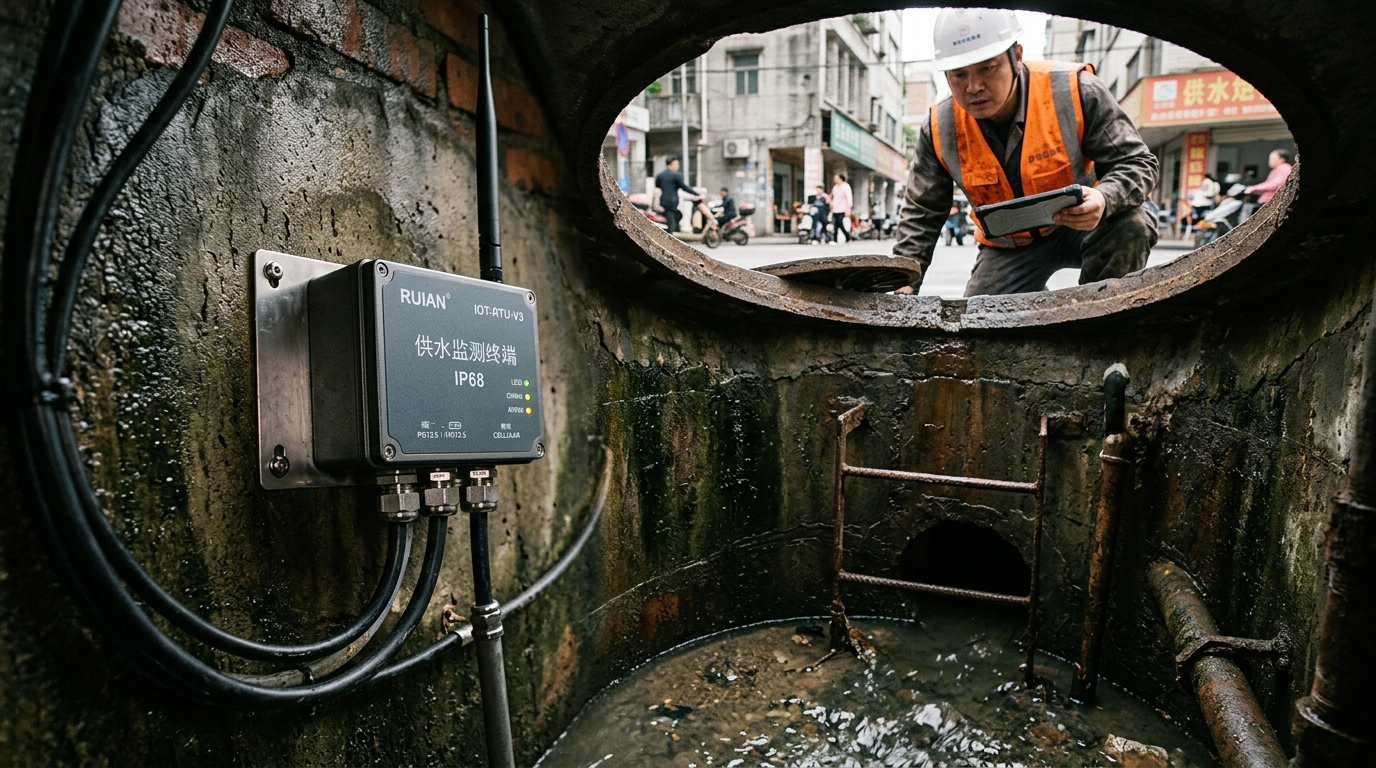
Introduction: Frequent Extreme Rainfall Pushes Urban Waterlogging Early Warning into a "Lead Time" Competition In recent years, short-duration heavy r...
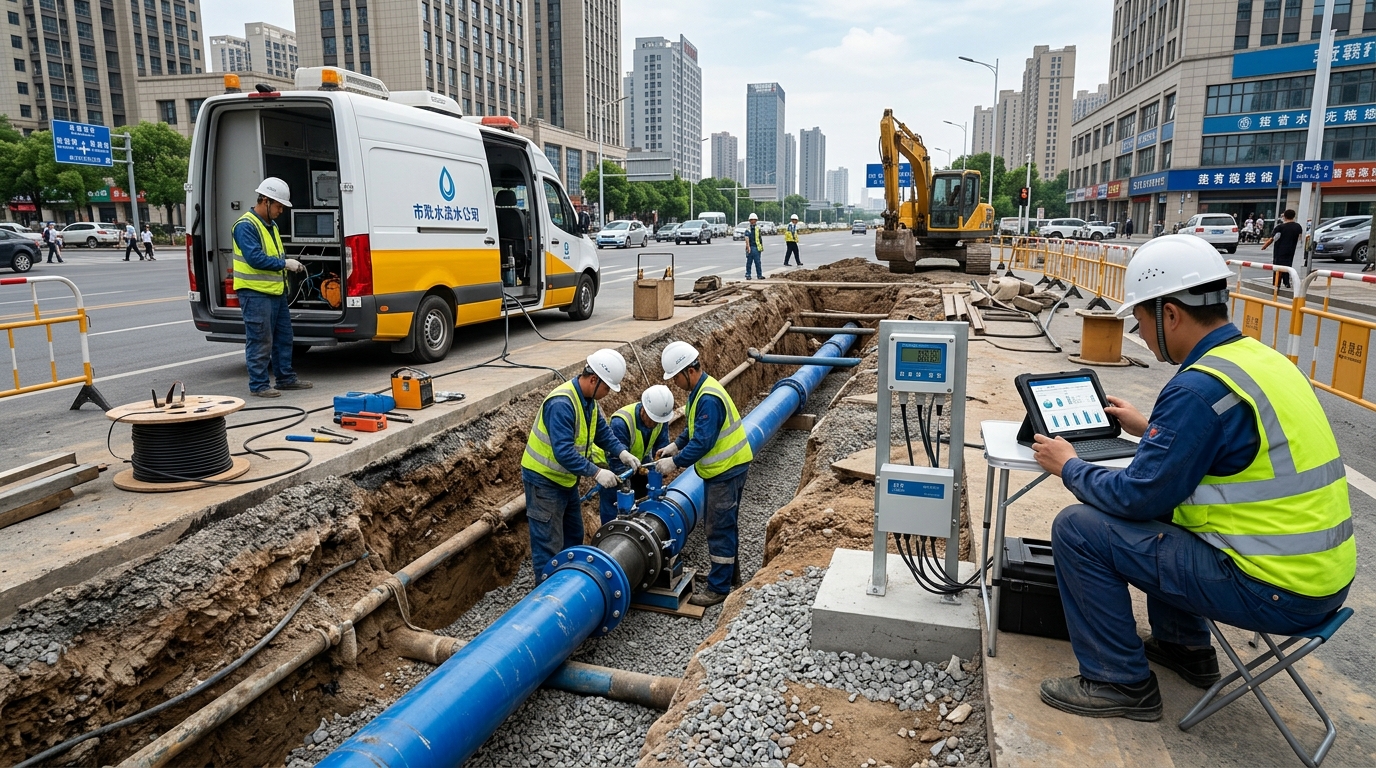
Introduction: Energy Conservation in Industrial Parks Enters a Phase of Systematization, Verifiability, and Operability Against the backdrop of contin...
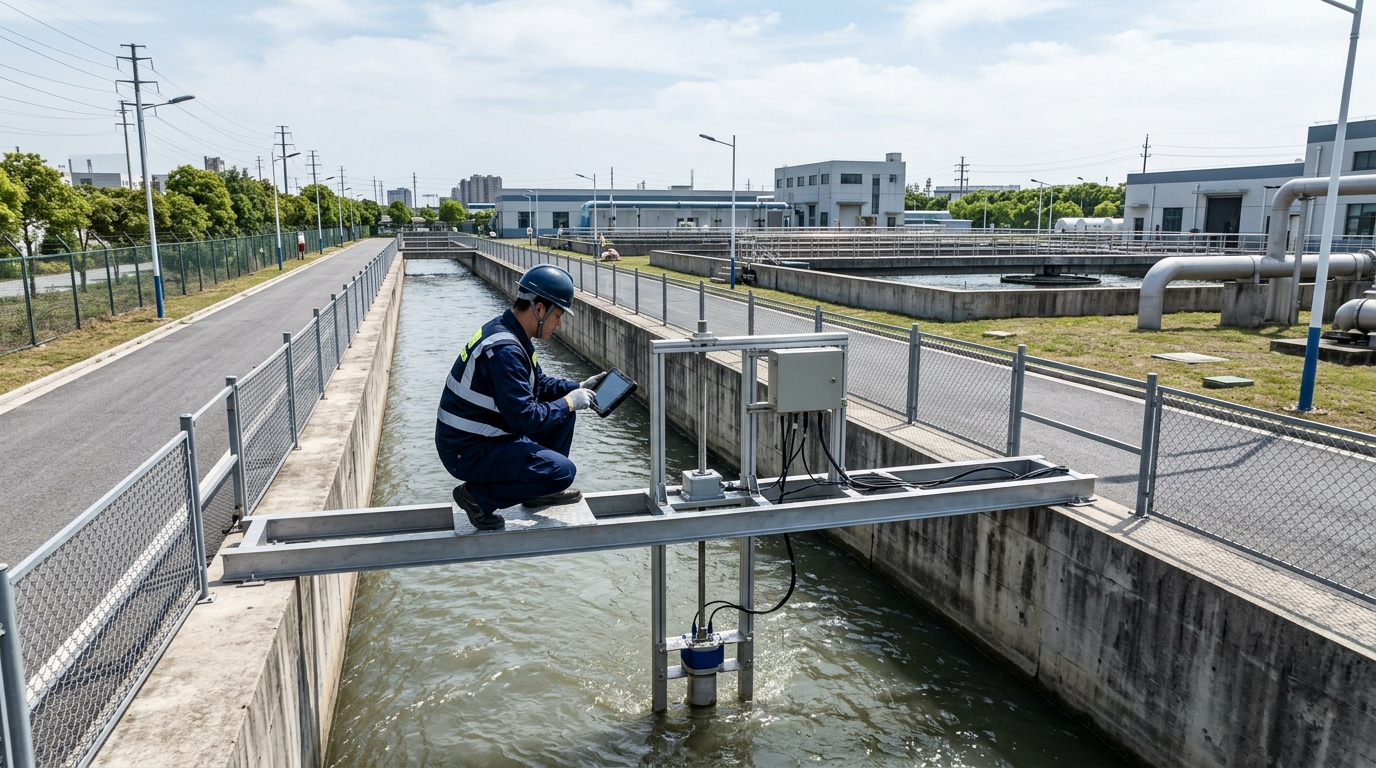
Introduction: Carbon Emission Monitoring Transitions from Annual Accounting to Online Governance Against the backdrop of accelerating the inclusion of...
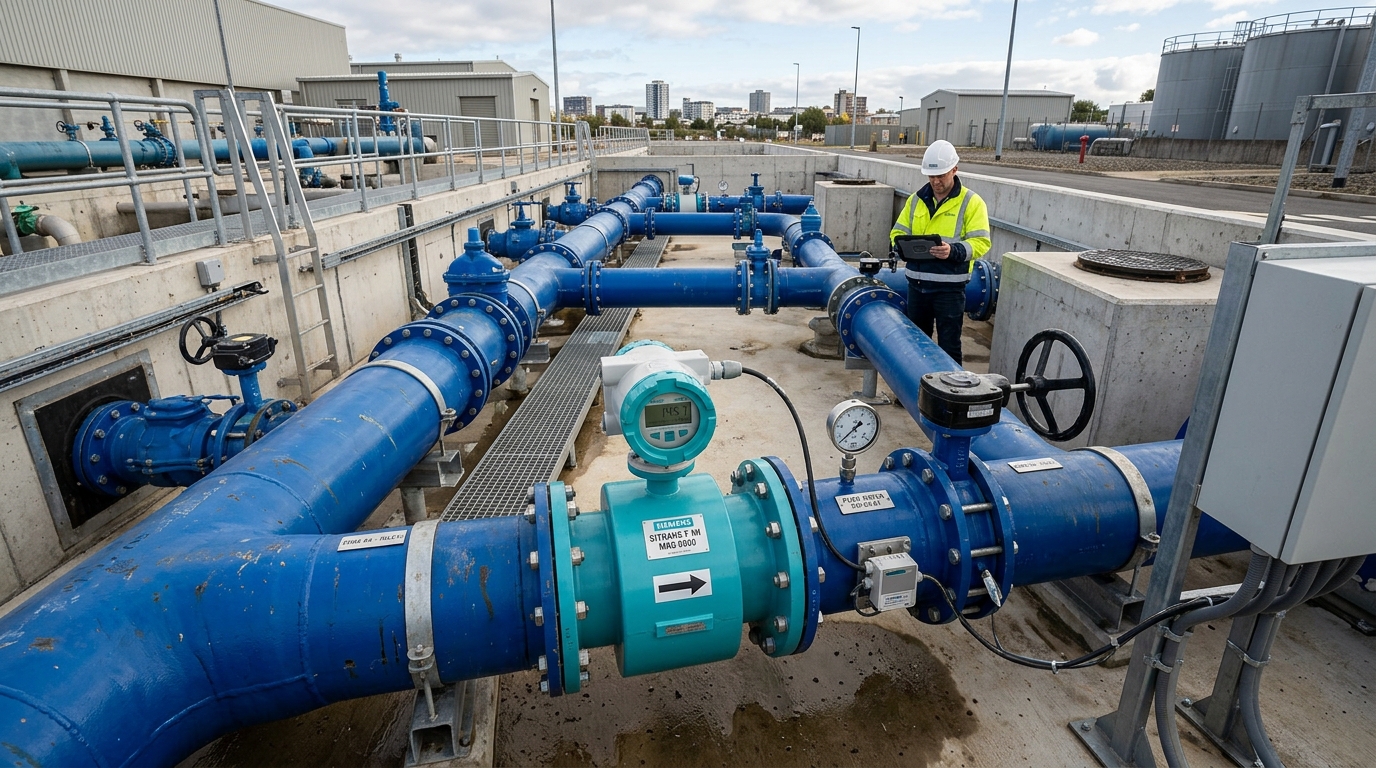
Non-contact metering is becoming the default for new urban drainage monitoring points. This article compares radar surface velocimetry and clamp-on ultrasonic transit-time metering, and presents a three-tier field verification approach: on-site coefficient calibration, volumetric cross-checks, and edge-side data QA.
I. Introduction: Under Leakage Rate Constraints, DMA District Metering Evolves from a Pilot Tool to Industry Infrastructure In recent years, leakage i...
Introduction: Smart Water Management Enters the Critical Stage of Transitioning from "Seeing" to "Predicting" The convergence of water scarcity and ex...
Introduction: From "Seeing Water Conditions" to "Foreseeing Risks": Smart Water Conservancy Enters the Stage of Precision Sensing In recent years, the...
Introduction: Electromagnetic Flowmeter Selection Shifts from "Measurability" to "Condition Adaptability" In scenarios such as municipal water supply,...
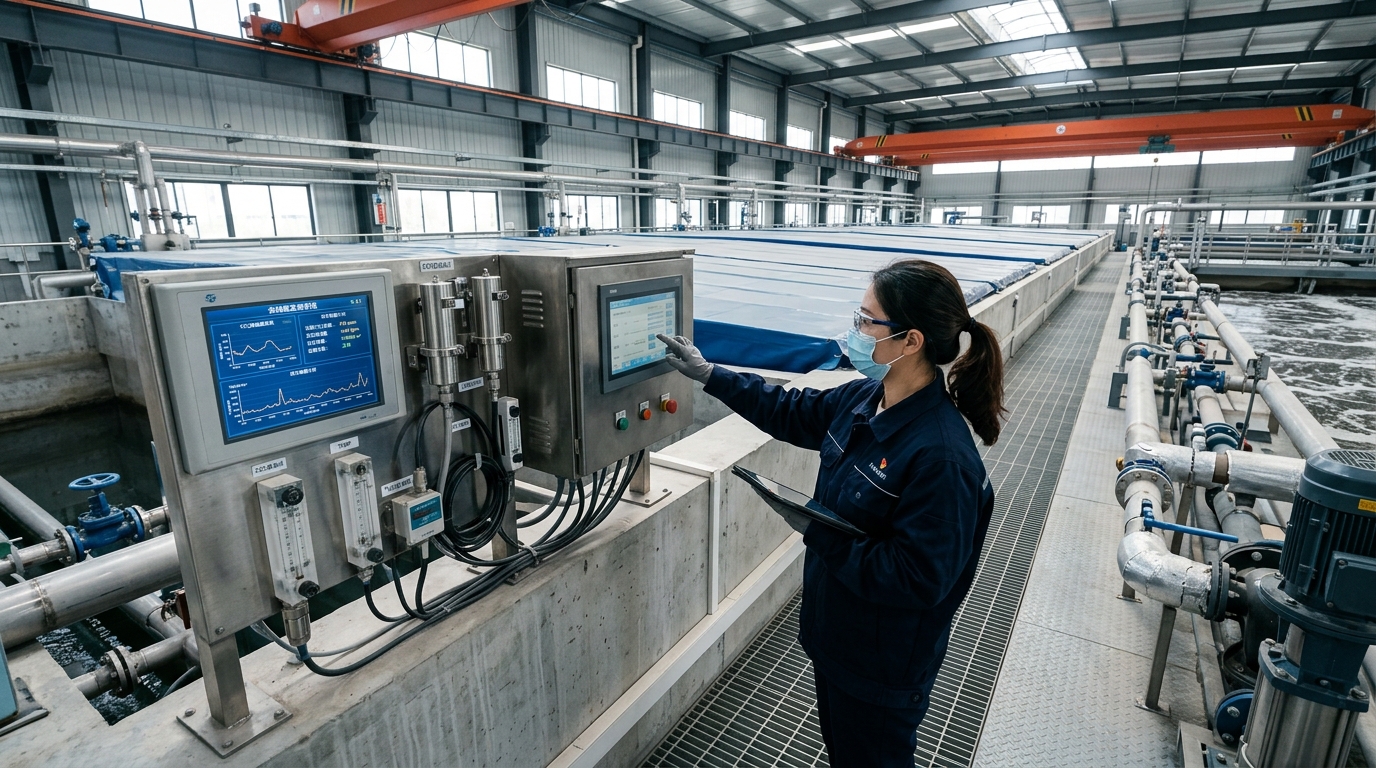
Wastewater treatment plants impose some of the toughest duties on magnetic flowmeters: diurnal load swings of 3:1 to 5:1, low-conductivity influent and partially filled pipework. This article covers turndown ratio and dual-frequency excitation selection, empty-pipe detection strategies, VFD interference mitigation and field verification practices for long-term ±0.5% accuracy.
Introduction: The Electromagnetic Flowmeter Market Shifts from Scale Expansion to Application Adaptation In process industries such as municipal water...
Introduction: Water Supply Network Monitoring Enters the Stage of Refined Operation and Maintenance In urban water supply systems, the pipeline networ...
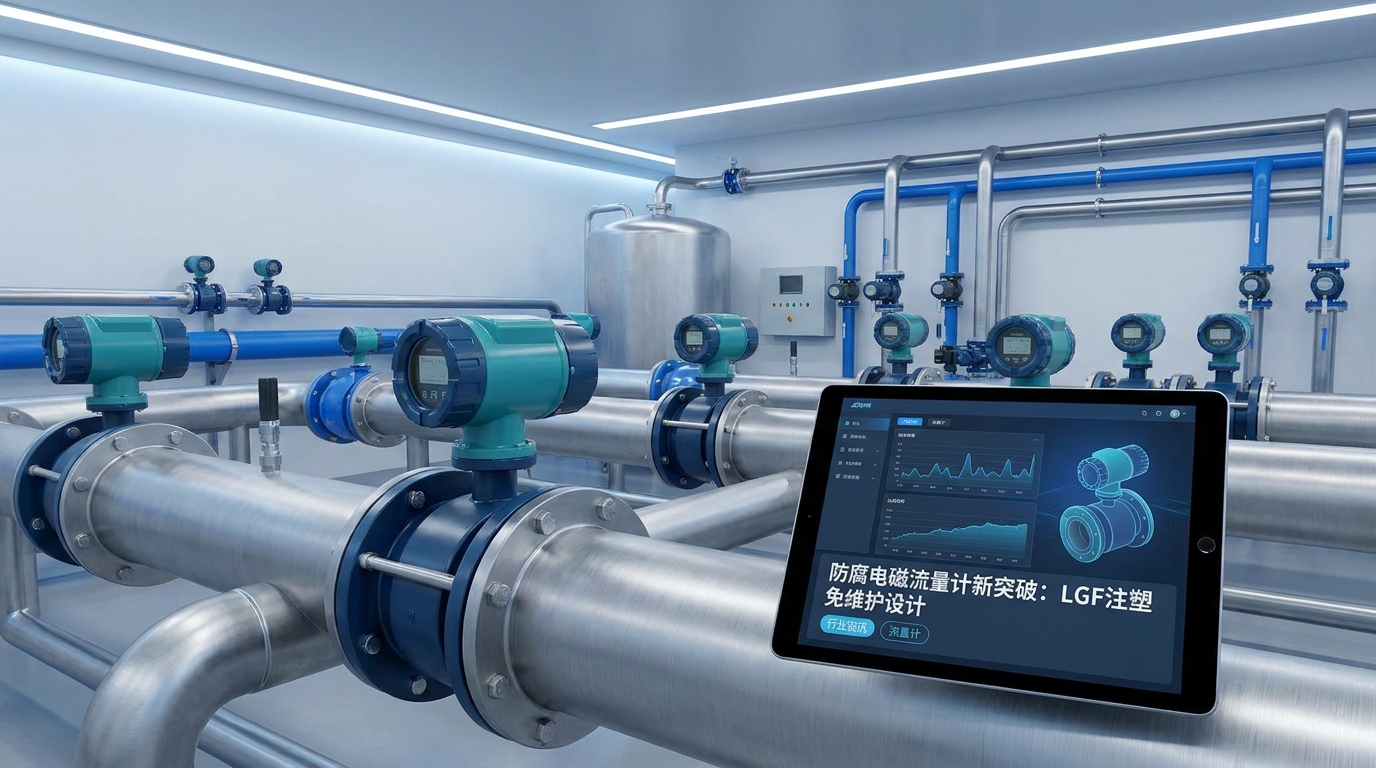
Introduction: DN50, Anti-Corrosion, and Injection-Molded Integrated Designs are Reshaping Technical Discussions on Electromagnetic Flowmeters In indus...
I. Introduction: Drainage Network Monitoring Evolves from "Visibility" to "Precision" In the operation and management of urban drainage systems, drain...
Sewer manholes combine confined geometry, near-saturation humidity and corrosive gases — the toughest duty for non-contact level measurement. This guide covers 80 GHz vs 26 GHz frequency selection, installation rules, anti-condensation design and false-echo suppression for reliable sewer flow monitoring.
Introduction: Irrigation District Digitalization Moving from "Visibility" to "Precision" Against the backdrop of agricultural water consumption accoun...
Introduction: Practical Guide for DN50 Electromagnetic Flowmeters in Anti-Corrosion Applications Electromagnetic flowmeters operate based on Faraday's...
Publishing Organization: Ecolor Technology Industry Research Center Chief Editor: Ecolor Technology News Editorial Department Core Introduction: Again...
Introduction: Technological Innovation in Industrial Measurement and Ecolor Technology's Engineering Practice In the fields of modern industrial autom...
Whether a smart water monitoring system keeps delivering value depends on quantified acceptance metrics and a sustainable operations budget. This article examines five key technical points — turndown ratio, communication availability, data-quality closed loop, alarm management and O&M budgeting — with acceptance criteria ready for tender documents.
Introduction: Divergence of Technical Routes for DN50 Anti-Corrosion Metering In scenarios such as chemical processing, pharmaceuticals, municipal was...
Introduction: Urban Pipeline Networks Enter the Era of Existing Assets with Leakage Management at the Core Urban pipeline networks are typical conceal...
Introduction: Non-Contact Doppler Flowmeters Enter Refined Monitoring Scenarios for Urban Drainage Main Canals From March to November 2025, an applica...
Introduction: RTU Telemetry Terminals Enter the Full Lifecycle Procurement Phase RTU telemetry terminals are the core on-site equipment in scenarios s...
Introduction: An Engineering Sample of a DN50 Anti-Corrosion Electromagnetic Flowmeter In the water systems of industries such as chemical, pharmaceut...
Introduction: Practical Guide for RTU Telemetry Terminals: Enhancing the Reliability of Water Data Collection and Remote Transmission In scenarios suc...
Irrigation headworks face 1:20 flow ranges, heavy sediment loads, and water-rights accountability. This guide covers size/rangeability, abrasion-resistant liner and electrode selection, straight-run and grounding rules, and low-power solar supply with dual-channel RTU uplink.
Introduction: Drainage Network Monitoring Becomes the "Front-End Sensor" for Urban Flood Prevention Against the backdrop of frequent extreme rainfall,...
I. Introduction: Smart Water Management Enters a New Phase of "Data-Driven and Basin-Coordinated" Development Currently, the water conservancy sector ...
Introduction: In the Era of Non-Contact Measurement, the Installation, Commissioning, and Maintenance of Doppler Flowmeters Determine Data Quality In ...
Yicai Technology Industry Observation: Urban Pipeline Networks Enter a Critical Window for Drainage, Waterlogging Prevention, and Smart Upgrades Intro...
Reservoir level monitoring must cope with open-fetch wind waves, deep drawdown ranges and lightning-prone dam-crest sites. This guide covers range grading, 26 GHz vs 80 GHz frequency selection, dam-face mounting geometry, surge protection, power budgeting and dual-channel redundancy for radar level transmitters in reservoir service.
Introduction: Electromagnetic Flowmeter Market Enters the Stage of Operating-Condition Adaptation and Life-Cycle Cost Evaluation In process industries...
I. Introduction: Informatization Practice in Irrigation Districts from "Experience-Based Water Release" to "Data-Driven Water Allocation" In a large Y...
Introduction | Carbon Emission Monitoring Enters the Dual-Track Stage of "Accounting + Monitoring" As the goals of carbon peaking and carbon neutralit...
Introduction: Urban Waterlogging Early Warning Shifts from "Passive Response" to "Proactive Defense" In recent years, the frequent occurrence of extre...
From DMA inlet metering to transmission mains, this article examines the error behaviour of electromagnetic flowmeters at low velocity, the root causes of zero drift, and practical field verification strategies that respect short shutdown windows.
Introduction: Carbon Emission Monitoring Transitions from "Annual Ledgers" to "Real-Time Closed-Loop" Driven by the dual imperatives of the "Dual Carb...
Introduction: Water Level Monitoring Transitions from Manual Readings to Real-Time 80G Radar Sensing Driven by river channel management, safe reservoi...
Introduction: Smart Water Management Advances from "Visible" to "Accurately Calculated and Effectively Prevented" In recent years, the frequent occurr...
Introduction: Carbon Emission Monitoring Enters the Integrated Stage of "Measurement - Accounting - Management" Against the backdrop of the "Dual Carb...
Introduction: Doppler Flowmeters Enter the Stage of Scenario-Based and Life-Cycle Selection In recent years, demands for urban drainage and flood prev...
Introduction: Smart Water Conservancy Advances from "Visualization" to "Computability, Predictability, and Maintainability" Smart water conservancy is...
Dense sensing coverage, not individual instruments, is what turns isolated measurements into operational intelligence. This article compares NB-IoT, LoRa and LTE Cat.1 for water utility sensor networks, walks through a real power-budget calculation for battery-only level monitoring points, and provides deployment rules for achieving 3+ year service intervals.
Introduction: Industrial Park Energy Conservation Enters the "System Energy Efficiency" Competition Stage Against the backdrop of industrial green tra...
Introduction: Smart Water Management Evolves from "Visible" to "Accurately Calculated and Effectively Managed" Smart water management is transitioning...
Introduction: Industrial Park Energy Conservation Enters the "Measurable, Verifiable, and Maintainable" Phase Against the backdrop of industrial green...
Introduction: RTU Telemetry Terminals Evolve from "Data Transmission" to "Scenario Adaptation" In scenarios such as water conservancy, hydrology, irri...
Sewer networks remain one of the least instrumented urban assets. This article analyzes the power, communications, sensing and O&M barriers of manhole monitoring, and proposes a three-tier architecture combining radar level sensing with battery-powered IoT RTUs.
Introduction: Urban Pipe Networks Enter a New Cycle of "Refinement, Digitalization, and Resilience" Over the past decade, China has rapidly advanced t...
Introduction: Industrial Park Energy Conservation Shifts from Equipment Upgrades to Systematic Energy Efficiency Operations In the context of fluctuat...
Introduction: Shifting Urban Waterlogging Early Warning from Post-Disaster Response to Pre-Disaster Assessment In recent years, the superposition of s...
Introduction: Urban Pipeline Networks Enter a Turning Point from "Ensuring Supply" to "Precision Control" Urban water supply, drainage, gas, and heati...
Corrosive chemical duty — hydrochloric acid, caustic soda, hypochlorite, ferric chloride — places severe demands on magmeter liner and electrode materials. This article presents a practical selection matrix, installation and grounding rules per IEC practice, and how IoT RTU telemetry turns built-in diagnostics into early-warning monitoring.
Introduction: RTU Telemetry Terminals Enter a Rational Selection Phase Centered on Stability and Total Cost Against the backdrop of the continuous adv...
Introduction: From Measurement Accuracy to System Adaptability Electromagnetic flowmeters operate based on Faraday's law of electromagnetic induction ...
Introduction: Energy Efficiency in Industrial Parks Enters the Closed-Loop Phase of "Diagnostics, Retrofitting, O&M, and Verification" Against the bac...
Introduction: Doppler Flowmeters Enter a Phase of Equal Emphasis on Refinement and Scenario-Specific Adaptation Against the backdrop of expanding appl...
Yicai Technology Observation: Urban Pipe Networks Enter a New Stage of Collaborative Governance in Drainage, Liquid Level, Flow Rate, and Waterlogging...
Introduction: Practices in Water Supply Network Management from Passive Repair to Proactive Monitoring From January 2024 to June 2025, a prefecture-le...
A county-level city reduced water losses from 34% to 11% in 24 months using a three-tier DMA architecture, hybrid electromagnetic/ultrasonic metering, minimum night flow (MNF) analysis and stepped leak detection. This article details district boundary closure, meter selection per ISO 4064/OIML R49, and cost-effective high-density sensor deployment.
Introduction: Urban Waterlogging Warning Enters the Stage of Multi-Source Sensing and Model Collaboration In recent years, the frequent occurrence of ...
Introduction: Carbon Emission Monitoring Enters a Phase of Equal Emphasis on Data Quality and Cost Efficiency Against the backdrop of the continuous a...
Introduction: Electromagnetic Flowmeters Enter the Stage of "Technology Selection Based on Process Conditions" In industrial scenarios such as municip...
Introduction: DMA District Metering as the "First Dashboard" for Pipe Network Leakage Management Against the backdrop of urban water supply systems tr...
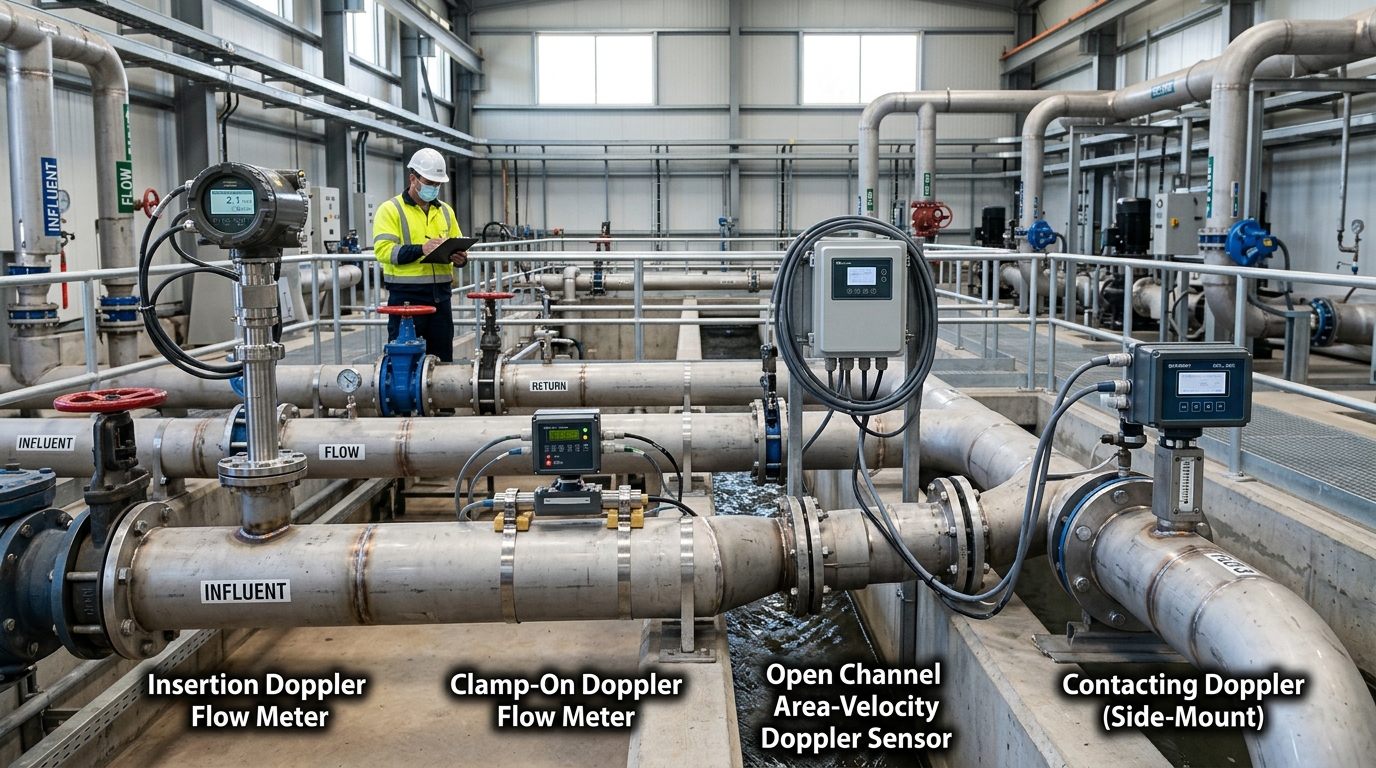
Sewer flow monitoring is shifting from submersible Doppler sensors to non-contact radar surface velocimetry. This article covers the area-velocity method built on 24 GHz Doppler surface velocity and 80 GHz FMCW level measurement, on-site calibration of surface-to-mean velocity coefficients, and practical guidance for installation, commissioning and IoT RTU telemetry.
Introduction: Water Conservancy Telemetry Terminals Advancing from "Data Acquisition" to "Accurate Transmission and Fast Computation" In the managemen...
Introduction: Non-Contact High-Precision Water Level Monitoring Enters the Stage of Refined Selection In recent years, scenarios such as hydrological ...
I. Introduction: Electromagnetic Flowmeters Enter the Stage of Refined Selection and Total Cost of Ownership Evaluation Based on Faraday's law of elec...
Introduction: Urban Pipeline Networks Enter a Phase of Equal Focus on "Safety Resilience" and "Refined Operations" Over the past decade, the focus of ...
Flood-season river stage monitoring demands fast response plus robust rejection of waves and floating debris. This guide compares 26 GHz vs 80 GHz radar, and details mounting geometry, false-echo mapping, echo-quality QC and solar-powered RTU telemetry design for reliable river deployments.
Introduction: From "Installation" to "Stable Operation": Practical RTU Competence Becomes Key to Water Monitoring In scenarios such as water conservan...
Introduction: Amid Frequent Extreme Rainfall, Urban Waterlogging Early Warning Shifts from "Detecting Ponding" to "Proactive Forecasting" In recent ye...
Introduction: From "Engineering-Based Water Management" to "Data-Driven Water Management," Smart Water Management Enters the Phase of Large-Scale Impl...
Introduction: From "Observing Ponding" to "Predicting Risks" During the 2024 flood season, the central urban area of a sub-provincial city on the east...
Engineering Practice of Yicai Technology's Non-Contact Doppler Flow Meter in Urban Drainage Trunk Monitoring Yicai Technology News: Against the backdr...
Comparison of DMA Metering Technology Routes: Pros, Cons, and Selection Recommendations for Different Schemes As urban water supply network leakage ma...
Pump stations are the power hubs of urban water lifelines, yet bearing wear, impeller cavitation and seal leaks evolve silently and are easily missed by periodic inspections. Drawing on multiple unattended-retrofit projects, this article summarizes RTU-based data acquisition across four dimensions — electrical, vibration/temperature, process and environmental — and provides deployment guidance for moving from reactive repair to predictive maintenance.
Comparison of Technical Routes for District Metered Area Metering: Selection Insights for Pipe Network Leakage Control As urban water supply systems e...
Practical Guide to Irrigation District Informatization: Key Points for Installation, Commissioning, and O&M The informatization of irrigation district...
Comparison of RTU Telemetry Terminal Technology Routes: Observations on Water Management Selection from Data Acquisition to Remote Transmission As the...
Practical Guide for Urban Waterlogging Warning Systems: Installation, Commissioning, O&M, and Troubleshooting With the increase in heavy rainfall duri...
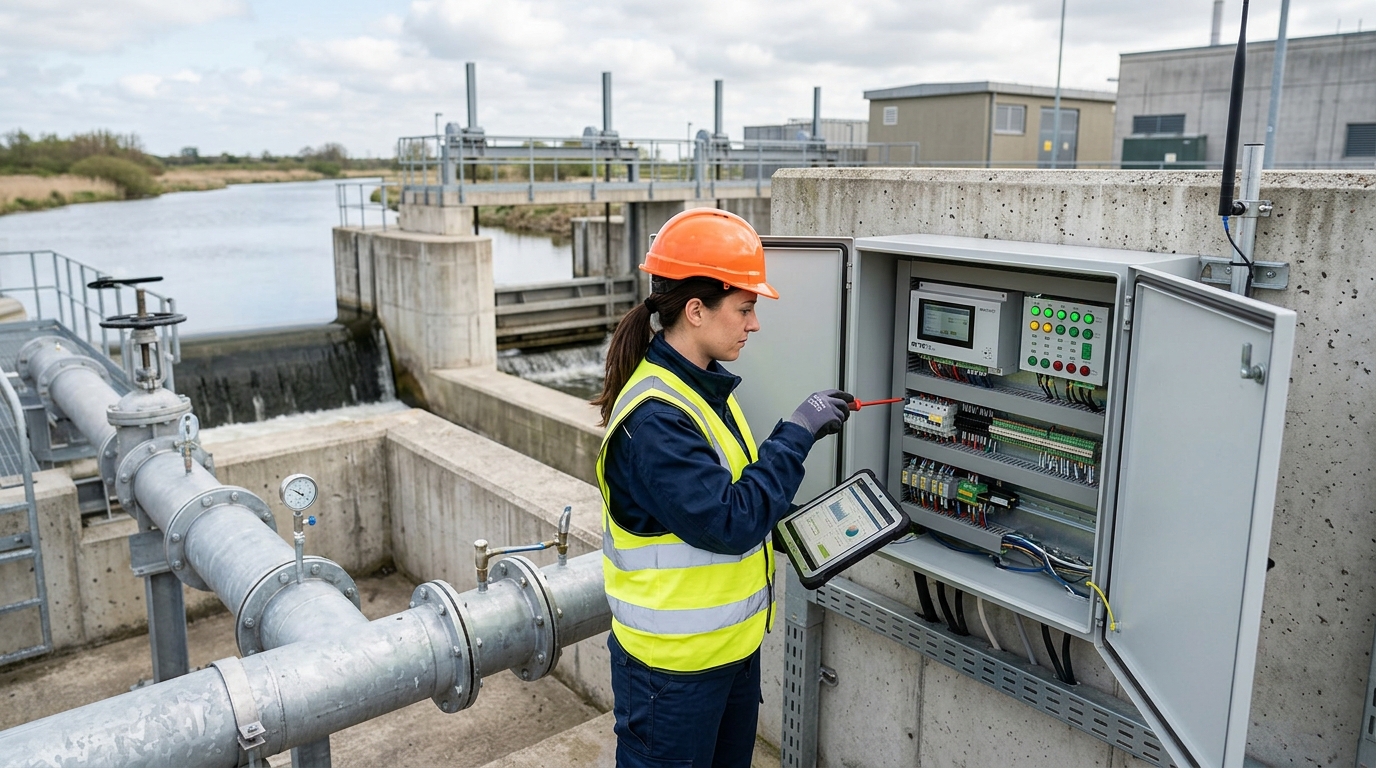
Telemetry RTUs are the backbone of urban water network sensing, yet field deployments routinely fail on power, radio coverage, and protocol mismatches. This guide covers low-power selection criteria, energy budgeting, NB-IoT vs. Cat.1 vs. LoRa trade-offs, and MQTT/Modbus integration practices, with acceptance test thresholds engineers can apply directly.
Practical Guide for Doppler Flow Meters: Installation, Commissioning, Maintenance, and Troubleshooting Recently, Yicai Technology has compiled a pract...
Market Analysis of Drainage Network Monitoring: Price Ranges, Procurement Logic, and Observations on Long-Term O&M Costs As urban renewal, sponge city...
Smart Water Conservancy Enters the Phase of Refined Implementation: Market Trends, Technological Evolution, and Policy Variables In recent years, the ...
Practical Guide for RTU Telemetry Terminals: Water Management Monitoring Applications Using the Hero V9 as an Example Yicai Technology has learned tha...
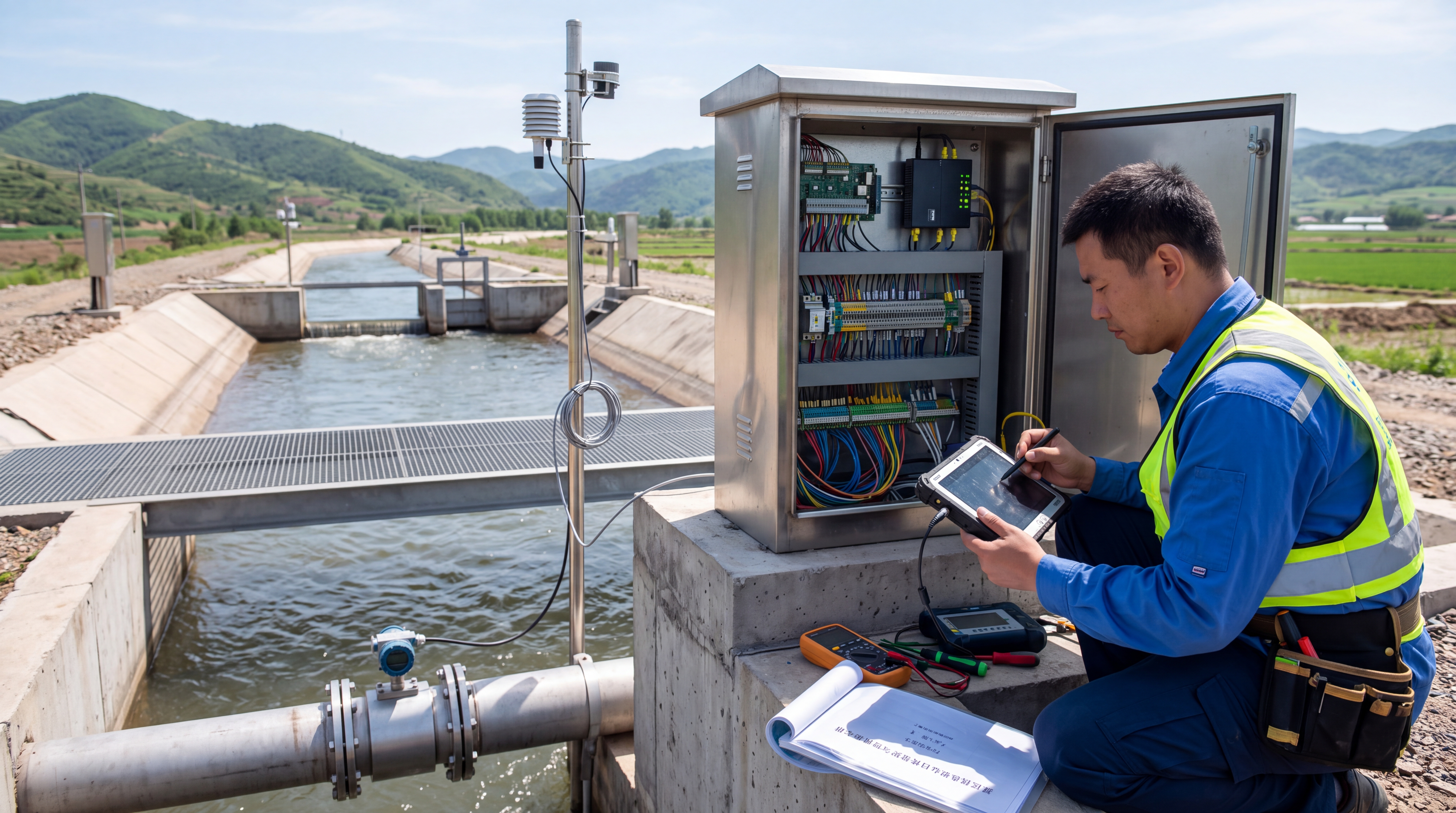
Irrigation districts combine dispersed measurement points, absent grid power, and large maintenance radii — the toughest environment for water telemetry. This guide covers RTU selection criteria, solar power sizing, hybrid 4G/LoRa/satellite communications design, lightning protection, and commissioning procedures for reliable irrigation district monitoring.
Low-Carbon Parks Enter the Stage of Refined Operation: From Point-Specific Energy Saving to Systematic Carbon Reduction Driven by the "Dual Carbon" go...
Practical Guide for Irrigation District Informatization: Installation, Commissioning, Maintenance, and Troubleshooting With the advancement of agricul...
Comparison of Technical Routes for Drainage Network Monitoring: Observations on Equipment Selection for Liquid Level, Flow Rate, and Waterlogging Prev...
Water Supply Network Monitoring Market Analysis: Synergistic Advancement of Leakage Control, Pressure Monitoring, and Water Quality Management As urba...
Carbon emission monitoring is shifting from "statistical accounting" towards "granular, real-time, and verifiable" practices.
Analysis of the Urban Waterlogging Warning Market: Shifting from Equipment Procurement to Systematic Flood Prevention Capacity Building With the incre...
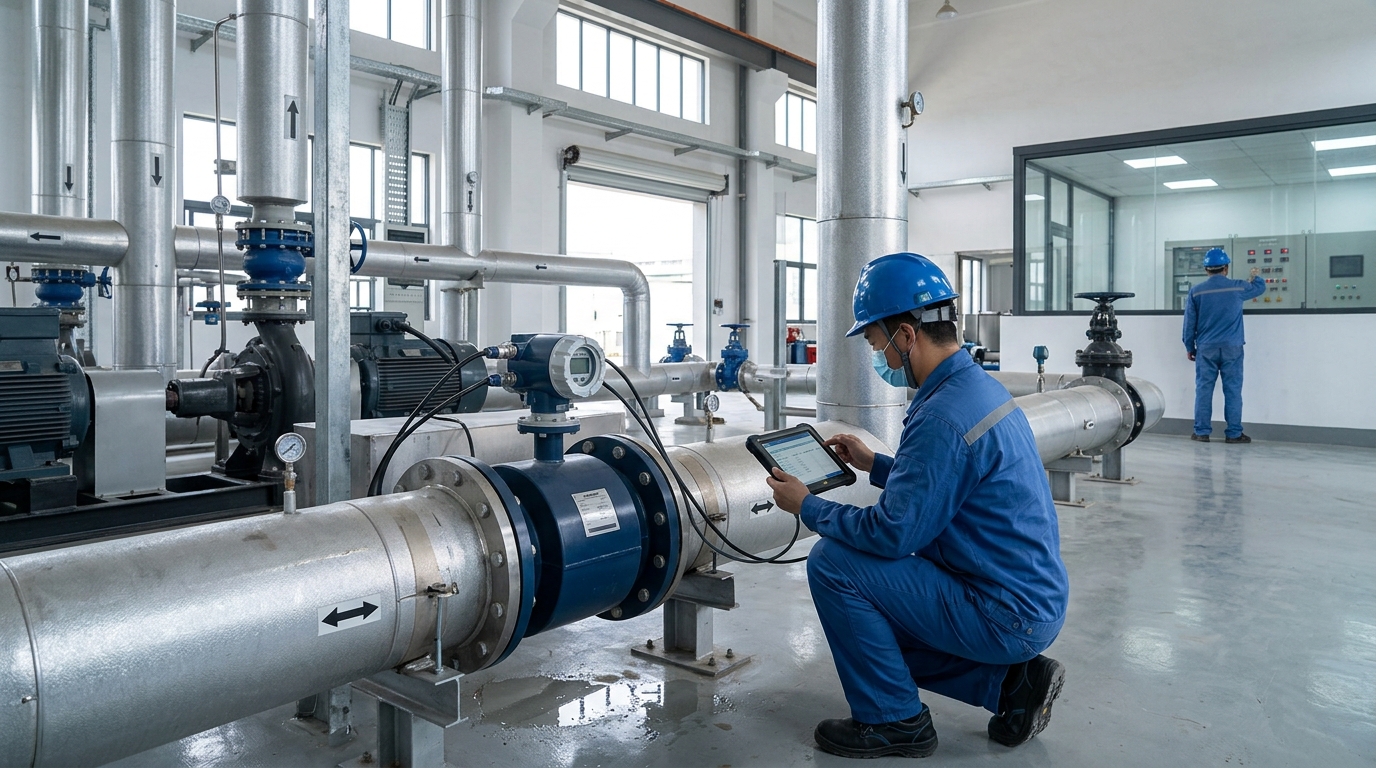
This article examines the engineering challenges of deploying electromagnetic flowmeters across wastewater treatment plants — from influent metering to sludge dewatering — with practical guidance on electrode/liner material selection for corrosive and abrasive media, grounding and EMI mitigation near VFDs, straight-run requirements, and preventive maintenance strategies for sustained accuracy.
Low-Carbon Parks Enter the Phase of Refined Management: Carbon Accounting, Online Monitoring, and Policy Synergy Reshape Industrial Competitiveness Dr...
Recently, a city in central China completed the Phase I construction of the online monitoring and leakage control project for its water supply network...
The Doppler flowmeter market has maintained steady growth in recent years, driven primarily by demand from urban drainage, wastewater treatment, river...
Practice of DMA Zoning and Metering Project in a Prefecture-Level City: Network Leakage Rate Reduced from 16.8% to 9.
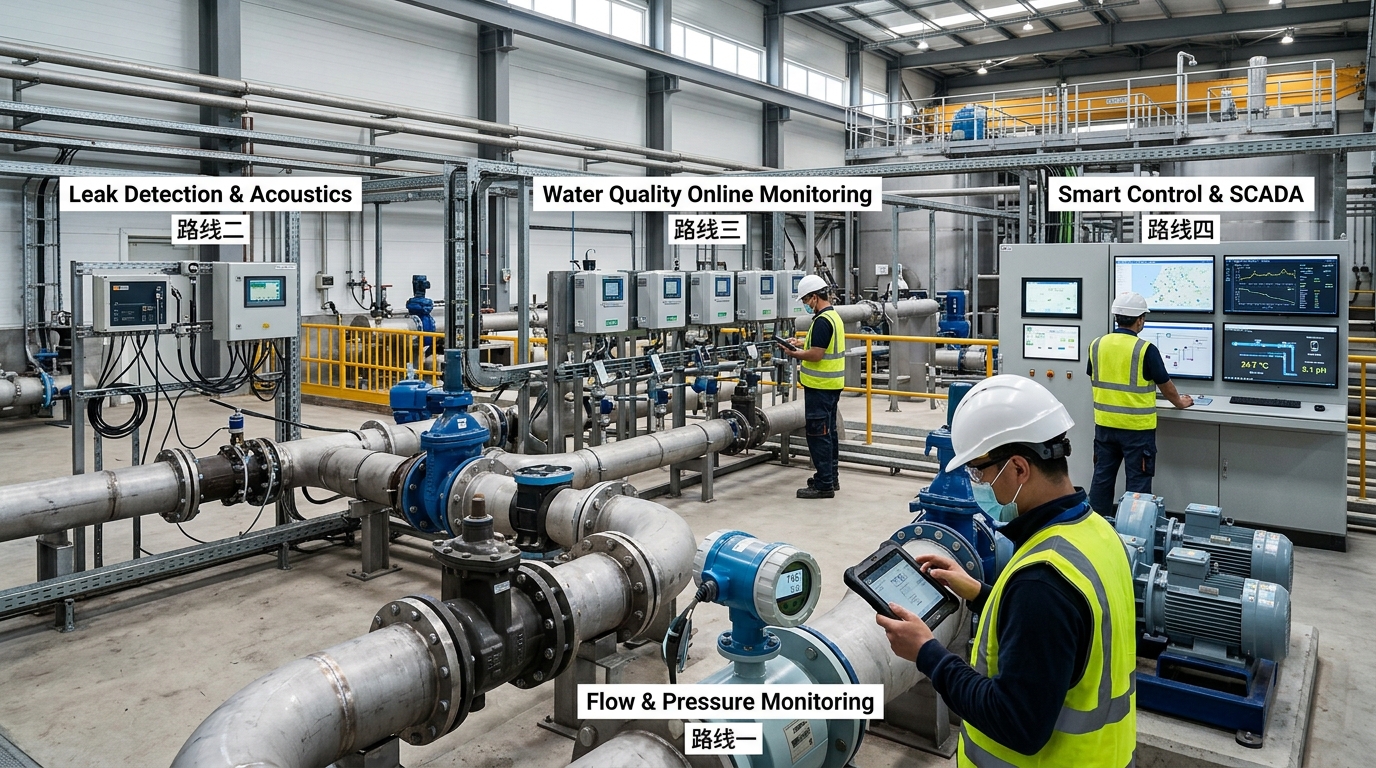
This article dissects the five critical technical layers of smart water monitoring systems — sensing, communication, data platform, analytics, and O&M — providing system integrators with actionable engineering guidance based on field deployment experience.
The Water Management Ledger Behind Midnight Emergency Repairs Having worked in the field of water management for 15 years, the most common sight I've ...
After 15 Years in the Field: My View of the Evolution of RTU Telemetry Terminals Having worked on water conservancy sites for 15 years, my biggest fea...
YiCai Technology Industry Insights: Digital and Intelligent Transformation Reshapes Urban Underground Lifelines, Pipeline Network Construction Enters ...
Digital Twin Reshapes the Agricultural Artery: A Chronicle of the Modernization Upgrade of the Qingyuan Irrigation District [Yicai Technology News Cen...
[Yicai Technology Industry Insight] Deep Dive into the Urban Underground "Lifeline": Trends and Future of Precision Pipe Network Management The operat...
Ecolor Technology Industry Insights In-Depth Analysis: Low-Carbon Industrial Parks Advance Toward High-Quality Development as Digital & Intelligent Te...
[Yicai Technology Industry Observation] Comparative Analysis and Selection Guide for Urban Drainage Network Monitoring Technologies In recent years, f...
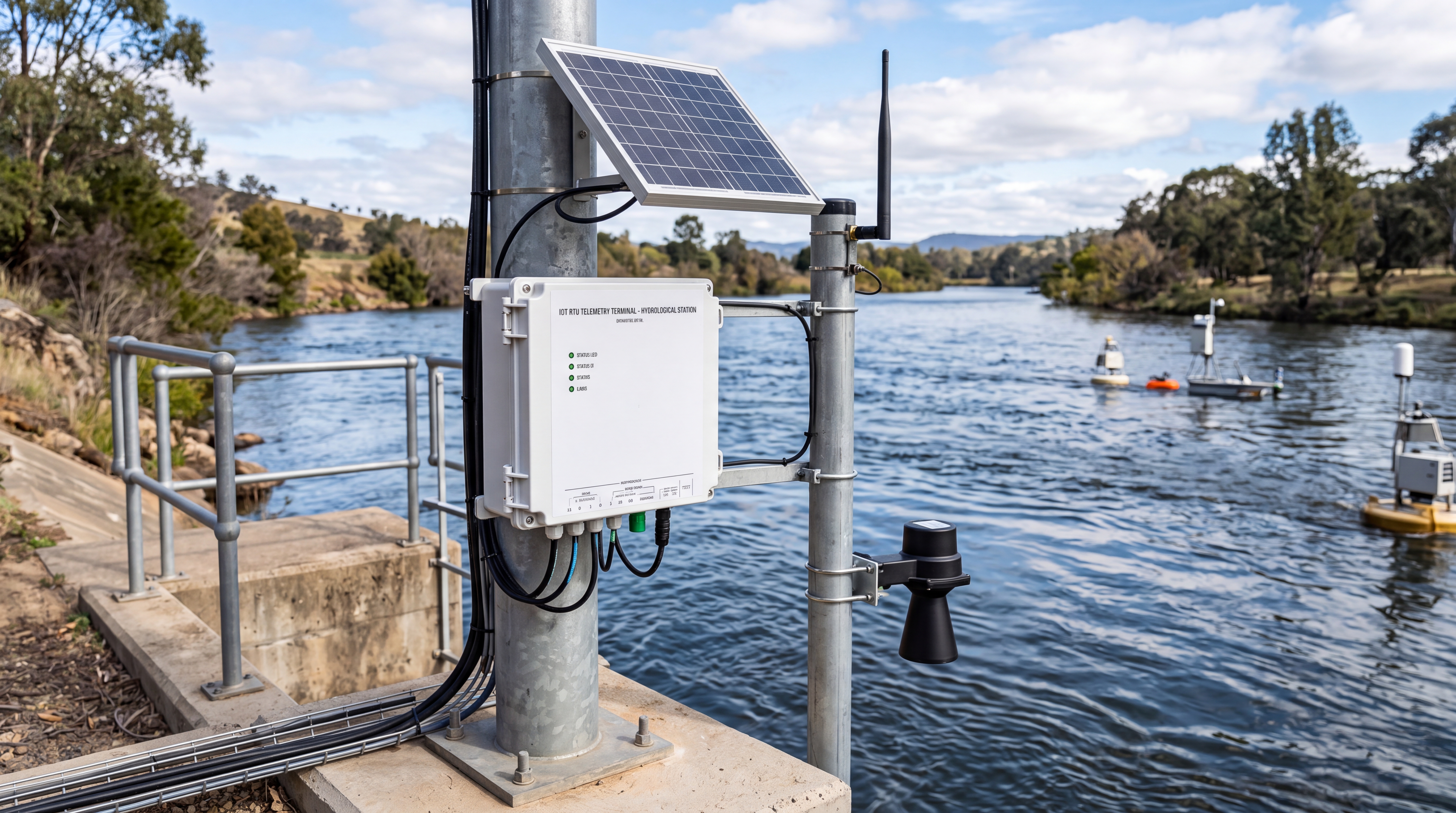
A comprehensive engineering guide for IoT RTU telemetry terminal deployment in hydrological stations, covering device selection criteria, key specification comparisons, field installation best practices, and BeiDou satellite communication link commissioning, based on Yicai Technology's multi-province project experience.
Ecolor Technology Industry Insight: Digital Twins Drive Water Modernization, Ubiquitous Sensing Reshapes the Industry Landscape In recent years, the i...
Ecolor Technology Successfully Completes Deep Energy Efficiency Retrofit for Major Manufacturing Industrial Park, Boosting Overall Efficiency by Over ...
Ecolor Technology Successfully Delivers Deep Energy Efficiency Retrofit for Major Manufacturing Industrial Park, Achieving 22.
Digital Wave Reshapes the Landscape of Smart Water: Technological Innovation Drives Efficient Resource Utilization In the macro context of global clim...
Ecolor Technology Successfully Completes Intelligent Retrofit of Water Supply Network in a Prefecture-Level City: A Practice in Leakage Control and Ne...
This article examines system-level strategies for deploying high-density water monitoring networks at reduced cost, covering sensor node design, communication protocol selection, power management, and data aggregation — providing an actionable engineering reference for grid-based urban water infrastructure monitoring.
Ecolor Technology Industry Technical Bulletin: Standardized Operational Practices and O&M Guidelines for 80G Radar Water Level Gauges As modern hydrol...
Industry Case Study: Comprehensive Energy Saving Retrofit of a Large-Scale New Materials Industrial Park in South China Source: Ecolor Technology News...
Ecolor Technology Industry Technical Bulletin: Practical Guide to Standardized Installation, Commissioning, and Operation & Maintenance of Corrosion-R...
[Industry Insight] 2024 Urban Waterlogging Early Warning System Market Analysis: Price Ranges, Procurement Strategies, and Maintenance Cost Breakdown ...
Deep Dive: Equipment Pricing and Total Cost of Ownership Analysis in the Smart Water Network Monitoring Market As urbanization accelerates and infrast...
Ecolor Technology Industry Insight: Digital Transformation Reshaping Urban Lifelines, Entering a New Era of Refined Pipeline Management As China's urb...
This technical paper presents a complete DMA (District Metered Area) implementation project in a mid-sized city. Through systematic network topology analysis, zone design, and intelligent metering deployment, the project achieved a leakage reduction from 28.3% to 8.1%, saving over 1.8 million cubic metres of water annually.
Ecolor Technology Deeply Involved in the Intelligent Renovation of a Coastal City's Main Urban Drainage Network: A Case Study Publisher: Ecolor Techno...
Deep Dive: Comparative Analysis of Mainstream Technical Routes for Irrigation District Informatization and Selection Guide Published: October 24, 2023...
Yicai Technology Industry Insight: Digital Intelligence Reshaping Urban Pipe Networks and Building a New Generation of Urban Flood Defense Lifeline As...
[Industry Case Study] Upstream Automation Monitoring System Upgrade Based on High-Performance RTU October 15, 2023 | Yicai Technology News Center With...
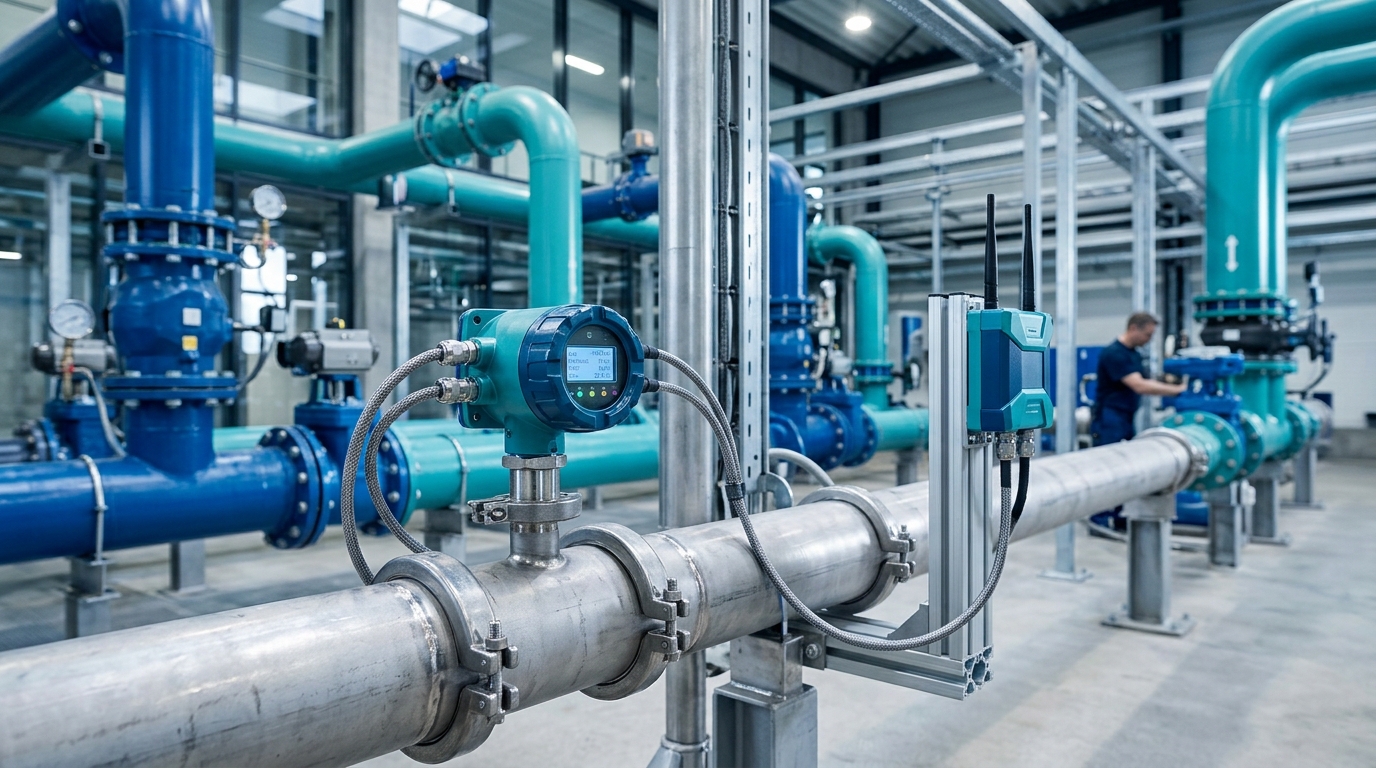
【ECAI Tech Industry Insights】2024 In-Depth Market Analysis of Electromagnetic Flowmeters: Technological Evolution and Total Cost-of-Ownership Optimiza...
Yicai Tech Industry Bulletin: Practical Implementation and Performance Analysis of DMA-Based Leakage Control in Urban Water Distribution Networks [Yic...
Ecolor Technology Releases: Practical Implementation Guide for Standardized Installation and O&M of 80 GHz Radar Level Sensors As accuracy requirement...
Ecolor Technology: Building the Urban Underground Lifeline — A Case Study of Intelligent Drainage Network Monitoring in a Southern Coastal City Public...
[Ecolor Technology Industry Insight] In-Depth Analysis: Market Landscape, Cost Management, and Procurement Guidelines for Urban Water Distribution Net...
Ecolor Technology Industry Technical Reference: Field Operation and Maintenance Guide for Radar Doppler Flowmeters As modern hydrological and water re...
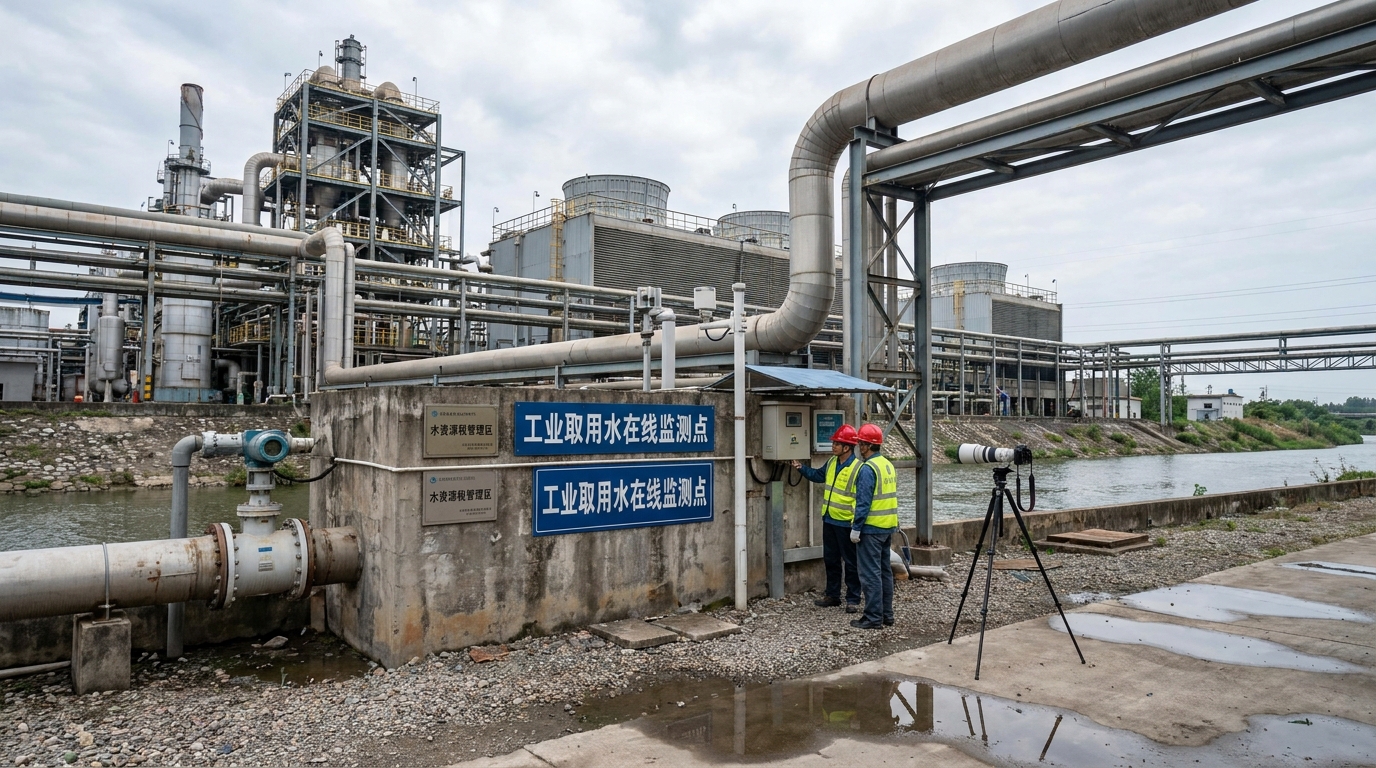
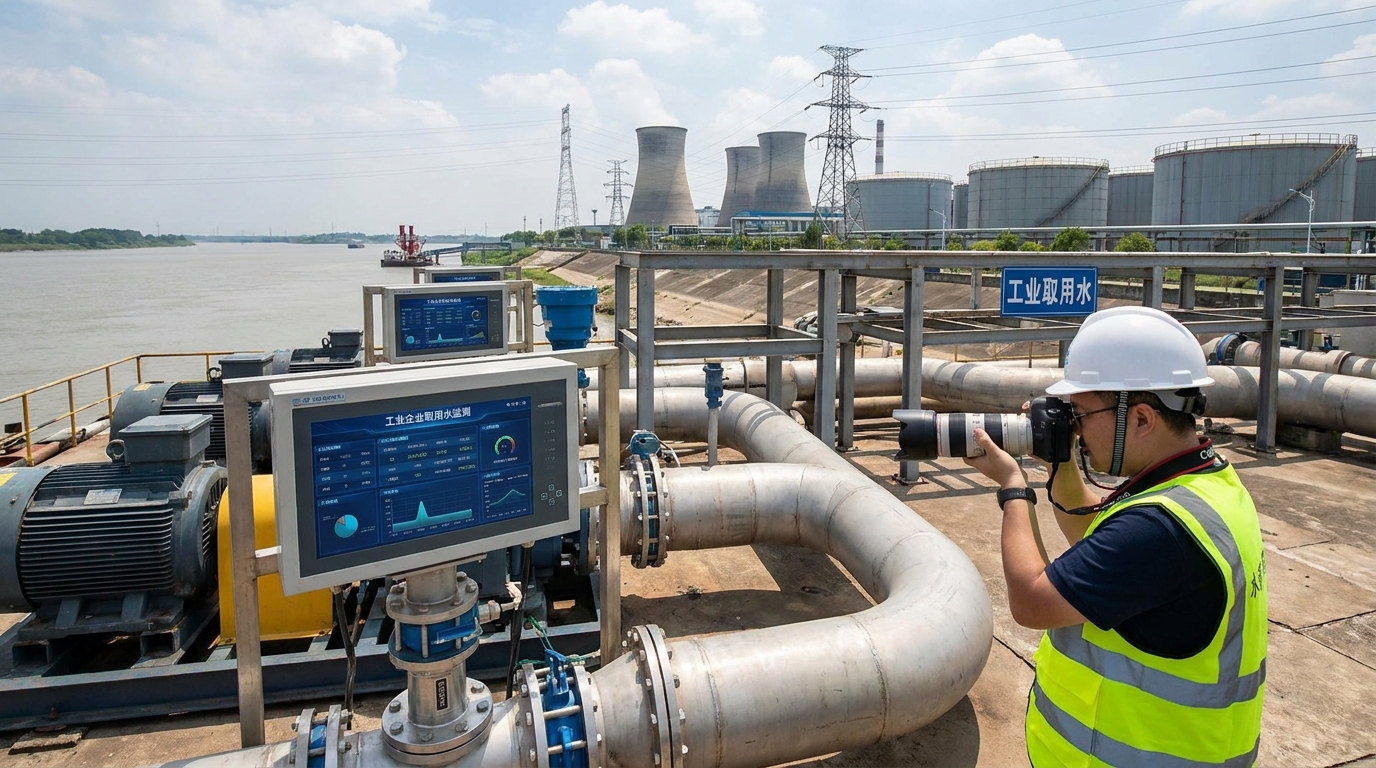
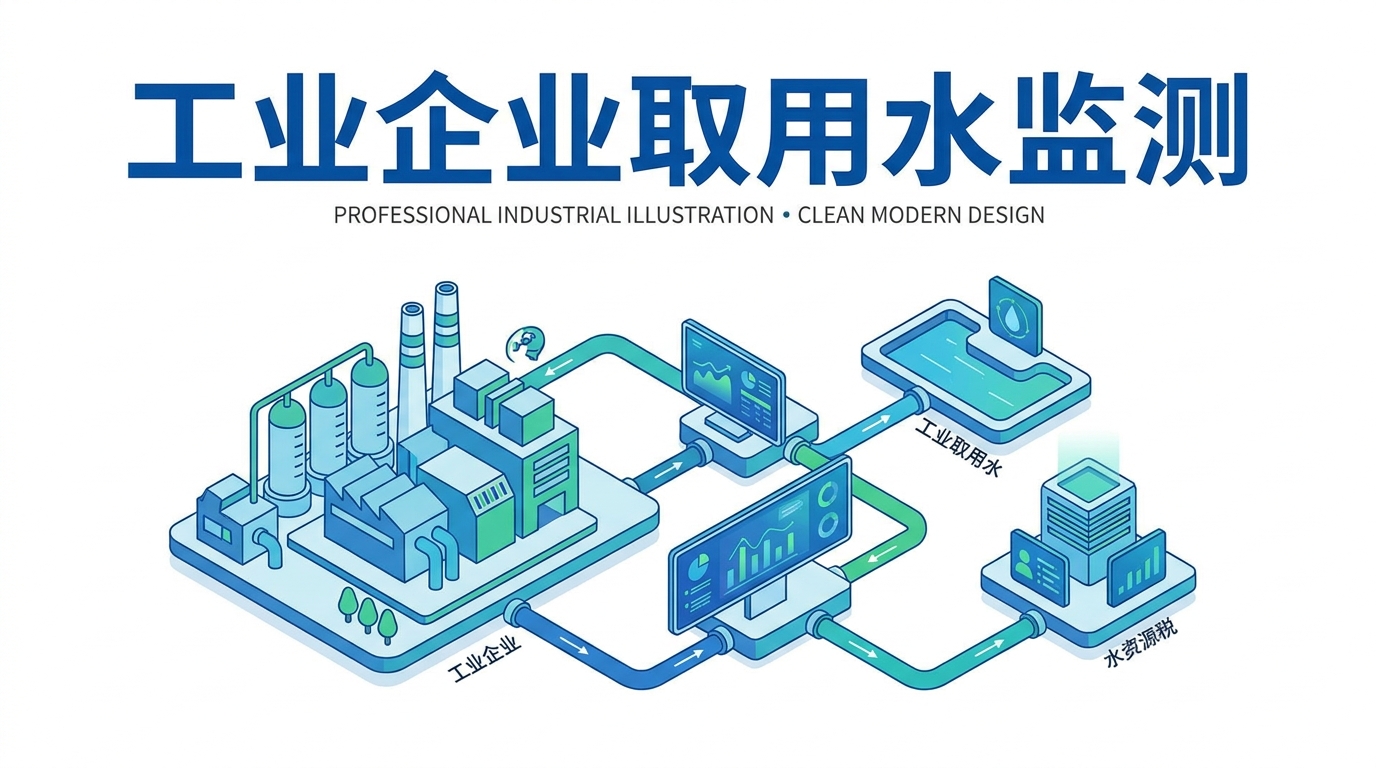
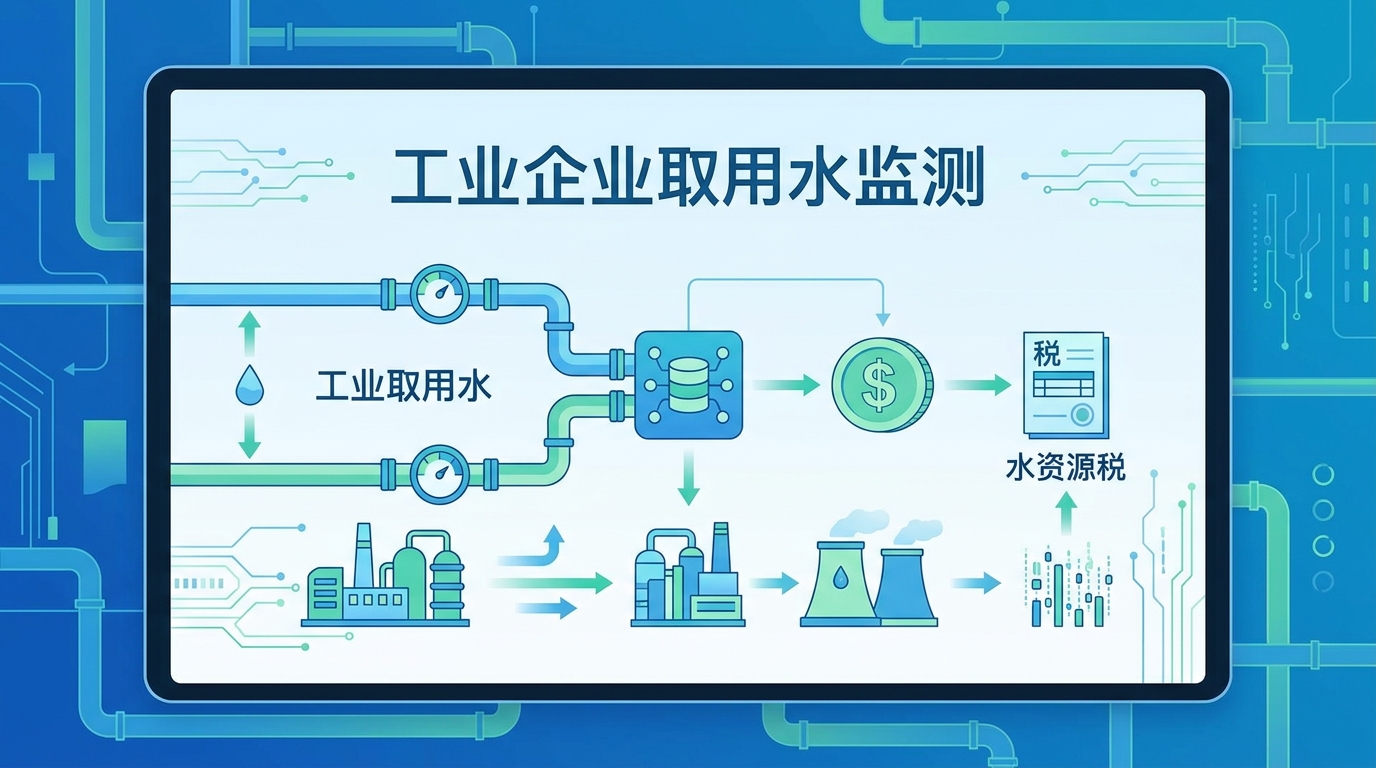
Deep Dive into Industrial Water Intake Monitoring: Measurement Challenges and Technological Evolution Under the Water Resource Tax Reform As global wa...
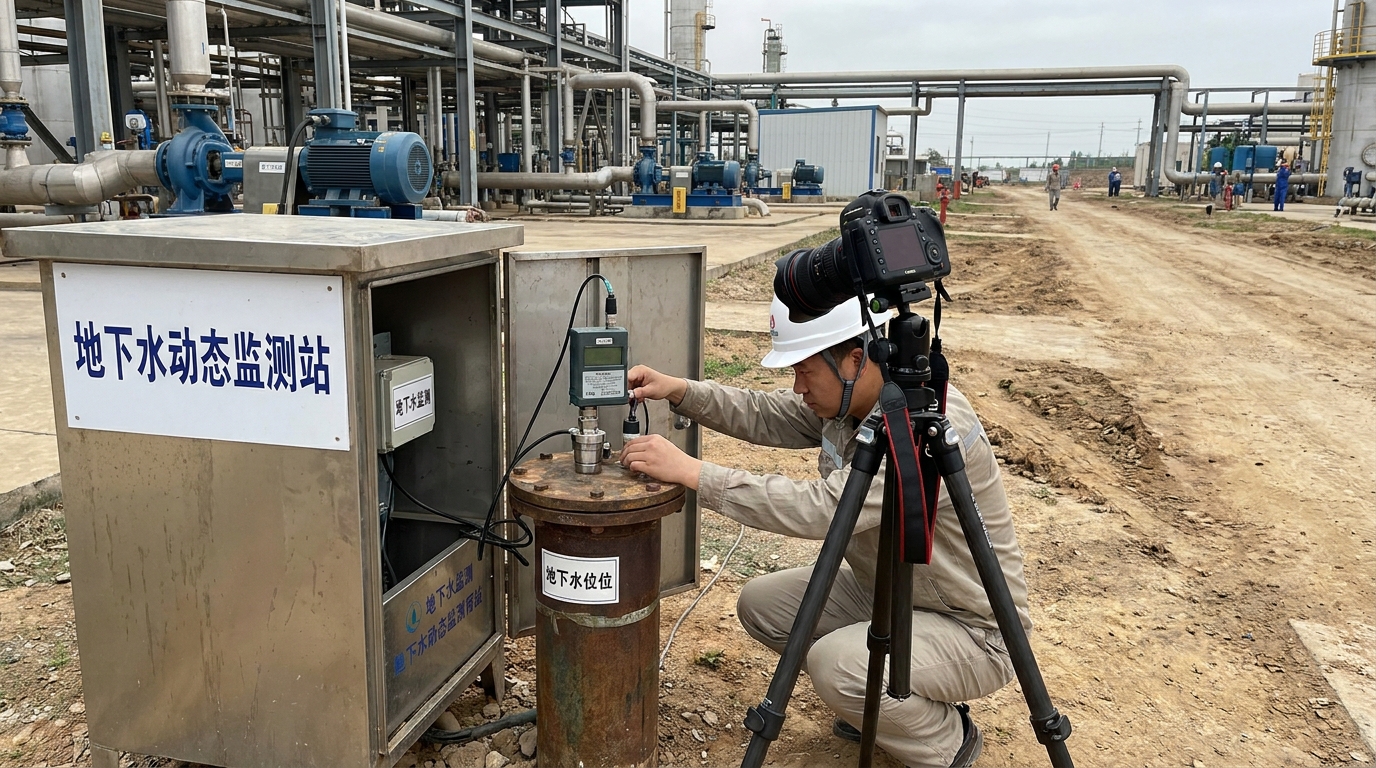
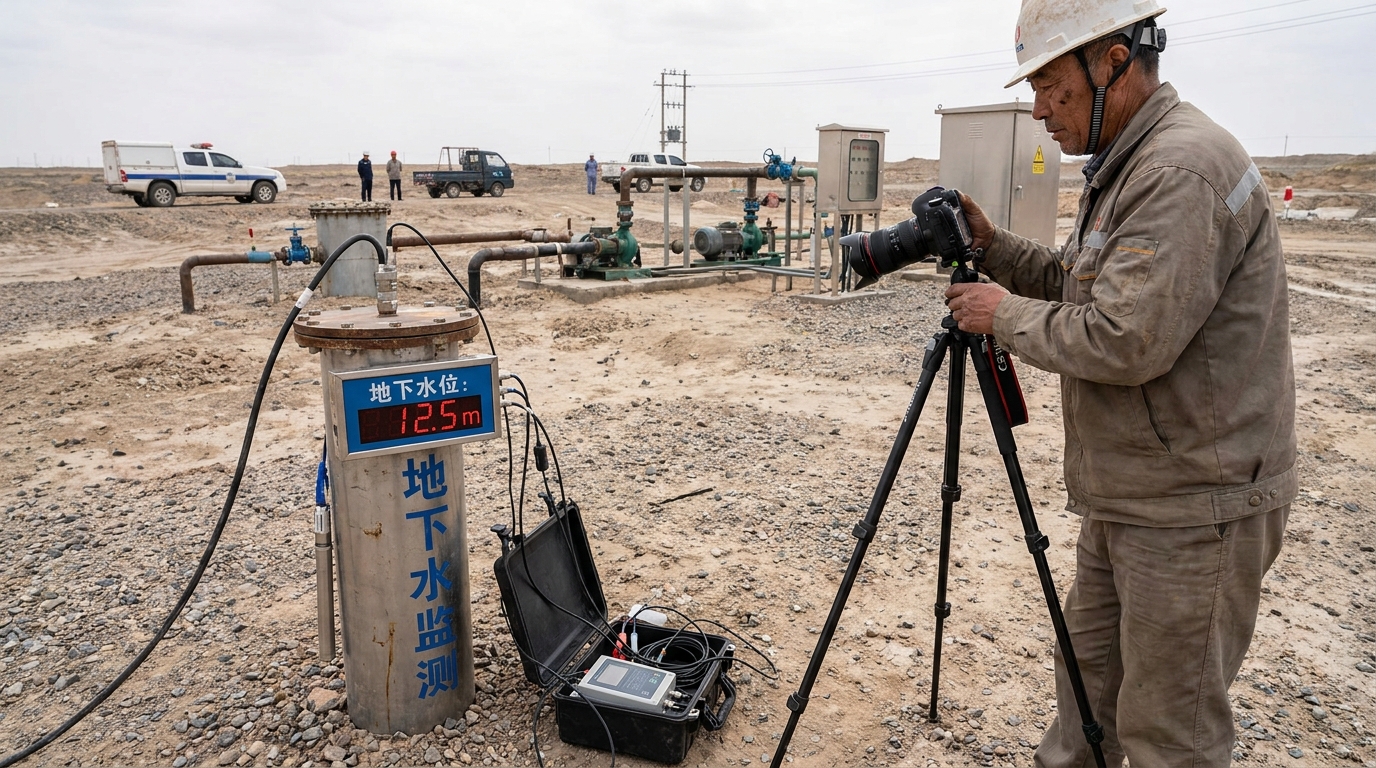
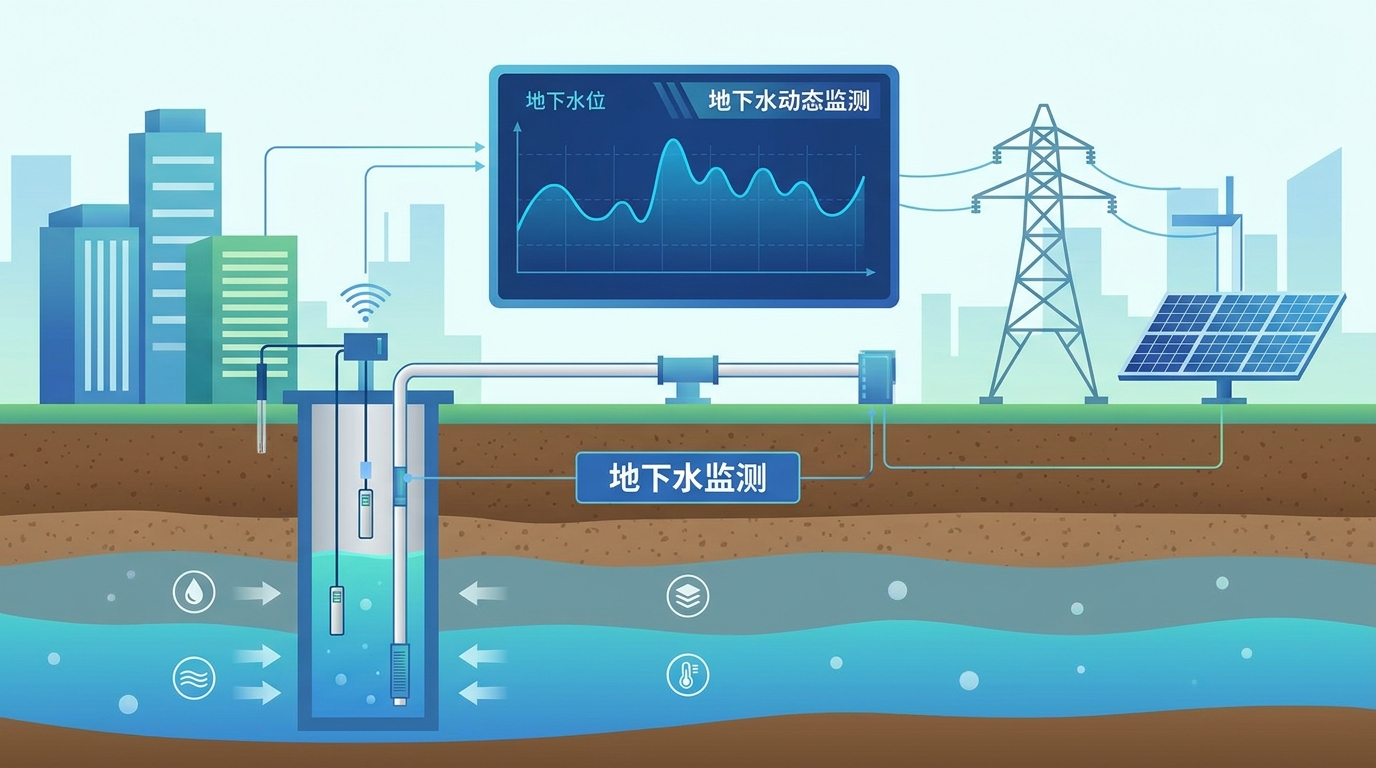
Deepening the Dynamic Monitoring of Groundwater: Current Technologies, Application Scenarios, and Future Outlook [Yicai Technology News Center | Indus...
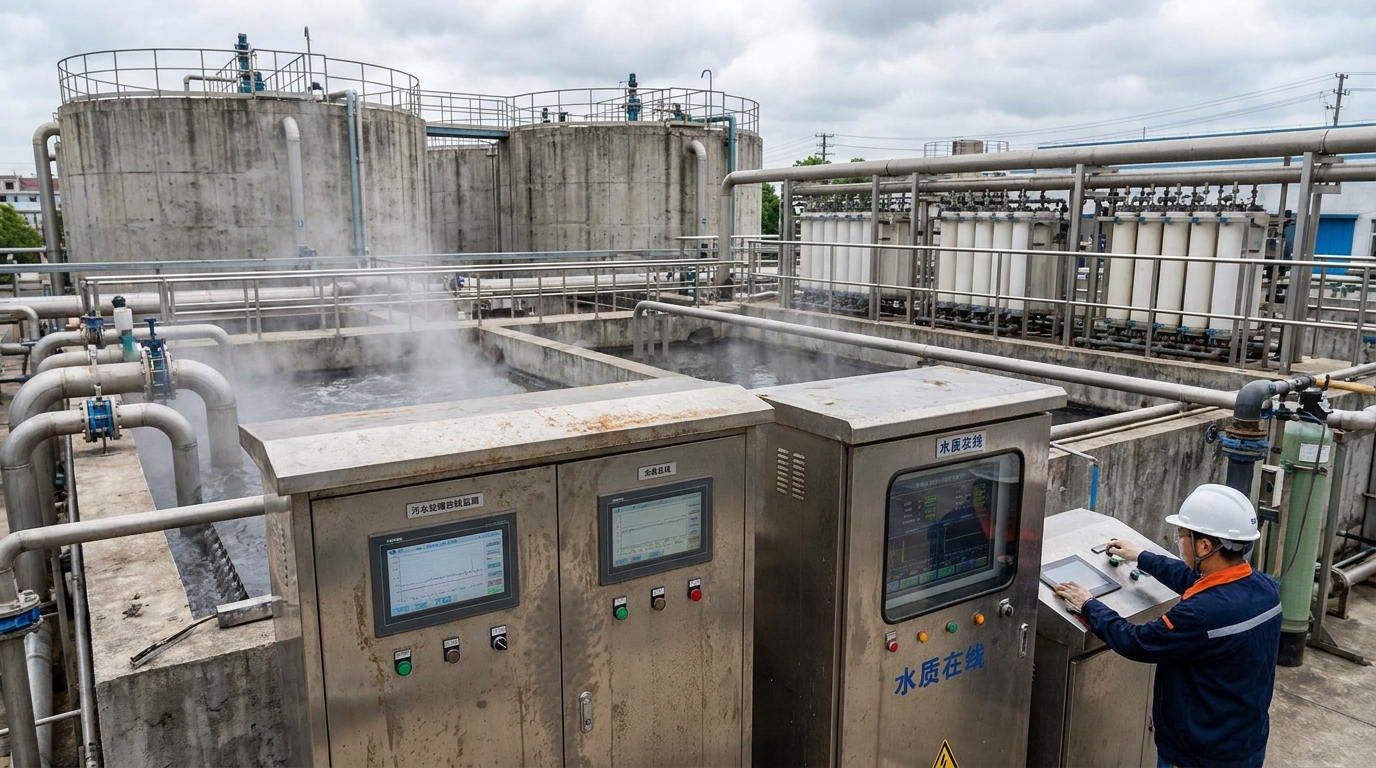
Deep Dive: Current Status, Applications, and Intelligent Development Trends of Online Monitoring Technology in Wastewater Treatment As global environm...
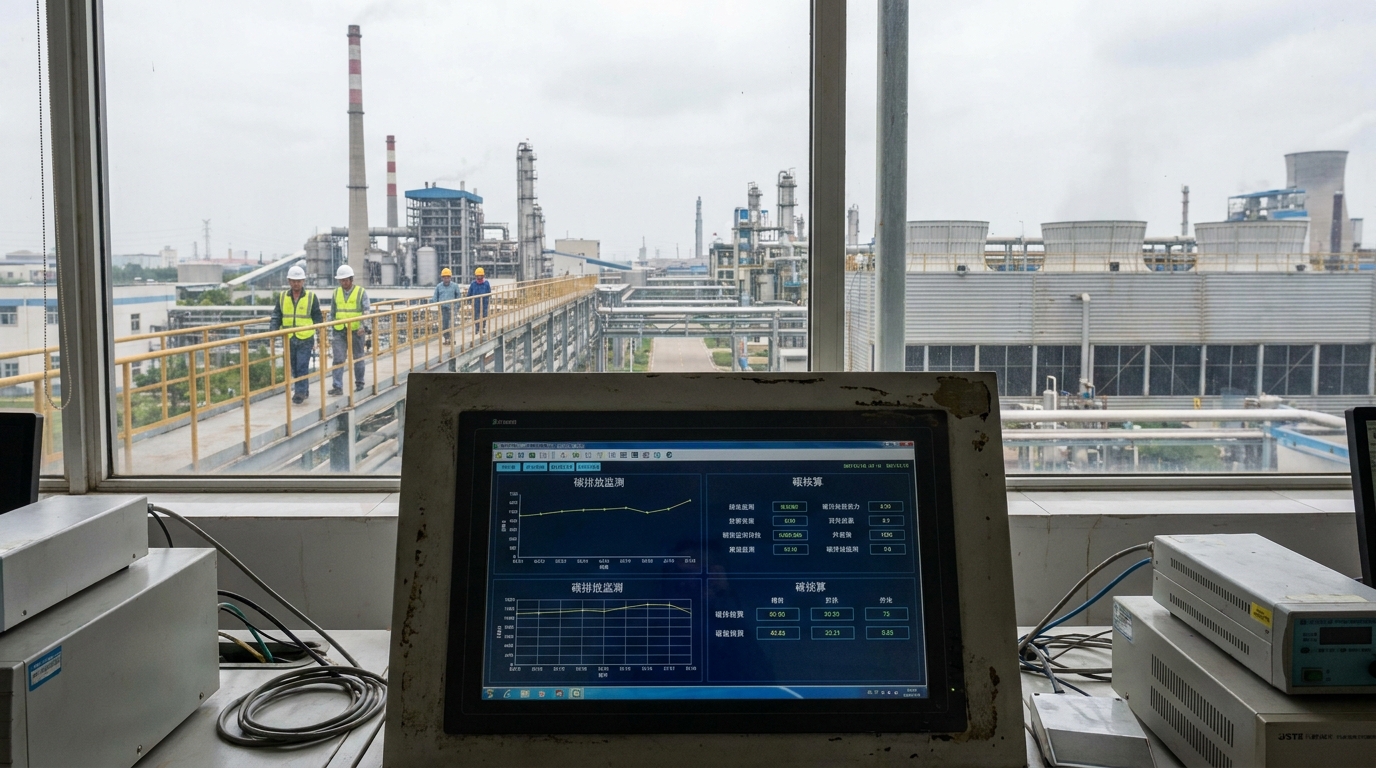
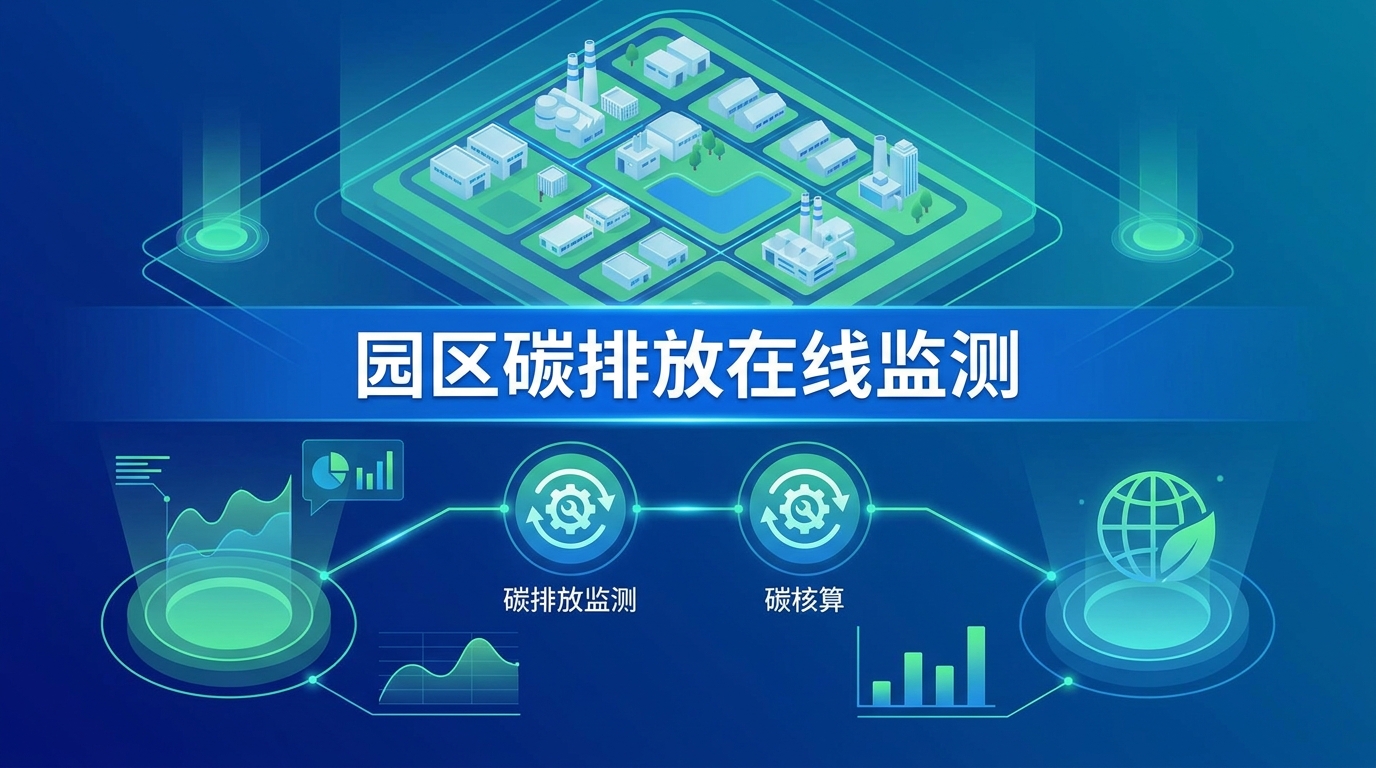
Deep Dive: Current Status, Practical Applications, and Future Trends of Real-Time Carbon Emission Monitoring Technologies in Industrial Parks By Ecolo...
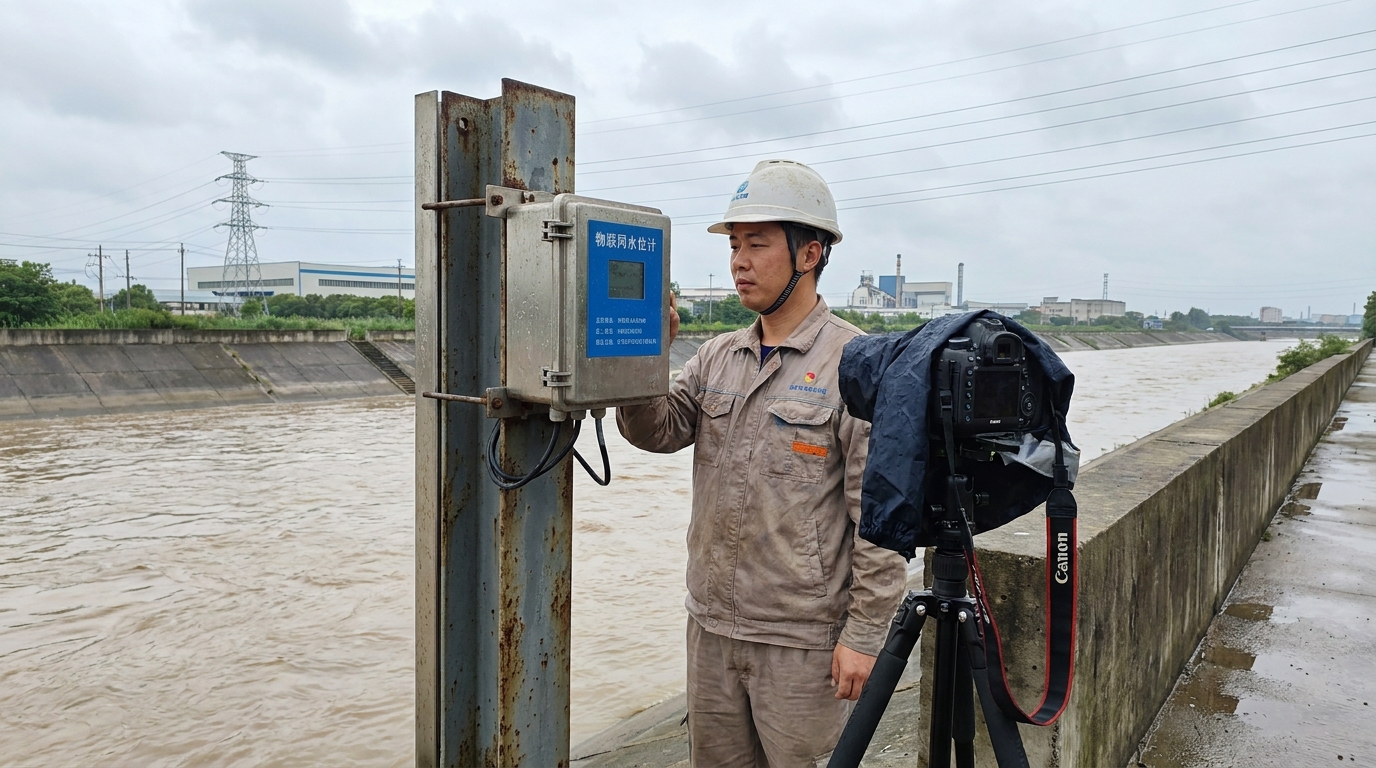
Deep Dive: IoT Empowering River Water Level Monitoring, Reshaping Flood Warning and Water Resource Management Amidst the intensifying global climate c...
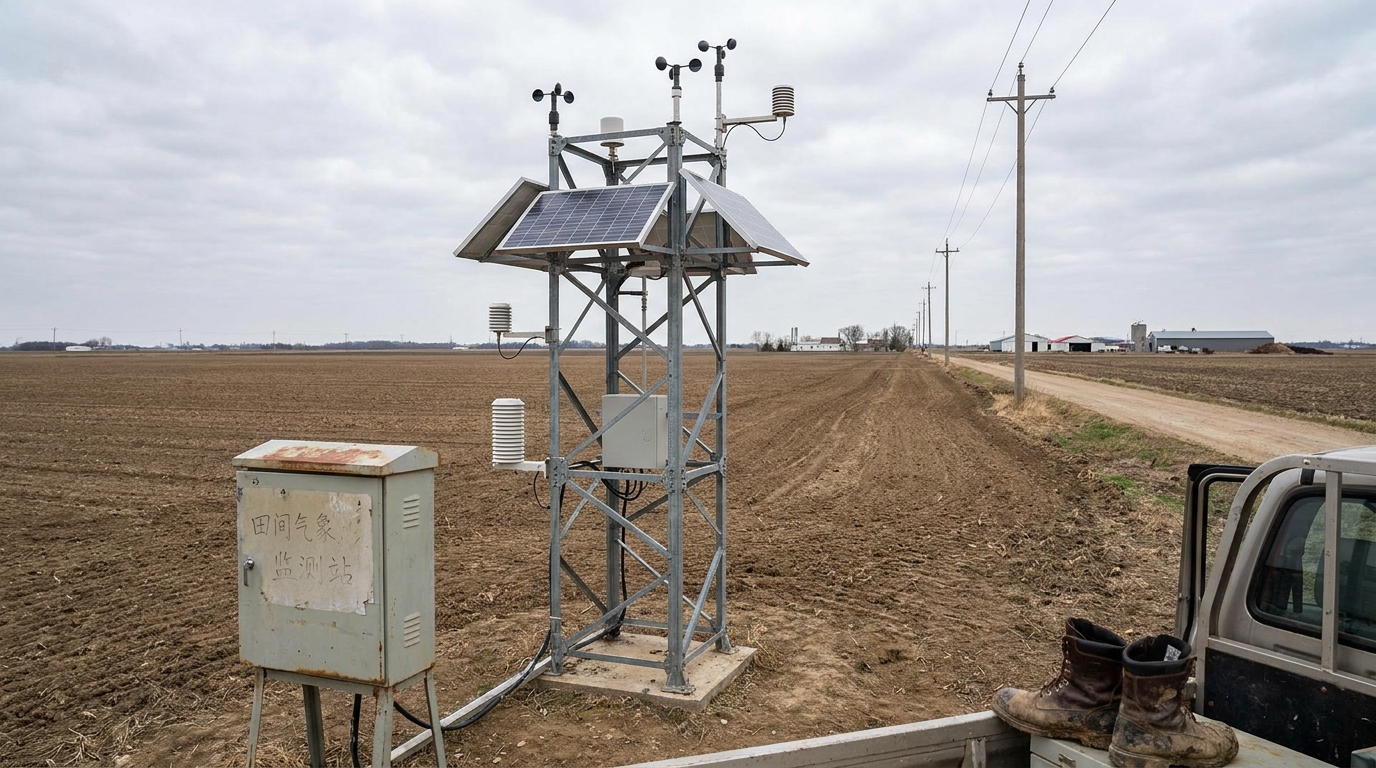
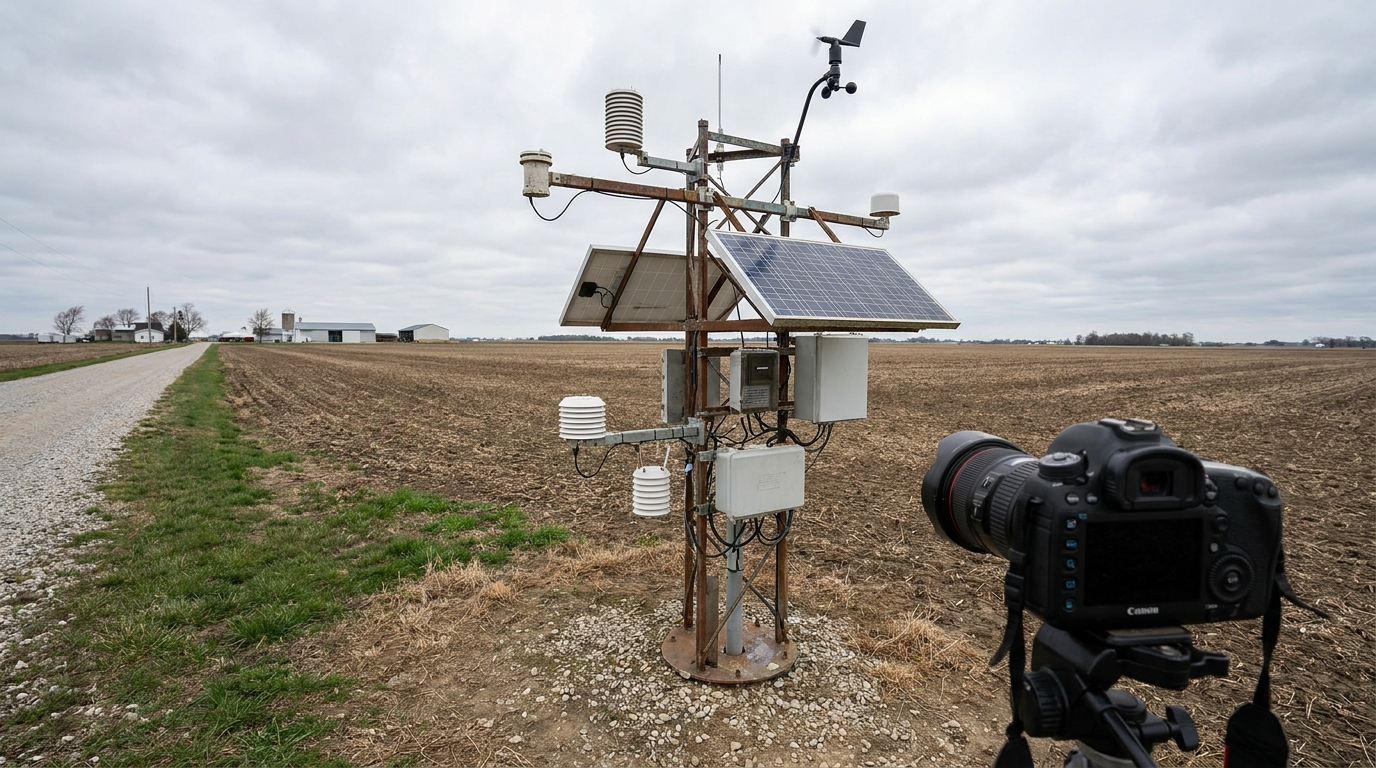
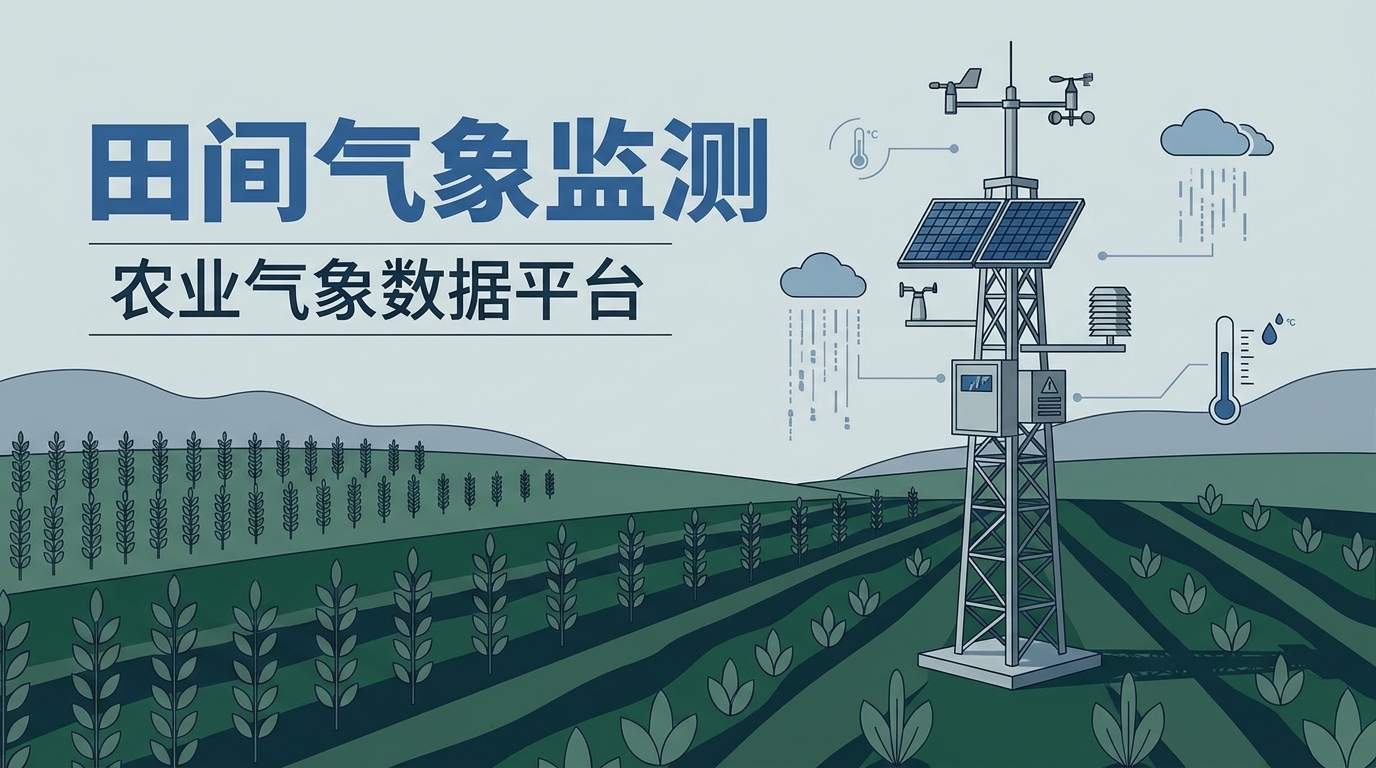
Deep Dive: How Field Meteorological Monitoring Technology Empowers Modern Agriculture – Current Status and Future Outlook In recent years, the traditi...
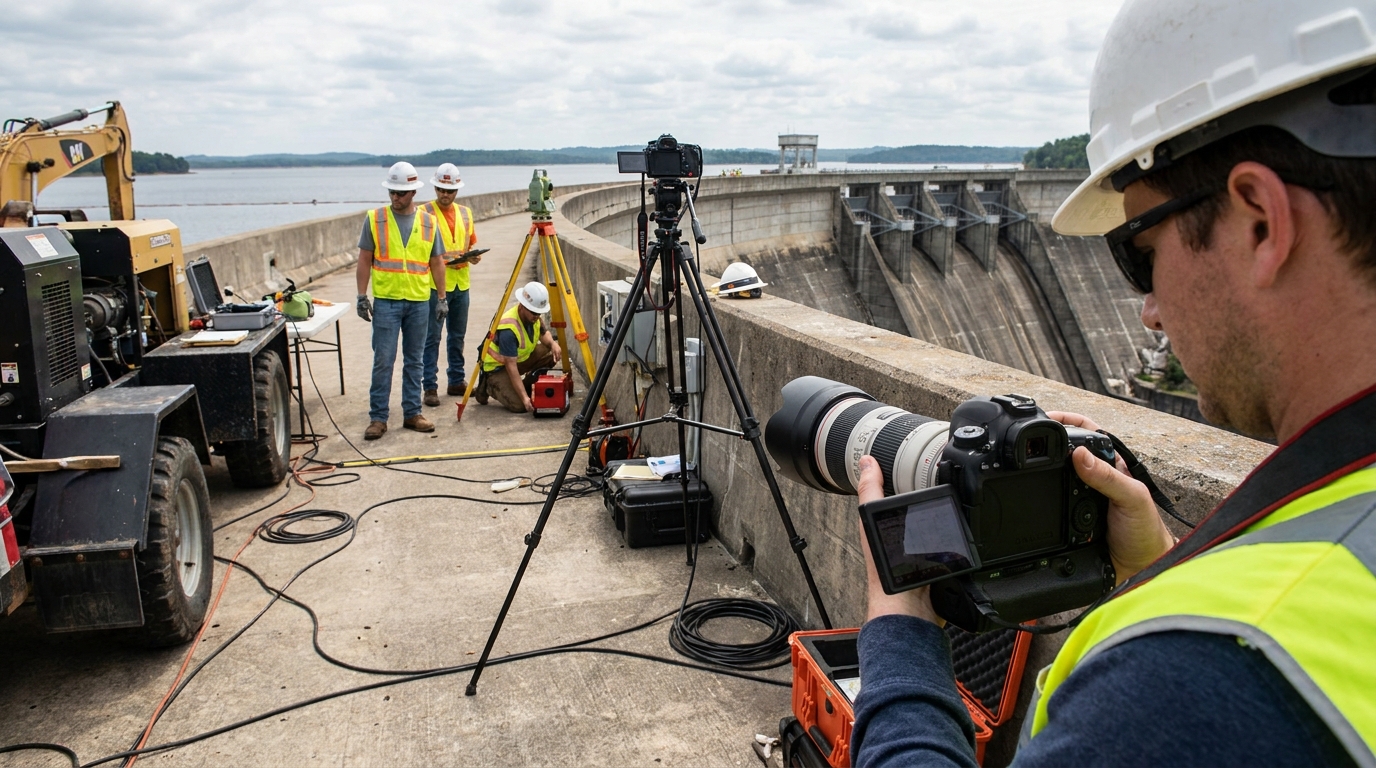
Current Status, Core Applications, and Future Trends of Safety Monitoring Technology for Reservoir Dams Reservoir dams serve as critical hydraulic inf...
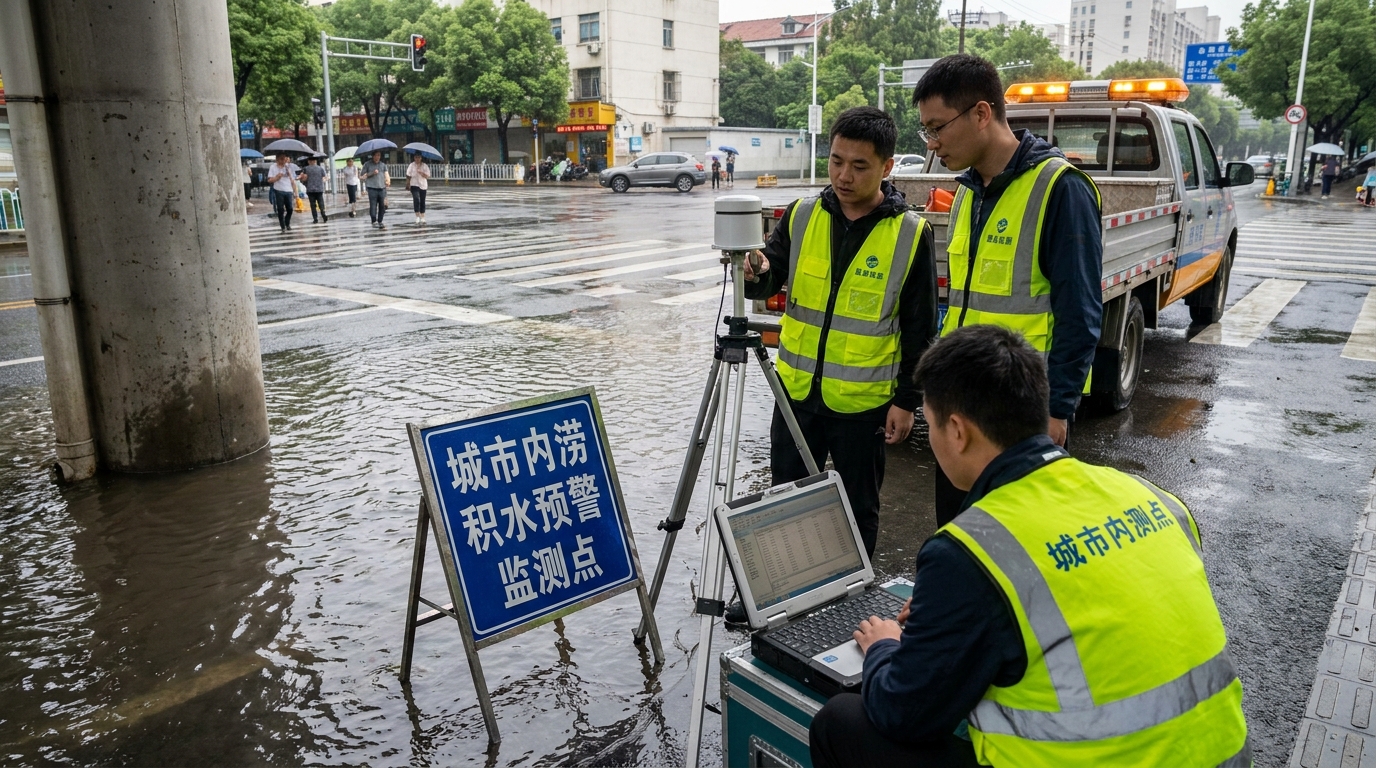
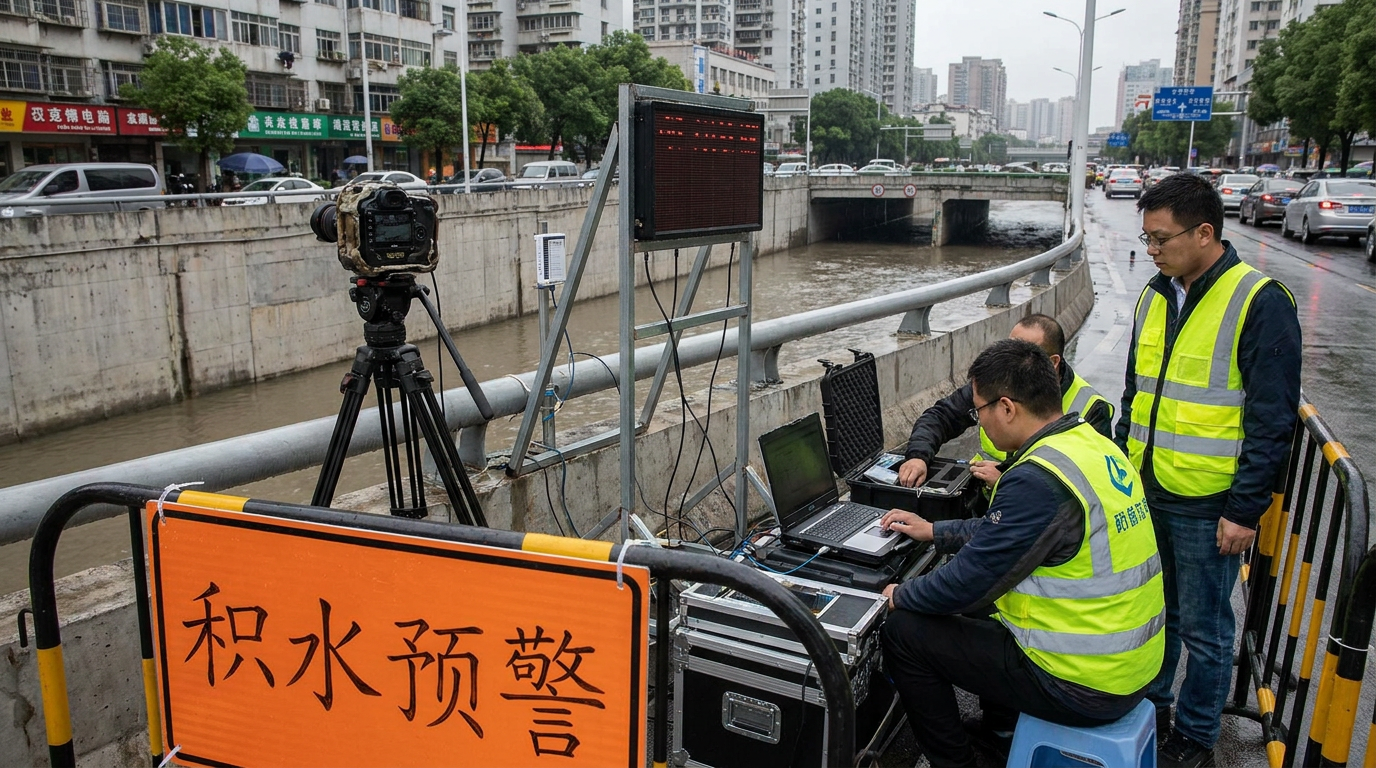
Industry Technical Analysis: Current Status, Applications, and Future Outlook of Urban Waterlogging Early Warning Monitoring Systems As global climate...
Non-contact flow measurement has seen significant advances in sensor accuracy, signal processing algorithms, and multi-parameter fusion. This article analyses 80 GHz FMCW radar, video-based velocimetry, and ultrasonic transit-time techniques, providing selection criteria and deployment guidelines for real-world water infrastructure applications.
Deep Dive: Technological Evolution and Future Trends in Flash Flood Monitoring and Early Warning Systems Against the macro backdrop of intensifying gl...
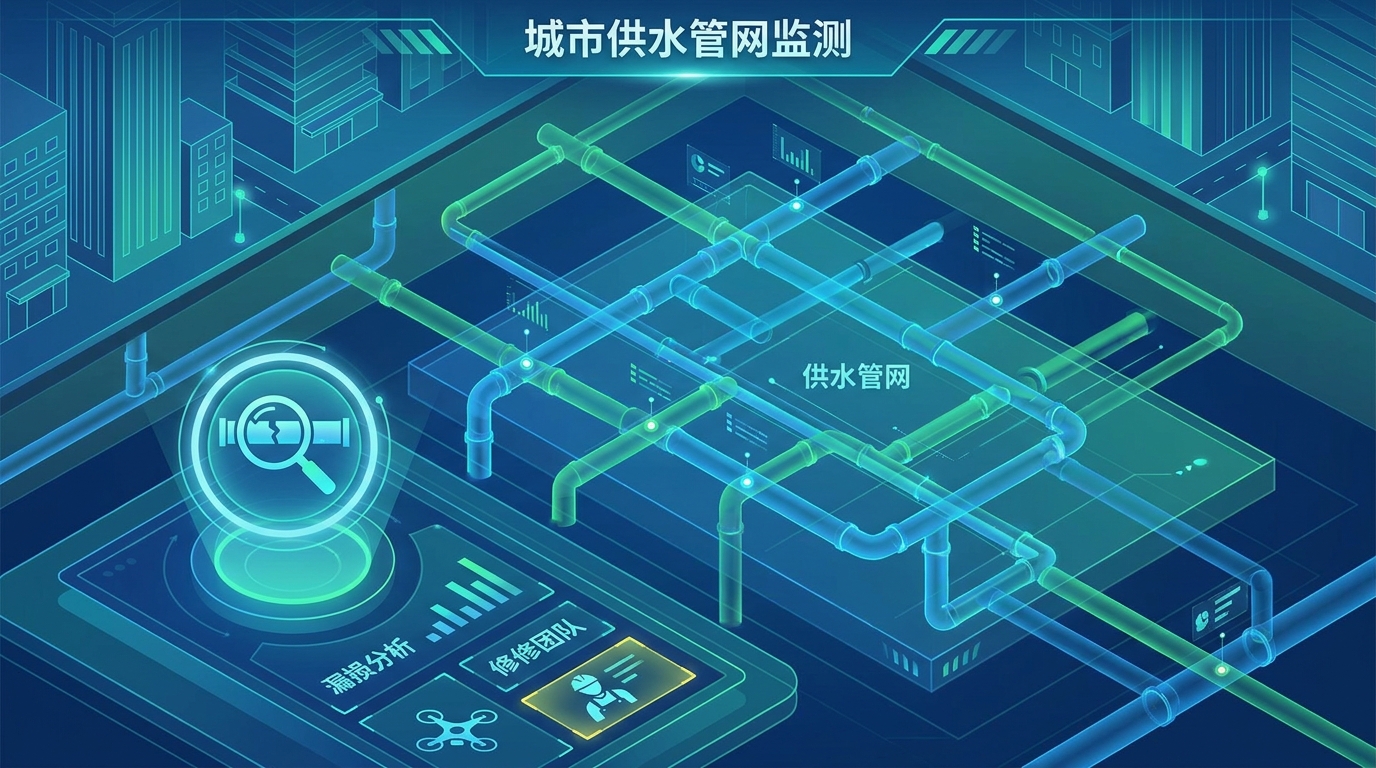
Deep Dive into Urban Water Distribution Network Monitoring: Driving Leakage Control and Efficiency Through Digital Transformation As global urbanizati...
EcoTech Industry News: Deep Dive into Zero-Carbon Park Construction: Technology Status, Application Scenarios, and Future Trends In the global context...
Venturing into the Deep Waters of Smart Agriculture: Technological Evolution and Future Trends in Field Meteorology Monitoring and Precision Irrigatio...
In-Depth Analysis of Field Meteorological Monitoring Technology: Building the Digital Foundation for Precision Agriculture In the dual context of glob...
Deep Dive: Current Status and Future Trends of Industrial Water Withdrawal Monitoring Under the Water Resources Tax Reform Published by: Ecolor Techno...
Building Resilient Cities: The Application and Evolution of Modern Sensing Technologies in Urban Waterlogging Early Warning Systems As global climate ...
Industry Insight: Decoding the Status, Applications, and Future Trends of Groundwater Dynamic Monitoring Technologies Groundwater serves as a critical...
Deep Dive: Current Status, Applications, and Future Trends of Online Monitoring Technology in Wastewater Treatment Plants As global awareness regardin...
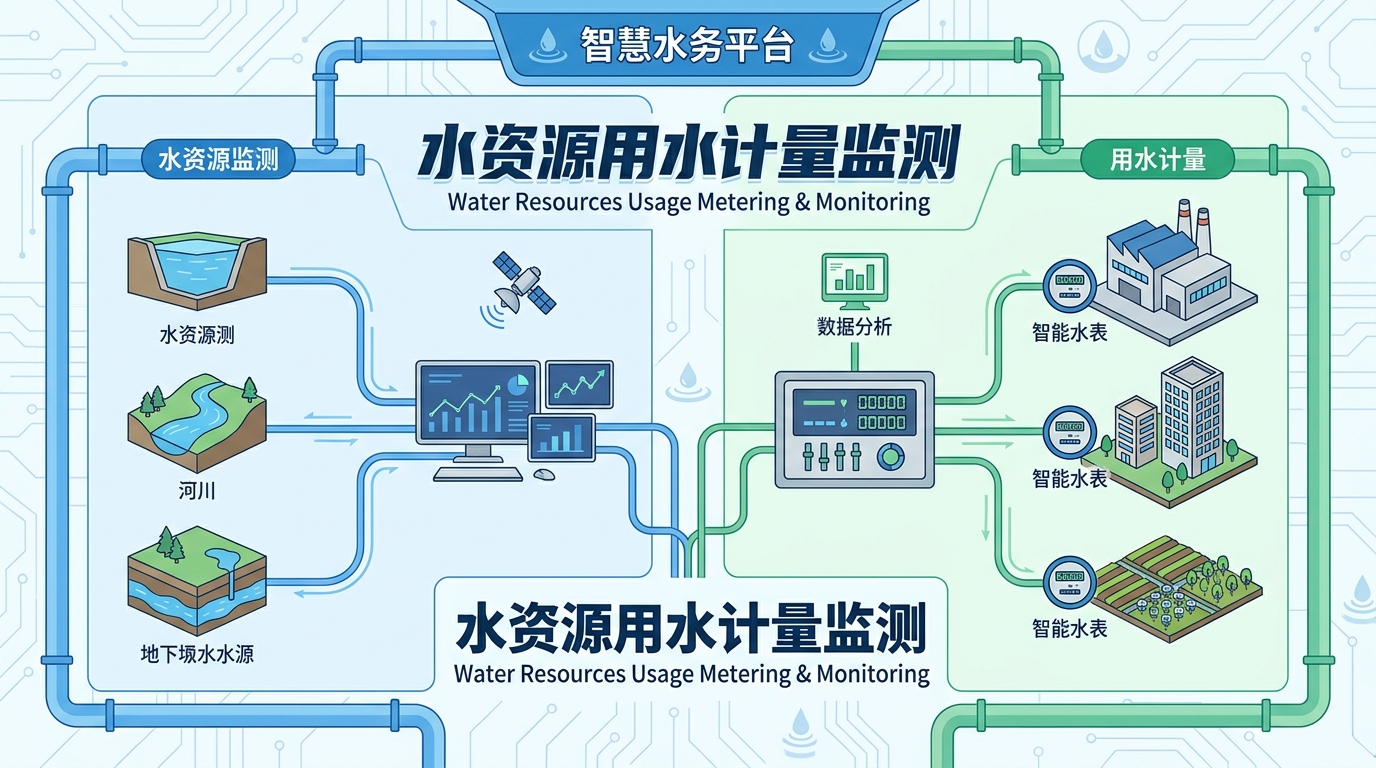
Driving a New Paradigm in Smart Water Conservation: An Analysis of the Evolution and Application Trends in Water Resource Metering and Monitoring Indu...
Industry Technical Analysis: Current Status, Applications, and Future Trends of Online Monitoring for Urban Drainage Pipe Networks As China's urbaniza...
In-Depth Analysis: Current Status, Core Applications, and Future Trends of Online Monitoring Technologies in Wastewater Treatment Plants As global env...
Digital Technologies Empowering Green and Low-Carbon Industrial Parks: Status, Applications, and Future Evolution Source: Yicai Technology Industry Re...
Industry Insight: Analysis of Ecological Flow Monitoring Technologies and the Application of Doppler Radar in Hydropower As global awareness regarding...
Deep Dive: The Technological Evolution and Energy Efficiency Optimization Trends of Smart Park Energy Management Systems Yicai Technology News Editori...
Open channel flow measurement is a critical component in urban drainage, irrigation distribution, and river monitoring. This article analyses radar level meter selection criteria, installation standards, and field commissioning procedures specific to open channel environments, providing engineers with actionable implementation guidance.
Ecolor Technology Industry Insight Division In-Depth Analysis: Pipe Network Monitoring Technologies and Leakage Control in the Era of Digitalization A...
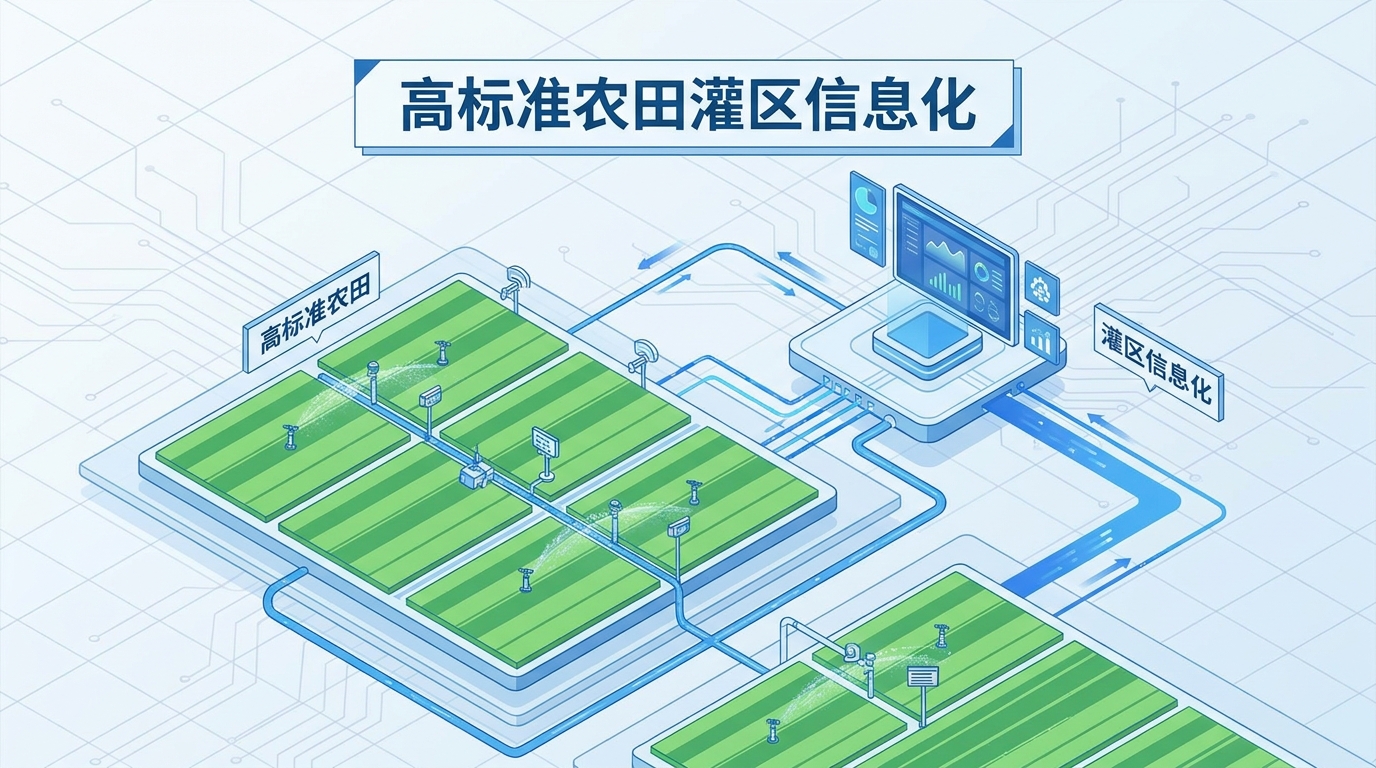
Industry Insight: Ecolor Technology Deep Dive: High-Standard Farmland Irrigation Digitalization Reshaping the Modern Agricultural Water Network As glo...
Technological Evolution and Trend Observation in Smart Park Energy Management Under the "Dual Carbon" Goals Yicai Technology | Industry Insight As the...
Deep Dive: Technical Status, Applications, and Future Trends of Mountain Flood Monitoring and Early Warning Systems In recent years, driven by global ...
IoT-Enabled Smart Water Management: A Deep Dive into Current Technologies and Future Trends in River Level Monitoring In recent years, intensifying cl...
Water supply networks impose stringent demands on electromagnetic flowmeters regarding accuracy, hygienic certification, and long-term stability. This article systematically reviews engineering practices from sensor selection and installation standards to online verification in potable water distribution.
Ecolor Technology News Editorial / Industry Deep Dive Deep Dive: Current Status, Applications, and Future Trends of Online Carbon Emission Monitoring ...
Deep Dive: Technological Evolution, Practical Applications, and Future Trends in Modern Hydrological Monitoring Systems Editor: Yicai Technology News ...
Industry Insight: Deep Dive into Field Meteorological Monitoring Technology – The Digital Evolution of Agriculture from Sensing to Precision Decision-...
Deep Dive: Current Status, Applications, and Future Trends of Urban Water Distribution Network Monitoring Edited by: Ecolor Technology (Ecolor Technol...
Sewer environments pose extreme challenges for water level monitoring: high humidity, corrosive gases, confined spaces, and grease buildup. This article systematically covers radar frequency selection, antenna types, mounting positions, and commissioning parameters to help system integrators achieve reliable liquid level measurement in complex underground drainage networks.
Fortifying the Ecological Safety Barrier: An Analysis of Current Status and Future Trends in Groundwater Dynamic Monitoring Technologies Groundwater s...
[Yi Cai Technology News Center – Industry Insight] In-Depth Analysis: Current State, Applications, and Future Trends of Informationization in High-Sta...
Ecolor Technology Industry Insight Series In-Depth Analysis: The Current State, Applications, and Future Trends of Online Carbon Emission Monitoring i...
Industry Insight: The Technological Evolution and Future Trends of Green Low-Carbon Industrial Parks In the macro context of global climate change mit...
Irrigation district metering is critical for agricultural water conservation. This article analyzes selection criteria, installation practices, and maintenance strategies for electromagnetic flowmeters across canal cross-sections, pipeline conveyance, and pumped irrigation systems.
Deep Dive: Current Status, Multi-Dimensional Applications, and Future Trends in Water Resource Metering and Monitoring Technologies Under the dual pre...
Industry Insight: IoT Technologies Reshaping River Level Monitoring and Deeply Empowering Hydrological Informatization [Yicai Technology News Center] ...
In-Depth Analysis: Current Status, Applications, and Future Trends of Industrial Water Withdrawal Monitoring Technologies As the global water scarcity...
Deep Dive: Technical Status, Business Models, and Future Trends of Industrial Park Energy Efficiency Retrofitting Source: Yicai Technology Industry Re...
Industry Insight: Decoding Urban Water Supply Network Monitoring and Leakage Control Driven by Digitalization — Written by the Editorial Department of...
Deep Dive: Current Status, Applications, and Future Trends of Open Channel Flow Monitoring As global water resource management becomes increasingly re...
Industry Insight: Deep Dive into Dynamic Building Energy Monitoring Technologies and Future Trends Authored by: Ecolor Technology News Editorial Team ...
[Industry Insight] Digital Transformation of High-Standard Farmland Irrigation: Reshaping the Modern Agricultural Water Network and Driving a New Era ...
Fortifying the Water Security Frontier: An Analysis of Current Status and Future Trends in Modern Hydrological Monitoring Systems In recent years, inf...
Deep Dive: The Technological Evolution and Digital Transformation Trends in Industrial Water Withdrawal Monitoring Source: Yicai Technology Industry R...
Industry Insight: Water Resource Tax Reform Drives Industrial Water Metering Upgrades, Electromagnetic Flowmeters Fortify the Data Foundation In recen...
Global Water Industry Insight: A Deep Dive into the Current Status, Applications, and Future Trends of Water Resource Metering and Monitoring Technolo...
A systematic analysis of radar level meter selection, installation optimization, and field commissioning for reservoir water level monitoring, providing actionable technical guidance for water resource engineers.
This article presents a systems-engineering approach to building high-density, low-cost water sensing networks through four concurrent strategies: domestic sensor substitution, LoRa+NB-IoT hybrid communication, edge-computing bandwidth reduction, and solar-powered off-grid operation. A 200-point DMA deployment case study demonstrates total hardware costs of ~¥800,000 — one-sixth of conventional approaches — while increasing pressure monitoring coverage from 12% to 85%.
```html Edge Remote Terminal Units (RTUs) Fortify the Digital Foundation of Smart Water: Overcoming the Challenges of Remote Monitoring and Multi-Sour...
*Drafting:* In the future, with the continuous improvement of sensing equipment coverage, water systems will truly possess round-the-clock "vision" an...
A systematic analysis of electromagnetic flowmeter selection, material compatibility, and installation standards across WWTP process stages — from inlet lifting through biological treatment to effluent disinfection — with field-validated reliability data and lifecycle cost optimization strategies.
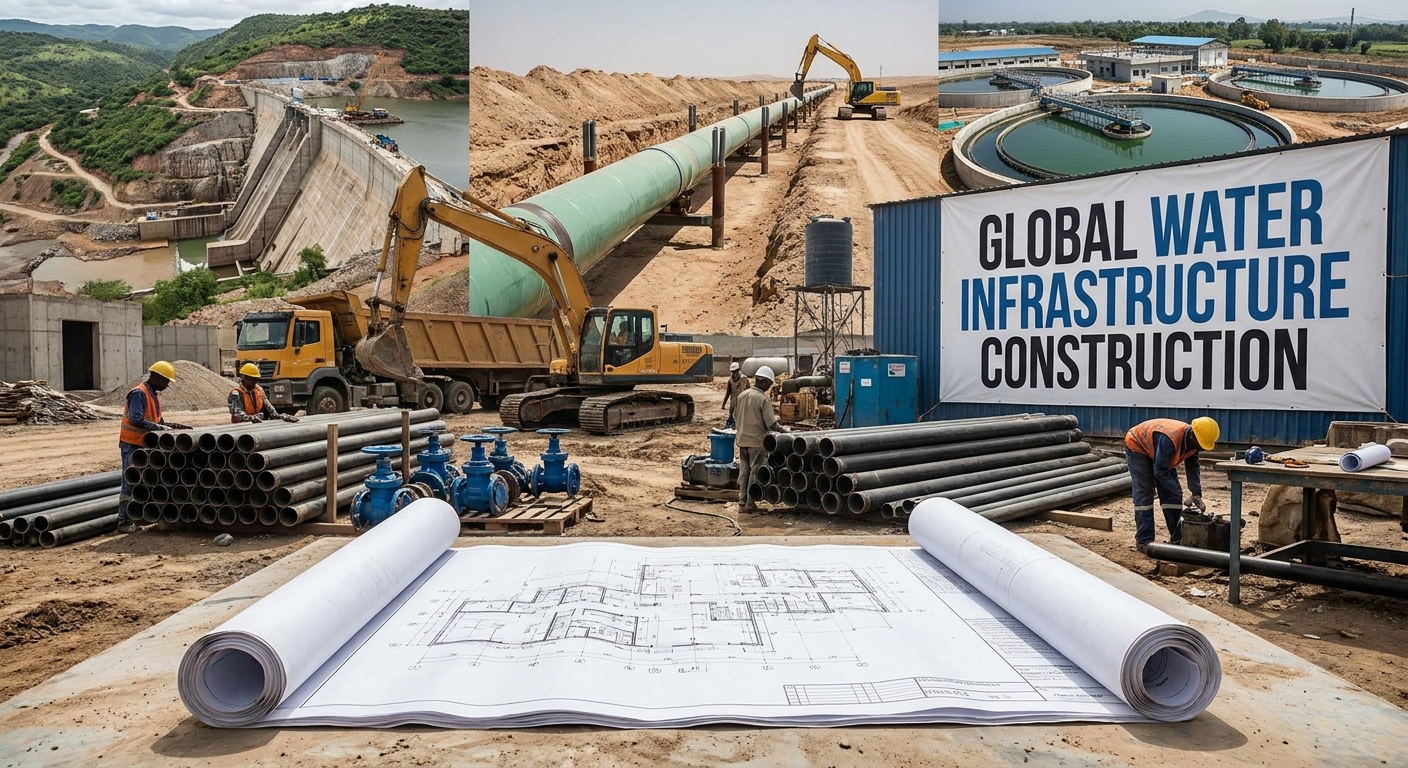
Global Water Infrastructure Accelerates IoT Transformation: Underlying Sensing Devices Emerge as the Backbone of Digitalization As global water scarci...
Steady Growth in the Global Radar Level Measurement Market: Intelligent Water Level Monitoring Technologies Empower Water and Industrial Applications ...
Global Water IoT Market Accelerates Expansion as Smart Sensing Devices Build the Digital Foundation for Smart Water According to the latest industry r...
The convergence of multi-sensor fusion, edge computing, and advanced telemetry is transforming aging water grids into resilient, self-optimizing networks.
Spatially aware sensing and edge telemetry are closing the visibility gap in aging hydraulic networks, enabling predictive water management at scale.
This article presents a detailed case study of a District Metered Area (DMA) implementation in a mid-sized Chinese city. Through a four-tier zoning architecture, electromagnetic flow meters paired with RTU edge terminals, combined with pressure management and active leak detection strategies, the city reduced its water network leakage rate from 28% to 8% within 18 months, saving over 12 million cubic meters annually. The article covers DMA boundary delineation methods, instrument selection criteria, and real-world performance data.
Aging infrastructure and climate stress demand continuous, high-accuracy field data. Edge telemetry and multi-sensor fusion transform maintenance into predictive resilience.
Urban drainage monitoring faces three core challenges: high capital investment, difficult maintenance, and data silos. This article presents a systematic engineering approach combining tiered sensor deployment, dual-mode LoRa+NB-IoT communication, and edge computing to achieve scalable, cost-effective drainage network monitoring.
Next-generation telemetry and edge computing are transforming aging pipelines into resilient, data-driven networks across global municipalities.
How advanced 80GHz radar, Doppler flow tech, and edge telemetry transform reservoir dam safety monitoring, flash flood warning, and ecological compliance.
Global utilities are replacing legacy monitoring with continuous telemetry networks to curb non-revenue water and secure infrastructure resilience.
Deploy camera-integrated 80GHz radar stations for precise urban waterlogging warnings. Real-time monitoring for underpasses & subway entrances.
Integrating advanced radar, electromagnetic sensing, and edge RTUs transforms invisible underground networks into transparent, data-driven assets, drastically reducing non-revenue water.
Non-contact flow measurement technologies are transitioning from laboratory to large-scale engineering deployment. This article systematically examines the principles, application scenarios, and accuracy boundaries of transit-time ultrasonic, Doppler ultrasonic, radar surface velocity measurement, and laser Doppler velocimetry, providing practical selection guidance and installation considerations based on field engineering experience.
Global utilities are transitioning from legacy maintenance models to predictive, sensor-driven networks to combat aging infrastructure and climate volatility.
How advanced 80GHz radar sensors and edge RTUs are transforming hydrological station networks for predictive water management and precise resource metering under modern policy frameworks.
River water level monitoring faces challenges from turbulence, debris, and harsh environments. This article systematically compares pulse, FMCW, and guided-wave radar technologies, recommending 80 GHz FMCW as the optimal choice for river gauging, with detailed guidance on selection criteria, installation best practices, and data quality assurance.
Aging pipelines and climate volatility demand next-generation sensing. Integrated telemetry and edge analytics are transforming reactive maintenance into predictive resilience.
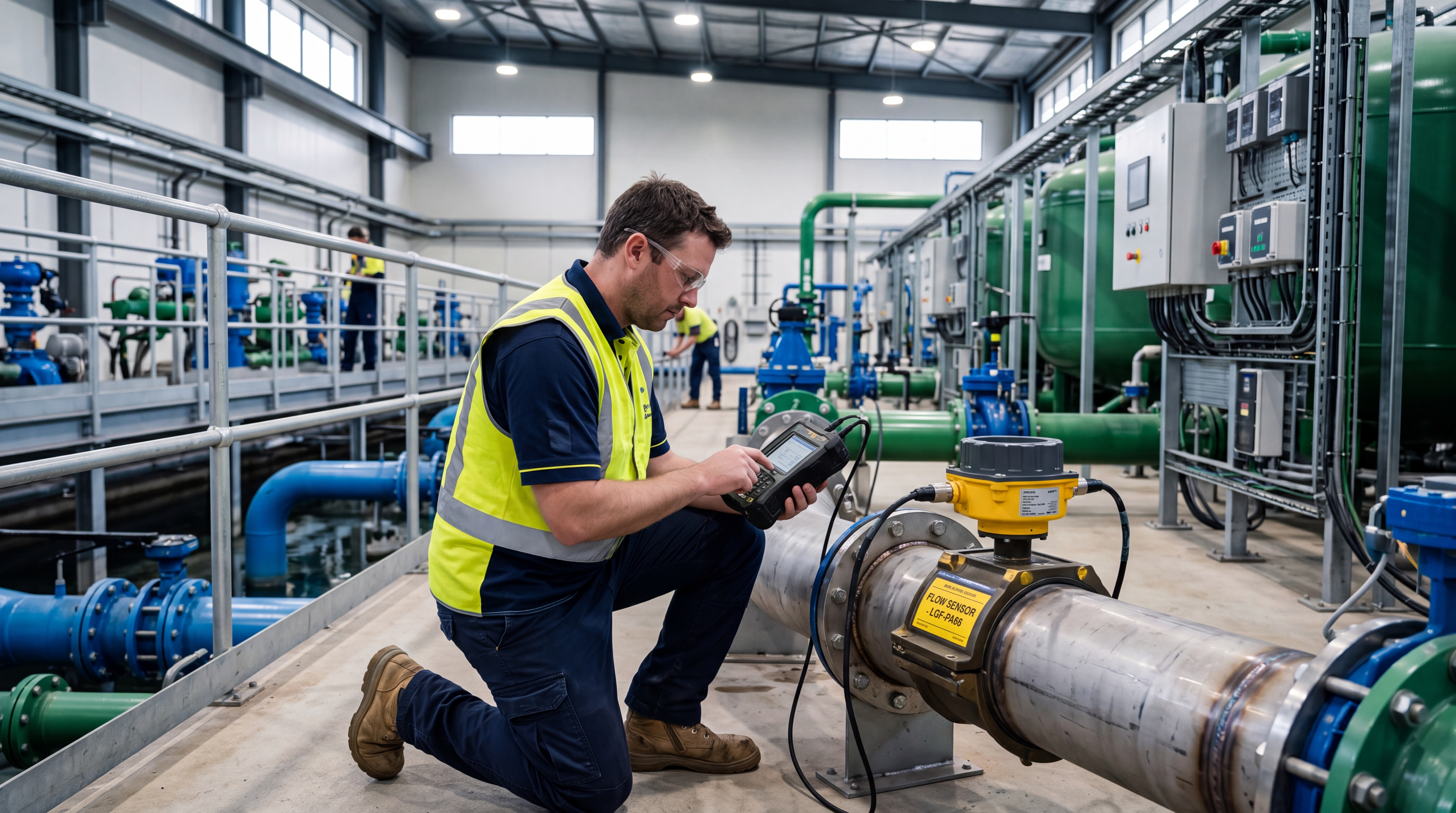
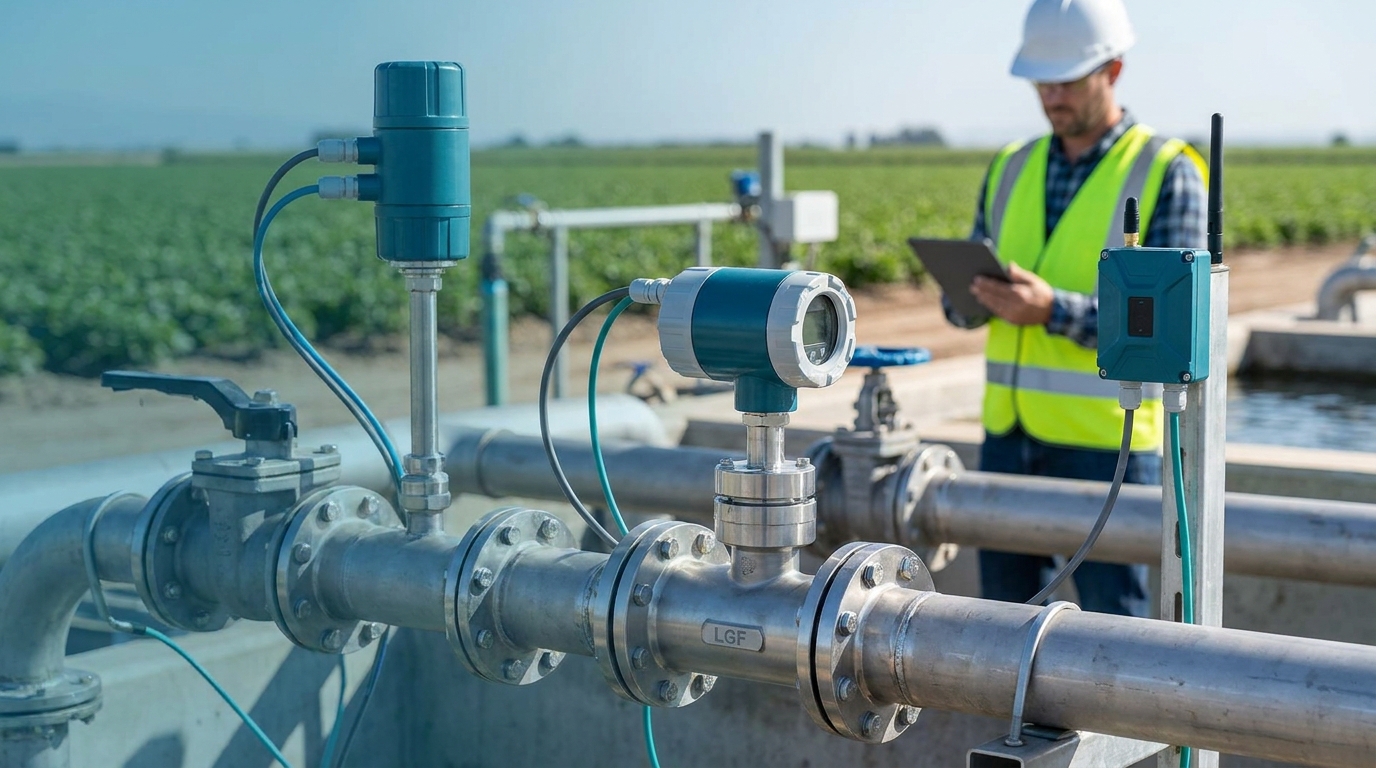
Aerospace-grade LGF-PA66 composites are replacing fragile PTFE linings, delivering maintenance-free, highly accurate flow monitoring for demanding water infrastructure.
Utilities worldwide are shifting from reactive maintenance to predictive infrastructure management through integrated sensor networks, edge analytics, and ruggedized telemetry hardware.
Modern manufacturing facilities are transitioning from reactive utility tracking to predictive resource optimization through precision flow metering and edge telemetry.
Aging water networks and climate pressures are driving utilities toward predictive monitoring, where integrated IoT sensing and edge telemetry redefine operational efficiency.
Explore how integrated camera-radar systems deliver ±1mm accuracy, eliminate confined-space entry, and cut deployment costs to 4500 RMB for modern water utilities.
Advanced telemetry, digital twin modeling, and zero-waste desalination are converging to transform fragmented infrastructure into predictive, climate-resilient water networks worldwide.
Explore 2026 water tech frontiers: AI digital twins, 98% PFAS removal, and how smart flow meters & RTUs enable real-time compliance.
This article systematically examines electromagnetic flowmeter deployment in water distribution networks from four engineering dimensions: sensor sizing, installation requirements, grounding design, and long-term maintenance, with practical guidance on accuracy assurance and troubleshooting.
The convergence of aging infrastructure mandates and real-time telemetry is transforming hidden pipe networks into transparent, data-driven assets for global water security.
How IP68 RTU telemetry terminals and non-contact radar sensors solve urban drainage compliance and extreme condition monitoring challenges.
Advanced IoT sensing and edge analytics are transforming aging water networks into predictive, self-optimizing systems, driving unprecedented operational efficiency and resilience worldwide.
How integrated telemetry and precision sensing drive non-revenue water reduction in modern urban networks.
How precision sensing and edge telemetry transform industrial water intake tracking, steam metering, and enterprise energy consumption monitoring into measurable operational savings.
Urban pumping stations are critical nodes in drainage infrastructure. This article covers the key engineering considerations for deploying RTU-based remote monitoring systems in pumping stations, from sensor selection to communication configuration and environmental protection.
Global water management is transitioning from fragmented capital projects to integrated, performance-driven models powered by continuous monitoring and lifecycle accountability.
How unified sensor-RTU-flow architectures solve fragmented data gaps across rivers, drinking water, and industrial discharge networks.
Regulatory shifts, localized supply models, and cost-optimized IoT deployments are converging to transform urban water resilience, demanding precision sensing at the network edge.
This article examines how to architect high-density water utility sensor networks under tight budgets, covering communication protocol selection, optimal sensor placement, edge computing node design, and data quality management for scalable water digitalization.
As global water reuse coalitions form and AI treatment pilots win major awards, the industry’s next bottleneck shifts from algorithm design to high-fidelity field data acquisition.
Real-time telemetry and high-precision sensing combat I/I, CSO, and compliance gaps in rapidly urbanizing municipal drainage networks.
As water transitions into a financialized asset and AI infrastructure demands unprecedented resource precision, the global sector pivots from passive monitoring to predictive digital resilience.
This article presents a detailed DMA (District Metered Area) implementation case study from a mid-sized Chinese city. Through a three-tier zoning strategy, strategic deployment of electromagnetic flow meters and RTU telemetry terminals, and systematic minimum night flow analysis with pressure management, the project reduced physical leakage from 35% to 12% over 18 months, saving over 8 million m³ of water annually. The methodology offers a replicable engineering framework for aging water distribution networks worldwide.
How low-cost electromagnetic flowmeters and solar RTUs enable precision irrigation, reduce O&M costs, and deliver sub-5000 RMB turnkey water metering for modern farmland.
Urban drainage network monitoring faces three core challenges: harsh installation environments, limited power and communication access, and high retrofitting costs. This article presents a cost-effective rapid-deployment framework covering sensor selection, communication architecture optimization, and energy self-sufficiency, enabling water utilities and system integrators to achieve digital sensing coverage of existing drainage networks on a constrained budget.
Global utilities pivot from theoretical targets to actionable delivery, leveraging precision sensing and collaborative frameworks to secure hydraulic infrastructure.
Explore how secure telemetry, visual fusion radar verification, and satellite IoT connectivity are transforming water digital transformation and utility infrastructure resilience.
As extreme basin deficits collide with AI-driven cooling demands, the water sector shifts toward circular systems, precision telemetry, and cross-border resilience.
Deep analysis of aerospace-grade PA66 sensor engineering, procurement economics, and IoT ecosystem integration driving a new standard for high-precision, cost-efficient water monitoring.
The convergence of ultrasonic analytics, direct flow sensing, and AI-driven pattern recognition is transforming water monitoring from reactive leak detection to predictive infrastructure management.
How global utilities shift from reactive crisis response to predictive resilience through IoT sensing, AI analytics, and edge telemetry infrastructure.
As major conferences and global initiatives converge on delivery, the water sector is shifting from pilot-stage experimentation to scalable, data-driven implementation.
Global water utilities are transitioning to AI-powered monitoring and precision sensing to combat climate stress and infrastructure decay.
Discover how unified edge architecture and multi-parameter sensing transform river compliance, drinking water safety, and industrial discharge monitoring into a single, scalable IoT deployment.
2026 signals a structural shift: water innovation is no longer niche—it’s capital-attracted, regulation-aligned, and globally interoperable.
Ecolor Technology’s 80GHz visual fusion radar flow meter delivers ±1mm accuracy, non-contact underground monitoring, and solar-powered operation — all for just ¥4,500 — transforming how cities manage stormwater resilience.
Smart water sensors are shifting from reactive alerts to predictive, self-aware infrastructure—reshaping risk management, conservation, and utility engagement globally.
Ecolor Technology’s LGF electromagnetic flow meter delivers ±0.2% accuracy and IP68 ruggedness at just ¥850/DN50 — disrupting import-dominated water infrastructure procurement.
Global water systems are shifting from reactive maintenance to anticipatory resilience—powered by embedded sensing, interoperable data platforms, and cross-border technology transfer.
From Bangalore’s award-winning five-pillar model to the World Bank’s Water Forward program, global water reuse is shifting from policy ambition to scalable, sensor-enabled infrastructure deployment.
How Ecolor’s HERO V9 RTU and SITUMAN 80GHz visual Doppler radar deliver hydrological compliance, IP68 reliability, and -40°C–85°C operation — cutting field visits by 73% in urban drainage deployments.
Ecolor Technology’s LGF electromagnetic flow meter delivers ±0.2% accuracy and IP68 rating for just 850 RMB/DN50 — disrupting import-dominated water infrastructure procurement.
Global smart water sensing is shifting from passive detection to cognitive interpretation—using AI, multi-physical sensing, and edge intelligence to predict, contextualize, and act on water behavior.
How Ecolor’s HERO V9 RTU and LGF electromagnetic flow meters enable precise industrial carbon footprint tracking — aligned with global water utility decarbonization mandates.
Smart home water sensors are evolving from passive alarms to cognitive systems that interpret behavior, predict failure, and enable autonomous response—reshaping resilience across residential, municipal, and industrial water infrastructure.
How Ecolor Technology’s LGF flow meter, HERO V9 RTU, and 80GHz visual fusion radar enable precise, low-carbon water-energy-carbon accounting for factories and eco-parks — with verified 0.2% FS accuracy and 37% faster carbon data reconciliation.
Global smart water sensor innovation is shifting from passive monitoring to predictive, self-acting home water intelligence — with implications for infrastructure resilience, insurance models, and urban water equity.
How Ecolor’s LGF electromagnetic flow meter—850 yuan/DN50, ±0.2% accuracy, LGF-PA66 aerospace-grade一体 molding—reshapes procurement ROI for water utilities and industrial OEMs.
A wave of cross-border reuse initiatives, infrastructure reinvestment, and technology transfer signals a maturing global water sector — where scalable policy meets deployable sensing intelligence.
How Ecolor’s LGF flow meter, HERO V9 RTU, and 80GHz visual fusion radar enable precise, real-time carbon footprint tracking for factories and eco-parks — aligned with BERDO, EU ETS, and China’s national carbon goals.
WaterSmart Innovations and IWA WIN2026 reveal a decisive shift: the global water sector is no longer optimizing isolated systems—it’s integrating scarcity response, industrial resource recovery, and embedded intelligence into unified operational layers.
Global utilities deploy AI-augmented visual Doppler radar for real-time sewer flow—Ecolor’s world-first system achieves ±1.2% accuracy in turbulent, debris-laden conditions.
Radar Water Level Sensor for Urban Flood Defense: AI-Enhanced Monitoring Solutions by Ecolor Technology.
Real-time leak detection, on-device AI for contamination classification, and ambient-power sensing are converging to redefine water infrastructure intelligence — with Chinese innovators like Ecolor Technology advancing embedded edge capabilities.
Advanced soil-contact sensors and IoT-enabled irrigation controllers are shifting water management from scheduled abstraction to real-time soil intelligence—reshaping efficiency, equity, and infrastructure investment globally.
Global water systems are shifting from centralized control to distributed, context-aware intelligence—driven by dual-water infrastructure, low-friction IoT sensing, and embedded edge analytics.
How quantum-inspired sensing, AI edge analytics, and Ecolor’s world-first visual Doppler radar are transforming urban drainage monitoring — with 98.7% accuracy in live stormwater trials.
Global water innovation is fracturing into three parallel frontiers: subsea infrastructure, hyper-visibility for hidden flows, and accountability at scale — reshaping resilience, regulation, and real-time intelligence.
Global water tech surges with AI, wave-powered nodes, and graphene membranes — but real-time, subterranean flow intelligence remains the critical gap. Ecolor’s world-first visual Doppler radar closes it.
A new generation of subterranean flow sensing—combining 80GHz radar, AI vision, and Doppler physics—is transforming stormwater management in Tokyo, Rotterdam, and São Paulo.
Global water innovation is accelerating across three converging fronts: environmental hydropower modernization, atmospheric water generation, and ultra-precise leak detection—reshaping infrastructure resilience, equity, and real-time intelligence.
From blue loans to AI-powered soft sensors, global water investment is converging on intelligent infrastructure — where capital, data, and chemistry co-evolve.
Ecolor Technology’s LGF electromagnetic flow meter redefines affordability and performance—850 RMB ($118) for DN50, ±0.2% accuracy, IP68-rated, aerospace-grade LGF-PA66一体注塑—no welds, zero magnetic interference.
Global water innovation is shifting from isolated tools to integrated human-technical ecosystems—where next-gen professionals, embedded sensing, and utility-scale resilience co-evolve.
How Ecolor’s solar-powered, camera-integrated 80GHz radar water level sensor delivers sub-3mm accuracy and real-time situational awareness for subway entrances, underpasses, and low-lying roads.
As U.S. and Canada digital water spend doubles by 2036, smart metering is no longer just billing—it’s the operational spine enabling AI, emergency autonomy, and real-time infrastructure visibility.
Ecolor Technology’s integrated 80GHz FMCW radar + HD camera flow meter delivers ±1mm accuracy, non-contact installation in sewer wells, and unified flow/level/video diagnostics — all for ¥4,500.
How Ecolor Technology’s integrated RTU-sensor-flow solution delivers real-time, compliant, and cost-efficient river, drinking water, and industrial discharge monitoring.
From Syria’s flood-famine cascade to Colorado’s heavy metal crisis, water infrastructure is failing silently—until now. Embedded, AI-ready sensing is shifting from luxury to lifeline.
Global water tech surges with AI-native interfaces and edge radar miniaturization—Ecolor’s world-first visual Doppler radar delivers sub-2% flow accuracy in live sewer environments.
Global water innovation converges in 2026—driven by industrial decarbonization, portable purification demand in Asia-Pacific, and precision sensing infrastructure.
How Ecolor Technology’s LGF flow meter, HERO V9 RTU, and 80GHz radar level sensors cut non-revenue water by up to 22% in pilot cities — with real-time AI-ready edge sensing, zero-maintenance design, and SL651-compliant telemetry.
How Ecolor Technology’s integrated DMA monitoring stack—LGF flow meters, HERO V9 RTUs, and 80GHz radar level sensors—cuts non-revenue water by up to 22% in pilot cities across China.
Global water utilities are shifting from passive metering to active intelligence layers—powered by AI, edge sensing, and unified digital platforms.
How smart water instrumentation transforms carbon emission monitoring from regulatory checkbox to strategic decarbonization lever — with real-world data, Ecolor’s LGF, HERO V9, and visual fusion radar solutions.
WQA’s new president signals a paradigm shift—from technical water treatment to holistic human health, equity, and systems stewardship—reshaping global standards and innovation priorities.
From Tokyo’s flood-adaptive radar networks to Berlin’s self-calibrating flow sensors, edge-native water intelligence is accelerating — and Ecolor’s vision-fused radar systems are setting new benchmarks in real-world resilience.
Rising bills, invisible withdrawals, and AI-driven resilience are redefining water utility legitimacy — where transparency, subterranean visibility, and adaptive service design converge.
Comprehensive Guide to RTU Smart Terminal Performance OptimizationWith the rapid advancement of IoT technology, RTU smart terminals are increasingly d...
The 'Water Crisis' Behind the AI WaveAs global attention focuses on the explosive growth of ChatGPT, data centers, and semiconductor fabrication plant...
From September 22 to 25, 2025, the UNESCO Fifth World Biosphere Reserve Congress—co-organized by the Chinese Academy of Sciences and the People’s Gove...
Multidimensional Data Integration and Dynamic MonitoringThis platform deeply integrates Internet of Things (IoT), big data, and cloud computing techno...
STUMAN's intelligent terminal features a pioneering highly integrated design, combining millimeter-wave radar, a camera, a remote data transmission RT...
More than twenty leaders and experts from the provincial Department of Housing and Urban-Rural Development, industry associations, and partner enterpr...
Global water utilities are shifting from reactive maintenance to predictive, adaptive operations—powered by digital twins, AI-driven risk modeling, and next-gen sensing hardware.
80GHz radar + AI vision fusion is redefining real-time flow intelligence in constrained urban drainage — Ecolor’s world-first visual Doppler radar delivers sub-2% uncertainty in live sewer monitoring.
2026 reveals a quiet but profound pivot in global water tech: from visible product catalogs to invisible AI-driven infrastructure monitoring — where data fidelity, not just digital convenience, defines resilience.
How Ecolor Technology’s rugged, sub-$5,000 smart irrigation flowmeter solution delivers precision water metering for China’s 1.2B-mu high-standard farmland initiative — without compromise on durability or maintenance.
Smart home water sensors are no longer standalone gadgets—they’re the first nodes in a convergent intelligence layer spanning households, utilities, and infrastructure. This shift demands interoperability, edge-native analytics, and systemic resilience—not just detection.
Water utilities and industrial parks now face binding carbon reporting mandates—driving demand for metrology-grade, low-carbon instrumentation that delivers traceable, audit-ready emissions data.
# District Metered Area (DMA): A Strategic Foundation for Modern Water Utility Management In an era defined by climate volatility, aging infrastructu...
2026 emerges as a decisive year where AI integration, governance innovation, and global accountability converge to redefine water resilience — with Chinese tech firms like Ecolor Technology enabling field-level fidelity.
How 80GHz FMCW radar + HD vision systems are transforming urban flood defense — with real-world resilience data, solar autonomy, and edge intelligence for underpass, subway, and low-lying road monitoring.
Global water leaders are converging on geospatial analytics, IPv6-native edge intelligence, and satellite-augmented AI—shifting from reactive operations to anticipatory infrastructure stewardship.
How smart water instrumentation—electromagnetic flow, visual fusion radar level, and intelligent RTUs—is becoming the foundational layer for green low-carbon industrial park compliance and carbon emission monitoring.
From Colorado’s iconic Water World to the Water-AI Nexus Advisory Council, a dual-track evolution is reshaping global water stewardship—blending experiential resilience with embedded intelligence.
How Ecolor’s 80GHz visual fusion radar level sensor solves urban sewer monitoring with ±1mm accuracy, non-contact installation, and true 'See What You Measure' intelligence.
The Water-AI Nexus Advisory Council’s expansion signals a structural shift: AI is no longer a tool but a governance layer for water infrastructure — with implications for interoperability, equity, and real-time physical-digital fidelity.
Ecolor Technology's SITUMAN LGF series electromagnetic flowmeters feature aerospace-grade LGF-PA66 material, ±0.2% accuracy, IP68 protection, and DN50 at just 850 RMB.
Water infrastructure is the silent carbon ledger of industry — and real-time, calibrated water measurement is now foundational to credible industrial carbon neutrality.
Bastrop’s $5M advanced treatment contract and Water World’s 2026 tech-driven relaunch reveal a global bifurcation: critical infrastructure modernization and experiential water stewardship are converging as parallel drivers of sector evolution.
How integrated IoT sensor-RTU-flow systems are replacing fragmented monitoring — with real-world data on compliance gaps, maintenance costs, and deployment speed.
How Ecolor’s IP68-rated, SL651-native HERO V9 RTU + multi-band Doppler radar delivers dual assurance—regulatory acceptance and battlefield-grade resilience in urban sewers, hydropower, and farms.
Global water tech at IFAT 2026 signals a paradigm shift—from optimizing unit processes to engineering systemic resilience through integrated recovery, fouling intelligence, and chemical trace control.
How Ecolor’s LGF-PA66一体注塑 electromagnetic flowmeters eliminate liner failure—cutting lifetime TCO by 42% vs. PTFE/rubber-lined meters.
Global water digitization is no longer just about sensors and SCADA—it’s converging with semiconductor demands, regulatory accessibility mandates, and equitable monitoring. Ecolor’s underground radar and visual sensing align with this multi-layered resilience imperative.
How real-time sensor fusion—especially vision-Doppler radar and SL651-native RTUs—is turning digital twins from passive mirrors into active water infrastructure co-pilots.
80GHz radar combined with HD camera enables cm-level urban flood monitoring with real-time visual verification.
Discover how Ecolor's 80GHz radar+HD camera integration achieves ±1mm accuracy, 30m range, solar power, and IP68 for non-contact urban drainage, irrigation, and ecological flow monitoring at an unbeatable ¥4,500 suite.
Global water sector pivots to adaptive planning & AI; smart sensors like Ecolor's Doppler radars and flowmeters enable data-driven resilience.
Ecolor Technology's sub-$5,000 LGF flowmeter + HERO V9 RTU kit provides maintenance-free, precision irrigation metering for China's high-standard farmland, enabling water savings and regulatory compliance.
From United Utilities' £800m share sale to AI-powered platform ENZO, the global water sector is witnessing a convergence of capital, intelligence, and infrastructure modernization that redefines the industry's trajectory.
As SCADA RTUs dominate critical water telemetry, Ecolor’s HERO V9 integrates native SL651 protocol, IP68 ruggedness, and doppler radar for extreme environment monitoring and seamless regulatory compliance.
Consumer smart water devices and AI-driven urban/agri systems converge, with Ecolor Tech's industrial sensors bridging scales for water resilience.
US water utilities are merging AI-driven operational insights with modern billing portals. This analysis explores the global shift toward data-rich customer service and resilient infrastructure.
Explore how Ecolor Technology’s integrated sensors, RTU, and flowmeter deliver seamless online monitoring across four core water scenarios—river sections, drinking water terminals, industrial parks, and environmental waters.
How LGF-PA66 polymer flowmeters eliminate liner failures via aerospace-grade injection molding, backed by advanced melt-flow testing, for 20 years of maintenance-free water measurement.
Analysis: The sustainable blue economy, workforce health, and smart monitoring are converging to reshape global water management, with Chinese innovators poised to play a key role.
Discover how Ecolor Technology’s LGF-PA66 flowmeter, HERO V9 RTU, and visual fusion radar water level meters turn water flow data into actionable carbon footprints, helping industrial parks comply with green mandates.
How digital twins, AI data centers, and EPA’s $90M tribal grants converge to redefine water resilience, with sensor tech from Ecolor enabling real-time insight.
80GHz radar-camera stations from Ecolor deliver real-time water level and visual monitoring for low-lying roads and metro entrances, enabling proactive urban flood warnings.
How cities and farmlands are using artificial intelligence, total water management, and advanced sensing to turn water crisis into economic growth.
Ecolor's LGF flowmeter at 850 CNY/DN50 breaks price barriers with ±0.2% accuracy, IP68, and zero interference – powering affordable smart water metering.
Discover how IP68 radar flowmeters and RTUs withstand -40°C to +85°C, salt spray, and lightning for unattended water monitoring in storms, deserts, and flooded drains.
As regulatory pressure intensifies and water infrastructure demands always-on connectivity, the HERO V9 RTU’s native SL651 compliance guarantees one-shot project approval for hydrological monitoring.
IoT sensors, AI analytics, and smart shut-off valves are converging to create self-regulating water networks, reshaping global infrastructure management.
Discover how LGF electromagnetic flow meters paired with HERO V9 RTU deliver precision irrigation metering under $5000, solving farmland water measurement challenges.
Smart water technologies evolve from passive monitoring to active intervention, reshaping global water infrastructure with AI-driven leak protection and industrial IoT integration.
As the digital water market surges toward $22B by 2035, IoT sensors and AI analytics are transforming water utilities from reactive repair services into proactive infrastructure managers.
A deep analysis of how IoT sensor proliferation—from smart home leak detectors to industrial optical probes—is reshaping water resilience, efficiency, and infrastructure intelligence worldwide.
An analysis of global water utility trends, revealing a convergence of smart technology, sustainable finance like green bonds, and a renewed focus on environmental stewardship.
Aging infrastructure and new data-driven demands are forcing a global shift in water management. This analysis explores how advanced sensing and data analytics are the critical foundation for building a resilient and intelligent water future.
Discover how aerospace-grade LGF-PA66 composite and one-piece injection molding are disrupting the electromagnetic flowmeter market, enabling unprecedented affordability without compromising on precision.
An analysis of how consumer smart home water sensors are creating a data-driven demand that is accelerating the adoption of advanced IoT and sensing in industrial water management.
Explore how Ecolor's LGF flowmeter and RTU solution breaks the cost barrier for precision irrigation, offering durable, maintenance-free agricultural water metering.
Professionals working on smart water conservancy, flash flood early warning, and industrial IoT all understand one thing clearly: while certain compon...
The digital economy's immense thirst for water is creating a new paradox. This analysis explores how this challenge is accelerating a global pivot towards intelligent infrastructure and advanced sensing technologies.
Traditional PTFE-lined flowmeters face inevitable failure from delamination. Ecolor's LGF polymer technology offers a revolutionary liner-free design, ensuring a 20-year maintenance-free lifespan and eliminating a critical industry vulnerability.
An analysis of recent global water industry shifts, highlighting the convergence of international collaboration, data-driven management, and advanced technology.
Extreme weather demands more than just 'waterproof.' Explore the engineering behind true IP68 reliability, from -40°C operation to non-contact sensing, ensuring data integrity in the harshest field conditions.
Massive infrastructure spending and the AI revolution are converging, creating a multi-billion dollar smart water market. This analysis explores the paradox of AI's water demand and the critical role of advanced sensing.
Explore how integrating 80GHz radar with HD cameras is revolutionizing urban flood defense. Learn how this sensor fusion provides actionable, verifiable data for proactive waterlogging warning systems.
As the digital economy's thirst strains water resources, the WEF Nexus concept moves from theory to crisis. Can advanced sensing tech bridge the gap?
Discover how adherence to the SL651 protocol is the key to avoiding costly delays in water projects, and why compliant RTU telemetry terminals are crucial.
A $520B infrastructure market is colliding with a digital revolution. This analysis explores how smart, cost-effective tech is solving the industry's biggest challenges.
Discover how material science and injection molding are slashing electromagnetic flowmeter prices, challenging premium brands and making precision monitoring accessible.
Massive infrastructure projects and a booming AI market signal a new era. This analysis explores the convergence of capital and code in shaping a resilient water future.
High-standard farmland projects demand scalable, reliable water metering. Discover how new, low-cost smart irrigation flowmeters are making precision possible.
Global water leaders are shifting from AI experimentation to mission-critical operations, prioritizing human expertise, cybersecurity, and supportive policy.
Conventional flowmeters hide a critical failure point: the liner. Discover how aerospace-grade LGF polymer technology eliminates this risk, offering 20 years of maintenance-free operation.
A look at 2026's water industry events reveals a shift from pure tech hype to a focus on expert leadership, practical solutions, and public engagement.
Explore how Digital Twins are revolutionizing water management, moving from reactive fixes to predictive optimization, powered by advanced IoT sensor technology.
Achieve durable, affordable, and maintenance-free agricultural water metering for high-standard farmland with Ecolor's LGF flowmeter and HERO V9 RTU.
A new era in water management is dawning, driven by integrated investments, disruptive point-of-source technologies, and empowered, data-hungry consumers.
Explore how integrated 80GHz radar and camera sensors are revolutionizing urban flood defense, providing real-time data and visual proof for waterlogging warning systems.
Discover how integrated 80GHz radar and camera stations provide real-time, verifiable data for a proactive urban flood monitoring and waterlogging warning system.
A new era in water management is dawning, driven by decentralized treatment, advanced digital control, and dynamic sensing technologies. This analysis explores the key trends.
Explore the top water tech trends: sensor fusion and edge AI. See how they're revolutionizing water IoT and creating truly intelligent monitoring systems.
AI and advanced sensors are creating self-aware water networks. This analysis explores the shift from reactive to predictive management and its global implications.
Explore how advanced radar water level sensors are powering next-gen urban flood warning systems, moving beyond apps to provide actionable, real-time data.
Explore how IP68-rated RTUs & radar sensors ensure data integrity in harsh conditions, from floods & freezing cold to corrosive sewers & remote solar-powered sites.
Traditional PTFE liners in anti-corrosion flowmeters create hidden maintenance costs and failure risks. Discover how liner-free LGF polymer technology ends this.
Traditional flowmeter liners are a critical point of failure. Explore how LGF polymer creates a liner-free, anti-corrosion flowmeter with a 20-year lifespan.
In an era of AI-driven water management, project success hinges on compliance. Discover why standardized RTU telemetry terminals are the foundation for success.
A wave of smart home water devices is shifting control to consumers. This article analyzes how this trend impacts utilities and connects to the larger digital transformation of water infrastructure.
Discover how LGF polymer composites are creating liner-free electromagnetic flowmeters that eliminate delamination, reduce TCO, and offer a 20-year lifespan.
As global water challenges intensify, new frontiers in desalination and purification are emerging. This article explores these innovations and the critical role of water IoT.
As water IoT expands, new cybersecurity and resilience challenges emerge. Explore how to build a secure water digital transformation from the hardware up.
The rise of consumer smart water monitors from brands like Moen and LIXIL is creating a data revolution, moving leak detection from a reactive to a proactive model.
As global irrigation projects modernize, the need for affordable, durable agricultural water metering grows. See how new technology is making it possible.
Traditional flowmeter liners are a chronic failure point. Discover how aerospace-grade LGF polymers create liner-free designs for 20-year, maintenance-free reliability.
High costs for precision flowmeters have hindered smart water adoption. Ecolor's LGF flowmeter, using aerospace composites, offers ±0.2% accuracy at a disruptive price.
Major acquisitions, technology scaling, and project cancellations reshape global water infrastructure landscape as industry balances growth with risk management.
Comprehensive analysis of modern IoT data logging systems for water utilities, featuring compliance-focused RTU terminals and hydrological data acquisition.
SWAN's new Smart Metering Playbook and China's digital water initiatives signal a global shift toward intelligent water infrastructure and data-driven operations.
Explore how visual fusion radar level sensors with camera integration are transforming water monitoring with 'see what you measure' technology.
Xylem Vue report identifies generative AI, agent-based architectures, cybersecurity, early warning systems, and public-private partnerships as key drivers.
US irrigation districts invest billions in smart water metering infrastructure upgrades, driving demand for cost-effective precision irrigation solutions.
Major developments in AI and digital transformation are reshaping water management globally, with significant implications for industry players and infrastructure.
Analysis of how advanced materials and manufacturing processes are disrupting the electromagnetic flowmeter market with dramatic price reductions.
Analysis of recent water sector developments shows increasing focus on waste heat recovery, transboundary cooperation, and infrastructure protection
How aerospace-grade LGF-PA66 polymer technology is revolutionizing water flow measurement with 20-year maintenance-free operation and superior corrosion resistance
Analysis of emerging water management trends combining digital innovation, gender equality initiatives and localized solutions for sustainable development
Analysis of how modern RTU telemetry terminals are helping water utilities meet regulatory compliance while improving operational efficiency
Analysis of how AI, IoT and digital solutions are transforming water infrastructure management, with market growth projected at 11.4% CAGR through 2035
New integrated radar-camera solution combines 80GHz FMCW radar with HD camera for precise water level and flow monitoring in underground infrastructure
Analysis of emerging opportunities in water infrastructure heat recovery, with focus on data centers and utilities pioneering new sustainable solutions
Analysis of IP68 water monitoring solutions for harsh environments, featuring breakthrough innovations in radar flow measurement and remote sensing technology
Analysis of how digital transformation and advanced sensing technologies are reshaping water infrastructure management globally, with focus on China's achievements
Analysis of breakthrough water technologies and policies shaping the industry in 2024, from advanced treatment solutions to digital transformation initiatives.
Analysis shows utilities must accelerate adoption of proven technologies as climate risks and operational challenges intensify globally
How advanced radar water level monitoring with integrated cameras is revolutionizing urban flood early warning systems for subways and underpasses
As industrial automation and digital transformation deepen, flow measurement technology is undergoing major changes. The application of innovative technologies like multi-parameter fusion measurement and real-time verification is comprehensively improving flow metering accuracy and reliability, bringing new development opportunities to the water industry.
This article compares Doppler and electromagnetic flowmeters for smart irrigation systems, analyzing their technical features, applications, and cost-effectiveness to help decision-makers choose the right solution for their irrigation modernization projects.
Cities worldwide are accelerating the deployment of next-generation flood monitoring and warning systems, integrating multi-source data from radar stations and water level meters through GIS platforms, combined with AI technology for precise warnings. This trend brings new opportunities to China's water management market, driving rapid growth in smart sensor equipment demand.
The next-generation visual water level radar combines 80GHz FMCW radar with HD camera for precise groundwater monitoring and visualization. Features ±1mm accuracy, 30m range, and solar power for reliable long-term operation, providing dependable data for groundwater resource management.
According to the latest market forecast report, the global IoT technology market size will grow from $514.7 billion in 2026 to $840 billion in 2032, with smart water management and smart cities becoming key growth areas. Digital transformation in the water industry is accelerating comprehensively.
The LGF Injection Electromagnetic Flowmeter offers a new solution for industrial water monitoring with IP68 protection, ±0.2% measurement accuracy, and diverse communication options. This article analyzes its technical advantages, applications, and implementation benefits.
Global industrial flow measurement technology is undergoing major transformation, evolving from traditional mechanical measurement to intelligent and digital solutions. The integration of high-precision sensing technology and real-time control systems is reshaping the future of industrial process control.
Explores the innovative application of next-generation RTU intelligent terminals based on ARM Cortex-A7 architecture in smart water SCADA systems, analyzing their technical advantages and implementation value in hydrological monitoring and remote data collection scenarios.
Recent research from the Himalayan region shows that combining low-cost real-time monitoring systems with community-engaged SMART flood warning systems can effectively enhance flood prevention capabilities in mountainous cities. This experience offers important insights for China's mountain urban flood prevention systems.
This article analyzes the innovative application of visual Doppler flow radar in hydropower station discharge monitoring, exploring how multi-band radar and video fusion technology achieves high-precision measurements within ±3% accuracy, supporting ecological flow management and smart scheduling.
24GHz Doppler radar sensing technology achieves major breakthrough in precipitation monitoring, accurately identifying various forms of precipitation like rain, snow, and hail, providing more precise data support for smart water management. This technology shows broad application prospects in China's water utility market.
To meet ecological flow monitoring requirements in hydropower stations, Ecolor Technology's LGF injection electromagnetic flowmeter offers reliable solutions with IP68 protection, ±0.2% high accuracy, and multiple communication modes, supporting intelligent monitoring of ecological discharge flow.
Through analysis of global flood prevention cases, this article explores innovative applications of multi-source data integration, community participation, and low-cost real-time monitoring systems in modern flood warning systems, revealing new trends in smart flood prevention and their profound impact on China's water market.
Exploring innovative applications of visual water level radar in reservoir dam safety monitoring, combining 80GHz FMCW radar with HD camera technology to achieve ±1mm high-precision measurement, providing 24/7 real-time monitoring and early warning for reservoir dam safety management.
This article analyzes the innovative application of 80GHz FMCW radar combined with HD cameras in urban drainage monitoring, focusing on its technical advantages and implementation in flood warning and water level monitoring scenarios.
Multiple regions are deploying new-generation flood warning systems based on GPU and AI, achieving precise predictions through multi-source data integration. Innovative practices in Rhode Island, USA, and Busan, South Korea provide important references for China's smart flood prevention development.
This article provides a comprehensive analysis of key installation points and technical challenges for LGF injection electromagnetic flowmeters, covering grounding, piping requirements, and protection ratings. Special focus on IP68 protection applications in harsh environments.
Recent international water monitoring technology shows trends toward intelligence and digitalization. By 2025, the global water monitoring sensor market is expected to exceed $50 billion. Domestic water utilities are accelerating the deployment of intelligent monitoring systems, with new generation sensing equipment from manufacturers like Ecolor Technology gaining market recognition.
This article analyzes the application value of ARM-based water monitoring RTU terminals in water conservancy informatization, focusing on the technical features and application solutions of Ecolor Technology's latest HERO V9 smart terminal, providing reference for water conservancy project decisions.
According to the latest market research report, the global smart water IoT solutions market is expected to reach $218 billion by 2025, with a CAGR of 23.4%. The Chinese market, driven by policy support and technological innovation, is poised to become the largest growth engine globally.
This article introduces an innovative application of visual Doppler radar flow meters in urban water supply network monitoring. The device integrates multi-band radar with HD cameras, achieving non-contact flow measurement with ±3% accuracy, providing precise data support for smart water network upgrades.
Recent global climate changes have intensified flooding disasters, prompting the water industry to accelerate the deployment of intelligent monitoring and early warning systems. Radar sensing technology continues to deepen its application in flood prevention monitoring, with the global market expected to exceed $15 billion by 2024.
This article analyzes the current market status of Chinese 80GHz radar level meters, focusing on the technical features and selection criteria of visual water level radars. It provides professional advice for decision-makers in urban water management and flood warning applications from a cost-performance perspective.
With the rapid development of Industrial IoT technology, smart flow metering devices are becoming a new focus in the global water industry. The global Industrial IoT flow meter market is expected to exceed $30 billion by 2025, with a CAGR of 15%. Chinese water utilities are actively pursuing related technological innovations.
This article analyzes market pricing trends and key selection criteria for LGF injection electromagnetic flowmeters, comparing accuracy, protection ratings, and communication methods to provide professional procurement advice. Ecolor Technology offers factory-direct pricing for better value.
As global climate change intensifies, developed countries in Europe and America are increasing investments in intelligent flood monitoring systems. Radar sensors are becoming the mainstream choice in water level monitoring due to their non-contact, high-precision, and all-weather advantages, bringing new development opportunities for Chinese water utilities.
As IoT technology rapidly evolves, RTU telemetry terminals play an increasingly crucial role in water conservancy informatization. This article analyzes RTU technology trends and explores how next-generation intelligent terminals enable digital transformation and smart monitoring in the water industry.
Recent global climate changes have led to frequent flooding disasters, prompting water authorities to increase investment in intelligent monitoring equipment. This article analyzes the latest development trends of radar sensor technology in flood monitoring and explores opportunities and challenges in China's water management market.
Through analysis of field data from Ecolor Technology's Steadman Visual Doppler Flow Radar under extreme conditions like severe cold and heavy rain, its reliability and accuracy advantages were verified. Test results show the device maintains ±3% high accuracy within -40°C to 70°C, providing a reliable solution for hydraulic engineering.
Visual Doppler flow radar achieves high-precision non-contact flow monitoring in open channels, rivers, and discharge outlets through multi-band radar and video fusion technology. This article analyzes the technology trends, application advantages, and industry impact, providing professional reference for hydraulic engineering professionals.
With increasing extreme weather events, global water industry sees surging demand for intelligent radar monitoring equipment. Latest data shows global radar level meter market reached $4.7 billion in 2023, expected to exceed $6.5 billion by 2025. This article analyzes industry trends and their impact on China's water market.
This article provides detailed strategies for optimizing performance and maintaining visual water level radar systems, combining 80GHz FMCW radar technology with HD visual monitoring to achieve ±1mm measurement accuracy and ensure stable operation in harsh environments.
According to latest research data, the global urban water utilities digital transformation market reached $28.5 billion in 2023 and is expected to exceed $40 billion by 2025. Smart flow metering and remote monitoring solutions have become key investment priorities for water utilities.
As smart irrigation districts continue to develop, the demand for high-precision flow measurement equipment grows. This article analyzes the technological innovations and advantages of LGF injection molding electromagnetic flowmeters in pipeline monitoring, highlighting their crucial role in smart water conservancy projects.
This article provides detailed strategies for optimizing performance and maintaining LGF injection molding electromagnetic flowmeters. With focus on ±0.2% high-precision measurement and IP68 protection design, it offers practical guidance for engineers to maximize equipment value and extend service life.
According to latest research, the global smart water meter market is expected to reach $32 billion by 2025, with a CAGR of 15.3%. Industrial IoT technology innovations in flow measurement are driving this growth.
This article analyzes the key role of RTU smart terminals in smart water management, focusing on Ecolor Technology's HERO V9 series products and their innovative applications in hydrological monitoring and water supply network supervision, providing reliable technical support for water utilities' digital transformation.
This article analyzes the crucial role of next-generation RTU intelligent terminals in smart water management, focusing on the technical features and applications of ARM-based HERO V9 telemetry terminals, providing valuable insights for water utilities' digital transformation.
Recent research shows surging demand for SCADA system upgrades in the global water industry, with related investments expected to reach $28 billion in 2024. Upgrading smart RTUs and IoT sensors has become a focus of water utilities' digital transformation.
This article analyzes the performance of Ecolor Technology's Visual Doppler Flow Radar under extreme conditions including high temperature, heavy rain, and freezing environments. Field testing verified that the device maintains ±3% measurement accuracy from -40°C to 85°C, significantly outperforming traditional open channel flowmeters.
This article analyzes real-world cases to examine the performance of Visual Doppler Flow Radar under extreme weather conditions such as heavy rain and low temperatures. Based on long-term operational data from multiple locations, it validates the reliability and stability of this technology in monitoring river discharge outlets and open channel flow.
As Industrial IoT technology rapidly develops, the flow measurement field is experiencing a digital revolution. The combination of multi-sensor fusion, AI algorithms, and 5G communications is driving innovation in smart flow metering devices, bringing new opportunities and challenges to the water industry.
As cities accelerate their smart water management initiatives, traditional water level monitoring equipment struggles to meet precision and intelligence requirements. This article analyzes the technical advantages and applications of 80GHz visual fusion radar technology in urban flood warning and water infrastructure management.
As urbanization accelerates and extreme weather events increase, smart water management becomes increasingly crucial. This article analyzes visual level radar technology trends and explores innovative applications of 80GHz FMCW radar combined with HD visual monitoring in urban flood control and river management.
The global water industry has made significant progress in radar sensor technology applications, with new-generation millimeter-wave radar water level meters showing unique advantages in flood monitoring. This article analyzes technology trends, their impact on China's water market, and introduces Ecolor Technology's solutions.
According to global water consulting agencies, the smart water monitoring market will exceed $120 billion in 2024, with IoT and AI technology integration becoming mainstream. This article analyzes the trend's impact on China's water market and introduces Ecolor Technology's solutions.
This article provides detailed strategies for optimizing RTU terminal performance, covering hardware configuration, communication protocols, and maintenance. It analyzes the advantages of HERO V9 series in water monitoring applications and offers practical maintenance tips.
According to latest research data, the global water infrastructure monitoring market will exceed $28 billion in 2024, with AI and IoT integration becoming the industry mainstream. Demand for smart sensors and remote monitoring devices continues to rise as Chinese water utilities accelerate digital transformation.
Visual Doppler Flow Radar combines multi-band radar and video fusion technology to achieve high-precision non-contact flow measurement in open channels, rivers, and discharge outlets, providing core data support for smart water management digital transformation.
According to latest research reports, the global smart water IoT market is expected to exceed $200 billion between 2025-2026, with a CAGR of 18.5%. The integration of new technologies like AI, 5G and edge computing will drive rapid industry development.
Ecolor Technology introduces a next-generation visual water level radar that integrates 80GHz FMCW radar with HD camera, achieving ±1mm high-precision measurement. Powered by solar energy, it's ideal for urban flood warning and river monitoring, setting new standards in water level monitoring.
With the rapid development of Industry 4.0 and smart water management, the demand for high-precision flow measurement continues to grow. This article analyzes the technological innovations, application advantages, and future trends of LGF injection molding electromagnetic flowmeters, providing professional reference for engineers and decision-makers.
As Industry 4.0 sweeps the globe, smart sensors and digital twin technology are reshaping industrial flow measurement. This article analyzes the impact on China's water industry market and explores how Ecolor Technology drives digital transformation through innovative products.
This article provides a comprehensive guide for deploying RTU intelligent terminals in water monitoring systems, focusing on the HERO V9 terminal's technical advantages, installation essentials, and maintenance recommendations to help engineers achieve reliable remote monitoring.
This article introduces Ecolor Technology's latest Visual Water Level Radar System, which combines 80GHz FMCW radar with HD cameras to achieve ±1mm high-precision water level monitoring and real-time visual surveillance, providing a new solution for urban flood warning and smart water management.
This article provides detailed guidelines for installing and deploying LGF injection molded electromagnetic flowmeters in irrigation pipeline systems, covering key aspects including preparation, installation location selection, and grounding requirements to help engineers achieve precise flow measurement and improve network efficiency.
The latest UN report highlights that 2.2 billion still lack safe drinking water, with smart water technology emerging as the critical pathway to solving the global water crisis.
Multi-band Doppler radar flowmeters are transforming flood emergency monitoring with non-contact measurement technology that overcomes the limitations of traditional equipment during extreme flood events.
A Water Online report reveals the global AI value chain consumes 23.7 km³ of water annually, projected to grow 129% by 2050. With 100 km³ lost through aging networks each year, intelligent water monitoring technology is becoming the critical solution.
Urban flooding is a growing challenge worldwide. The 80G visual fusion radar level sensor combines FMCW radar with HD cameras for non-contact water level monitoring at ±1mm accuracy, delivering intelligent early warning for urban drainage networks.
Real-world case study of deploying HERO V9 RTU in a 400,000-mu irrigation district renovation. Covers power supply design, multi-link communication, remote gate control, data quality assurance and O&M best practices.
Comprehensive comparison of hydrological RTU telemetry terminals across protocol compatibility, protection ratings, expansion capability, power consumption and stability. Detailed analysis of HERO V9 advantages in water monitoring, irrigation and urban water management.
Real-world case study of deploying visual flow radar for river outfall monitoring. Covers equipment selection, site installation, data collection, compliance reporting, and maintenance best practices.
In-depth comparison of Doppler radar flowmeters vs ultrasonic, electromagnetic, and open-channel flowmeters. Detailed analysis of the integrated level+velocity+flow+camera advantages of visual flow radar for water conservancy engineers.
Using a provincial capital city flood monitoring project as a case study, this article details the deployment of 80G visual fusion radar level gauges at urban waterlogging hotspots, underpasses, and low-lying road sections — covering installation, commissioning, and early warning integration to provide a replicable technical approach for urban flood management.
A comprehensive analysis of the 80G FMCW visual fusion radar level gauge — covering working principles, key parameters, and selection criteria. Compares traditional ultrasonic, pressure, and float-type level gauges to help water conservancy engineers choose the optimal water level monitoring solution for urban pipe networks and river discharge outlets.
A detailed walkthrough of the LGF injection-molded electromagnetic flow meter in a smart irrigation project — covering selection, installation, commissioning, and data networking. Includes site layout plans, installation best practices, and troubleshooting experience to provide water conservancy engineers with actionable technical references.
An in-depth comparison of the LGF injection-molded electromagnetic flow meter and traditional metal electromagnetic flow meters across 7 key dimensions including materials, accuracy, ingress protection, and cost — helping procurement engineers make better selection decisions. PA66 aviation-grade composite, one-piece injection molding, IP68 protection, ±0.2% accuracy, starting from ¥850.
Not all annual meetings are for celebration; some are for mobilization. On February 6, 2026, Ecolor Technology held its annual strategic mobilization conference. This was not only a review of 2025 but also a declaration of a 'Must-Win Battle': In 2026, Ecolor Technology officially initiated its strategic transformation towards an integrated industrial and trade model, shifting from an 'engineering integrator' to an 'intelligent instrument manufacturer'.
On October 23, 2025, the exchange event for the "Zhejiang Dongyang Modern Timber Structure Low-Carbon Building and Good House Model Industry-Education Integration Innovation Demonstration Base" was grandly held at the Woodcarving Town Campus of Zhejiang Guangsha University. Supported by the Provincial Department of Construction and jointly promoted by Zhejiang Guangsha University, Mingtang Group, Zhejiang Green Building and Building Industrialization Association, and the Dual Carbon Service Promotion Association, this event marks a crucial step in the industry-education integration path of "resource symbiosis and value co-creation" through the of government, industry, university, and association.
In the megacity of Shanghai, the underground drainage network functions like the 'city's blood vessels,' supporting the daily operations of tens of millions of residents. However, traditional drainage monitoring often faces challenges such as complex in-well environments, delayed data feedback, and high maintenance costs. Now, the in-well intelligent terminal from Hangzhou SituMan Measurement & Control Technology Co., Ltd., with its four core functions, equips Shanghai's drainage system with 'smart eyes,' ushering in a new chapter for monitoring the city's underground lifelines.
With the acceleration of urbanization and the advancement of the 'Digital China' strategy, underground pipeline networks, as the city's 'lifelines,' are ushering in unprecedented development opportunities. It is predicted that by 2025, the market size of China's underground utility tunnels will exceed one trillion yuan, with an average annual compound growth rate of over 5%. Facing this blue ocean market, IoT smart monitoring devices, leveraging their core advantages of real-time sensing and precise early warning, have become a key force driving industry upgrade.
The "Dual-Carbon Monitoring Digital Intelligence Platform" developed by Easycolor Technology (Hangzhou) Co., Ltd. has been successfully recognized as a Zhejiang Province Green Building and Building Industrialization Innovation Technology, marking a significant breakthrough in promoting intelligent carbon management in the construction sector. The following discussion elaborates on its technical highlights, application scenarios, and social value.
From September 22 to 25, 2025, the 5th UNESCO World Congress on Biosphere Reserves, co-hosted by the Chinese Academy of Sciences (CAS) and the People’s Government of Zhejiang Province, was successfully held in HangzhouThe State Council of the People's Republic of China. As an invited exhibitor, Ecolor Technology (Hangzhou) Co., Ltd. showcased its practical achievements in "Digital & Intelligent Empowerment for Ecological Governance" at the congress, and shared its technological applications and outcomes in biodiversity conservation with global participants.