Building Energy Consumption Dynamic Monitoring System Solution
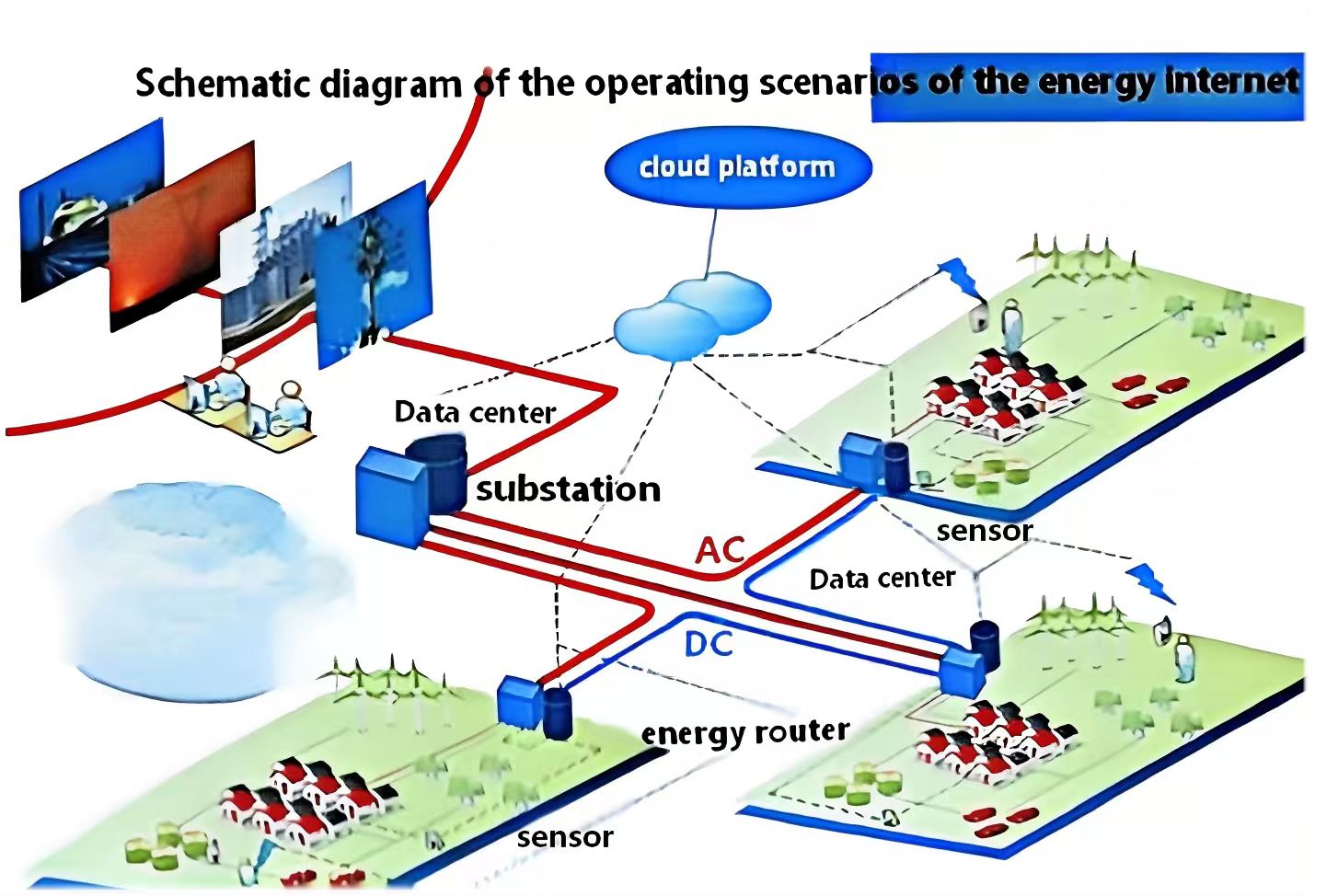
Ecolor Technology's "Dual-Carbon Monitoring Digital Intelligence Platform" deeply integrates IoT, big data, and cloud computing technologies to build a full-process carbon management system of "monitoring-accounting-analysis-warning". By deploying indoor/outdoor air monitoring sensors, emission source online collection equipment, etc., it captures real-time energy consumption and carbon emission data during building operation, and establishes a carbon emission monitoring network using precision instruments like gas chromatographs. The platform innovatively develops a "Carbon Emission Simulation and Assimilation System", integrating atmospheric transport models and carbon cycle process models to dynamically assess carbon sink potential and quantify the contribution of different factors to emission reduction. This technology addresses the shortcomings of traditional carbon accounting relying on static data, achieving "dynamic tracking and precise profiling".
Overview
Summary
Ecolor Technology's "Dual-Carbon Monitoring Digital Intelligence Platform" deeply integrates IoT, big data, and cloud computing technologies to build a full-process carbon management system of "monitoring-accounting-analysis-warning". By deploying indoor/outdoor air monitoring sensors, emission source online collection equipment, etc., it captures real-time energy consumption and carbon emission data during building operation, and establishes a carbon emission monitoring network using precision instruments like gas chromatographs. The platform innovatively develops a "Carbon Emission Simulation and Assimilation System", integrating atmospheric transport models and carbon cycle process models to dynamically assess carbon sink potential and quantify the contribution of different factors to emission reduction. This technology addresses the shortcomings of traditional carbon accounting relying on static data, achieving "dynamic tracking and precise profiling".
Key Advantages
Challenges
- Compatibility Challenges with Multiple Device Types and Protocols
- Shortcomings in Accuracy and Continuity of Energy Data Collection
- Complexity Constraints in System Deployment and Construction
- Disconnect Between Data Value Mining and Energy-Saving Applications
- Barriers in Hierarchical Management and User Engagement
Results
- Achieved Dynamic Tracking and Precise Accounting of Building Energy Consumption and Carbon Emissions
- Helped Single Buildings Achieve Over 15% Energy Saving and Carbon Reduction
- Established a Park-Level Carbon Sink Real-Time Monitoring and Visualization Demonstration
- Formed a Replicable Carbon Emission Factor Database and Standardized Tools for the Construction Sector
- Promoted the Full Implementation of the Transition from Dual Control of Energy Consumption to Dual Control of Carbon Emissions
Solution Details
Policy Background for Building Energy Consumption Dynamic Monitoring
In 2024, the General Office of the State Council issued the "Work Plan for Accelerating the Construction of a Dual-Control System for Carbon Emissions", which for the first time explicitly established a five-level management system of "local carbon assessment, industry carbon control, enterprise carbon management, project carbon evaluation, and product carbon footprint", promoting the comprehensive transition from dual control of energy consumption to dual control of carbon emissions.
Technical Highlights: Multi-Dimensional Data Integration and Dynamic Monitoring
Ecolor Technology's "Dual-Carbon Monitoring Digital Intelligence Platform" deeply integrates IoT, big data, and cloud computing technologies to build a full-process carbon management system of "monitoring-accounting-analysis-warning". By deploying indoor/outdoor air monitoring sensors, emission source online collection equipment, etc., it captures real-time energy consumption and carbon emission data during building operation, and establishes a carbon emission monitoring network using precision instruments like gas chromatographs. The platform innovatively develops a "Carbon Emission Simulation and Assimilation System", integrating atmospheric transport models and carbon cycle process models to dynamically assess carbon sink potential and quantify the contribution of different factors to emission reduction. This technology addresses the shortcomings of traditional carbon accounting relying on static data, achieving "dynamic tracking and precise profiling".
Application Scenarios: From Single Buildings to City-Level Services
Ecolor Technology's platform has formed a multi-level application ecosystem. At the single building level, as in the case of the Baotou Municipal Housing and Construction Building, the platform helped the building achieve over 15% energy saving and carbon reduction through online energy consumption monitoring and comprehensive green office evaluation functions. In the field of large public spaces, the Baotou Olympic Park Carbon Intelligence Platform, as the first national demonstration project for park-level carbon sink monitoring, realized real-time accounting and visual display of carbon sink capacity for 2.44 million square meters of green space, providing data support for public participation in carbon inclusive programs. Furthermore, the platform exports experience through cross-regional cooperation, such as collaborating with the Inner Mongolia housing and construction department to build a carbon emission factor database for the construction sector, providing standardized tools for the low-carbon transformation of northern industrial cities.
Key Features of the Building Energy Consumption Dynamic Monitoring System
- Accurate Collection of Full-Category Energy Consumption Data
- Intelligent Anomaly Warning and Fault Diagnosis
- Hierarchical Permission Management and Energy Quota Control
- High Compatibility and System Integration Capability
- Energy-Saving Strategy Optimization and Decision Support
Approach
How we implement intelligence into your infrastructure step by step.
Requirement Survey and Site Investigation
Engage with building management and tenants to clarify monitoring scope, metering zones, data reporting frequency, and energy management needs; Investigate locations of electrical distribution rooms, pipe wells, and equipment rooms, inventory existing metering device models and communication protocols, confirm feasibility of retrofitting old equipment; Assess wiring conditions, network coverage, and power supply points, and produce an investigation report.
Solution Design and Equipment Selection
Design the system architecture of "Collection Layer - Transmission Layer - Platform Layer - Application Layer", determine data collection methods; Select intelligent collection terminals and metering instruments compatible with multiple protocols, define retrofit plans for adding collection modules to old equipment.
On-site Construction and Equipment Installation
Procure smart electricity meters, water meters, collection gateways, etc., according to the plan; Lay communication cables and install collection terminals per construction drawings; Perform intelligent retrofitting of old metering equipment; Deploy gateways at points like electrical rooms and pipe wells to establish the building energy consumption IoT network; For existing building retrofits, take protective measures to avoid damaging original decoration and facilities.
System Joint Commissioning and Data Integration
Establish the data link of "Metering Device - Collection Terminal - Gateway - Platform"; Test the stability of energy consumption data collection and transmission for each zone; Configure data standardization processing rules to unify data formats from different devices; Complete interface integration with building automation systems and management systems to achieve data sharing.
Platform Deployment and Function Configuration
Deploy a cloud-based or on-premise energy consumption monitoring platform; Input basic information such as building floors and departments; Configure energy consumption dashboards and visualization interfaces; Set energy quotas and warning thresholds; Develop functional modules like year-on-year analysis, cost allocation, and energy-saving suggestions; Adapt multi-terminal access permissions for computers and mobile devices.
Trial Operation and Optimization Adjustment
Conduct a 1-2 month system trial operation; Monitor device operation status and data accuracy; Troubleshoot issues like communication interruptions and data distortion; Collect user feedback to optimize platform operation processes and warning rules; Output preliminary energy-saving analysis reports for high-energy-consuming equipment and areas.
Recommended Hardware
Essential components for this solution.
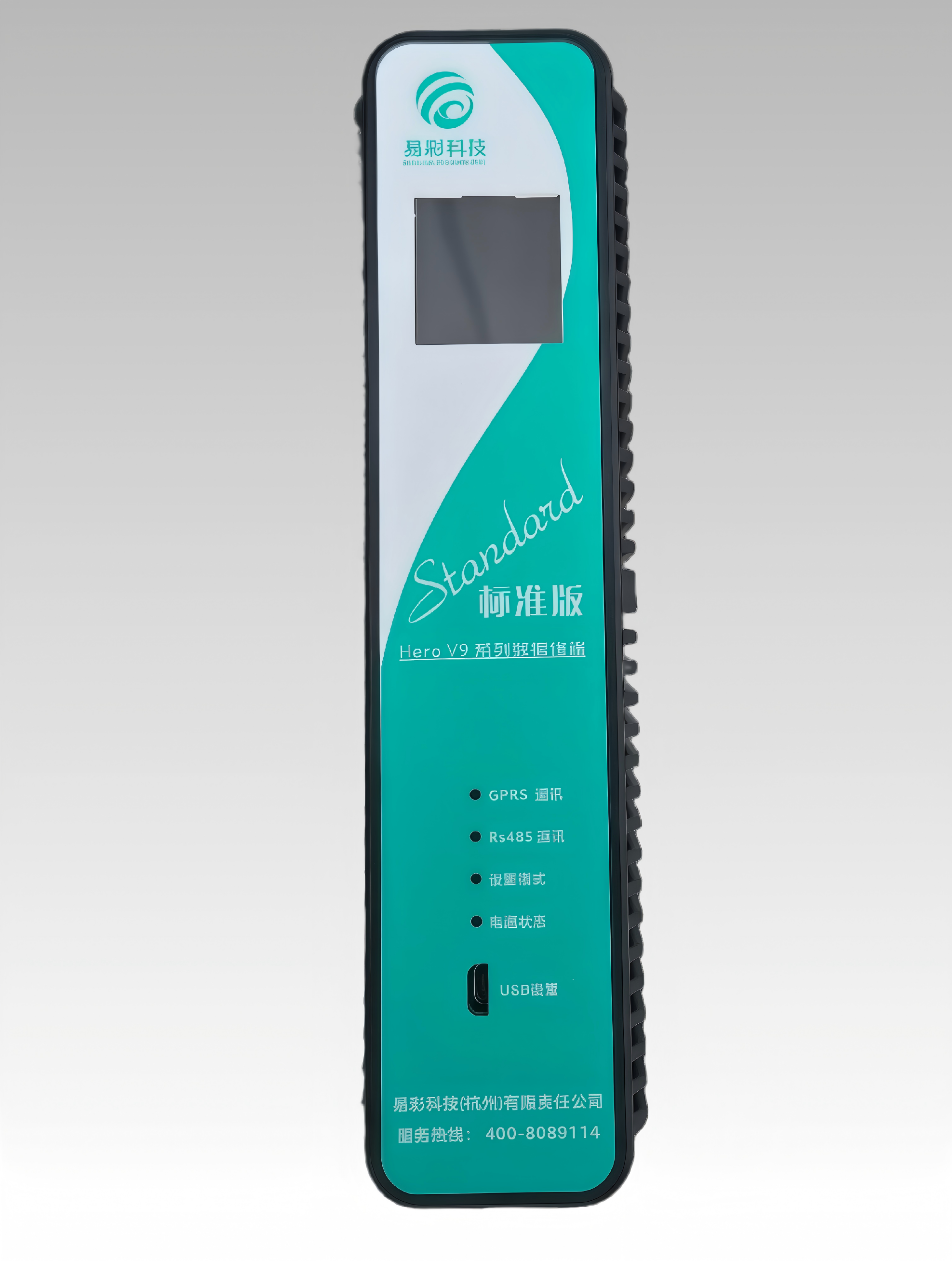
Measurement and Control Terminal Machine (Hero V9 Series - EC32)
This product has the functions of remote data collection, control and communication. It can receive ...
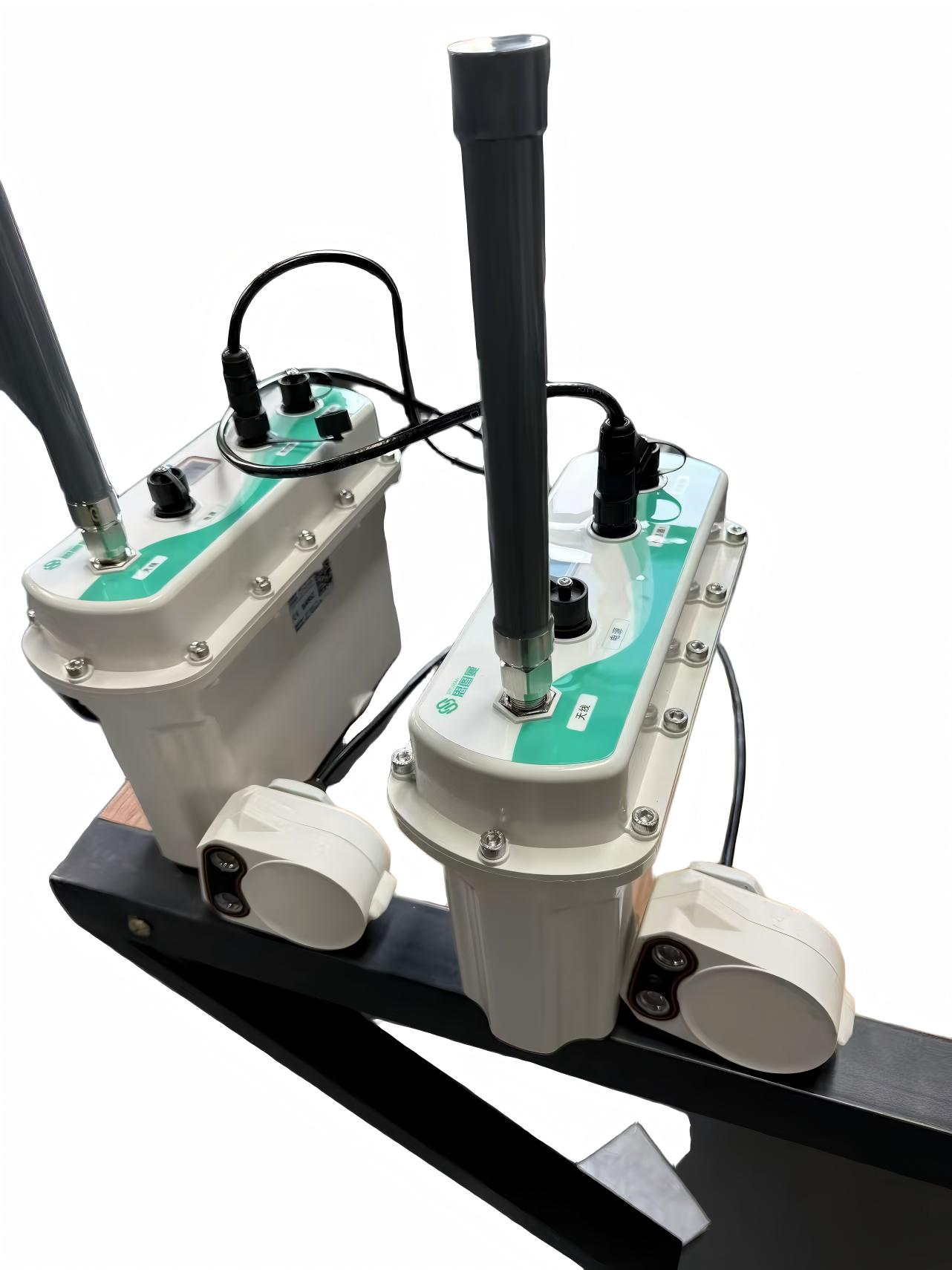
Low Power Self-Powered Portable Remote Telemetry Terminal (Hero V9 Series)
The self-powered portable remote telemetry terminal Hero V9 series is designed for outdoor operation...

Ready to Optimize Your Business?
Contact us, and our professional team will provide customized solutions to help your business achieve digital transformation.
Get In Touch