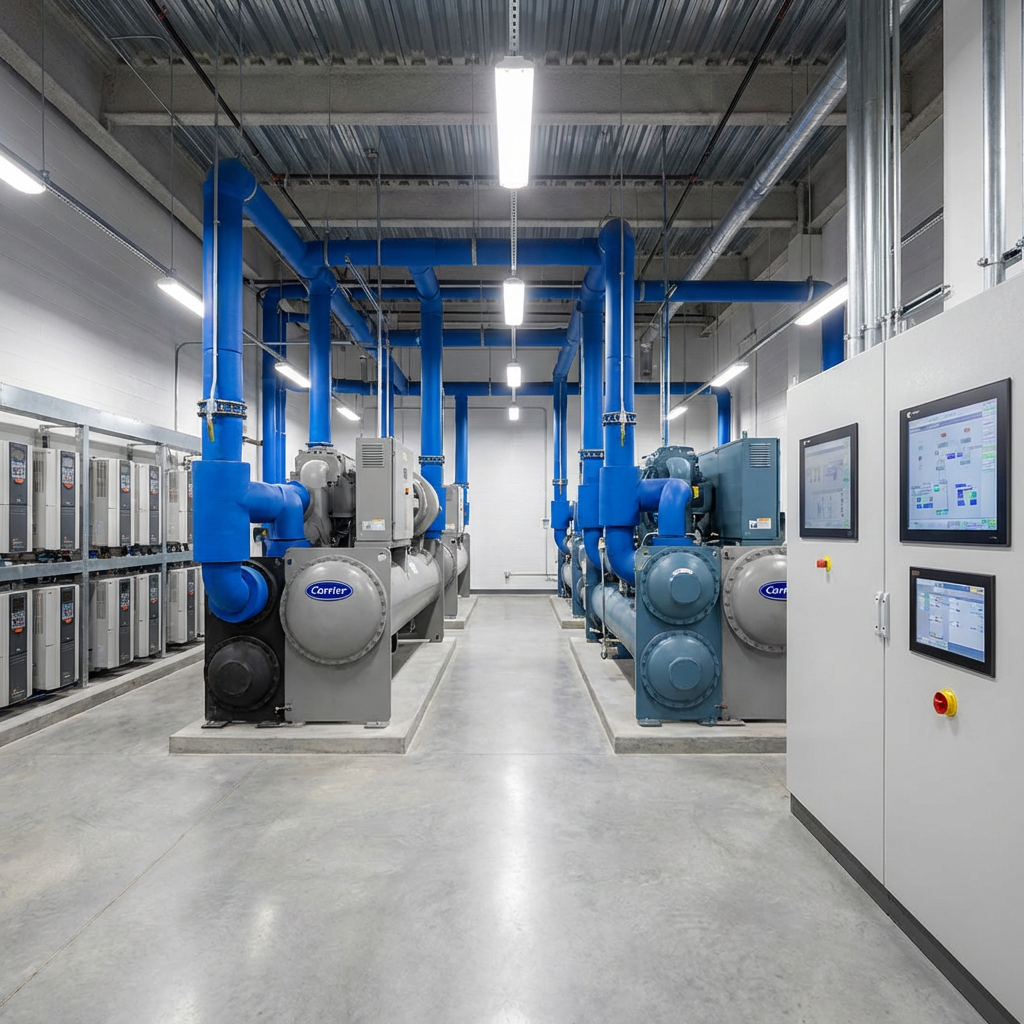
HVAC Intelligent Energy-Saving Control System Solution
IoT and AI-powered central HVAC energy efficiency management system for intelligent building climate control and optimization
Overview
Summary
IoT and AI-powered central HVAC energy efficiency management system for intelligent building climate control and optimization
Key Advantages
Challenges
- HVAC systems account for 40%-60% of total building energy consumption with limited precision control
- Multi-brand, multi-protocol HVAC equipment creates integration and unified management challenges
- Traditional fixed-schedule control cannot adapt to dynamic load changes, causing energy waste
- Inconsistent O&M staff expertise leads to delayed fault response affecting comfort and efficiency
- Lack of lifecycle energy efficiency assessment makes it difficult to quantify retrofit ROI
Results
- 28% annual electricity savings for a large commercial complex, saving over ¥1.2M per year
- Achieved unmanned HVAC operation for government office buildings, reducing O&M staff by 60%
- Precise temperature/humidity control within ±0.5°C for hospital operating rooms while reducing energy use by 22%
- Centralized management of 12 buildings in an industrial park, improving chiller plant COP from 3.2 to 5.1
- 3-month payback period for smart retrofit investment at a hotel chain project
Solution Details
Policy Background for HVAC Intelligent Energy-Saving Control
With the global push toward carbon neutrality, building energy efficiency has become a key focus area. HVAC systems typically account for 40-60% of total building energy consumption, making them the single largest opportunity for energy savings. China's State Council issued guidelines requiring a 10% reduction in building operational energy intensity by 2025, with smart HVAC control being a priority technology pathway.
Internationally, standards such as ASHRAE 90.1 and the EU Energy Performance of Buildings Directive (EPBD) are driving adoption of intelligent building automation systems. The convergence of IoT, AI, and cloud computing technologies has made it possible to achieve unprecedented levels of HVAC energy optimization.
Technical Highlights: AI-Driven End-to-End Energy Optimization
Ecolor Technology's HVAC Intelligent Energy-Saving Control System integrates IoT sensing, edge computing, and artificial intelligence to create a closed-loop energy management cycle of "Monitor—Analyze—Predict—Control—Verify." The system deploys Hero V9 series RTU terminals to collect real-time operating parameters from chillers, air handling units, and fan coil units, combined with indoor/outdoor environmental data and weather forecasts. Deep learning algorithms build thermal load prediction models capable of forecasting HVAC demand 30 minutes in advance.
The core control strategy employs a three-pronged approach: chiller plant group control optimization dynamically adjusts the number and operating conditions of running units based on real-time load, improving comprehensive COP by over 30%; VFD control for pumps and fans adjusts flow rates based on terminal demand; and free cooling mode automatically activates during transition seasons to maximize use of outdoor air.
Key Features of the Intelligent HVAC Control System
- AI load prediction and adaptive control algorithms
- Multi-brand HVAC equipment unified access and protocol conversion
- Chiller plant group control optimization and VFD energy saving
- Multi-parameter indoor environment coordination (temperature/humidity/CO2/PM2.5)
- Real-time energy efficiency monitoring and benchmarking dashboard
- Intelligent fault diagnosis and predictive maintenance
Application Scenarios for Energy-Saving HVAC Control
The system is suitable for commercial complexes, office buildings, hotels, hospitals, schools, data centers, and industrial facilities. For multi-building campuses, the unified management platform enables cross-building energy benchmarking and centralized control.
System Architecture: Edge-Fog-Cloud
The system adopts a three-tier "Edge-Fog-Cloud" architecture: sensing endpoints form a dense monitoring network; edge layer with Hero V9 RTU handles local data preprocessing, protocol conversion and emergency control; cloud platform provides AI algorithm engine, analytics dashboards, alarm management and report generation.
Approach
How we implement intelligence into your infrastructure step by step.
Site Survey & Energy Audit
Comprehensive energy audit of building HVAC systems, collecting historical operation data, analyzing load characteristics and energy usage patterns, identifying major energy waste points, and producing energy diagnosis reports.
System Design & Equipment Selection
Design four-layer architecture of sensing-control-platform-application layers, select Ecolor Hero V9 RTU terminals, sensors, and communication networking solutions.
Installation & System Integration
Deploy RTU terminals and sensor networks, interface with existing DDC/PLC controllers, achieve unified multi-protocol device access via BACnet/Modbus; install and configure cloud management platform.
Commissioning & Performance Verification
1-3 month post-launch optimization period, continuously refining control strategies based on actual load data, with third-party energy savings verification reports.
Long-term O&M & Continuous Optimization
24/7 remote monitoring and fault response service, regular AI algorithm model updates, continuous energy efficiency tracking.
Recommended Hardware
Essential components for this solution.
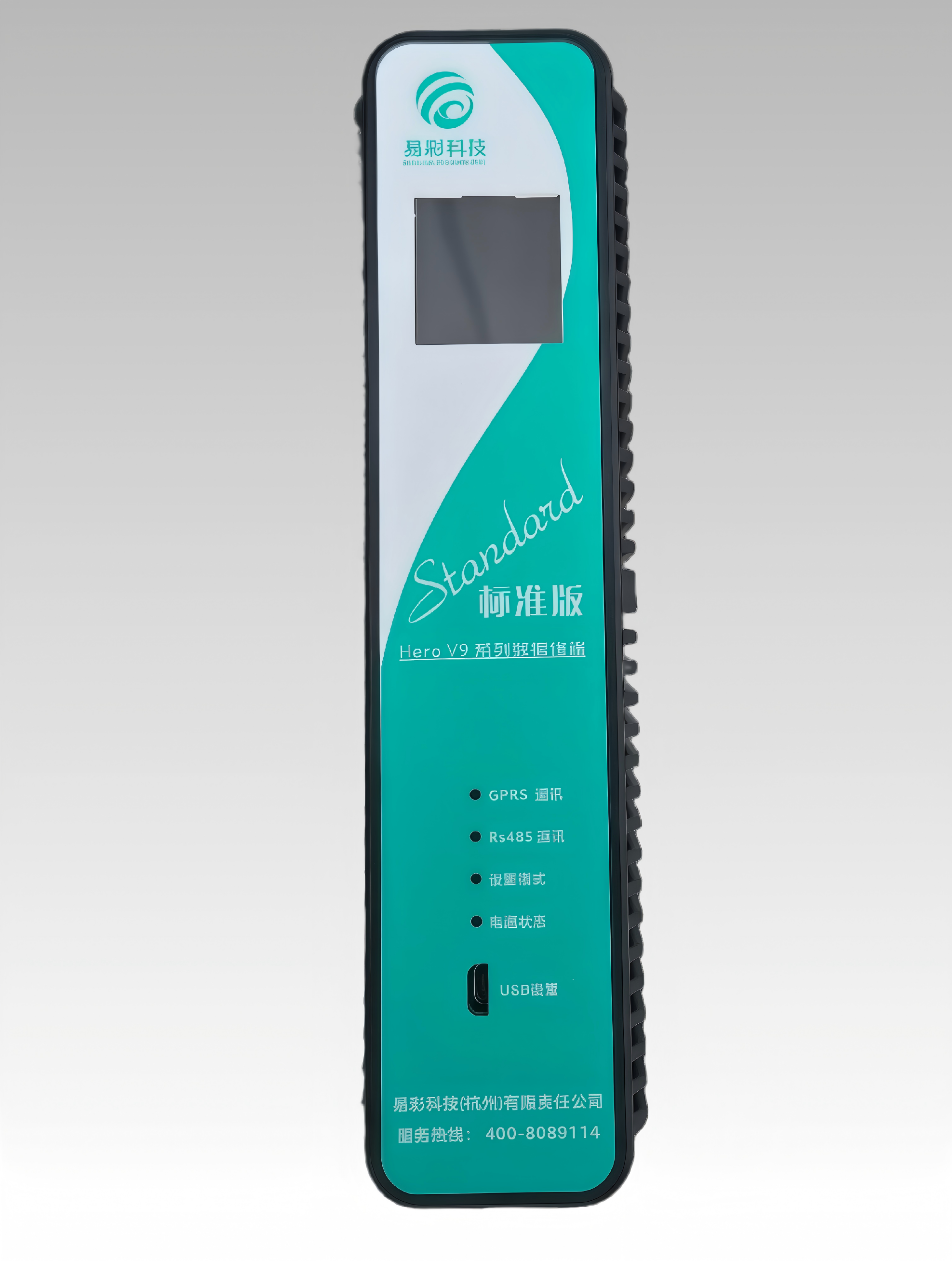
Measurement and Control Terminal Machine (Hero V9 Series - EC32)
This product has the functions of remote data collection, control and communication. It can receive ...
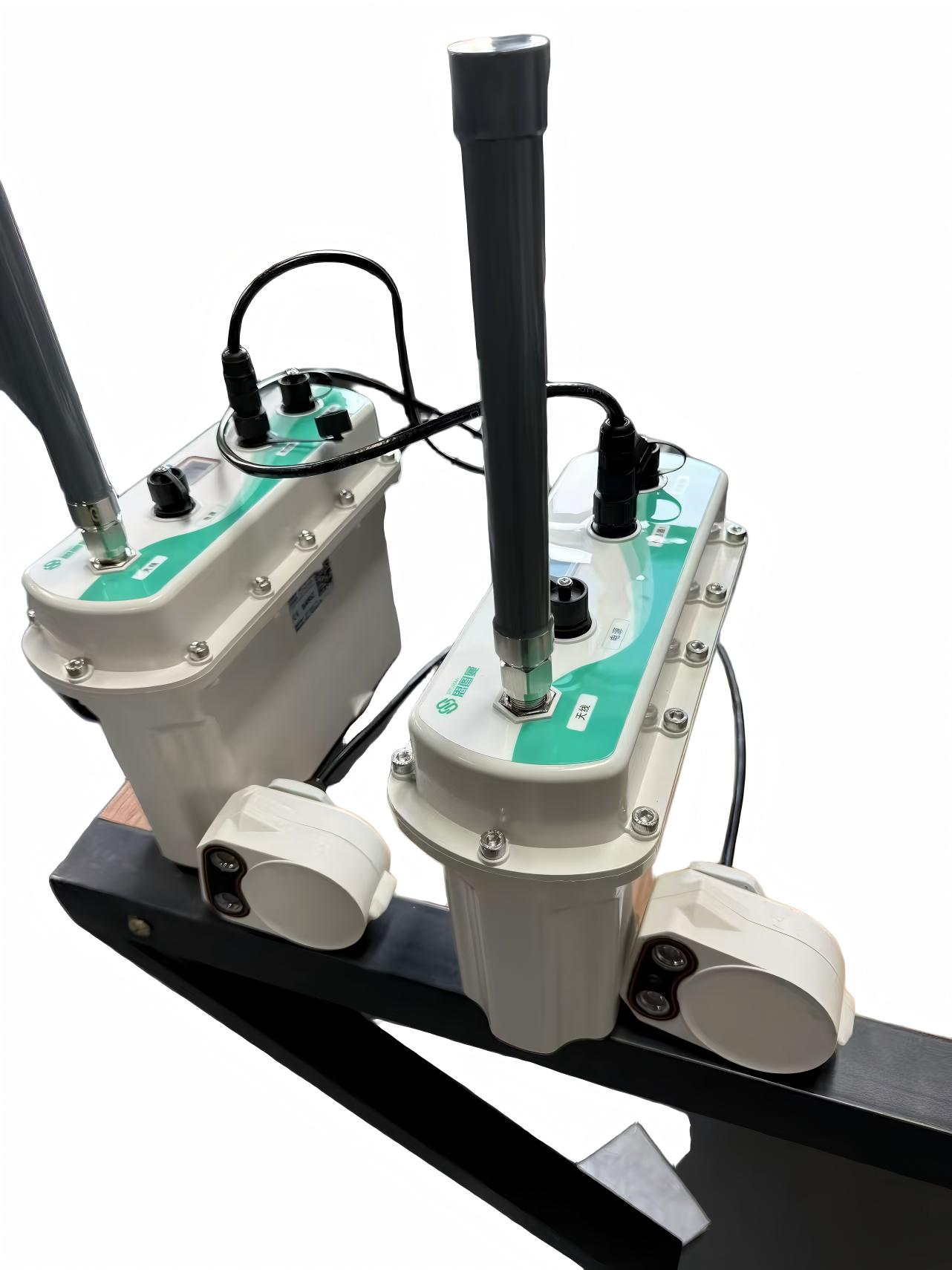
Low Power Self-Powered Portable Remote Telemetry Terminal (Hero V9 Series)
The self-powered portable remote telemetry terminal Hero V9 series is designed for outdoor operation...

Ready to Optimize Your Business?
Contact us, and our professional team will provide customized solutions to help your business achieve digital transformation.
Get In Touch