Mechanical Water Meter
A mechanical water meter is a traditional flow measurement instrument primarily used to measure the volume of water flowing through pipelines. It is s...
Key Features
Performance Metrics
| Static Operating Current | ≤10μA |
| IC Card Service Life | Service life ≥ 100,000 cycles |
| Application Scenarios | Household, residential communities, commercial, industrial, urban water supply, agricultural irrigation |
| Typical Classification | Single-jet (small diameter), Woltmann (large diameter) |
Key Features
Mechanical Water Meter: A Reliable Flow Measurement Solution
The Mechanical Water Meter is a traditional and widely used flow measurement instrument designed to accurately measure the volume of water flowing through pipelines. It is an essential tool for water management in household metering, residential property management, commercial buildings, industrial production, urban water supply systems, and agricultural irrigation.
How the Mechanical Water Meter Works
The operation is based on a mechanical transmission principle. As water flows through the meter body, it drives an internal impeller to rotate. The rotational speed of this impeller is directly proportional to the water flow rate.
This rotation is then transmitted through a precision gear train to the recording device. This straightforward mechanism converts the kinetic energy of the water into a measurable mechanical motion.
Core Structure and Classification
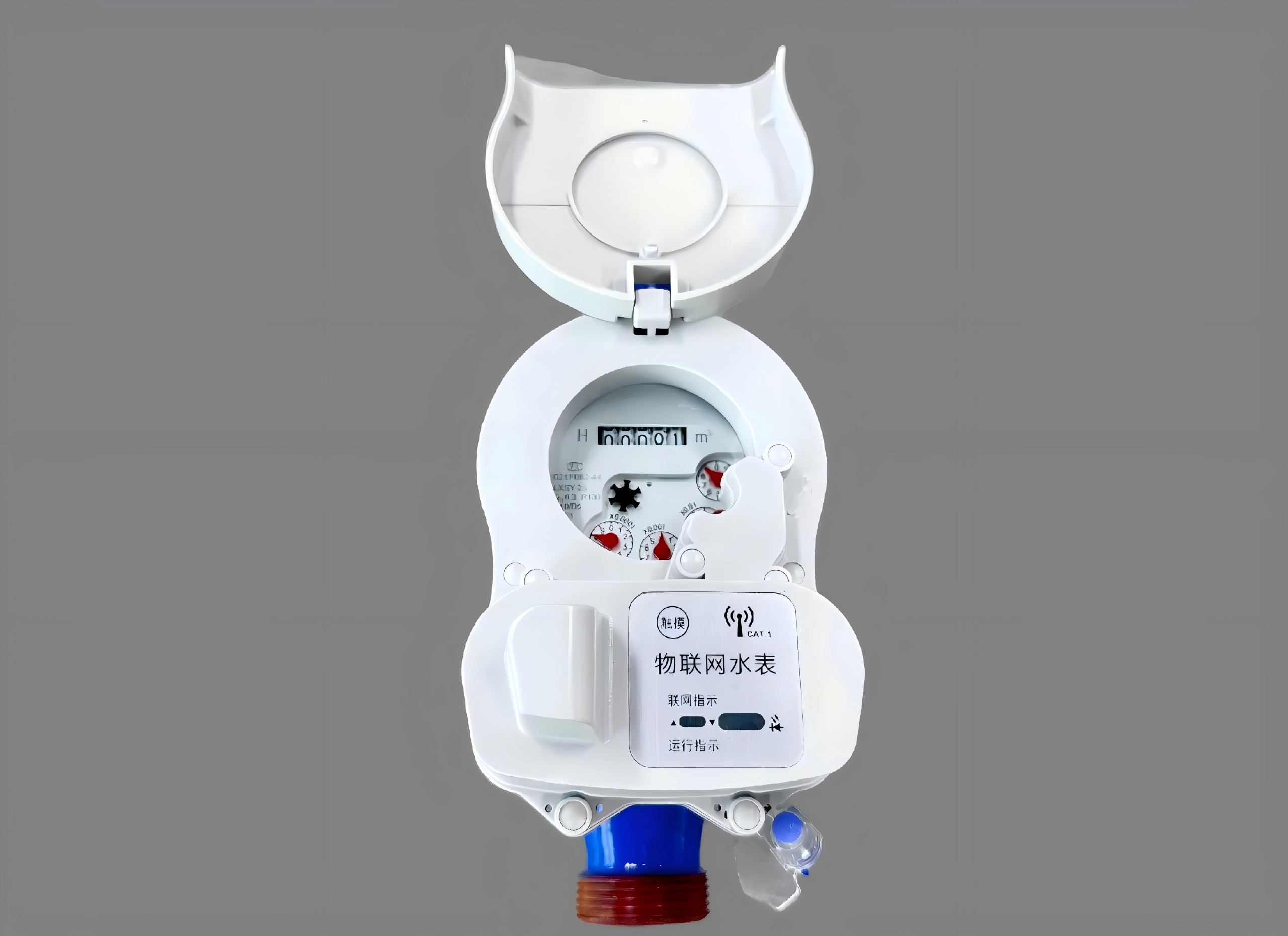
Robust Mechanical Water Meter Construction
The meter is primarily composed of three key parts: the housing, the metering mechanism, and the indicating device. The durable housing protects the internal components and provides the connection points to the pipeline.
Inside, the metering mechanism, which includes the impeller and worm gear assembly, performs the core task of converting water flow into rotational motion. The indicating device, typically a series of pointers and dials, provides a clear visual display of the cumulative water consumption.
Types of Mechanical Water Meters
Based on the measurement principle, mechanical water meters are classified into two main types: volumetric water meters and velocity water meters. Velocity-type meters are the most common in the market.
Single-jet (rotary vane) water meters are designed for small-diameter pipelines and low-flow applications, making them ideal for household water metering. Multi-jet (helical vane) water meters are built for larger diameters and higher flow rates, suiting industrial and commercial water measurement needs.
Key Advantages and Product Features
Inherent Strengths
- Simple, robust structure with low manufacturing and maintenance cost.
- Stable and reliable performance over long periods.
- Operates without any external power source.
- Features an intuitive mechanical display for easy reading.
- Versatile application across household, commercial, industrial, and agricultural scenarios.
Technical Specifications
- Accuracy Class
- Class 2
- Battery Life (for smart features)
- Over 8 years
- Protection Rating
- IP68
- Design Feature
- Electromechanical Separation
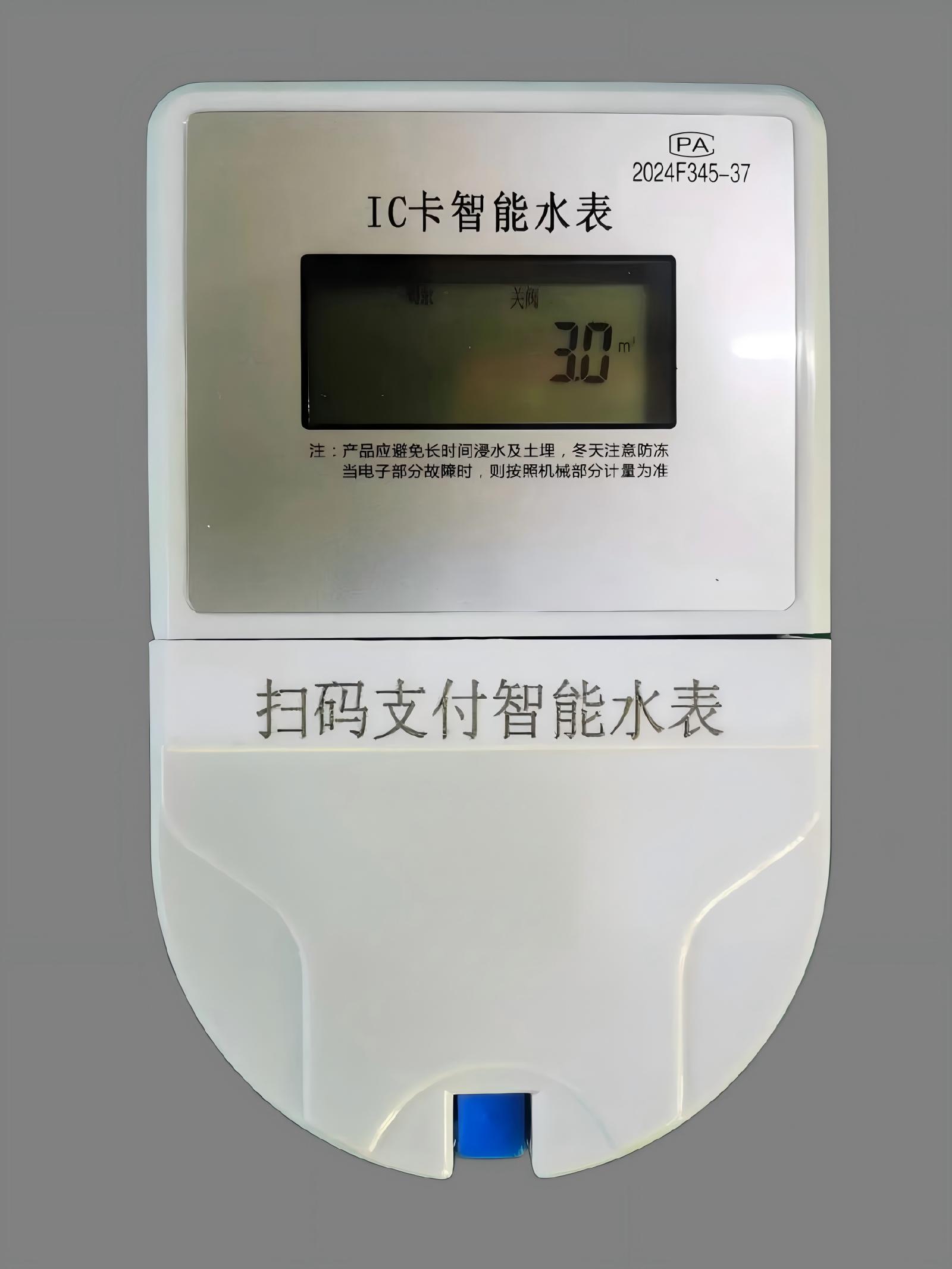
IoT Mechanical Water Meter for Smart Systems
Modern mechanical meters can be integrated with IoT modules for advanced water management. This allows for simple networking without the need for additional data collectors, streamlining the setup for large-scale deployments.
The networking module is designed for ultra-low power consumption and offers wide signal coverage, ensuring reliable communication. These features contribute to a high meter reading rate, improving operational efficiency for utilities and property managers.
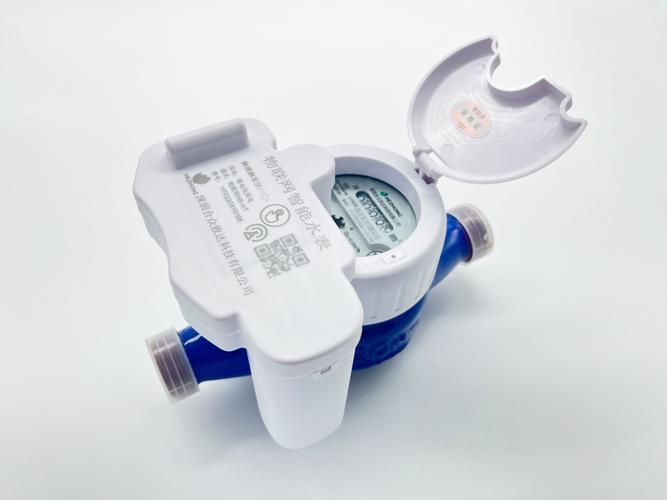
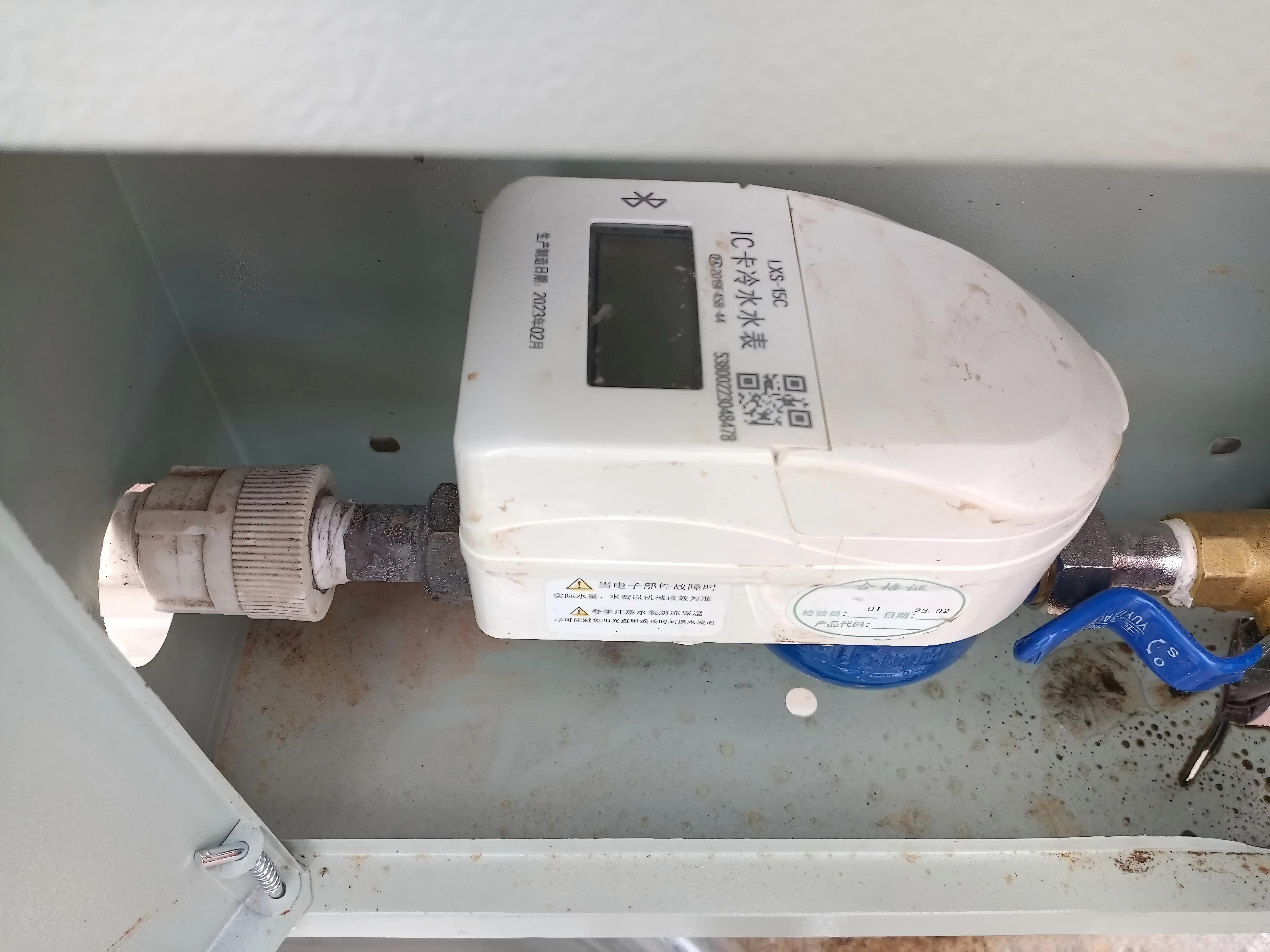
IC Card Cold Water Meter for Prepaid Scenarios
Featuring an electromechanical separation design, this type of meter ensures the mechanical measurement core remains independent and reliable. With a protection rating of IP68, it is fully sealed against dust and long-term water immersion.
It is built to be freeze-resistant and operates reliably in low-temperature environments. This makes it perfectly suited for card-based payment scenarios, providing a convenient prepaid solution for residential and commercial tenants.
Application and Considerations
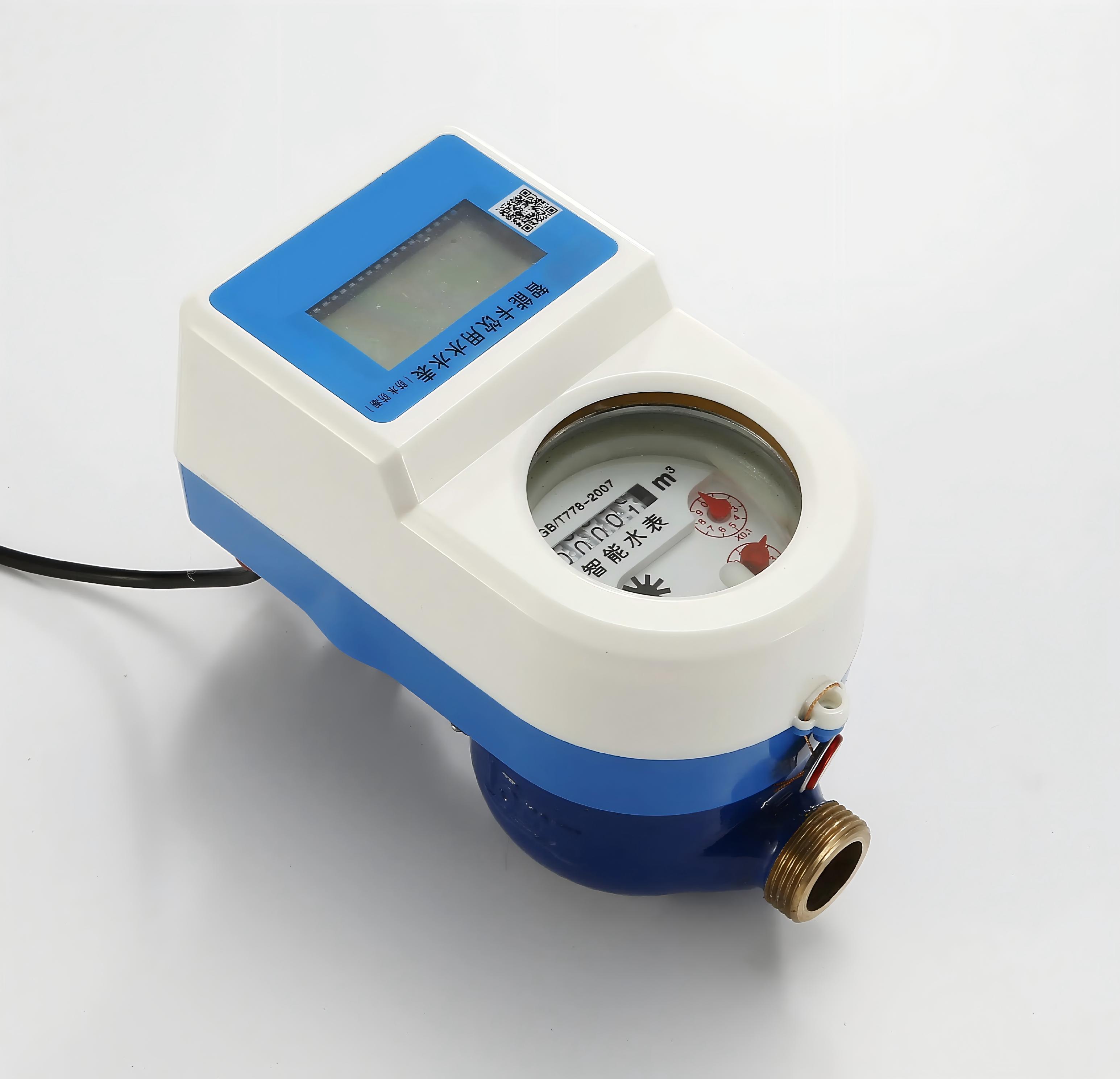
Ideal Applications for Water Flow Measurement
The mechanical water meter's reliability and cost-effectiveness make it a cornerstone for water resource management. Its primary applications span from individual household water metering to large-scale urban water supply network monitoring.
It is equally effective in commercial buildings, industrial process water measurement, and managing water usage for agricultural irrigation systems, providing a trusted solution for diverse flow measurement needs.
Understanding Meter Limitations
It is important to note that mechanical water meters may have limited measurement accuracy at very low flow rates. Additionally, prolonged use can lead to increased metering errors due to mechanical wear on internal components, which is why periodic verification and maintenance are recommended.
Contact Us
Need a custom solution? Our engineers are ready to help you design the perfect system.
Get In Touch