
Stormwater-Sewage Separation Online Monitoring System Solution
Stormwater and sewage network separation monitoring with overflow early warning and real-time water quality alarms
Overview
Summary
Stormwater and sewage network separation monitoring with overflow early warning and real-time water quality alarms
Key Advantages
Challenges
- Widespread stormwater-sewage cross-connections causing dry-weather sewage discharge and wet-weather overflow
- Manual inspection cannot timely detect cross-connections with low efficiency and high cost
- Unknown network status during storms with delayed overflow pollution warnings
- Lack of quantitative assessment tools for separation retrofit effectiveness
- Limited water quality monitoring points making pollution source tracing difficult
Results
- 200 monitoring points deployed in city center, 58 cross-connections identified and corrected in 3 months
- Water quality compliance rate improved from 65% to 92% after monitoring system launch
- 30-minute advance warning prevented 3 major pollution incidents during storms
- Precise location of 5 illegal discharge enterprises through water quality source tracing
- Retrofit effectiveness assessment cycle reduced from 6 months to real-time
Solution Details
Policy Background for Stormwater-Sewage Separation Monitoring
Urban water body pollution control requires effective stormwater-sewage separation. Regulatory requirements increasingly mandate elimination of direct sewage discharge and implementation of separate drainage systems. Cross-connections between stormwater and sewage networks are a major cause of urban water pollution. The Stormwater-Sewage Separation Online Monitoring System Solution addresses these critical environmental challenges by providing continuous, data-driven oversight of drainage infrastructure.
Technical Highlights: Multi-dimensional Monitoring and Intelligent Recognition
Ecolor's stormwater-sewage separation monitoring system uses three-dimensional "flow + level + water quality" monitoring for precise identification of cross-connections and overflow pollution. Dry-weather baseflow analysis establishes normal flow baselines; rainfall response models predict overflow risks; water quality fingerprinting enables rapid pollution source tracing. This intelligent recognition capability ensures accurate differentiation between legitimate stormwater discharge and illicit sewage connections.
Key Product Features of the Stormwater-Sewage Separation System
- Real-time stormwater/sewage network level and flow monitoring
- Automatic identification of dry-weather sewage discharge and wet-weather overflow
- Multi-parameter online water quality monitoring (COD/ammonia/pH)
- GIS map visualization and pollution source tracing analysis
- Storm warning linkage and emergency dispatch
- Quantitative assessment of separation retrofit effectiveness
System Architecture for Comprehensive Monitoring
The Stormwater-Sewage Separation Online Monitoring System Solution employs a robust four-layer architecture: sensing layer (Doppler flowmeters, level meters, water quality stations); transmission via Hero V9 RTU with 4G/NB-IoT; platform layer for data aggregation and GIS display; application layer with cross-connection identification, overflow warning, and source tracing. This layered design ensures reliable data collection and actionable insights for water management authorities.
Application Scenarios for the Monitoring Solution
The system is designed for diverse urban water management applications including urban water pollution control, separation retrofit effectiveness assessment, drainage user supervision, and storm flood early warning. Each scenario leverages the system's multi-dimensional monitoring capabilities to deliver precise, real-time information for decision-making.
Technical Parameters and Performance Metrics
Flow Monitoring
Doppler flowmeters
Level Monitoring
Level meters
Water Quality
COD/ammonia/pH
Communication
4G/NB-IoT via Hero V9 RTU
Data Visualization
GIS map display
Source Tracing
Water quality fingerprinting
Approach
How we implement intelligence into your infrastructure step by step.
Network Survey & Site Planning
Survey stormwater/sewage network distribution, outfall locations, and flood-prone areas; plan monitoring point layout prioritizing key rivers and historical overflow points.
Monitoring Equipment Deployment
Install Ecolor Doppler radar flowmeters, ultrasonic level meters, and water quality stations at key nodes; deploy Hero V9 RTU for data collection and 4G transmission.
Platform Setup & Model Building
Build monitoring platform, import GIS and meteorological data, establish dry-weather baseflow and storm overflow prediction models.
Trial Run & Problem Investigation
Analyze monitoring data during trial period to identify suspected cross-connections and illegal discharges, guide field investigation and remediation.
Long-term O&M & Effectiveness Assessment
Continuous monitoring of separation retrofit effectiveness with periodic reports on water quality compliance, overflow frequency, and remediation progress.
Recommended Hardware
Essential components for this solution.
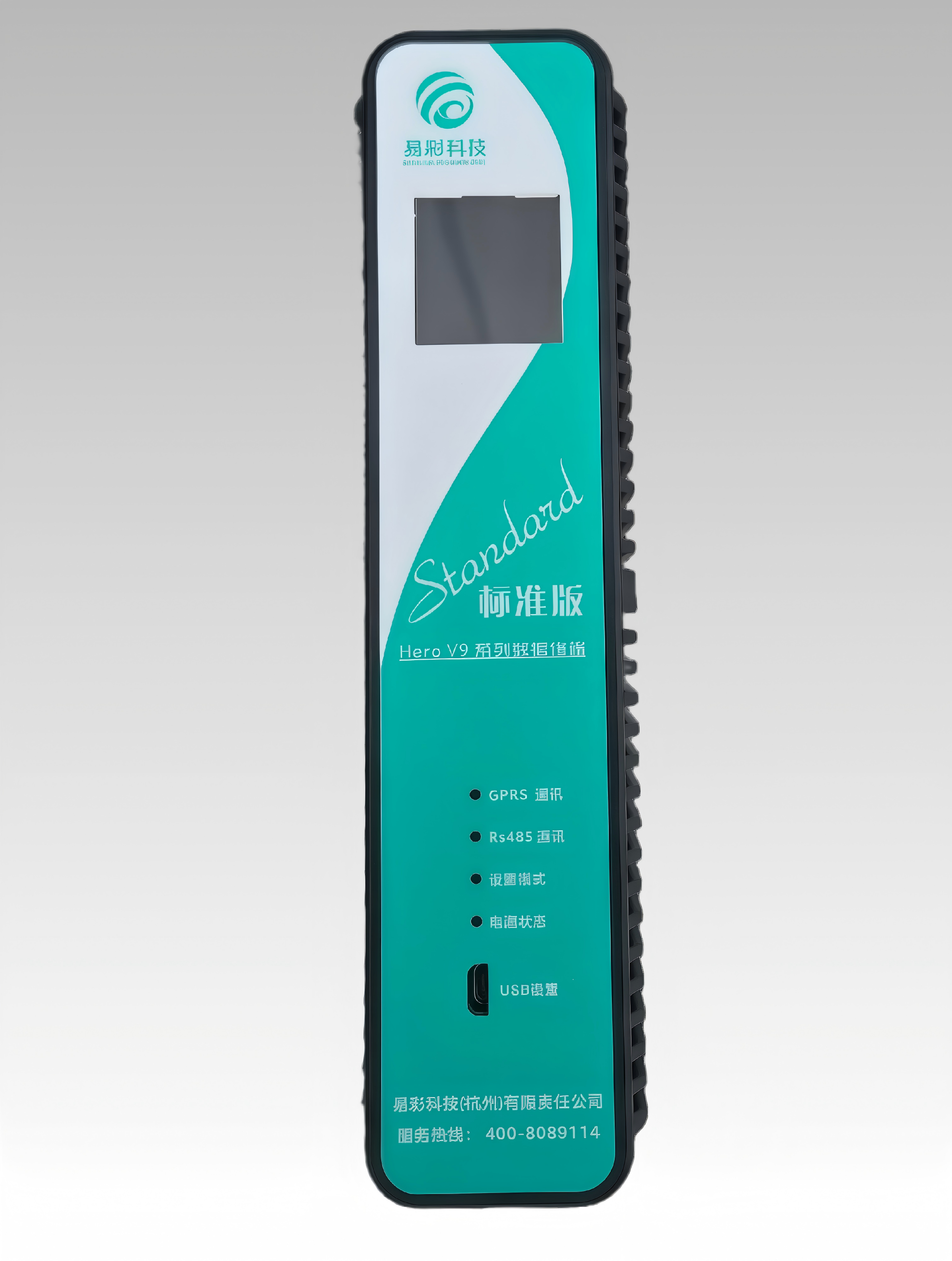
HERO V9-EC32 Hydrology RTU | Remote Terminal Unit
This product has the functions of remote data collection, control and communication. It can receive ...
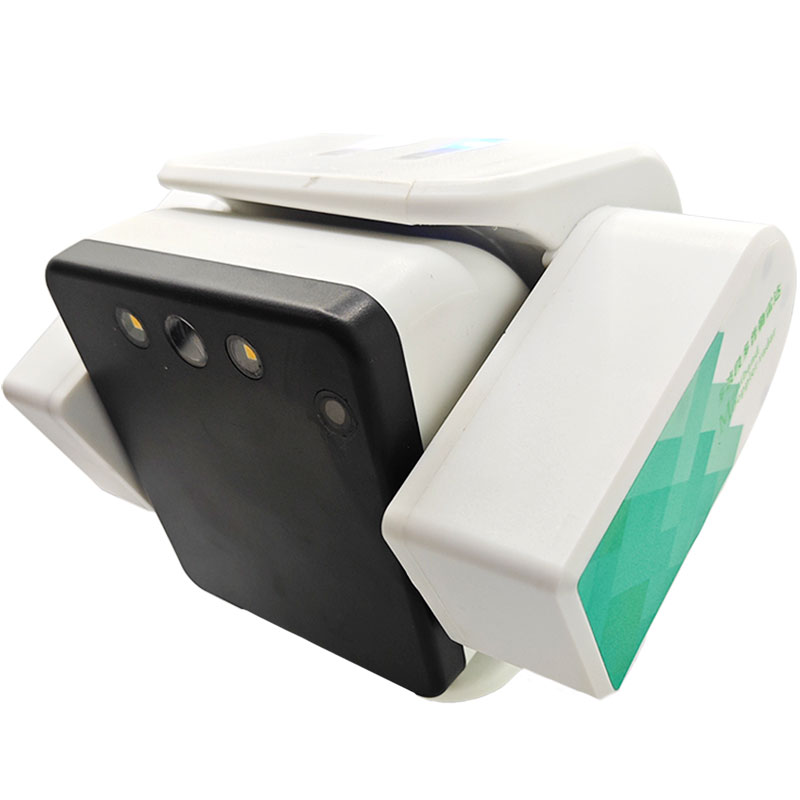
Visual Fusion Multi-band Doppler Radar Flow Meter
The Multi-band Doppler Radar Flowmeter is an independently developed and innovated non-contact fluid...
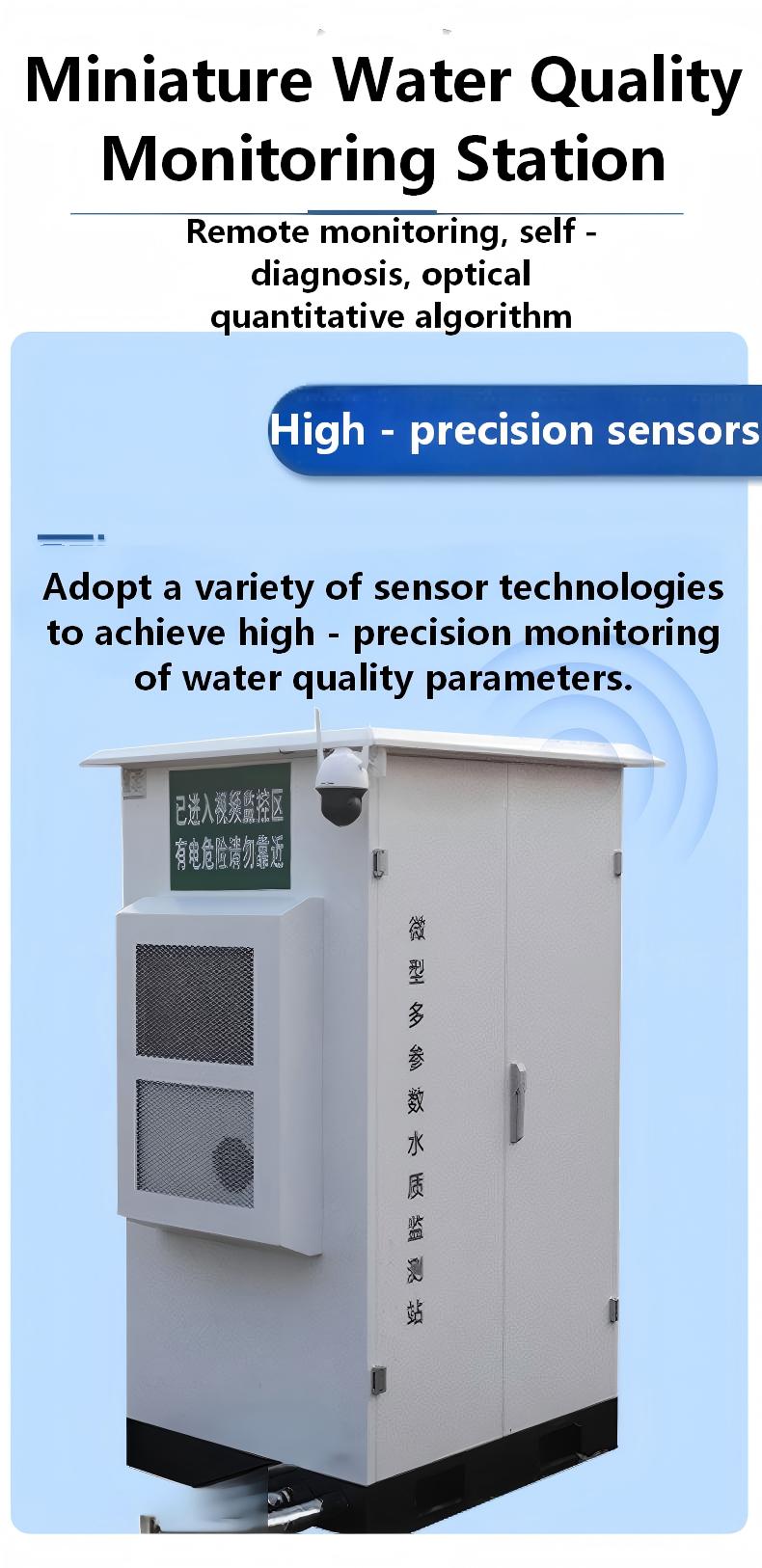
Compact Water Quality Monitoring Station
A pre-integrated, all-in-one outdoor monitoring station for convenient water environment surveillanc...
❓ Related FAQs
Related Solutions
Pressure Transmitter Solution for Constant-Pressure Control in Secondary Water Supply Pump Rooms
Radar Water Level Sensor Deployment for Urban Bridge Underpass Flood Warning
Non-Contact Doppler Radar Flow Meter Solution for Urban Culvert Drainage Monitoring

Ready to Optimize Your Business?
Contact us, and our professional team will provide customized solutions to help your business achieve digital transformation.
Get In Touch