Latest Technology Advances in Low-Carbon Building monitoring have revolutionized how the construction sector combats climate change. With buildings accounting for nearly one-third of global energy consumption, dynamic building energy monitoring technologies are now essential for achieving precise carbon emission control and meeting national dual-carbon targets through digital transformation.
Evolution from Basic Metering to Systemic Dual-Carbon Monitoring
Early building energy management relied on manual meter reading or basic smart meters, resulting in severe data latency and fragmentation. Today, dynamic building energy monitoring technology has evolved into a comprehensive system grounded in the Internet of Things (IoT), edge computing, and big data analytics.
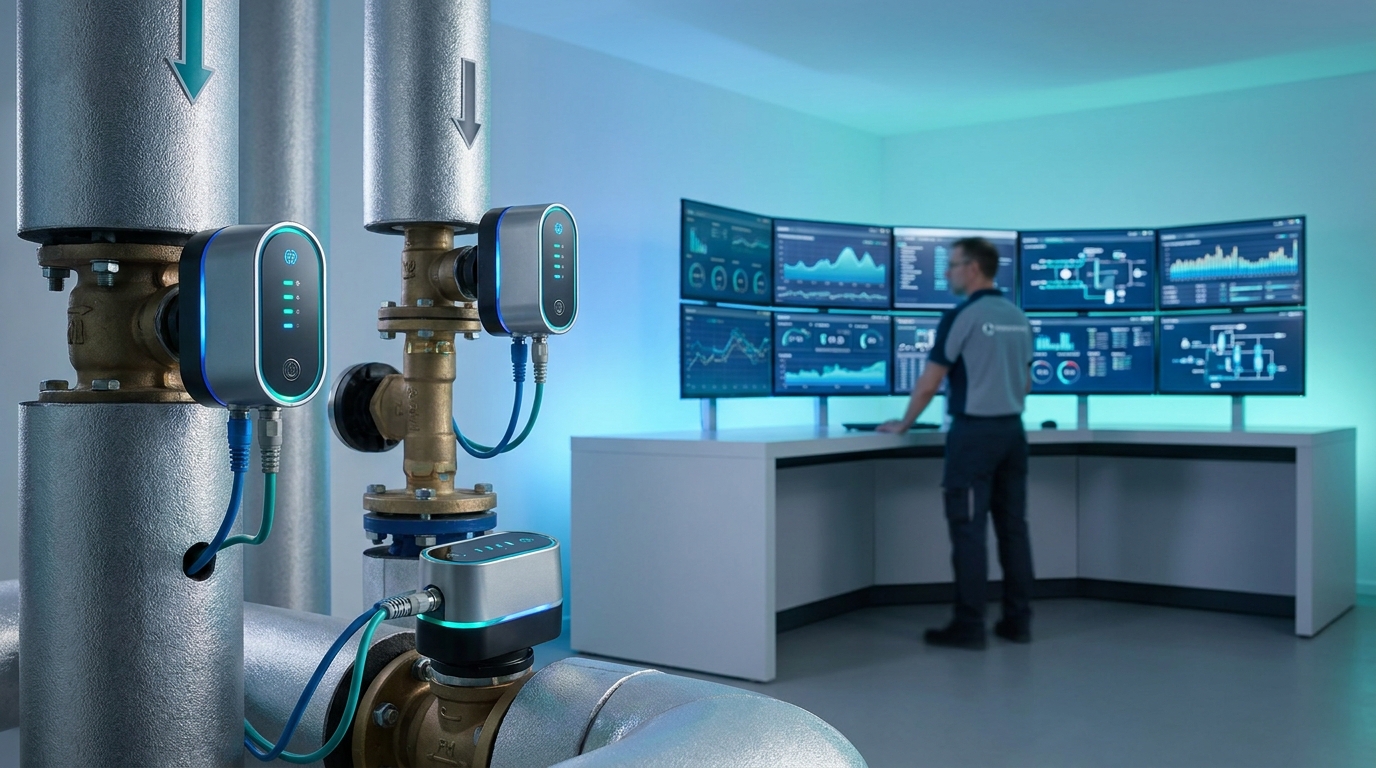
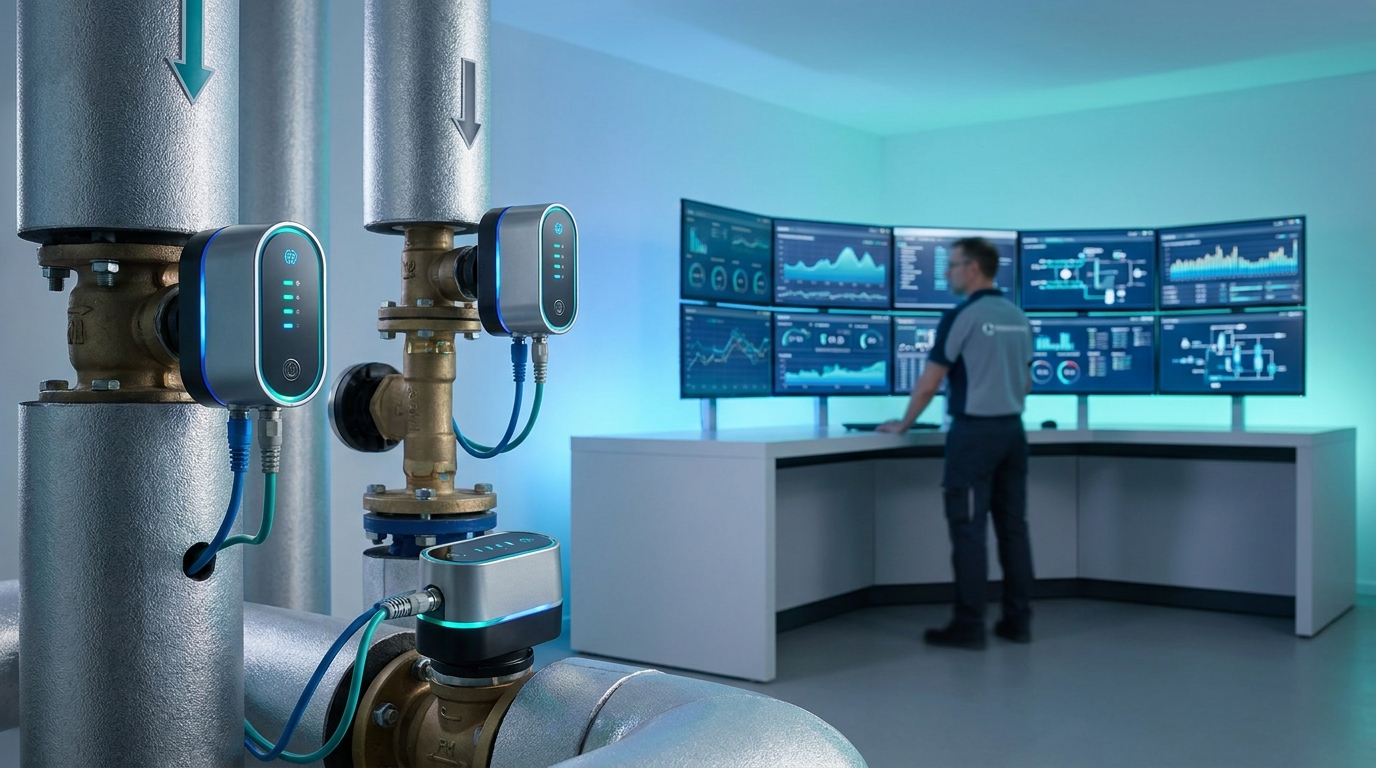
At the perception layer, high-precision multi-function sensors capture real-time data on electricity, water, gas, and heat, while simultaneously monitoring environmental parameters like temperature, humidity, and CO2 concentrations.
Advanced Data Processing for Carbon Emission Accounting
The deployment of edge computing gateways at the transmission layer effectively reduces data latency, ensuring robust concurrent processing for massive volumes of high-frequency data. Modern technical architectures have transcended simple collection to convert raw energy data into standardized carbon emission factors.
These systems establish a sophisticated dual-carbon monitoring model that automatically calculates direct and indirect carbon emissions during the operational phase. This innovation successfully bridges the technological gap between "energy consumption tracking" and "carbon emission accounting," providing legally admissible data for auditing.
Dynamic Optimization in Commercial Complexes for Energy Saving
In large-scale commercial complexes, Heating, Ventilation, and Air Conditioning (HVAC) systems and lighting networks are primary energy consumers. Dynamic monitoring systems provide facility managers with real-time visibility into heating and cooling load variations across different zones.
By integrating crowd density monitoring with external meteorological data, the system performs load forecasting to dynamically adjust chiller supply temperatures and fan frequencies. This data-driven approach avoids inefficiencies like "over-cooling" or "ineffective lighting," typically yielding a 15% to 20% reduction in energy consumption.
Zero-Carbon Park Management via Intelligent Microgrids
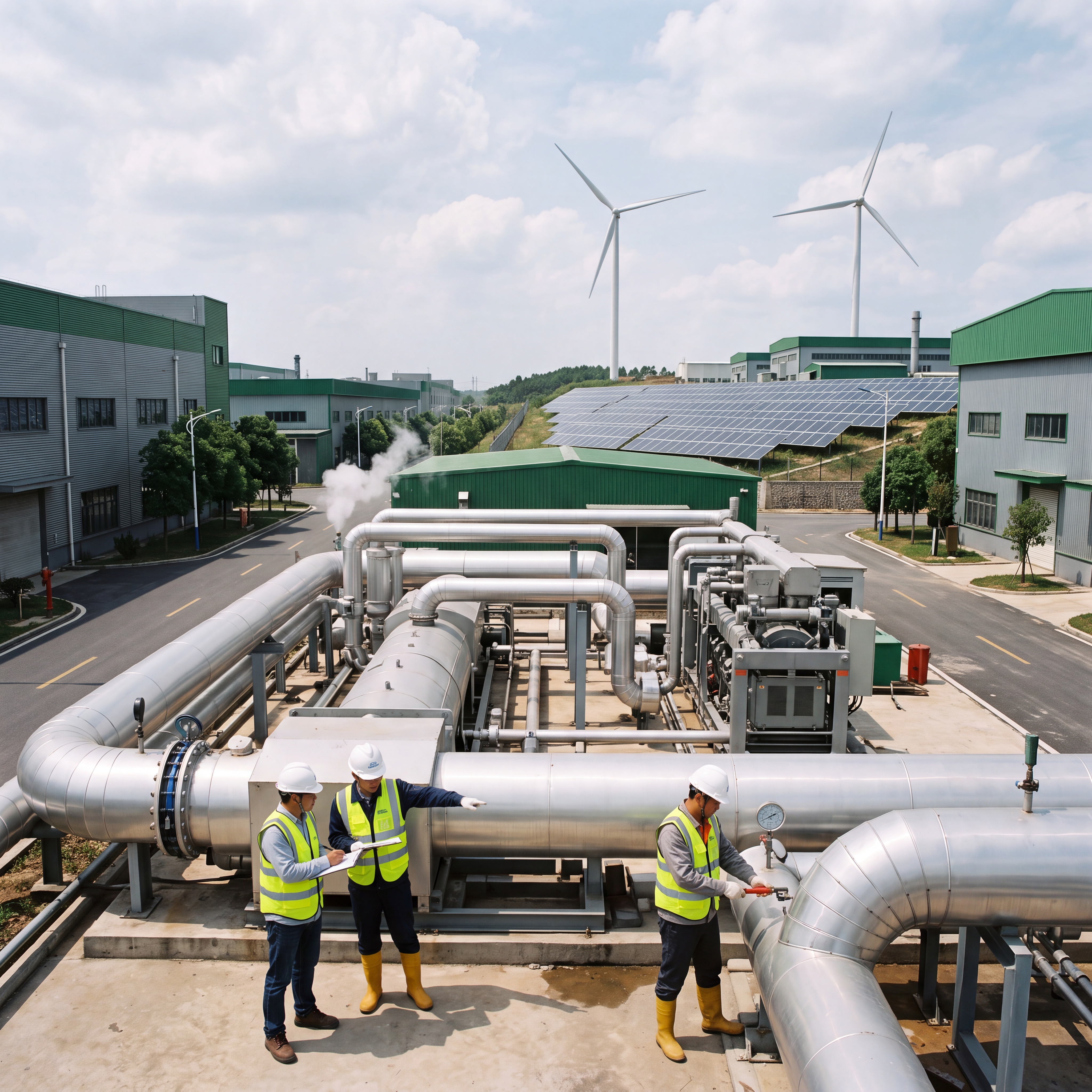
In modern industrial parks and zero-carbon park constructions, dynamic monitoring systems serve as the central "Energy Brain." Beyond routine monitoring, these systems coordinate with photovoltaic generation, energy storage facilities, and charging station microgrids.
By precisely monitoring energy consumption curves during peak and valley tariff periods, the system automatically adjusts charge-discharge strategies to achieve "peak shaving and valley filling." This strategy reduces operational costs while increasing the absorption ratio of green electricity at the source.
Key Performance Indicators & Future Trends
AI-Driven Evolution Towards Active Control
Looking ahead, the industry will deepen its integration with Artificial Intelligence (AI) and Digital Twin technology. Future monitoring will evolve from merely "viewing data" to "utilizing data," introducing machine learning algorithms for adaptive optimization.
Systems will transition from "passive alerting" to "active control" and "predictive maintenance." Digital twin technology will map physical buildings into virtual spaces, allowing managers to intuitively analyze energy consumption heatmaps and simulate retrofitting solutions within three-dimensional models.
Policy-Driven Carbon Asset Management
As the nation fully transitions to a carbon emission dual-control regime, performance metrics will focus more intently on total carbon emissions and intensity. Consequently, future dynamic monitoring systems must seamlessly interface with local carbon trading schemes (ETS) and national greenhouse gas emission data platforms.
Systems need to embed dynamically updated carbon emission factor libraries, supporting complex carbon quota calculations and carbon asset management. This capability enables building owners to derive tangible economic benefits from carbon markets through verified energy conservation measures.
Conclusion: The Core Infrastructure for Green Development
Dynamic building energy monitoring has transcended its origins as a mere information technology weak-current engineering project to become a core infrastructure supporting the sustainable operation of modern buildings. Guided by the carbon emission dual-control system and driven by the continuous iteration of IoT and AI technologies, dynamic monitoring techniques are destined to integrate into the full lifecycle management of buildings with unprecedented depth and breadth.
This represents not only an inevitable path for industry technological upgrading but also a critical cornerstone for society to achieve high-quality, green, and low-carbon development.