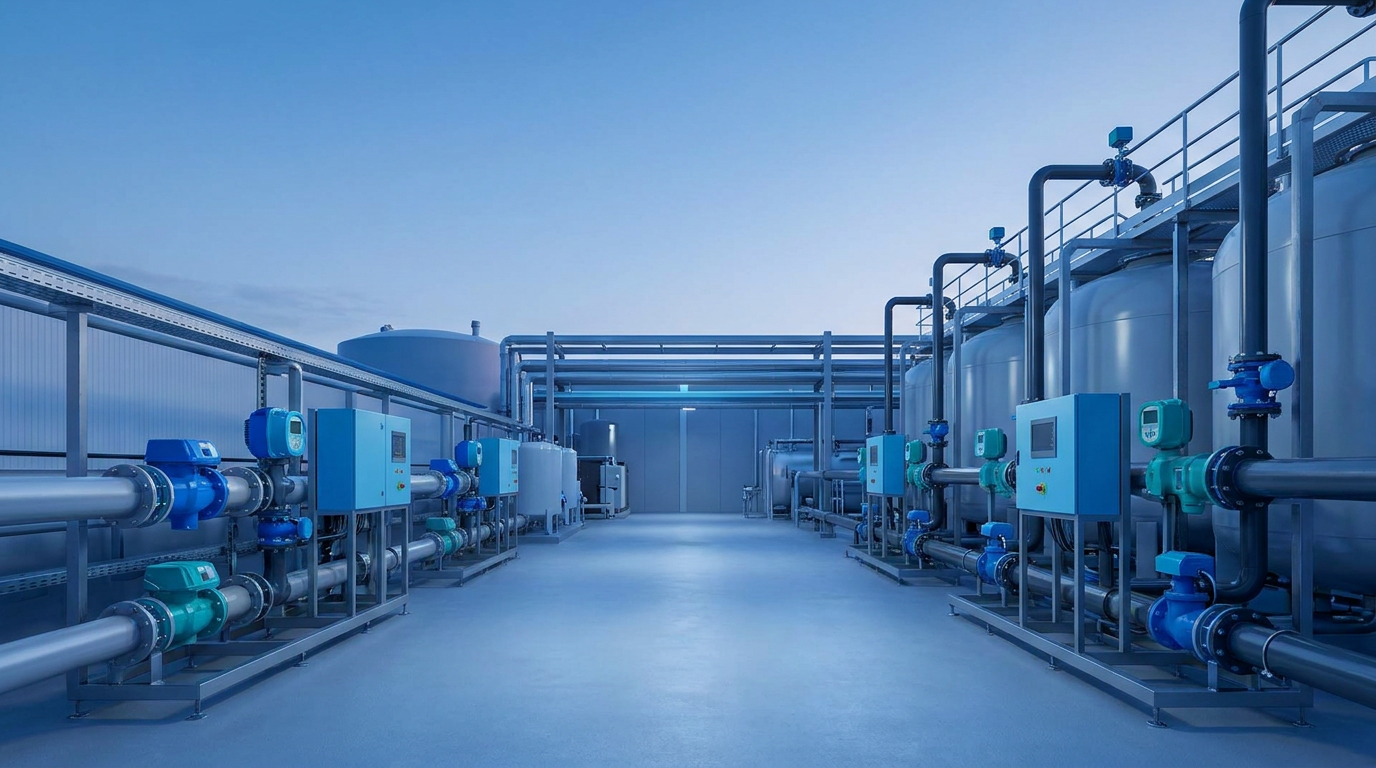
Against the macro backdrop of the global "Dual Carbon" strategy, industrial park energy efficiency retrofitting has become an irreversible historical inevitability. This deep dive explores the latest technical advances in low-carbon parks, covering scientific diagnosis, mature application scenarios, and the transformative Energy Performance Contracting (EPC) model that drives sustainable growth.
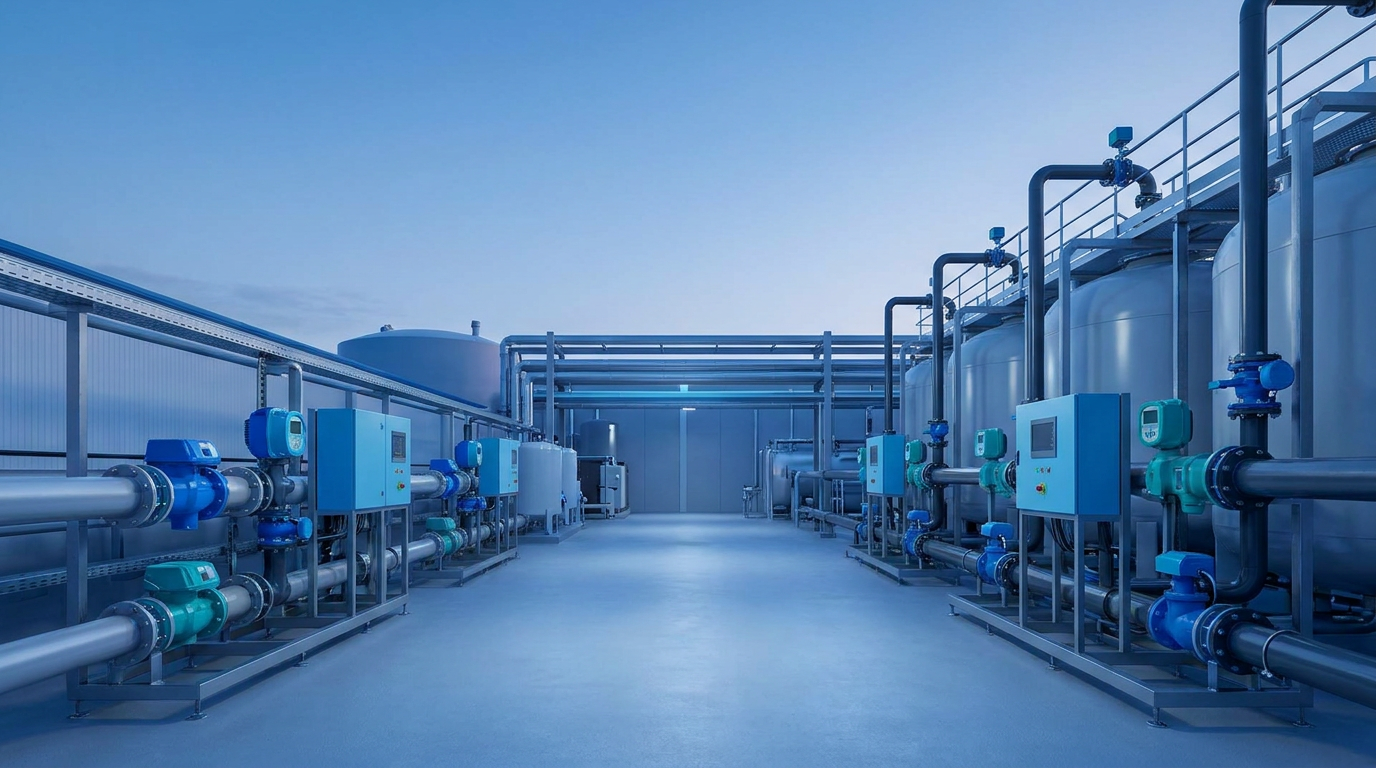
Scientific Energy Efficiency Diagnosis for Industrial Parks
Blind equipment replacement cannot achieve system-level optimization; comprehensive diagnosis is the indispensable first step. Technology has evolved from manual meter reading to dynamic monitoring systems powered by the Internet of Things (IoT) and big data analytics.
By installing smart sensing devices at key locations like distribution rooms and major equipment, professional teams collect real-time multi-dimensional data including voltage, current, temperature, and pressure.
Based on high-frequency data points benchmarked against industry standards, the system precisely identifies waste loopholes such as high motor idling rates, pipeline leaks, or transformer load imbalances, providing robust data support for customized retrofitting solutions.
Latest Technology Advances in Low-Carbon Park Retrofitting
Current methodologies focus on three main scenarios: general electrical equipment upgrades, waste heat recovery, and building energy environment optimization. In electrical systems, Variable Frequency Drive (VFD) retrofitting offers the highest return on investment by replacing oversized motors with permanent magnet synchronous motors.
Equipment automatically adjusts operating frequencies according to actual end-load requirements, avoiding reactive power losses. In air compressor stations, replacing old piston compressors with single-stage screw compressors combined with networked group control significantly reduces specific power consumption.
Furthermore, waste heat recovery acts as a "rich mine" for dyeing, chemical, and food manufacturing parks. Technologies like heat pumps and screw expander generator sets recapture medium-to-low-temperature waste heat for domestic water heating or raw material preheating, achieving cascaded energy utilization.
Energy Performance Contracting (EPC): The Financial Catalyst
Despite clear long-term returns, high initial costs and a lack of professional O&M teams often deter manufacturing enterprises. The Energy Performance Contracting (EPC) model has emerged as the industry mainstream to break these financial and technical barriers.
Zero Upfront Cost
ESCOs handle design, financing, and construction, eliminating capital pressure for the enterprise.
Risk Sharing
Parties share energy-saving benefits based on actual performance, binding ESCO profits to results.
Professional O&M
Specialized companies manage operations, ensuring continuous optimization and maintenance.
Win-Win Outcome
Creates strong incentives for technical solutions while delivering environmental and economic benefits.
Future Trends: Digital Intelligence and Integrated Energy Management
Industrial park retrofitting is evolving towards systematization, featuring source-grid-load-storage integration. A deep coupling between Artificial Intelligence (AI) and digital twin technologies will transform static dashboards into "energy brains" with machine learning capabilities.
AI algorithms will automatically optimize control commands for HVAC, lighting, and power systems based on production schedules and meteorological data, achieving millisecond-level adaptive regulation.
Additionally, retrofitting is accelerating its fusion with microgrid construction. The combination of distributed photovoltaics, user-side energy storage, and AC/DC hybrid microgrids will become standard, enhancing resilience and clean energy levels through horizontal complementarity among electricity, heat, cooling, and gas.
Conclusion: Pathway to Sustainable Development
Industrial parks are the skeleton of the real economy, and their energy efficiency retrofitting is a systematic engineering project combining technical depth with managerial breadth. From precise diagnosis to advanced upgrades and EPC-driven collaboration, the industry is entering a new cycle of high-quality development.
Facing increasingly stringent carbon emission constraints, proactively embracing cutting-edge energy-saving technologies and innovative business models remains the only path for industrial parks to achieve long-term sustainable development.

