Latest Technology Advances in Groundwater Dynamic Monitoring for Smart Water Management
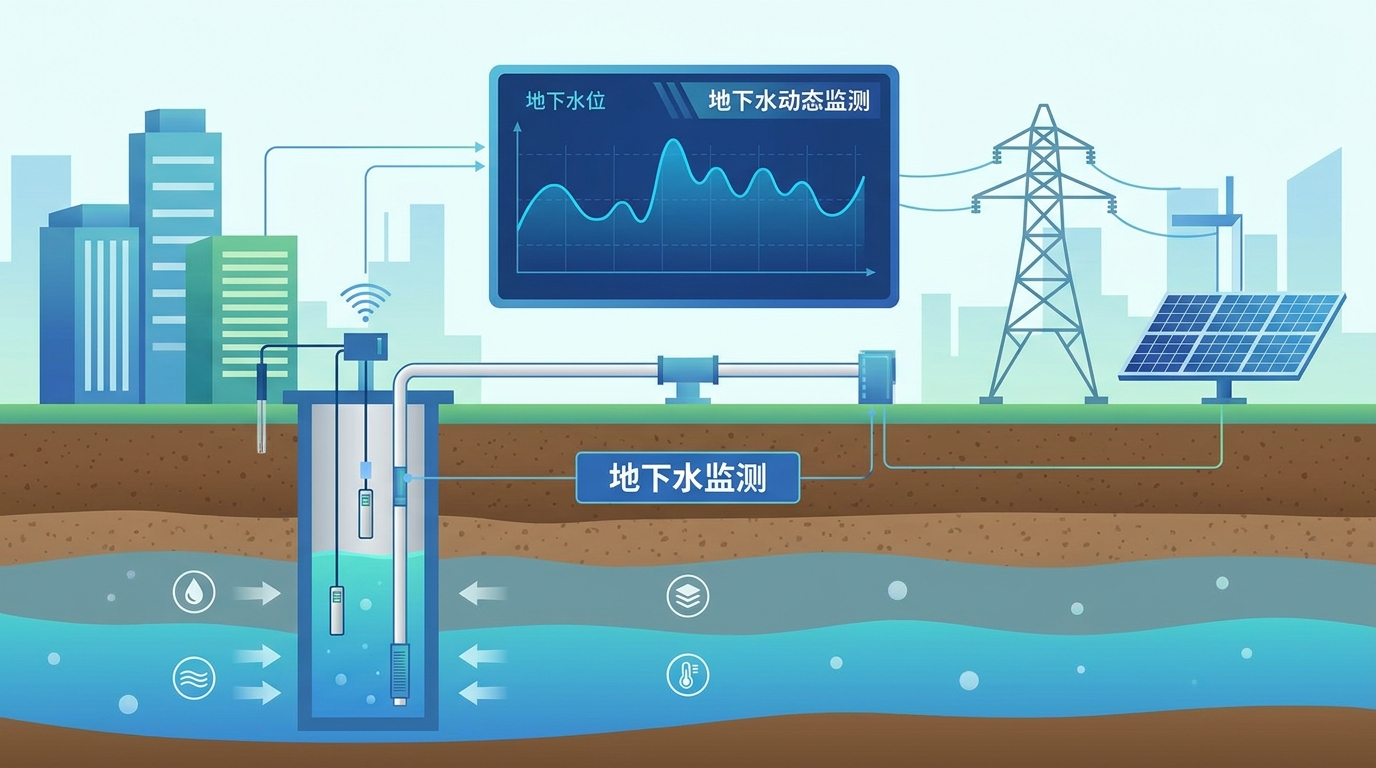
Groundwater dynamic monitoring technologies are revolutionizing ecological safety by providing critical data on water levels and quality. As a cornerstone of smart water management, these systems utilize advanced submersible pressure transducers to combat over-exploitation and ensure sustainable resource allocation across industrial and agricultural sectors.
The Critical Role of Submersible Pressure Transducers in Groundwater Level Monitoring
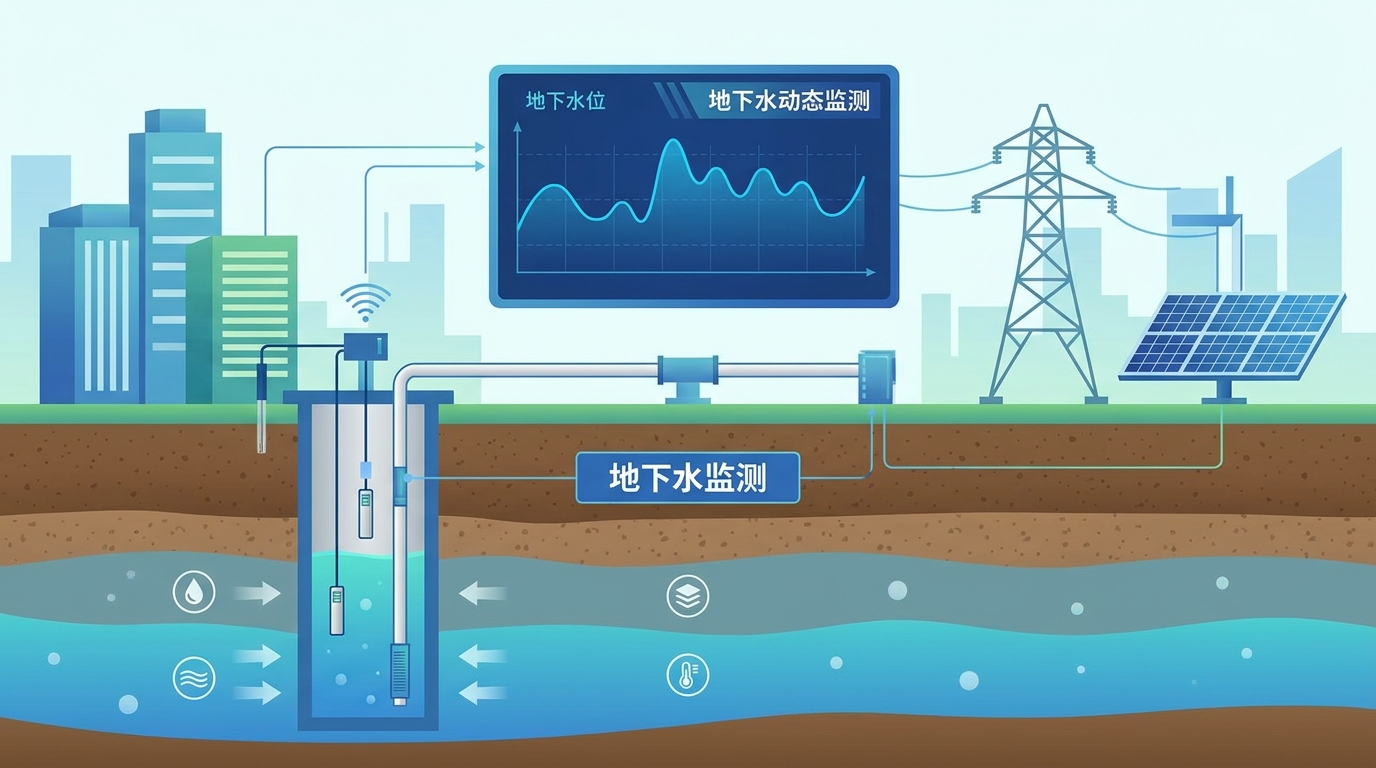
Among various indicators, groundwater level stands as the most fundamental parameter for assessing regional water resource carrying capacity. To address this, submersible pressure transducers have emerged as the industry standard due to their exceptional environmental adaptability and high measurement precision.
These devices operate on hydrostatic principles, directly measuring static water pressure within wells to calculate real-time water column height. Unlike traditional mechanical or ultrasonic methods, they can function continuously in deep wells and narrow boreholes where spatial constraints usually limit other technologies.
Advanced Engineering Features of Modern Submersible Sensors
Modern submersible pressure transducers feature robust housings made from 316L stainless steel or titanium alloys to withstand corrosive groundwater and complex geological stresses. These materials are paired with polyurethane or PTFE anti-corrosion cables to ensure long-term sealing integrity during underwater operations.
Technological sophistication is further enhanced by high-precision piezoresistive cores integrated with temperature compensation algorithms. This design effectively mitigates the impact of deep-water temperature fluctuations, keeping long-term drift errors within extremely low limits for reliable data.
IoT Integration: Transforming Data Acquisition into System-Wide Intelligence
Empowered by the Internet of Things (IoT), groundwater monitoring has evolved from simple data acquisition to comprehensive system integration. Current stations combine submersible pressure transducers with Low-Power Wide-Area Network (LPWAN) Remote Telemetry Units (RTUs) for seamless connectivity.
Real-time groundwater level data is transmitted via 4G, 5G, NB-IoT, or Beidou satellite networks to provincial and national data centers. This automated network replaces outdated manual inspections, achieving minute-level data updates that are crucial for rapid response and decision-making.
Source Water Protection
High-density networks map flow fields and track pumping cones. Systems trigger automatic warnings when levels approach ecological red lines, supporting permit adjustments and extraction bans.
Agricultural & Urban Safety
Monitors aid in preventing soil salinization and guiding water-saving irrigation. In urban areas, it ensures geological safety by tracking shallow and deep confined water levels to prevent land subsidence.
Future Trends: Multi-Parameter Fusion and AI-Driven Predictions
The future of groundwater dynamic monitoring lies in multi-parameter fusion, integrating submersible pressure transducers with sensors for conductivity, pH, dissolved oxygen, and temperature. This allows for synchronous monitoring of both "water level and water quality," providing a holistic view of source health.
Edge computing and ultra-low-power technologies will become standard, enabling devices in remote areas to operate for extended periods using advanced sleep-wake mechanisms. Transmission occurs only upon detecting abnormal fluctuations, significantly extending maintenance-free cycles.
AI and Digital Twins: Shifting from Reactive Warning to Proactive Simulation
Leveraging Artificial Intelligence and Digital Twin technologies, groundwater models can now simulate evolution trends under varying climatic conditions and extraction intensities. By fusing massive datasets with meteorological and hydrological information, these systems facilitate a paradigm shift from post-event monitoring to pre-event intervention.
Ultimately, the convergence of sensing technologies, IoT, and big data creates smarter, more precise groundwater monitoring networks. This advancement is essential for refined water resource management and building a robust technical barrier for long-term ecological civilization construction.

