Latest Technology Advances in Low-Carbon Industrial Parks
As the global "Dual Carbon" goals advance, low-carbon industrial parks are transforming from traditional energy consumers into innovation hubs for the green economy. By integrating digital technologies like IoT, big data, and AI, these parks achieve precision energy management and accurate carbon perception, serving as a critical pathway to regional carbon neutrality targets.
Data-Driven Precision Management in Green Parks
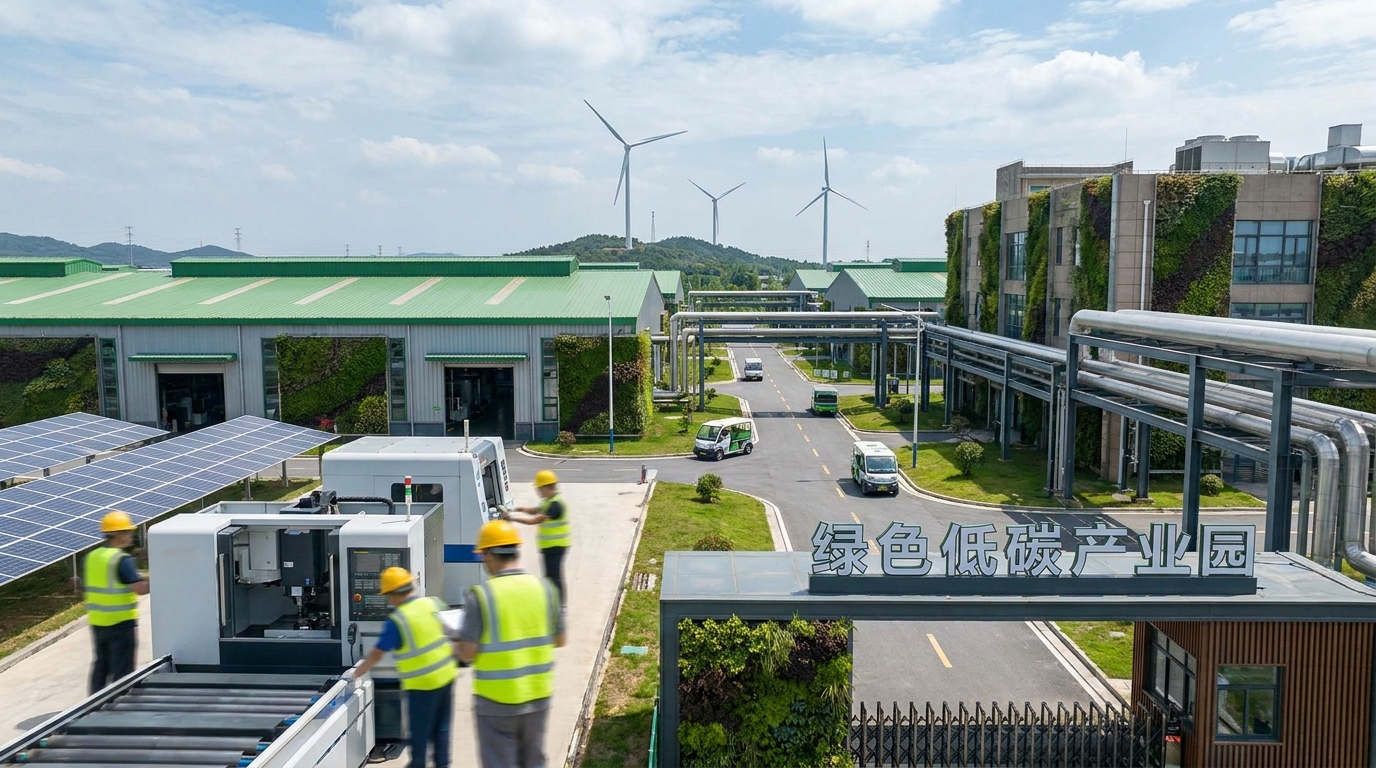
The construction of green and low-carbon industrial parks has evolved beyond physical greening to comprehensive energy and carbon asset management driven by data. This shift relies on the deep integration of material flows, energy flows, and information flows facilitated by the Internet of Things (IoT) and cloud computing.
Traditional extensive energy management is being replaced by precision control based on edge computing and intelligent algorithms. Advanced flexible control technologies dynamically adjust operating parameters for HVAC systems, smart lighting, and water pumps in milliseconds. These systems respond to real-time conditions such as weather patterns and personnel density to eliminate inefficient operation while maintaining comfort and production standards.
Core Breakthroughs in Carbon Emission Monitoring
A fundamental breakthrough lies in the maturing technology of carbon emission monitoring within low-carbon industrial parks. The industry has widely established an integrated carbon metering system covering the entire "source-grid-load-storage" chain.
By deploying high-precision smart sensors at key emission nodes and leveraging the tamper-proof characteristics of blockchain technology, park managers can access accurate carbon footprint data in real time. This continuous monitoring covers both direct and indirect emissions and extends upstream and downstream across the value chain, providing a robust foundation for park-level carbon accounting.
Customized Low-Carbon Solutions for Manufacturing
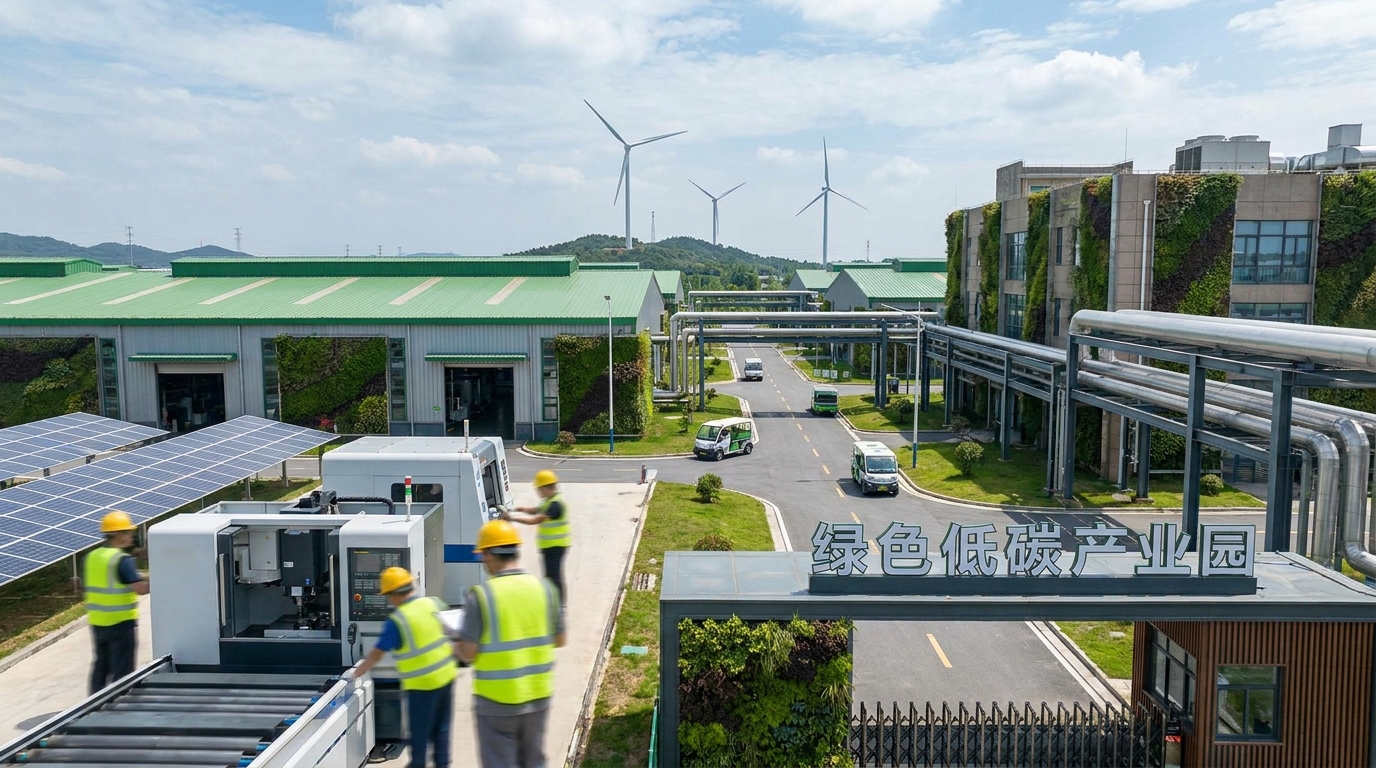
In high-end manufacturing low-carbon industrial parks, where process energy consumption is the primary source of emissions, technical applications focus on equipment-level diagnostics. Through industrial internet platforms, systems continuously compare individual equipment energy curves against standard models to detect efficiency declines immediately.
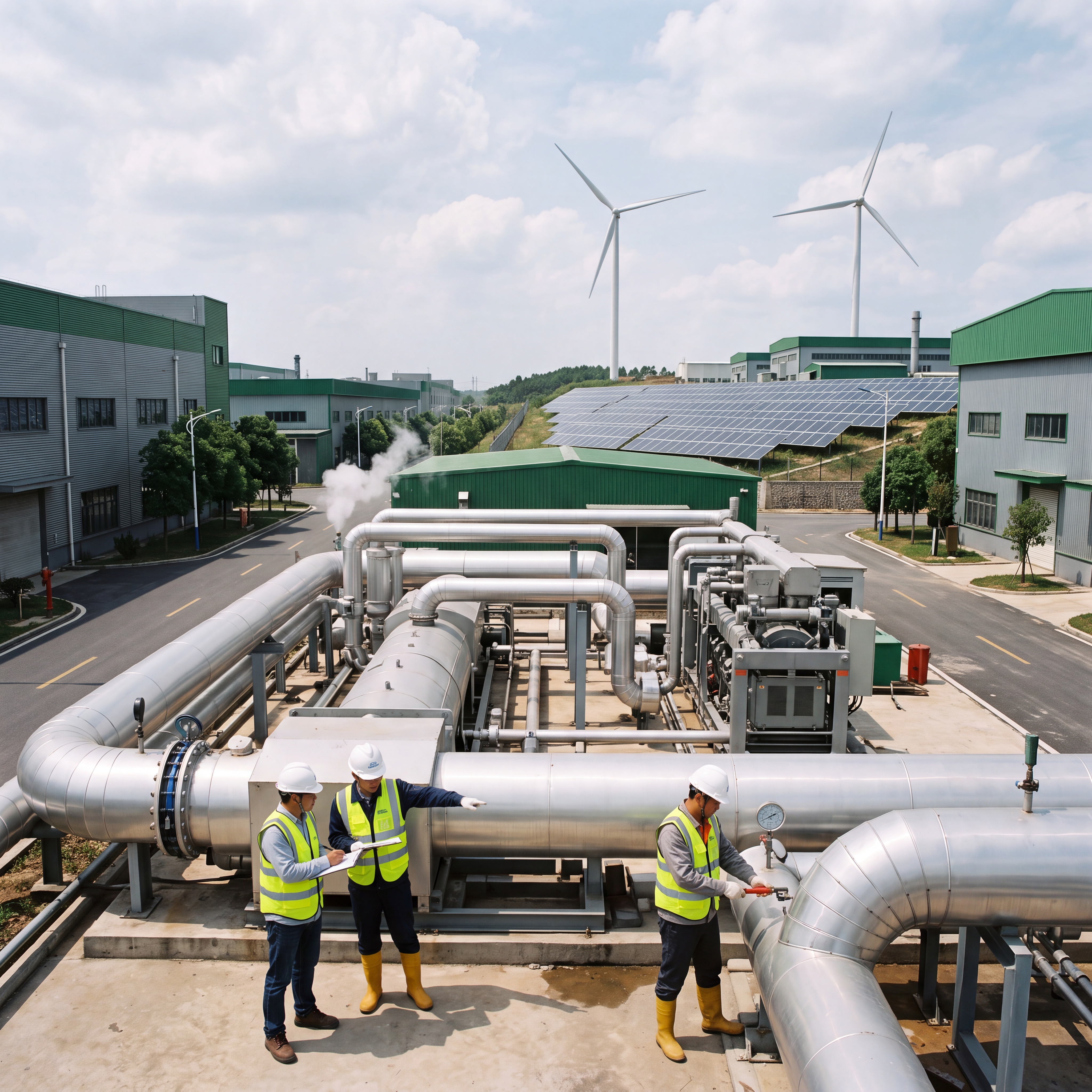
Simultaneously, industrial waste heat is efficiently converted into heating or cooling energy for the park, achieving hierarchical energy utilization. Maintenance alerts are triggered automatically upon detecting anomalies, ensuring optimal performance and minimizing carbon waste through intelligent scheduling of waste heat recovery systems.
Logistics & Warehousing Parks
Focuses on local absorption of distributed new energy and green transportation synergy. Large roof areas enable high-proportion self-sufficient green electricity via distributed PV and storage systems. Intelligent scheduling linked with charging networks performs peak shaving and valley filling for new energy logistics vehicles.
R&D and Office Complexes
Emphasizes low-carbon building operations using Building Information Modeling (BIM) and digital twin technologies. Managers utilize holographic 3D carbon maps to grasp real-time energy consumption intensity per floor. Tiered energy-saving optimization strategies are automatically issued based on visual interface data.
Deep AI Empowerment in Future Evolution
Looking ahead, the technological evolution of low-carbon industrial parks will accelerate towards deep intelligence. Artificial intelligence large models will play a decisive role in energy forecasting and adaptive control. Future microgrid control systems will possess powerful deep learning capabilities to analyze weather forecasts and corporate order volumes.
These systems will autonomously generate optimal energy dispatch strategies, marking a transition from "passive response" to "active optimization." This shift ensures that energy demand is predicted and managed proactively rather than reactively.
Virtual Power Plants and Carbon Economic Value
Virtual Power Plant (VPP) technology will transform green parks into crucial interaction nodes for the new power system. By aggregating distributed PV, energy storage facilities, and adjustable loads, parks can participate in external grid demand-side response and ancillary service markets as a whole entity.
Furthermore, as the national unified carbon market expands, high-precision carbon emission monitoring data will seamlessly integrate with the financial system. Parks supported by trusted carbon data will gain significant advantages in securing green credit, issuing green bonds, and participating in carbon emission rights trading.
Conclusion: The Future of Digital Low-Carbon Infrastructure
The construction of green and low-carbon industrial parks is a systematic engineering project integrating IoT, big data, new energy, and carbon asset management. As park energy-saving technologies continue to iterate and carbon emission monitoring systems become increasingly refined, industrial parks are transforming from traditional energy consumption terminals into innovation hubs for the green economy.
Under the dual drive of technological innovation and policy guidance, fully digitized low-carbon industrial parks will inevitably become the core infrastructure for high-quality regional development in the future.