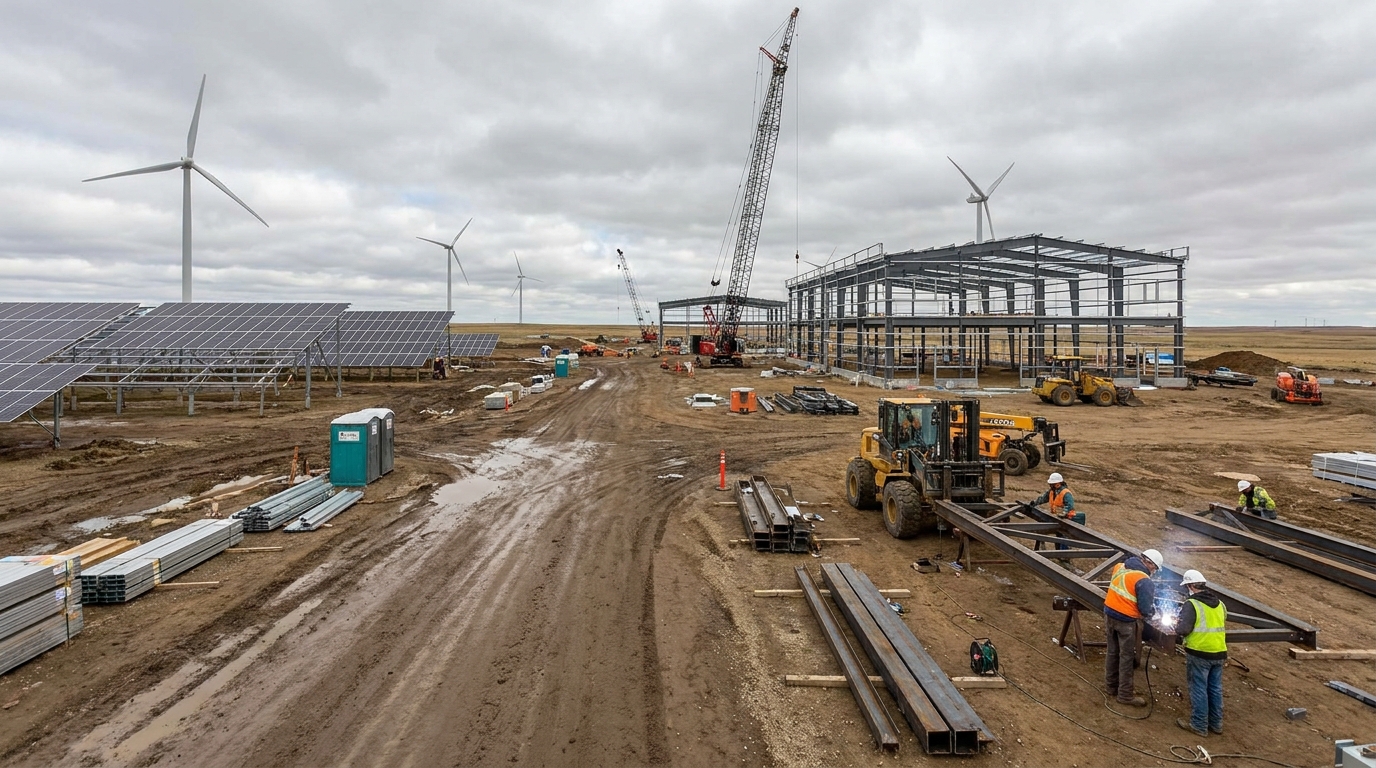
Latest Technology Advances in Low-Carbon Park Construction: A Zero-Carbon Revolution
As global climate change mitigation accelerates and national "Dual Carbon" goals drive the transition from 2030 carbon peaking to 2060 neutrality, industrial parks are at the forefront of this transformation. This comprehensive guide explores the latest technology advances in low-carbon park construction, detailing how the integration of Source-Grid-Load-Storage systems and digital intelligence is reshaping traditional industrial zones into net-zero powerhouses.
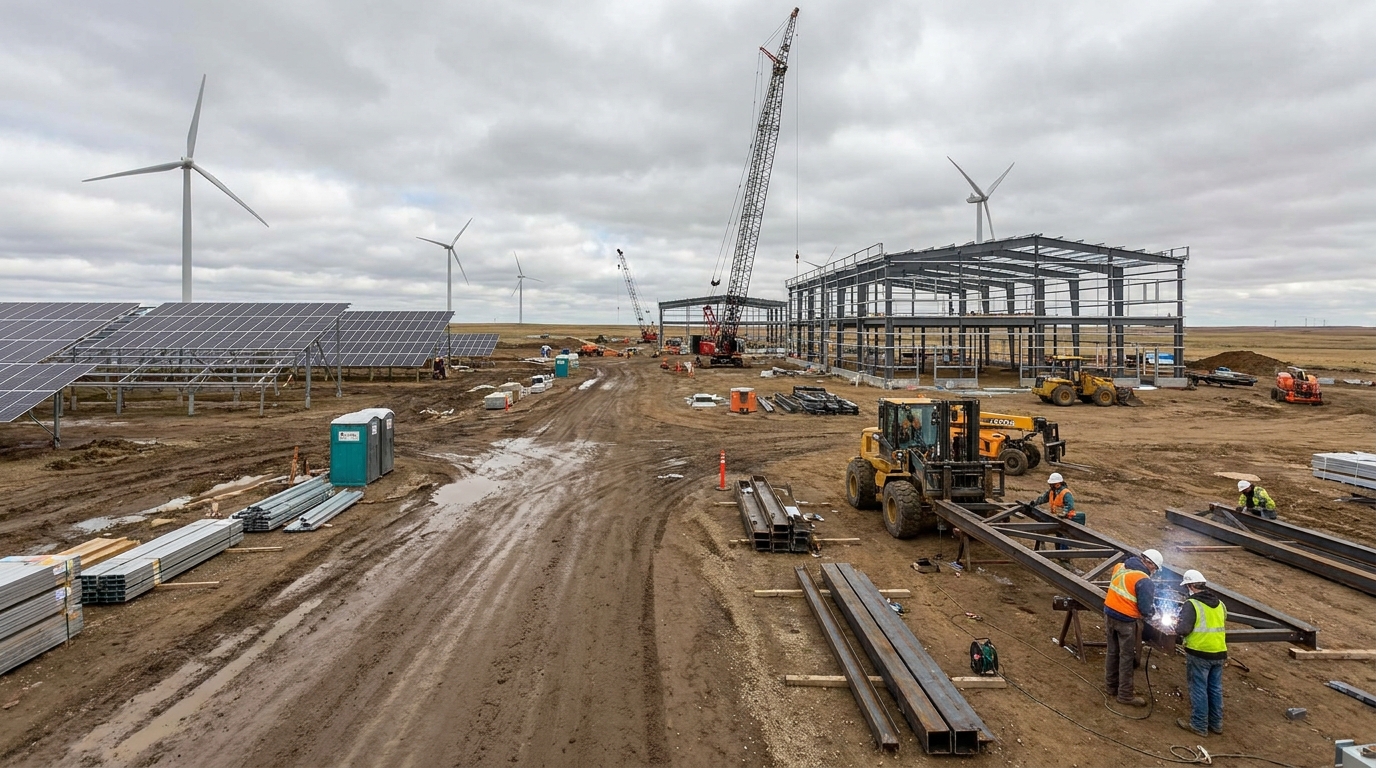
From Green Parks to Zero-Carbon Parks: The Conceptual Leap
The evolution of industrial park development has shifted significantly from early "Green Parks," which focused on basic pollution reduction, to advanced "Zero-Carbon Parks." This new paradigm does not imply an absolute absence of emissions but rather achieves net-zero greenhouse gases through renewable energy maximization and carbon sink integration.
Transitional phases like "Near-Zero Carbon Emission" parks serve as critical stepping stones, utilizing iterative technological advancements to approach the ultimate sustainability goal. This conceptual shift represents a fundamental change in how industrial zones manage their environmental impact and energy efficiency.
Core Technology Status: Integrating Source-Grid-Load-Storage and Digital Intelligence
The backbone of zero-carbon park construction lies in the mature integration of "Source-Grid-Load-Storage" (SGLS) technologies. Distributed renewable energy sources, such as rooftop photovoltaics and decentralized wind power, form the foundation, supported by electrochemical and thermal storage systems that act as "super power banks."
On the digital front, IoT sensors and AI-driven "Carbon Brains" enable second-level data collection and dynamic monitoring across Scope 1, 2, and 3 emissions. These intelligent systems utilize Life Cycle Assessment (LCA) methodologies to optimize high-energy equipment, moving management from post-event statistics to pre-event optimization.
Energy Supply
Rooftop PV, Decentralized Wind, DC Microgrids
Digital Management
IoT Sensors, AI Optimization, LCA Tracking
Diverse Application Scenarios: Reshaping Emission Patterns Across Industries
In high-end manufacturing and heavy industry, decarbonization focuses on electrifying process operations and recovering waste heat. Chemical and steel parks utilize heat pump technologies to convert low-grade waste heat into usable energy, drastically reducing overall consumption.
Computing power parks leverage natural cold sources and immersion cooling to achieve near-zero emissions alongside 100% green electricity procurement. Meanwhile, modern logistics hubs integrate PV-storage-charging stations and passive ultra-low energy designs to create self-sustaining, zero-carbon distribution centers.
Future Development Trends: Standardization and Carbon Asset Operations
Looking ahead, the fusion of AI large models with energy systems will enable autonomous learning for globally optimal dispatch strategies. Parks will increasingly transform into creators of carbon assets, converting emission reductions into tradable financial instruments via the CCER mechanism and expanding carbon markets.
Alignment with international benchmarks like the EU's CBAM will drive demand for traceable green infrastructure. This shift positions zero-carbon parks as comprehensive platforms offering standardized compliance services, ensuring tenants meet strict global supply chain requirements.
Conclusion
The journey from green parks to carbon neutral parks is a systematic engineering project requiring breakthroughs in both hardware and software. Through continuous innovation in energy transition, industrial upgrading, and digital transformation, industrial parks are poised to lead the way in the global zero-carbon era.

