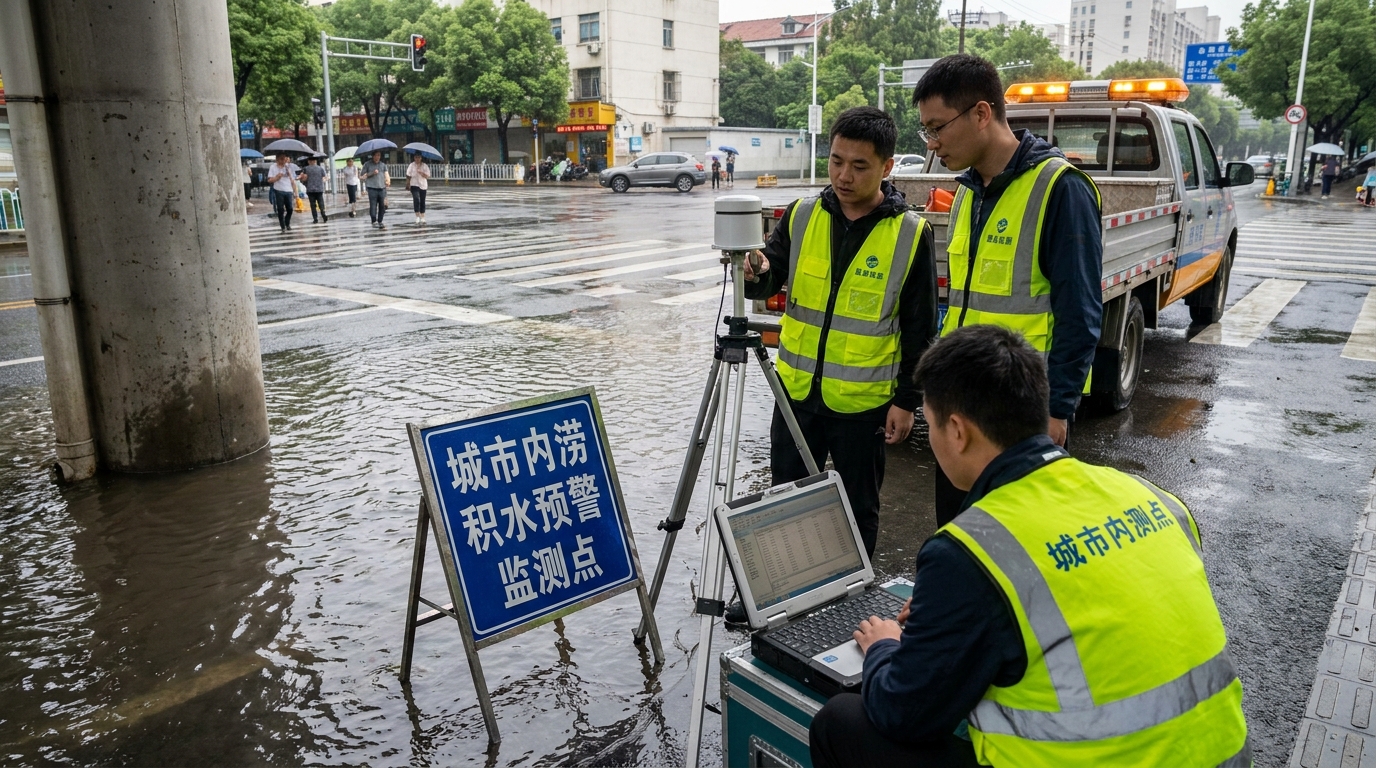
Latest Technology Advances in Urban Waterlogging Early Warning Monitoring Systems
As global climate change intensifies, urban waterlogging early warning monitoring systems have become the cornerstone of modern city safety. Moving beyond traditional reactive measures, these advanced systems leverage IoT and high-precision sensing to transition urban flood prevention from passive rescue to proactive defense. This article explores the technological status, critical application scenarios, and future trends driving this essential evolution in disaster management.
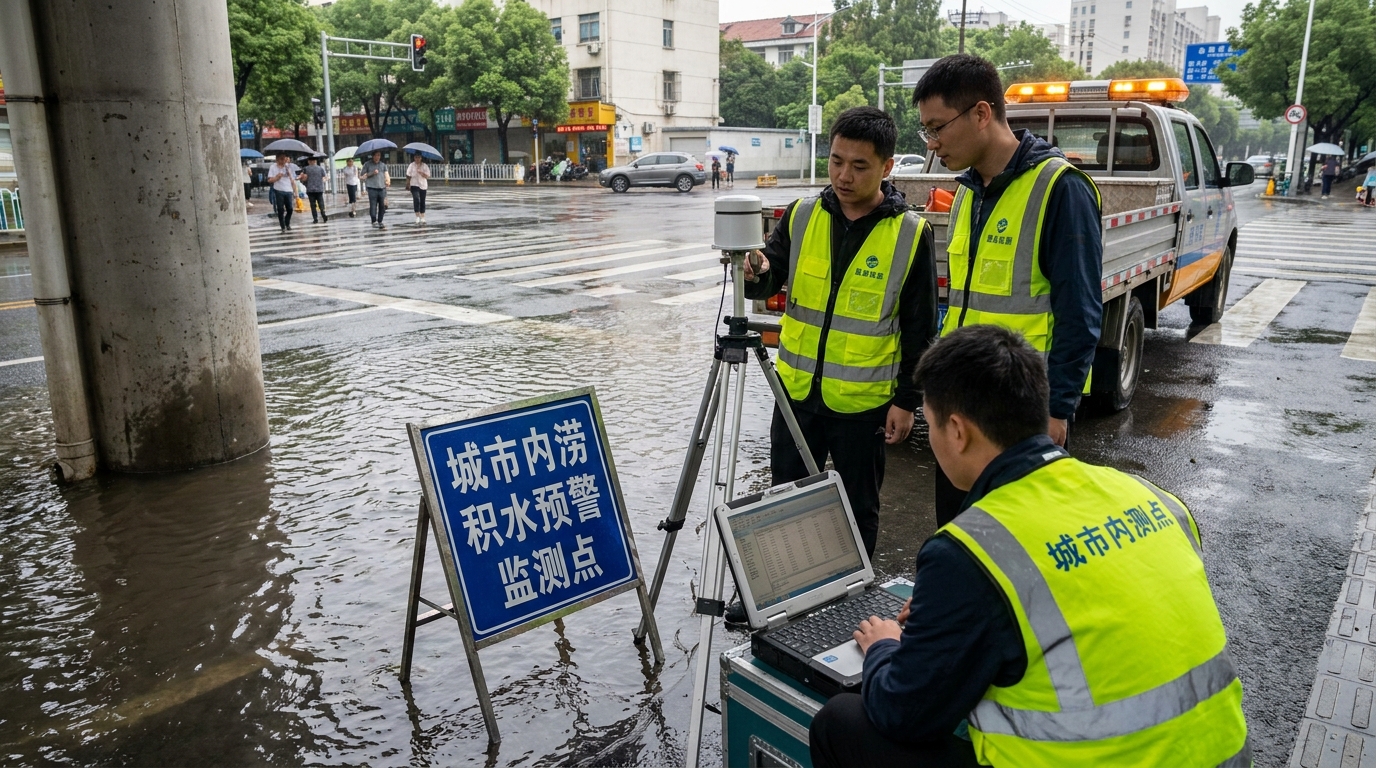
IoT and High-Precision Sensing in Urban Waterlogging Systems
The foundation of modern urban waterlogging early warning systems lies in the deep integration of the Internet of Things (IoT) and edge computing. At the forefront of this evolution is the widespread adoption of radar level gauges, which serve as the core equipment for hydrological monitoring. Unlike traditional contact-type submersible meters, these devices operate on microwave reflection principles, offering distinct non-contact measurement advantages.
These advanced sensors remain unaffected by turbid water quality, sediment deposition, or floating debris, ensuring reliable data acquisition even during severe storm conditions. They provide high-precision liquid level data around the clock, creating a robust physical foundation for accurate flood warnings. This shift from experience-based judgment to precise, real-time data collection marks a significant leap in industrial technology.
System Architecture
Cloud-Edge-End three-tier structure for low-latency response.
Response Time
Multi-level warnings triggered within milliseconds of threshold breach.
Key Sensors
Radar level gauges, rain gauges, flow meters, and video surveillance.
Alert Channels
Information platforms, broadcast systems, and road LED signage.
Comprehensive Coverage of Urban Vulnerable Nodes
In practical deployment, urban waterlogging early warning systems permeate various vulnerable nodes, forming a dense safety protection network. Foremost among these are urban underpass bridges, tunnels, and culverts, which are prone to rapid water accumulation due to their low-lying topography. By deploying radar level gauges at these critical traffic nodes, the system automatically links with traffic blocking facilities before water reaches dangerous levels.
Additionally, old low-lying communities, underground commercial streets, and parking garages benefit from miniaturized monitoring devices at overflow outlets. These installations allow grassroots personnel to obtain early warnings, enabling the rapid deployment of sandbags and emergency pumps. Meanwhile, real-time monitoring of drainage pipe networks and pump stations empowers command centers to optimize start-stop strategies and alleviate pressure from a holistic perspective.
Intelligence and Digital Twins in Future Flood Prevention
Looking ahead, urban waterlogging early warning technology is evolving towards intelligence, modeling, and digital twin capabilities. Artificial Intelligence and big data analytics will trigger a qualitative leap, moving beyond static thresholds to dynamic risk prediction models. By fusing historical rainfall data, weather radar composites, and terrain elevation data, these systems can predict potential waterlogging points hours before heavy rain occurs.
Furthermore, digital twin technology allows engineers to create virtual replicas of city drainage infrastructure to simulate complex hydrological processes without disrupting actual operations. This convergence transforms urban water management from a reactive discipline into a proactive, intelligent ecosystem. Ultimately, these advancements ensure greater resilience against escalating climate threats while securing precious lead time for urban flood control.

