Real-Time Carbon Emission Monitoring: The Future of Industrial Decarbonization
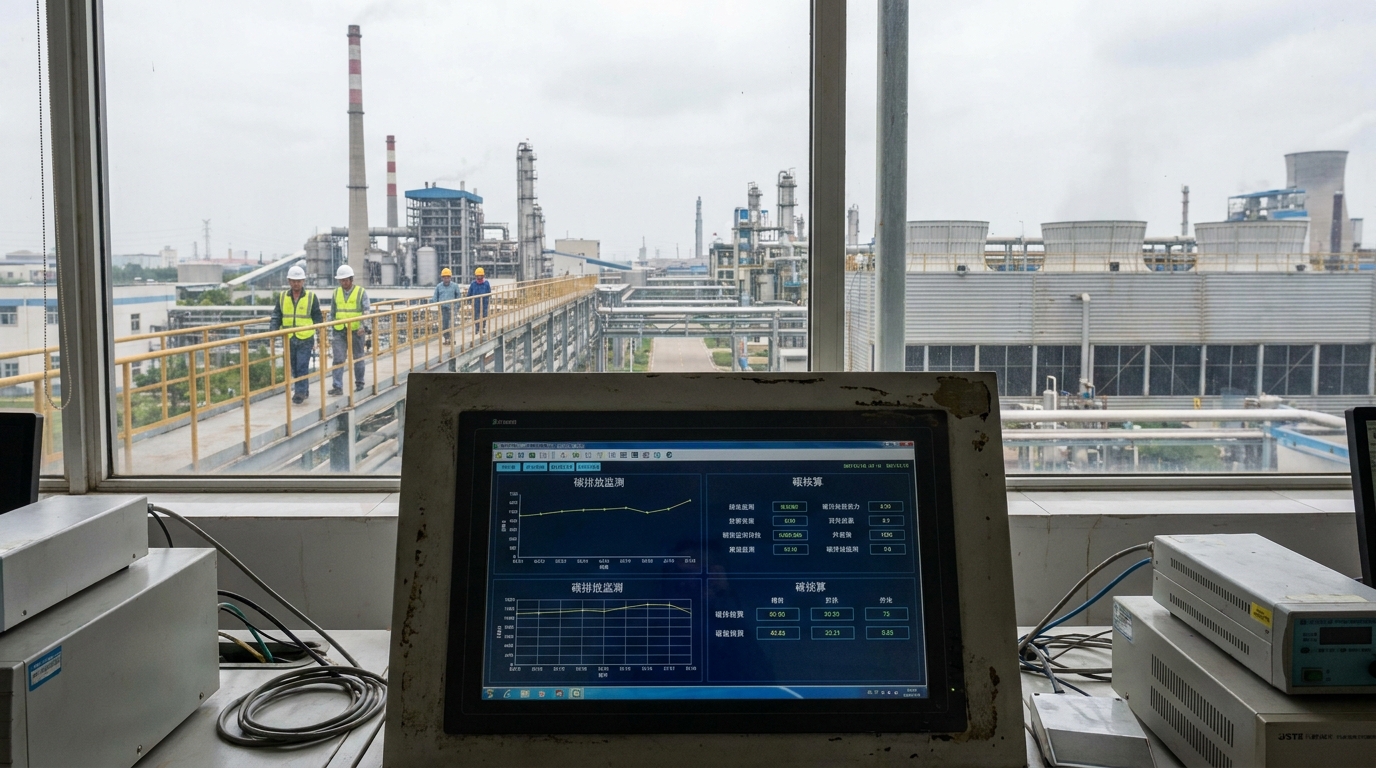
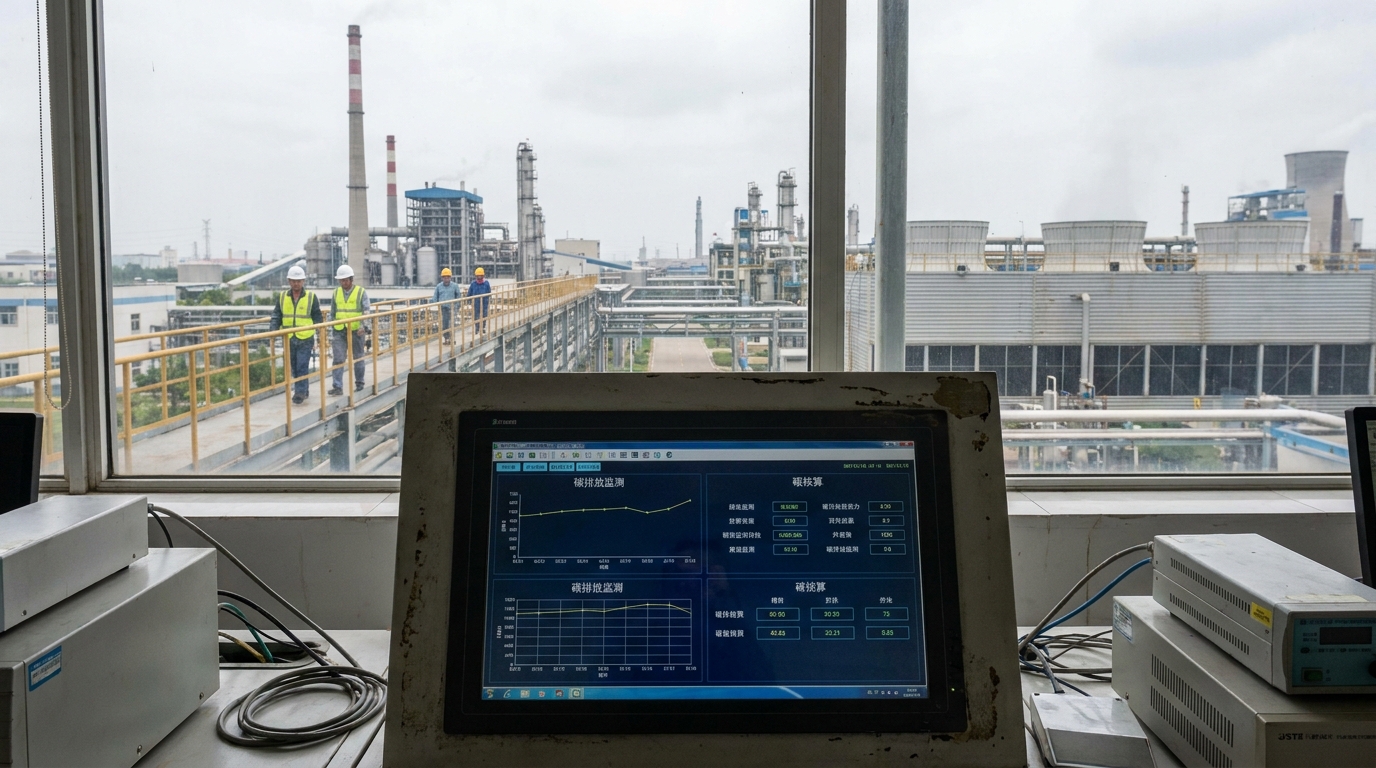
As global consensus on climate action strengthens, industrial parks have emerged as pivotal frontlines for achieving national decarbonization targets. Traditional static accounting methods are being replaced by real-time carbon emission monitoring technologies that leverage IoT and high-precision sensing.
This evolution from periodic estimation to continuous monitoring lays the technological foundation for precision carbon management across industrial sectors worldwide. By integrating advanced analytics with physical sensors, parks can now make dynamic production decisions based on accurate, up-to-the-second data.
Advanced Optical Sensing Technologies for Accurate GHG Detection
Industrial parks are transitioning from emission-factor-based accounting to integrated systems that fuse continuous online measurement with robust carbon frameworks. Highly accurate optical sensing technologies, including Non-Dispersive Infrared (NDIR) absorption and Tunable Diode Laser Absorption Spectroscopy (TDLAS), have matured significantly.
Integrated into Continuous Emission Monitoring Systems (CEMS), these sensors deliver second-by-second measurements of key greenhouse gases like CO₂ and CH₄ directly at stack outlets or park perimeters.
Measurement-Based Accuracy
Eliminates uncertainties in emission factor selection by using empirically derived data from field sensors.
High-Frequency Data
Provides granular, real-time flow rate and concentration data for immediate operational insights.
Enhanced Credibility
Synergistic integration improves the timeliness and trustworthiness of carbon reporting for regulators.
Dynamic Optimization
Enables proactive compliance and process adjustments before thresholds are breached.
Point-Source and Park-Wide Monitoring Applications
Real-time carbon monitoring enables precise lifecycle management across multiple operational layers. Point-source monitoring targets major emitters like steel mills and chemical plants, installing sensors at critical nodes such as coke ovens and boilers.
For diffuse, unorganized emissions, grid-based deployment of compact sensor networks generates dynamic carbon heatmaps. These visualizations allow operators to identify root causes of fugitive VOCs and implement targeted mitigation interventions effectively.
Product-Level Carbon Footprinting for Global Trade Compliance
With mechanisms like the EU's Carbon Border Adjustment Mechanism (CBAM) entering force, accurate lifecycle carbon accounting is essential for market access.
By integrating real-time emission data with upstream and downstream material flow tracking, parks can allocate total emissions granularly to specific batches and products.
The result is dynamically generated, third-party-verifiable carbon footprint reports that empower resident enterprises to navigate evolving green trade barriers with confidence.
Future Trends: AI Integration and Energy-Carbon Dual Control
Deep integration of artificial intelligence and digital twin technology will move platforms beyond simple visualization to predictive insight. Next-generation systems will construct dynamic models integrating real-time emissions, production schedules, and weather forecasts to recommend optimal energy-saving strategies.
Furthermore, the industry is evolving from standalone monitoring to integrated "energy-carbon dual-control" platforms. This convergence allows synchronized analysis of electricity, thermal, gas, and carbon data to optimize both procurement costs and compliance liabilities.
Data Security, Standardization, and Blockchain Provenance
As monitoring data feeds directly into national carbon markets, blockchain-enabled data provenance is becoming standard practice to ensure accuracy and immutability.
Simultaneously, industry-specific technical specifications—including calibration protocols and uncertainty quantification methods—are being codified. This regulatory maturation drives the sector toward greater interoperability, auditability, and legal enforceability.
Conclusion: Strategic Infrastructure for Net-Zero Transformation
Real-time carbon emission monitoring has transcended its origins as a regulatory compliance tool—it is now a strategic infrastructure asset reshaping industrial competitiveness.
From foundational GHG measurement to end-to-end supply chain traceability, this technology ecosystem is embedding itself deeply into modern industrial operations.
As innovation accelerates, online monitoring will serve as the most precise, responsive, and intelligent "digital eyes" guiding industrial parks toward net-zero transformation.

