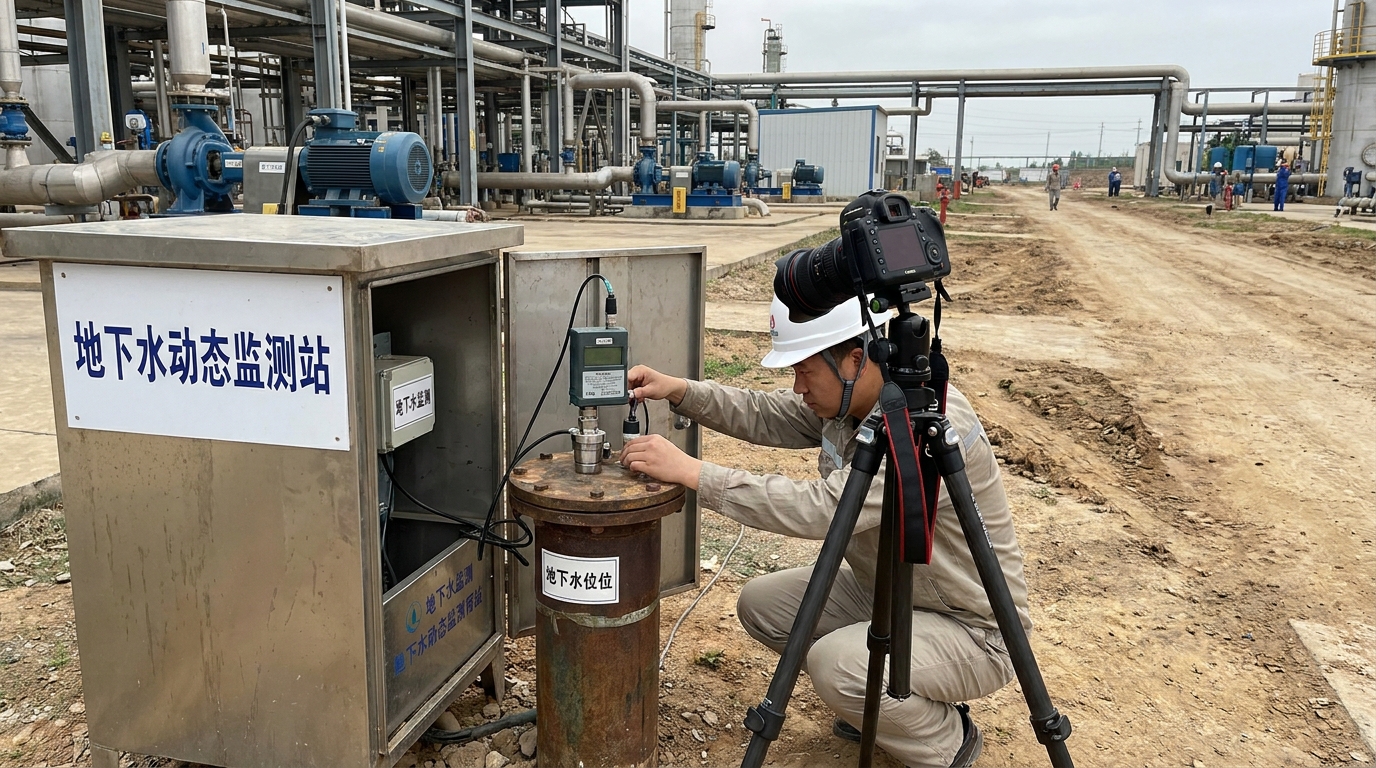
Groundwater serves as a critical strategic resource for maintaining ecological balance. In recent years, the compounding effects of climate change and intensified human engineering activities have brought groundwater over-exploitation into sharp focus. Against this backdrop, establishing a scientific and efficient groundwater dynamic monitoring network is the cornerstone of achieving refined water resource management. This article provides an in-depth analysis of the core technologies currently defining the smart water conservancy landscape, their typical application scenarios, and future development trends.
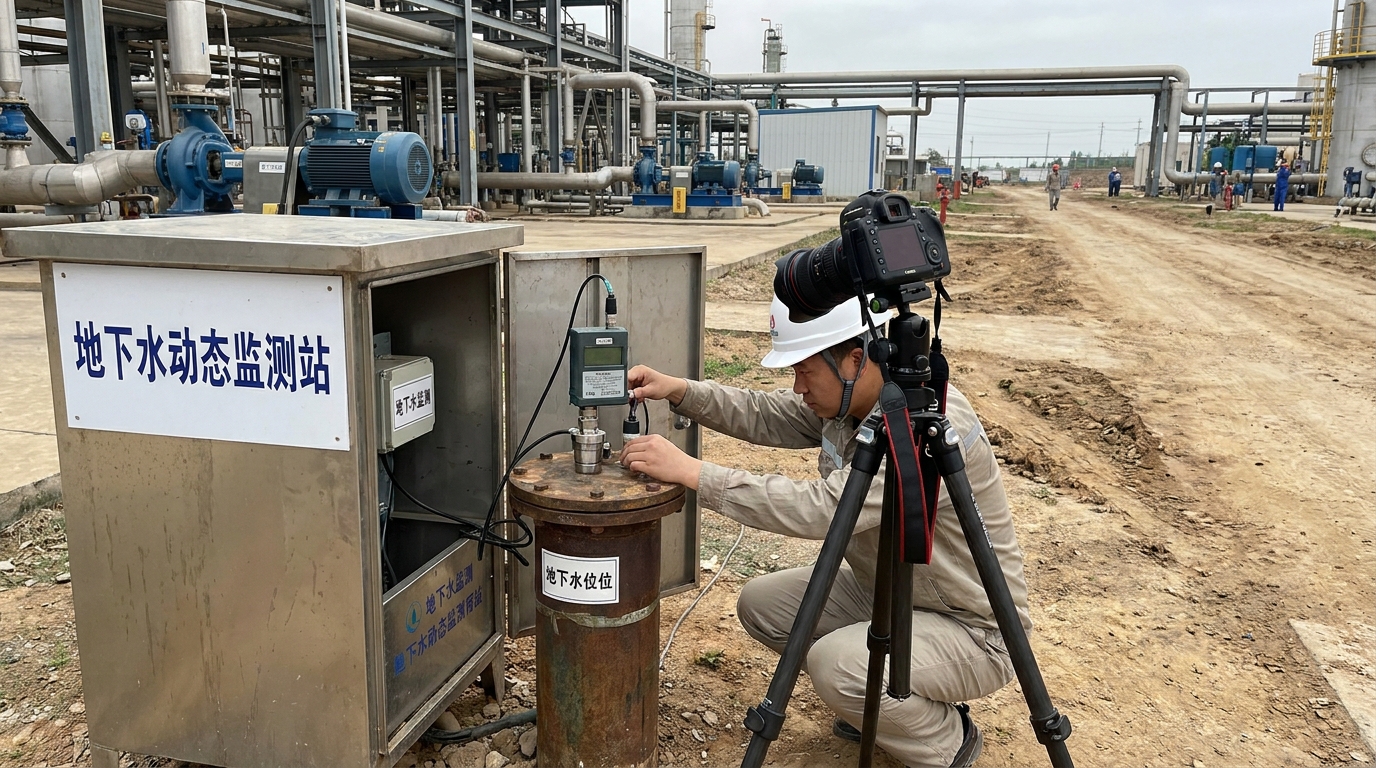
Core Technologies: Precision Sensing with Submersible Level Meters
The core of groundwater monitoring lies in the continuous, long-term observation of hydrodynamic characteristics. Fluctuations in groundwater levels are the most intuitive indicators, reflecting recharge patterns and impacting geological stability.
Submersible pressure transducers have emerged as the industry's most trusted sensing terminals due to their exceptional stability. These devices work on the principle of hydrostatic pressure measurement, converting static water pressure into standard electrical signals.
Robust Design: Anti-Corrosion and Surge Protection Features
Modern sensing technology has endowed these devices with remarkable environmental adaptability. To withstand harsh underground conditions characterized by high pressure and extreme humidity, mainstream units are fully sealed using anti-corrosion materials like 316L stainless steel or PTFE.
Internally, circuits are designed to protect against lightning strikes and voltage surges. Coupled with atmospheric pressure compensation cables, these sensors effectively eliminate interference from external pressure changes, ensuring data authenticity.
Application Scenarios: Multi-Dimensional Water Resource Management
Water Source Protection
Real-time tracking of aquifer storage at drinking water sources with automated red-line alerts for extraction limits.
Geological Disaster Warning
Modeling subsidence rates in coastal cities by correlating deep confined aquifer levels with land movement.
Ecological Restoration
Optimizing irrigation regimes and preventing mine water inrush accidents through linked monitoring systems.
Urban Safety: Preventing Subsidence and Seawater Intrusion
Long-term groundwater over-exploitation is a primary driver of land subsidence and ground fissures. By deploying high-precision level sensors in both deep confined aquifers and shallow phreatic zones, survey departments can establish mathematical models correlating water level changes with subsidence rates.
These models provide essential safety assessments for the development of underground urban spaces and major infrastructure projects, fundamentally safeguarding regional geological environments.
Future Trends: IoT Integration and Low-Power Communication
Groundwater monitoring technology is transforming from traditional automation to high-level intelligence. Given the constraints of remote field points, monitoring terminals utilizing LPWAN technologies like NB-IoT and LoRa are becoming the mainstream choice.
New-generation devices can operate continuously for several years with minimal energy consumption. This significantly reduces maintenance costs, making the construction of large-scale, high-density groundwater perception networks feasible.
Next-Generation Intelligence: Multi-Parameter Sensors and AI Analytics
The industry is moving towards developing composite probes that integrate measurements of water level, temperature, electrical conductivity (salinity), and specific pollutant concentrations. This synchronized collection of multi-dimensional data provides richer foundational support for pollution tracing.
Furthermore, big data and artificial intelligence are empowering decision-making. Machine learning algorithms will not only filter anomalous data but also accurately predict future groundwater dynamic trends based on historical spatiotemporal distribution.
Conclusion: A Systematic Engineering Endeavor
Groundwater dynamic monitoring is reshaping how resources are understood. Underpinned by advanced submersible level meters and integrated with modern IoT and big data analytics, we are witnessing a leap from "passive monitoring" to "proactive early warning."

