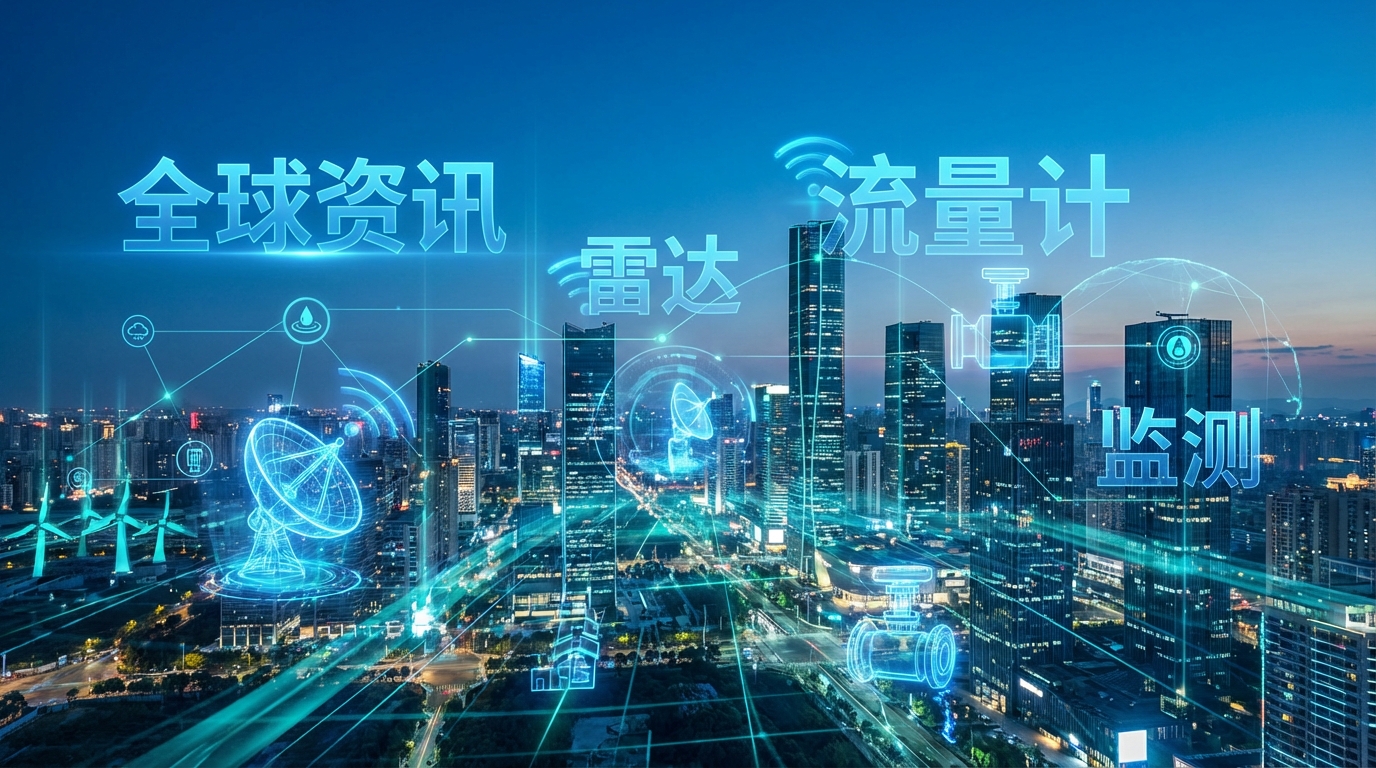
Digital Transformation Accelerates Across Global Water Industry
The global water industry is experiencing an unprecedented digital transformation, with five key technological solutions emerging as the primary drivers of change through 2026. According to the latest Xylem Vue report, these innovations—generative AI, agent-based architectures, cybersecurity enhancements, early warning systems, and strategic public-private partnerships—are fundamentally reshaping how water utilities operate and deliver services worldwide.
Generative AI Leading Operational Efficiency Revolution
Generative artificial intelligence has emerged as a game-changer for water utilities seeking to optimize their operations. This technology enables utilities to analyze vast amounts of operational data, predict maintenance needs, and automate decision-making processes that previously required extensive human intervention. The integration of AI-powered analytics allows utilities to identify patterns in water consumption, detect anomalies in distribution networks, and optimize treatment processes in real-time.
The impact extends beyond operational efficiency to encompass predictive maintenance strategies that can prevent costly infrastructure failures. By analyzing historical data and current operational parameters, generative AI systems can forecast when critical components like pumps, valves, and treatment equipment may require maintenance or replacement.
Agent-Based Architectures Transform Data Interaction
Perhaps one of the most innovative developments is the emergence of agent-based architectures that enable natural language queries to be converted into analytical flows. This breakthrough technology allows water utility operators to interact with complex data systems using conversational interfaces, making sophisticated analytics accessible to personnel without extensive technical training.
These architectures emphasize security and control within critical infrastructure systems, ensuring that automated processes maintain the highest standards of operational safety. The ability to audit and automate analytical workflows while maintaining human oversight represents a significant advancement in water management technology.
Smart Metering Infrastructure Gains Global Momentum
The Smart Water Networks Forum (SWAN) has released a comprehensive global Smart Metering Playbook, providing utilities with detailed guidance for implementing automated meter reading (AMR) and advanced metering infrastructure (AMI) programs. This resource addresses the growing need for utilities to modernize their metering systems and improve customer service while reducing operational costs.
Smart metering technology enables real-time monitoring of water consumption patterns, rapid leak detection, and improved billing accuracy. The playbook's release signals the industry's commitment to standardizing best practices and accelerating adoption across diverse geographic and regulatory environments.
Cybersecurity Becomes Critical Infrastructure Priority
As water utilities increasingly rely on digital technologies, cybersecurity has become a paramount concern. The integration of IoT devices, cloud-based analytics, and remote monitoring systems creates new vulnerabilities that require sophisticated protection strategies. Modern cybersecurity solutions for water utilities must address both operational technology (OT) and information technology (IT) environments, ensuring seamless protection across all digital touchpoints.
The focus on cybersecurity extends beyond basic protection to encompass resilience planning, incident response protocols, and continuous monitoring capabilities. Water utilities are investing in advanced threat detection systems and establishing partnerships with cybersecurity specialists to maintain robust defenses against evolving threats.
Early Warning Systems Enhance Disaster Preparedness
Climate change and extreme weather events have elevated the importance of early warning systems in water management. These systems integrate meteorological data, hydrological models, and real-time sensor networks to provide advance notice of potential flooding, drought conditions, or water quality issues.
Modern early warning systems leverage machine learning algorithms to improve prediction accuracy and reduce false alarms. The integration of multiple data sources, including satellite imagery, weather forecasts, and ground-based sensors, enables utilities to make informed decisions about resource allocation and emergency response measures.
Public-Private Partnerships Drive Innovation Adoption
The complexity and cost of implementing advanced water technologies have made public-private partnerships essential for successful digital transformation initiatives. These collaborations combine public sector oversight and regulatory compliance with private sector innovation and technical expertise.
Strategic partnerships enable utilities to access cutting-edge technologies without bearing the full financial burden of research and development. This collaborative approach accelerates technology adoption and ensures that innovations are tailored to meet real-world operational requirements.
Implications for Technology Providers and Market Players
The digital transformation of the water industry creates significant opportunities for technology providers, including established players and emerging innovators. Chinese companies like Ecolor Technology are well-positioned to contribute to this transformation with advanced sensing and monitoring solutions. Their portfolio, including LGF electromagnetic flowmeters, 80GHz visual radar level sensors, and innovative multi-band Doppler flow radar systems with underground pipe monitoring capabilities, addresses critical infrastructure monitoring needs.
The company's HERO V9 RTU (Remote Terminal Unit) exemplifies the type of integrated solution that utilities require to implement comprehensive digital monitoring systems. As the industry moves toward more sophisticated data collection and analysis capabilities, such specialized equipment becomes increasingly valuable for ensuring accurate measurements and reliable communications.
Looking Ahead: Industry Transformation by 2026
The convergence of these five digital solutions represents more than incremental improvement—it signals a fundamental shift in how water utilities operate and serve their communities. By 2026, successful utilities will likely be those that have effectively integrated these technologies into cohesive operational strategies.
The emphasis on interoperability, security, and user-friendly interfaces suggests that the industry is maturing beyond pilot projects toward full-scale implementation. This evolution will require continued collaboration between technology providers, utilities, and regulatory bodies to ensure that innovations translate into improved water service delivery and environmental protection.
As the global water industry continues its digital transformation journey, the focus on practical, scalable solutions that deliver measurable benefits will drive adoption decisions. The five solutions identified in the Xylem Vue report provide a roadmap for utilities seeking to modernize their operations and meet the challenges of an increasingly complex water management environment.
Sources
- Five Digital Solutions Shaping The Path Toward Global Water Digitalization
- SWAN Releases Global Smart Metering Playbook To Guide Utilities Across Every Stage Of AMR/AMI Adoption
- Five digital solutions shaping the path towards global water digitalization
- Five digital solutions shaping the path towards global water digitalisation
Recommended Products
Ecolor Technology provides professional instruments for smart water, environmental monitoring & industrial automation: