Infrastructure Modernization Wave Transforms Irrigation Water Management
Across the United States, irrigation districts are embarking on unprecedented modernization initiatives to address aging infrastructure, water scarcity challenges, and regulatory compliance requirements. From Oregon's canal systems to Nevada's treatment facilities, water managers are implementing comprehensive upgrades that prioritize measurement accuracy, operational efficiency, and long-term sustainability.
The Central Oregon Irrigation District's Pilot Butte Canal piping project exemplifies this transformation trend. Officials report that modernization efforts will significantly reduce water losses from seepage while improving distribution efficiency from Redmond to Bend. This initiative reflects a broader industry shift toward precision water management, where accurate flow measurement becomes critical for optimizing resource allocation and demonstrating conservation compliance.
Performance Benchmarks Drive Smart Irrigation Flowmeter Adoption
Federal contracts increasingly incorporate performance benchmarks tied to water use efficiency, creating compelling business cases for advanced measurement technologies. The Truckee-Carson Irrigation District currently operates below efficiency credit thresholds under their Newlands Project contract, highlighting the urgent need for improved monitoring and accounting systems.
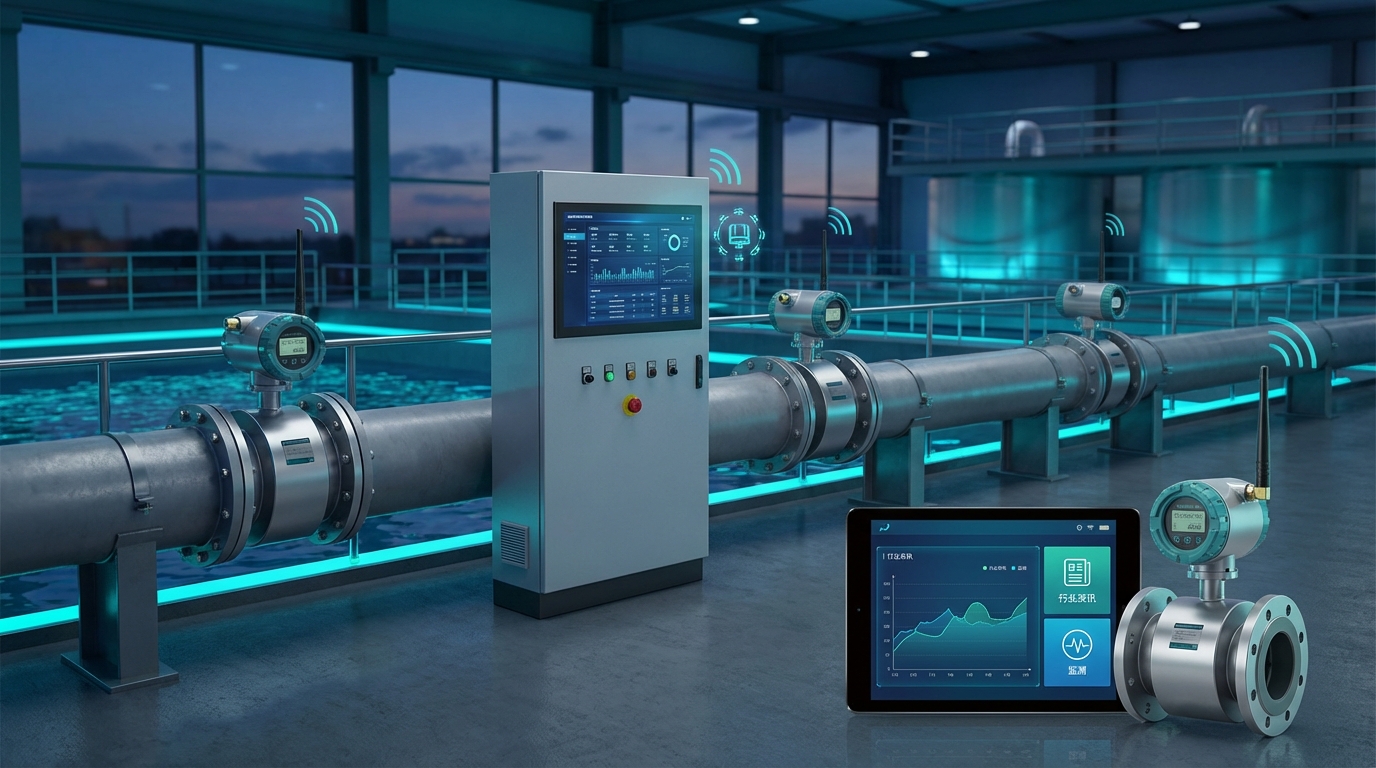
Modern smart irrigation flowmeter solutions address these challenges through real-time data collection and automated reporting capabilities. Districts can now track water usage patterns, identify inefficiencies, and demonstrate compliance with federal efficiency standards. This data-driven approach enables proactive management decisions that optimize both agricultural productivity and environmental stewardship.
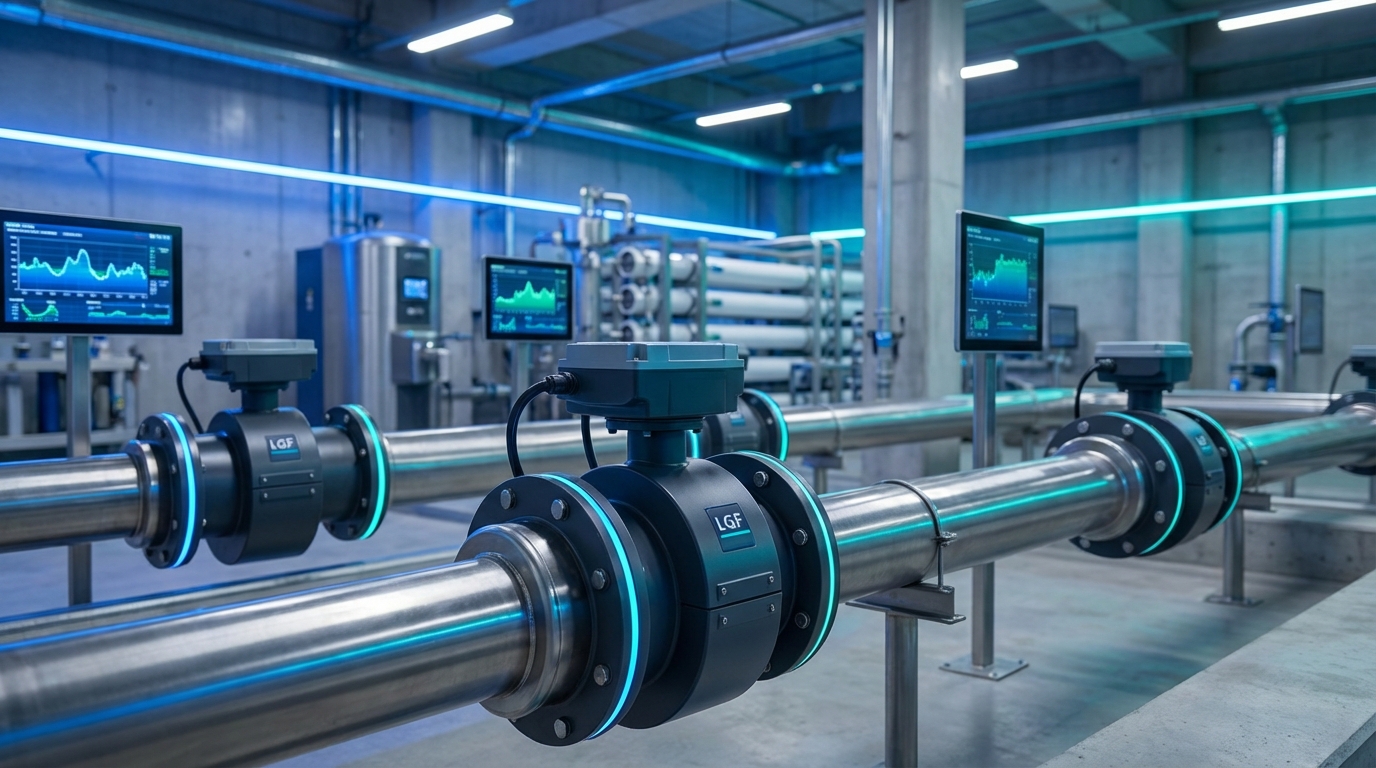
For irrigation infrastructure managers evaluating measurement solutions, cost-effectiveness remains paramount. Traditional electromagnetic flowmeters often require significant capital investment and ongoing maintenance expenses. However, innovative manufacturers like Ecolor Technology have developed agricultural water metering systems that deliver professional-grade accuracy at substantially reduced costs. Their LGF electromagnetic flowmeter series, starting from 850 yuan for DN50 configurations, demonstrates how advanced technology can become accessible to irrigation districts with constrained budgets.
Solar-Powered Remote Monitoring Revolutionizes Field Operations
Remote monitoring capabilities have become essential for modern irrigation management, particularly as districts manage increasingly distributed canal networks. The Nevada Irrigation District's rate structure modifications reflect growing emphasis on consumption-based billing, which requires accurate measurement at multiple points throughout distribution systems.
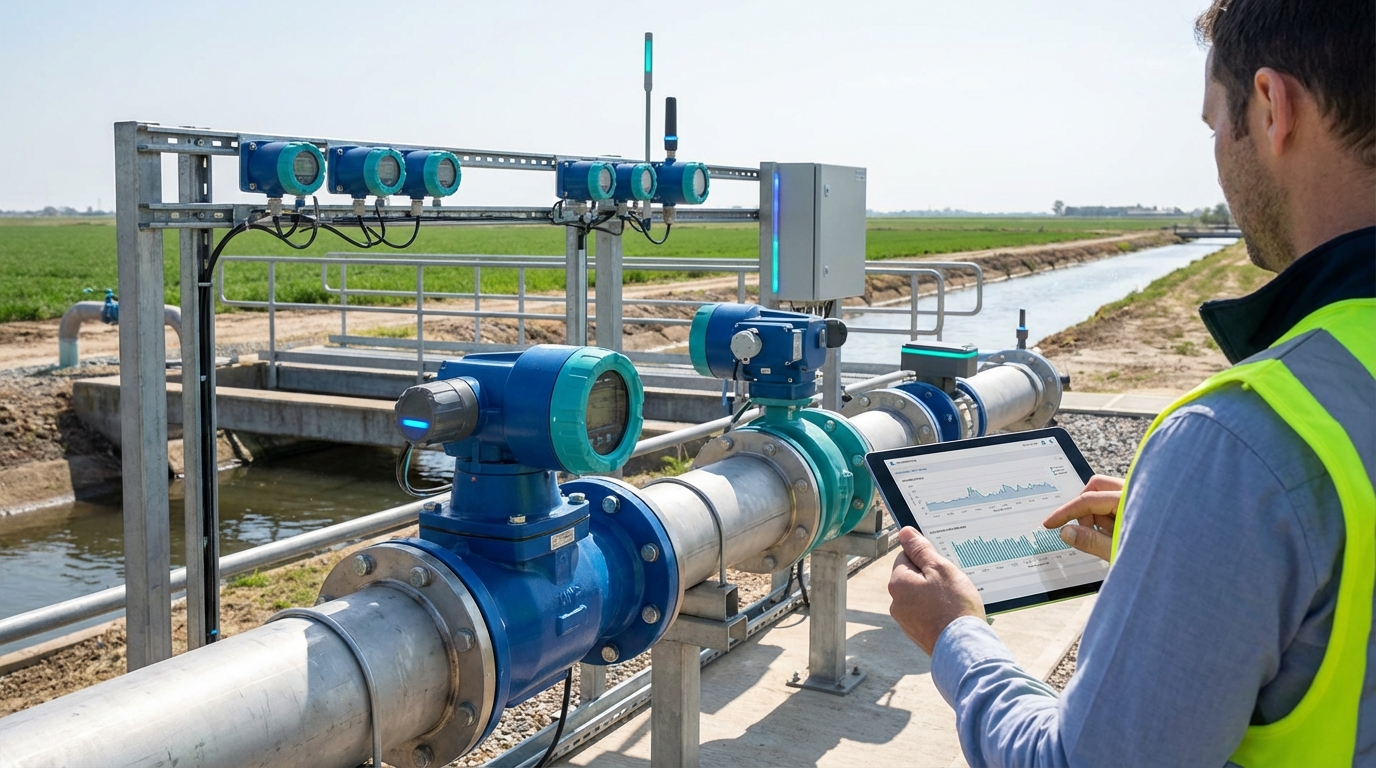
Solar-powered remote terminal units (RTUs) with 4G connectivity enable continuous monitoring without infrastructure dependencies. These systems automatically collect flow data, transmit readings to central management platforms, and provide real-time alerts for anomalous conditions. For districts managing hundreds of delivery points across vast geographical areas, this automation reduces operational costs while improving service reliability.
The South Mono Irrigation District's allocation methodology, setting 14-inch farm gate deliveries based on snowpack and modeling data, demonstrates sophisticated water budget management. Such precision requires reliable measurement infrastructure that can operate continuously throughout irrigation seasons without manual intervention.
Precision Irrigation Technology Addresses Water Scarcity Challenges
Water allocation pressures intensify as western states face prolonged drought conditions and competing demands from urban development, environmental protection, and agricultural production. Irrigation districts must maximize efficiency from available water supplies while maintaining agricultural viability for their constituencies.
Precision irrigation technologies enable granular control over water distribution, allowing districts to optimize deliveries based on crop requirements, soil conditions, and weather patterns. Accurate flow measurement provides the foundation for these optimization strategies, ensuring that allocation decisions reflect actual usage rather than estimates or historical averages.
Modern electromagnetic flowmeters incorporate advanced signal processing algorithms that maintain accuracy across varying flow conditions and water quality parameters. This reliability proves crucial for irrigation applications where sediment loads, temperature fluctuations, and seasonal debris can compromise measurement performance in traditional systems.
Economic Benefits Drive Technology Adoption Decisions
Capital allocation decisions in irrigation districts require careful evaluation of long-term operational benefits versus initial investment costs. The North Unit's canal headgate modernization project, upgrading systems originally installed in 1945, illustrates the extended service life expectations for irrigation infrastructure investments.
Cost-effective measurement solutions that combine durability, accuracy, and minimal maintenance requirements provide compelling value propositions for district managers. Complete irrigation metering systems incorporating electromagnetic flowmeters and solar-powered RTUs can now be deployed for under $5,000 per monitoring point, making comprehensive network instrumentation financially feasible for districts of all sizes.
This economic accessibility enables districts to implement measurement infrastructure that supports multiple operational objectives: regulatory compliance, efficiency optimization, billing accuracy, and system performance monitoring. The resulting operational improvements often generate cost savings that exceed initial technology investments within the first operational season.
Future-Proofing Irrigation Infrastructure Through Smart Technology
As irrigation districts plan infrastructure investments with 30-50 year service horizons, technology selection must anticipate evolving regulatory requirements, operational practices, and environmental conditions. Smart measurement systems provide the flexibility to adapt to changing needs through software updates and expanded functionality.
Integration capabilities become increasingly important as districts adopt comprehensive water management platforms that consolidate data from multiple sources. Modern flowmeters with standardized communication protocols enable seamless integration with existing SCADA systems, billing platforms, and regulatory reporting tools.
The trend toward automated water ordering and accounting systems, as mentioned by irrigation district managers, requires reliable field instrumentation that can support real-time transaction processing and customer service applications. This evolution transforms water measurement from operational necessity to strategic business capability.
For irrigation districts evaluating modernization strategies, partnering with experienced technology providers ensures access to proven solutions and ongoing technical support. Companies like Ecolor Technology, with their "See What You Measure" philosophy, offer comprehensive irrigation monitoring solutions that address both immediate operational needs and long-term strategic objectives.
Sources
- North Unit starts work in major project at canal headgate | The Bulletin
- COID seeks input on Pilot Butte Canal piping | Local News | centraloregondaily.com
- 2026 Allocation | SMRID
- Nevada Irrigation District launches public outreach on proposed water rate changes
- TCID Begins Water Season with Annual Water Users' Meetings
Learn more about cost-effective irrigation monitoring solutions at www.cssoc.com
Recommended Products
Ecolor Technology provides professional instruments for smart water, environmental monitoring & industrial automation: