Real-Time Monitoring Reshapes Water Management Strategies
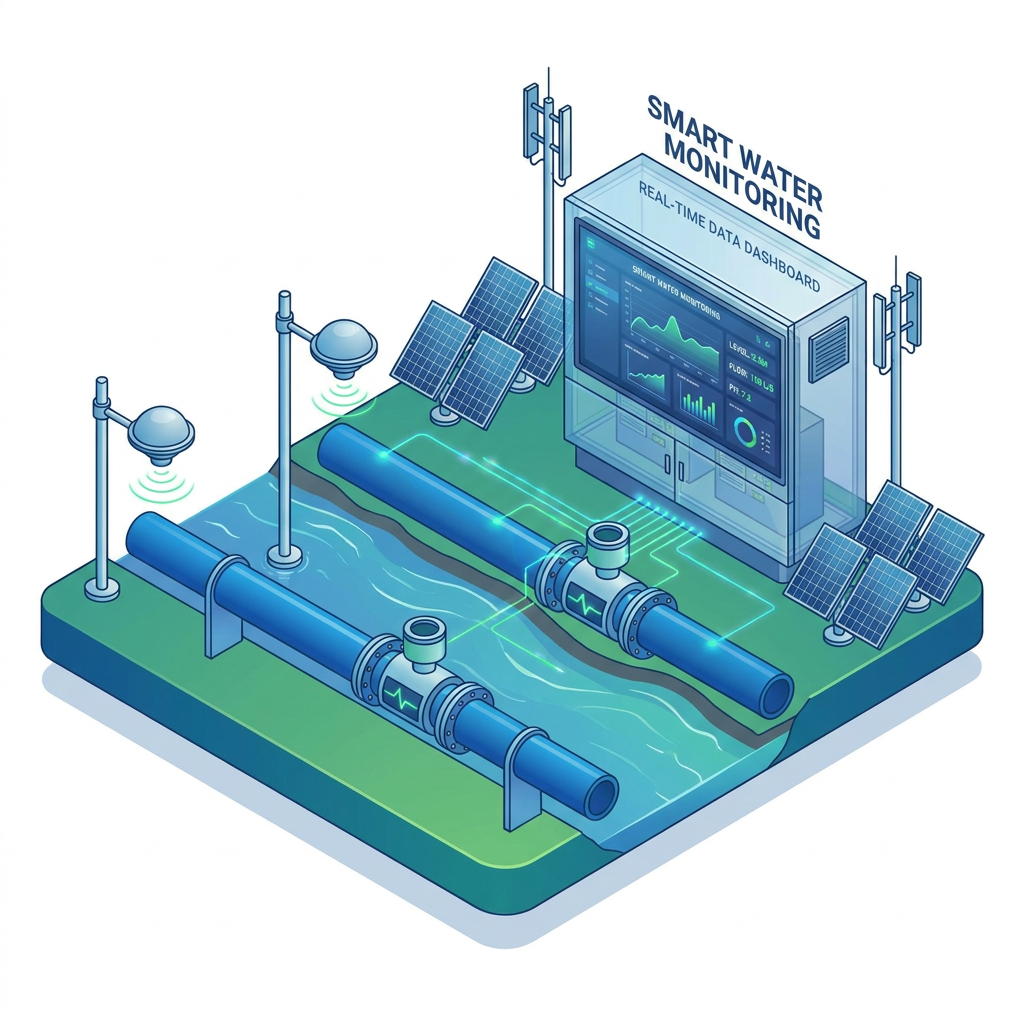
The integration of a smart water sensing layer is revolutionizing how cities close infrastructure gaps through continuous, real-time monitoring. By deploying advanced sensors across the network, utilities gain unprecedented visibility into system performance, transforming reactive maintenance into proactive management. This technological leap ensures that critical assets are monitored around the clock, providing the data necessary to optimize resource allocation and enhance operational resilience.
As sensing equipment coverage expands, water systems will effectively possess round-the-clock "vision" and "touch." This evolution represents more than just a physical upgrade of pipeline assets; it signifies a profound reshaping of water utility operational logic. With high-quality data supply becoming the backbone of modern infrastructure, smart water management is poised to deliver greater efficacy in leakage control, flood mitigation, and dispatching.
Enhancing Leak Detection and Flood Mitigation Capabilities
One of the primary benefits of implementing a comprehensive smart water sensing layer is the dramatic improvement in leak detection accuracy. Real-time data streams allow operators to pinpoint anomalies instantly, significantly reducing non-revenue water loss before minor issues escalate into major failures. This capability is essential for maintaining the integrity of aging infrastructure while ensuring efficient water distribution across vast urban networks.
Furthermore, these intelligent systems play a pivotal role in flood mitigation by predicting pressure surges and managing flow dynamics during extreme weather events. By optimizing the allocation of water resources based on live conditions, utilities can better prepare for emergencies and maintain service continuity. The optimized allocation of water resources ultimately supports the green, safe, and sustainable development of cities worldwide.
Building a Digital Foundation for Sustainable Urban Growth
The deployment of smart water sensing technology lays a solid digital foundation for the future of urban sustainability. By leveraging continuous improvements in sensing equipment coverage, cities can achieve a level of transparency and control previously unattainable. This data-driven approach not only enhances the efficiency of current operations but also paves the way for innovative solutions in water conservation and environmental protection.
Ultimately, the convergence of advanced sensing and real-time analytics empowers water utilities to make informed decisions that benefit both the environment and the community. As these systems mature, they will unlock new potentials in disaster response and long-term planning, ensuring that water management remains robust against the challenges of climate change and population growth.

