UN Report: 2.2 Billion Still Lack Safe Drinking Water in 2025 — Smart Water Management Emerges as the Critical Solution
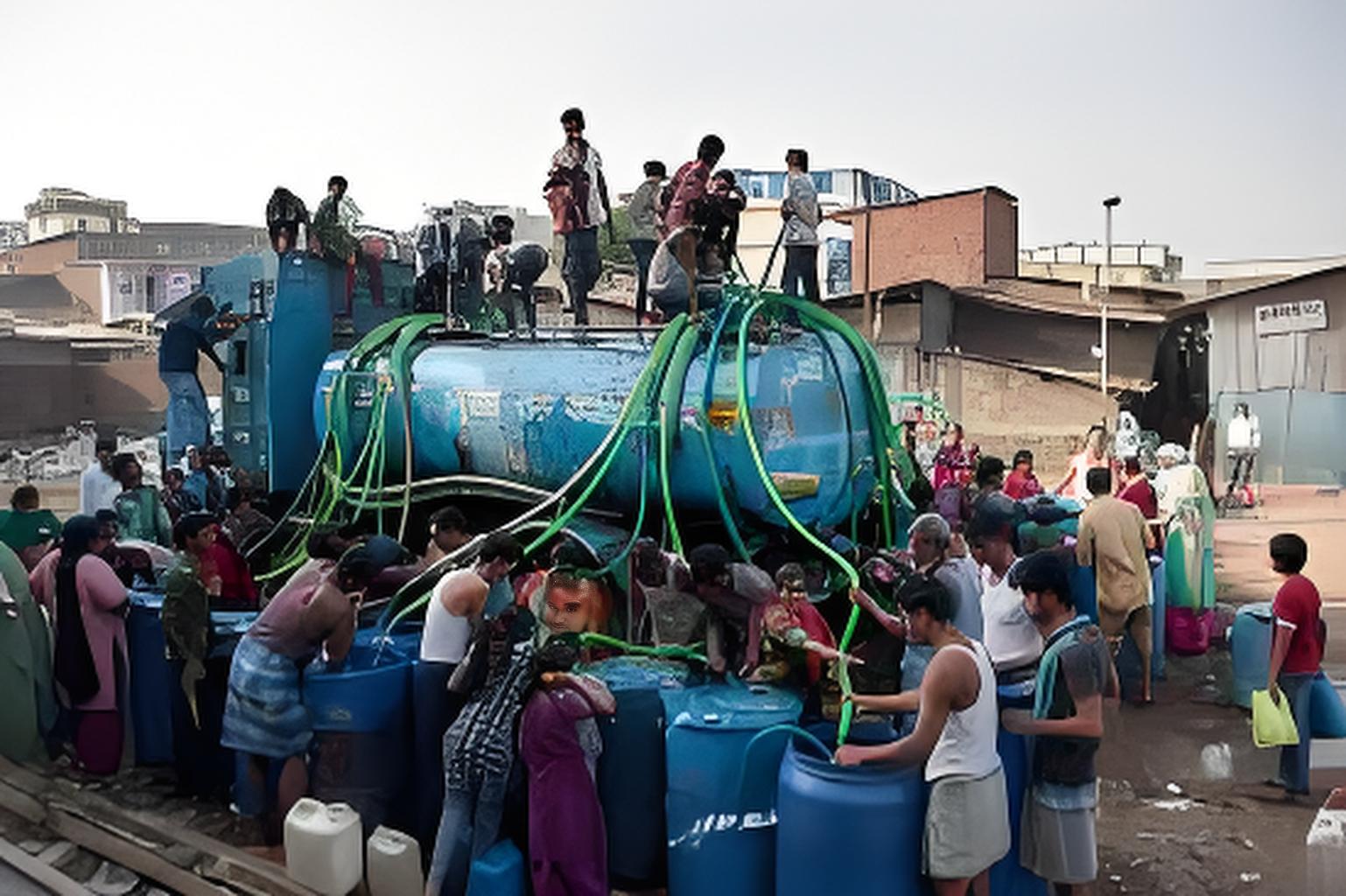
The latest "2025 World Water Development Report" released by UN-Water indicates that approximately 2.2 billion people globally still lack access to safely managed drinking water services. This alarming figure underscores the urgent need for innovative smart water management solutions to achieve Sustainable Development Goal 6 (SDG 6) by 2030, a target the report warns is nearly impossible at the current pace.
Alongside the drinking water crisis, 3.6 billion people lack safely managed sanitation facilities. The convergence of these challenges highlights a critical global infrastructure gap that demands immediate and technologically advanced intervention.
Multiple Drivers of the Global Water Crisis
The UN report analyzes four major drivers exacerbating the global water crisis. First is surging demand driven by population growth and urbanization, with an expected increase of 2.5 billion in urban population by 2050. Second is climate change, which is leading to drastic shifts in precipitation patterns and more frequent extreme droughts and floods.
The third driver is worsening water pollution caused by industrialization and agricultural intensification. The fourth is aging water infrastructure, particularly in developing countries where average water network leakage rates are as high as 35%. This results in the loss of billions of cubic meters of treated water annually during distribution.
Smart Water Solutions Enabled by Technology
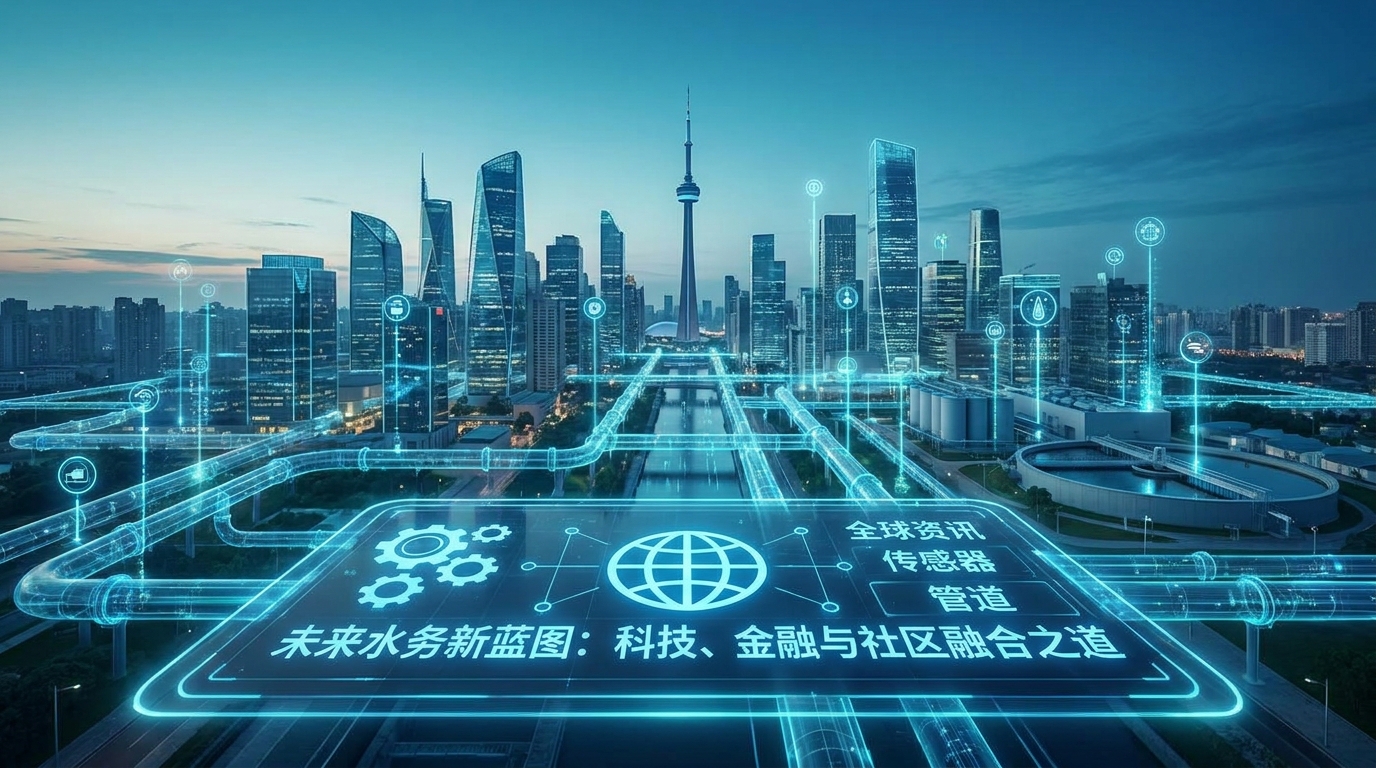
In the face of these severe challenges, the report emphasizes the critical role of digital technologies in water management. Internet of Things (IoT) sensor networks, real-time monitoring platforms, and artificial intelligence analytics are reshaping the operational models of the water industry.
By deploying smart flow meters, pressure sensors, and water quality analyzers at key nodes, water utilities can achieve comprehensive visualization of network status. This transforms leak detection from a passive, reactive inspection process into a proactive early warning system for water conservation.
Mekorot Case Study: IoT Impact
By deploying over 10,000 IoT sensors and an AI-based leak analysis platform, Israel's water company Mekorot reduced its network leakage rate from 12% to just 7%.
Annual Water Savings
This technological intervention saves over 150 million cubic meters of water annually, demonstrating that innovation can significantly enhance water use efficiency even in water-scarce regions.
Non-Contact Monitoring for Watershed Management
In the field of open water monitoring for rivers and irrigation districts, non-contact intelligent devices are transforming traditional methods. The proliferation of radar flow meters and ultrasonic level gauges enables precise, watershed-level dispatch management.
These devices upload real-time hydrological data to cloud platforms via NB-IoT or 4G networks. According to World Bank data, irrigation districts adopting these smart water technologies have achieved an average improvement of 20-30% in water use efficiency, effectively alleviating agricultural water pressure.
China's Smart Water Experience and Global Lessons
As the world's largest investor in water infrastructure, China has accumulated rich experience in the smart water sector. In 2024, China's water conservancy investment reached 1.2 trillion RMB, with the proportion of smart water projects continuously increasing.
From the hydrological monitoring system in the Yangtze River Basin to the intelligent dispatch system of the South-to-North Water Diversion Project, China's practices provide replicable technological pathways. Cost-effective domestic IoT meters and monitoring systems are accelerating their entry into markets in water-scarce regions such as Southeast Asia, the Middle East, and Africa.
Future Outlook for Water Management
The UN report calls on countries to integrate water digital transformation into national development strategies and increase investment in water infrastructure. With the maturation of 5G, edge computing, and digital twin technologies, smart water is transitioning from pilot projects to large-scale applications.
For manufacturers of water meters and IoT devices, this represents both a significant market opportunity and a historic responsibility. The widespread adoption of these technologies is essential to promote sustainable global water resource management and address the urgent needs highlighted in the 2025 World Water Development Report.
Recommended Products
Ecolor Technology provides professional instruments for smart water, environmental monitoring & industrial automation: