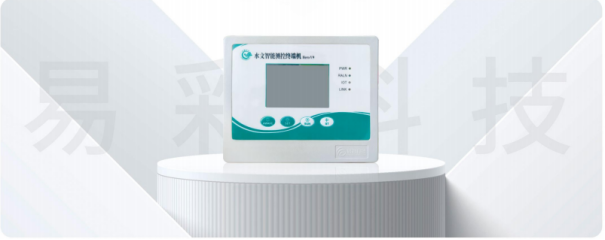
Hydrological Monitoring System Solution
The Hydrological Monitoring System enables real-time collection, reporting, and processing of data such as water level, precipitation, flow rate, flow velocity, water quality, gate opening, and soil moisture in river basins. It provides scientific basis and effective information sharing for flood control, drought relief, and disaster mitigation, safeguards people's lives and property, and meets the needs of water conservancy and socio-economic development for hydrological services.
Overview
Summary
The Hydrological Monitoring System enables real-time collection, reporting, and processing of data such as water level, precipitation, flow rate, flow velocity, water quality, gate opening, and soil moisture in river basins. It provides scientific basis and effective information sharing for flood control, drought relief, and disaster mitigation, safeguards people's lives and property, and meets the needs of water conservancy and socio-economic development for hydrological services.
Key Advantages
Challenges
- Equipment stability in complex field environments
- Reliability challenges in data acquisition and transmission
- Adaptation challenges to technical standards and industry regulations
- Barriers to cross-entity collaboration and data sharing
- Insufficient emergency monitoring capabilities
Results
- Daishan County 2021 Hydrological Measurement and Reporting Capability Enhancement Project
- Shangyu District Water Conservancy Perception System Construction Project
- Fuyang District Hydrological Measurement and Reporting Equipment Procurement Project
- Yunhe County Rainfall and Water Regime Telemetry Sites and Hydrological Station Equipment Procurement Project
- Hainan Province Tunchang County Reservoir Rainfall and Water Regime Measurement Facility Construction Project
Solution Details
Policy Background for Hydrological Monitoring Systems
In January 2022, the state issued the "14th Five-Year Plan for Water Security Guarantee," proposing the overall requirement to "accelerate the construction and upgrading of hydrological monitoring networks for major rivers and their important tributaries, as well as provincial administrative boundaries, expedite the improvement of the hydrological monitoring system for small and medium-sized rivers with a basin area of less than 3,000 square kilometers in key flood-prone areas, and enhance the coverage of hydrological monitoring for small and medium-sized rivers."
Hydrological Monitoring System Overview
The Hydrological Monitoring System enables real-time collection, reporting, and processing of data such as water level, precipitation, flow rate, flow velocity, water quality, gate opening, and soil moisture in river basins. It provides scientific basis and effective information sharing for flood control, drought relief, and disaster mitigation, safeguards people's lives and property, and meets the needs of water conservancy and socio-economic development for hydrological services.
Hydrological Monitoring System Composition
Key Functions of the Hydrological Monitoring System
The system offers comprehensive, multi-dimensional monitoring capability and intelligent data analysis for early warning decision-making.
Comprehensive Hydrological Element Monitoring
- ①Water Level
- ②Rainfall
- ③Flow Rate
- ④Flow Velocity
- ⑤Water Quality
- ⑥Water Temperature
- ⑦Evaporation
- ⑧ … … …
Equipment Status Monitoring
- ①Equipment Operation Status
- ②Power Supply Status
- ③Battery Level
- ④Data Acquisition Status
- ⑤ … …
Abnormal Alarm
- ①Excessive Rise Rate
- ②Water Level Exceedance
- ③Insufficient Battery
- ④Enclosure Door Open
- ⑤ … …
Data Display and Storage
- ①LCD Display
- ②SD Card Storage for Multi-Year Data
Advantages of Our Hydrological Monitoring System
- Compliant with "SZY206-2016 Water Resources Monitoring Data Transmission Protocol"
- Compliant with "SL651-2014 Hydrological Monitoring Data Communication Protocol"
- Passed Type Inspection for "SL 180-2015 Telemetry Terminal Unit for Hydrological Automatic Measurement and Reporting System Equipment"
- Passed Reliability Verification with MTBF ≥ 50,000 hours, ensuring high reliability for harsh field environment adaptation.
- Supports Multi-Center Reporting to Meet Multi-Level Supervision Needs at Provincial, Municipal, and County Levels: Monitoring data can be simultaneously reported to provincial, municipal, and county-level water resources monitoring and management platforms, as well as provincial water resources tax water intake information management platforms.
- Configurable Acquisition, Storage, and Reporting Intervals: Multiple parameter configuration methods available: local serial port configuration, local mobile APP Bluetooth configuration, and remote configuration, highlighting flexible and scalable system integration and collaboration capability.
Main Product: Hydrological Intelligent Measurement and Control Terminal (Hero V9 Series-EC32)
This product features remote data acquisition, control, and communication functions. It can receive operational commands from the host computer to control end actuators. The product is equipped with a color LCD screen for real-time display of acquisition content and equipment status. It can be externally connected to various types of instruments and sensors, including rain gauges, water level gauges, flow velocity meters, and flow meters, demonstrating stable and efficient IoT data transmission capability.
System Software
The software platform provides intelligent data analysis and early warning decision-making capability, along with full lifecycle operation, maintenance, management, and security assurance capability.
Comprehensive Monitoring
Multi-dimensional data collection
High Reliability
MTBF ≥ 50,000 hours
Stable IoT Transmission
Efficient data communication
Intelligent Analysis
Early warning & decision support
Flexible Integration
Scalable system collaboration
Full Lifecycle O&M
Management & security assurance
Approach
How we implement intelligence into your infrastructure step by step.
Preliminary Preparation
Form a technical team to conduct a comprehensive survey of the monitoring area: clarify the topography, hydrology, and working conditions of monitoring points; verify network coverage and power supply conditions at the points, define core requirements, and confirm compliance indicators such as data reporting frequency, accuracy standards, and platform interface requirements.
Solution Design
Draw a distribution map of monitoring points, specify equipment installation locations and fixing methods, compile an equipment list, and annotate key parameters such as protection level and measurement accuracy to ensure compliance with industry standards.
Hardware Deployment
Complete the basic construction of monitoring points and install sensors, data acquisition terminals, power supply, and communication equipment according to design drawings. After individual device debugging is passed, conduct networking tests between devices to ensure the acquisition terminal can stably read data from each sensor.
System Setup
Complete server deployment, operating system installation, and database setup.
Testing and Acceptance
Organize a 1-3 month system trial run to monitor equipment operation status and data quality; record issues such as equipment failures and data anomalies during the trial run, optimize and adjust promptly, and conduct acceptance item by item based on the requirements report.
Recommended Hardware
Essential components for this solution.
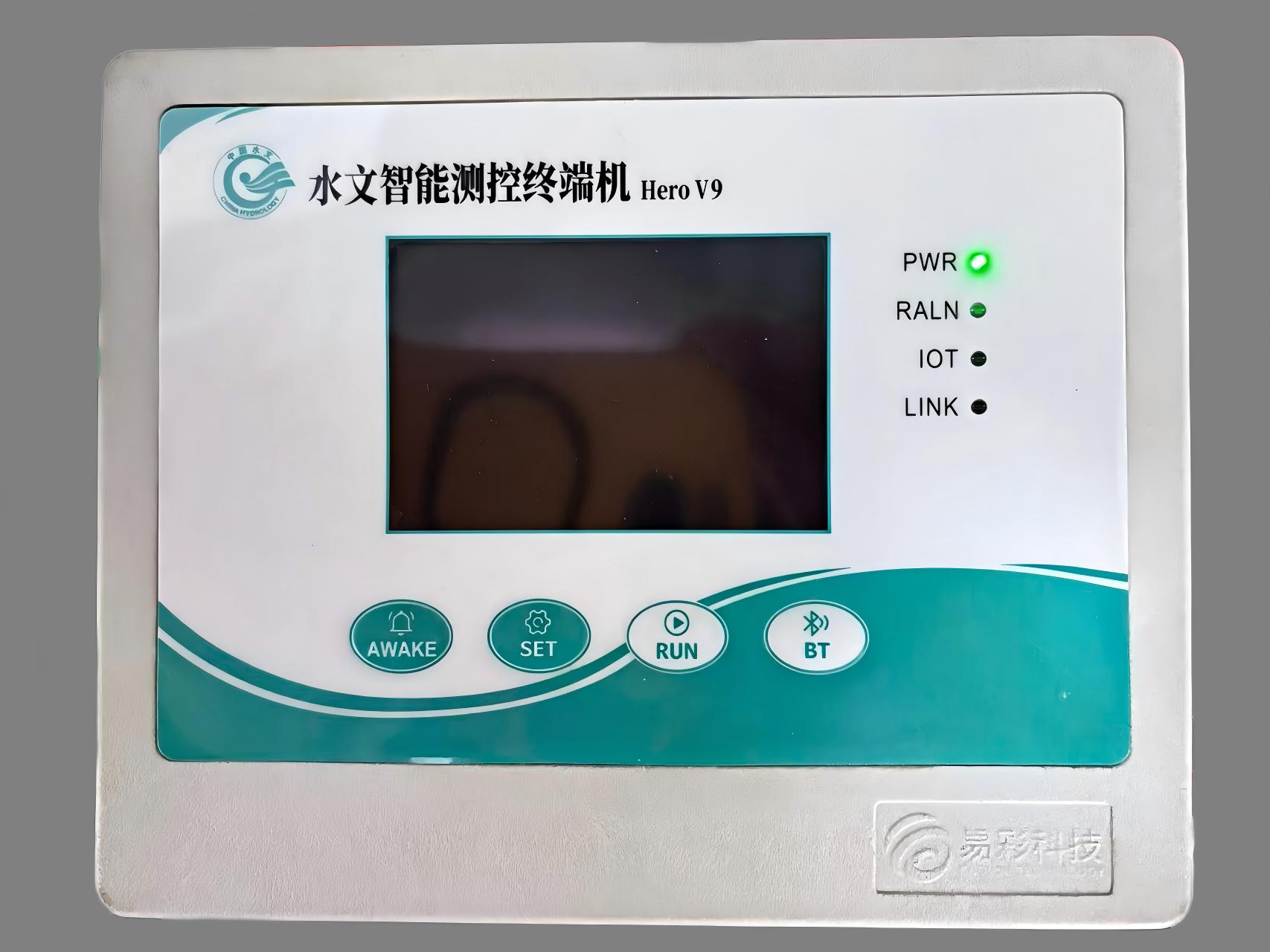
Hydrological Intelligent Monitoring and Control Terminal (Hero V9 Series - EC32)
The Hydrological Intelligent Monitoring and Control Terminal (Hero V9 Series - EC32), independently ...
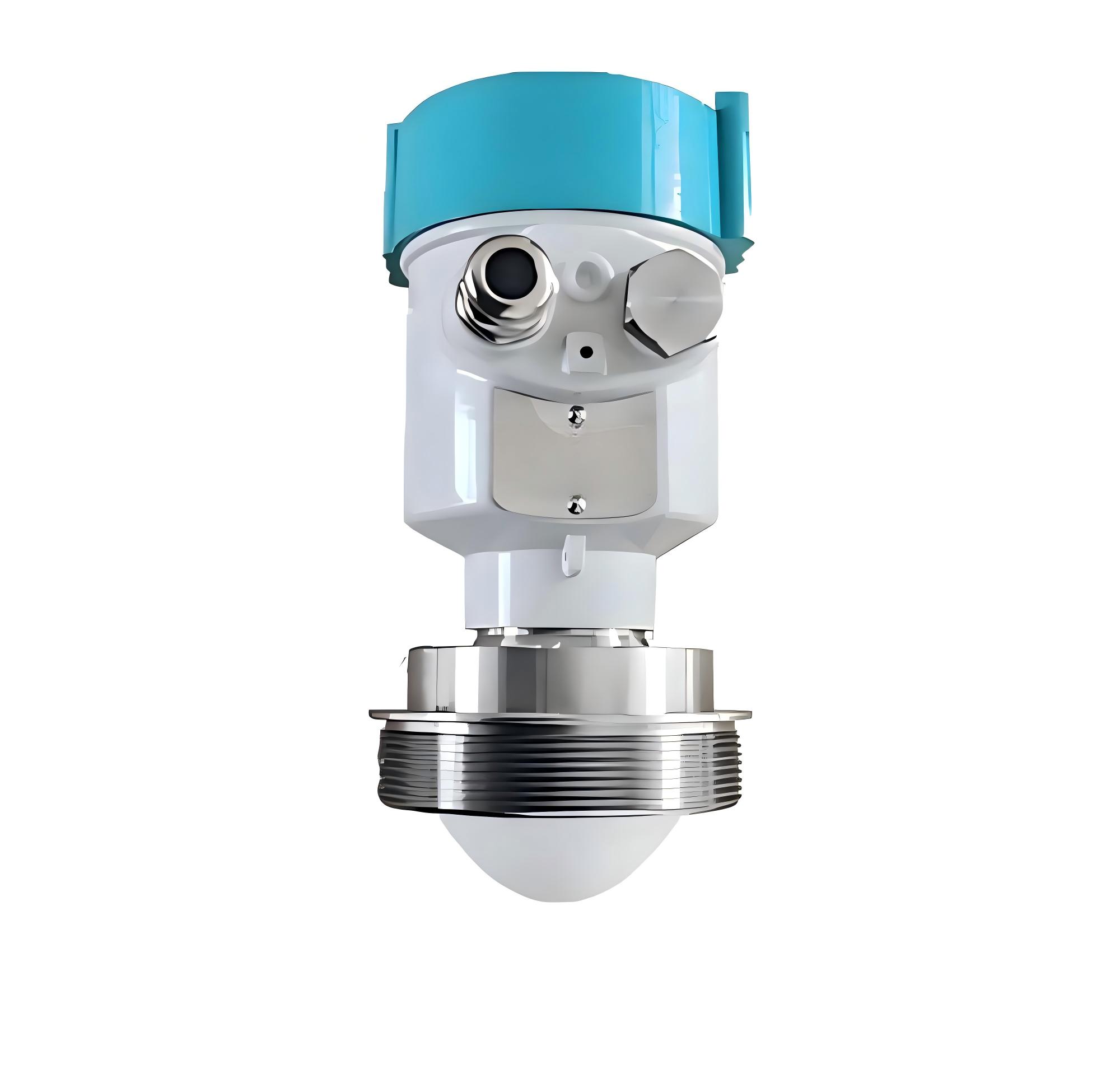
Radar Level Gauge
A radar level gauge is an instrument that utilizes radar technology to measure the level height of s...
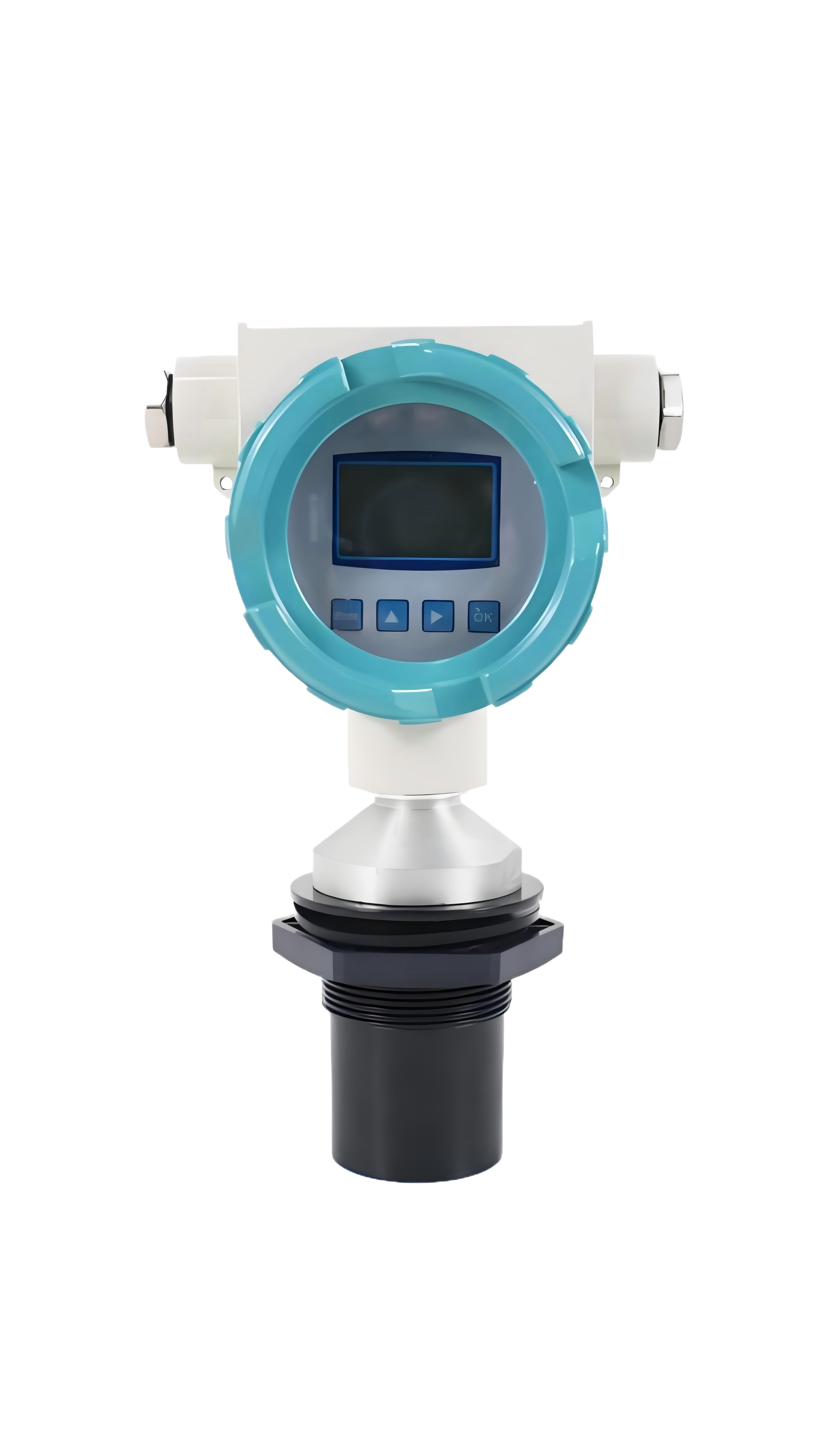
Ultrasonic Level Meter
The ultrasonic level meter is an instrument that utilizes ultrasonic technology for liquid level mea...

Ready to Optimize Your Business?
Contact us, and our professional team will provide customized solutions to help your business achieve digital transformation.
Get In Touch