Field Meteorological Monitoring: Latest Technology Advances in Smart Water Management
In the face of intensifying global climate change and agricultural modernization, field meteorological monitoring technology has emerged as a critical infrastructure for precision agriculture. By leveraging IoT connectivity and multi-sensor fusion, these systems transform raw environmental data into actionable insights for smart water management, enabling farmers to optimize irrigation, mitigate extreme weather risks, and enhance crop resilience through data-driven decision-making.
IoT and Multi-Sensor Fusion in Field Weather Stations
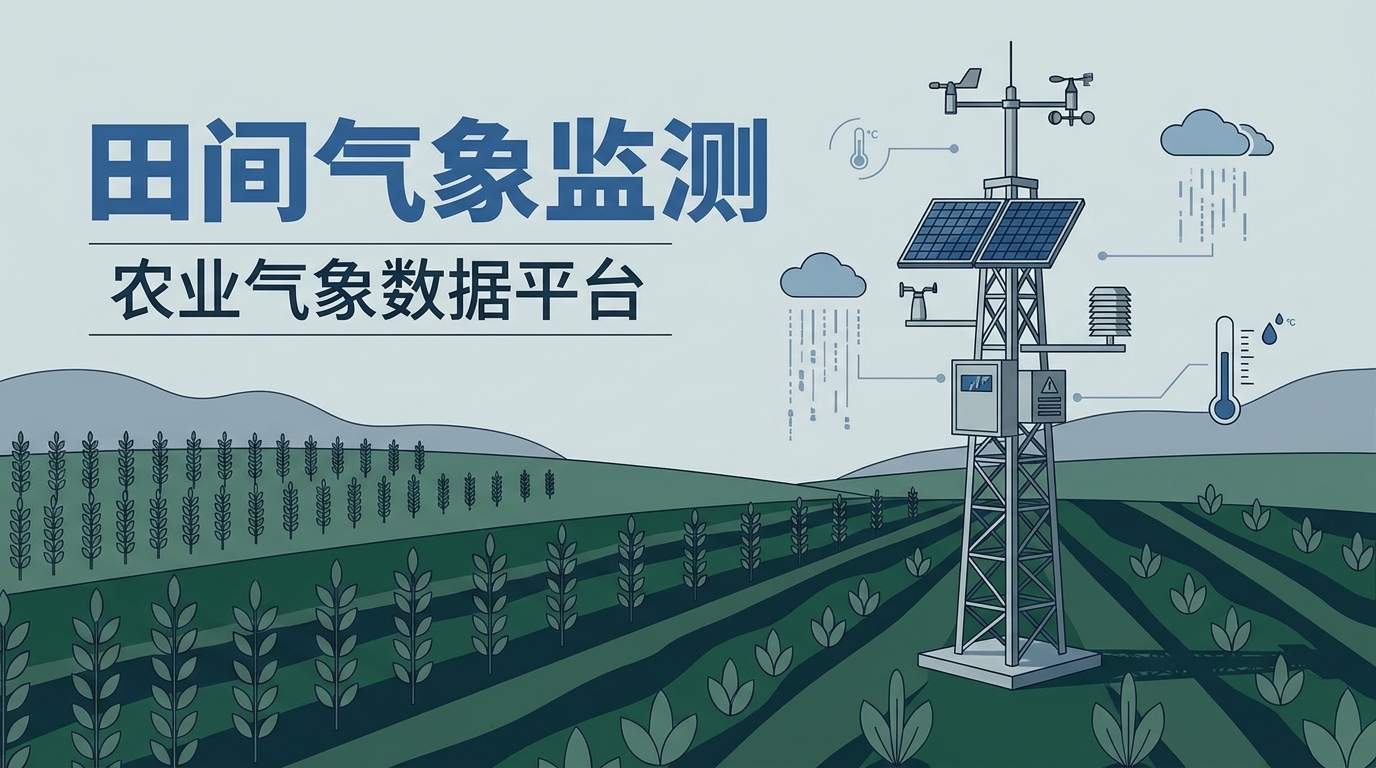
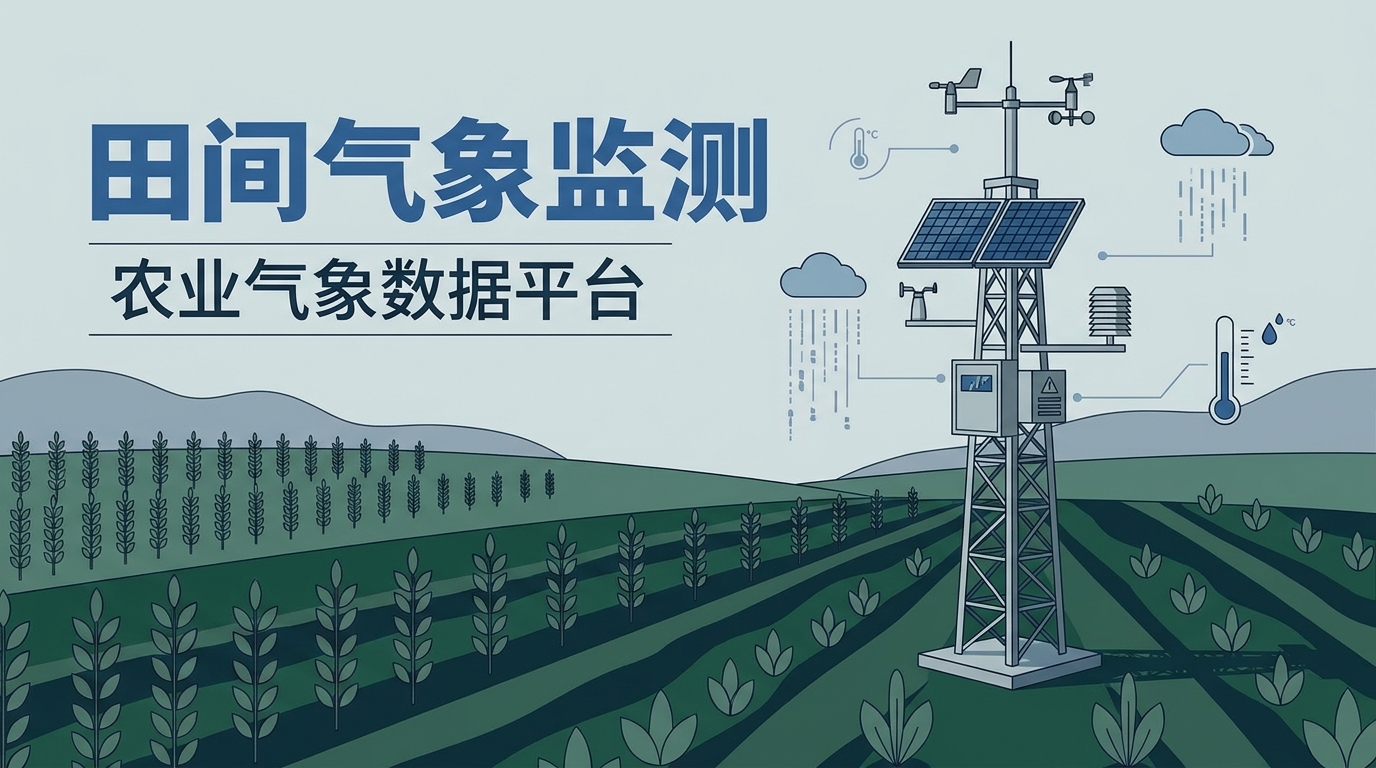
Traditional regional macro-stations often lack the spatial resolution needed for specific farmland microclimates. Next-generation field weather stations now feature high integration with Internet of Things (IoT) capabilities, effectively eliminating data blind spots in agricultural zones.
Modern hardware employs multi-sensor fusion technology, going beyond basic temperature and wind metrics to include Photosynthetically Active Radiation (PAR), CO2 concentration, and deep soil parameters. Built to industrial-grade standards, these devices withstand harsh outdoor conditions, including extreme temperatures and pesticide exposure.
Connectivity
LPWAN (NB-IoT, LoRa) for remote reliability
Power
Solar-powered with edge computing capabilities
Accuracy
Local noise reduction and outlier removal
Precision Irrigation via Soil Moisture Dynamics
The core value of field meteorological monitoring lies in translating data into precise irrigation instructions. By integrating solar radiation, wind speed, and humidity data with multi-layer soil moisture sensors, systems calculate actual evapotranspiration (ETc) using models like Penman-Monteith.
This allows automated control systems to determine exactly "when" and "how much" water crops need, regulating drip or micro-sprinkler equipment automatically. The result is true precision irrigation that conserves water resources while preventing soil compaction and nutrient leaching.
Disaster Mitigation and Early Warning Systems
Beyond irrigation, these systems are pivotal for preventing agricultural meteorological disasters. During critical periods like fruit tree flowering, field weather stations monitor near-ground temperature inversions to detect potential frost events.
When models predict frost, dry hot winds, or heatwaves, the system triggers physical interventions such as anti-frost fans or spray systems. This timely response provides crucial reaction time for farmers, significantly minimizing economic losses from extreme weather.
AI-Driven Intelligence and Stereoscopic Perception
The future of field meteorological monitoring shifts from single-point ground sensing to an "Air-Ground-Space Integration" approach. By fusing ground station data with multispectral drone imagery and satellite remote sensing, farms can build large-scale, high-resolution digital twin models.
Deep AI algorithms will soon correlate micro-climate changes with pest and disease probabilities. For instance, specific temperature-humidity curves can predict fungal outbreaks before symptoms are visible, allowing for precise pesticide application and reduced chemical usage.
Conclusion: Reconstructing Agricultural Productivity
Moving from experience-based management to data-driven refined operations, field meteorological monitoring is reconstructing the foundation of modern agriculture. As breakthroughs in IoT, big data, and artificial intelligence continue to unfold, these technologies will play an irreplaceable role in safeguarding global food security and driving sustainable development.