Smart Park Energy Management: Latest Technology Advances in Low-Carbon Parks
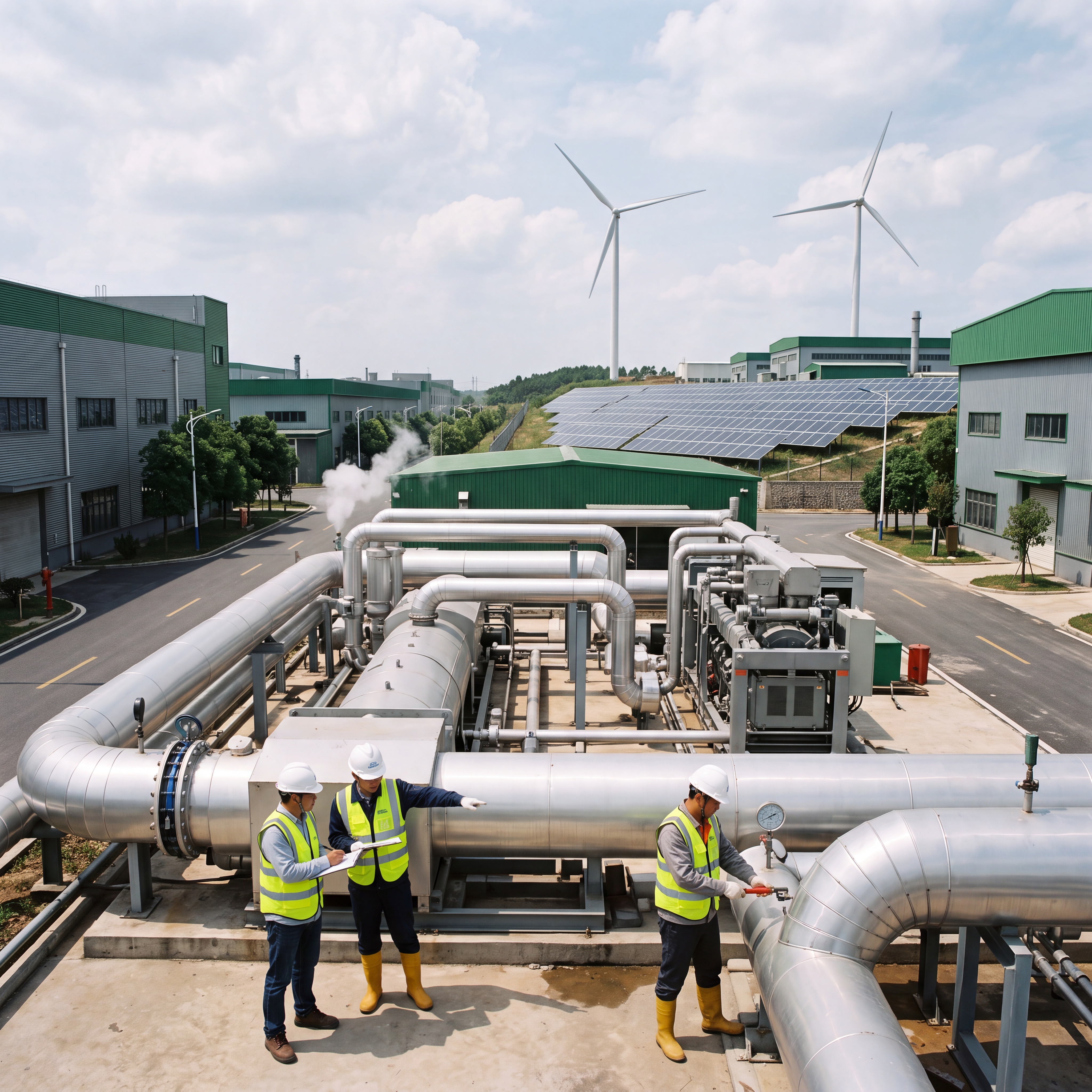
Smart park energy management systems are rapidly evolving from passive monitoring platforms into intelligent, AI-powered decision centers for low-carbon park operations. As global carbon neutrality goals accelerate, these systems now serve as the central nervous system enabling real-time energy efficiency optimization, multi-energy coordination, and integrated energy-carbon governance across industrial and commercial parks.
This transformation is reshaping how urban economic clusters reduce emissions while maintaining operational resilience—making smart park energy management a cornerstone of sustainable infrastructure development and ESG-compliant park operations.
From Passive Monitoring to Data-Driven Fusion in Smart Park Energy Management
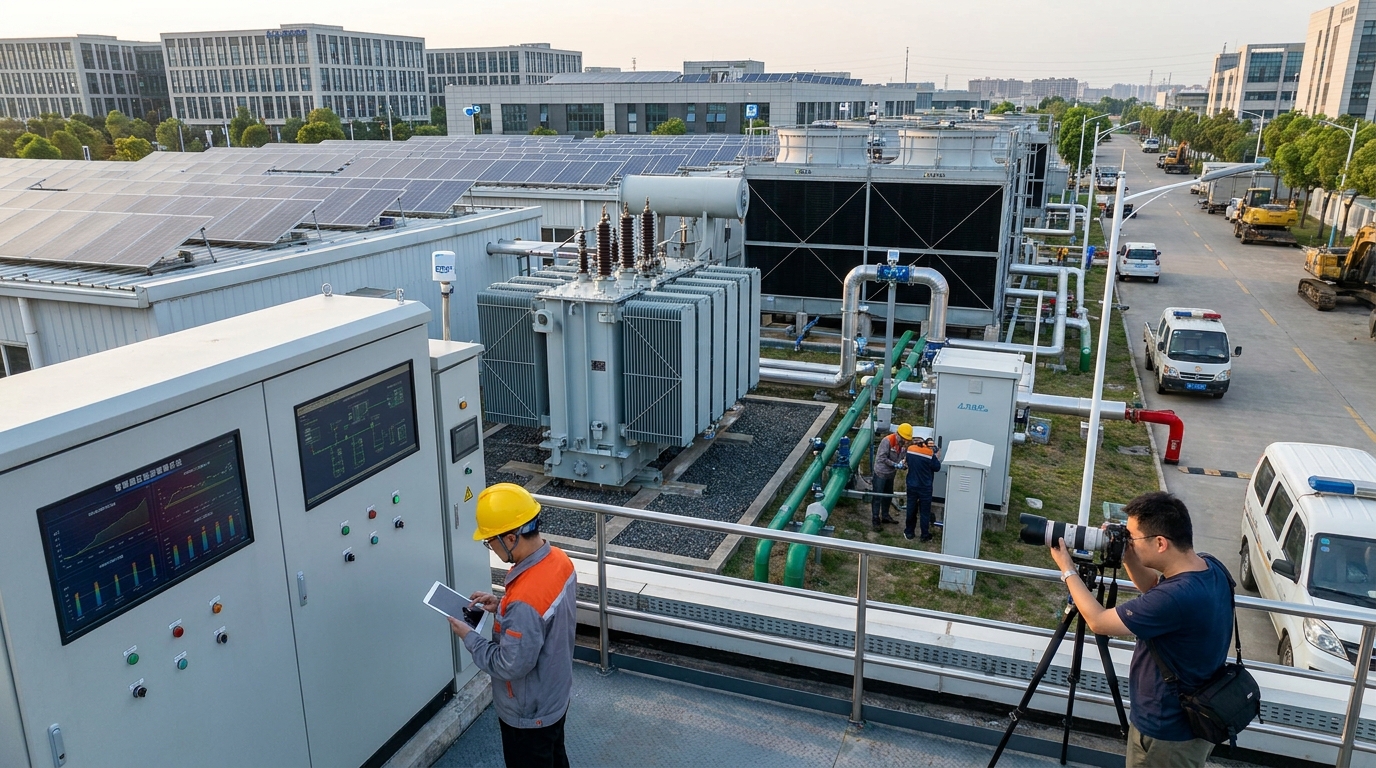
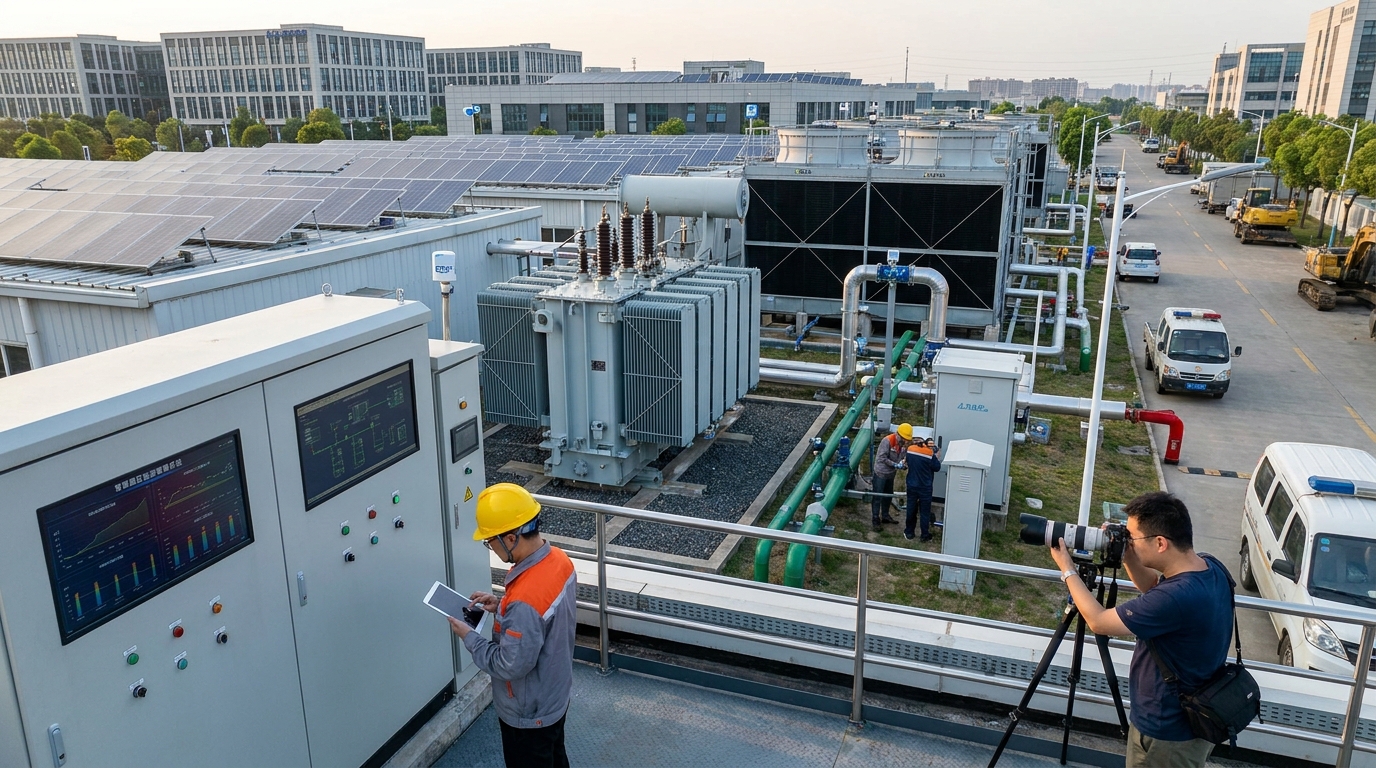
Modern smart park energy management systems have moved beyond isolated metering to unified data fusion—leveraging IoT sensors, 5G/NB-IoT connectivity, and edge-cloud hybrid computing. High-frequency data collection (down to second-level granularity) covers electricity, water, gas, cooling, heating, temperature, and humidity across all park assets.
While most platforms now deliver rich visualization—including dynamic energy topology maps and carbon emission heatmaps—they remain largely reactive. Alerts trigger manual interventions rather than autonomous control, revealing a critical gap: the untapped potential for closed-loop, self-optimizing energy efficiency in low-carbon park infrastructure.
Core Application Scenarios for Low-Carbon Park Energy Optimization
Intelligent HVAC & Facility Control
HVAC accounts for >40% of park energy use. EMS integrates BAS, weather forecasts, occupancy data, and load history to dynamically adjust chiller temps and fan speeds—eliminating over-cooling and over-lighting while preserving comfort.
Precision Industrial Process Management
High-frequency sampling of air compressors, pumps, and injection molding machines identifies no-load operation and energy anomalies—enabling production scheduling optimizations and precise kWh/unit product tracking.
PV-Storage-Charging Microgrid Dispatch
EMS coordinates distributed solar generation, battery storage, and EV charging via “source-grid-load-storage” interaction—automating peak-shaving, valley-filling, and renewable absorption to cut costs and boost clean energy utilization.
Future Trends: AI Empowerment and Virtual Power Plant Integration
The next frontier of smart park energy management lies in AI-native autonomy and ecosystem participation. Digital twin–enabled EMS platforms will simulate energy behavior, forecast 24+ hour loads with ML models, and generate globally optimal control strategies—shifting from human-in-the-loop to AI-autonomous operation.
Virtual Power Plant (VPP) integration transforms parks from passive consumers into active grid participants. During peak demand, EMS responds to main grid dispatch within milliseconds—curtailing non-critical loads or discharging stored energy to provide ancillary services and earn revenue through demand response programs.
Finally, energy-carbon integrated management is becoming standard. Next-gen EMS platforms embed carbon accounting engines that track Scope 1–2 emissions in real time, allocate carbon quotas, and automate green power certificate trading—delivering end-to-end compliance for zero-carbon park certification and ESG reporting.
Conclusion: The EMS as the Intelligent Heart of Low-Carbon Parks
Smart park energy management is no longer just about saving kilowatt-hours—it’s about orchestrating intelligent, adaptive, and regenerative energy ecosystems. As sensing fidelity improves and AI algorithms mature, the EMS evolves from an operational dashboard into a predictive, prescriptive, and participatory platform.
For developers, operators, and policymakers alike, advancing this technology means accelerating not only energy efficiency but also climate resilience, regulatory compliance, and new value streams—from carbon credits to grid services. The path to truly low-carbon parks runs through smarter, more autonomous, and deeply integrated energy management systems.