Driving a New Paradigm in Smart Water Conservation: Latest Technology Advances
Against the backdrop of intensifying global climate change, precision and digitalization in water resource management have become imperative for sustainable development. Precise water consumption metering and real-time water resource monitoring are not only the technical bedrock for implementing national principles but also the core lever for transitioning to intensive water conservation management. This analysis explores the evolution from mechanical sensing to intelligent IoT applications.
Evolution of Water Resource Metering Technology
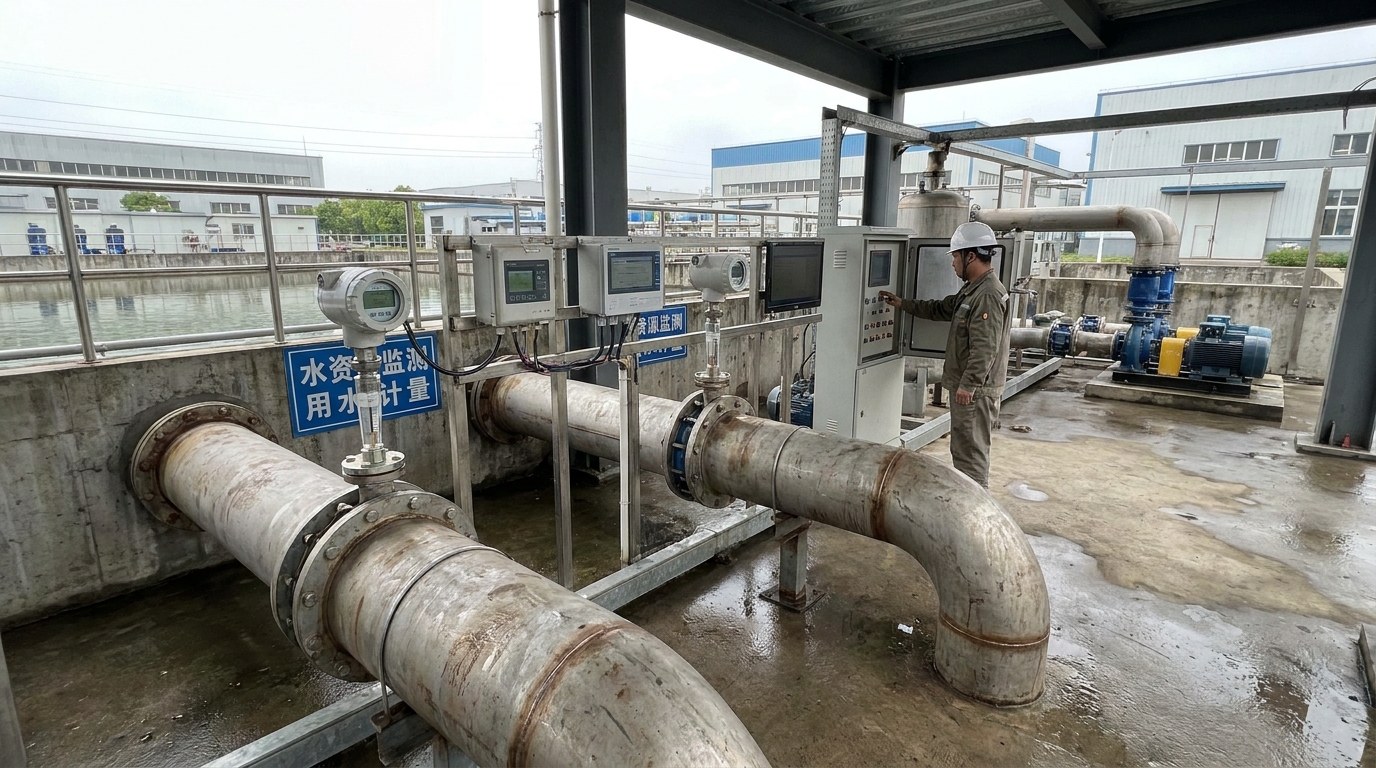
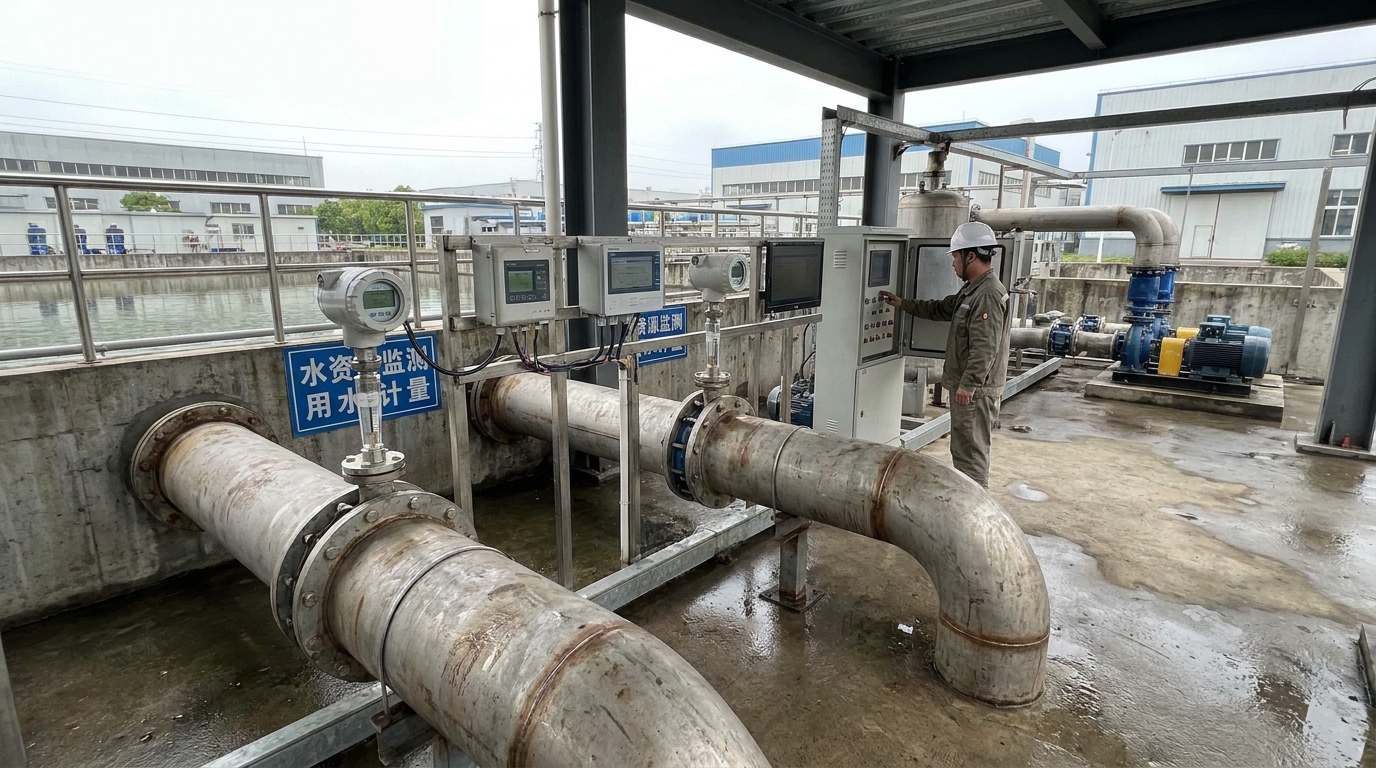
The industry has undergone a profound transformation from traditional mechanical meters to intelligent electronic devices. In the realm of basic water abstraction metering, ultrasonic and electromagnetic flowmeters have emerged as dominant pathways due to their lack of moving parts and high anti-interference capabilities.
Innovations in communication technology have bridged the "last mile" of regulation. Smart terminals leveraging NB-IoT, LoRa, and 4G/5G networks now integrate edge computing, allowing sensors to perform local warnings for pipe bursts or leaks before instantly uploading data. This deep fusion dismantles traditional "data silos," ushering water resource monitoring into an era of dynamic second-level response.
Intelligent Metering in Agricultural Irrigation Districts
- Open-channel flowmeters replace manual measurements.
- Integrated smart sluice gates automate distribution.
- Tiered water pricing based on total quantity control.
- High-precision ultrasonic meters reduce error rates.
Agriculture remains the largest water-consuming sector. Modern irrigation districts utilize open-channel flowmeters and integrated smart sluice gates to address the pain points of difficult measurement in traditional conveyance systems.
Based on accurate water consumption metering data, authorities can implement tiered water pricing mechanisms. These economic levers effectively stimulate endogenous driving forces for agricultural water conservation management through strict quota management.
Water Balance Testing for High-Water-Consumption Industries
For industries like chemical engineering, steel production, and power generation, water resource metering and monitoring has expanded from factory main meters down to tertiary workshops. By constructing a robust three-tier industrial metering system, enterprises can create clear "water balance diagrams."
Online monitoring of water recycling and condensate recovery rates assists companies in pinpointing abnormally high consumption links. This provides direct data support for process upgrades and optimized water conservation management, ensuring efficiency across complex industrial networks.
Urban Smart Water Utilities and DMA Zonal Metering
In urban municipal water supply networks, controlling non-revenue water (NRW) is a core challenge. By establishing Independent Metering Areas (DMAs) and combining high-precision electromagnetic flowmeters with micro-flow pressure monitoring, platforms can automatically identify minute leaks during Minimum Night Flow (MNF) periods.
This approach effectively reduces resource waste and maximizes the benefits of water supply scheduling. Advanced water resource monitoring systems turn urban utilities into responsive, leak-aware networks that protect valuable water assets.
Future Trends: Digital Twins and AI Prediction
Future water resource monitoring platforms will integrate hydrological models with machine learning to construct "digital twins" of physical water networks. These systems will predict water demand under various scenarios based on historical usage and meteorological data, enabling intelligent allocation across the entire source-network-load-storage chain.
Simultaneously, metering hardware is evolving towards long-life, low-power designs capable of surviving extreme environments. Innovations include self-powered water meters and anti-scaling materials, ensuring stability over decade-long lifecycles even in remote wells or complex piping.
Integration with Carbon Management and Water Rights Trading
Water rights trading relies fundamentally on indisputable ownership definition and precise water abstraction metering. High-quality metering data will serve as the "currency standard" for these markets, facilitating market-oriented water conservation management.
Furthermore, the "Water-Carbon Linkage" concept allows carbon emission reduction calculations based on saved water volumes. This endows scientific water management with greater green financial value, aligning resource efficiency with global sustainability goals.
Conclusion
From perception to decision-making, water resource metering and monitoring are undergoing a revolution from "seeing" to "managing effectively." High-precision, high-efficiency systems serve as the critical neural endings of modern water governance, optimizing allocation and safeguarding national water security for a green, low-carbon future.

