Field Meteorology Monitoring: Latest Technology Advances in Smart Agriculture
Against the backdrop of global climate change, field meteorology monitoring has emerged as the core hub connecting natural environments with agricultural decision-making. By evolving from simple temperature sensors to integrated IoT platforms, modern systems enable precision irrigation and risk resistance, transforming traditional farming into a data-driven intelligence model.
Current Status: Multi-dimensional Environmental Perception
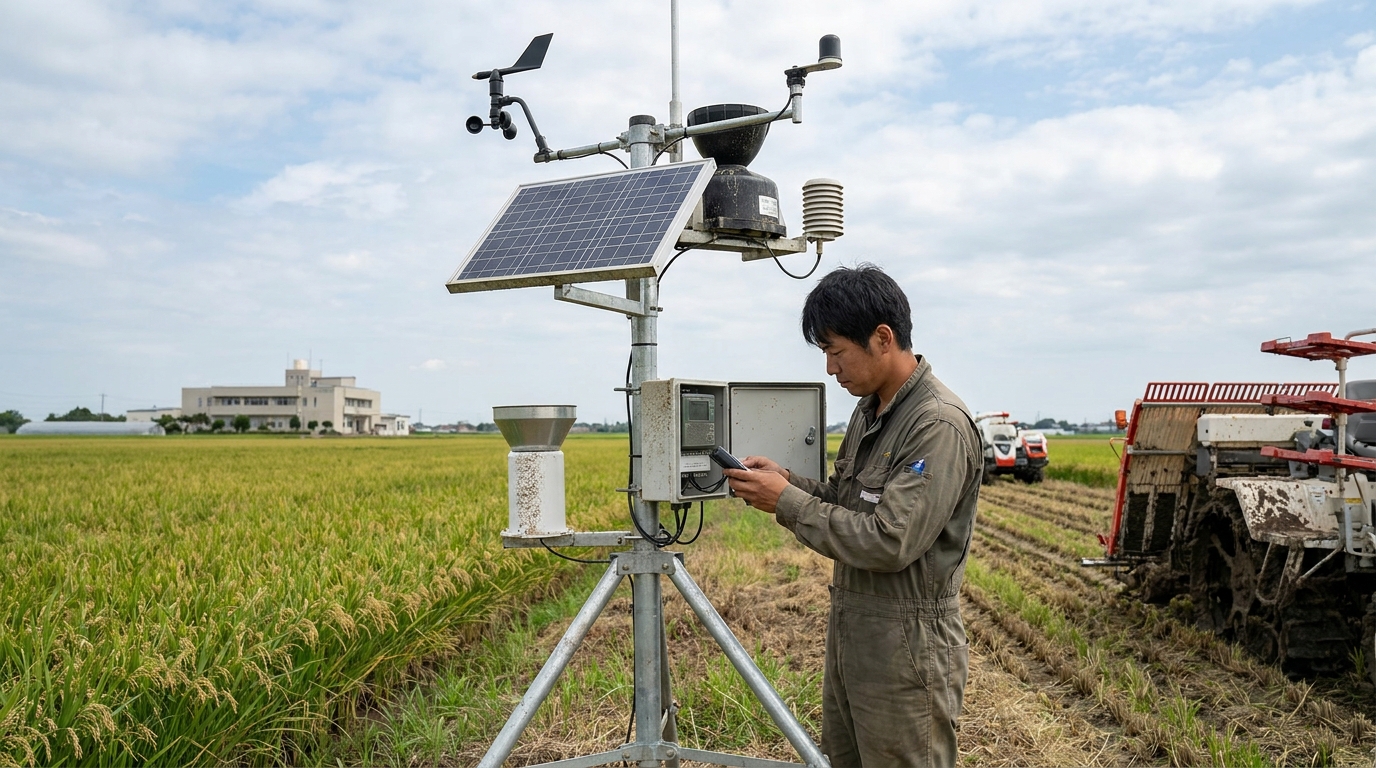
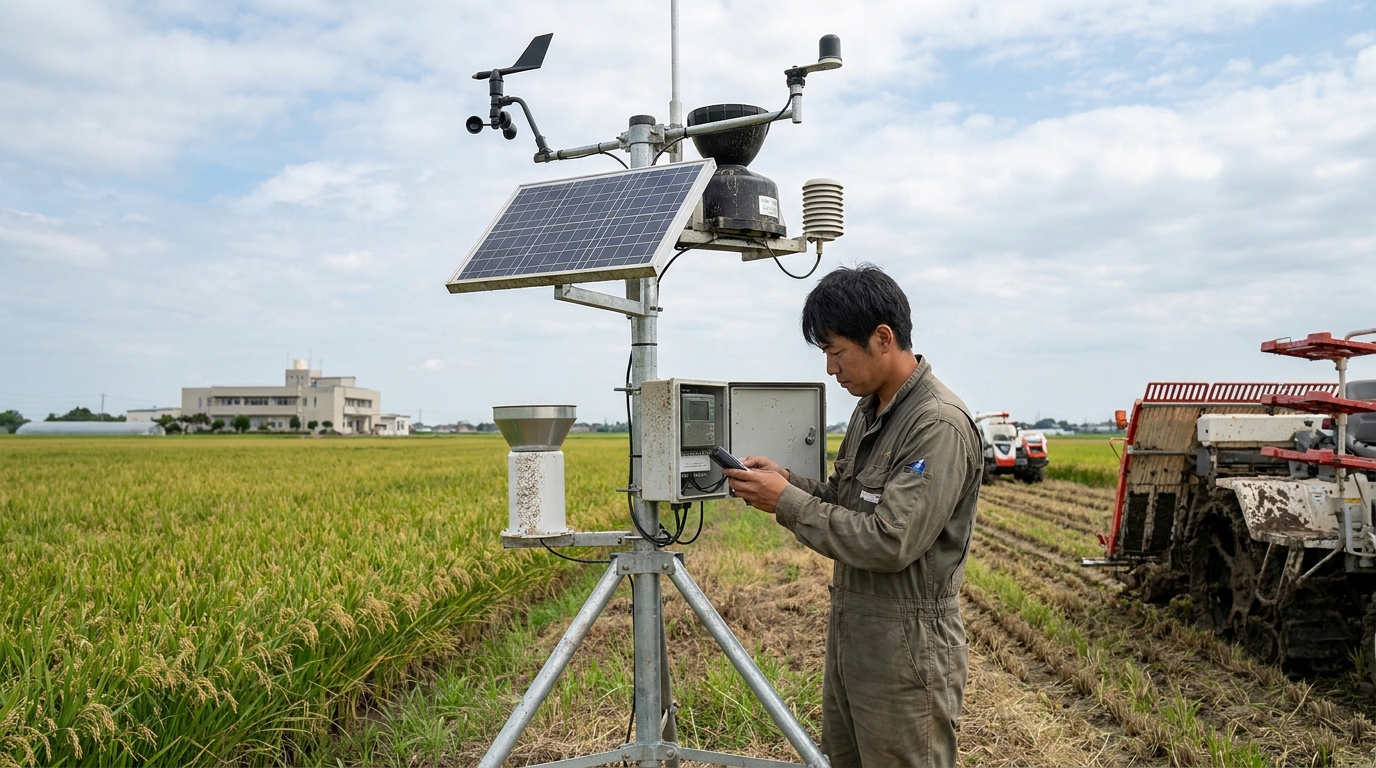
Unlike macro-level national stations, modern field weather stations focus on the micro-meteorological environment surrounding crop canopies and root systems. These devices have evolved into highly integrated platforms capable of capturing real-time indicators such as air temperature, humidity, light intensity, wind speed, and even carbon dioxide concentrations.
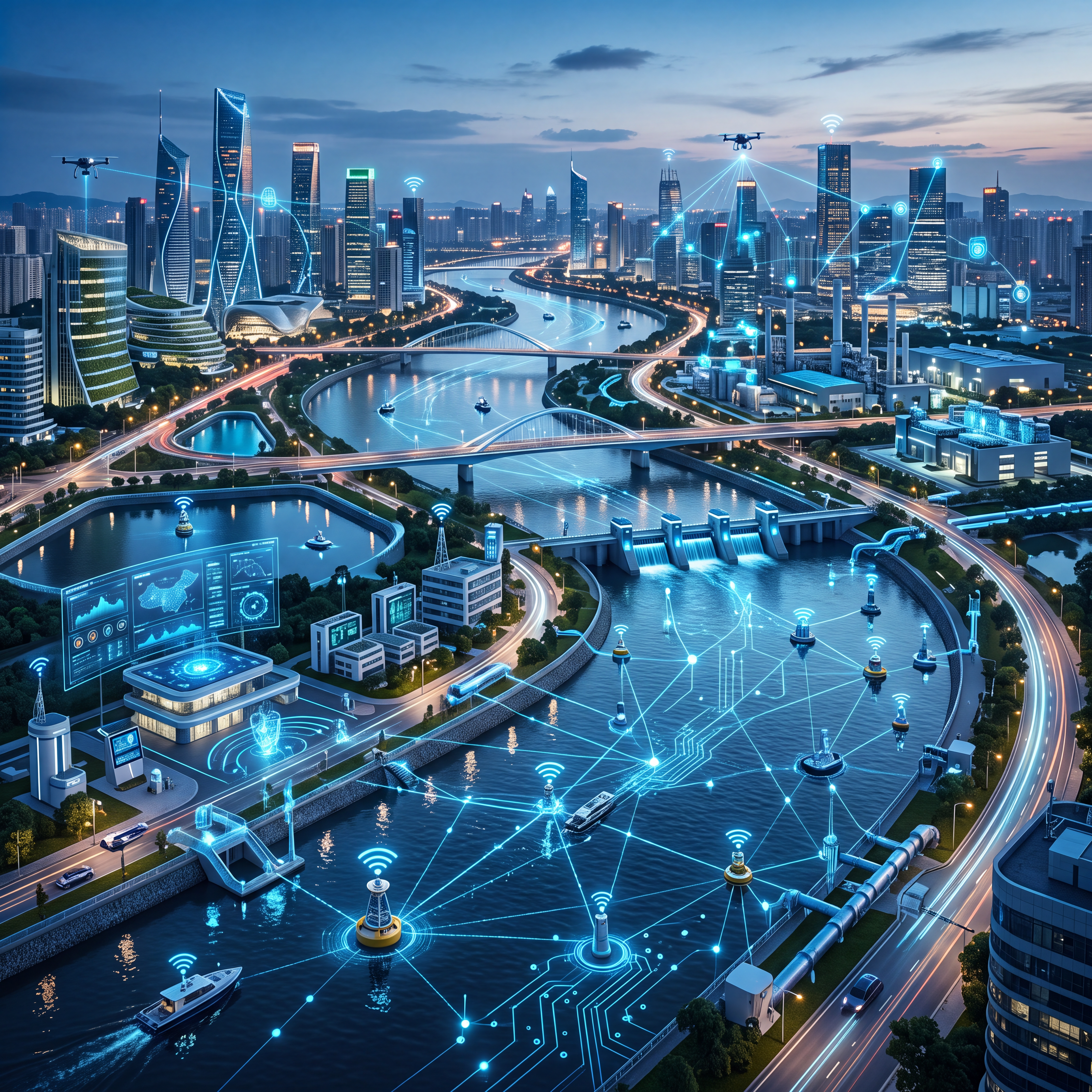
The widespread adoption of Internet of Things (IoT) technology has shattered information silos. Wireless communication protocols like NB-IoT, LoRa, and 5G now enable low-power, long-distance data transmission in remote farmlands, significantly reducing cabling costs while ensuring data continuity for big data analysis.
Core Applications: Closed-Loop Precision Irrigation Control
The primary economic value of agricultural meteorology monitoring lies in optimizing water resource allocation through soil moisture analysis. Modern systems utilize multi-layer sensors to acquire moisture data at various depths (e.g., 10cm, 20cm, 40cm), creating a vertical profile from surface to subsurface.
By integrating air temperature, solar radiation evapotranspiration (ET0), and rainfall predictions, the system precisely calculates actual crop water consumption. When moisture levels drop below specific growth thresholds, the system triggers automated drip or micro-sprinkler irrigation via solenoid valves, forming a closed loop of "monitoring-analysis-action."
Future Trends: AI Empowerment and Edge Computing
The industry is shifting from "descriptive monitoring" to "predictive decision-making" by fusing historical data with machine learning algorithms. Future smart agriculture systems will predict soil moisture trends weeks in advance and issue warnings before pest outbreaks occur, enabling truly defensive agriculture.
Edge computing is becoming prevalent in next-generation field weather stations, allowing local data cleaning and immediate anomaly responses without cloud latency. Furthermore, these stations are evolving into "nerve endings" of digital twin farms, seamlessly connecting with autonomous machinery and drone spraying systems to build a comprehensive data ecosystem.
Conclusion: Active Management of Natural Laws
The evolution of field meteorology monitoring represents a cognitive upgrade from passive adaptation to active management of natural laws. Through precise perception and precision irrigation technologies, modern agriculture is reshaping resource utilization boundaries. As sensing, IoT, and AI technologies continue to breakthrough barriers, this data will provide the solid technical foundation for global food security and sustainable development.