In recent years, field meteorological monitoring technology has evolved from traditional weather observation to a critical pillar of modern smart agriculture. By leveraging high-precision sensors and IoT connectivity, this technology empowers farmers to combat climate change, optimize resource allocation, and significantly enhance crop yields through data-driven decision-making.
Current Status: Multi-Source Sensing Integration
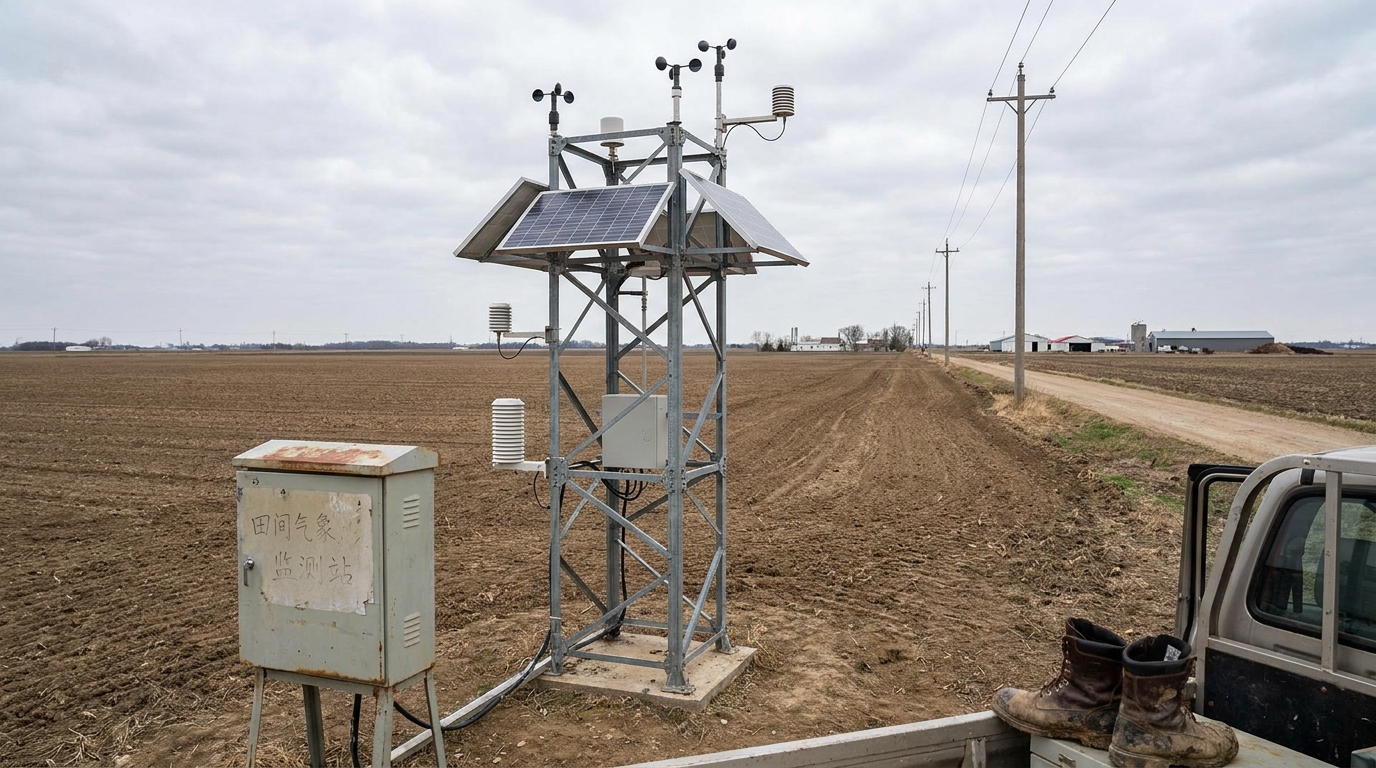
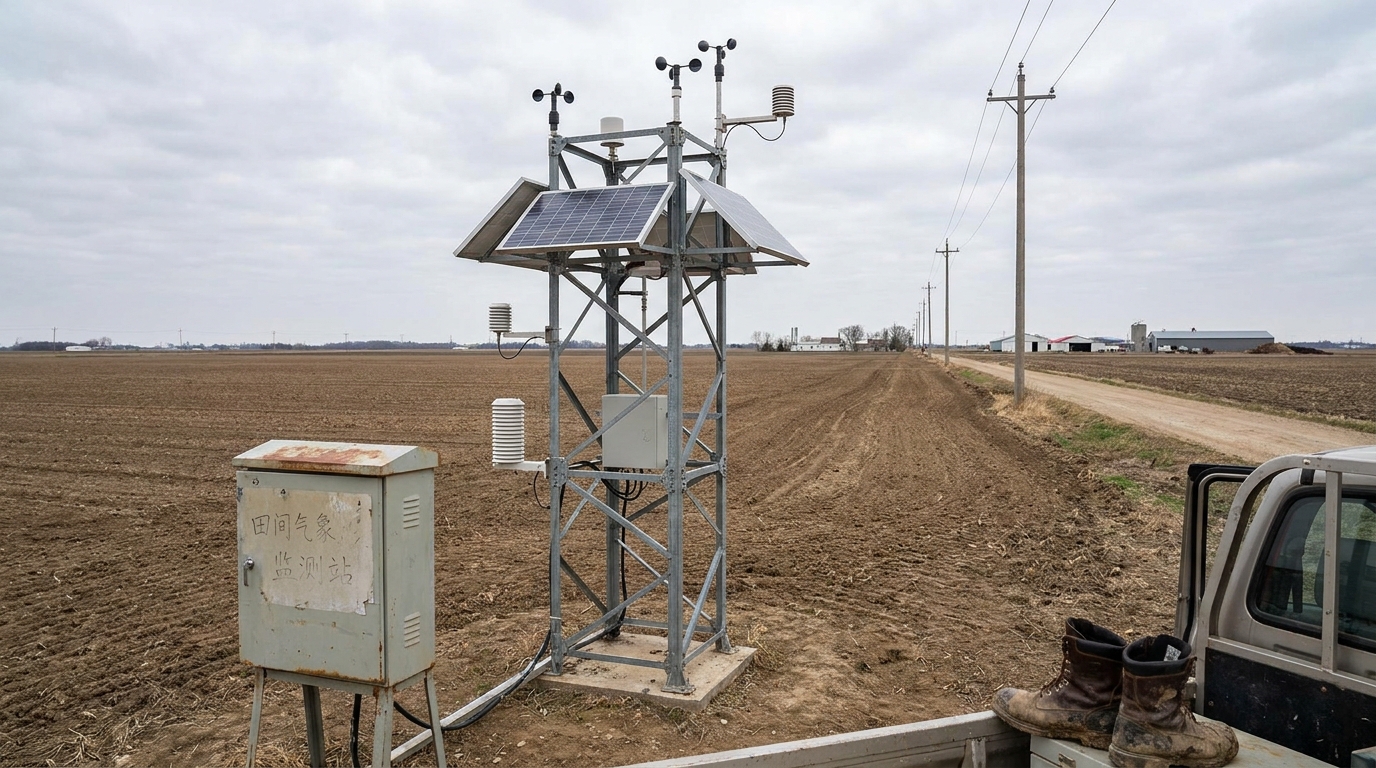
The core of modern field meteorological monitoring is the highly integrated field weather station, designed specifically for the micro-environment of crop canopies rather than open areas. Unlike traditional macroscopic stations, these next-generation devices prioritize miniaturization and modularity to capture precise environmental data.
Advanced sensor networks now cover multi-dimensional parameters including temperature, humidity, photosynthetically active radiation (PAR), wind speed, direction, and precipitation. Furthermore, subsurface technologies like Time Domain Reflectometry (TDR) provide centimeter-level accuracy in monitoring soil moisture and electrical conductivity.
IoT Architecture: From Sampling to Continuous Monitoring
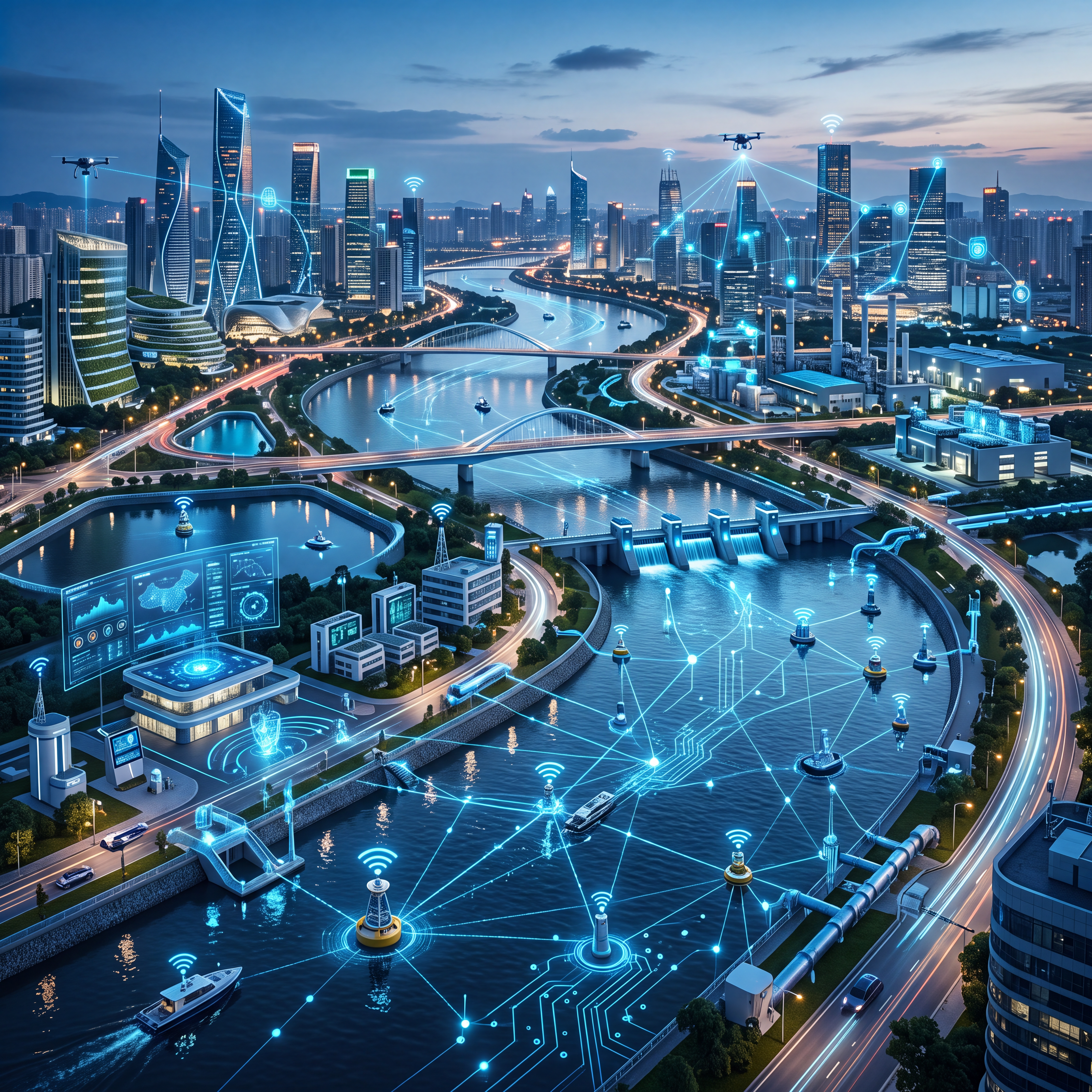
Internet of Things (IoT) technology acts as the nervous system for these monitoring networks, utilizing Low Power Wide Area Networks (LPWAN) such as LoRa and NB-IoT. Coupled with 5G capabilities, field weather stations can transmit massive amounts of environmental time-series data to cloud servers with low latency.
This technological shift marks a complete leap from traditional "sampling-based manual observation" to "all-weather automated continuous monitoring." The fusion of this multi-source data provides a solid foundation for complex agronomic model analyses and precision farming strategies.
Key Technical Metrics
- Accuracy: Centimeter-level vertical profile
- Connectivity: LPWAN, 5G, LoRa, NB-IoT
- Sensors: PAR, Soil Moisture, TDR, Wind
- Mode: Automated Continuous Monitoring
Application: Precision Irrigation & Disaster Prevention
Field meteorological monitoring transforms cold data into actionable decisions, particularly in disaster prevention and pest control. Systems can capture minute changes in near-surface conditions prior to spring frosts or dry hot winds, triggering proactive early warning mechanisms.
In precision irrigation, real-time soil moisture data combined with evapotranspiration (ET0) models allows for dynamic water replenishment. By setting thresholds based on crop growth stages, systems automatically activate drip irrigation, achieving water saving rates of 30% to 50%.
Pest & Disease Control
Specific temperature and humidity combinations trigger fungal diseases. By comparing meteorological data with occurrence pattern models, managers achieve targeted pesticide application, effectively reducing agrochemical abuse.
Water-Fertilizer Efficiency
Precise control improves root zone aeration and substantially enhances water and fertilizer use efficiency. This dual verification prevents secondary soil salinization common in traditional empirical irrigation.
Future Trends: AI, Edge Computing & Space-Air-Ground Integration
The future of field meteorological monitoring lies in intelligence and stereoscopic coverage. The descent of Artificial Intelligence (AI) and Edge Computing will transform weather stations from passive nodes into intelligent terminals capable of local analysis.
Lightweight AI algorithms deployed on device microprocessors can filter noise and output agronomic instructions even without network connectivity. This reduces cloud server pressure while enhancing the response speed and reliability of irrigation control systems.
Core Development Trends
- Edge AI: Local data filtering and decision making.
- Space-Air-Ground: Fusion of ground sensors, drones, and satellites.
- Standardization: Unified protocols to break data silos.
Standardization: Breaking Data Silos
As the industry matures, breaking down "data silos" becomes a universal consensus through mandatory standardization of data protocols. Establishing unified sensor hardware interface standards and cross-platform transmission protocols enables seamless interoperability.
Future systems will allow hardware devices from different sources to access the same smart agricultural management platforms, truly releasing the cluster value of agricultural big data. This creates a technical closed loop defining the core competitiveness of future production.
Conclusion
Field meteorological monitoring technology is undergoing a profound transformation from single-point physical perception to global business intelligence. With modern field weather stations serving as information nerve endings and automated operations as implementation points, we are building a sustainable agricultural future.
*Article produced by Yicai Technology News Editorial Department for industry technical exchange.*