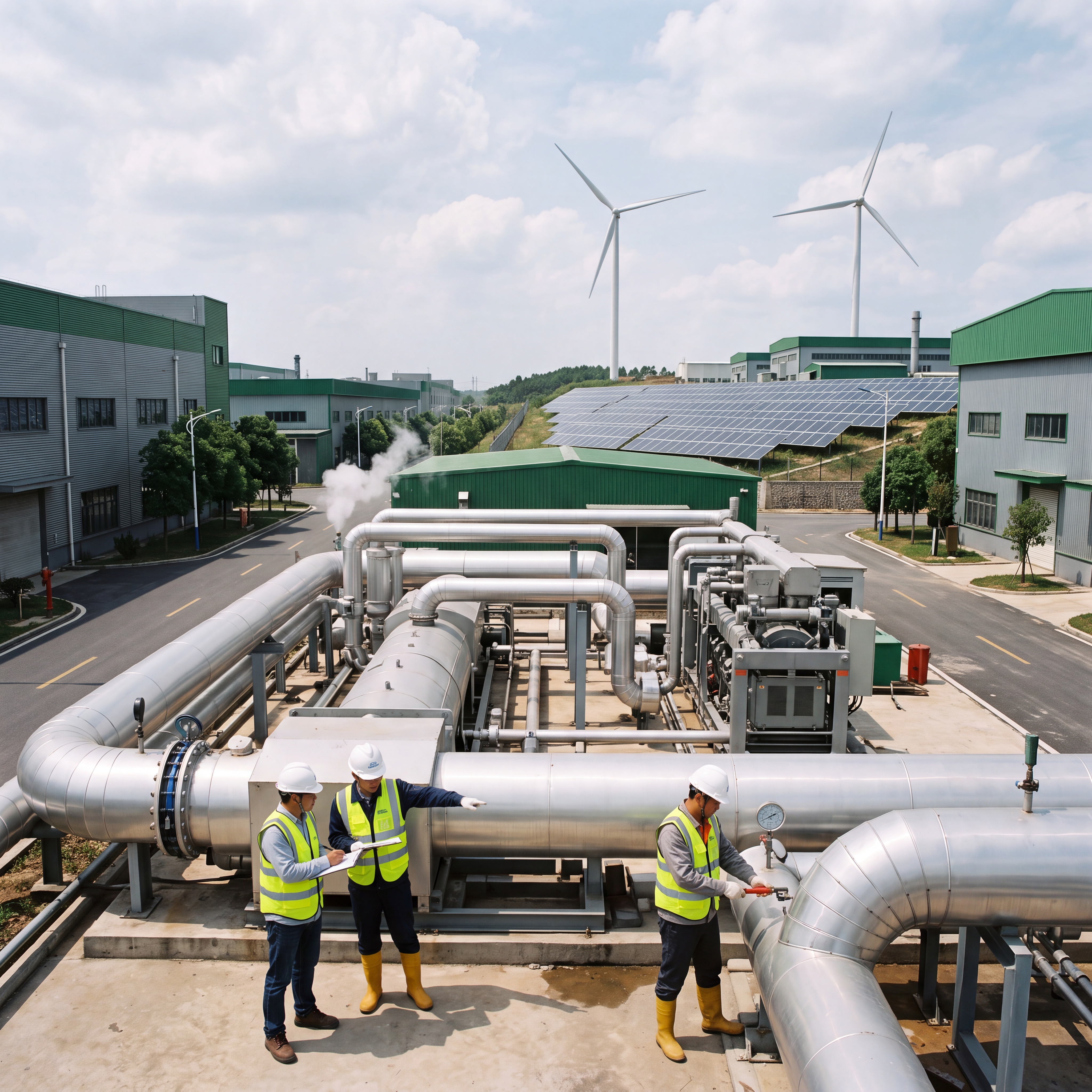
Digital Transformation Reshaping Urban Lifelines: The Era of Refined Pipeline Management
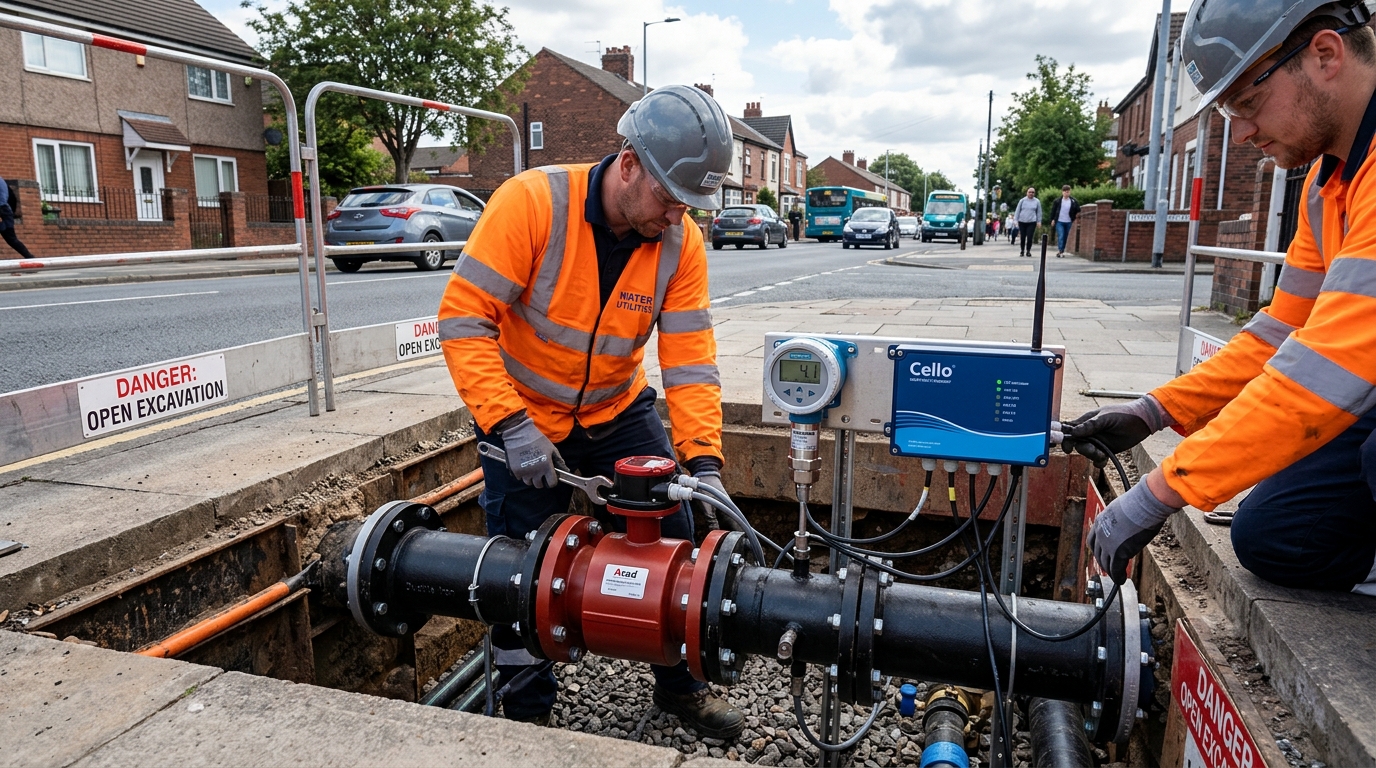
As China's urbanization process enters its mid-to-late stage, the construction of urban infrastructure is undergoing a profound transformation from "scale expansion" to "quality and efficiency enhancement." The health status of underground water supply networks directly impacts city safety, resource conservation, and public security. Driven by policy guidance and technological iteration, urban pipeline management is bidding farewell to traditional extensive modes and fully entering a new stage of refined operation characterized by data-driven decision-making.
Policy Targets Driving Water Industry Upgrading
National policies are increasingly imposing stringent requirements on the management of urban water supply networks, with a core orientation to significantly reduce network leakage rates. Relevant ministries have explicitly set phased control targets, requiring the nationwide leakage rate of public water supply networks to be controlled within strict red lines, such as 9%.
This mandatory policy target acts as a direct examination of operational capabilities, forcing water groups across the country to increase capital investment in pipeline renovation and information technology. Reducing leakage rates has risen from a technical KPI to a critical component of the core strategic planning of water enterprises.
Market Trends Shifting Towards Leakage Control and Refinement
Historical backlogs and aging pipe materials have led to severe pipeline leakage issues in some cities, resulting in huge waste of water resources and significant economic losses due to high Non-Revenue Water (NRW). Furthermore, hidden leaks can trigger secondary disasters such as ground subsidence and road collapse, posing hazards to public safety.
The core trend of the current market is the shift of water enterprises' investment focus from building new facilities to the maintenance, inspection, and optimization of existing pipeline stocks. Market demand has evolved from single hardware procurement to comprehensive solutions requiring "hardware + software + data analysis + consulting services."
Technological Evolution Centered on Zoning and Metering for Digital Breakthroughs
Facing the vast underground pipeline system, the evolution of industry technology provides a clear path: building a smart pipeline system based on the Internet of Things (IoT), big data, and artificial intelligence. Establishing Independent Metering Areas (DMA zones) is currently the internationally recognized method for leakage control, making the operating status of the pipeline transparent and controllable through grid-based zoning.
Key Technical Components
- • DMA Zones: Dividing networks into independent areas for precise monitoring.
- • High-Precision Sensors: Flow meters and pressure sensors at zone inlets/outlets.
- • MNF Analysis: Minimum Night Flow algorithms to identify abnormal fluctuations.
- • Digital Twin: Integrating GIS, SCADA, and hydraulic models for virtual mapping.
Based on zoning, high-frequency and high-precision intelligent metering networks serve as the cornerstone of data collection. The large-scale deployment of IoT water meters, acoustic leak detectors, and pipeline water quality monitors achieves real-time online monitoring of pipeline parameters like flow, pressure, and velocity. By comparing input water volume with metered end-user volume, the system can automatically identify abnormal fluctuations and precisely lock onto suspected leakage areas.
Future Outlook: Building Resilient Urban Pipelines with an Immune System
Looking to the future, the development of urban pipelines will evolve towards building high-resilience, self-adaptive smart infrastructure that possesses an "immune system" similar to biological organisms. These systems can self-monitor their health status, self-perceive and alarm when minor leaks occur, and achieve dynamic balance of water volume through intelligent scheduling during extreme weather or emergencies.
Simultaneously, pipeline data will achieve deep integration with other urban operation data, breaking down information silos to become a crucial data source for the "City Brain" of smart cities. This integration will not only reshape the business models of the water industry but also provide strong underlying support for the sustainable development of cities.