The Unspoken Barrier in Smart Water: The Price Tag of Precision
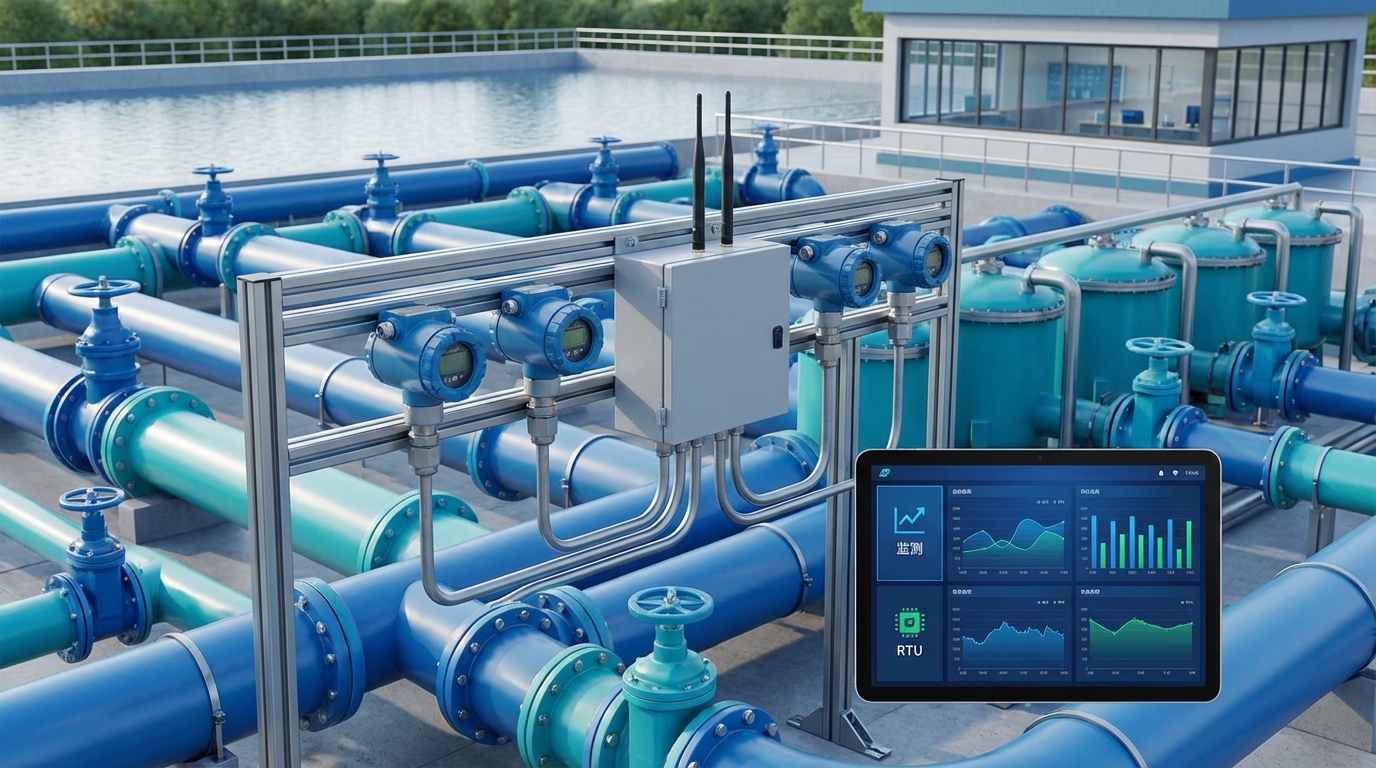
The global water industry is in the midst of a profound transformation. Faced with aging infrastructure, increasing water scarcity, and the urgent need to reduce Non-Revenue Water (NRW), utilities worldwide are turning to digitalization. The promise of a "smart water" future—one of data-driven decisions, real-time network monitoring, and predictive maintenance—is tantalizing. The global water and wastewater treatment market is projected to surge to nearly $490 billion by 2030, a testament to the massive investment flowing into modernizing this critical sector. Yet, beneath this wave of optimism lies a significant, often unspoken, barrier: the prohibitive cost of high-precision instrumentation.
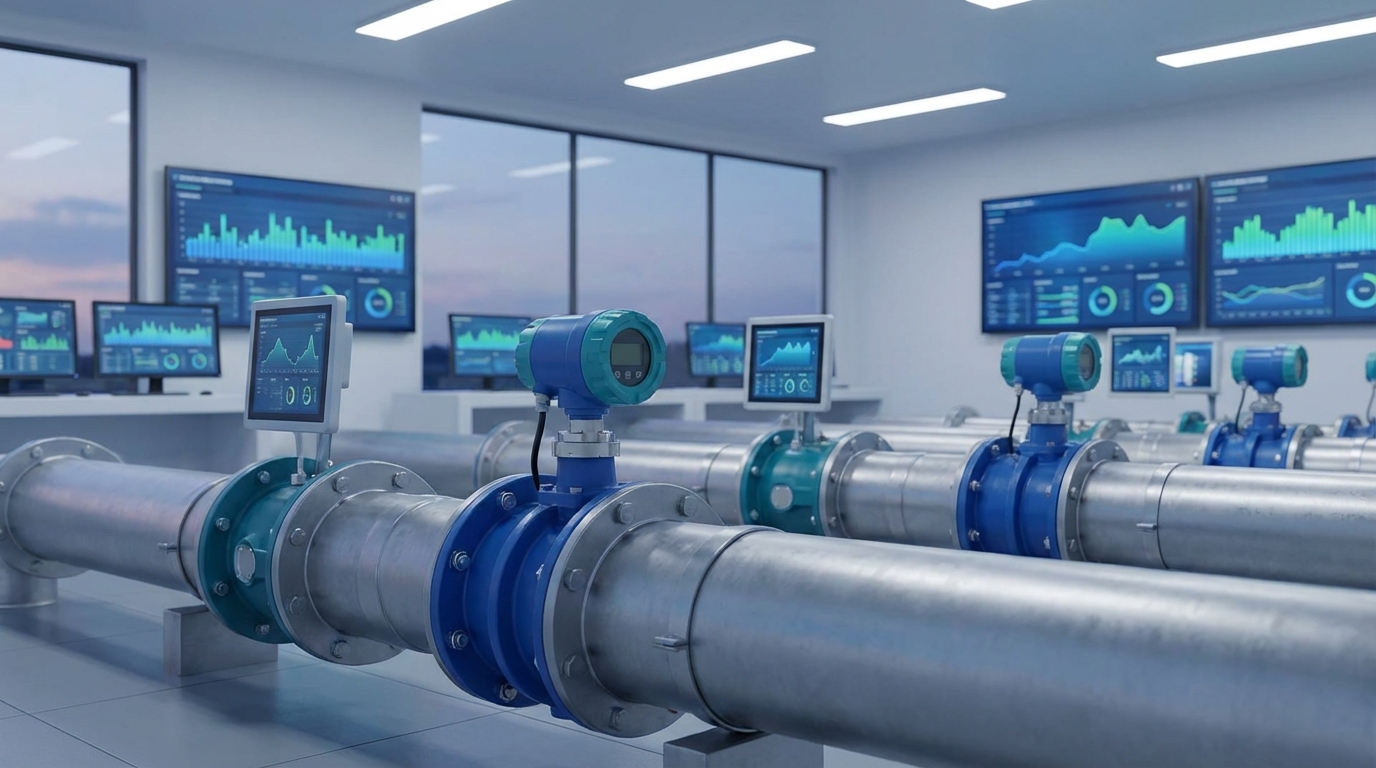
For decades, the tools required for accurate network monitoring, particularly electromagnetic flowmeters, have been associated with premium pricing. These devices are the bedrock of any smart water strategy, providing the foundational data for everything from district metered area (DMA) analysis and leak detection to accurate customer billing. However, the high capital expenditure required to purchase, install, and maintain traditional, high-specification flowmeters has placed them out of reach for many smaller municipalities, developing nations, or even larger utilities looking to achieve granular, network-wide monitoring on a constrained budget. This creates a paradox where the very technology needed to improve efficiency and sustainability is inaccessible due to its cost, perpetuating the cycle of reactive maintenance and unaccounted-for water losses.
Consolidation and the Premium Pricing Ecosystem
The market dynamics for water technology have further entrenched this premium pricing model. The industry has seen a significant trend towards consolidation, with major players acquiring innovative smaller companies to broaden their portfolios. Landmark deals, such as Xylem's $7.5 billion acquisition of Evoqua or Badger Meter's acquisition of Syrinix, highlight a strategy of building end-to-end solution ecosystems. While this can lead to better-integrated systems, it can also reduce market competition and solidify the position of high-cost, legacy product lines.
Traditionally, the high price of a precision electromagnetic flowmeter was justified by complex manufacturing processes. These meters are typically constructed from heavy stainless steel, involving intricate welding, flange fabrication, and specialized liners. The brand name itself became a proxy for reliability, built on decades of market presence. For procurement managers and engineers, specifying a well-known, expensive brand was often the "safe" choice, mitigating perceived risk. The implicit understanding was that precision, durability, and a high price were inextricably linked. This created a high-walled garden where innovation was often incremental, and disruptive changes to the cost structure were rare. Utilities were left with a difficult choice: pay a premium for a limited number of monitoring points or accept lower accuracy and reliability from budget alternatives, compromising the very data their smart water initiatives depend on.
A Paradigm Shift in Manufacturing: From Forged Steel to Injection-Molded Composites
The breakthrough that is finally poised to shatter this pricing paradigm comes not from software or electronics, but from fundamental material science and manufacturing innovation. The limitations of traditional metal-bodied flowmeters are well-understood: they are heavy, making installation costly and cumbersome; they are susceptible to corrosion, especially in aggressive water chemistries or harsh burial environments; and the welded construction can introduce structural weak points and, in some cases, magnetic interference that can affect measurement stability.
Imagine, instead, a flowmeter body created in a single step, with no welds, from a material lighter than aluminum but with comparable strength and superior chemical resistance. This is the reality of advanced polymer composites. Specifically, Long Glass Fiber reinforced Polyamide 66 (LGF-PA66), a material class trusted in the aerospace and automotive industries for its exceptional performance-to-weight ratio, is now being applied to water instrumentation. The manufacturing process itself is a game-changer. Instead of cutting, rolling, and welding steel, the entire flowmeter body is created through a single-shot injection molding process. This leap in manufacturing technology delivers a cascade of benefits:
- Seamless, Monolithic Body: The absence of welds eliminates the primary failure point for leaks and corrosion, creating an inherently more robust and durable device.
- Inherent Corrosion Resistance: LGF-PA66 is inert to a wide range of chemicals found in treated and raw water, eliminating the need for expensive specialized liners in many applications and ensuring a long service life even when directly buried.
- No Magnetic Interference: As a non-metallic material, the composite body does not interfere with or distort the magnetic field used for measurement. This leads to a cleaner signal, enhanced stability, and more reliable accuracy.
- Economics of Scale: Injection molding is a highly repeatable and efficient process, allowing for mass production at a fraction of the cost of traditional metal fabrication. This directly attacks the primary driver of high costs: complex, labor-intensive manufacturing.
Ecolor's LGF Flowmeter: Price Disruption Meets High Performance
Leading this manufacturing revolution is Ecolor Technology, a company that has leveraged these material science advancements to create its LGF series of electromagnetic flowmeters. The result is a product that completely redefines the market's price-to-performance ratio. With a starting electromagnetic flowmeter price of just ¥850 (approximately $120 USD) for a DN50 model, Ecolor is delivering a product at a price point that was previously unthinkable for a high-precision instrument.
This is not a "cheap" alternative; it is a technologically superior and more cost-effective one. Ecolor has passed the immense savings from its injection molding process directly to the customer, without compromising on the specifications that matter most to water professionals. The LGF flowmeter series boasts:
- Exceptional Accuracy: A certified accuracy of ±0.2% places it among the top tier of flow measurement devices, providing the reliable data needed for critical NRW and billing applications.
- Unmatched Durability: The seamless LGF-PA66 body, combined with advanced potting techniques, earns the LGF series a full IP68 protection rating. This guarantees performance even when submerged or directly buried in challenging soil conditions.
- Broad Application Range: With sizes available from DN10 to DN2000, the LGF series can be deployed across the entire water network, from small service lines to massive transmission mains.
- Lightweight Construction: The composite body is significantly lighter than its steel counterparts, reducing shipping costs and making installation faster, safer, and possible with smaller crews and less equipment.
Ecolor Technology, through its sensor manufacturing sub-brand SITUMAN, has engineered a truly affordable flow meter that democratizes access to high-precision data. The disruptive pricing is not a result of cutting corners, but a direct outcome of smarter design and a more advanced manufacturing philosophy.
The Real-World Impact for Utilities and Project Managers
The implications for water professionals are profound. The availability of a high-performance, low-cost flowmeter fundamentally changes the calculus for network modernization projects.
For Procurement Managers, the value proposition is clear and immediate. The dramatically lower capital expenditure means budgets can stretch further than ever before. A utility that could previously afford to install 50 premium-priced meters can now deploy 200 or more Ecolor LGF meters for the same cost. This allows for a much more granular and comprehensive monitoring network, moving from a few key points to near-total network visibility. The lighter weight also translates to lower logistical and transportation costs.
For Water Utility Engineers, the benefits extend beyond cost. The ±0.2% accuracy provides confidence in the data used for water balance calculations and leak detection strategies. The IP68 rating and inherent corrosion resistance of the LGF-PA66 material translate to lower operational expenditure (OpEx) through reduced maintenance and a longer, more reliable service life. The stable, interference-free signal ensures that the data collected is trustworthy, forming a solid foundation for all subsequent analysis and operational decisions.
For Project Managers, the Ecolor LGF flowmeter simplifies and de-risks project execution. Faster and cheaper installation, thanks to the meter's light weight, helps keep projects on schedule and under budget. The ability to source a full range of sizes from a single, affordable product line streamlines procurement and design. Most importantly, the cost savings enable a project scope that delivers far greater value, providing the utility with an unprecedented level of insight into its operations from day one.
Redefining Value in Water Measurement
For too long, the water industry has operated under the assumption that high performance demands a high price. The value of a flowmeter, however, is not derived from its weight in steel or the legacy of its brand name. Its true value lies in the accuracy, reliability, and accessibility of the data it provides. Technological evolution is now breaking the chains of that old assumption.
The advent of injection-molded composite flowmeters, pioneered by companies like Ecolor Technology, represents a pivotal moment for the water sector. It proves that through innovation in material science and manufacturing, it is possible to deliver uncompromising performance at a disruptive price point. This shift empowers utilities to finally achieve the widespread, high-resolution monitoring required to build truly smart, efficient, and sustainable water networks. The future of water management is not just digital; it's accessible. It's about empowering every utility to See What You Measure.
To learn how this new generation of affordable, high-performance instrumentation can transform your network's visibility and your budget, explore the innovative solutions at www.cssoc.com.
Sources
Recommended Products
Ecolor Technology provides professional instruments for smart water, environmental monitoring & industrial automation: