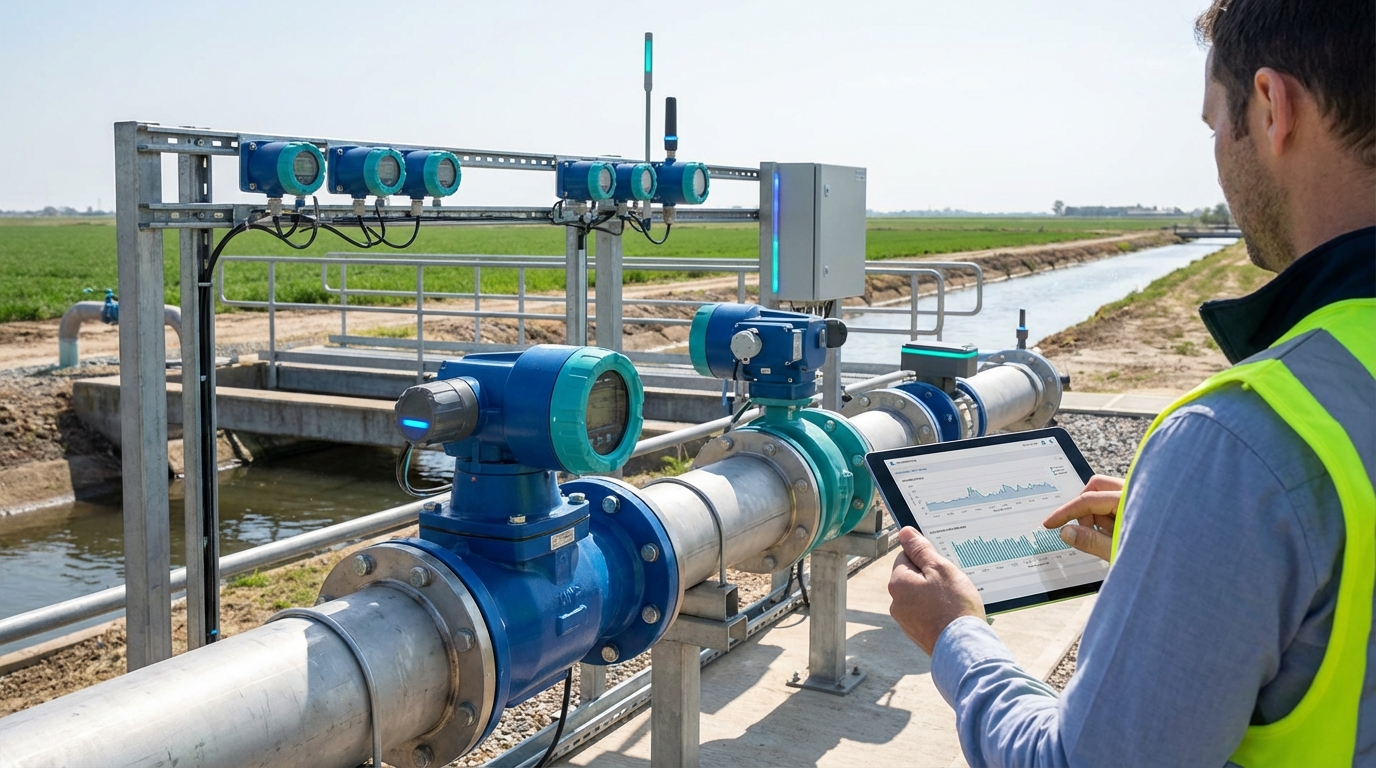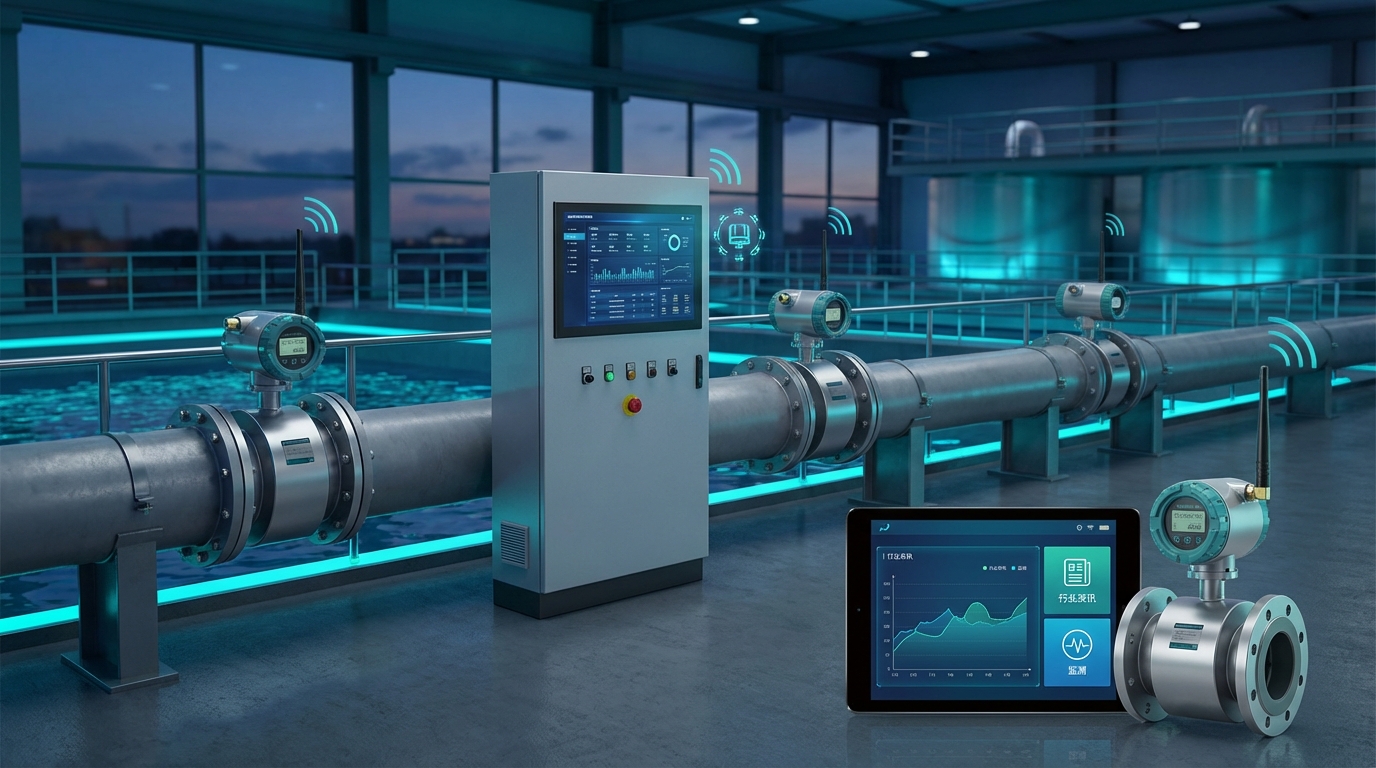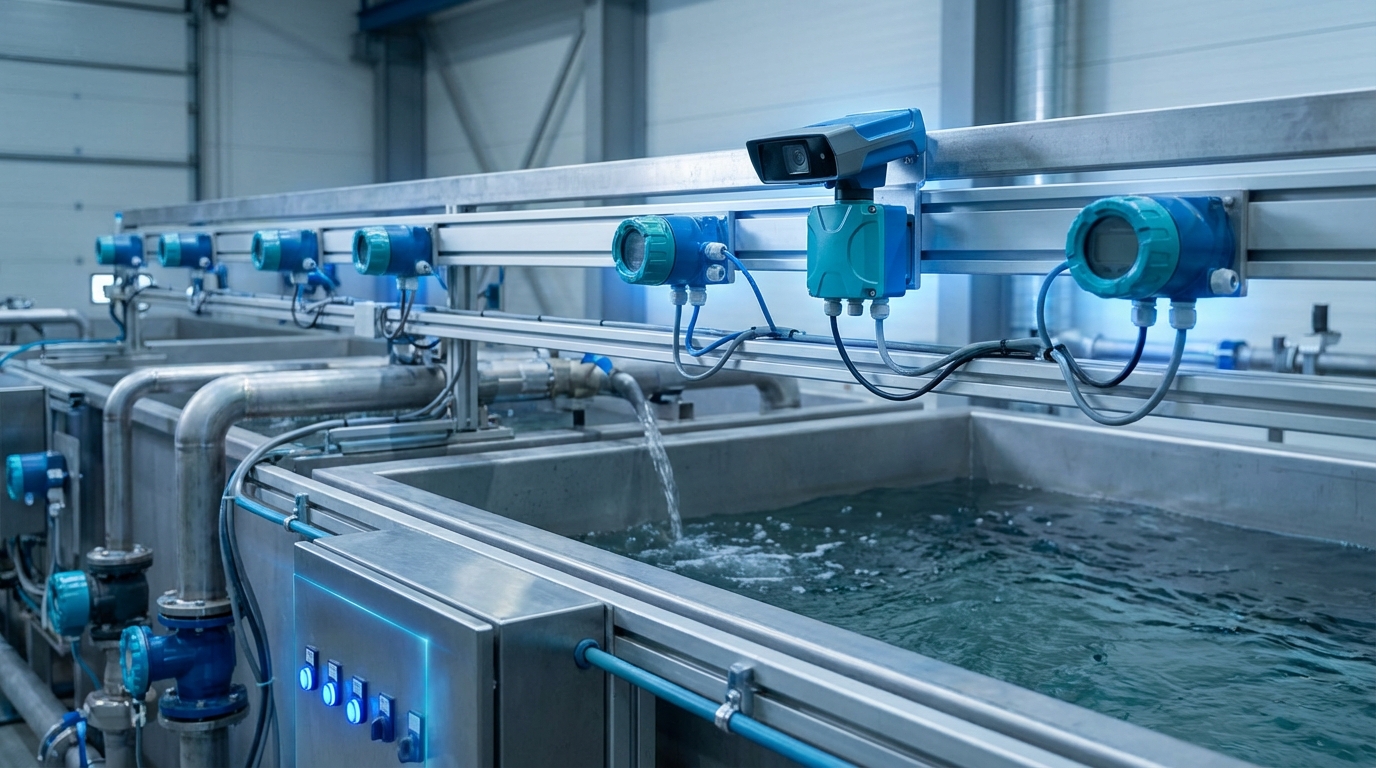
The Dawn of Visual Sensing in Water Infrastructure
The water monitoring industry is experiencing a paradigm shift as traditional measurement technologies converge with advanced visual systems. This fusion of camera radar integration represents more than incremental improvement—it's a fundamental reimagining of how we approach water infrastructure monitoring and control.
Recent developments in sensing technology demonstrate the growing demand for comprehensive monitoring solutions that combine precision measurement with visual verification. The integration of high-resolution cameras with radar systems addresses a critical gap in traditional monitoring: the ability to see what you measure.
Smart Water Monitoring: Beyond Traditional Sensors
Modern water management systems are evolving from simple flow measurement to comprehensive monitoring ecosystems. Leading-edge solutions now provide real-time notifications through mobile applications, enabling remote monitoring and control capabilities that were previously impossible with conventional sensors.
The latest smart water monitoring systems offer app-based control with detailed analytics including water usage history, flow rates, and pressure monitoring. These systems can automatically shut off water supply when anomalies are detected, providing both leak detection and prevention capabilities. This level of integration represents a significant advancement over traditional point sensors that only provide single-parameter measurements.
For water utility managers, this technology transformation means enhanced operational efficiency and reduced response times to critical events. The ability to receive immediate alerts via phone calls, emails, and mobile notifications ensures that potential issues are addressed before they escalate into costly infrastructure failures.
Extended Range Sensing: From Meters to Kilometers
Revolutionary developments in optical sensing technology are pushing the boundaries of measurement range and accuracy. Advanced camera sensors utilizing specialized optical techniques can now achieve sensing ranges extending from traditional 6-meter limitations to impressive 4-kilometer distances.
This extended range capability is particularly relevant for large-scale water infrastructure monitoring, where traditional sensors require multiple installation points to cover extensive areas. The enhanced range means fewer sensor nodes are needed, reducing both installation costs and maintenance requirements for water utilities.
The data processing requirements for these advanced systems are significantly more complex than traditional LiDAR signals, requiring sophisticated data fusion algorithms to extract meaningful information from the rich visual data streams. This complexity, however, provides unprecedented insight into water system behavior and environmental conditions.
Precision in Digital Flow Measurement
High-accuracy digital flow measurement has become the cornerstone of modern water monitoring systems. Advanced visual radar level sensors now achieve measurement accuracies within ±1mm while maintaining operational ranges up to 30 meters, representing a significant improvement over conventional measurement technologies.
The integration of 80GHz FMCW radar technology with high-definition cameras creates a comprehensive monitoring solution that addresses multiple measurement challenges simultaneously. This dual-technology approach provides both quantitative measurement data and qualitative visual verification, enabling operators to make informed decisions based on complete situational awareness.
For procurement managers evaluating water monitoring solutions, the combination of precision measurement and visual verification represents exceptional value. The ability to remotely diagnose system conditions through integrated cameras reduces the need for costly field visits and enables proactive maintenance scheduling.
Motion Detection and Environmental Adaptation
Advanced camera systems in water monitoring applications incorporate sophisticated motion detection capabilities with adjustable sensitivity settings. These systems can be configured for different environmental conditions, with sensitivity levels ranging from low to high depending on specific monitoring requirements.
The integration of PIR (Passive Infrared) sensors and motion detection algorithms enables smart activation of monitoring systems, conserving power while ensuring comprehensive coverage during critical events. This intelligent activation approach is particularly valuable for solar-powered monitoring stations where energy efficiency is paramount.
Modern systems also incorporate motorized adjustment mechanisms that allow remote optimization of sensor positioning. This capability ensures optimal measurement angles even in challenging environments where debris or changing water levels might affect sensor performance.
Infrared and Multi-Spectral Integration
The development of high-sensitivity, high-resolution infrared sensors is opening new possibilities for water monitoring applications. These advanced sensors provide enhanced detection capabilities in challenging environmental conditions, including low-light and adverse weather situations.
Multi-spectral sensing capabilities enable comprehensive environmental monitoring that extends beyond basic flow and level measurements. Water quality parameters, temperature variations, and environmental conditions can all be monitored through integrated sensor systems that combine multiple detection technologies.
This multi-parameter approach is particularly valuable for comprehensive water management systems that require integrated monitoring of flow, level, and quality parameters. The ability to deploy single monitoring stations that provide multiple measurement capabilities reduces infrastructure costs while improving data quality and system reliability.
Underground Infrastructure Monitoring Innovation
One of the most significant challenges in urban water management is monitoring underground infrastructure without requiring personnel to enter potentially hazardous environments. Traditional monitoring approaches often require manual inspection or sensor placement in difficult-to-access locations.
Advanced monitoring solutions now enable non-contact measurement in underground applications through innovative installation methods. Suspension-mounted systems using expandable anchoring mechanisms allow sensor deployment without requiring personnel to enter underground spaces, significantly improving safety while maintaining measurement accuracy.
The integration of adjustable radar positioning with visual verification capabilities ensures reliable operation even in environments with debris, floating materials, or varying water conditions. This robustness is essential for urban drainage monitoring where environmental conditions can change rapidly.
Comprehensive System Integration
Modern water monitoring systems integrate multiple measurement technologies into unified platforms that provide comprehensive operational insight. The combination of level measurement, flow calculation, and visual monitoring in single-device solutions represents a significant advancement in monitoring efficiency.
These integrated systems support external sensor connections, enabling expansion of monitoring capabilities to include water quality parameters such as pH, dissolved oxygen, turbidity, and conductivity. This expandability ensures that monitoring systems can adapt to changing requirements without requiring complete infrastructure replacement.
IP68 protection ratings ensure reliable operation in harsh environmental conditions, while remote diagnostic capabilities through integrated cameras enable proactive maintenance and troubleshooting. This combination of durability and intelligence is essential for critical infrastructure monitoring applications.
Future Implications for Water Management
The convergence of visual sensing and precision measurement technologies is creating new possibilities for water infrastructure management. The ability to combine quantitative measurement with qualitative visual assessment provides operators with unprecedented insight into system behavior and environmental conditions.
For water utility engineers and project managers, these technological advances represent opportunities to improve operational efficiency while reducing maintenance costs and safety risks. The transition from reactive to proactive maintenance approaches becomes possible when comprehensive monitoring data is available in real-time.
As these technologies continue to mature, we can expect further integration of artificial intelligence and machine learning capabilities that will enable predictive maintenance and automated system optimization. The foundation being established today through visual sensing integration will support these future advances.
Organizations seeking to implement these advanced monitoring capabilities can explore comprehensive solutions that integrate multiple sensing technologies with proven reliability and support. For detailed information about visual radar level sensor solutions and camera radar integration systems, visit www.cssoc.com.
Sources
Recommended Products
Ecolor Technology provides professional instruments for smart water, environmental monitoring & industrial automation: