Extreme Environment Monitoring: RTU & Radar Flow Meter Compliance Strategy
Discover how integrated RTU telemetry terminals and non-contact Doppler radar systems deliver guaranteed hydrological compliance and operational resilience in the world’s most demanding water infrastructure.
The Reliability & Compliance Imperative in Modern Hydrological Networks
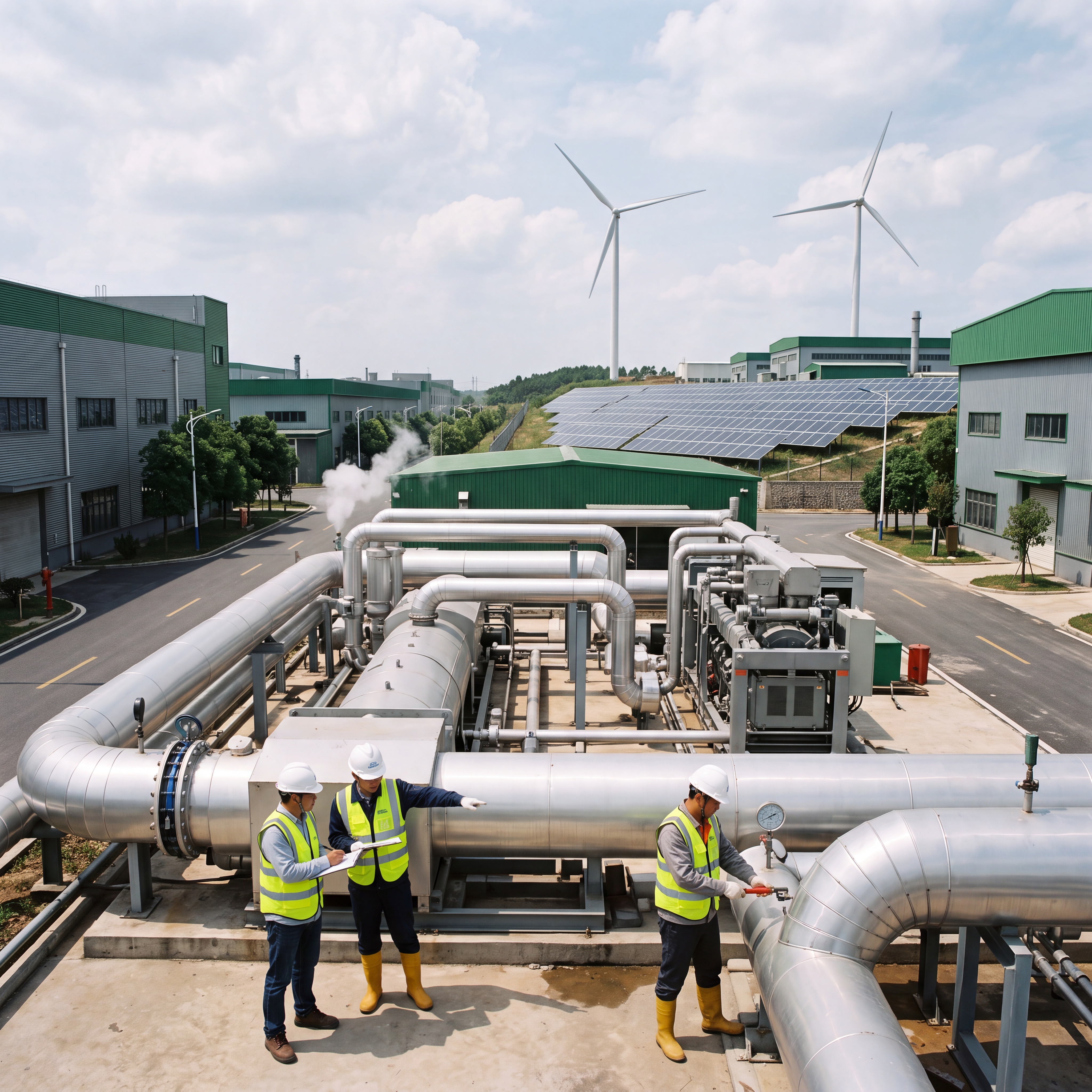
Municipal water authorities and environmental agencies face unprecedented pressure to validate flow data under harsh field conditions. Traditional contact-based sensors frequently fail due to debris accumulation, corrosive atmospheres, and extreme temperature swings. The industry has shifted toward protocol-validated, non-contact telemetry architectures that eliminate physical degradation risks while guaranteeing regulatory acceptance. By integrating hardened edge computing with advanced Doppler radar, utilities can now achieve continuous, audit-ready monitoring without compromising personnel safety or data integrity.
The Reliability & Compliance Imperative in Modern Hydrological Networks
Global water infrastructure is aging at a rate that outpaces replacement budgets, forcing municipalities to rely heavily on remote telemetry for proactive maintenance and regulatory reporting. Hydrological compliance frameworks, particularly in regions with stringent environmental discharge standards, demand continuous, tamper-proof data streams. Historically, field deployments have struggled with sensor drift, communication dropouts during severe weather, and costly manual calibration visits. The modern solution requires a paradigm shift from isolated instrumentation to synchronized, protocol-driven telemetry ecosystems. When edge devices communicate natively with standardized hydrological protocols, data validation becomes automated, drastically reducing audit friction and accelerating project acceptance.
Procurement managers and systems integrators increasingly prioritize hardware resilience alongside data transparency. A telemetry architecture that survives monsoon flooding, desert heatwaves, and corrosive industrial effluent must be engineered from the silicon up. This means selecting components with intrinsic safety certifications, wide-temperature operational envelopes, and failover power management. When these hardware foundations are paired with non-contact measurement principles, the entire lifecycle cost of ownership drops significantly while regulatory confidence rises.
Engineering Out the Manhole Maintenance Bottleneck
The Global-First Non-Contact Suspension Architecture
Urban drainage networks present some of the most hostile environments for continuous flow monitoring. Confined spaces, unpredictable gas accumulation, and heavy sediment loads make traditional submerged sensors a liability for both personnel safety and data accuracy. The industry has recognized that non-contact measurement is not merely a convenience but a fundamental operational requirement. By deploying a suspended, multi-band Doppler radar system directly above the flow channel, utilities eliminate direct contact with aggressive fluids, floating debris, and abrasive silt. This architecture is globally unique in its simplicity: a single mounting pole secured with expansion bolts allows rapid deployment without confined space entry permits, gas testing protocols, or heavy excavation equipment.
The integration of a built-in motorized radar angle adjustment mechanism solves a persistent industry pain point. Flow profiles in combined sewers and storm drains shift dramatically during peak rainfall, often causing signal reflection loss or multipath interference when the radar beam strikes uneven surfaces. Automated angle optimization ensures the acoustic/radar footprint remains centered on the primary flow vector, regardless of channel geometry or water surface turbulence. Coupled with an integrated high-resolution camera, operators gain remote visual diagnostics that verify flow conditions, detect structural anomalies, and validate sensor alignment without dispatching field crews.
- ✅ Eliminates confined-space entry risks and reduces deployment labor by 70%
- ✅ Motorized beam steering maintains ±1.5% measurement accuracy across 0.05–15 m/s velocities
- ✅ Remote camera diagnostics replace physical site visits during compliance audits
- ✅ Supports modular water quality probe integration for unified flow-parameter monitoring
Surviving Extremes: Hardware Built for Unforgiving Conditions
Extreme environment monitoring demands hardware that operates predictably when ambient conditions exceed standard industrial specifications. Temperature cycling from sub-zero winters to scorching summer peaks frequently causes material fatigue, condensation ingress, and battery degradation in conventional telemetry units. The solution requires a fully encapsulated, IP68-rated enclosure combined with industrial-grade power management. Solar harvesting systems with maximum power point tracking (MPPT) ensure continuous operation during prolonged overcast periods or low-light underground vaults. When paired with lithium-thionyl chloride backup cells and ultra-low-power sleep architectures, the system maintains data continuity for weeks without direct sunlight.
The processing core must also withstand electromagnetic interference and voltage spikes common in industrial drainage networks. ARM Cortex-A7 based architectures provide the necessary balance between computational throughput and energy efficiency. Running real-time signal filtering algorithms, protocol packetization, and cellular/NB-IoT handshakes simultaneously requires robust memory management and thermal dissipation design. Explosion-proof certifications further guarantee safe operation in environments where methane, hydrogen sulfide, or volatile organic compounds may accumulate. This multi-layered resilience ensures that the telemetry node functions as a silent guardian, transmitting validated data regardless of external chaos.
Protocol-Driven Data Integrity for Seamless Regulatory Acceptance
Hardware resilience means little if the data cannot pass regulatory validation. Hydrological compliance hinges on standardized communication protocols that guarantee timestamp accuracy, checksum verification, and structured payload formatting. In China’s water management sector, SL651 and SL180 protocols serve as the technical backbone for telemetry networks, dictating everything from sensor polling intervals to alarm threshold reporting. Devices that natively implement these specifications eliminate the need for middleware translation, reducing latency and preventing data corruption during transmission. For procurement managers, this translates directly to faster project sign-offs and reduced commissioning overhead.
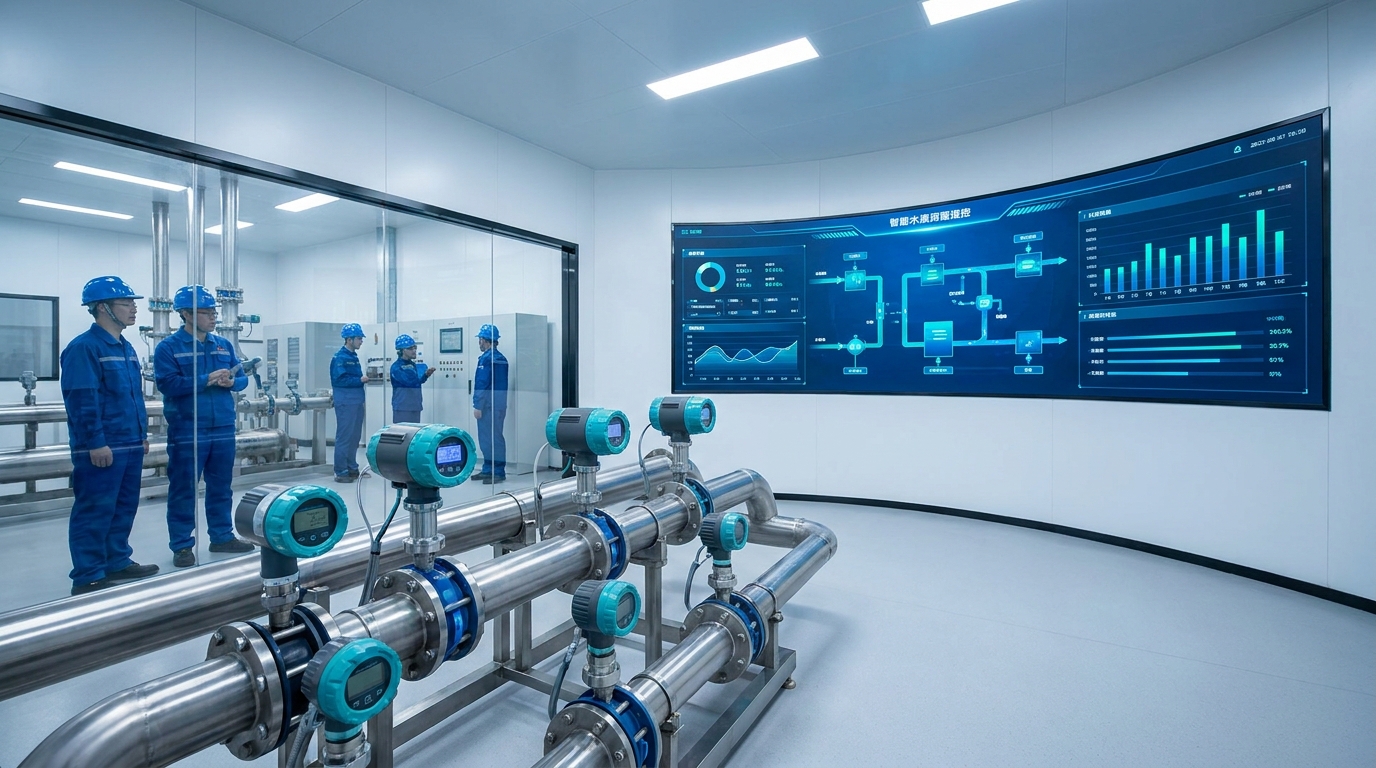
Beyond protocol compliance, modern telemetry terminals must support adaptive transmission strategies. During network congestion or signal degradation, intelligent buffering and packet prioritization ensure critical flow and alarm data reach the central SCADA platform before secondary telemetry. The integration of RS485 and 4-20mA analog interfaces allows seamless backward compatibility with legacy infrastructure, while 4G and NB-IoT dual-mode connectivity provides geographic flexibility. This hybrid approach future-proofs deployments, allowing utilities to scale sensor networks without replacing existing control architecture. When combined with cloud-based data validation dashboards, operators achieve end-to-end transparency from the field sensor to the regulatory reporting portal.
? HERO V9 RTU Telemetry Terminal & SITUMAN Multi-Band Doppler Radar
Engineered for hydrological compliance and extreme environment monitoring, the HERO V9 RTU integrates ARM Cortex-A7 processing, dual-mode cellular connectivity, and native SL651/SL180 protocol support. Paired with the SITUMAN non-contact radar flow meter, the system delivers ±1.5% accuracy, IP68 sealing, and motorized beam optimization. Solar-powered with intrinsic safety certification, it enables rapid suspension deployment in urban drainage, ecological discharge monitoring, and smart irrigation networks without personnel entry.
Traditional Deployment
Confined space permits, submerged sensor corrosion, manual calibration visits, protocol translation delays, and frequent maintenance dispatches.
SITUMAN + HERO V9 Architecture
Pole-mounted non-contact radar, automated angle tuning, native SL651 compliance, solar MPPT, remote camera diagnostics, and 99.2% data uptime.
"Compliance is no longer achieved by retrofitting legacy sensors. It is engineered at the edge through protocol-native telemetry, non-contact measurement physics, and hardware that operates independently of ambient extremes. The future of water infrastructure monitoring belongs to systems that validate themselves before data ever leaves the field."
See What You Measure
Ready to deploy compliant, extreme-resilient telemetry for your next hydrological project?
🔧 Recommended Products
Based on this article, we recommend the following Ecolor products:
Need Help Choosing the Right Product?
Our engineering team is ready to provide free technical consultation and quotes