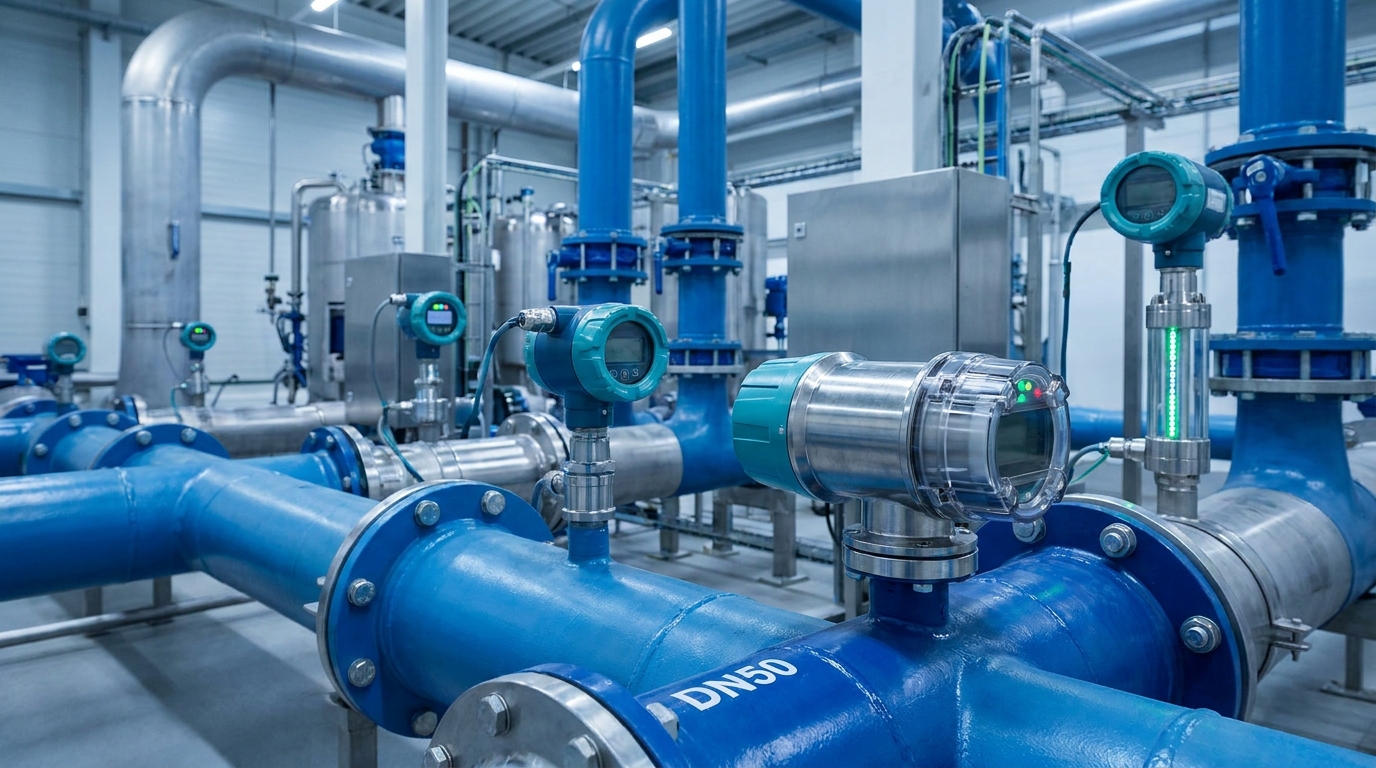
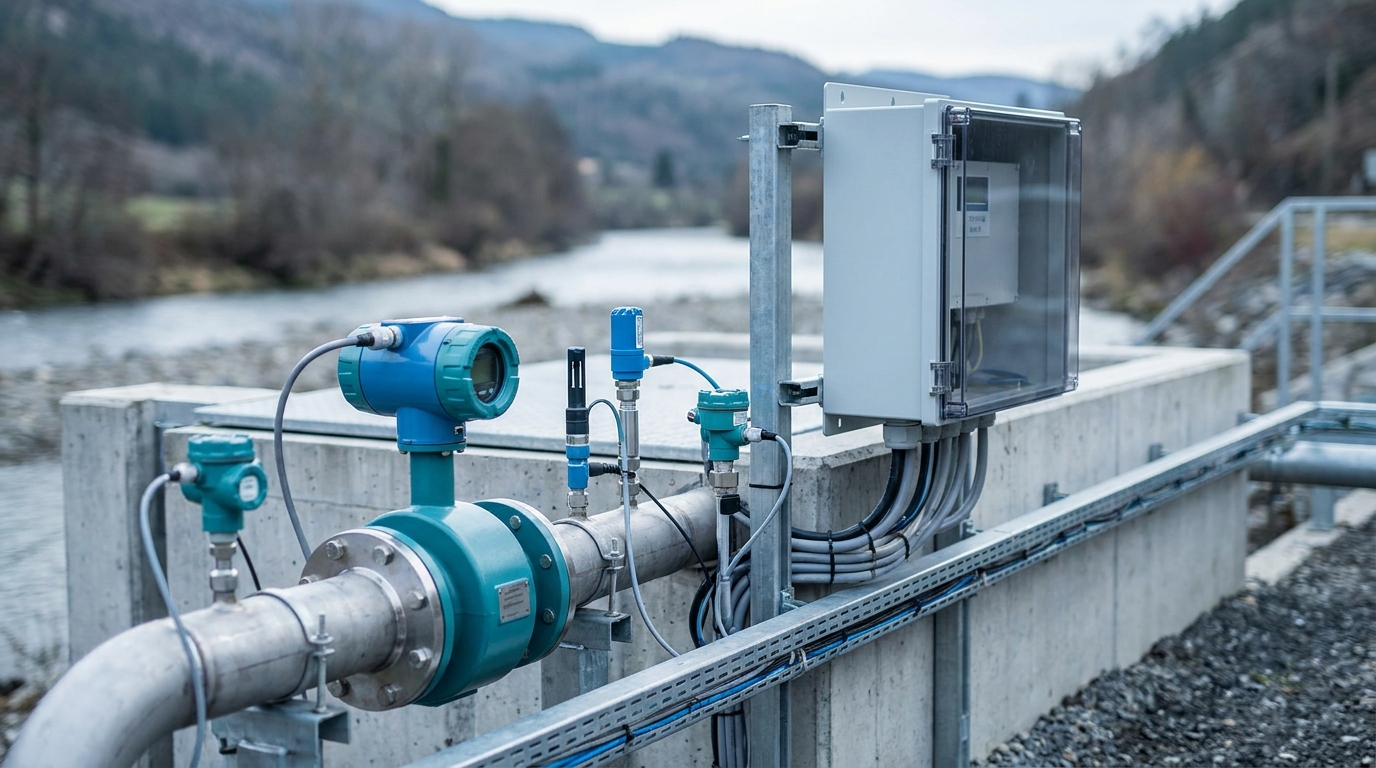
LGF Injection-Molded Electromagnetic Flow Meter vs Traditional Metal Electromagnetic Flow Meter: An In-Depth Comparison of 7 Core Advantages
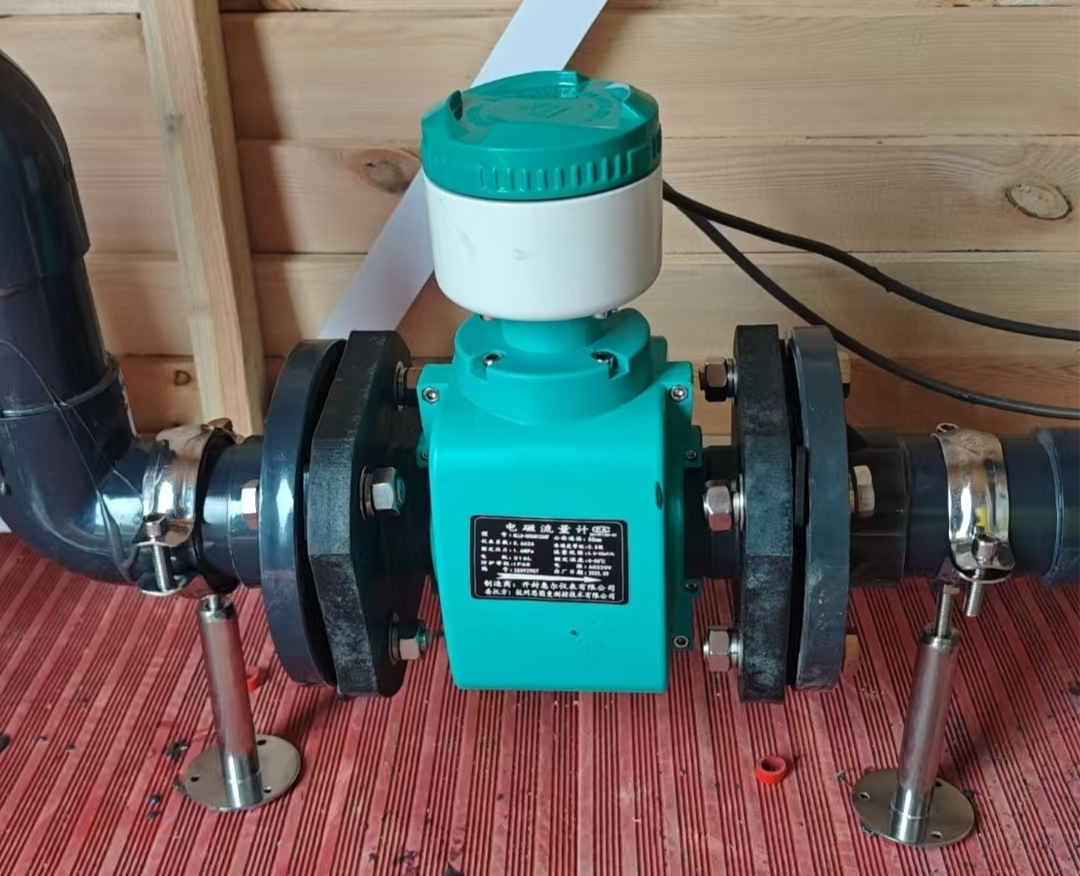
The LGF injection-molded electromagnetic flowmeter is leading a material revolution in industrial flow measurement. While traditional metal-housed electromagnetic flowmeters have been standard since the 1950s, their issues with magnetic interference, corrosion, and high cost are prompting a shift. This new generation, utilizing PA66 aerospace-grade composite material, offers a fundamental solution to these structural pain points.
This article provides a detailed comparison across seven core dimensions to aid procurement decision-makers and field engineers in making a more scientific selection between these two types of electromagnetic flow meters.
Core Advantages Comparison
1. Manufacturing Process: Welding vs. Injection Molding
Traditional metal electromagnetic flowmeter housings require cutting, stamping, welding, grinding, and electroplating. The welding stage is a major quality risk, as uneven seams cause stress and residual magnetic fields that interfere with the coil's measurement accuracy.
The LGF injection-molded electromagnetic flowmeter uses PA66 glass fiber reinforced composite and high-pressure injection molding integrated forming technology. This one-shot process for the tube and housing completely eliminates welding, ensuring zero magnetic interference and extremely high batch consistency.
2. Superior Measurement Accuracy Performance
Accuracy is the core metric for any flow meter. Traditional metal flowmeters typically have a nominal accuracy of ±0.5% to ±1.0%, often worsened in practice by eddy currents and welding magnetic fields.
Thanks to its non-metallic, zero magnetic interference housing, the LGF flowmeter achieves a more uniform electromagnetic field. Its actual measurement accuracy stably reaches ±0.2%, meeting the stringent demands of trade settlement and precise batching applications.
Accuracy & Repeatability
LGF (Injection-Molded): ±0.2% Accuracy, ±0.1% Repeatability
Traditional (Metal): ±0.5-1.0% Accuracy, ±0.3% Repeatability
Key Stability Factors
Magnetic Interference: None in LGF vs. Present in Traditional.
Zero-Point Stability: Excellent in LGF vs. Average in Traditional.
3. Maximum Protection Rating: IP68 vs. IP67
In harsh environments like water utilities and farmland irrigation, flowmeters face immersion and scouring. Most traditional metal flowmeters are rated IP65/IP67, relying on gaskets that can fail over time.
The integrated forming of the LGF injection-molded flowmeter provides inherent sealing—no seams mean no leakage paths. It achieves an IP68 protection rating, allowing continuous submersion, which is critical for drainage networks and sewage treatment plants.
4. Intrinsic Corrosion Resistance for Long Life
Traditional flowmeters use surface electroplating or coating for corrosion protection. Once damaged, rapid pitting corrosion occurs, especially in chemical or wastewater environments.
PA66 composite material offers intrinsic corrosion resistance to acids, alkalis, and salt spray. The LGF flowmeter needs no extra treatment, and surface scratches don't compromise it. Its design life exceeds 10 years, drastically reducing total lifecycle maintenance cost.
5. Lightweight Design for Easy Installation
Weight impacts installation cost and ease. A DN100 traditional metal electromagnetic flowmeter weighs 18-25kg, often requiring multiple workers and equipment.
The comparable LGF injection-molded flowmeter weighs only 6-8kg—a reduction of over 60%. This lightweight electromagnetic flowmeter can be carried and installed by a single person, simplifying work in confined pipe galleries or manholes.
6. Modular Coil Design for Flexible Maintenance
In traditional models, the coil and housing are integrated. A coil failure necessitates replacing the entire measuring tube, causing high costs and long downtime.
The LGF series features a modular coil design. The excitation coil is an independent module replaceable on-site without dismantling the pipeline. This cuts repair costs, reduces downtime to about 30 minutes, and simplifies spare parts management.
7. Halved Total Cost of Ownership (TCO)
The LGF injection-molded electromagnetic flowmeter starts from 850 RMB, roughly 50% of the price of a traditional metal one. This cost advantage comes from manufacturing innovation: lower material costs, simplified processes, high yield rates, and no need for anti-corrosion treatment.
Considering procurement, installation, maintenance, and lifespan, the Total Cost of Ownership (TCO) for the LGF flowmeter is only 30%-40% of that for traditional products, offering exceptional value for budget-sensitive projects.
Selection Recommendation
Based on this comparison, the LGF injection-molded electromagnetic flowmeter is highly recommended for:
- Municipal Water Supply and Drainage: Where large-scale deployment, budget control, and IP68 protection are needed.
- Farmland Irrigation & Industrial Wastewater: Harsh, corrosive environments requiring lightweight and corrosion-resistant design.
- Water Utility Pipeline Monitoring & Smart Water Conservancy: Projects requiring cost-effective, scalable deployment and integration with remote telemetry systems.
For extreme conditions involving very high temperature (>120°C), high pressure (>2.5MPa), or special linings, traditional metal electromagnetic flowmeters may still be suitable. Always evaluate specific operating parameters.
Conclusion
The material revolution in electromagnetic flowmeters is real. With core advantages in injection molding integrated forming, zero magnetic interference, IP68 rating, ±0.2% accuracy, modular coils, and halved cost, the LGF injection-molded electromagnetic flowmeter is redefining industry standards for performance and value.
Get Detailed Technical Information
For detailed technical documentation and selection manuals for the LGF injection-molded flow meter, visit our official website or contact our technical engineers.
Website: www.cssoc.com
Service Hotline: 400-808-9114
Ecolor Technology (Hangzhou) | Situman Sensor Manufacturing | Huayuzhongneng System Integration
Recommended Products
Ecolor Technology provides professional instruments for smart water, environmental monitoring & industrial automation: