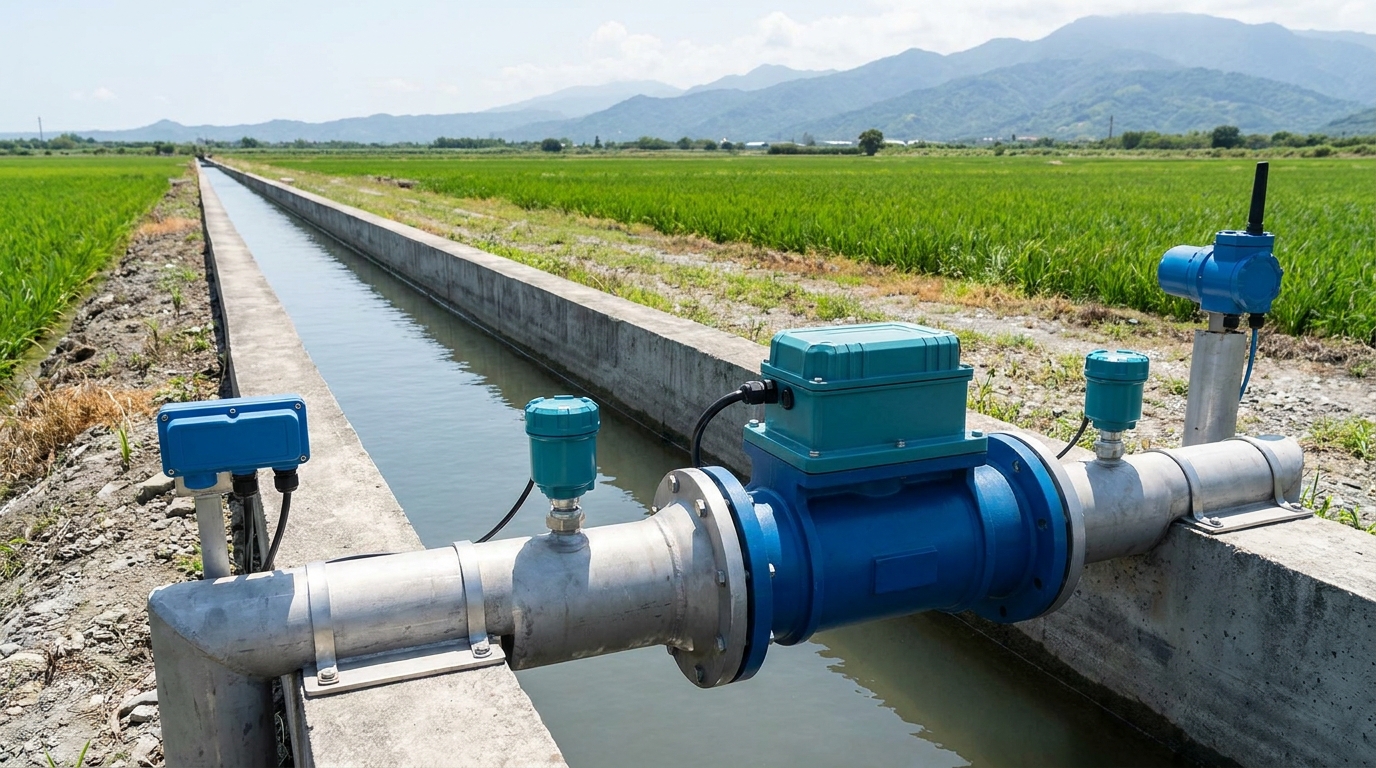
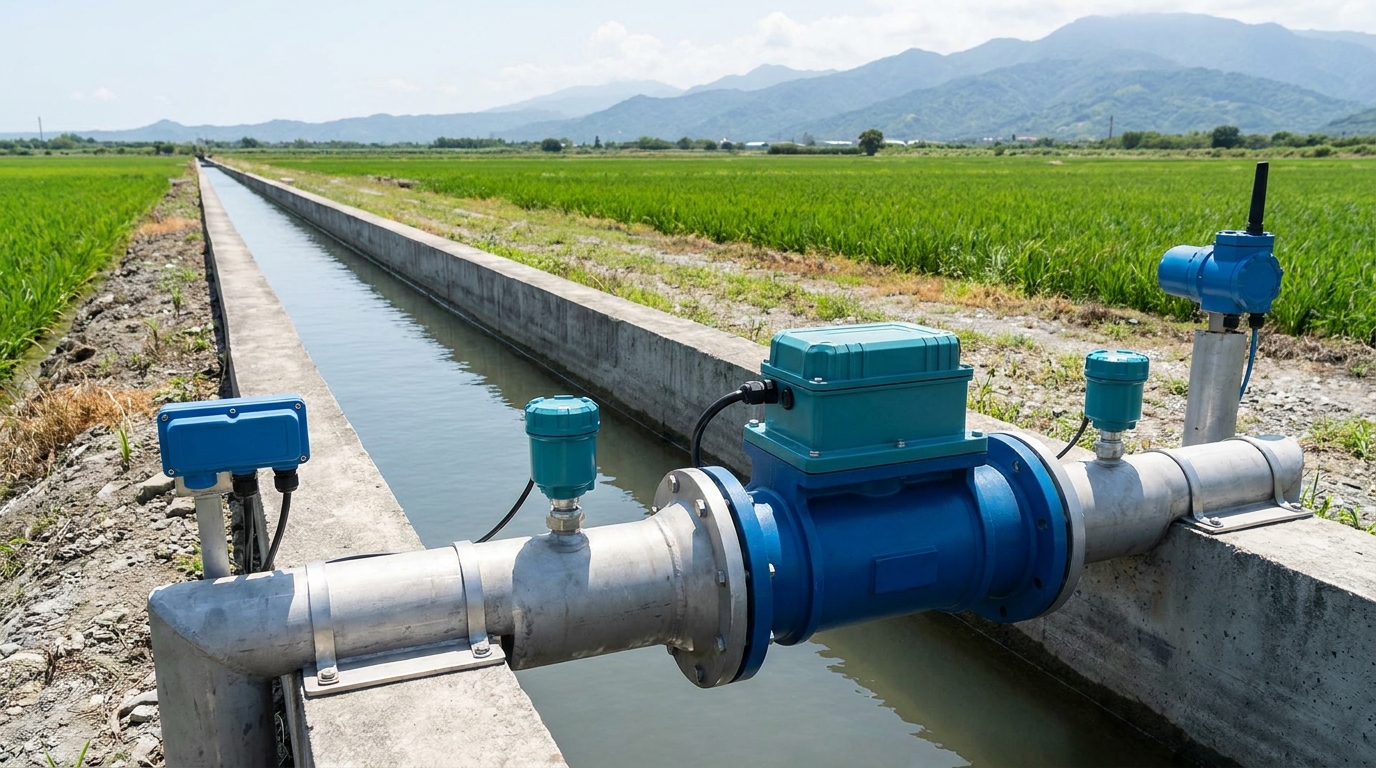
Installation Guide for LGF Injection Molded Electromagnetic Flowmeter: Best Practices for Irrigation Pipeline Flow Measurement
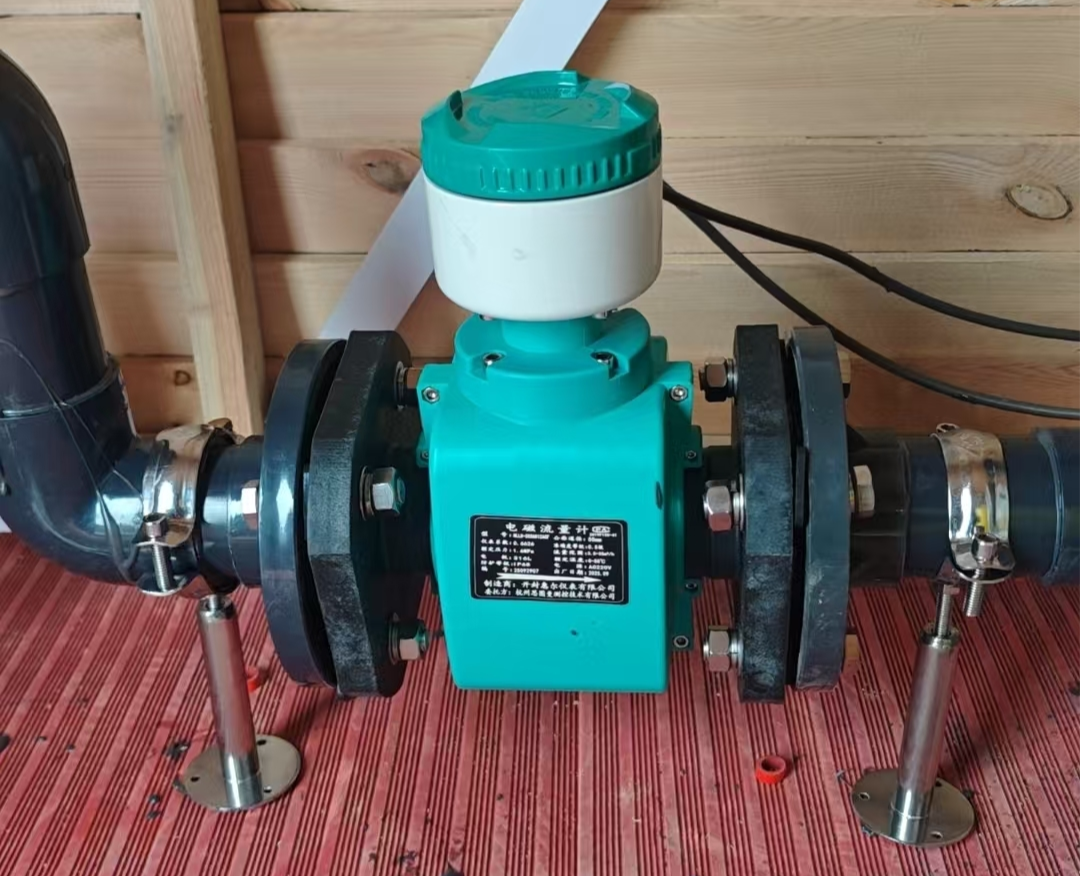
The LGF injection-molded electromagnetic flowmeter from Ecolor Technology is an indispensable flow measurement device for modern irrigation districts and industrial pipeline networks. Its installation quality directly impacts measurement accuracy and service life, making following best practices essential for optimal irrigation pipeline flow measurement.
Superior Performance of the LGF Flowmeter
Engineered with an integrated injection molding process, the LGF flowmeter boasts an IP68 protection rating, ensuring durability in harsh environments. It achieves a high measurement accuracy of ±0.2%, positioning it as a leading choice for reliable flowmeter performance in demanding applications.
1. Pre-installation Preparation Work
Pipeline Cleaning and System Check
Before installing the electromagnetic flowmeter, ensure the interior of the pipeline section is thoroughly clean and free of debris or scale. This prevents damage to the sensor and ensures accurate initial readings for your pipeline flow measurement system.
Verify the stability of the power supply voltage; configuring an Uninterruptible Power Supply (UPS) is recommended for critical irrigation systems. Pre-install the necessary signal cables, such as those for 4-20mA, RS485, or optional GPRS communication.
2. Key Points for Installation Location Selection
Selecting the correct location is critical for the measurement accuracy of your LGF injection-molded electromagnetic flowmeter. The installation site must ensure the measurement pipe section is always completely filled with the liquid medium.
Upstream Requirements
A straight pipe length of at least 5 times the nominal diameter (≥5DN) upstream of the flowmeter is required to stabilize the flow profile.
Downstream Requirements
A straight pipe length of at least 3 times the nominal diameter (≥3DN) downstream is necessary for accurate flowmeter operation.
Avoiding Common Installation Pitfalls
The installation point must avoid pipeline locations prone to gas accumulation or sedimentation. These conditions can cause significant errors in electromagnetic flowmeter readings and should be carefully considered during system design for irrigation.
3. Grounding System Arrangement
Proper grounding is crucial for the stable operation and noise immunity of electromagnetic flowmeters. An effective grounding system minimizes signal interference, which is vital for precise irrigation pipeline flow measurement.
Recommended Grounding Methods
For optimal performance, employ the three-point grounding method by connecting the ground to both ends and the midpoint of the sensor simultaneously. In environments with high electrical interference, the installation of a dedicated grounding ring is strongly advised.
Important Grounding Specification:
The grounding resistance for the LGF flowmeter system must be less than 4Ω to ensure reliable signal integrity and device safety.
4. Signal Output and Communication Configuration
Flexible Connectivity Options
The LGF injection-molded electromagnetic flowmeter supports multiple output methods to integrate seamlessly into various control and monitoring systems. The standard 4-20mA analog output provides a robust signal for local process control.
For data acquisition and remote monitoring, the flowmeter offers digital communication via the RS485 Modbus-RTU protocol. An optional GPRS wireless transmission module is available for applications where remote irrigation pipeline flow measurement data needs to be sent to a central server.
Operation, Maintenance, and Fault Handling
Routine Maintenance Schedule
To ensure the long-term stable operation of your LGF electromagnetic flowmeter, implement a regular maintenance schedule. This includes periodically checking the sealing performance of the enclosure to maintain its IP68 rating.
For sustained accuracy in flowmeter performance, it is recommended to calibrate the instrument's zero point every quarter. A comprehensive calibration and inspection should be performed annually.
Common Fault Handling Methods
If you encounter abnormal measurement data, follow a systematic troubleshooting approach. Begin by checking the power supply voltage and then verify the integrity and resistance of the grounding connection.
Next, confirm that the pipeline is completely filled with liquid and identify any potential sources of signal interference in the vicinity. This step-by-step process helps quickly resolve most common issues with pipeline flow measurement systems.
Professional Technical Support
Ecolor Technology provides comprehensive technical support for the LGF injection-molded electromagnetic flowmeter. If you encounter any issues during installation, configuration, or use, our experts are ready to assist.
For immediate professional guidance, please call:
400-808-9114
For more detailed product information, specifications, and resources, please visit our official website: www.cssoc.com.
Recommended Products
Ecolor Technology provides professional instruments for smart water, environmental monitoring & industrial automation: