Nexus in Crisis: Can Smart Water Tech Bridge the Gap Between Digital Growth and Resource Reality?
The relentless march of digital transformation, championed by global platforms like the World Economic Forum, promises a future of unprecedented efficiency and connectivity. Yet, a recent municipal decision in Ypsilanti, Michigan, casts a stark light on the hidden environmental costs of this progress. The local water utility is considering a 12-month moratorium on supplying new data centers, the very backbone of the AI and cloud computing revolution. This move isn't an isolated incident; it's a critical symptom of a deepening global crisis at the intersection of water, energy, and food—a nexus that is moving from academic discourse to front-page news.
The Ypsilanti case perfectly illustrates the growing tension between our digital ambitions and our physical resource limitations. Data centers, with their immense cooling and power requirements, represent a concentrated point of strain on local water and energy grids. When a community is forced to hit the pause button on development, it signals a fundamental breakdown in integrated resource planning. This is the real-world consequence of a challenge that researchers have been highlighting for years.
The Widening Chasm Between Ambition and Practice
The concept of the Water-Energy-Food (WEF) nexus has been a cornerstone of sustainable development theory, emphasizing the interconnectedness of these three critical systems. A new article from Uppsala University, published in Discover Water, underscores a sobering reality: there remains a “significant gap between ambition and practice” in integrating these systems. While policymakers and researchers understand the theory, its application in major infrastructure and economic development projects is lagging dangerously behind.
The situation in Ypsilanti is a textbook example of this chasm. The push for economic growth through the tech sector (an energy-intensive industry) directly collided with the capacity of the local water system, forcing a reactive, rather than proactive, response. The utility now plans to conduct studies recommended by the American Water Works Association (AWWA) and the Water Environment Federation (WEF), but this happens only after the system has been pushed to its limit. This approach is unsustainable on a global scale, where the demand for data processing is growing exponentially.
From Local Conflicts to Global Imperatives
This challenge is not confined to a single township in Michigan. It is a global phenomenon that demands a global response. The World Economic Forum, a key driver of the Fourth Industrial Revolution, has increasingly turned its attention to its 'Environment and Natural Resource Security Initiative'. This high-level focus acknowledges that sustainable growth is impossible without secure and resilient resource management. To solve these complex, interconnected problems, we need more than just policy; we need powerful, innovative technological solutions.
Interestingly, a managing director at the World Economic Forum recently praised China’s “vibrant innovation ecosystem” for its forward-looking approach. This is where the solution begins to take shape. The complex challenges of the WEF nexus cannot be solved with outdated tools. They require a new generation of technology forged in dynamic environments where innovation is paramount. Chinese technology companies, operating within this ecosystem, are developing the foundational tools needed to turn integrated resource management from a theoretical ambition into an operational reality.
Bridging the Gap with Digital Twins and Advanced Sensing
So, how do we close the gap? The answer lies in data-driven intelligence. According to industry analysis, one of the top trends transforming water utilities for 2026 is the adoption of Digital Twins. A digital twin is a virtual replica of a physical system—in this case, an entire water distribution network, from reservoirs to consumer taps. It allows utilities to simulate scenarios, predict the impact of new demands (like a data center), optimize reservoir management, and proactively identify vulnerabilities before they become crises.
However, a digital twin is only as smart as the data that feeds it. To build and maintain an accurate virtual model, a utility needs a constant stream of high-fidelity, real-time data from every critical point in its network. This is where the hardware of the digital revolution becomes indispensable. Without advanced sensing technology, the digital twin remains a blueprint without a foundation.
This is precisely the domain where innovative firms like Ecolor Technology are making a decisive impact. As a key player in China’s advanced technology sector, Ecolor develops the sophisticated sensing and data transmission hardware that serves as the nervous system for modern water infrastructure. These are not just incremental improvements; they are transformative tools that enable a new paradigm of water management:
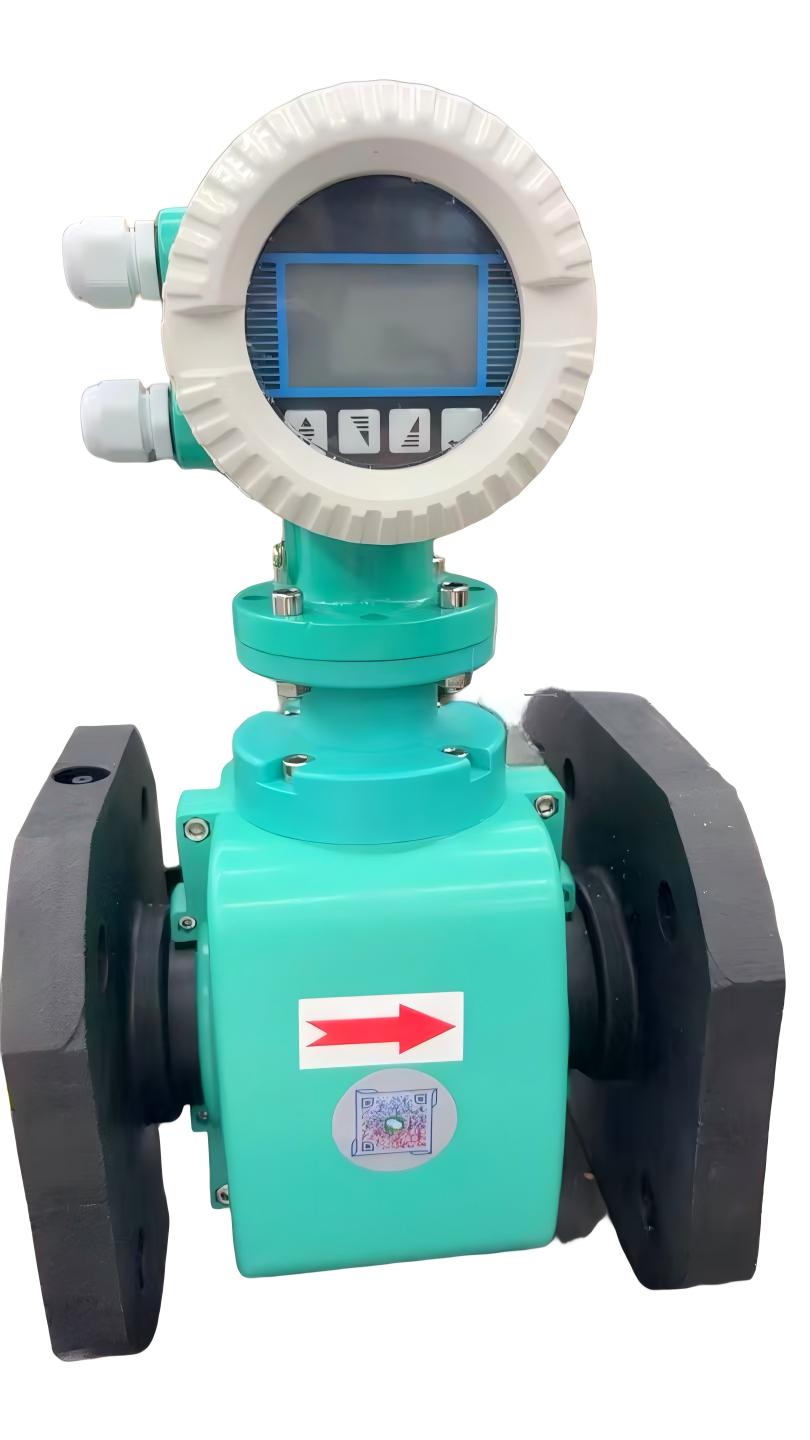
- Precision Monitoring: Products like the LGF electromagnetic flowmeter provide the granular, accurate flow data essential for understanding water consumption patterns and balancing the network.
- Comprehensive Visibility: The 80GHz visual radar level sensor offers precise, non-contact measurement of water levels in reservoirs and tanks, a critical input for the reservoir management and distribution planning highlighted as a key benefit of digital twins.
- Groundbreaking Diagnostics: Ecolor’s multi-band Doppler flow radar represents a leap forward in network maintenance. As the world's only solution offering underground pipe monitoring with an integrated camera, it allows utilities to inspect the health of their hidden infrastructure non-invasively, preventing catastrophic failures and reducing non-revenue water loss.
- Intelligent Connectivity: All this data is seamlessly collected and transmitted by robust remote terminal units like the HERO V9 RTU, ensuring that the digital twin has a reliable, real-time connection to the physical world it represents.
A Resilient Future Built on Data
The dilemma faced in Ypsilanti is a warning for cities and industries worldwide. As the digital economy's thirst for water and energy grows, we can no longer afford to manage these resources in silos. The WEF nexus must evolve from an academic concept into a guiding principle for all future development.
Achieving this requires a dual commitment: integrated policies at the planning level and the widespread adoption of advanced technology at the operational level. By deploying sophisticated sensor networks, utilities can gain the visibility and control needed to manage immense new demands while ensuring resource security for all. Companies like Ecolor Technology are providing the essential building blocks for this smarter, more resilient future, helping to ensure that the progress of the digital age doesn't come at the cost of our most precious resource.
Sources
Recommended Products
Ecolor Technology provides professional instruments for smart water, environmental monitoring & industrial automation: