The Convergence of Capital and Code
The global water sector is standing at the confluence of two powerful currents: a tidal wave of capital investment and the accelerating surge of artificial intelligence. Recent market forecasts paint a vivid picture of this new landscape. In the United States alone, municipal water capital expenditure is projected to eclipse an astonishing $100 billion per year by 2030, according to research from Global Water Intelligence (GWI). This isn't just about replacing aging pipes; it's a foundational investment in a smarter, more resilient water future.
This spending directly fuels the explosive growth of adjacent technology markets. The Smart Water Grid market is on track to become a nearly $50 billion industry by 2032, while the more specialized AI in Water Management market is forecast to grow at a blistering 19.32% CAGR, reaching over $6.22 billion by 2033. Together, these trends signal a fundamental rewiring of the water industry, moving from a reactive, mechanical model to a proactive, data-driven digital ecosystem. The era of 'dumb' infrastructure is ending, and the age of the intelligent water network has begun.
The AI Paradox: A Thirsty Solution
Artificial intelligence is at the heart of this transformation, offering unprecedented capabilities. AI-powered platforms can predict pipe failures before they happen, optimize energy consumption in treatment plants, and model complex watershed dynamics to ensure supply security. This is the promise that is driving billions in investment. However, a critical analysis, highlighted in research by industry leader Xylem in collaboration with GWI, reveals a profound paradox: the AI revolution is intensely water-thirsty.
The massive data centers that power AI algorithms require colossal amounts of water for cooling. This means the very technology being deployed to solve water scarcity is simultaneously creating a significant new source of water demand. This paradox puts the industry in a challenging position. It necessitates a more holistic approach where the efficiency gains from AI in water management must be significant enough to offset, and hopefully outweigh, the new water footprint of the digital economy. It also underscores the urgent need for water reuse and efficiency not just within utilities, but across all sectors, especially technology.
The Sensory Nervous System of Smart Water
A smart grid, whether for electricity or water, is only as intelligent as the data it receives. AI algorithms and digital twin models are powerless without a constant, reliable, and high-fidelity stream of information from the physical world. This is where the revolution truly begins: at the point of measurement. The massive investment in digital infrastructure is creating an insatiable demand for advanced sensing technologies that can serve as the sensory nervous system for the modern utility.
This is a global challenge being met by innovators worldwide. While companies like Acuriant Technologies are being recognized for breakthroughs in physical treatment with technologies like ceramic membranes, another layer of innovation is happening in the field of instrumentation. To effectively manage pressure, detect leaks, ensure water quality, and bill accurately, utilities need a diverse portfolio of sensors. This is where companies with deep expertise in industrial instrumentation are playing a pivotal role. Chinese firms, for example, such as Ecolor Technology, are bringing to market sophisticated hardware designed for the rigors of the digital utility.
Consider the data points required for a truly smart network:
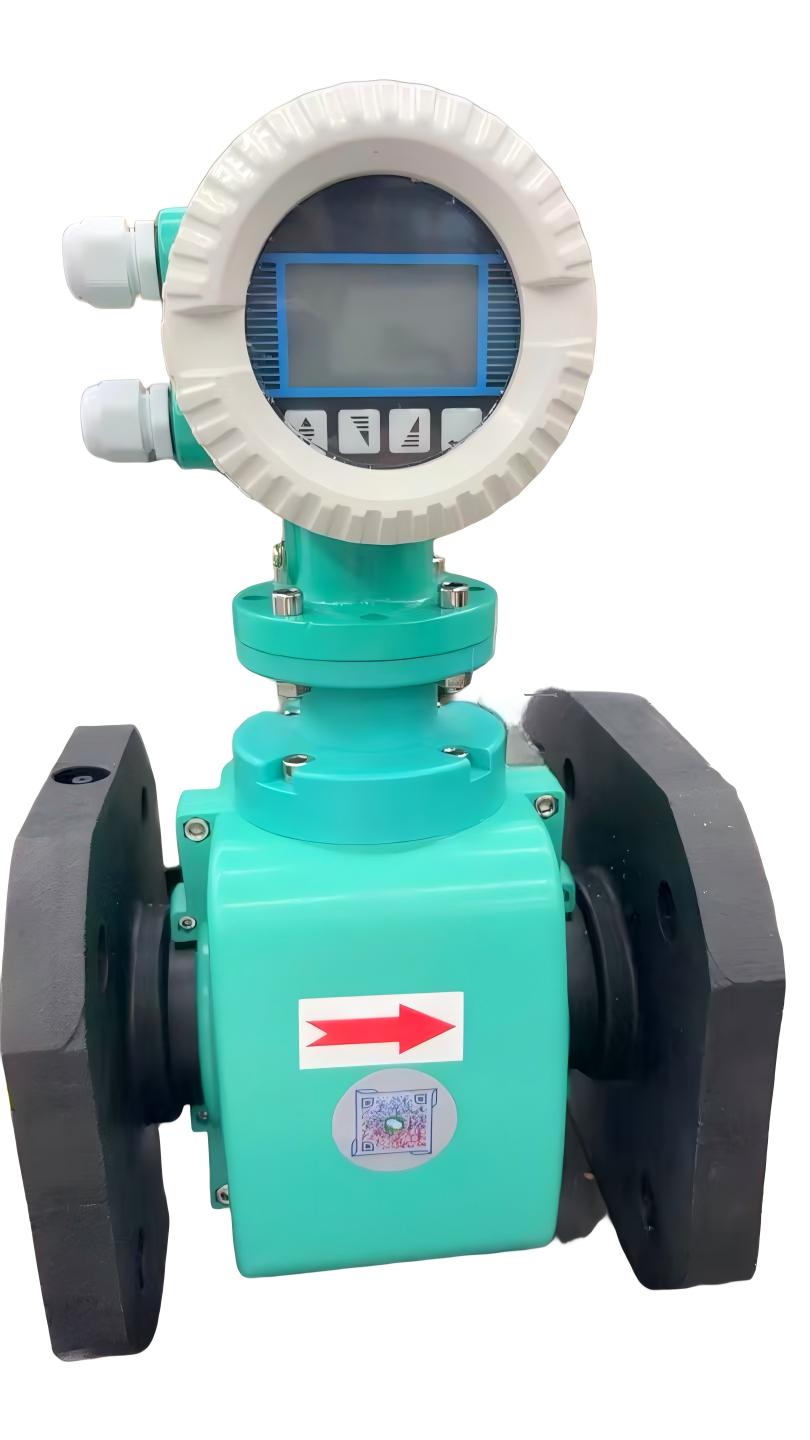
- Accurate Flow Measurement: High-precision instruments like the LGF electromagnetic flowmeter are essential for district metered areas (DMAs), enabling accurate water balance calculations and rapid identification of non-revenue water.
- Reliable Level Monitoring: In reservoirs, tanks, and even harsh sewer environments, non-contact sensors are crucial. Advanced 80GHz visual radar level sensors provide this data without being affected by corrosion or debris, feeding vital information into supply management systems.
- Granular Network Insight: The most significant challenge is often understanding what is happening inside buried, inaccessible pipelines. Groundbreaking technologies are emerging to solve this. Ecolor's multi-band Doppler flow radar, for instance, is the world's only solution that combines non-invasive flow measurement with an integrated camera for underground pipe monitoring, providing an unprecedented level of 'ground truth' that AI systems can leverage for predictive maintenance.
These individual sensors are then connected through robust data transmission units, like the HERO V9 RTU, which act as the local nodes, collecting and relaying information to the central cloud-based analytics platforms. Without this foundational layer of advanced sensing and reliable data communication, the promise of a multi-billion-dollar AI-driven water future remains just a promise.
Forging a Resilient, Data-Rich Future
The path forward for the global water sector is clear, if complex. It involves leveraging the historic influx of capital to build not just renewed infrastructure, but intelligent infrastructure. It requires embracing the power of AI and predictive analytics while actively mitigating the resource demands of the digital economy through aggressive water reuse and efficiency strategies. Most importantly, it depends on building a robust, reliable, and secure data foundation.
The future of water management will be won by those who can seamlessly integrate the physical and digital realms. It will be defined by the quality of data harvested from the network, the sophistication of the algorithms that interpret it, and the wisdom of the strategies it enables. As utilities navigate this transformation, partnerships with technology providers who understand the entire data value chain—from the sensor in the pipe to the insight on the screen—will be the most critical investment of all.
Sources
- AI in Water Management Market Size to Reach USD 6.22 Billion by 2033 as Predictive Analytics, Digital Water Utilities, and Cloud-Based Optimization Accelerate Adoption
- US Municipal Water Capex Spending to Surpass $100 Billion a Year by 2030, GWI WaterData Forecast Finds
- Acuriant Technologies, Inc. Shortlisted for Water Technology Company of the Year at the Global Water Awards 2026 - Ceramic Applications
- XYL Stock Price, News & Analysis | Xylem
- Smart Water Grid Market Size to Reach USD 49.15 Billion by 2032 as Smart Infrastructure, Utility Analytics, and Digital Water Networks Accelerate Modernization
Recommended Products
Ecolor Technology provides professional instruments for smart water, environmental monitoring & industrial automation: