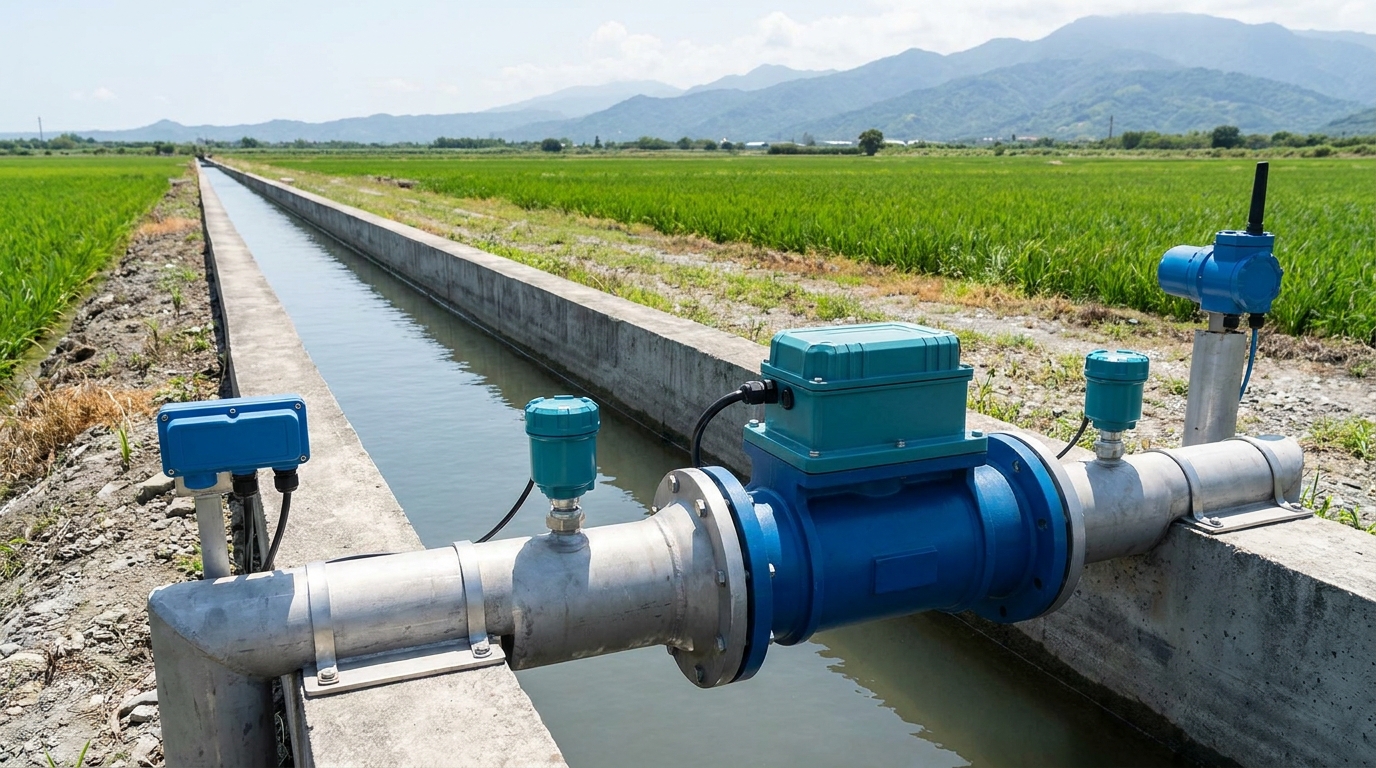
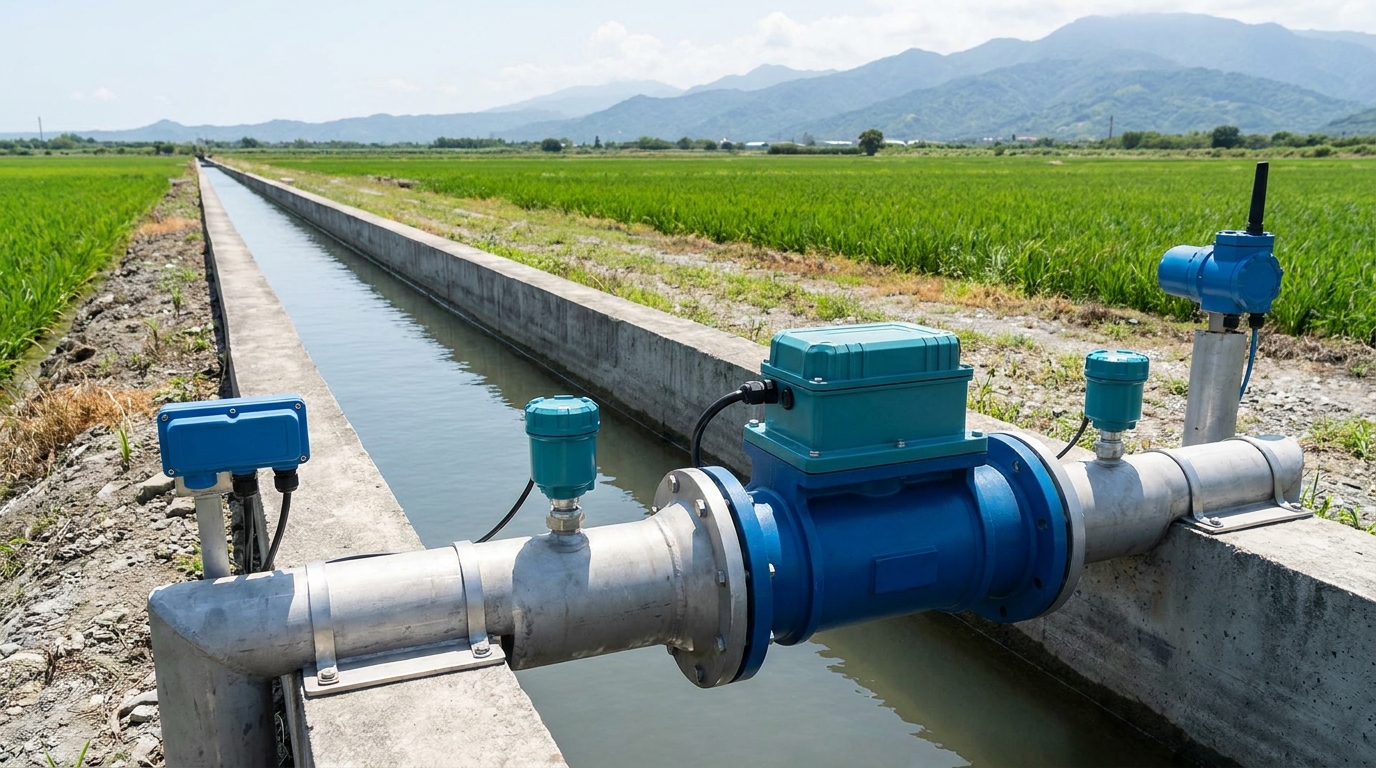
80G Visual Radar Level Gauge Selection Guide: How FMCW Radar + Camera Is Redefining Water Level Monitoring
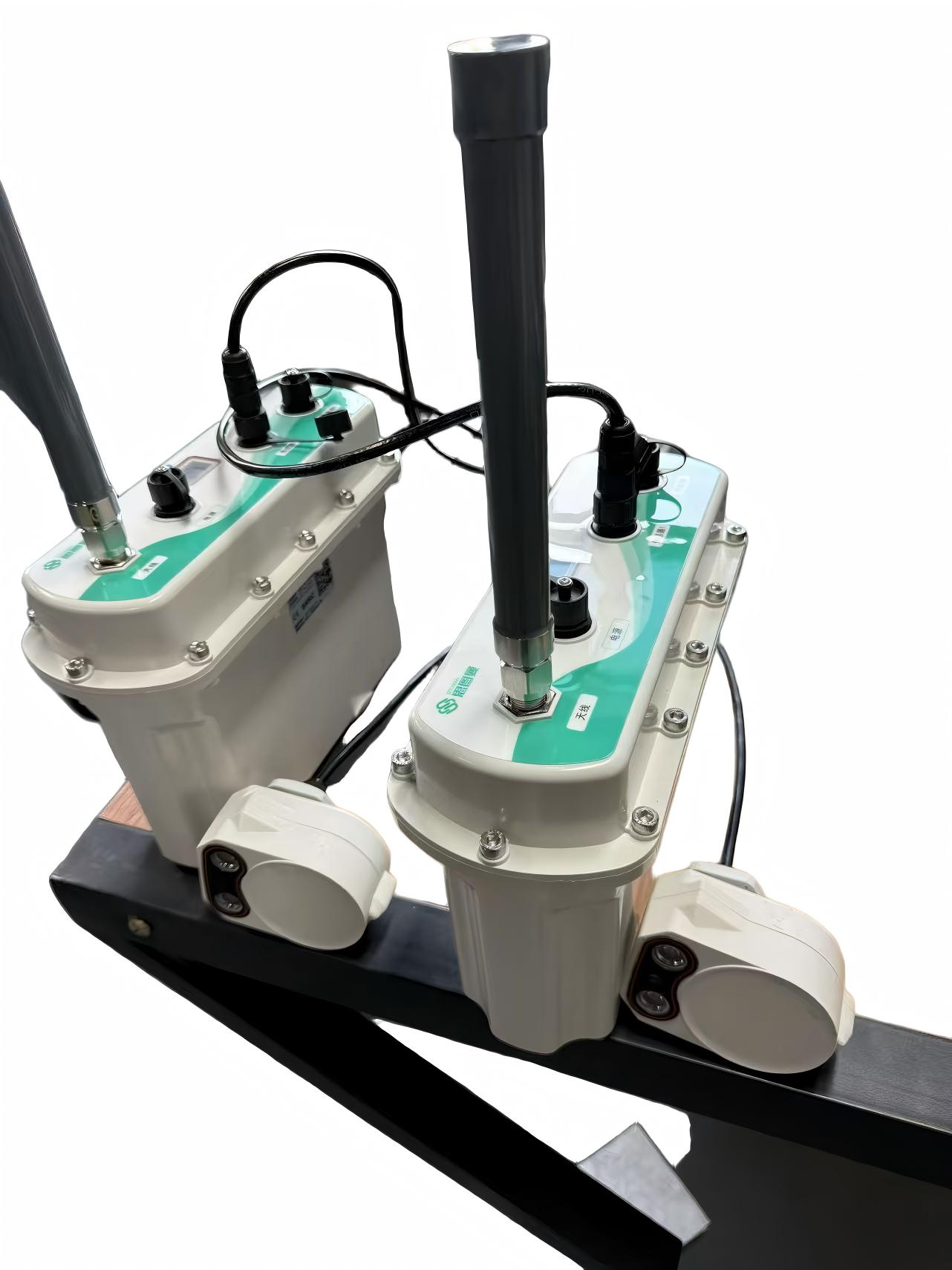
The 80G Visual Radar Level Gauge is a revolutionary solution for urban drainage, river outlets, and water level monitoring, solving the critical "blind spot" in traditional methods. It integrates 80 GHz FMCW radar with a high-definition camera to deliver "precise measurement + visual confirmation," moving beyond simple data to provide actionable on-site intelligence.
When water levels rise abnormally, managers need to know why—whether it's a storm, upstream discharge, or a blockage. This device answers that question, eliminating the need for inefficient and dangerous manual inspections during critical events.
1. Technical Principles: Why 80G FMCW Radar Is the Optimal Choice
Understanding FMCW Radar Ranging Technology
FMCW (Frequency Modulated Continuous Wave) radar emits frequency-varying waves and calculates distance from the frequency difference between sent and reflected signals. Compared to pulse radar, FMCW offers higher resolution (down to millimeter level), lower power consumption for battery operation, and superior interference rejection against multipath reflections.
Key Advantages of 80 GHz Radar Level Gauges
The 80 GHz band provides significant benefits over common 26 GHz radars, especially for confined spaces like pipes and manholes. Its narrow 3°–4° beam angle concentrates energy, minimizing wall reflections and interference, which is critical for accurate urban pipe network monitoring.
Beam Angle
3°–4° (80G) vs. 8°–10° (26G)
Measurement Dead Zone
0.06–0.1 m (80G) vs. 0.3–0.5 m (26G)
Maximum Range
Up to 65 m (80G) vs. 20–30 m (26G)
Resolution
≤1 mm (80G) vs. 3–5 mm (26G)
2. Visual Integration: What the Camera Brings to Level Monitoring
Beyond Basic Imaging: On-Site Intelligence
The integrated camera is not just a viewer; it provides layered value through deep data integration. It enables real-time observation of water surface conditions (calm, turbulent, debris) and visual inspection of discharge outlets for abnormal color or turbidity.
Optional AI-assisted analysis can include floating debris detection, pollution event alerts via color anomaly recognition, and illegal discharge identification. It also automatically captures and archives visual evidence during water level exceedance events.
Smart Image Transmission Strategies
The visual radar level gauge supports multiple strategies to balance power and data needs. These include scheduled capture (e.g., hourly), event-triggered capture during threshold breaches, real-time 4G video streaming, and a low-bitrate mode optimized for NB-IoT communication.
3. Key Parameter and Selection Guide
Range, Accuracy, and Power Specifications
The device offers a maximum range of 65 m, covering most urban pipe and river scenarios, with a measurement accuracy of ±1 mm (meeting Class A hydrological standards) and a resolution of 0.1 mm. For optimal performance, select a range tier with at least 20% headroom over your maximum depth.
| Parameter | Specification |
|---|---|
| Max Range | 65 m |
| Measurement Accuracy | ±1 mm |
| Resolution | 0.1 mm |
| Built-in Battery Life | >2 years (15-min sampling, hourly photo) |
| Communication Interfaces | RS485 (Modbus), 4G, NB-IoT, LoRa, Ethernet |
No-Entry Installation and Flexible Mounting
A major advantage is non-contact, no-entry installation, eliminating confined-space risks. The sensor mounts above the manhole, outlet, or on a bridge side. Options include flange mounting for manhole covers, bracket mounting for railings, and magnetic mounting for rapid deployment on metal structures.
4. Comparison with Traditional Water Level Monitoring Methods
| Dimension | Ultrasonic | Pressure | Float | Visual Radar |
|---|---|---|---|---|
| Accuracy | ±3 mm | ±5 mm | ±2 mm | ±1 mm |
| Installation | Non-contact | Contact | Contact | Non-contact |
| Confined-Space Entry | No | Yes | Yes | No |
| Imaging Capability | None | None | None | HD Camera |
| Battery Life | 6–12 months | 6–12 months | Requires Mains | >2 years |
5. Scenario-Based Selection for Water Level Monitoring
Urban Drainage Pipe Network
Config: 80G Visual Radar + NB-IoT + Battery
Key Need: No confined-space entry, low power, large-scale deployment.
River Discharge Outlet
Config: 80G Visual Radar + 4G + Solar
Key Need: Strong visual evidence, 24/7 situational awareness.
Small-to-Medium River
Config: 80G Visual Radar (65m) + 4G + Solar
Key Need: Long range, high accuracy, flood warning integration.
6. Selection Pitfalls to Avoid
Do not rely solely on maximum range specs; real-world factors like foam can reduce effective range. Evaluate power consumption at your actual sampling duty cycle, not peak or sleep mode. Ensure camera quality is at least 2 MP with IR for night use, and verify IP68 ratings with test reports.
Most importantly, focus on the beam angle (3°–4° for premium 80G radars) rather than just the frequency, as this is critical for performance in narrow pipe applications.
Conclusion: The Future of Visual Water Level Monitoring
The 80G Visual Radar Level Gauge represents the new frontier, transitioning from "blind measurement" to "visual intelligence." The fusion of millimeter-level FMCW radar accuracy and HD camera situational awareness delivers an unprecedented solution for urban drainage, river outlets, and hydrological monitoring.
For detailed technical specifications or application solutions, visit www.cssoc.com or call 400-808-9114 to speak with our water conservancy solution experts.
Recommended Products
Ecolor Technology provides professional instruments for smart water, environmental monitoring & industrial automation: