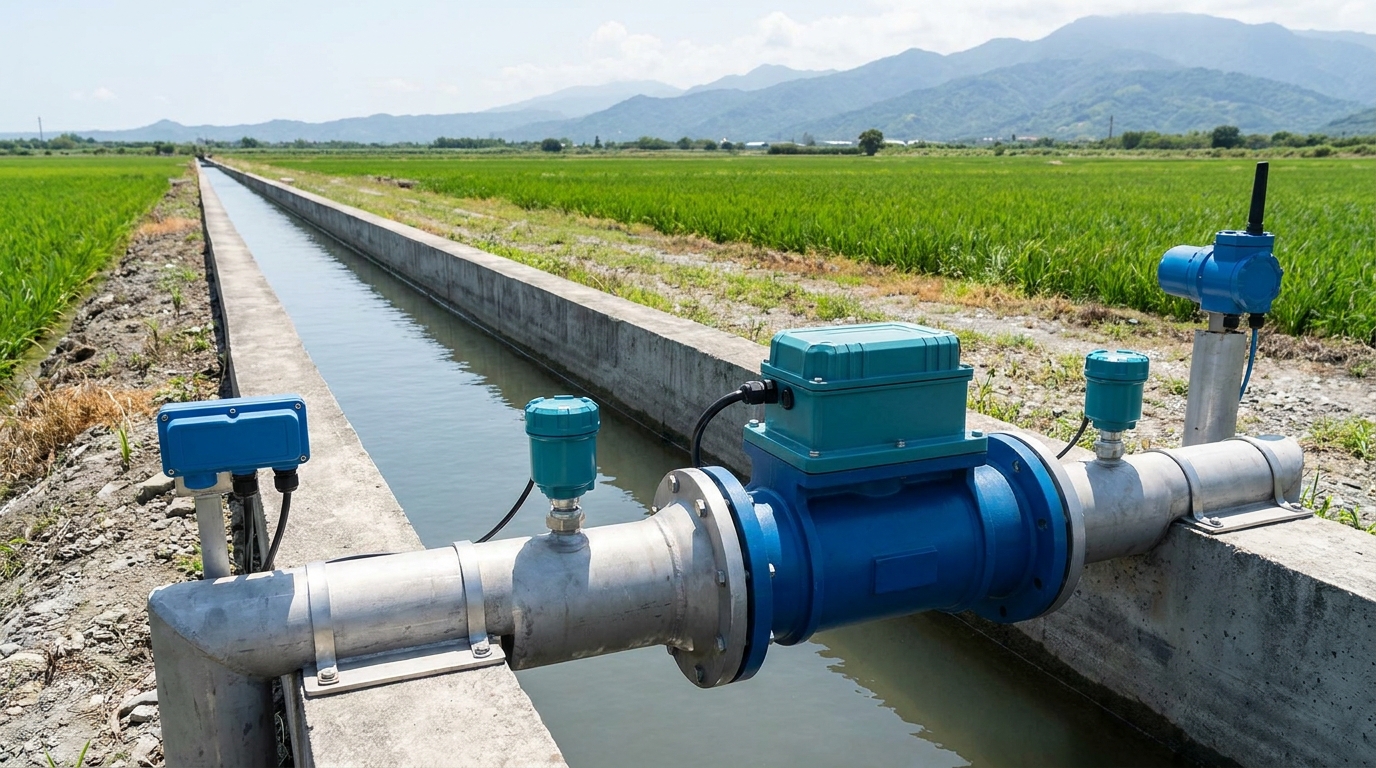
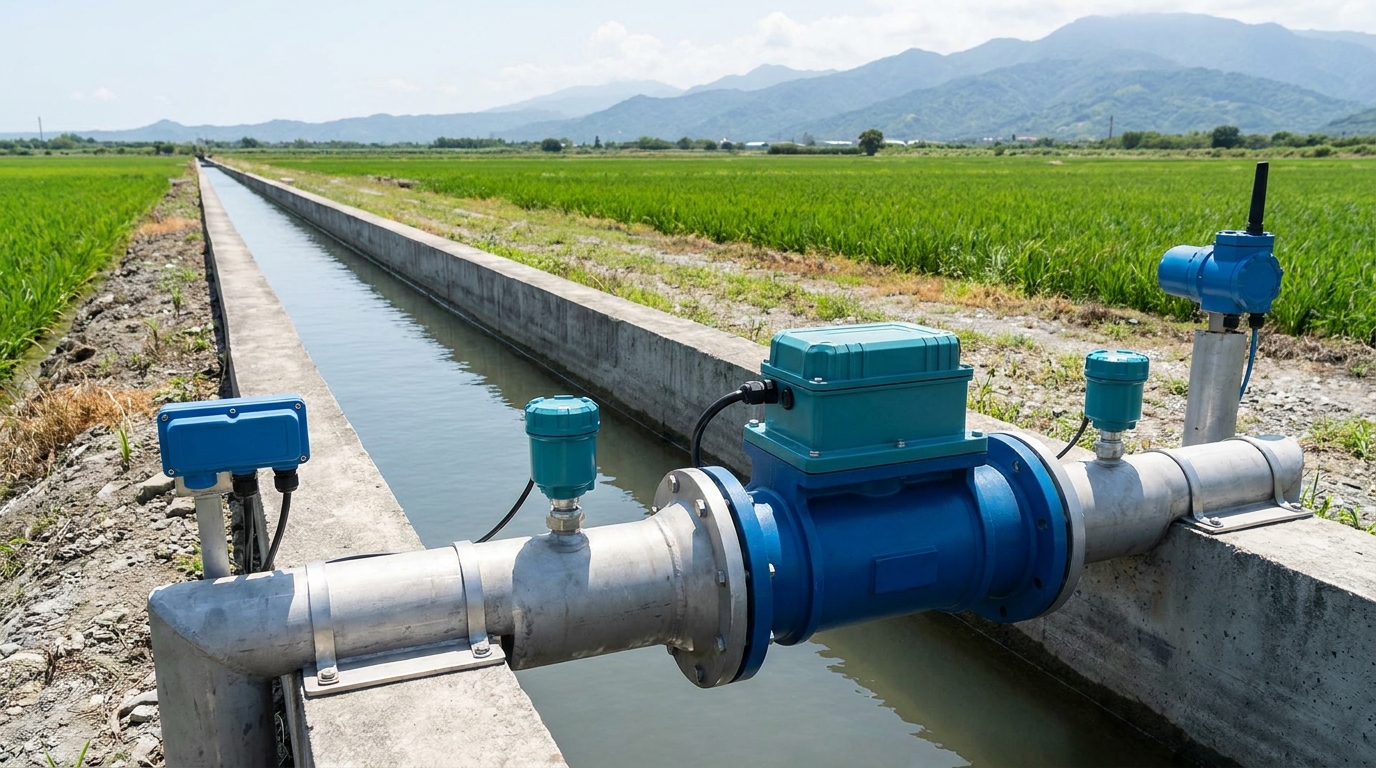
Hydrological RTU Telemetry Terminal Selection Guide: HERO V9 vs Mainstream RTU Products
A Full Dimension Comparison for Water IoT Systems
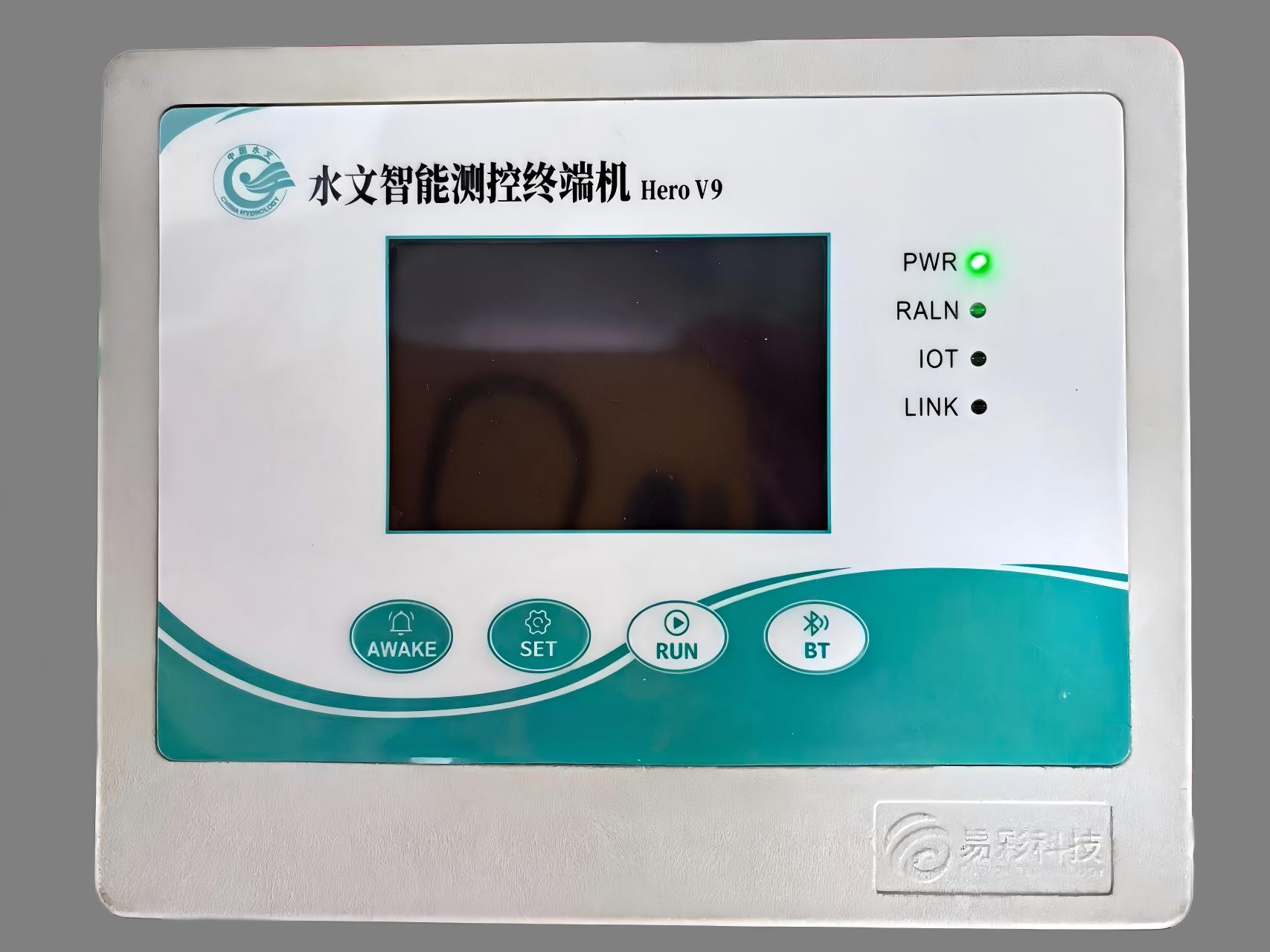
The RTU: The "Brain" of Water IoT
In the water information technology ecosystem, the RTU (Remote Terminal Unit) serves as the central hub connecting field sensors to backend platforms. It handles data acquisition, protocol conversion, local storage, remote communication, and equipment control — essentially the hardest-working device in the entire monitoring system.
Choosing the right RTU is critical for system efficiency. This guide provides a systematic selection reference based on core evaluation dimensions for hydrological RTUs, using the technical capabilities of the HERO V9 Series RTU Intelligent Terminal as a benchmark.
Core Selection Dimensions for Hydrological RTUs
1. Hydrological Protocol Compatibility
This is the most fundamental difference between hydrological RTUs and industrial RTUs. The water industry has its own unique communication protocol ecosystem. A qualified hydrological RTU must have these protocol stacks built in, rather than relying on external gateways.
The HERO V9 series fully supports SL651-2014, SL180-2015, SZY206-2016, and HJ212-2017 protocols and can run multiple protocols simultaneously on a single device.
| Protocol Standard | Applicable Scope | Core Requirements |
|---|---|---|
| SL651-2014 | Hydrological telemetry systems | Data message format, communication procedures |
| SL180-2015 | Hydrological data encoding | Data encoding and transmission standard |
| SZY206-2016 | Water resource monitoring | Water consumption data collection |
| HJ212-2017 | Pollution source monitoring | Environmental monitoring data collection |
2. Data Acquisition Capability for Monitoring Stations
An RTU's acquisition capability determines how many types and channels of sensors it can interface with, from 4–20 mA flowmeters to SDI-12 hydrological sensors. The HERO V9 RTU configuration represents a mid-to-high-end level among comparable products.
It can simultaneously interface with flowmeters, level gauges, rain gauges, and water quality sensors — meeting the full data acquisition requirements of a complete hydrological monitoring station.
Analog Inputs
8 channels of 4–20mA, 16-bit ADC, 0.05% accuracy for level and pressure sensors.
Digital & Serial Inputs
4 isolated RS485 ports, 2 SDI-12 channels, 8 digital inputs for pump status.
Control & Pulse
4 relay outputs for control, 4 pulse inputs for rain gauges and flowmeters.
3. Communication Methods for Remote Data Transmission
Hydrological monitoring stations are typically located in remote areas, making communication method selection critical for data transmission reliability. The HERO V9 supports 4G, NB-IoT, BeiDou Satellite, LoRa, and Ethernet in various combinations.
It features up to three simultaneous communication links for primary/backup switching. During storms, if 4G fails, the RTU automatically switches to BeiDou satellite, ensuring critical flood data is not interrupted.
4. IP68 Protection & Environmental Adaptability
Hydrological RTUs operate in harsh conditions: humid station houses, outdoor cabinets, flooded manholes, and lightning-prone dams. The HERO V9 RTU Intelligent Terminal is built to withstand these extremes.
| Parameter | HERO V9 Specification |
|---|---|
| Protection Rating | IP68 (submersible) |
| Operating Temperature | -40°C to +70°C |
| Lightning Protection | Full-port protection per GB/T 17626.5 |
| EMC Compliance | GB/T 17799.1 |
5. Ultra-Low Power Consumption for Solar-Powered Stations
Most hydrological monitoring stations rely on solar + battery power. The HERO V9's power efficiency directly reduces power system cost and size. In deep sleep, it consumes less than 0.1 mA.
In a typical mode (acquisition every 5 minutes, reporting hourly), with a 20W solar panel and 20Ah battery, the system can operate continuously for 15 days without sunlight.
6. Data Storage and Reliable Store-and-Forward
Data storage capacity is a critical indicator of RTU reliability. The HERO V9 features built-in 32 GB high-capacity storage, capable of storing at least 365 days of monitoring data.
It supports full store-and-forward: all data is stored locally during connectivity loss and automatically retransmitted upon network recovery, ensuring zero data loss.
Differentiating Advantages of the HERO V9 RTU
Integrated Data Acquisition + Control Logic
Many RTUs only handle data acquisition. The HERO V9's built-in 4-channel relay outputs and programmable logic control functions enable automatic pump or gate control based on water level thresholds.
This means a single HERO V9 can serve as both a telemetry RTU and a local PLC, reducing equipment count and system complexity for irrigation or pump control.
Edge Computing for Smart Water Monitoring
Powered by a high-performance ARM processor, the HERO V9 performs meaningful edge computing. This includes data preprocessing, sensor fault detection, and multi-sensor fusion for event recognition like approaching floods.
It enables adaptive acquisition, switching to high-frequency mode during anomalies, which optimizes data relevance and communication costs.
Remote O&M Management for Watershed Deployment
The HERO V9 supports cloud-based remote operations and maintenance, including OTA firmware updates, remote diagnostics, and automated health reports. For dozens of RTUs across a vast watershed, this capability drastically reduces field visits and operational costs.
Typical HERO V9 Configuration Solutions
Standard Hydrological Station
- Sensors: Radar level gauge, rain gauge, temperature sensor.
- RTU Config: 1× RS485, 1× pulse, 1× 4–20mA, 4G + BeiDou backup.
- Protocol: SL651-2014.
Irrigation District Metering
- Sensors: Electromagnetic flowmeter, level gauge, gate sensor.
- RTU Config: 2× RS485, 4G, relay output for gate control.
- Protocol: SZY206-2016.
River Outfall Monitoring
- Sensors: Flow radar, COD/ammonia/conductivity sensors.
- RTU Config: 3× RS485, 4G+Ethernet, dual-protocol operation.
- Protocol: SL651-2014 + HJ212-2017.
Urban Pipe Network Point
- Sensors: Visual radar level gauge.
- RTU Config: 1× RS485, NB-IoT communication.
- Protocol: Custom MQTT/JSON, ultra-low power mode.
Common RTU Selection Mistakes to Avoid
Key Pitfalls in Hydrological RTU Procurement
- Mistake 1: Counting Interface Quantity, Not Quality: Ensure RS485 channels are independently isolated, like on the HERO V9, for simultaneous multi-device communication.
- Mistake 2: Neglecting Lightning Protection: Full-port protection is essential. A single strike can destroy an unprotected RTU and its data.
- Mistake 3: Ignoring Scalability: Allow at least 30% interface headroom for future sensor expansion in your water monitoring project.
- Mistake 4: Comparing Device Price, Not System Cost: An unreliable RTU can cause data loss and high rework costs. Base selection on total system economics.
Conclusion: The Intelligent Core for Water IoT
The hydrological RTU telemetry terminal is the core component determining overall system reliability and O&M costs. The HERO V9 series, with its comprehensive protocol support, rich interfaces, IP68 protection, ultra-low power, integrated control, edge computing, and remote O&M, provides a reliable and cost-effective solution for all hydrological monitoring scenarios.
For detailed technical documentation, configuration solutions, or project support for the HERO V9 RTU Intelligent Terminal, please contact us.
Service Hotline
400-808-9114
Ecolor Technology (Hangzhou) | Situman Sensor Manufacturing | HuaYu ZhongNeng System Integration
Recommended Products
Ecolor Technology provides professional instruments for smart water, environmental monitoring & industrial automation: