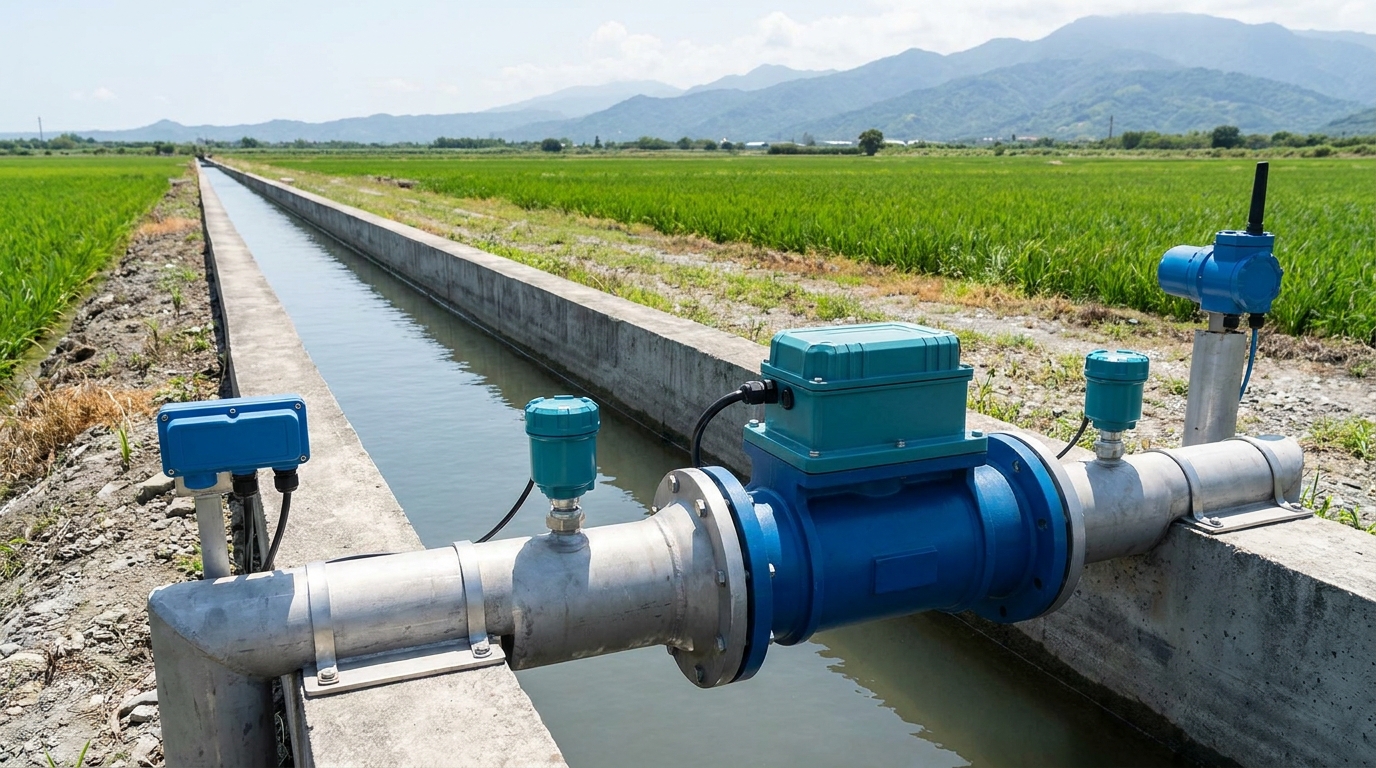
RTU Terminal Performance Optimization Guide: Improving Data Collection Efficiency and Reliability
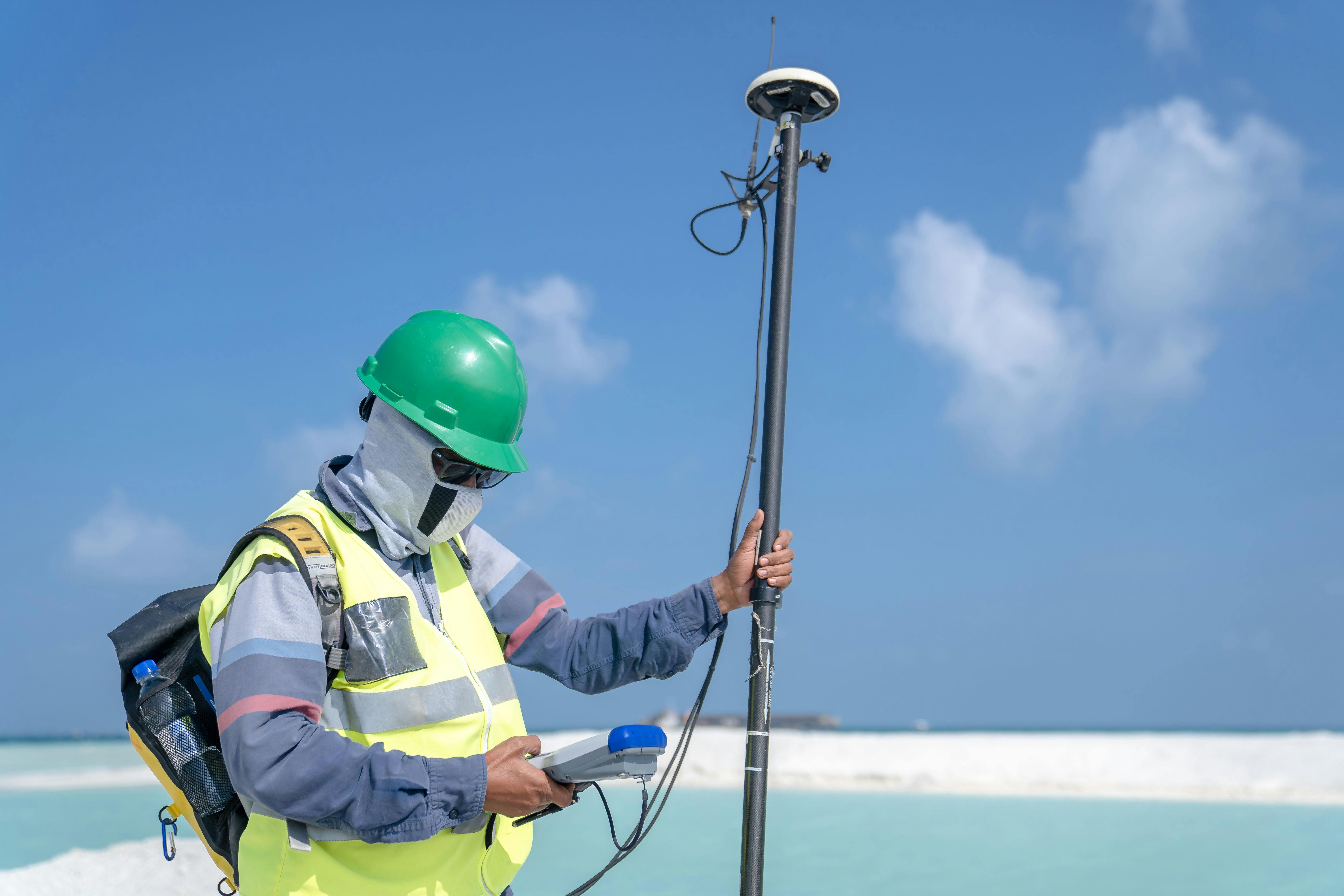
This complete guide to RTU intelligent terminal performance optimization provides essential strategies for engineers in water resources and environmental protection. With the rapid development of IoT technology, ensuring the stable and efficient operation of RTU equipment is critical for reliable remote monitoring and data collection.
Key Points for RTU Hardware Performance Optimization
The HERO V9 utilizes an ARM Cortex-A7 processor, providing powerful data processing capabilities. To fully leverage the hardware performance of your RTU terminal, it is recommended to optimize the power supply solution and arrange sensors rationally.
Properly configure the solar power system to ensure continuous and stable device operation. Scientifically plan the use of RS485/4-20mA interfaces to avoid signal interference and ensure the device's protection level meets the on-site environmental requirements.
Strategies for RTU Communication Performance Enhancement
In remote monitoring applications, communication quality directly impacts data acquisition effectiveness. The HERO V9 supports 4G/NB-IoT dual-mode communication, offering flexibility for various field conditions.
Recommendations include selecting the optimal network mode based on the on-site signal strength. You should also optimize the acquisition frequency by setting a reasonable data collection cycle and enable data compression to reduce transmission traffic.
Processor
ARM Cortex-A7
Communication
4G / NB-IoT Dual-Mode
Interfaces
RS485 & 4-20mA
Optimization of SL651 Hydrological Protocol Application
As a standard protocol in the water resources industry, the proper implementation of SL651 is crucial for the stable operation of telemetry terminals. Correct configuration ensures seamless data reporting and system integration.
Optimization suggestions include standardizing configuration parameters strictly according to the protocol requirements. Implement data verification by enabling CRC checks to ensure data transmission accuracy and optimize the retransmission mechanism.
Routine Maintenance and Fault Prevention for RTUs
Regular maintenance is key to ensuring the long-term stable operation of RTUs and maximizing data collection reliability. Proactive measures prevent unexpected downtime and data loss in critical monitoring applications.
It is recommended to conduct regular hardware inspections, checking key components such as wiring terminals and lightning arresters quarterly. Use the remote monitoring platform to keep track of device status in real-time and perform timely firmware updates.
Professional RTU Optimization Support
Ecolor Technology specializes in the R&D and manufacturing of intelligent telemetry terminals. Its SituMan brand provides professional sensor solutions, while HuaYu Zhongneng handles system integration services.
For more information on RTU intelligent terminal optimization solutions and improving data collection efficiency, please call 400-808-9114 or visit www.cssoc.com for professional support.
Recommended Products
Ecolor Technology provides professional instruments for smart water, environmental monitoring & industrial automation: