In the high-stakes world of national water conservancy and hydrological monitoring projects, the final milestone—project acceptance—often becomes the most significant hurdle. Teams can spend months designing, procuring, and installing sophisticated sensor networks, only to face crippling delays at the final gate. The reason is rarely a catastrophic hardware failure; more often, it's a subtle yet critical breakdown in communication. The culprit? Non-compliance with mandatory national data protocols, specifically China's SL651 technical specification for hydrological telemetry systems. This single point of failure can stall payments, inflate budgets, and tarnish reputations. For project managers and engineers, navigating this challenge is paramount, and the solution lies in choosing a RTU telemetry terminal engineered from its core for seamless, first-pass compliance.
The Hidden Costs of Protocol Non-Compliance
Large-scale hydrological projects are complex undertakings with tight deadlines and significant capital investment. The final acceptance phase is where the contracting authority, often a government water bureau, verifies that the entire system performs as specified. A central part of this verification is ensuring that field data from remote monitoring stations can be correctly received and parsed by the central water monitoring SCADA platform. When an RTU fails to communicate according to the strictures of the SL651 protocol, the consequences are immediate and severe:
- ✅ Project Delays & Payment Halts: Acceptance failure means the project is not officially complete. This can halt final payments for weeks or even months while engineers scramble to find a solution, directly impacting the contractor's cash flow.
- ✅ Budget Overruns: The cost of troubleshooting protocol mismatches is substantial. It involves deploying senior engineers to the field, potential hardware replacement, and extensive software debugging. These un-budgeted expenses can erode project profitability, with industry analyses suggesting that acceptance-related delays can add 10-15% to the total project cost.
- ✅ Data Gaps and Operational Inefficiency: While the system is pending acceptance, it is not officially operational. This means critical hydrological data—such as river levels for flood warnings or reservoir capacity for water allocation—is not being collected, defeating the project's primary objective.
- ✅ Reputational Damage: For system integrators and engineering firms, failing an acceptance test can damage their reputation, making it harder to win future government tenders.
Deconstructing SL651: The Lingua Franca of Chinese Hydrology
The "Technical Specification for Hydrological Telemetry System (SL651-2014)" is more than just a guideline; it is the mandated language for all hydrological data acquisition systems in China. Its purpose is to ensure interoperability, allowing provincial and national water authorities to aggregate data from thousands of monitoring stations equipped with hardware from different manufacturers. A truly compliant RTU must correctly implement every facet of the protocol, including:
- ✅ Precise data frame structures for various hydrological parameters.
- ✅ Specific command-and-response handshakes between the RTU and the SCADA master.
- ✅ Standardized methods for remote configuration, time synchronization, and data re-transmission.
- ✅ Robust error-checking and communication-state management.
Many international or generic RTUs claim compatibility, but often implement the protocol as an afterthought. This partial implementation is the primary cause of failure during rigorous acceptance testing. True compliance requires the protocol to be embedded in the device's core firmware, tested against dozens of regional SCADA platforms, and maintained by a team that deeply understands the nuances of the Chinese water industry.
For a project manager, the most valuable asset is certainty. Choosing a pre-validated, natively SL651-compliant RTU transforms the project acceptance phase from a high-risk gamble into a predictable, streamlined process. It's an investment in risk mitigation.
The Ecolor HERO V9: Engineered for First-Pass Acceptance
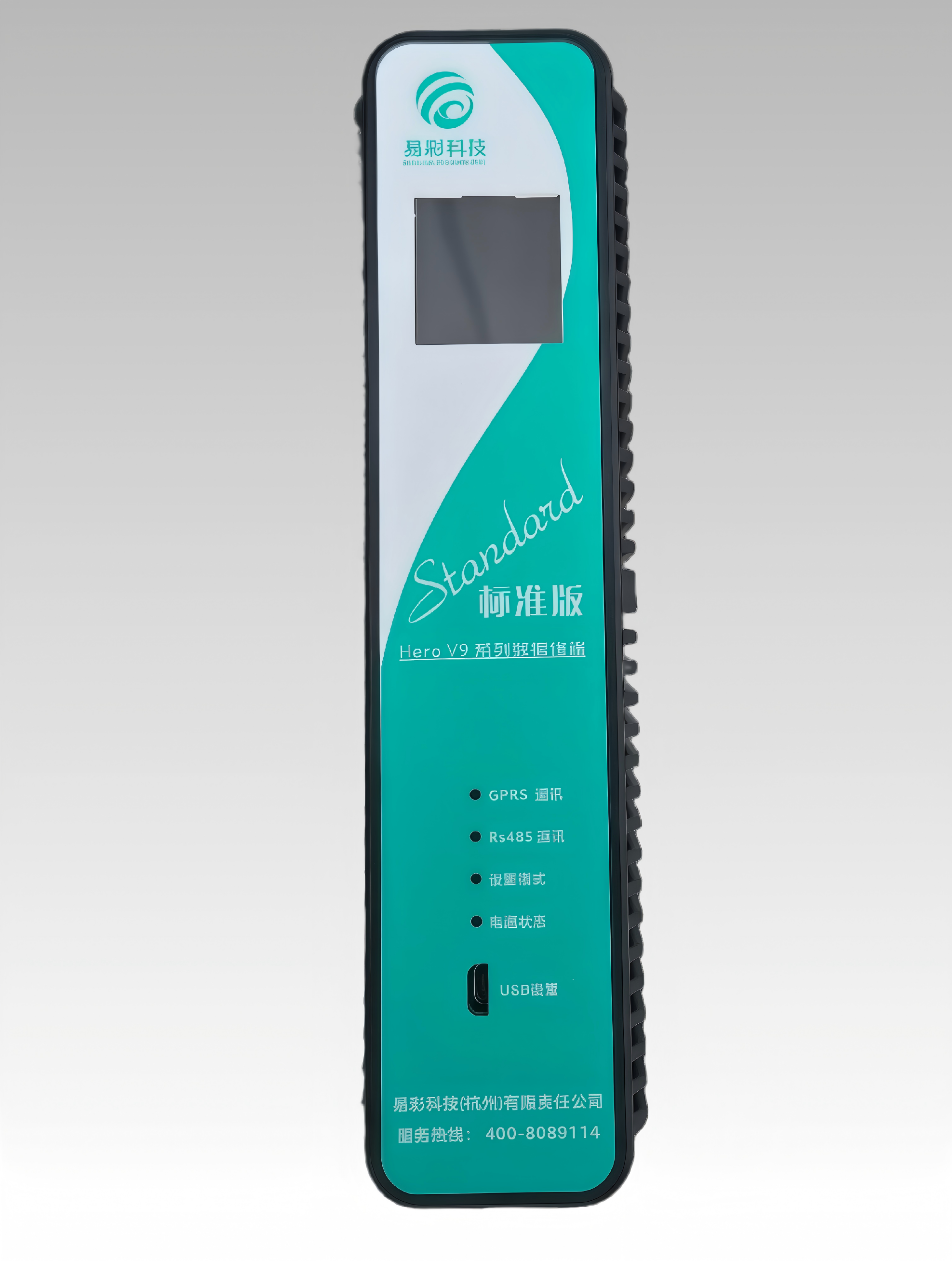
At Ecolor Technology, we recognized that compliance is not a feature, but a foundational requirement. Our HERO V9 series RTU telemetry terminal was designed specifically to address the challenges of project acceptance in the Chinese water market. Its native, rigorously tested support for the SL651 and SL180 protocols ensures that it integrates flawlessly with government monitoring platforms, effectively de-risking the final project phase.
? Ecolor HERO V9 RTU Telemetry Terminal
The HERO V9 is a powerful, low-consumption RTU built on an ARM Cortex-A7 processor. It offers versatile 4G/NB-IoT communication, multiple RS485 and 4-20mA inputs for a wide range of sensors, and a solar-ready design for off-grid deployment. Its core strength lies in its firmware, which provides native, fully-vetted support for the SL651 and SL180 hydrological protocols, guaranteeing seamless integration and first-pass project acceptance.
The Compliance Dividend: A Tale of Two Projects
Consider the divergent paths of two identical hydrological monitoring projects, differing only in their choice of RTU.
Project A: Using a Generic RTU
The team selects an RTU with 'claimed' SL651 support. During commissioning, engineers spend 40+ man-hours debugging data parsing errors with the central platform. The formal acceptance test fails due to incorrect command responses. The result is a 2-month delay, requiring costly firmware patches from the manufacturer and multiple site visits. The project's profit margin is significantly reduced.
Project B: Using the Ecolor HERO V9
The team specifies the HERO V9 RTU. During commissioning, the device connects to the central platform and begins transmitting perfectly formatted data within minutes. The formal acceptance test is passed on the first attempt. The project is completed on schedule and on budget, the client is satisfied, and the final payment is released promptly, strengthening the contractor's relationship with the water authority.
Beyond Acceptance: Building a Foundation of Data Integrity
Achieving first-pass acceptance is a critical short-term goal, but the benefits of using a standards-compliant RTU extend throughout the system's lifecycle. A foundation built on protocol adherence ensures long-term data integrity, which is the ultimate goal of any monitoring network. When the hydrological data acquisition process is robust and standardized, the data delivered to the water monitoring SCADA system is reliable, accurately timestamped, and free from corruption. This high-quality data is essential for accurate flood forecasting, efficient water resource management, and informed policy-making.
Furthermore, working with a specialized partner like Ecolor Technology provides a degree of future-proofing. As standards like SL651 evolve, our dedicated firmware teams release updates for the HERO V9, ensuring your deployed network remains compliant and operational for years to come. This commitment to the local regulatory landscape is something generic hardware providers cannot match.
In conclusion, the selection of an RTU is a strategic decision that echoes through every phase of a water project. By prioritizing native compliance with essential standards like SL651, project managers and engineers can eliminate the single greatest risk to on-time, on-budget project completion. The Ecolor HERO V9 RTU is not just a piece of hardware; it is an assurance policy against the costly delays and frustrations of non-compliance, allowing you to focus on what truly matters: collecting accurate, actionable water data.
See What You Measure
To ensure your next hydrological project passes acceptance the first time, explore the technical specifications of our standards-compliant monitoring solutions and the HERO V9 RTU. Visit us at www.cssoc.com to learn more.
Sources:
- Ministry of Water Resources of the People's Republic of China. (2014). SL 651-2014 Technical specification for hydrological telemetry system.
- Global Water Intelligence (GWI) Reports on Digital Water Market Trends.
Recommended Products
Ecolor Technology provides professional instruments for smart water, environmental monitoring & industrial automation: