The New Water Monitoring Battlefield: Why Integration Matters
Water quality monitoring is no longer a siloed exercise. A river cross-section station, a drinking water terminal, an industrial park discharge outlet, or a general environmental water site—each demands continuous, reliable data on both quality and quantity. Yet many projects still rely on standalone instruments from different suppliers, creating integration headaches, data gaps, and inflated maintenance costs. The global shift toward online IoT-driven monitoring is accelerating: the water quality monitoring market is projected to reach USD 6.4 billion by 2029, driven by stricter regulations and the need for real-time decision-making. In China alone, the number of national surface water monitoring stations has grown to over 3,800, with thousands more at provincial and municipal levels. These stations now demand simultaneous flow and multi-parameter water quality data. Ecolor Technology (Hangzhou) answers this call with a battle‑proven one‑stop solution: SITUMAN sensors + HERO V9 RTU + LGF electromagnetic flowmeter, a unified architecture that covers river sections, drinking water terminals, park discharge, and environmental water in a single, cost‑effective package.
Four Battlefields, One Integrated System
1. River Cross-Sections: Meeting National Monitoring Mandates
Monitoring river sections for parameters like pH, dissolved oxygen, turbidity, and flow is the backbone of surface water management. China’s GB 3838-2002 standards set strict Class I–V limits for over 100 parameters, driving the need for automatic stations that stream data to provincial and national platforms. Traditional setups often struggle with integration complexity—different sensor brands, separate dataloggers, and non‑standard communication protocols cause commissioning delays and data inconsistencies. Ecolor’s approach simplifies everything: a single HERO V9 RTU polls SITUMAN’s pH, turbidity, DO, and conductivity sensors along with the LGF flowmeter, packages the data into the SL651‑2014 hydrological protocol, and uploads it to the regulatory platform. The RTU’s native SL651 support ensures that projects pass acceptance on the first attempt, a critical advantage for water utilities and system integrators.
2. Drinking Water Terminals: From Plant to Tap
At the tap, real-time turbidity, residual chlorine, pH, and conductivity data are non‑negotiable for public health. The WHO Guidelines for Drinking‑water Quality and China’s new Sanitary Standard for Drinking Water (GB 5749‑2022) mandate tighter limits on disinfection by‑products and turbidity. A drinking water terminal monitoring station must operate 24/7, often in cramped spaces with minimal maintenance. Ecolor’s solution leverages SITUMAN’s low‑drift residual chlorine sensor and turbidity sensor, paired with the HERO V9 RTU’s low‑power design and IP68 weatherproof enclosure. This allows wall‑mounted or pole‑mounted installations directly in distribution networks, eliminating the need for expensive analyzer buildings. The integrated LGF flowmeter, available from DN15 to DN300, captures water quantity, enabling utilities to calculate water age and manage disinfection processes dynamically. Procurement managers appreciate the single‑vendor accountability and the fact that the entire station can be pre‑calibrated and delivered as a kit.
3. Industrial Park Discharge: Compliance and Real‑Time Alarms
Wastewater discharge monitoring in industrial parks is one of the most demanding applications. Effluent can contain shock loads, high suspended solids, and corrosive chemicals. Regulators require continuous COD, ammonia, pH, flow, and increasingly heavy metals surveillance. Ecolor’s answer is a rugged, all‑in‑one monitoring station. SITUMAN’s industrial‑grade conductivity and pH sensors use chemically resistant materials, while the LGF flowmeter’s injection‑molded PTFE lining solves the liner‑lifting problem that plagues conventional rubber‑lined meters in acidic/basic waste streams. The HERO V9 RTU triggers alarms when thresholds are breached and can directly control samplers or valves. A key statistic: according to China’s Ministry of Ecology and Environment, industrial pollution incidents dropped by 32% in regions where real‑time discharge monitoring was implemented. With Ecolor’s solution, park operators gain a turnkey system that reduces false positives and delivers auditable data streams to both the enterprise and the local EPA.
4. Environmental Water: Lakes, Reservoirs, and Wetlands
Environmental water monitoring often takes place in remote, unpowered sites—think lakes, reservoirs, and wetlands where algal blooms and eutrophication must be tracked. Solar‑powered stations with cellular or satellite connectivity are the norm. Ecolor’s hero in this arena is the extreme‑environment HERO V9 RTU, built with IP68 submersible capability and ultra‑low sleep current for years of battery‑backed operation. The SITUMAN dissolved oxygen and turbidity sensors require minimal cleaning thanks to automatic wipers, a crucial feature when biofouling is a constant threat. Data from such stations feeds directly into lake ecological models. With the LGF flowmeter monitoring tributary inflows and outflows, authorities get a complete picture of water balance and pollutant loading—all from one supplier.
? Industry Insight: An integrated approach reduces station CAPEX by 20‑35% and annual OPEX by 30‑50% compared to multi‑vendor systems, according to an internal study by a leading Chinese system integrator. Ecolor’s unified platform directly addresses the cost‑quality‑integration trilemma faced by modern water monitoring programs.
Inside the Integrated Solution: Products That Deliver
? SITUMAN Water Quality Sensors
Covering pH, turbidity, dissolved oxygen, conductivity, and residual chlorine—all with digital outputs, automatic temperature compensation, and low‑drift electrode technology. Designed for continuous online operation with ±0.5% F.S. accuracy and field‑replaceable cartridges. Manufactured by Ecolor’s sensor sub‑brand SITUMAN.
? HERO V9 RTU
The brain of the station. Native SL651‑2014 protocol stack guarantees hassle‑free integration with China’s national water data platform. IP68 rated, ultra‑low power (μA-level sleep), supports RS485, SDI‑12, and 4‑20mA sensor inputs. Local storage for 10+ years of data, 4G/Cat‑1/NB‑IoT uplink. Key for river section and remote monitoring.
? LGF Electromagnetic Flowmeter
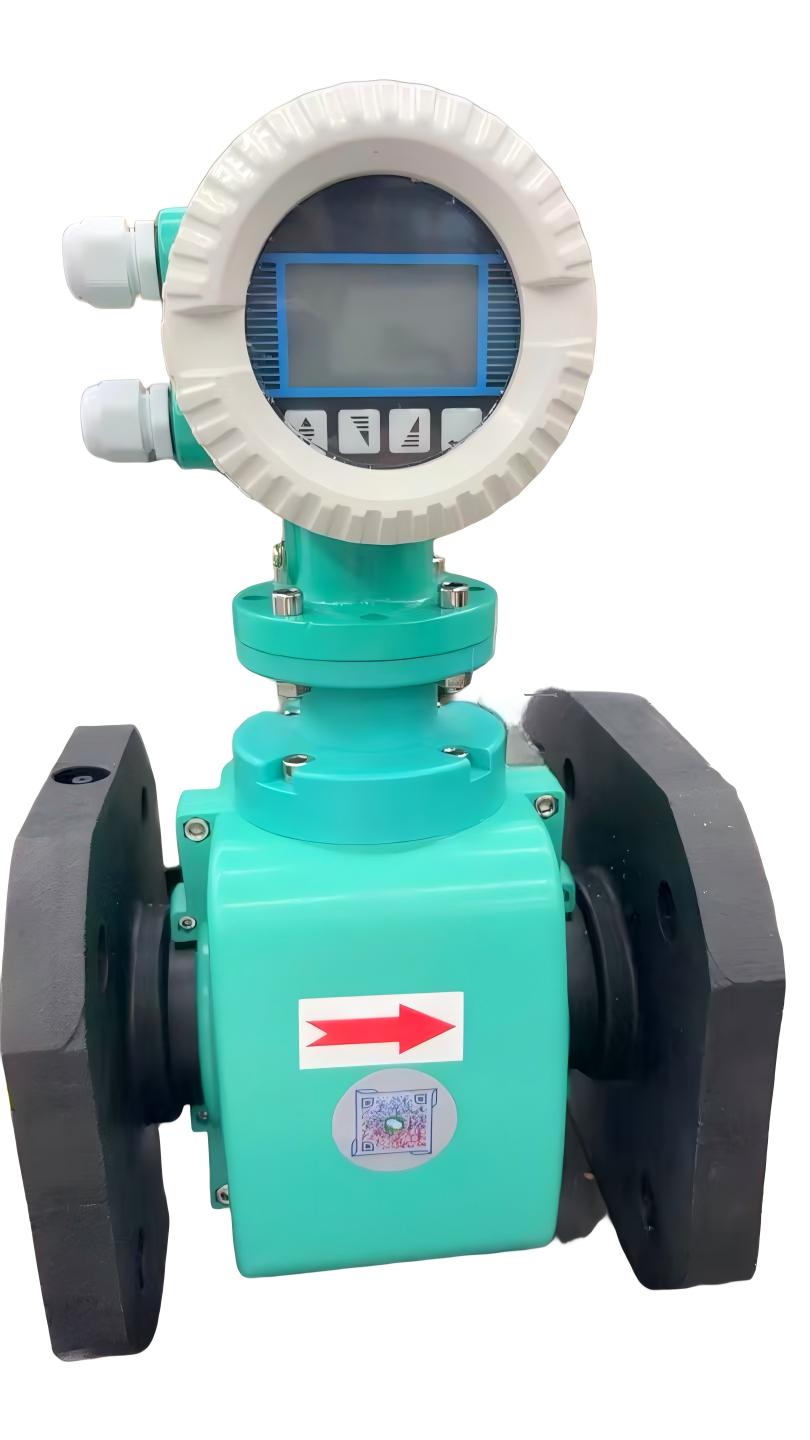
Revolutionary injection‑molded body with integral PTFE/PFA lining, immune to liner delamination. Accuracy 0.2% to 0.5%, no moving parts, maintenance‑free. Starting at an industry‑leading price of CNY 850 for DN50, it redefines cost structure for flow monitoring in irrigation, discharge, and distribution networks. Corrosion‑proof, IP68 option available.
❌ Before: Multi‑Vendor Chaos
- Separate sensor, logger, and flowmeter contracts
- Protocol mismatches, custom drivers
- Complex wiring and power supplies
- Delays in acceptance testing
- High maintenance from multiple vendors
✅ After: Ecolor Unified Station
- Single purchase order, pre‑integrated
- Native SL651, one‑click platform linkage
- One cable to solar/battery, IP68 ready
- Acceptance within 1 day, guaranteed
- Remote firmware upgrade, zero‑touch
Why Procurement Managers and Engineers Choose Ecolor
Ecolor Technology operates as a full‑stack manufacturer, eliminating middleman markups. The SITUMAN sensor line is produced in‑house, the HERO V9 RTU is designed for harsh water environments, and the LGF flowmeter uses proprietary injection‑molding technology that brings reliability at a fraction of conventional costs. For project managers, this means one contract, one shipment, one after‑sales contact. The system is deployable within hours—solar powered, pole‑mounted, with automatic data reporting to provincial monitoring centers. Early adopters in Zhejiang and Jiangsu provinces reported 40% faster deployment and a 50% reduction in site visits due to remote diagnostics. Moreover, the native SL651 protocol in HERO V9 is a decisive factor for hydrological projects: failure to comply with SL651 can cause months of software rework. Ecolor’s RTU comes pre‑loaded with the protocol stack and a built‑in acceptance test tool, a feature that alone saves an estimated 10–15% of total project cost by avoiding re‑engineering.
The Technology Edge: Built for Scale and Sustainability
The IoT backbone of the integrated station supports both MQTT and SL651 simultaneously, feeding into both cloud‑based dashboards and strict government platforms. Over‑the‑air firmware updates mean that even sensors can receive calibration improvements without a site visit. The LGF flowmeter’s fully sealed, corrosion‑resistant design ensures zero maintenance for 5‑8 years in typical water applications. This longevity is crucial in large‑scale deployments: a 2024 UN‑Water progress report noted that 52% of existing monitoring stations in developing regions are non‑functional due to lack of maintenance. Ecolor’s “install and forget” philosophy directly tackles this statistic by minimizing moving parts and using anti‑fouling sensor coatings.
See What You Measure
Whether you are building a national river monitoring network, upgrading a municipal drinking water SCADA, or ensuring industrial discharge compliance, the marriage of SITUMAN sensors, HERO V9 RTU, and LGF flowmeter delivers data you can trust—straight from the source. Explore the full portfolio and discuss your project with our engineers at www.cssoc.com or write to sales@cssoc.com for a tailored proposal. One vendor, zero compromise.
Recommended Products
Ecolor Technology provides professional instruments for smart water, environmental monitoring & industrial automation: