
Urban Water Supply Network Online Monitoring System Solution
The urban water supply network online monitoring system deploys intelligent monitoring terminals at critical nodes throughout the water distribution network, enabling real-time collection of pressure, flow, and water quality parameters. Combined with GIS-based network mapping and big data analytics, the system provides comprehensive situational awareness and intelligent control of network operations. Key capabilities include leak detection and localization, burst pipe early warning, and water quality anomaly alerts — effectively reducing non-revenue water losses and ensuring safe, reliable water supply.
Overview
Summary
The urban water supply network online monitoring system deploys intelligent monitoring terminals at critical nodes throughout the water distribution network, enabling real-time collection of pressure, flow, and water quality parameters. Combined with GIS-based network mapping and big data analytics, the system provides comprehensive situational awareness and intelligent control of network operations. Key capabilities include leak detection and localization, burst pipe early warning, and water quality anomaly alerts — effectively reducing non-revenue water losses and ensuring safe, reliable water supply.
Key Advantages
Challenges
- Aging pipe infrastructure with mixed materials (cast iron, PE, steel) leads to frequent joint leakage. Traditional manual inspection is inefficient and unable to pinpoint leaks promptly.
- Extensive network coverage with varying burial depths and numerous branch nodes creates large monitoring blind spots, leaving remote pipe segments unmanaged for extended periods.
- Conventional loss assessment methods like minimum night flow analysis lack precision to distinguish metering errors from actual leakage. DMA (District Metered Area) zoning retrofits are costly and time-consuming.
- Risks of secondary water contamination — chlorine decay, biofilm growth, and dead-end stagnation — lack real-time monitoring, making incident tracing extremely difficult.
- Existing SCADA systems operate as data silos, with no unified operational view. Hydraulic models are disconnected from field measurements, undermining evidence-based dispatch decisions.
Results
- Municipal water network smart upgrade: Covered 380km of DN100+ pipelines with 256 monitoring points, reducing network loss rate from 18% to 11%.
- Provincial water utility DMA metering project: Established 128 independent metered zones with 24/7 automated leak monitoring, saving over 6 million tonnes of water annually.
- Development zone secondary pump station remote monitoring: Connected 82 pump stations for unmanned operation with online water quality monitoring, reducing O&M costs by 40%.
- Inter-regional water transfer pipeline monitoring: Deployed 48 pressure/flow monitoring stations along 120km of transmission pipeline with centralized real-time dispatch.
Solution Details
Background
The Urban Water Supply Network Online Monitoring System Solution addresses critical infrastructure challenges in modern cities. As urbanization accelerates and living standards rise, municipal water supply networks serve as critical infrastructure responsible for safely and reliably delivering treated drinking water from treatment plants to millions of households. However, many urban water networks were built decades ago, with aging pipes, corroding joints, and frequent leakage. Combined with the vast coverage, numerous branch nodes, and varying burial depths, traditional manual inspection and reactive repair approaches can no longer meet modern urban water safety requirements. Water losses from network leakage, secondary contamination risks, and frequent burst pipe incidents have become core pain points constraining the high-quality development of water utilities.
Building an urban water supply network online monitoring system that leverages IoT technology for real-time situational awareness and intelligent control is an essential step toward smart water management, reduced non-revenue water, and assured water quality from plant to tap.
System Overview
The Urban Water Supply Network Online Monitoring System deploys intelligent monitoring terminals at critical network nodes — DMA (District Metered Area) boundaries, trunk main junctions, secondary pump stations, and network endpoints — to continuously collect pressure, flow, and water quality (residual chlorine, turbidity, pH) parameters. Data is transmitted via 4G/NB-IoT/LoRa wireless networks to a cloud-based monitoring platform, which integrates GIS network mapping and big data analytics for comprehensive visualization and intelligent management.
Core capabilities include DMA-based leak analysis and precision localization, rapid burst pipe early warning with emergency response linkage, end-to-end water quality monitoring, and online hydraulic model calibration — effectively reducing network losses and ensuring safe water supply from treatment plant to consumer tap.
System Functions
Real-Time Network Pressure Monitoring
- High-precision pressure transmitters at critical nodes continuously build a network-wide pressure distribution profile.
- Automatic detection of pressure anomalies identifies burst pipes and valve failures, with tiered alerting and rapid localization.
- Pressure data feeds hydraulic model analysis to optimize supply dispatch and balance network pressure.
DMA Zone Flow Metering
- High-accuracy electromagnetic flowmeters at DMA boundaries independently meter supply volume, consumption, and losses per zone.
- Minimum Night Flow (MNF) analysis automatically calculates leakage levels per DMA, pinpointing high-loss zones.
- Combined pressure correlation and acoustic detection achieve 50-meter leak localization accuracy.
Online Water Quality Monitoring
- Water quality analyzers at plant outlets, trunk mains, secondary pump stations, and network endpoints.
- Real-time monitoring of residual chlorine, turbidity, and pH with automatic threshold-based alerts.
- Chlorine decay modeling predicts endpoint chlorine levels and detects secondary contamination risks early.
Intelligent Early Warning and Emergency Response
- Sudden pressure drops trigger burst pipe alerts with automatic impact assessment and valve closure recommendations.
- Water quality anomalies trigger contamination warnings linked to emergency response workflows.
- Multi-channel alert delivery (SMS/APP/dashboard) ensures immediate awareness and response.
GIS Unified Network View
- Network topology, pipe materials and age, asset inventory, real-time data, and maintenance history on a single map.
- Spatial analysis: impact zone assessment, shortest path analysis, valve operation simulation.
- Mobile app for field crew access to network data and task dispatch.
System Advantages
- Full-parameter real-time sensing eliminates network monitoring blind spots
- DMA precision leak analysis with 50-meter localization accuracy
- End-to-end water quality assurance from plant to tap
- Burst pipe warning response time under 5 minutes
- RTU terminals with store-and-forward ensure ≥99% data integrity
- GIS unified view with mobile field operations support
- Open APIs for integration with existing SCADA and billing systems
Product Features
Full-Parameter Sensing
Simultaneous monitoring of pressure, flow, water quality, and valve status.
Intelligent Leak Analysis
DMA-based analysis with 50-meter leak pinpointing accuracy.
Burst Pipe Early Warning
Automatic multi-level alerts with linked emergency response.
End-to-End Water Quality
Full-chain online monitoring with contamination tracing.
GIS Network Visualization
Unified display of topology, assets, and real-time data.
Hydraulic Model Calibration
Data-driven model calibration for dispatch optimization.
Approach
How we implement intelligence into your infrastructure step by step.
Network Survey & Needs Assessment
Conduct comprehensive network topology mapping and pipe material/age inventory; survey ancillary facilities including valve chambers, hydrants, and pressure reducing valves; analyze historical burst records, customer complaints, and water quality test results to identify high-risk segments and monitoring gaps; define DMA zoning plan, monitoring priorities, and precision requirements for pressure, flow, and quality parameters.
Solution Design & Equipment Selection
Design four-layer architecture: sensing, transmission, platform, and application layers; plan DMA zone boundaries and critical monitoring cross-sections; select IP68-rated electromagnetic flowmeters, pressure transmitters, and online chlorine/turbidity analyzers; design hybrid 4G/NB-IoT/LoRa communication network balancing coverage and reliability; configure RTU telemetry terminals with local storage and store-and-forward capability.
Civil Works & Device Deployment
Retrofit monitoring chambers and install hot-tapping equipment for pressurized pipe connections; deploy electromagnetic flowmeters, pressure transmitters, water quality analyzers, and RTU terminals; calibrate sensor ranges and zero points; establish communication links and complete end-to-end data transmission testing to achieve ≥99% data integrity.
Platform Development & System Integration
Deploy GIS-based water network geographic information system with imported topology and asset data; build data middle platform and business application layer including real-time monitoring, leak analysis, water quality alerting, and dispatch command modules; integrate with existing SCADA, billing systems, and hydraulic models to create a unified operational dashboard.
Trial Operation & Continuous Optimization
Conduct 2-3 month full-scenario trial covering peak demand, nighttime low-flow, and seasonal transition conditions; optimize leak analysis model parameters and alarm thresholds; validate burst pipe warning response times; establish equipment maintenance protocols and data quality KPIs to ensure long-term operational sustainability.
Recommended Hardware
Essential components for this solution.
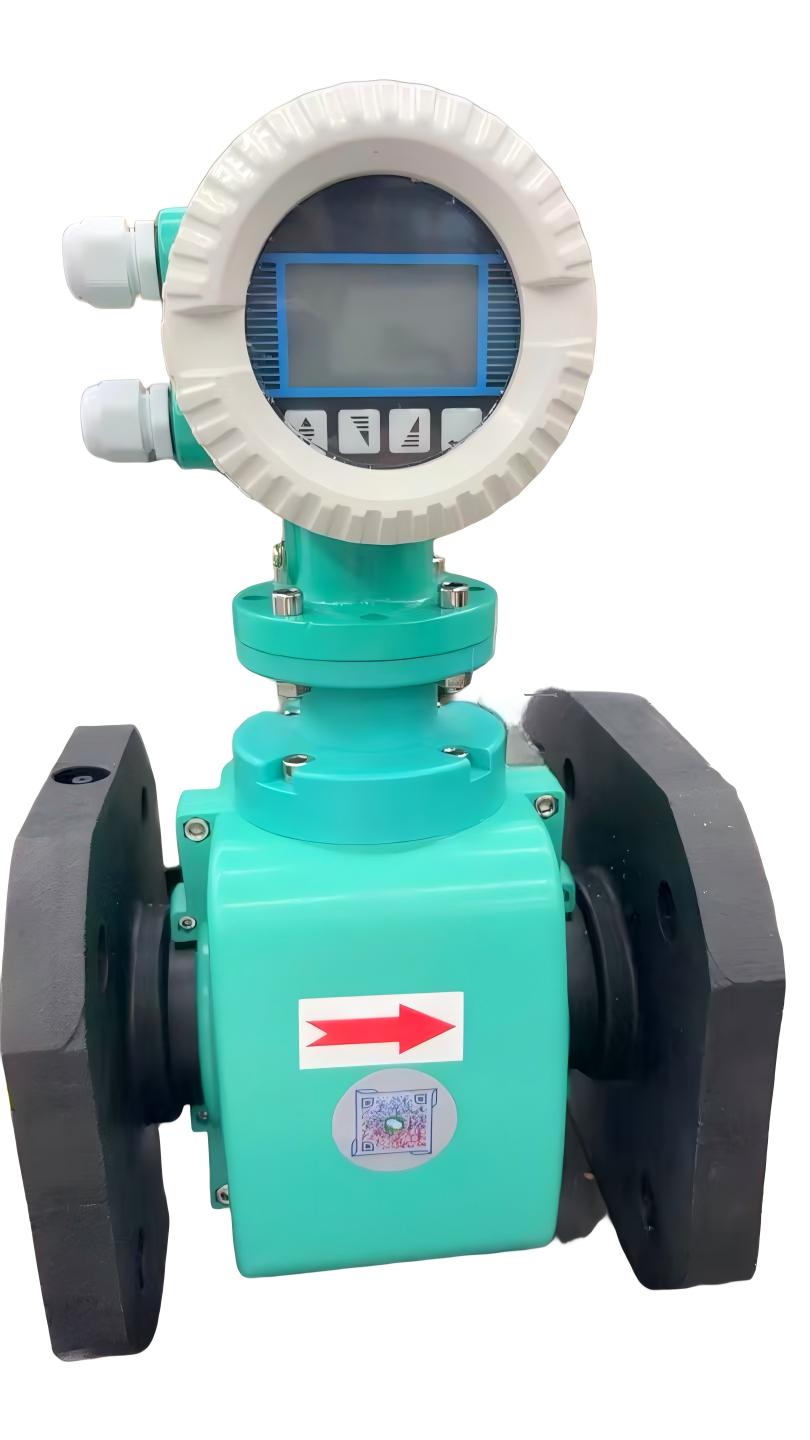
Integrated Electromagnetic Flowmeter
Ecolor's self-developed aerospace polymer material electromagnetic flowmeter is suitable for flow me...
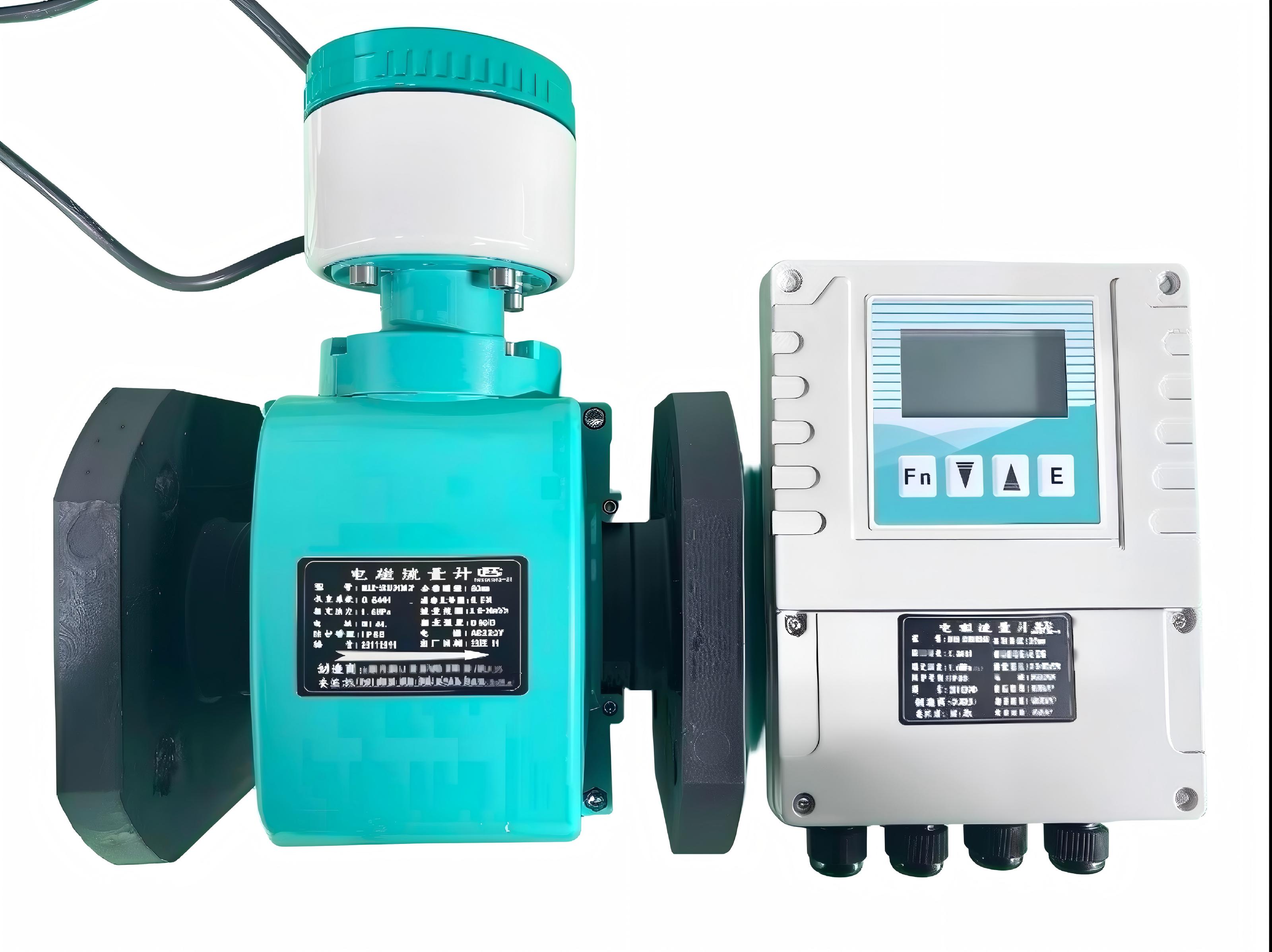
Split-Type Electromagnetic Flowmeter
Ecolor's self-developed split-type electromagnetic flowmeter, made from aerospace-grade polymer mate...
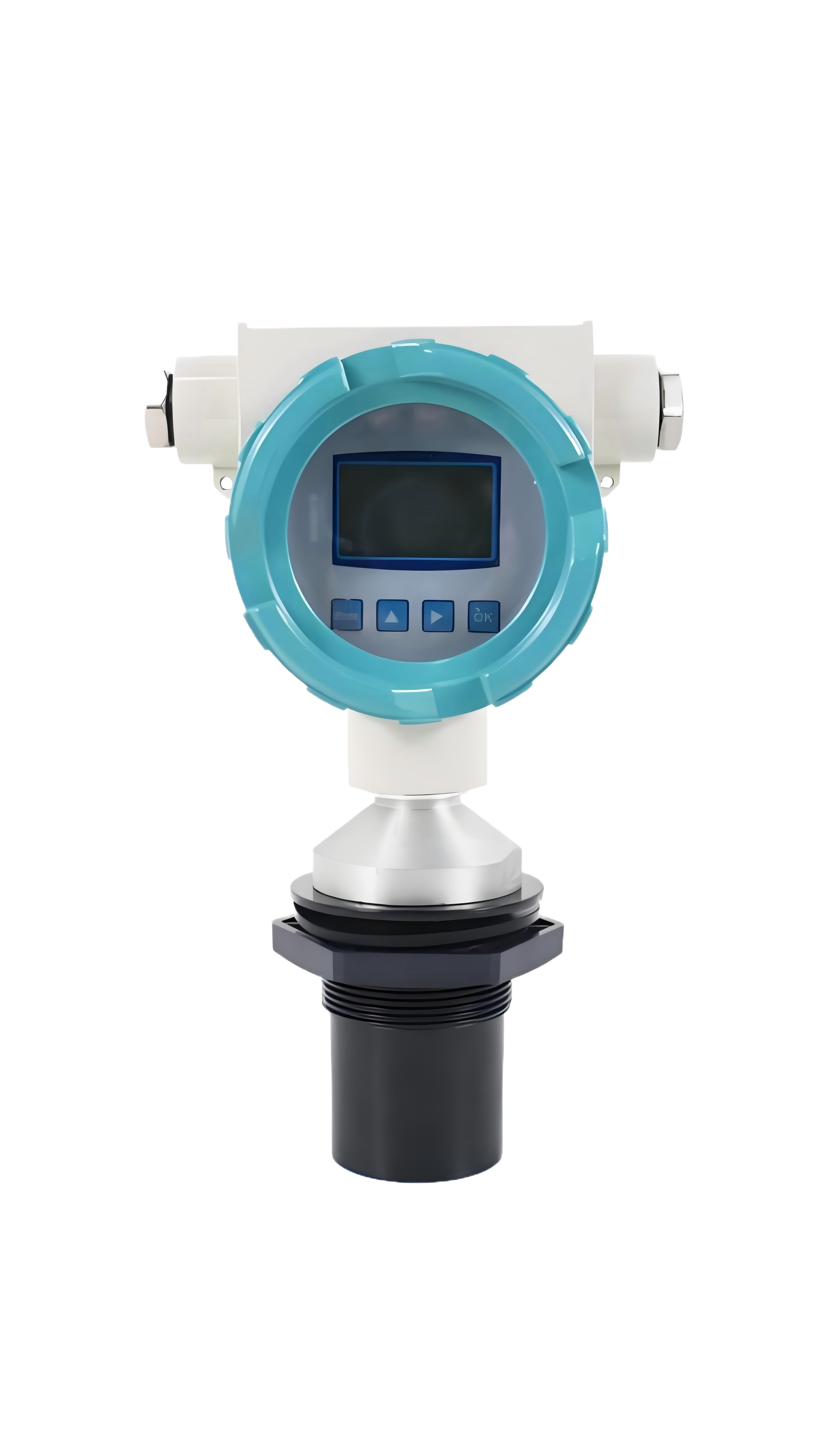
Ultrasonic Level Meter
The ultrasonic level meter is an instrument that utilizes ultrasonic technology for liquid level mea...
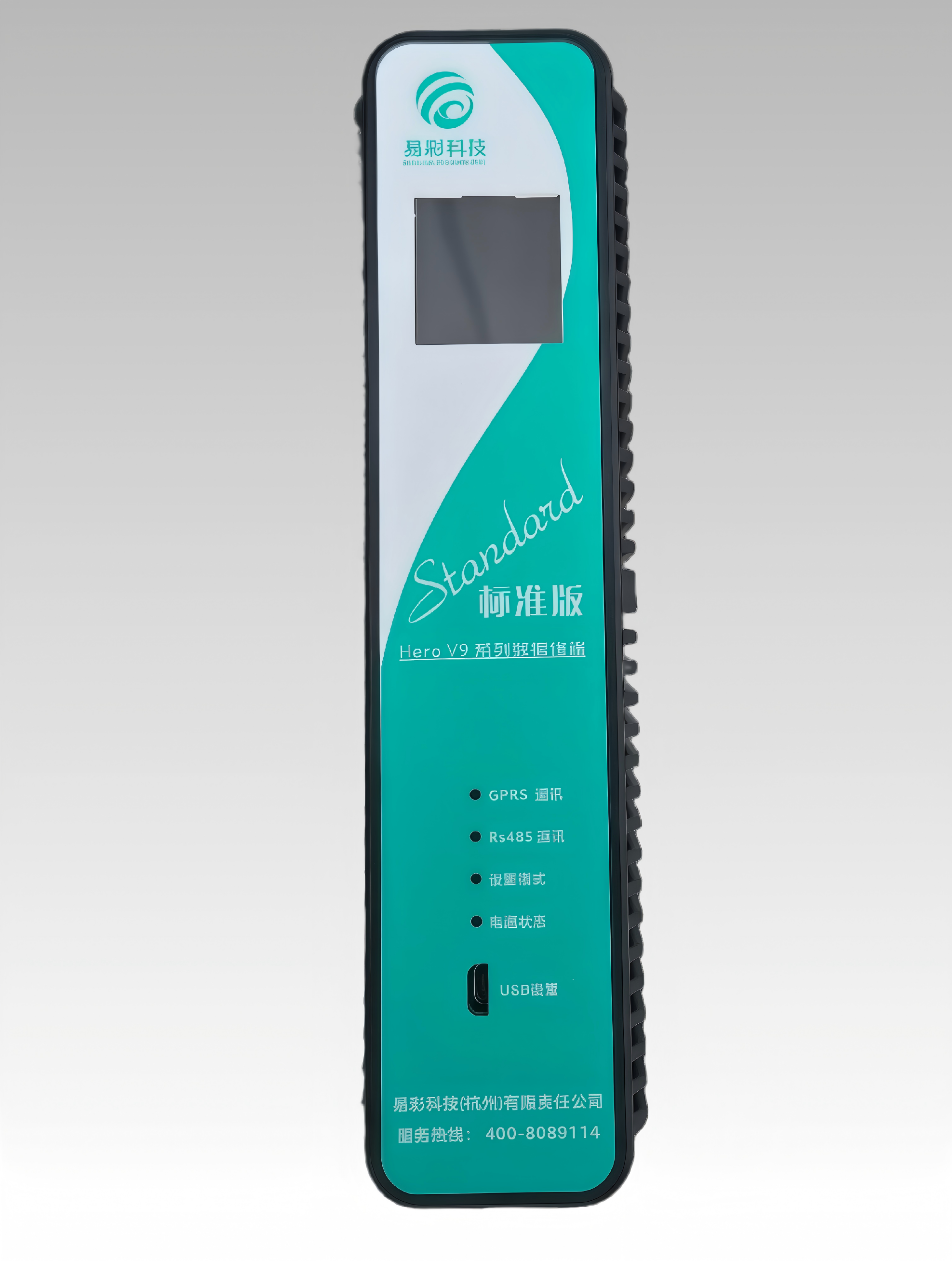
Measurement and Control Terminal Machine (Hero V9 Series - EC32)
This product has the functions of remote data collection, control and communication. It can receive ...
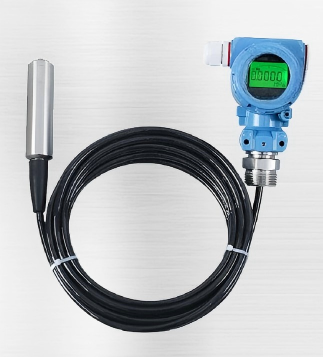
Submersible Level Transmitter
The submersible level transmitter operates on the principle that the static pressure of a liquid is ...
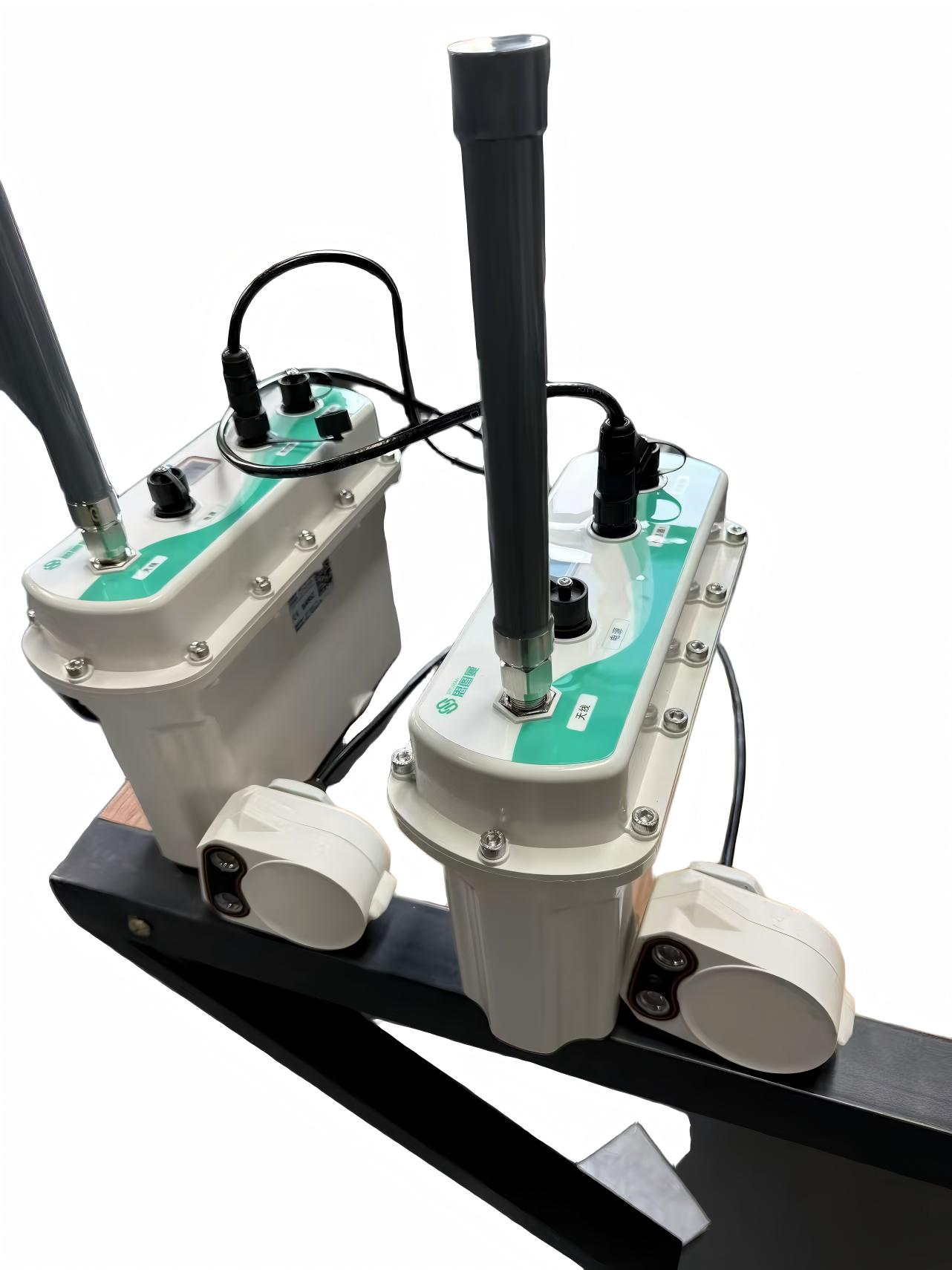
Low Power Self-Powered Portable Remote Telemetry Terminal (Hero V9 Series)
The self-powered portable remote telemetry terminal Hero V9 series is designed for outdoor operation...

Ready to Optimize Your Business?
Contact us, and our professional team will provide customized solutions to help your business achieve digital transformation.
Get In Touch