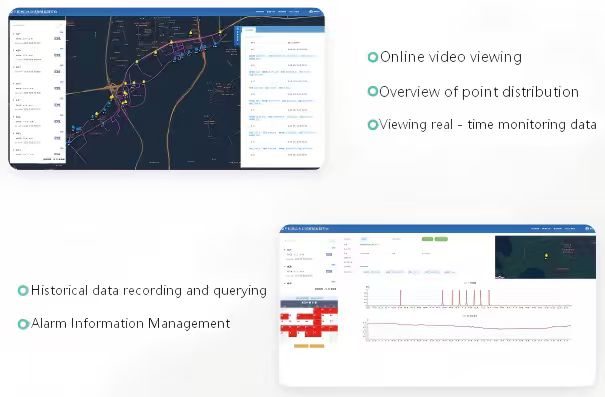
Online Monitoring System Solution for Drainage Networks
The Online Monitoring System for Drainage Networks installs monitoring devices within drainage pipes, channels, and ancillary structures (manholes) to monitor parameters such as liquid level, flow velocity, flow rate, and on-site conditions in real-time. It features automatic alarm triggering for data exceeding limits and utilizes 4G/5G/NB-IoT wireless networks to transmit field data to the central monitoring software. This system provides strong guarantees for the safe and healthy operation of drainage networks, offers effective data support for network operation scheduling, maintenance management, and renovation design, and enhances the informatization management level of drainage networks. The system is expandable to include water quality monitoring, manhole cover displacement monitoring, hazardous gas concentration monitoring, and pressure monitoring.
Overview
Summary
The Online Monitoring System for Drainage Networks installs monitoring devices within drainage pipes, channels, and ancillary structures (manholes) to monitor parameters such as liquid level, flow velocity, flow rate, and on-site conditions in real-time. It features automatic alarm triggering for data exceeding limits and utilizes 4G/5G/NB-IoT wireless networks to transmit field data to the central monitoring software. This system provides strong guarantees for the safe and healthy operation of drainage networks, offers effective data support for network operation scheduling, maintenance management, and renovation design, and enhances the informatization management level of drainage networks. The system is expandable to include water quality monitoring, manhole cover displacement monitoring, hazardous gas concentration monitoring, and pressure monitoring.
Key Advantages
Challenges
- The high humidity, high corrosion, and sediment/debris-laden environment inside pipelines can easily cause sensor probe clogging and electrode passivation, affecting the accuracy of water level, flow, and water quality monitoring.
- The confined space and poor ventilation in manholes make heat dissipation difficult for equipment, leading to potential failures during long-term operation.
- Underground environments shield wireless signals; 4G/5G signals struggle to penetrate, while LoRa/NB-IoT transmission distances are limited, leading to data packet loss and delays. Gateway deployment locations are restricted, making signal relaying challenging.
- Underground nodes lack stable mains power supply. When relying on battery power, endurance is limited by battery capacity.
Results
- Hangzhou Xihu District Liuxia Sub-district Mountain-River Diversion Monitoring Service Project
- Beijing Drainage Group Beijing West Railway Station Square Flow Monitoring Pilot Project
- Shanghai Drainage Group Binhai New Area Drainage Monitoring Project
Solution Details
Solution Background for Drainage Network Monitoring
As a critical infrastructure for urban construction, environmental protection, and flood control and drainage, the urban drainage system plays a vital role in ensuring social stability and the well-being of residents. With the accelerated pace of urbanization, urban drainage network systems have become increasingly complex, undoubtedly imposing stricter requirements on the maintenance and management of drainage networks. Therefore, strengthening the monitoring of drainage networks is particularly important. Especially in urban stormwater management, drainage network monitoring technology is a key link in ensuring urban water security, alleviating urban flood control pressure, mitigating water resource shortages, and improving water environment quality.
System Overview of the Online Monitoring System
The Online Monitoring System for Drainage Networks installs monitoring devices within drainage pipes, channels, and ancillary structures (manholes) to monitor parameters such as liquid level, flow velocity, flow rate, and on-site conditions in real-time. It features automatic alarm triggering for data exceeding limits and utilizes 4G/5G/NB-IoT wireless networks to transmit field data to the central monitoring software. This system provides strong guarantees for the safe and healthy operation of drainage networks, offers effective data support for network operation scheduling, maintenance management, and renovation design, and enhances the informatization management level of drainage networks. The system is expandable to include water quality monitoring, manhole cover displacement monitoring, hazardous gas concentration monitoring, and pressure monitoring.
System Functions of the Drainage Network Monitoring Solution
Multi-Parameter Online Monitoring for Network Informatization
- Level & Flow Monitoring: Monitoring of liquid level, flow velocity, and flow rate provides the data foundation for intelligent analysis and operational scheduling.
- Water Quality Monitoring: Online monitoring of water quality indicators such as pH, temperature, conductivity, suspended solids, dissolved oxygen.
- Manhole Cover Displacement Monitoring: Automatic alarm upon cover displacement enables timely discovery and handling, ensuring public safety.
- Hazardous Gas Concentration Monitoring: Monitors gases like hydrogen sulfide and methane within pipes, triggering alarms upon exceeding limits for early intervention to prevent pipeline explosions.
- Pressure Monitoring: Installs pressure monitoring points in pressurized drainage sections, with alarms for limit exceedance to promptly detect pipe damage and sewage leaks.
- Video Surveillance: Devices come with built-in video surveillance for observing various conditions inside manholes.
Intelligent Early Warning & Alarming for Timely Anomaly Detection
- Dynamically modify and configure warning and alarm thresholds for various measurements in monitoring devices.
- The system automatically alarms for data limit exceedance, low battery, network anomalies, and device failures.
- Built-in video surveillance helps promptly identify(siltation), sewage overflow, and other phenomena.
Multi-Dimensional Statistical Analysis for Enriched Management Basis
- Automatically in various forms such as hourly, daily, and monthly averages, generating charts on demand to improve management efficiency.
- Generates various thematic maps for level, velocity, flow rate, etc., (displaying trends), enabling online analysis, siltation analysis, and waterlogging analysis. This provides scientific and accurate decision-making basis for network renovation, siltation treatment, and emergency flood control.
Key Advantages of the Monitoring System
- Multi-dimensional statistical analysis enriches management basis.
- Highly integrated hardware, easy installation and maintenance, stable operation.
- Real-time video monitoring of (manhole conditions).
- Self-contained external power supply, easily handles environments without grid power.
- Remote configuration of various parameters, convenient and fast device debugging.
Software System & Product Features
Comprehensive and Accurate Perception of Network Elements
High Adaptability to Harsh Underground Environments
Stable and Reliable Underground Communication Capability
Intelligent Early Warning and Network Diagnosis
Visualized Management and Integrated Scheduling
Lightweight Operation & Maintenance and Remote Management
Approach
How we implement intelligence into your infrastructure step by step.
Requirement Survey & Network Census
Investigate network topology, pipe diameter, material, and operating conditions to clarify monitoring priorities. Liaise with water, environmental protection, and flood control departments to determine monitoring elements, accuracy, and warning requirements. Collect basic network data and correct deviations in outdated pipeline drawings.
Solution Design & Point Planning
Design the 'Perception - Transmission - Platform - Application' architecture, selecting IP68-rated anti-corrosion equipment. Plan monitoring points according to the principle of 'denser coverage at overflow risk points, full coverage of key pipe sections,' avoiding pipe bends and diameter change points. Determine the LoRa + gateway communication and battery/mains power supply方案 (scheme).
Infrastructure Construction & Device Deployment
Modify pipelines to install mounting bases, ensuring waterproofing and anti-corrosion treatment for井下点位 (manhole points). Install level, flow, water quality sensors, and manhole cover monitoring terminals,调试防堵塞功能 (debugging anti-clogging functions). Deploy above-ground gateways, establish communication links, and test the stability of underground-to-ground data transmission.
Platform Setup & Function Configuration
Deploy cloud-based and/or local monitoring platforms, building a GIS-based network visualization system. Configure异常预警阈值 (abnormal warning thresholds) for overflow and blockage. Develop data analysis modules and interface with city flood control and wastewater treatment plant scheduling platforms to establish data sharing interfaces.
Trial Operation & Optimization
Conduct a 1-3 month trial run covering different weather conditions (dry/rainy) to optimize warning thresholds and model parameters. Troubleshoot device failures and data deviations, and rectify issues遗留 (left over) from construction.
Recommended Hardware
Essential components for this solution.
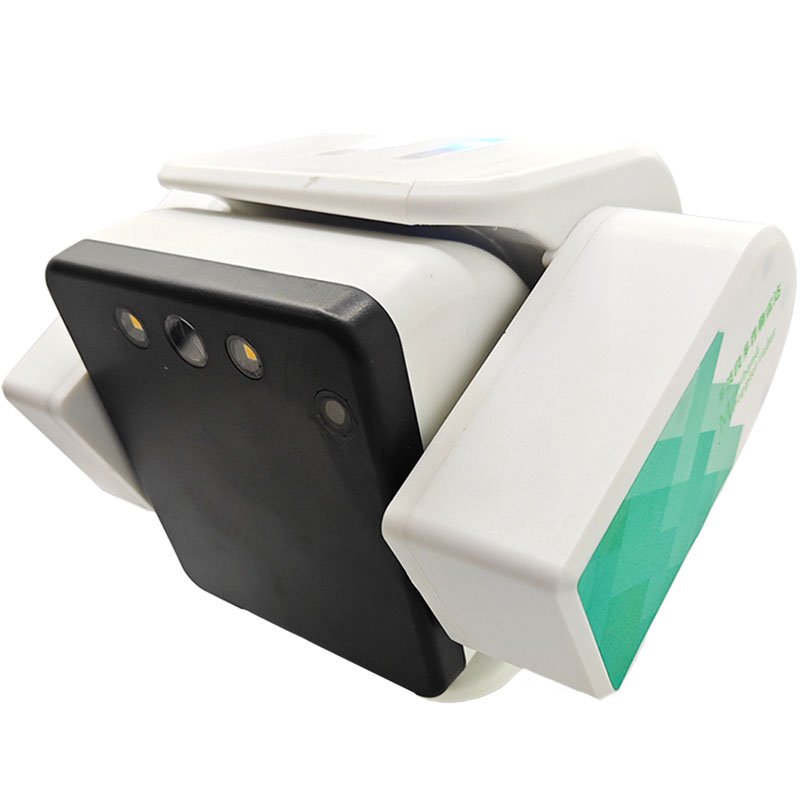
Multi-band Doppler Radar (Flow Meter)
The Multi-band Doppler Radar Flowmeter is an independently developed and innovated non-contact fluid...
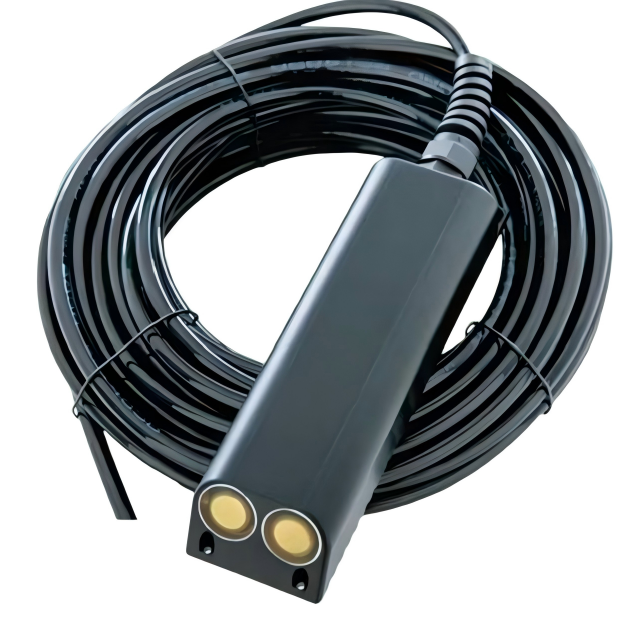
Doppler Ultrasonic Flowmeter
The Doppler Ultrasonic Flowmeter is an instrument designed for measuring the flow velocity and flow ...
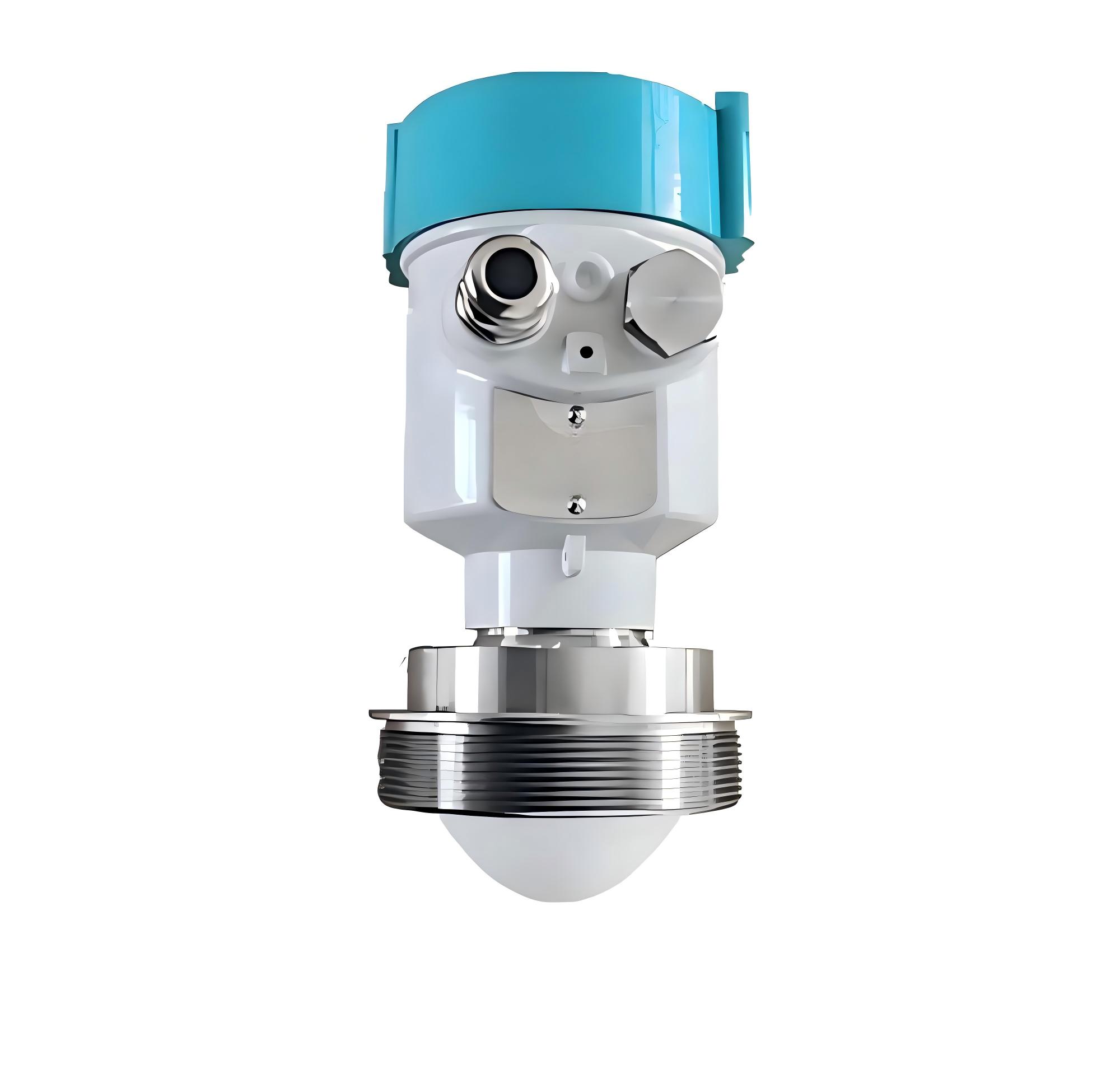
Radar Level Gauge
A radar level gauge is an instrument that utilizes radar technology to measure the level height of s...
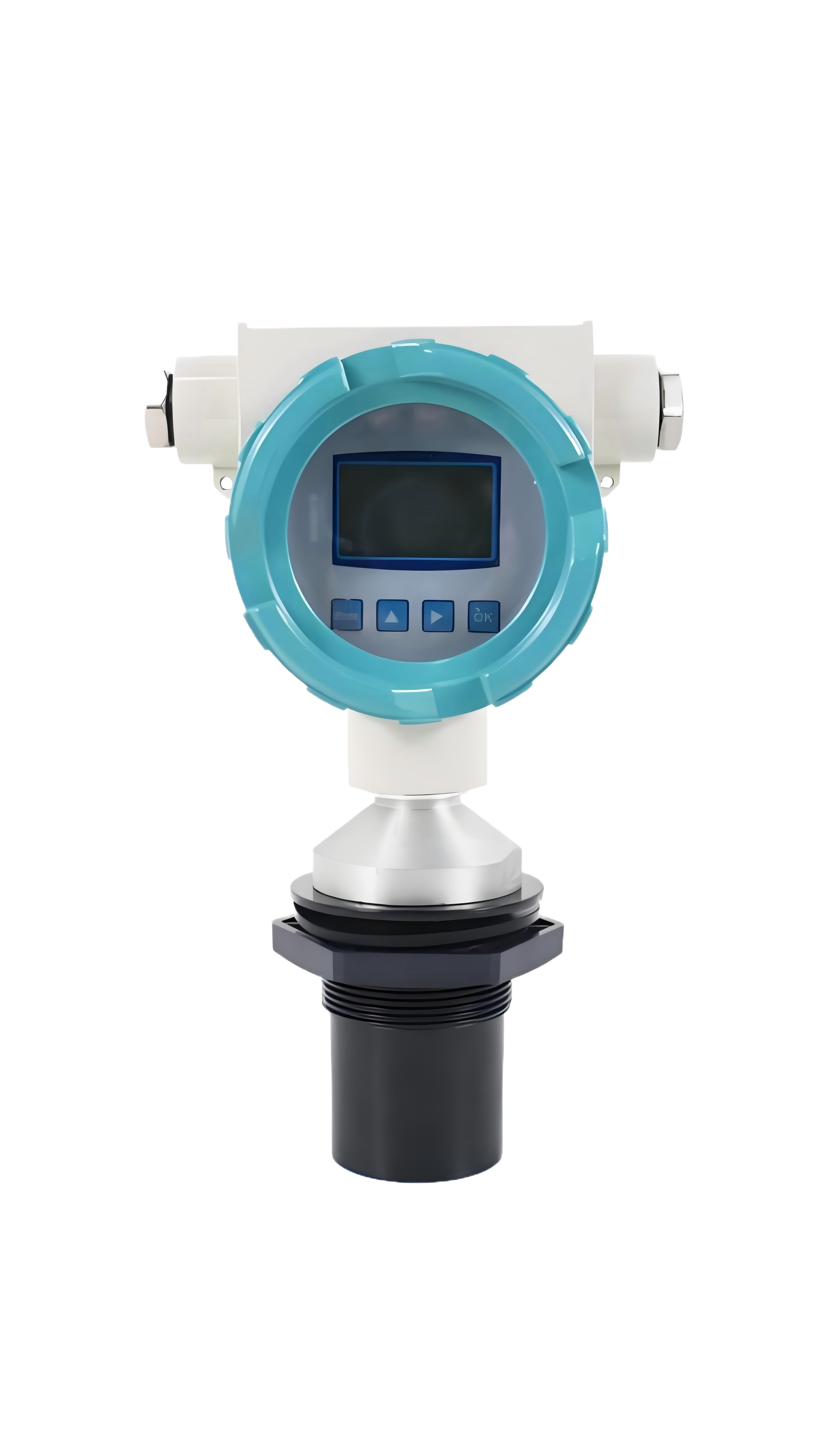
Ultrasonic Level Meter
The ultrasonic level meter is an instrument that utilizes ultrasonic technology for liquid level mea...
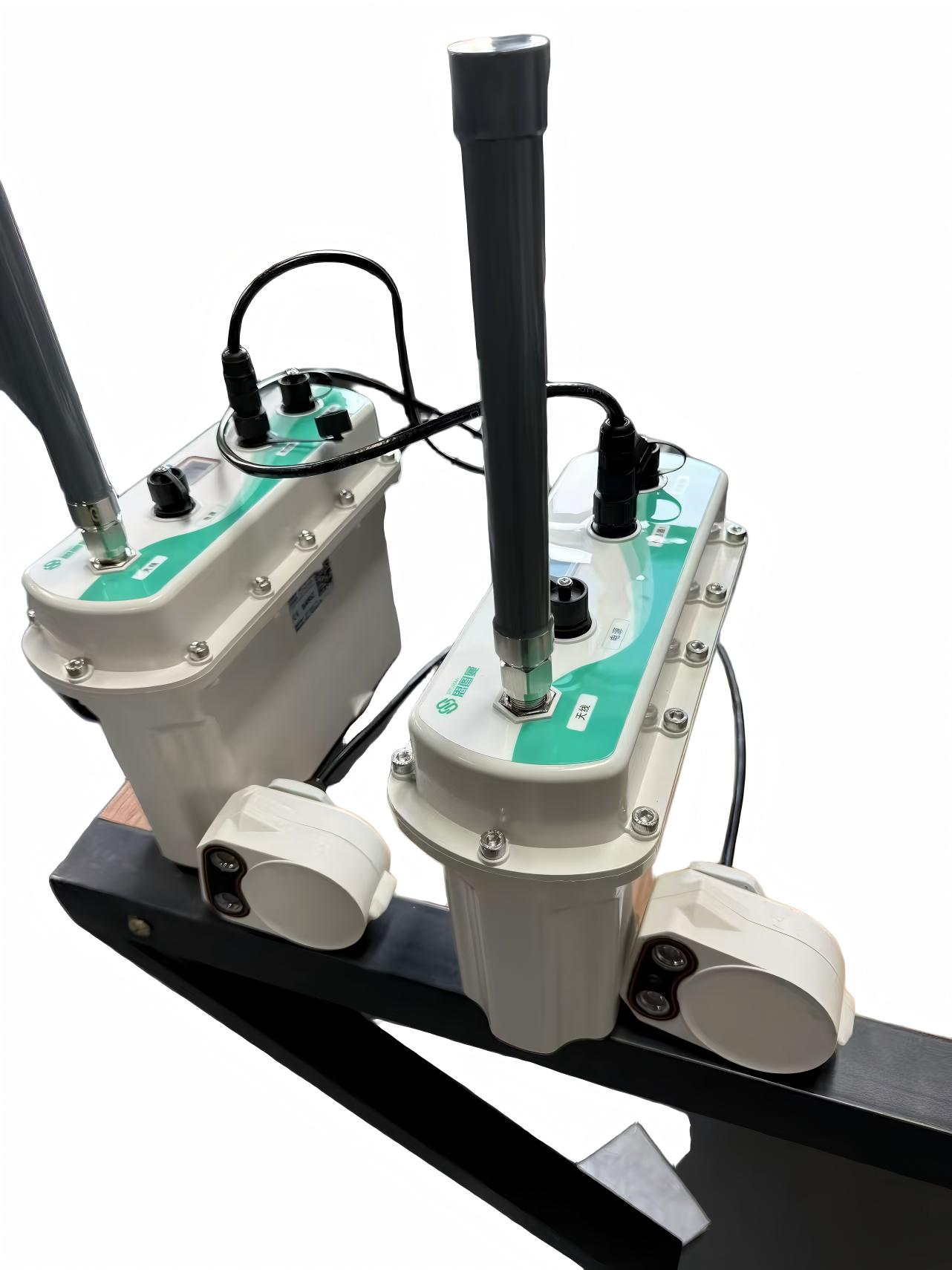
Low Power Self-Powered Portable Remote Telemetry Terminal (Hero V9 Series)
The self-powered portable remote telemetry terminal Hero V9 series is designed for outdoor operation...

Ready to Optimize Your Business?
Contact us, and our professional team will provide customized solutions to help your business achieve digital transformation.
Get In Touch