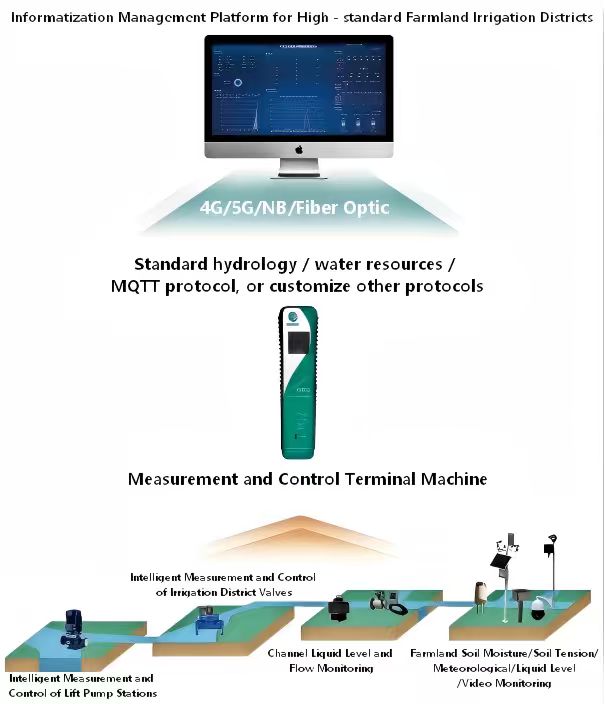
High-Standard Farmland Irrigation District Information Management System Solution
The High-Standard Farmland Irrigation District Information Management System monitors channel water level, flow, rainfall, soil moisture, and meteorological data, while enabling remote control of pump stations and gates, and video surveillance of key areas. It integrates data acquisition, statistics, analysis, and control functions to achieve water-saving irrigation and scientific, efficient management of irrigation districts, playing a vital role in ensuring project safety, optimizing water resource allocation, improving water use efficiency, and supporting high-standard farmland construction.
Overview
Summary
The High-Standard Farmland Irrigation District Information Management System monitors channel water level, flow, rainfall, soil moisture, and meteorological data, while enabling remote control of pump stations and gates, and video surveillance of key areas. It integrates data acquisition, statistics, analysis, and control functions to achieve water-saving irrigation and scientific, efficient management of irrigation districts, playing a vital role in ensuring project safety, optimizing water resource allocation, improving water use efficiency, and supporting high-standard farmland construction.
Key Advantages
Challenges
- Adaptation Challenges in Complex Field Environments
- Complexity of Multi-Technology Integration and Data Governance
- Barriers in Multi-Level Management Coordination and Farmer Acceptance
- Pressure from Construction and Operational Costs
Results
- Zhejiang Province Irrigation Experiment Station Construction - Ningbo Jiangbei Irrigation District Site Project
- Linping District "Thousand-Mu Plot" Permanent Basic Farmland Consolidation and Contiguous Improvement Project
- Pinghu City High-Standard Farmland Construction Project
- Qiantang District Agricultural Irrigation Water Metering System Construction
Solution Details
Policy Background for High-Standard Farmland Construction
In September 2021, the State Council issued the "National High-Standard Farmland Construction Plan (2021-2030)", which defines the main targets for high-standard farmland construction nationwide. By 2030, the cumulative area of high-standard farmland is targeted to reach 1.2 billion mu, with 280 million mu upgraded. Newly constructed high-standard farmland is expected to achieve a water-saving rate of over 10% per mu.
System Overview of the High-Standard Farmland Irrigation District Information Management System
The High-Standard Farmland Irrigation District Information Management System monitors channel water level, flow, rainfall, soil moisture, and meteorological data, while enabling remote control of pump stations and gates, and video surveillance of key areas. It integrates data acquisition, statistics, analysis, and control functions to achieve water-saving irrigation and scientific, efficient management of irrigation districts, playing a vital role in ensuring project safety, optimizing water resource allocation, improving water use efficiency, and supporting high-standard farmland construction.
Key Functions of the Irrigation District Information Management System
- Intelligent Pump Station Monitoring and Control for Unmanned Operation
- Remote or automatic pump start/stop control based on preset conditions.
- Monitor pump operating current, voltage, power consumption, and status.
- Extensible monitoring of source water level, flow, pressure, etc.
- Integrated Valve Monitoring and Control for Optimal Water Allocation
- Remote or local control of valve opening/closing.
- Monitor water level and flow upstream/downstream of the valve, and the valve's operational status.
- Real-Time Channel Flow Monitoring to Support Agricultural Water Pricing Reform
- Real-time monitoring of canal water level and flow provides data support for smart management and timely water dispatch.
- Flow Monitoring: Real-time monitoring of instantaneous and cumulative channel flow provides a basis for metered charging.
- Water Level Monitoring: Real-time monitoring of channel water level ensures normal irrigation water delivery.
- Soil Moisture & Meteorological Monitoring for Rational Irrigation and Smart Water Saving
- Soil Moisture Monitoring: Monitors soil water content, temperature, and humidity.
- Meteorological Monitoring: Monitors weather elements such as air temperature, pressure, relative humidity, wind direction, wind speed, rainfall, and solar radiation.
- Water Level Monitoring: High-precision monitoring of field water level to obtain accurate evaporation data.
- Video Surveillance for Visualized Irrigation District Operation
- Visually inspect the operation of gate/pump stations, personnel entry, and channel water conditions.
- Enables managers to understand field conditions at any time.
Core Capabilities of the High-Standard Farmland Management System
Comprehensive Sensing and Precise Metering Capability
Intelligent Irrigation Scheduling and Automated Control Capability
Visualized Monitoring and "One-Map" Management Capability
Water-Saving, Energy Reduction, and Benefit Accounting Capability
Multi-Level Collaboration and Permission Management Capability
High Reliability and Low-Cost Operation & Maintenance Capability
Approach
How we implement intelligence into your infrastructure step by step.
Preliminary Planning
Conduct on-site survey of irrigation district layout, working conditions, and facilities. Engage with multi-level stakeholders to clarify functional and compliance requirements.
Solution Design
Create equipment deployment diagrams, specify installation methods and parameters. Establish a four-layer architecture of "Perception - Transmission - Platform - Application". Finalize selection of equipment, communication, and functional modules.
Hardware Deployment
Complete foundation work (bases, poles, etc.) during non-irrigation seasons. Install protective and reinforcement devices for equipment. Install sensors, actuators, and other devices. Conduct single-device accuracy and action tests. Deploy gateways and communication modules to form the IoT network. Test data transmission stability.
System Development
Set up servers and databases. Configure basic system functions. Develop customized modules such as intelligent irrigation. Complete interface development with upper-level supervision platforms to enable automatic data reporting.
Commissioning and Acceptance
Conduct a trial run for 1-2 crop growth cycles. Collect issues and perform optimizations. Test system indicators item by item according to requirements. Hand over technical documentation.
Recommended Hardware
Essential components for this solution.
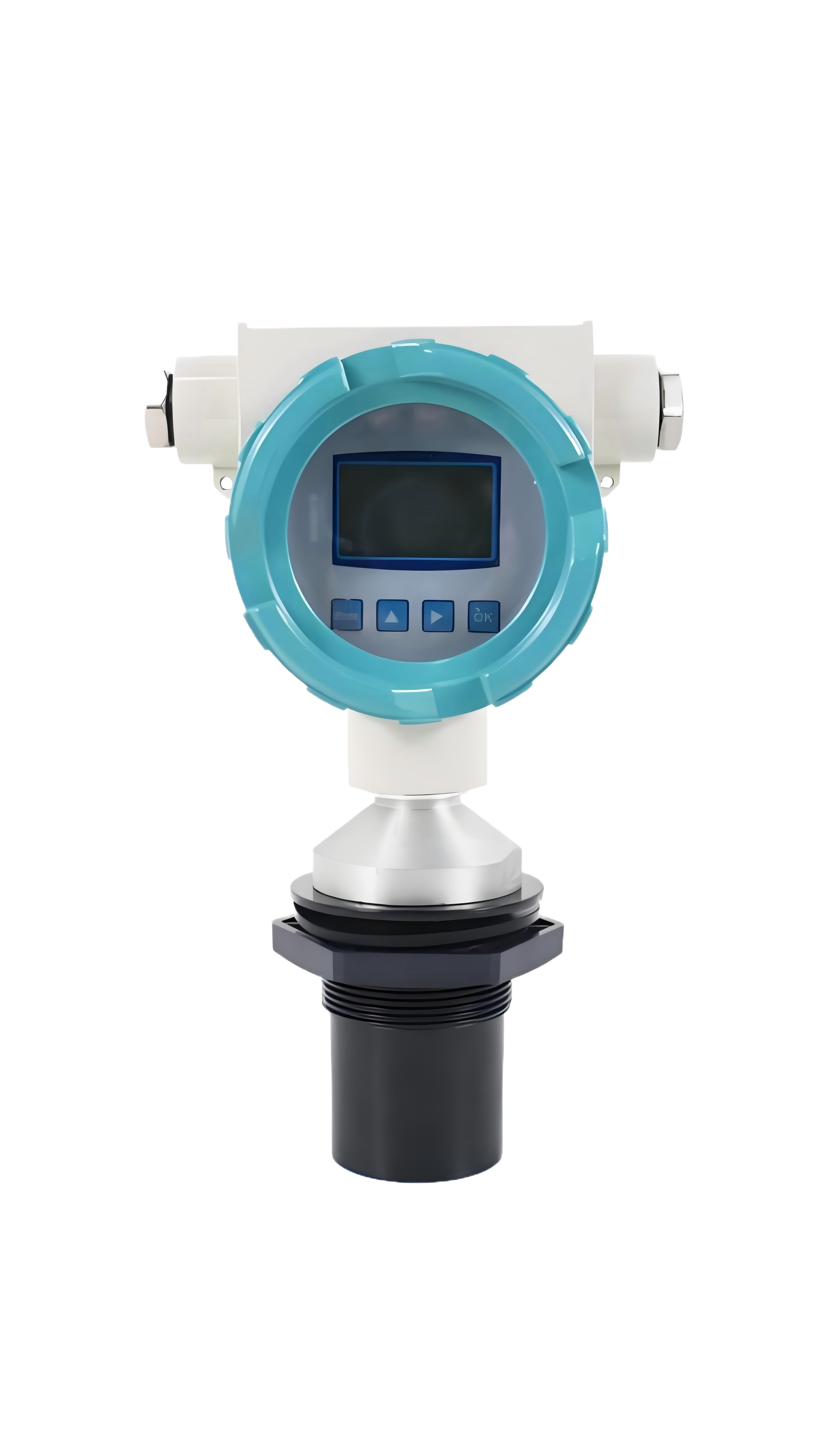
Ultrasonic Level Meter
The ultrasonic level meter is an instrument that utilizes ultrasonic technology for liquid level mea...
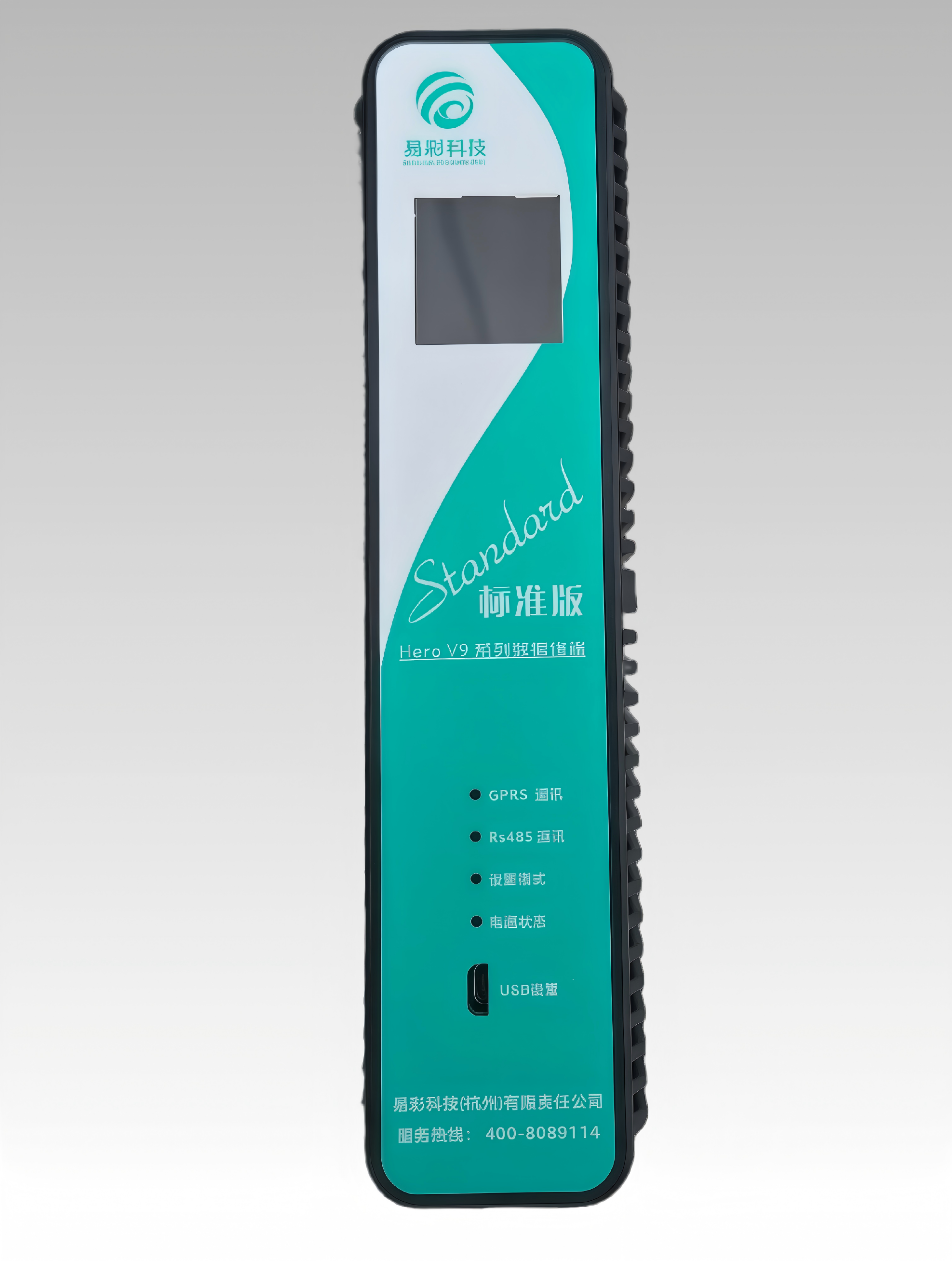
Measurement and Control Terminal Machine (Hero V9 Series - EC32)
This product has the functions of remote data collection, control and communication. It can receive ...
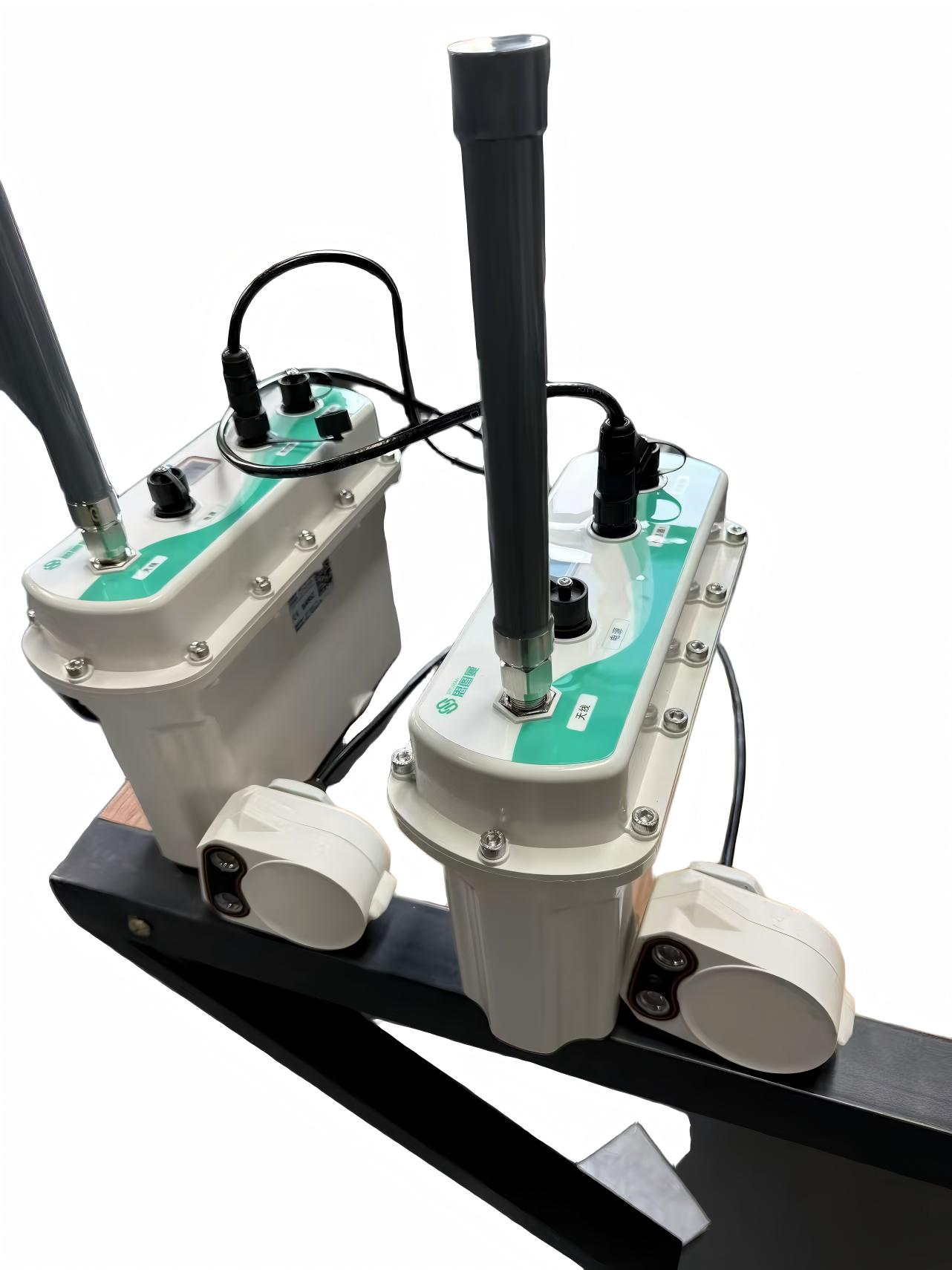
Low Power Self-Powered Portable Remote Telemetry Terminal (Hero V9 Series)
The self-powered portable remote telemetry terminal Hero V9 series is designed for outdoor operation...
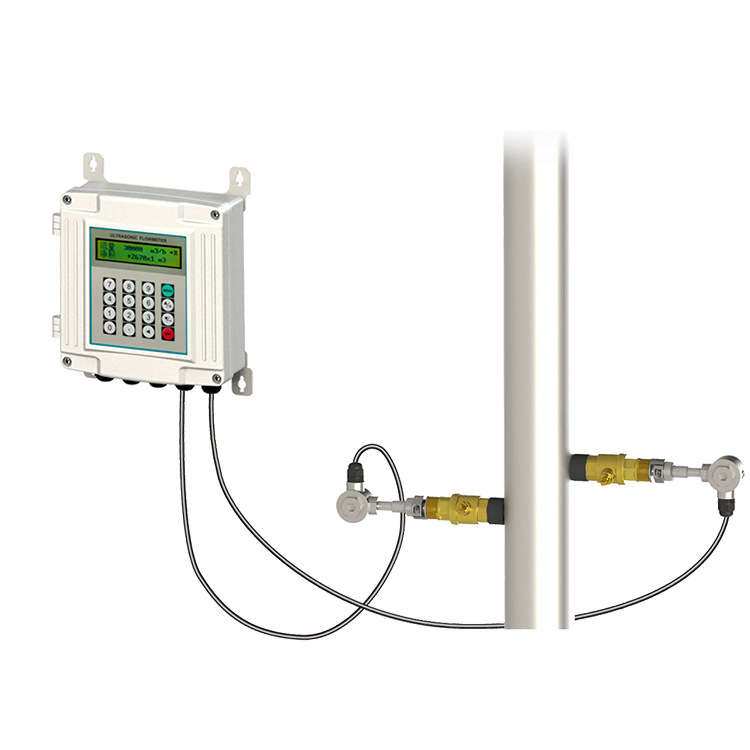
Insertion Ultrasonic Flow Meter
The insertion ultrasonic flow meter consists of a wall-mounted transmitter and an insertion sensor. ...
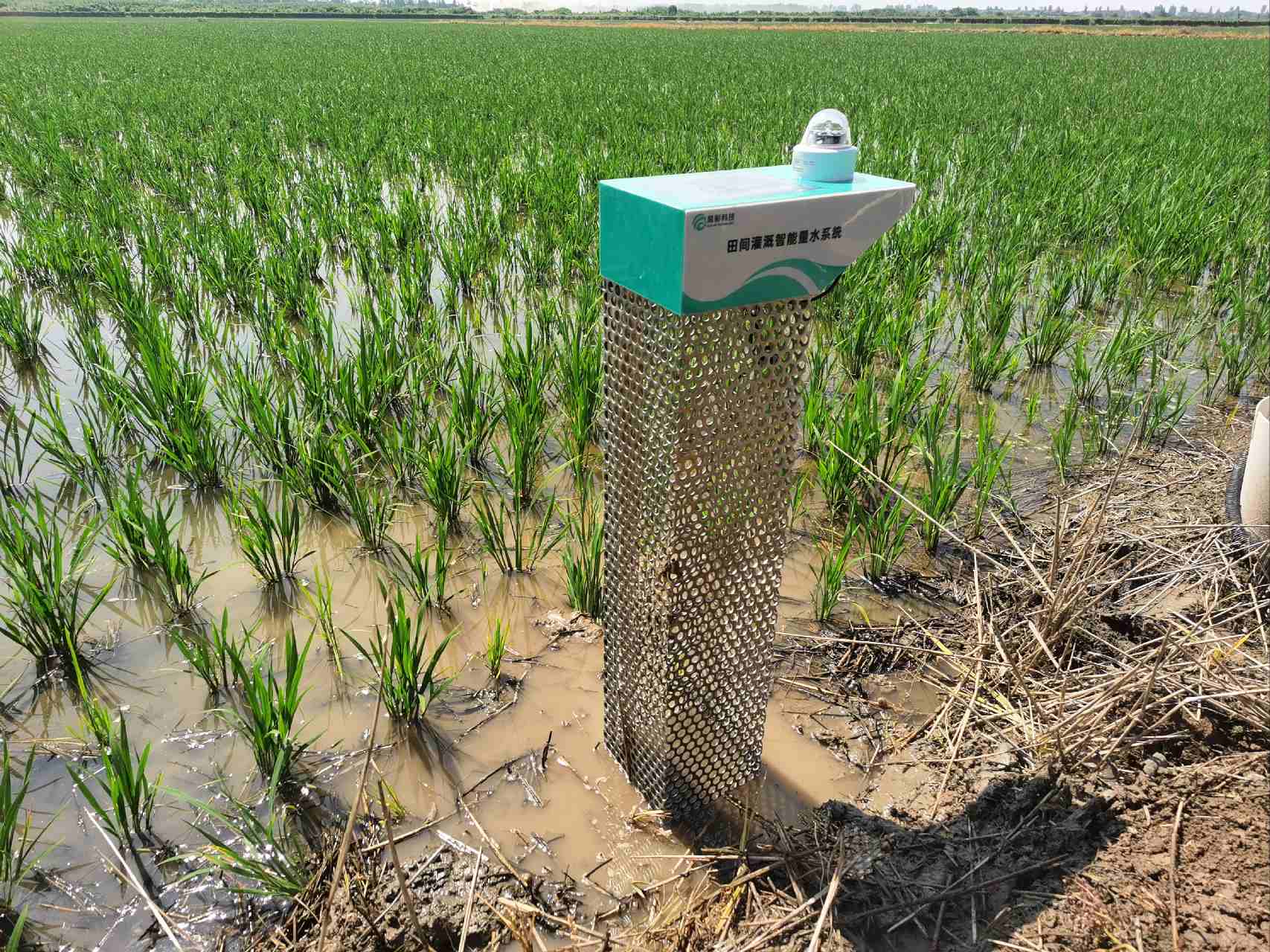
Intelligent Field Water Measurement Device for Irrigation Districts
The Intelligent Field Water Measurement Device for Irrigation Districts, independently developed and...
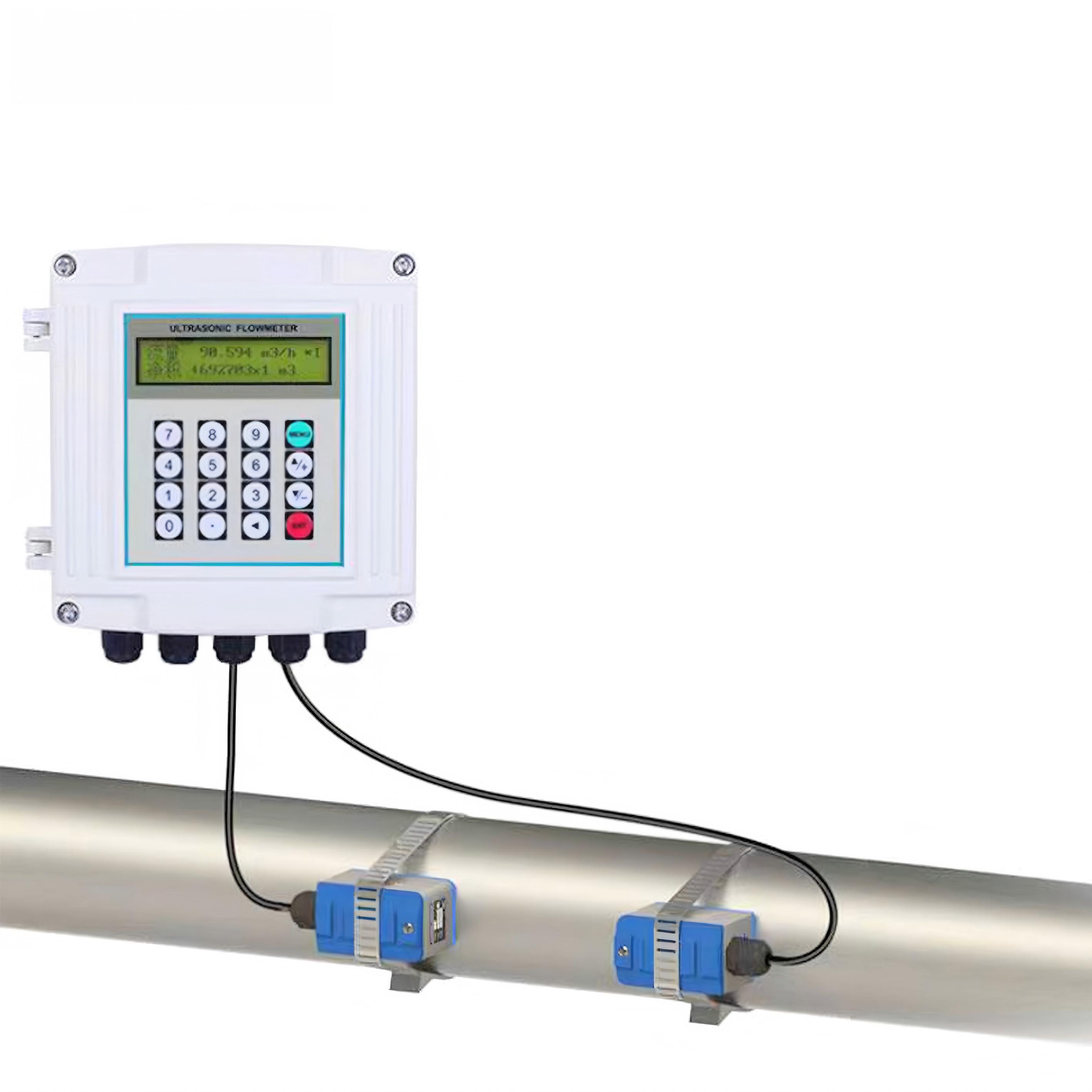
Clamp-on Ultrasonic Flow Meter
Measures pure liquids without pipe cutting, ideal for non-invasive measurement of relatively clean l...

Ready to Optimize Your Business?
Contact us, and our professional team will provide customized solutions to help your business achieve digital transformation.
Get In Touch