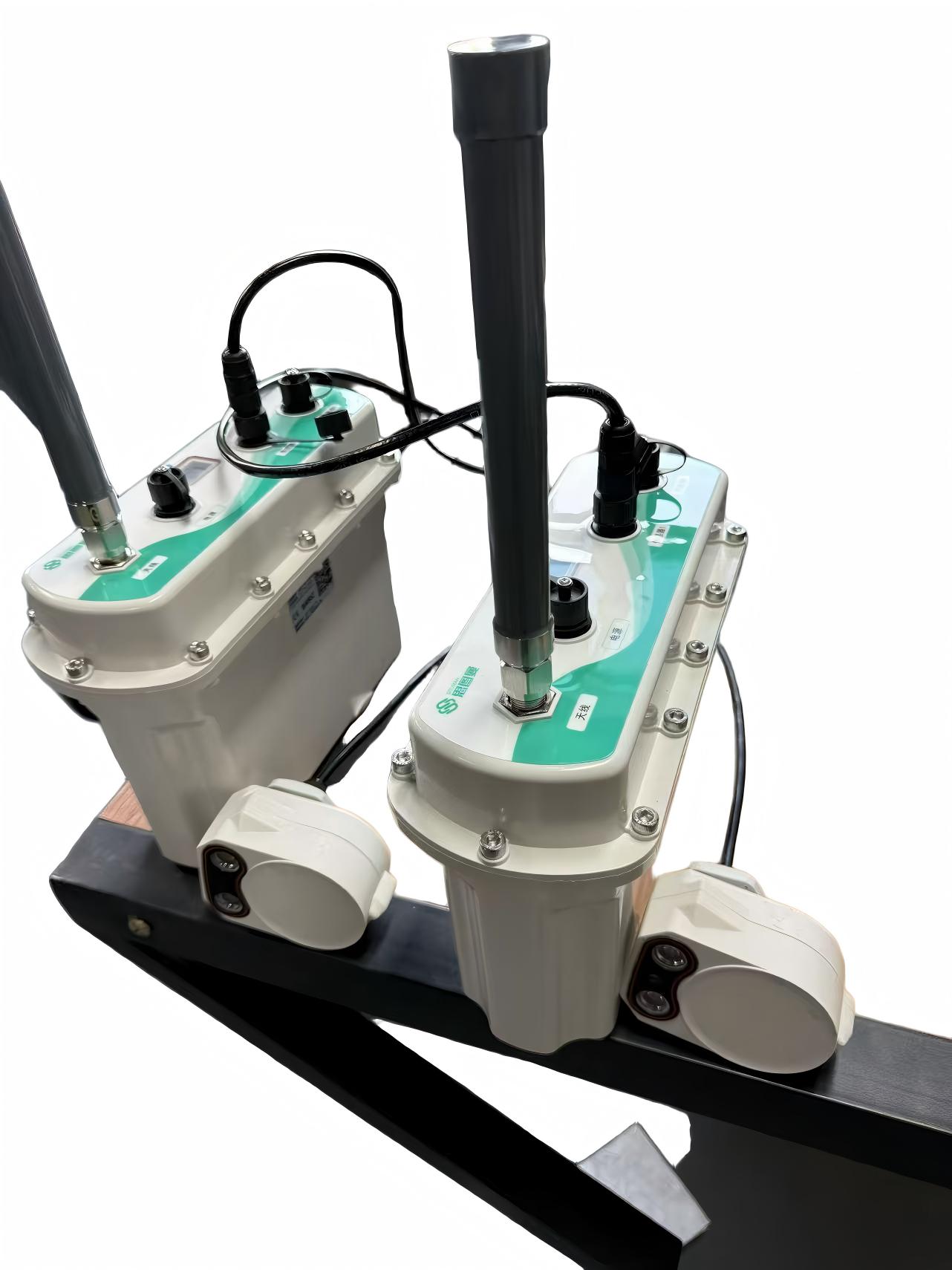
River Water Level Monitoring System
The River Water Level Monitoring System is an intelligent hydrological monitoring solution based on IoT, sensors, wireless communication, and data visualization technologies. It is primarily used for real-time monitoring of water level changes in rivers, lakes, reservoirs, and other water bodies, providing data support and decision-making basis for flood control and drought relief, water resource management, and ecological protection. It is widely applied in water conservancy, emergency management, environmental protection, and other fields.
Overview
Summary
The River Water Level Monitoring System is an intelligent hydrological monitoring solution based on IoT, sensors, wireless communication, and data visualization technologies. It is primarily used for real-time monitoring of water level changes in rivers, lakes, reservoirs, and other water bodies, providing data support and decision-making basis for flood control and drought relief, water resource management, and ecological protection. It is widely applied in water conservancy, emergency management, environmental protection, and other fields.
Key Advantages
Challenges
- Interference from Complex Hydrological Conditions on Monitoring Accuracy
- Equipment Degradation Challenges in Harsh Field Environments
- Stability Bottlenecks in Communication and Power Supply
- Insufficient Data Value Mining and Model Adaptation
- Shortcomings in Emergency Response to Extreme Weather and Disasters
Results
- Shanghai Drainage Group Binhai New District Drainage Monitoring Project
- Pingyang County Ecological Flow Verification and Guarantee Pilot Project
- Qingtian County Metering Facility Installation and Construction Project
Solution Details
Introduction to the River Water Level Monitoring System
The River Water Level Monitoring System is a fully automatic remote flow measurement system capable of monitoring the entire flow process in open channels. This advanced flow measurement system is unaffected by temperature, humidity, rainfall, water depth, turbidity, or surface debris, making it highly suitable for precise flow measurement in irrigation districts, rivers, and other open channel conditions.
Key Components of the Flow Monitoring System
- Integrated Radar Water Level, Surface Velocity, and Flow Meter;
- Remote Terminal Unit (RTU);
- Solar Power Supply System;
- Mounting Pole and Bracket;
- Lightning Protection and Grounding.
Core Advantages of the Water Level Monitoring System
- Non-contact & Low-Cost: Non-contact measurement, unaffected by external environmental factors; simple installation, requires no maintenance post-deployment, resulting in low operational costs.
- High Precision & Stability: Small beam angle, concentrated energy, exceptional anti-interference capability, significantly enhancing product stability, high precision, and high resolution.
- Robust & Durable: Ultra-low power consumption, IP68 waterproof rating, adaptable to various harsh field environments.
- Ideal for Solar Power: Ultra-low operating and standby currents, making it ideal for solar-powered unattended monitoring stations. Widely used in water conservancy projects, agricultural irrigation, urban drainage systems, environmental monitoring, and other fields, improving the efficiency and accuracy of water resource management.
Product Features of the Monitoring System
High-Precision Water Level Sensing
Adaptability to Harsh Environments
Stable Multi-Mode Communication
Intelligent Early Warning
GIS Visualization & Analysis
Low Power & Easy O&M
Approach
How we implement intelligence into your infrastructure step by step.
Site Survey and Requirement Confirmation
Survey river cross-section morphology, hydrological conditions, and surrounding terrain; define core requirements such as monitoring accuracy, data reporting frequency, and warning thresholds; assess power supply and communication signal coverage at potential sites, selecting monitoring points away from backflow zones and areas with dense floating debris.
Solution Design and Equipment Selection
Match water level gauges to river types; design the 'Sensing - Transmission - Platform' architecture; determine multi-mode communication and solar + battery power supply schemes.
Civil Works and Equipment Pre-Installation
Pour equipment mounting foundations, erect poles, install anti-scour reinforcement in flood-prone areas; install solar panels and communication gateways, implementing lightning and waterproofing measures; complete pre-configuration and standalone debugging of water level gauges and data acquisition terminals in advance.
Field Installation and System Networking
Secure the water level gauge and calibrate the zero point, ensuring probe mounting height accommodates water level extremes; connect the data acquisition terminal to power and communication modules to form the monitoring IoT network; test single-point data acquisition and transmission, identify signal blind spots, and deploy relay gateways as needed.
Platform Deployment and Function Configuration
Establish the full 'Device - Gateway - Platform' data link, testing data transmission stability and real-time performance; calibrate measurement accuracy against manual observation data, optimizing error compensation algorithms; simulate flood level exceedance scenarios to verify warning trigger and notification efficiency.
Recommended Hardware
Essential components for this solution.
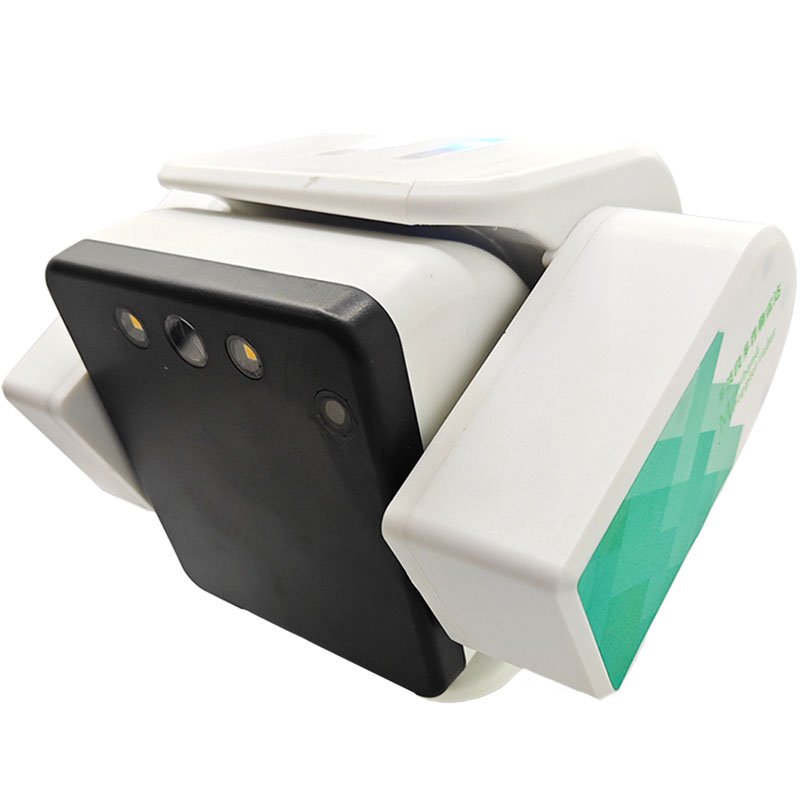
Multi-band Doppler Radar (Flow Meter)
The Multi-band Doppler Radar Flowmeter is an independently developed and innovated non-contact fluid...
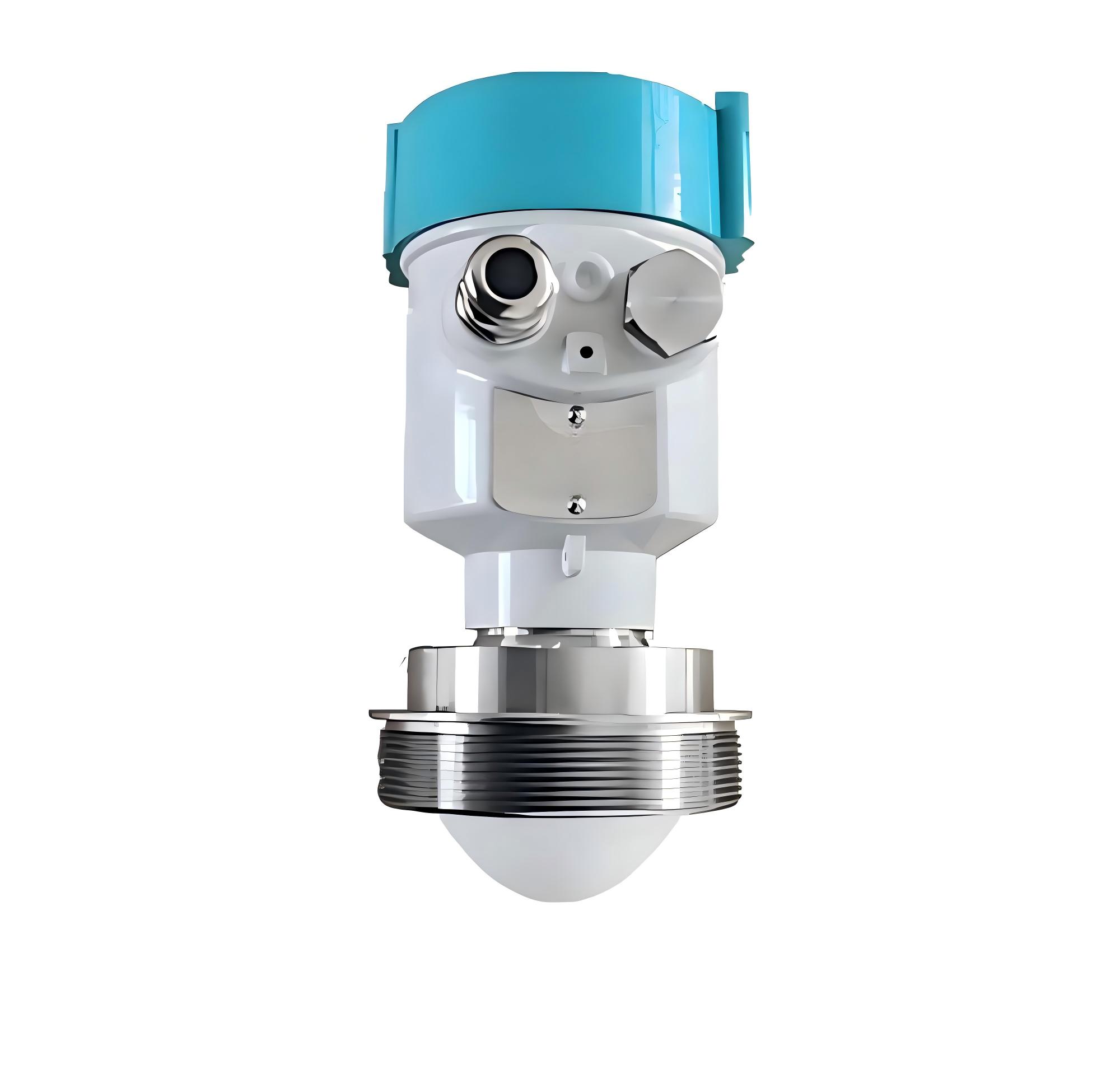
Radar Level Gauge
A radar level gauge is an instrument that utilizes radar technology to measure the level height of s...
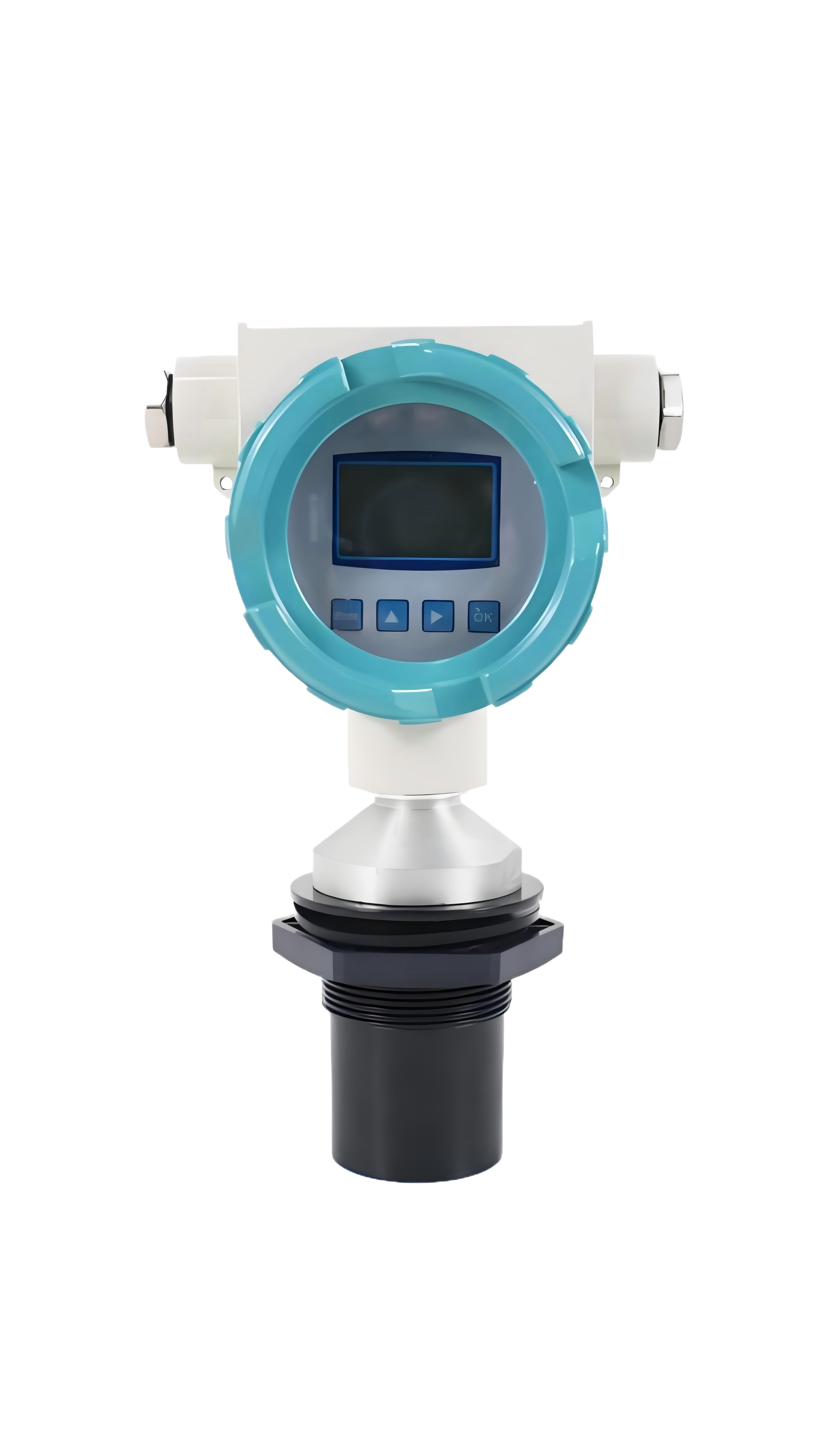
Ultrasonic Level Meter
The ultrasonic level meter is an instrument that utilizes ultrasonic technology for liquid level mea...
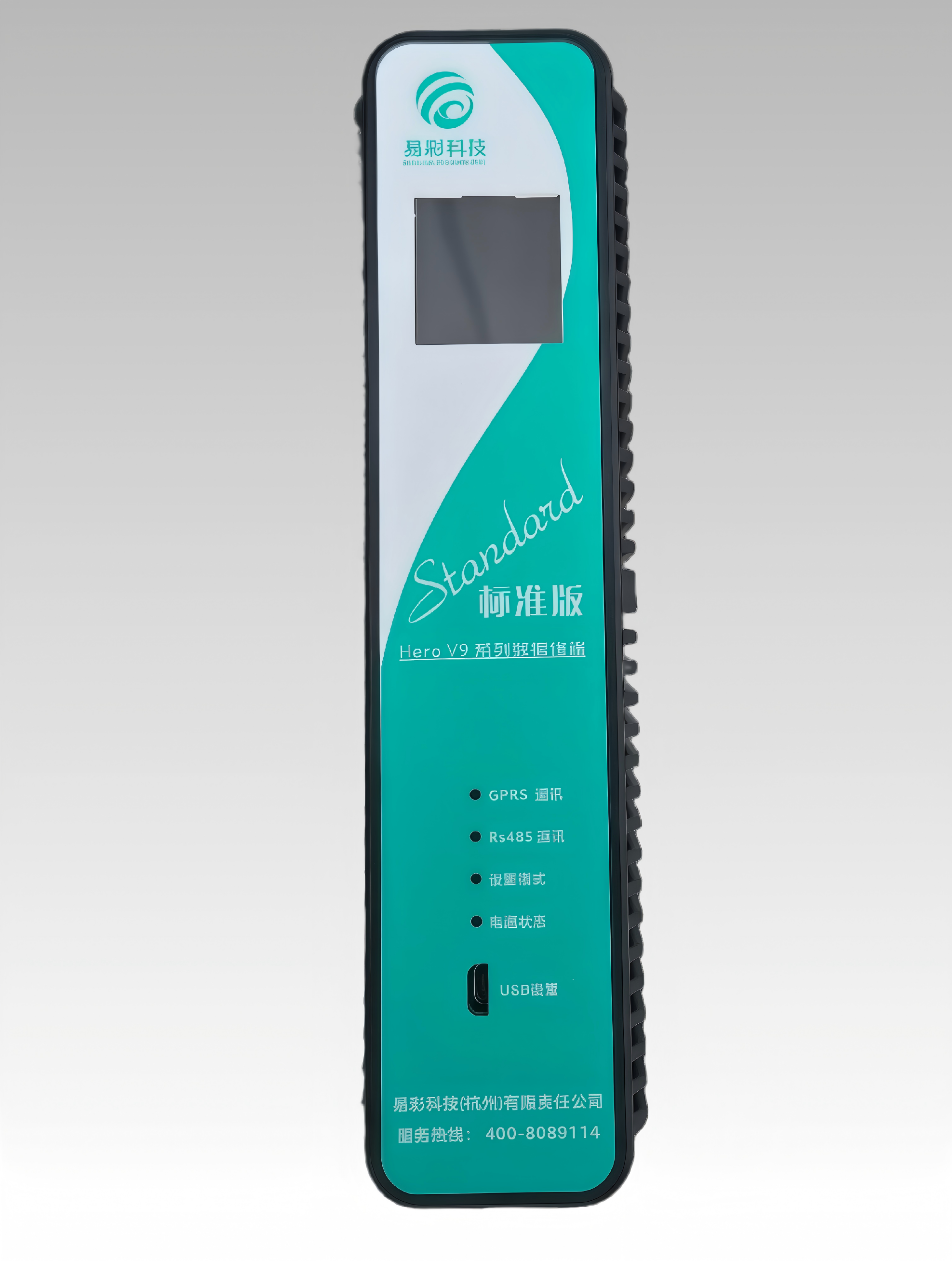
Measurement and Control Terminal Machine (Hero V9 Series - EC32)
This product has the functions of remote data collection, control and communication. It can receive ...
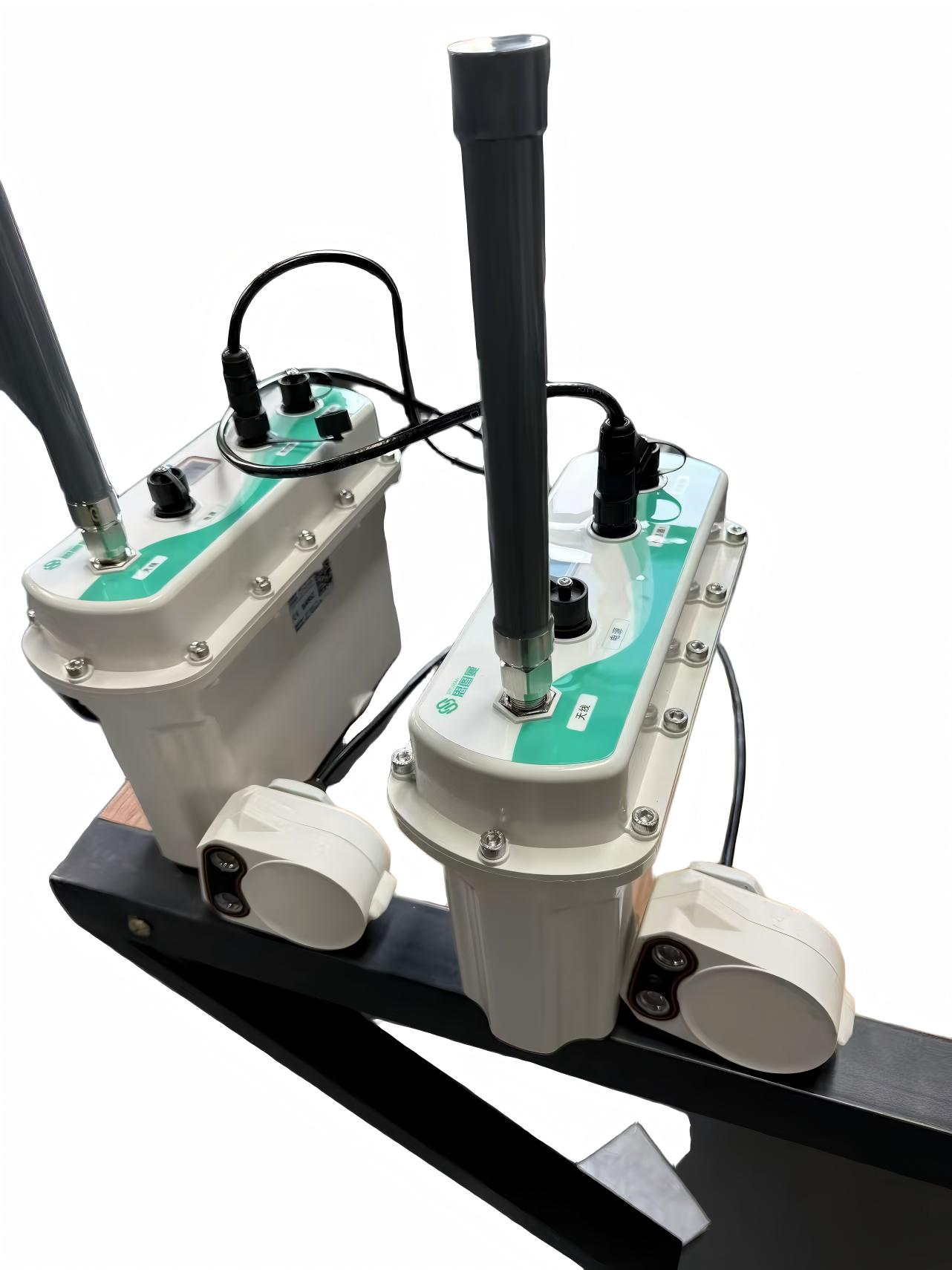
Low Power Self-Powered Portable Remote Telemetry Terminal (Hero V9 Series)
The self-powered portable remote telemetry terminal Hero V9 series is designed for outdoor operation...

Ready to Optimize Your Business?
Contact us, and our professional team will provide customized solutions to help your business achieve digital transformation.
Get In Touch