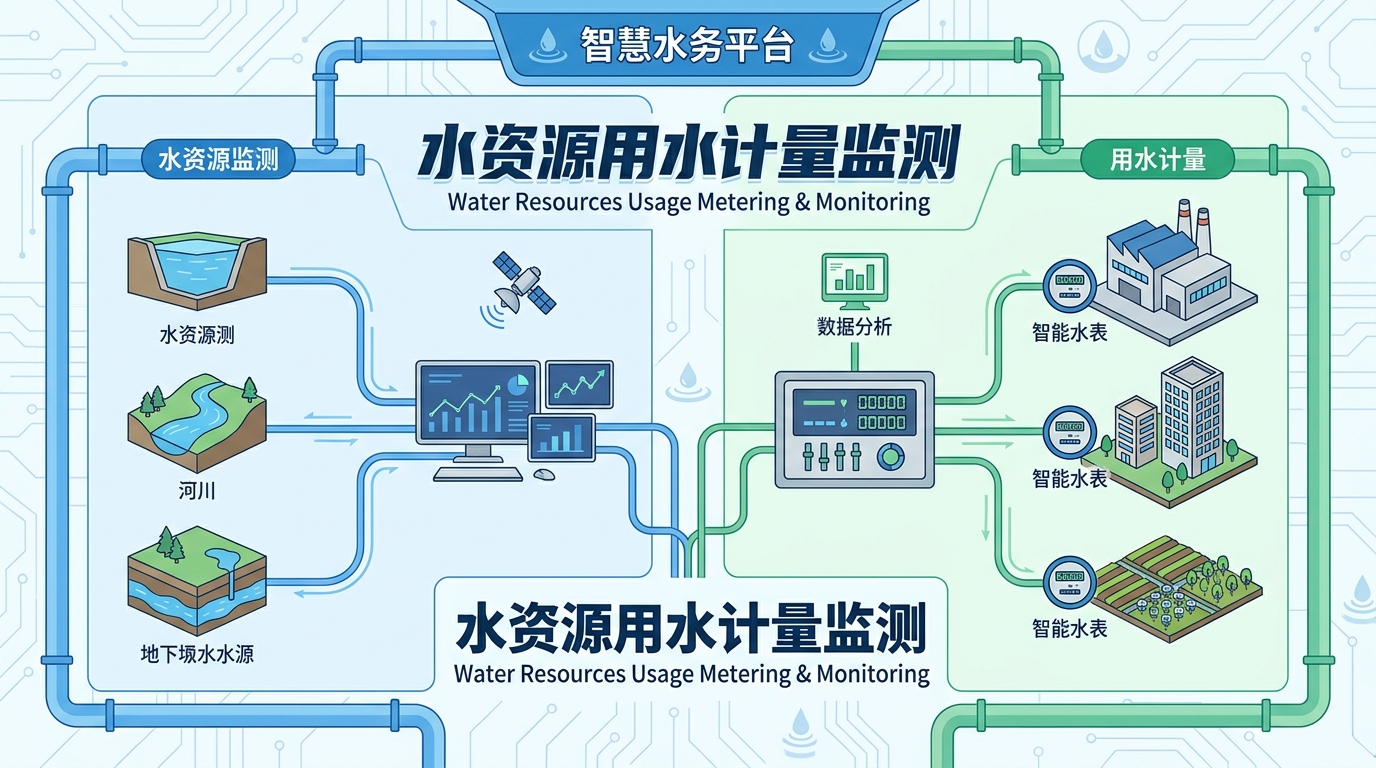
In the dual context of global climate change and rapid economic development, water resource metering and monitoring technologies are undergoing an unprecedented transformation. From mechanical devices to smart IoT sensing, these innovations are redefining how we manage scarcity, optimize consumption, and protect ecological balance through precise, real-time data collection.
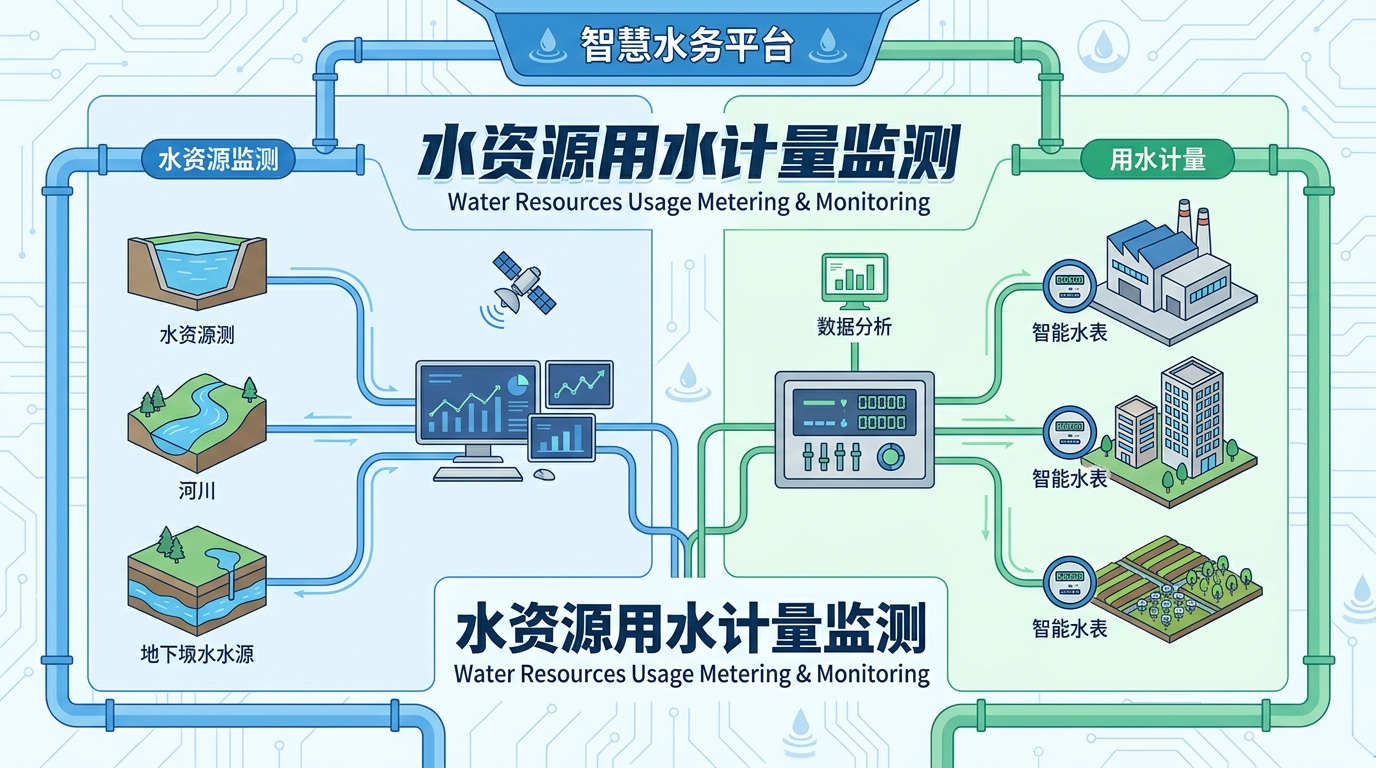
The Leap from Mechanical Metering to Smart Sensing
Traditional water management relied on manual readings and mechanical meters, which often suffered from data latency and high measurement errors. Today, high-precision ultrasonic and electromagnetic flowmeters have replaced these legacy tools, offering wide rangeability and zero pressure loss even in extreme environments.
Modern smart water metering devices go beyond volume; they integrate online sensors to monitor Chemical Oxygen Demand (COD), Ammonia Nitrogen, Turbidity, and pH simultaneously. This shift transforms simple volume tracking into a comprehensive approach that balances quantity and quality control.
Perception Layer
- Ultrasonic & Electromagnetic Flowmeters
- Integrated Water Quality Sensors (COD, pH, Turbidity)
- Low starting flow thresholds
Transmission Layer
- NB-IoT, LoRa, 4G, and 5G Connectivity
- Second-level or minute-level reporting
- Multi-year battery life without external power
Multi-Dimensional Applications in Agriculture and Industry
In agriculture, smart metering at diversion points enables precision irrigation based on soil moisture and weather data, effectively eliminating flood irrigation waste. For industrial users, multi-level metering networks help identify consumption nodes, providing a scientific basis for water recycling and reuse retrofitting projects.
Municipal services utilize District Metered Areas (DMA) to detect hidden leaks by analyzing minimum night flows, significantly reducing Non-Revenue Water (NRW). Meanwhile, ecological protection relies on real-time monitoring of river basins and reservoir outlets to ensure basic ecological base flows are maintained.
Data-Driven Water Conservation Policies
Advanced water resource monitoring provides the objective data necessary for governments to enforce strict water resource management systems. Precise withdrawal data allows for effective tax collection and the implementation of tiered water pricing, shifting user behavior from passive regulation to proactive conservation.
Real-time warning mechanisms for regional total consumption offer crucial decision-making time during extreme droughts, enabling coordinated scheduling to mitigate supply risks.
Future Trends: AI and Digital Twins Integration
The future of water management lies in big data analytics and Artificial Intelligence (AI). Machine learning algorithms will predict trends and recognize anomalies, such as illegal withdrawals or micro-leaks, enabling predictive maintenance before failures occur.
Edge computing will further empower terminals to process data locally, reducing network load and enhancing early warning timeliness. Ultimately, "Digital Twin" technology will map physical water networks onto virtual platforms, allowing managers to simulate and optimize scheduling in a risk-free environment.
Summary
Water resource metering and monitoring is not merely an engineering task but a critical infrastructure for achieving harmony between humanity and nature. As sensing technologies and AI continue to iterate, this sector will break traditional boundaries, ensuring the safe and sustainable utilization of global water resources.

