Industrial Water Withdrawal Monitoring: Latest Technology Advances in Smart Water Conservancy
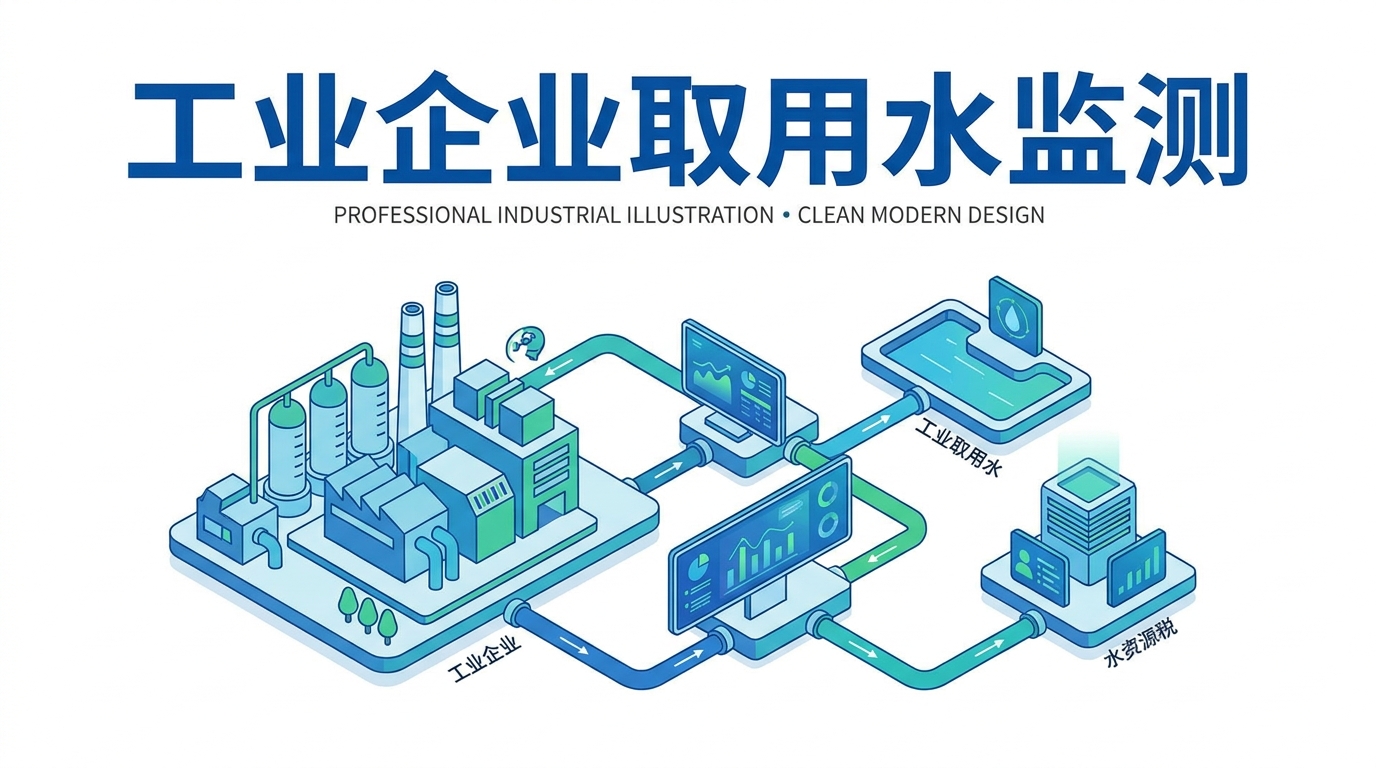
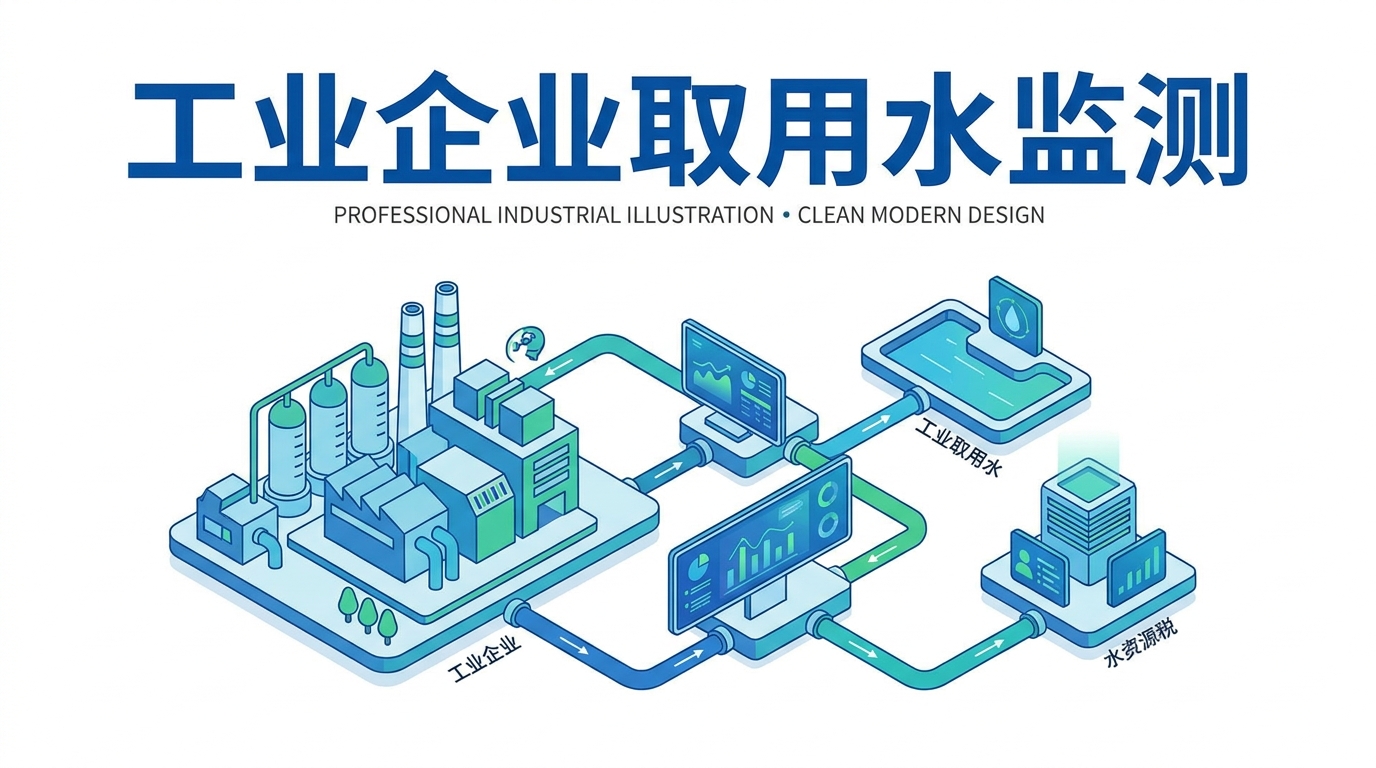
As global water scarcity intensifies, industrial water withdrawal monitoring has become a strategic priority for sustainable manufacturing. Driven by China’s strictest water resource management policy and the nationwide rollout of the water resource tax, enterprises now require high-precision, real-time, and legally compliant industrial water metering solutions—making smart water conservancy technologies essential for regulatory compliance, cost control, and operational efficiency.
This article explores how next-generation electromagnetic flowmeters, IoT-enabled sensing terminals, and cloud-based analytics are transforming industrial water withdrawal monitoring from manual, fragmented measurement into an integrated, intelligent, and data-driven asset management system.
Policy Catalyst: The Water Resource Tax Reform
The transition from water resource fees to taxation marks a paradigm shift—introducing a clear economic incentive: “use more, pay more; use less, pay less; double charge for over-quota usage.” This legal framework makes water consumption costs fully transparent and auditable.
For industrial enterprises, accurate water withdrawal metering accuracy is no longer optional—it’s the foundational requirement for tax compliance, dispute prevention, and financial accountability. Regulatory authorities now demand traceable, tamper-proof, and time-stamped flow data—pushing legacy mechanical meters to their functional limits.
Why Electromagnetic Flowmeters Are the Gold Standard for Industrial Water Withdrawal Monitoring
Electromagnetic flowmeters (EMFs) have emerged as the cornerstone technology for modern industrial water withdrawal monitoring systems. Based on Faraday’s Law of Electromagnetic Induction, they measure volumetric flow without moving parts—eliminating pressure loss, mechanical wear, and calibration drift.
Unlike mechanical meters, EMFs maintain ±0.5% RD accuracy across wide flow ranges—even in challenging media such as sediment-laden river water, corrosive chemical wastewater, or high-temperature boiler feedwater. Their immunity to temperature, pressure, density, and viscosity changes ensures long-term stability and reliability in harsh industrial environments.
From Single-Point to Multi-Tier Monitoring: Building a Plant-Wide Water Balance System
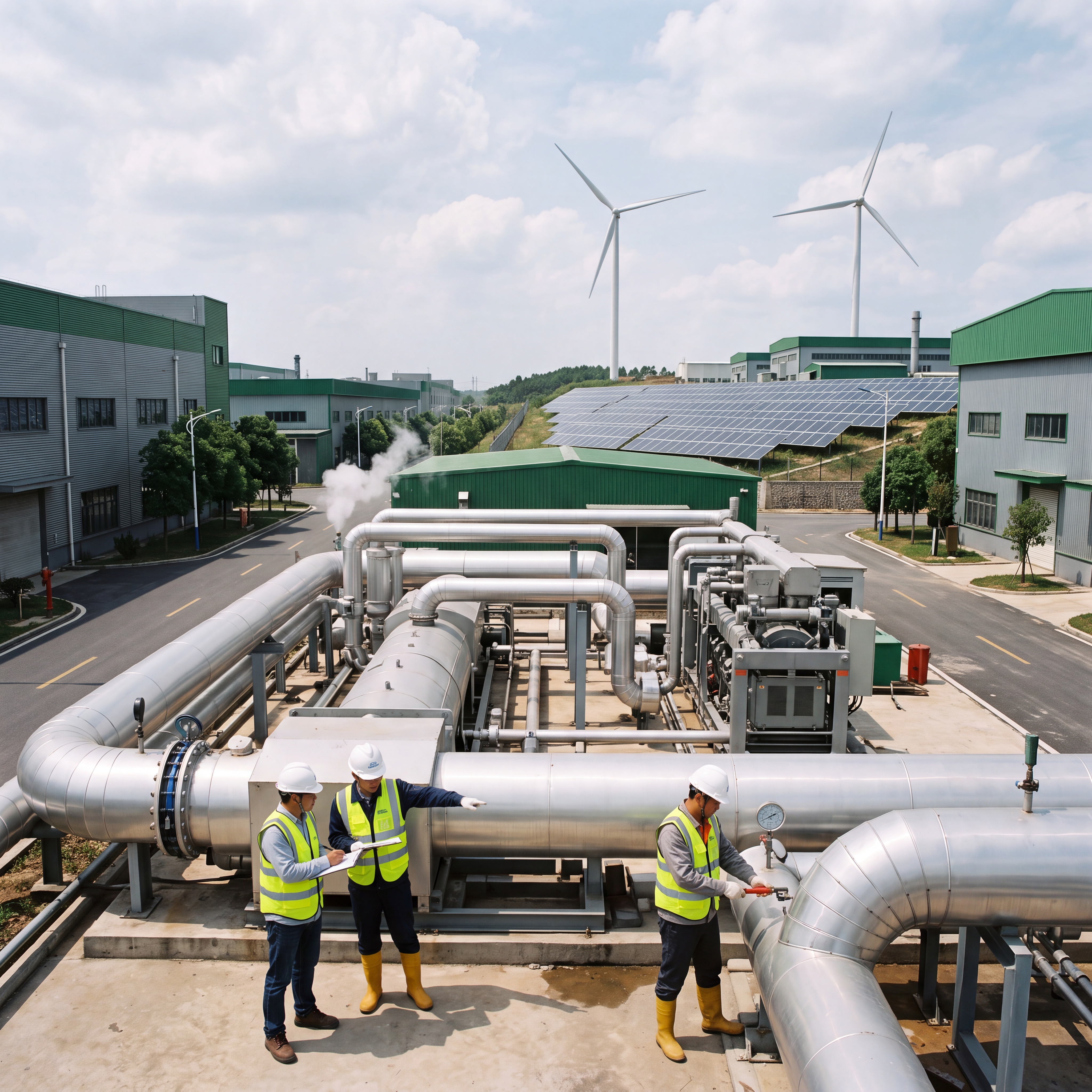
Modern industrial water withdrawal monitoring extends far beyond the main intake. In metallurgy and chemical plants, it now covers secondary and tertiary nodes—including cooling towers, process lines, boiler feed systems, and even individual high-consumption equipment.
By deploying high-performance electromagnetic flowmeters across this distributed network, enterprises construct a real-time plant-wide water balance testing system. This enables rapid leak detection, identification of water-intensive processes, and data-backed decisions for reclaimed water reuse—directly boosting industrial recycled water utilization rates.
Next-Generation Smart Sensors: IoT-Enabled Electromagnetic Flowmeters
Today’s advanced EMFs go beyond precision measurement—they integrate NB-IoT, 4G/5G, or LoRa wireless modules for secure, low-power, real-time data transmission. Edge computing capabilities enable on-device diagnostics: automatic empty-pipe detection, electrode fouling alerts, and flow anomaly classification—reducing backend processing load and accelerating response times.
These intelligent sensing terminals serve as foundational nodes in the industrial smart water conservancy ecosystem, bridging physical infrastructure with digital twin models and regulatory reporting platforms.
Cloud Analytics & Enterprise Integration: Turning Data into Strategic Value
Aggregated water withdrawal data flows into centralized big data platforms, where AI-powered analytics unlock multi-layered insights: predictive water demand modeling, production-output–normalized water consumption KPIs (e.g., m³/ton of steel), and automated tax-compliant reporting for water resource tax declarations.
Seamless integration with ERP, MES, and environmental supervision platforms transforms raw flow data into actionable intelligence—supporting not only compliance but also water-as-an-asset management, ESG reporting, and green manufacturing certification.
Key Technical Advantages of Modern Electromagnetic Flowmeters for Industrial Water Withdrawal Monitoring
Zero Pressure Loss Design
No moving parts → minimal pumping energy consumption and extended pipeline service life.
Wide Measuring Range
Typical range ratio up to 100:1; ultra-low starting flow (≤0.3 m/s) ideal for intermittent or low-flow industrial applications.
Robust Media Adaptability
Certified for conductive liquids ≥5 μS/cm — handles wastewater, seawater, slurry, and chemically aggressive fluids.
Smart Diagnostics & Compliance Ready
Built-in self-check, data logging (ISO/IEC 17025 traceable), and regulatory protocol support (e.g., China’s HJ/T 366–2007).
Conclusion: From Compliance to Competitive Advantage
Industrial water withdrawal monitoring is evolving from a regulatory obligation into a core component of digital transformation and green operations. Electromagnetic flowmeters provide the metrological foundation; IoT connectivity delivers real-time visibility; and cloud analytics transforms data into strategic value.
For R&D engineers and plant managers alike, embracing these smart water conservancy technologies is no longer about avoiding penalties—it’s about unlocking energy savings, improving water productivity, strengthening ESG performance, and building resilience in an era of tightening water constraints. The future of industrial water management is precise, connected, intelligent—and already here.