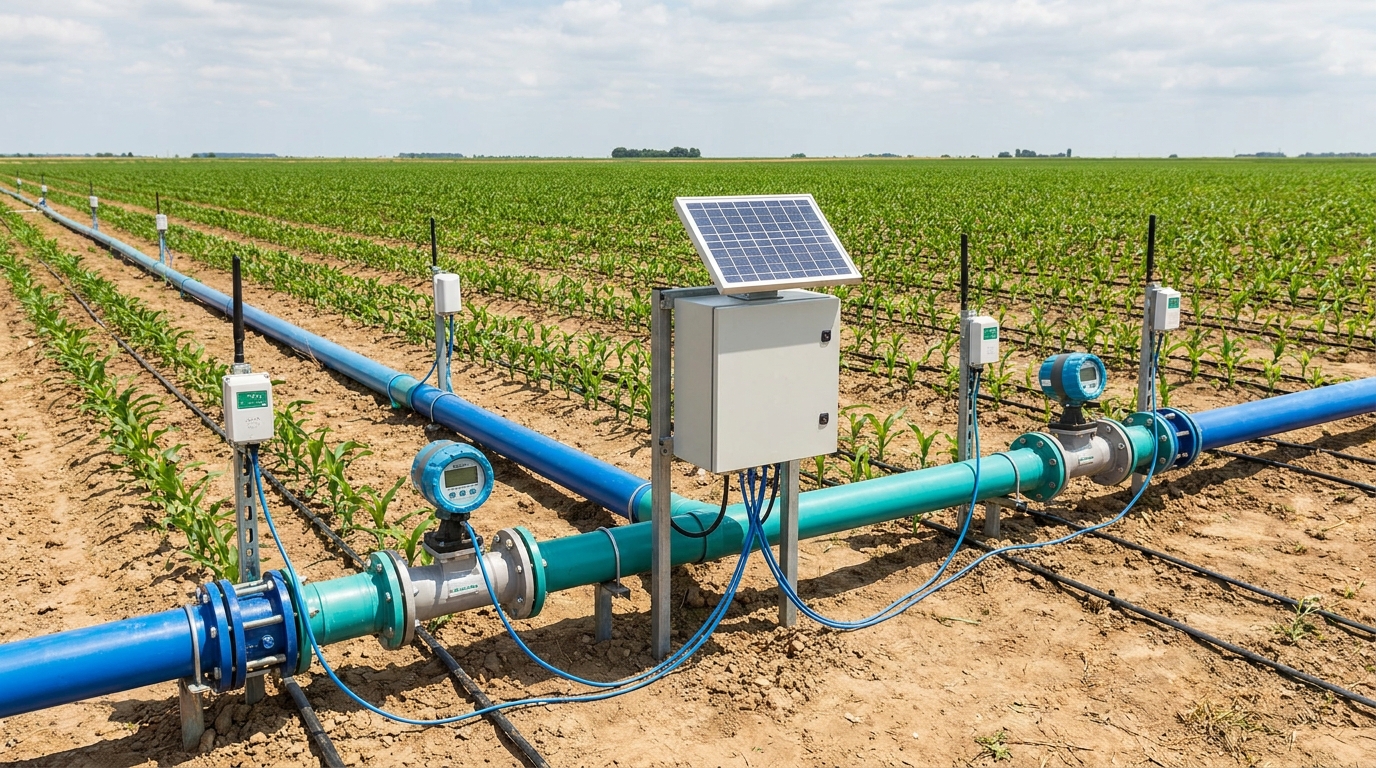
As global climate change intensifies, the informatization of high-standard farmland irrigation has emerged as a cornerstone for ensuring national food security. By leveraging IoT and big data, this digital transformation is reshaping the modern agricultural water network, moving beyond simple infrastructure to a comprehensive era of smart water conservation and precise resource management.
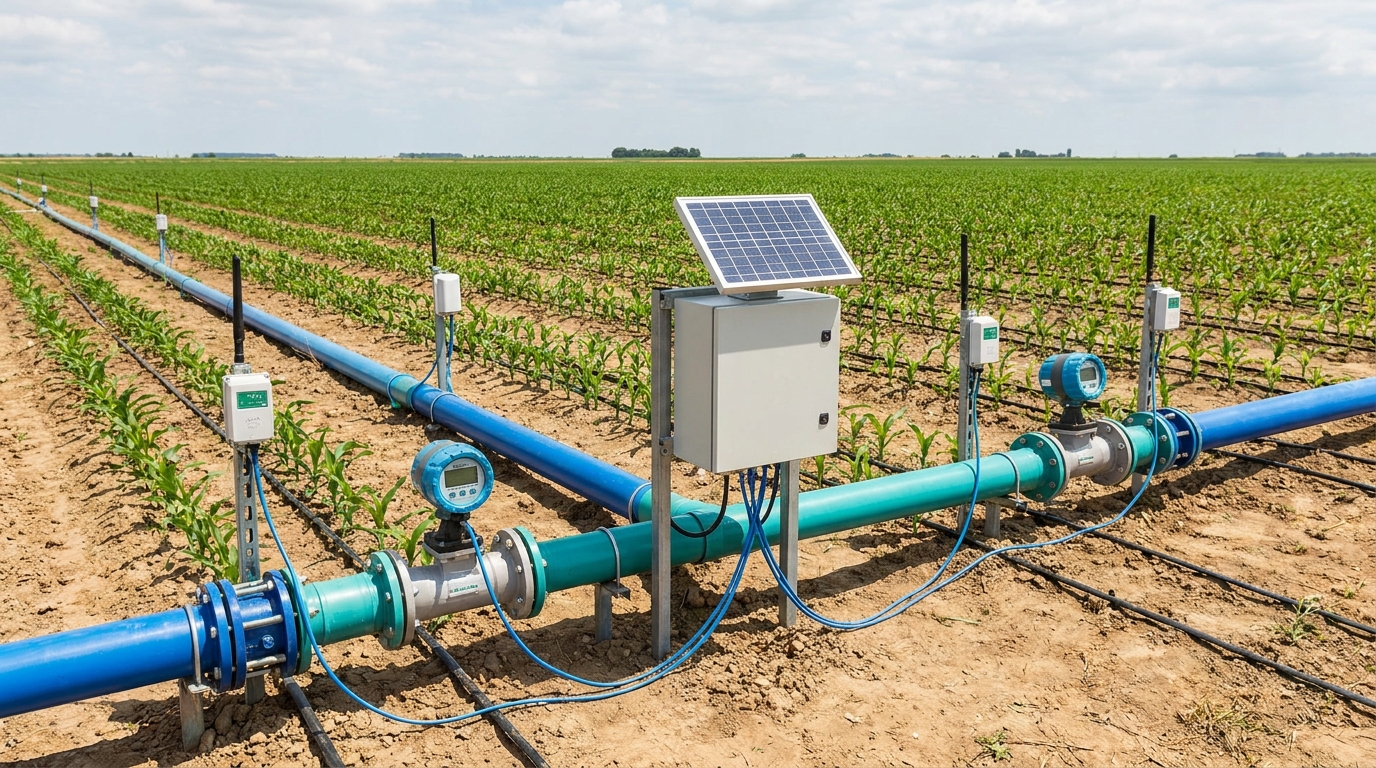
IoT and Big Data Building the Smart Foundation
The industry has moved beyond experience-based farming to establish a multi-dimensional perception network. High-precision sensors, including soil moisture monitors and meteorological stations, now enable all-weather, millisecond-level collection of critical environmental data.
Low-power wide-area network (LPWAN) technologies like 5G and LoRa bridge information silos, ensuring stable data uplink. This connectivity allows cloud platforms to integrate hydraulic models with crop growth cycles, automatically generating optimal irrigation strategies for "technological conservation."
Precision Scheduling
Real-time monitoring of canal levels and flow rates for refined "water ledger" calculations.
Automated Management
Soil sensors trigger drip irrigation automatically when root-zone water content drops below thresholds.
Predictive Maintenance
Online monitoring of pump stations tracks voltage and vibration to prevent equipment failure.
Core Scenarios: Precision Scheduling and Automated Management
At the macro level, informatization platforms allow authorities to monitor primary and tertiary canals intuitively. By combining weather forecasts with crop requirements, the system performs refined calculations to remotely link controlled gates, preventing upstream flooding while ensuring downstream availability.
On the micro field level, advanced facilities like drip irrigation integrate with automated solenoid valves. When sensors detect low moisture, the system triggers irrigation; it shuts off once saturation is reached. This "supply according to demand" model significantly reduces consumption and prevents soil compaction.
Future Trends: Digital Twins and AI Leading the Way
Future irrigation districts will utilize digital twin technology to map real-time hydrological data into virtual 3D models. Managers can simulate water scheduling and conduct hydraulic modeling within this environment, adopting a "calculate first, act later" approach to enhance emergency response capabilities.
Artificial Intelligence will drive decision-making by analyzing yield history, pest patterns, and market prices. This shift enables "integrated water, fertilizer, and pesticide management," maximizing overall economic benefits rather than just focusing on water saving.
Standardization and Data Interconnectivity
Industry standards are unifying to resolve issues with inconsistent device protocols and incompatible data formats. With improved national agricultural big data foundations, data from high-standard farmlands will achieve seamless docking with meteorology and water conservancy departments.
This thorough breakdown of data barriers forms an intelligent business loop that integrates macro-control with micro-execution. The result is a highly efficient, interconnected ecosystem that supports sustainable agricultural development.
Conclusion: Redefining the Agricultural Water Network
The informatization of high-standard farmland irrigation represents a profound transformation of modern agricultural production methods. Driven by breakthroughs in sensing, digital twins, and AI, future irrigation districts will become smarter and more efficient.
This evolution provides endless technical momentum to ensure global food security and promote green, low-carbon agricultural development, marking a new era of smart water conservation.

