As global water resource management becomes increasingly refined, open channel flow monitoring is experiencing unprecedented growth driven by the need for accurate surface water assessment and ecological protection. This deep dive explores the current status, diverse applications, and future trends of smart hydrological technologies, highlighting how acoustic measurement systems are revolutionizing agricultural irrigation, urban drainage, and river conservation.
Current Status: Acoustic Measurement Dominates Open Channel Flow Monitoring
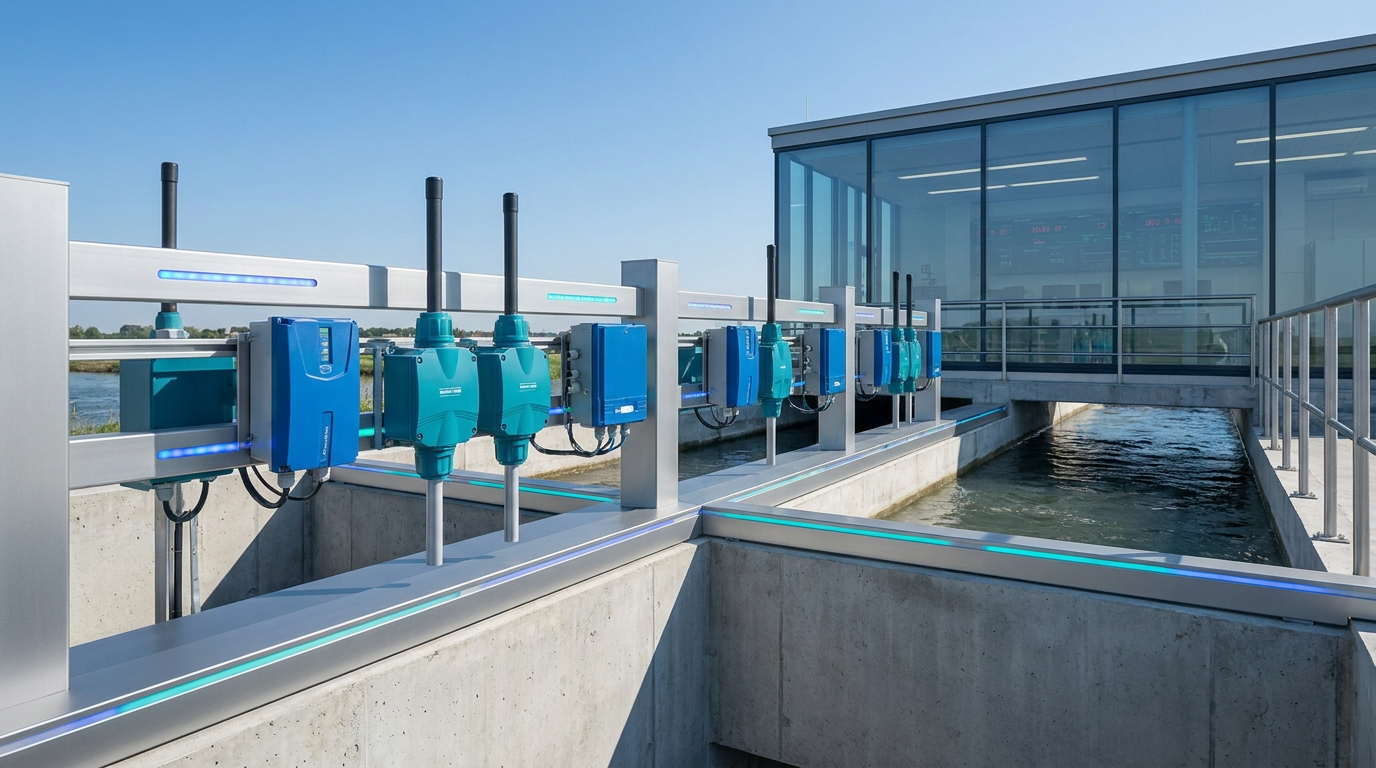
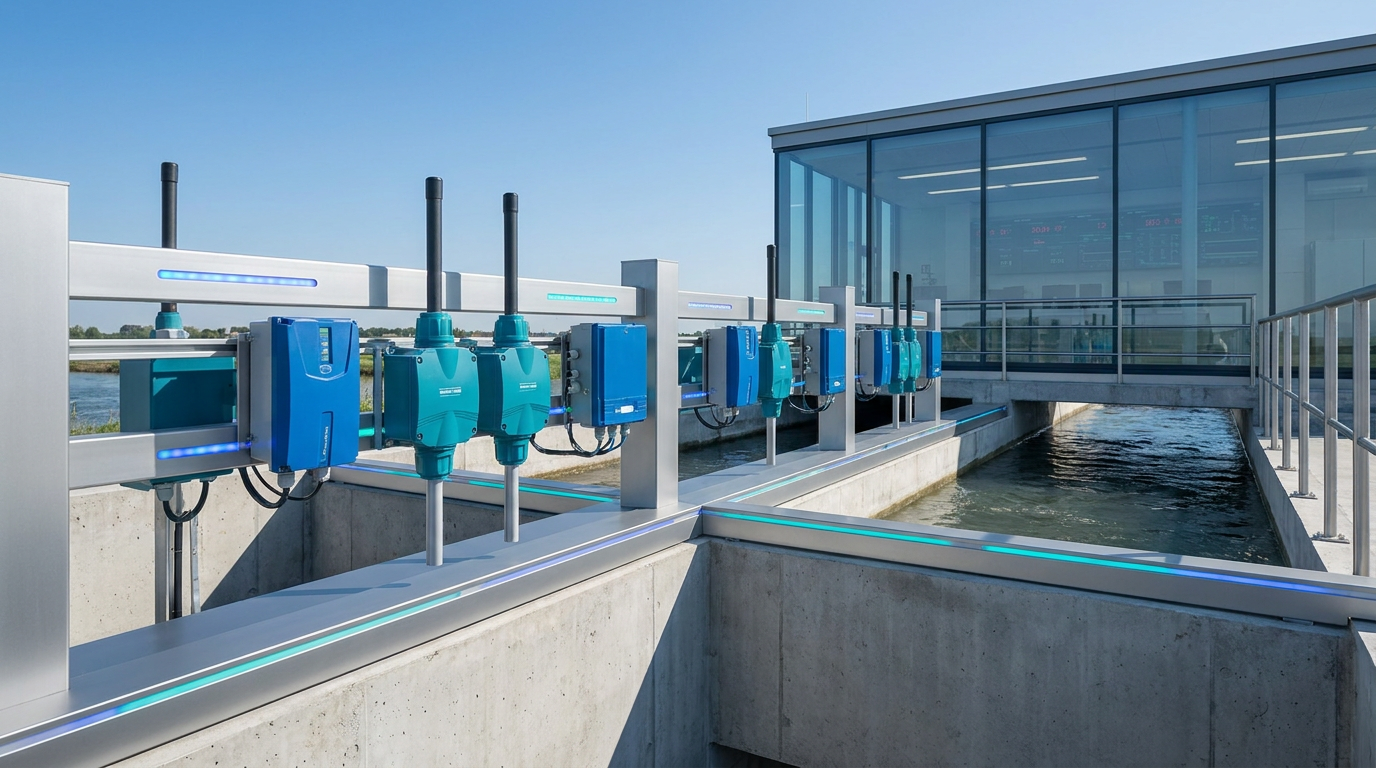
The industry is rapidly transitioning from traditional mechanical devices to intelligent, non-contact methods led by acoustic technologies. Among these, ultrasonic and Doppler flowmeters represent the two most mature and widely applied solutions in modern smart water management.
Ultrasonic flowmeters calculate velocity by measuring sound wave time differences or by combining level gauges with standard weirs. They offer simple structures and low maintenance costs, delivering high precision in clear water conditions. However, their accuracy can be constrained in environments with high sediment concentrations or severe turbulence.
Doppler Flowmeters: Solving Complex Water Conditions
In contrast, Doppler flowmeters demonstrate superior adaptability by utilizing the acoustic Doppler effect to measure echoes from suspended particles or bubbles. This technology breaks the dependence on expensive civil engineering works like weirs, allowing direct installation in natural rivers and irregular channels.
Their ability to resist interference in turbid water makes them the key technical solution for overcoming bottlenecks in special flow regimes. By precisely calculating flow velocity profiles without physical obstructions, they ensure reliable data even under the most challenging hydrological conditions.
Key Application Scenarios in Smart Water Management
Water Ecological Protection
Real-time monitoring at critical cross-sections ensures strict minimum ecological flow requirements are met, safeguarding aquatic habitats and supporting river-lake self-repair capabilities.
Agricultural Irrigation
Precise metering of instantaneous and cumulative volumes provides objective support for water rights allocation and pricing reforms, preventing flood irrigation waste.
Urban Drainage & Flood Control
First-hand stormwater runoff data enables timely emergency responses and scientific pump station scheduling during extreme weather events.
Hydropower & Reservoirs
Continuous discharge monitoring at spillways and tailrace channels optimizes energy generation while maintaining downstream ecological balance.
Future Trends: Intelligence and Integration in Open Channel Flow Monitoring
The industry is accelerating towards intelligence through the deep fusion of IoT and edge computing. Future devices will evolve into intelligent terminals capable of local data cleaning, anomaly analysis, and self-calibration before transmitting stable data via 5G or satellite networks.
Multi-parameter integration is becoming standard, combining Doppler flowmeters with sensors for dissolved oxygen, turbidity, and pH. This "quantity-quality synergy" provides multi-dimensional data support for holistic basin governance and comprehensive hydrological monitoring.
Sustainable Power Solutions for Remote Monitoring Stations
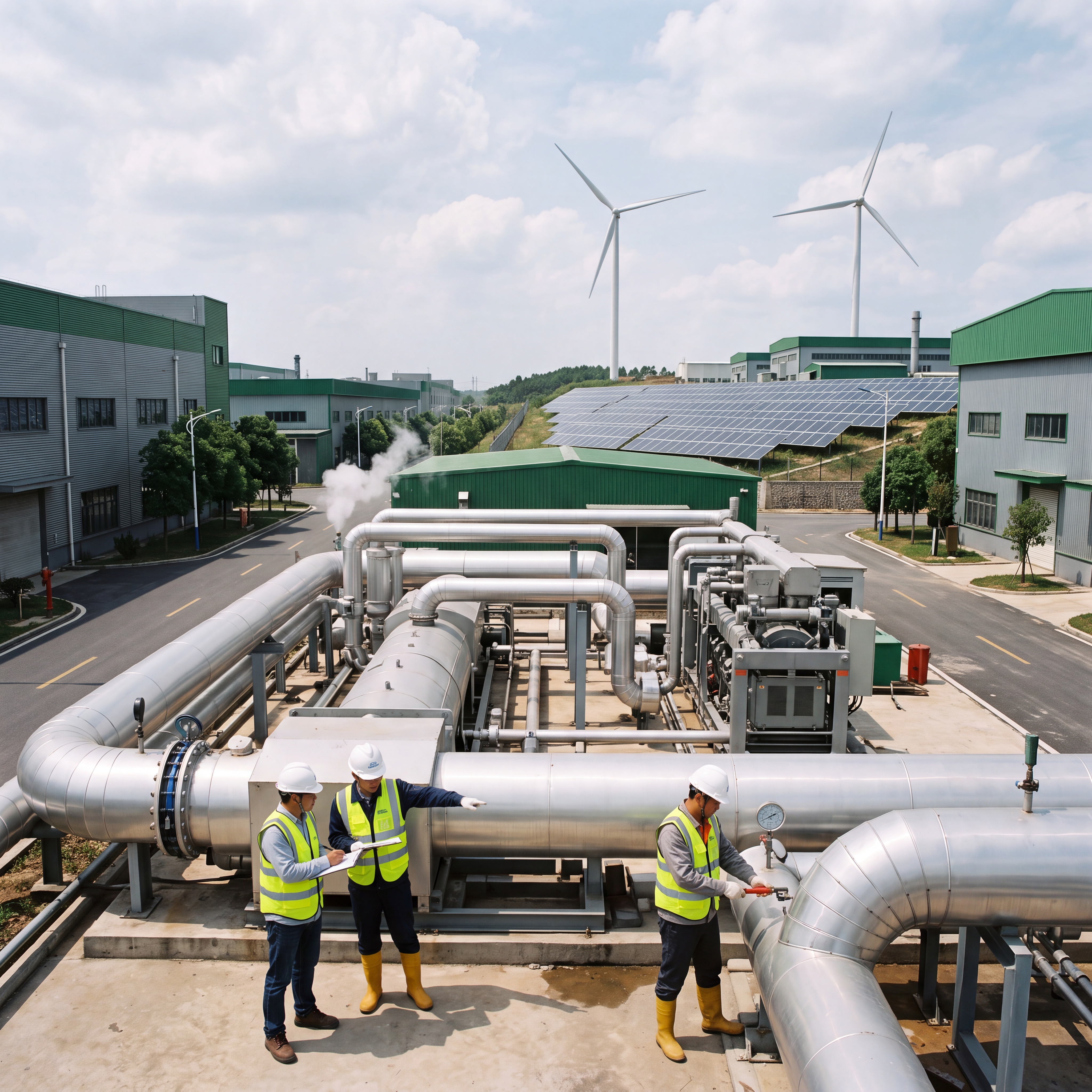
Low-power system design and new energy power supply are becoming essential configurations for field equipment located in remote areas without grid access. Advanced chip architectures combined with sleep-wake algorithms significantly extend battery life.
Efficient solar thin-film or micro-hydroelectric generation modules drastically reduce the frequency of daily inspections. This ensures uninterrupted operation and extends maintenance-free cycles, making long-term deployment of open channel flow monitoring systems more viable and cost-effective.
Conclusion
In summary, open channel flow monitoring technology plays a pivotal role in ensuring efficient water resource allocation, disaster prevention, and maintaining ecological balance. As acoustic sensing technologies continue to advance, monitoring methods are becoming increasingly precise, intelligent, and reliable. Under the era of ecological civilization construction, this industry is bound to welcome broader development prospects, contributing solid technological strength to the sustainable management of global water resources.