Urban Water Supply Network Monitoring: Latest Technology Advances in Smart City Infrastructure
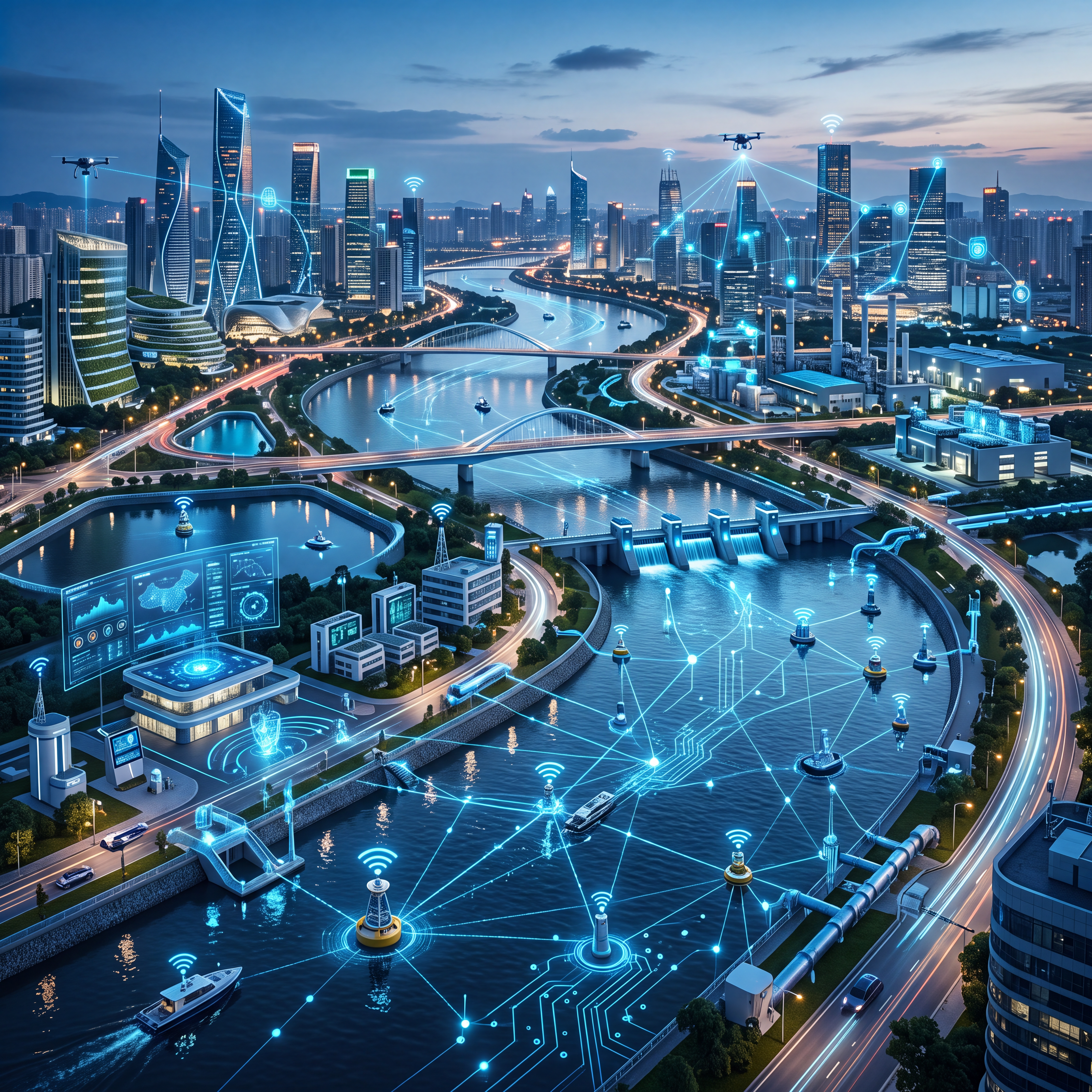
Urban water supply network monitoring has evolved into a cornerstone of smart city resilience—leveraging real-time IoT sensing, AI-powered analytics, and digital twin modeling to combat non-revenue water (NRW), detect leaks early, and optimize pressure management across aging infrastructure.
As cities expand and legacy pipelines deteriorate, advanced urban water supply network monitoring systems deliver actionable intelligence—not just data. This article explores how digitalization transforms passive utility operations into predictive, adaptive, and sustainable water governance.
From Manual Checks to Refined Perception: The DMA Revolution in Urban Water Supply Network Monitoring
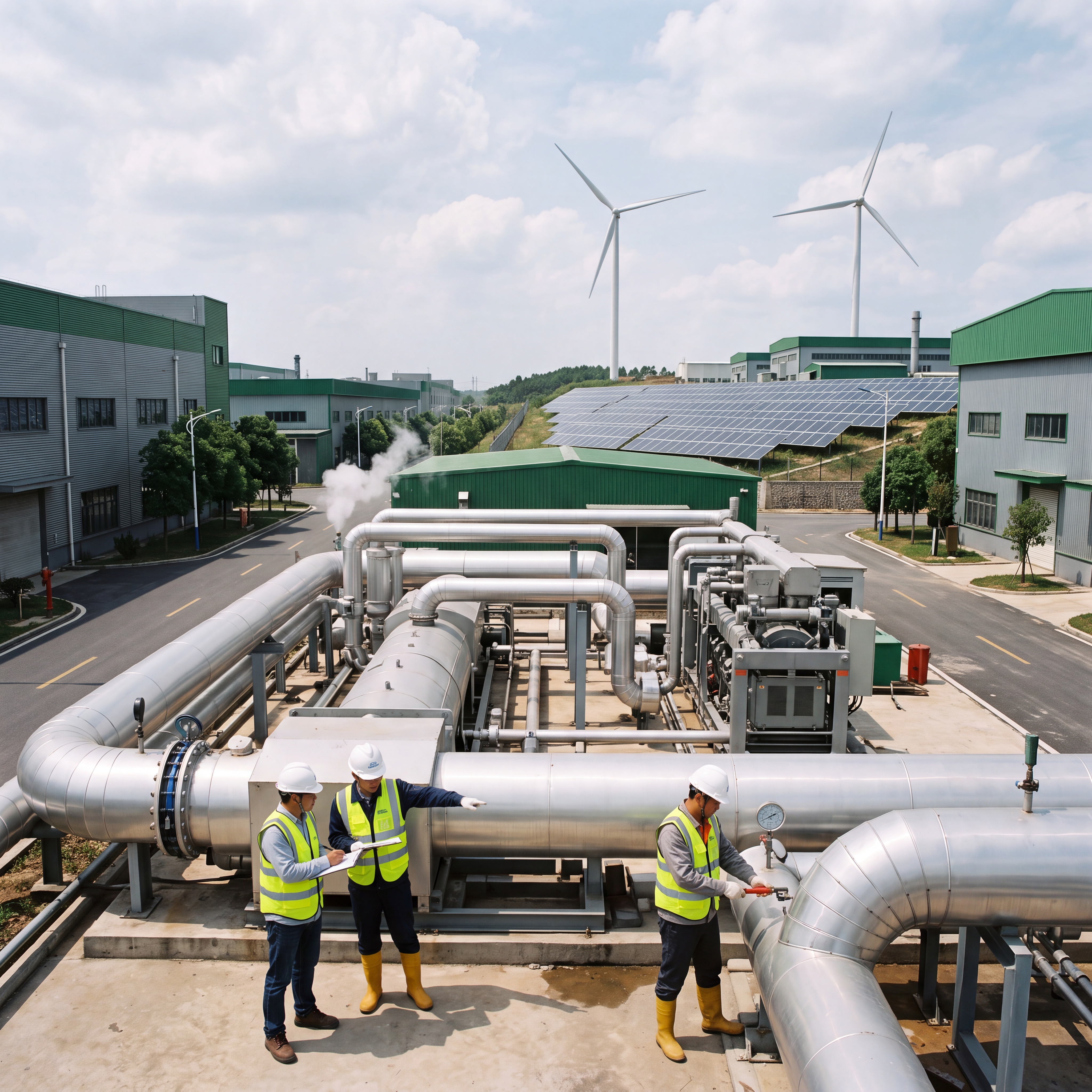
Traditional water utility management relied on reactive repairs and infrequent manual inspections—leaving hidden leaks undetected for weeks or months. Today’s urban water supply network monitoring shifts decisively toward proactive, granular insight through District Metered Area (DMA) zoning—a foundational strategy for precision water loss control.
DMA divides sprawling underground networks into spatially isolated, metered zones using strategic valve closures and flow meters. Real-time tracking of inflow, outflow, and verified consumption per zone enables precise water balance analysis—turning citywide NRW into localized, actionable anomalies.
This grid-based approach dramatically narrows leak search areas, reduces field investigation time by up to 70%, and forms the physical-data backbone for all higher-level analytics—from pressure optimization to AI-driven forecasting.
Pressure + Flow Intelligence: Core Application Scenarios in Urban Water Supply Network Monitoring
With robust hardware and DMA infrastructure in place, urban water supply network monitoring unlocks high-value operational intelligence—especially through Minimum Night Flow (MNF) analysis and dynamic pressure sensing.
MNF leverages low-demand nighttime hours (2–4 AM) to isolate background leakage: persistent flow beyond expected residual usage signals physical loss. Cross-day comparisons—adjusted for temperature, holidays, and seasonal patterns—enable accurate baseline leakage quantification and automated anomaly alerts.
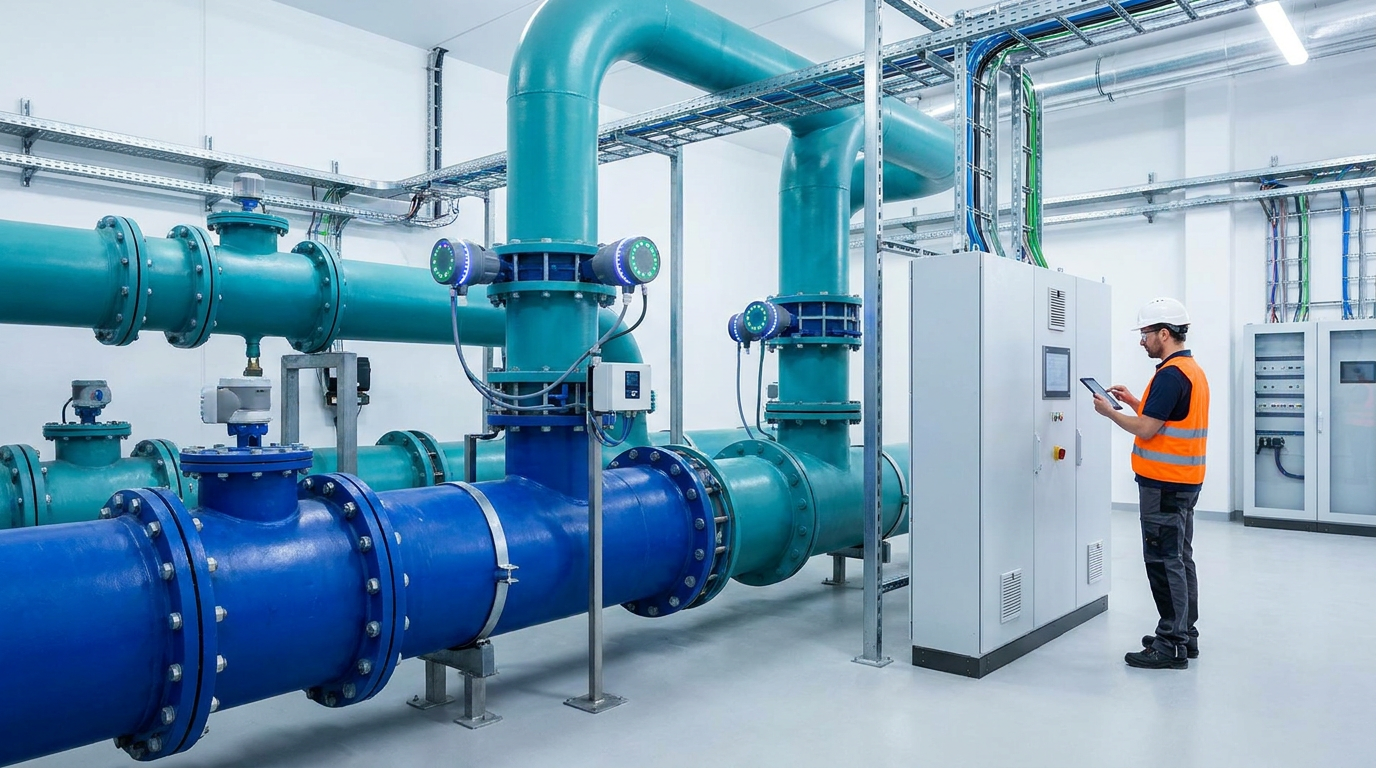
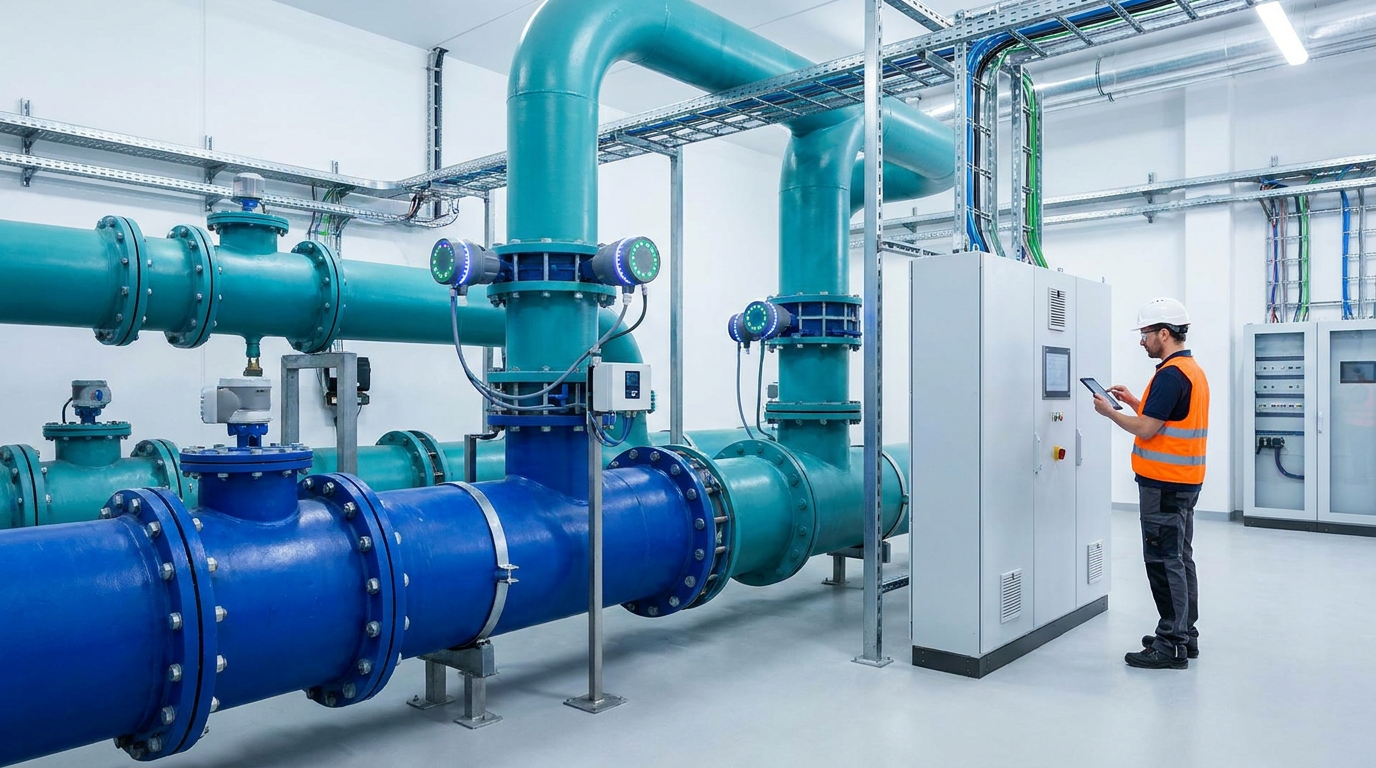
Equally vital is high-frequency pressure monitoring. Since leakage volume scales with pipe pressure squared, excessive night pressure accelerates corrosion and triggers bursts. Deploying smart pressure sensors at critical nodes captures transient events (e.g., water hammer), enabling rapid leak localization—and pairing with intelligent Pressure Reducing Valves (PRVs) allows dynamic, demand-responsive pressure regulation.
MNF Accuracy
Detects leaks as small as 0.5 m³/h with >92% precision under stable ambient conditions
PRV Optimization
Reduces average network pressure by 15–25%, cutting burst incidents by ~40%
DMA Efficiency
Cuts NRW by 12–28% within 6–12 months post-deployment
AI & Digital Twin: The Next Frontier of Urban Water Supply Network Monitoring
The future of urban water supply network monitoring lies in predictive intelligence and virtual-physical convergence. AI and digital twin technologies are no longer conceptual—they’re operational tools transforming how utilities anticipate failure, simulate interventions, and govern complex infrastructure.
Deep learning models now process billions of daily IoT readings to build pipe-specific health profiles—identifying micro-vibrations from incipient cracks or subtle pressure decay patterns long before visible failure. This shifts maintenance from “repair after break” to “intervene before leak,” boosting asset lifespan and reducing emergency response costs.
Meanwhile, digital twin platforms unify GIS mapping, SCADA telemetry, hydraulic simulations, and live sensor feeds into a single, synchronized virtual replica. Operators can visualize real-time pressure gradients, run “what-if” scenarios—like isolating a main valve—and instantly assess cascading impacts on service continuity, empowering data-backed decisions during emergencies or infrastructure upgrades.
Integrated Urban Water Supply Network Monitoring: A Systemic Engineering Approach
Modern urban water supply network monitoring transcends hardware deployment—it’s a holistic system integrating DMA zoning, multi-point pressure-flow sensing, cloud-based analytics, and AI-augmented decision engines.
This systemic architecture delivers measurable ROI: reduced NRW, extended pipeline life, lower energy use (via optimized pumping and pressure), and enhanced regulatory compliance. More importantly, it lays the technical foundation for water-saving societies and climate-resilient smart cities.
Key Takeaway: Urban water supply network monitoring is no longer about detecting leaks—it’s about predicting them, preventing them, and governing water infrastructure with the same sophistication applied to power grids or transportation networks. The convergence of IoT, AI, and digital twin technology marks the definitive transition from analog utility management to intelligent water stewardship.