Latest Technology Advances in Industrial Water Withdrawal Monitoring
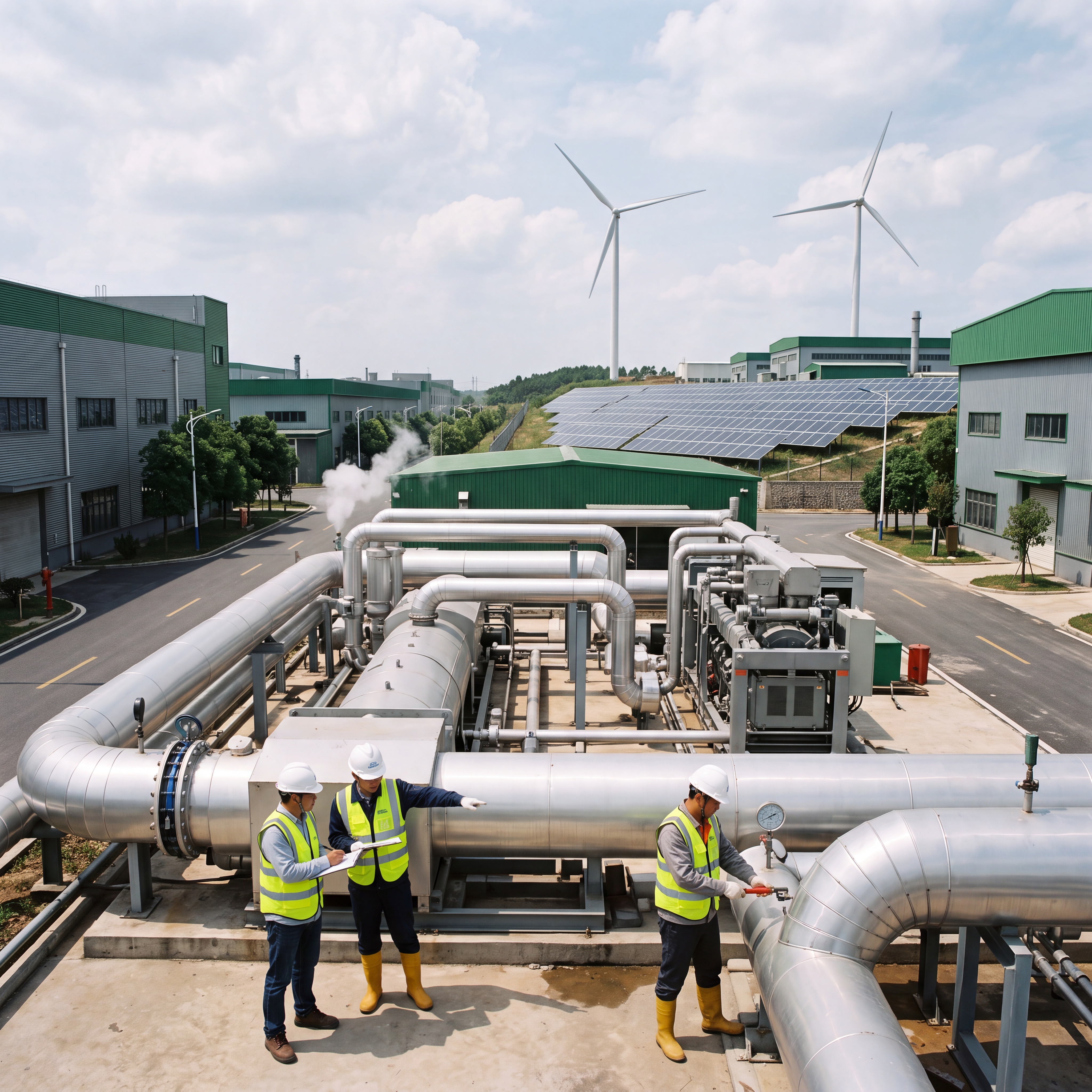
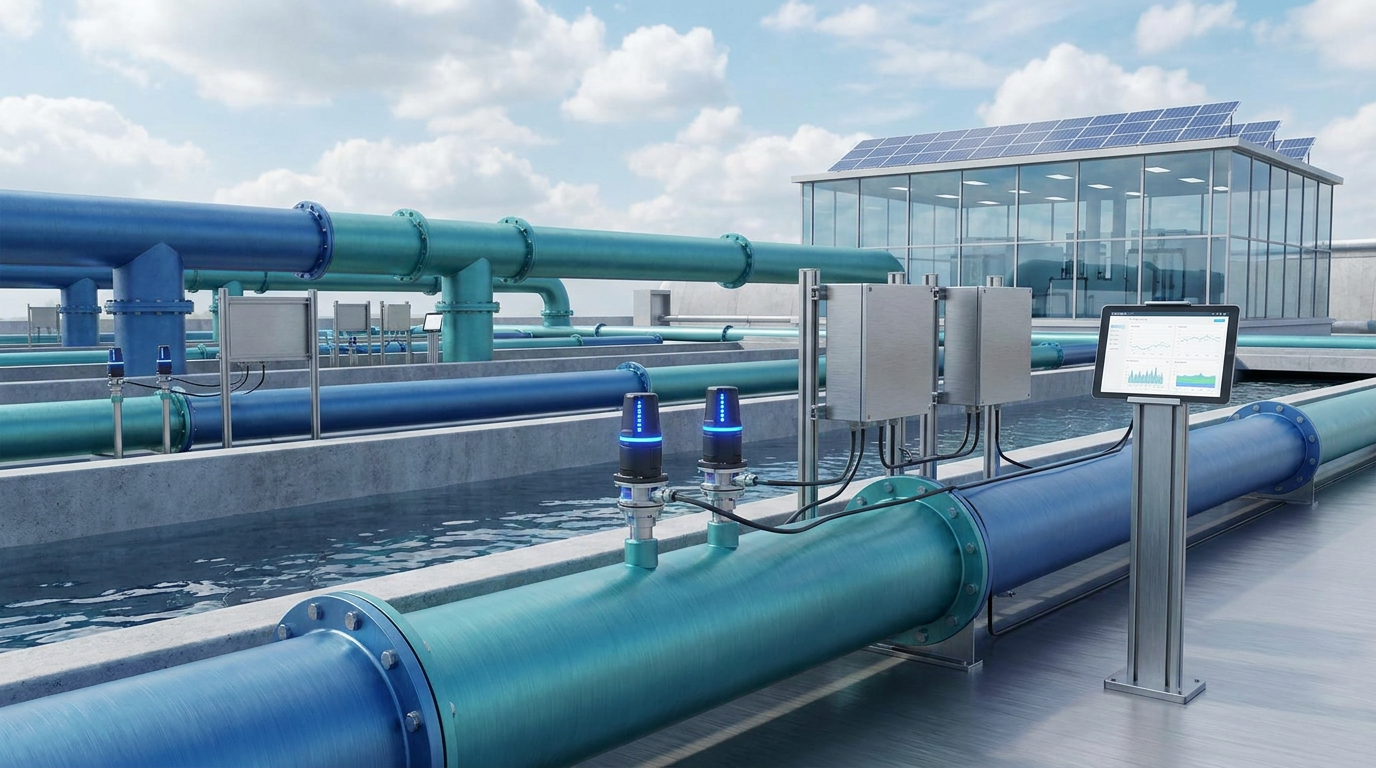
As the global water scarcity crisis intensifies, industrial enterprises are adopting advanced water withdrawal metering technologies to meet stringent regulatory demands. Establishing a scientific and precise industrial water withdrawal monitoring system is now a cornerstone for compliant production and high-quality green development.
The Role of Water Resource Tax Reform in Industrial Management
Under the current policy framework, the transition from "water resource fees" to "water resource taxes" drives the upgrade of industrial water management. This shift imposes legally binding requirements on data compliance, making accurate water withdrawal metering technology critical for corporate tax compliance and cost control.
Any measurement error in these systems could directly expose enterprises to tax risks or result in unnecessary financial burdens. Consequently, the industry is moving towards refined and intelligent operations to ensure data immutability and accuracy.
Electromagnetic Flowmeters: The Backbone of Precision Metering
Among various flow measurement technologies, electromagnetic flowmeters have emerged as the backbone of the industrial water withdrawal monitoring sector. Operating on Faraday's law of electromagnetic induction, these devices generate an induced electromotive force perpendicular to both the magnetic field and flow direction.
These meters offer distinct technical advantages, including negligible pressure loss due to the absence of obstructions in the measuring tube. Furthermore, their measurement accuracy remains unaffected by fluid density, viscosity, temperature, or pressure, enabling adaptation to diverse industrial water qualities.
Applications in Metallurgical, Chemical, and Power Sectors
In metallurgical and chemical industries, cooling circulation systems often contain impurities and suspended solids. Traditional mechanical water meters are prone to wear and blockage under these conditions, whereas electromagnetic flowmeters ensure long-term stable operation with their non-contact measurement characteristics.
In the power sector, particularly within thermal power plants, accurate large-diameter flow measurement is crucial for boiler feedwater and raw water extraction. High-precision water withdrawal equipment not only monitors total volume in real-time but also assists engineers in identifying potential pipeline leaks through minute velocity fluctuations.
Real-Time Data Transmission
Eliminates manual reading lag with 4G/5G and NB-IoT connectivity.
Digital Twin Integration
Leverages AI to analyze consumption curves and optimize dispatch.
Blockchain Security
Ensures tamper-proof data for tax liabilities and water rights trading.
Future Trends: IIoT and Smart Water Efficiency
The integration of the Industrial Internet of Things (IIoT) and big data is unveiling new trends in industrial water monitoring. Future water withdrawal meters will function as smart terminals equipped with edge computing capabilities, transmitting instantaneous flow and device health status to cloud servers.
This real-time online monitoring provides a robust data foundation for the automated declaration of water resource taxes and remote regulatory oversight. By integrating this data with production scheduling and energy consumption metrics, enterprises can precisely locate nodes of water waste.
Data-Driven Optimization and Anti-Fraud Technologies
The trend lies in deeply integrating water withdrawal data with enterprise process parameters to mark a pivotal shift from "passive metering" to "active optimization." Advanced encryption algorithms and blockchain technology are being explored to ensure end-to-end tamper-proofing of data.
Given that water withdrawal data is directly linked to tax liabilities, the authenticity and security of this data are paramount. These measures aim to build a highly trusted government-enterprise data ecosystem.
Conclusion: A Systematic Approach to Sustainable Development
Industrial water withdrawal monitoring has evolved beyond a purely technical endeavor into a systematic engineering project encompassing sensing technology, communications, data science, and fiscal management. Driven by the ongoing water resource tax reform, advanced water withdrawal metering technologies represented by electromagnetic flowmeters will see broader application.
For industrial enterprises, actively embracing these new technologies to build transparent and efficient water monitoring systems is a critical step toward enhancing core competitiveness and achieving sustainable development.