Latest Technology Advances in Water Resource Metering and Monitoring
Under the dual pressures of global climate change and rapid economic development, water scarcity has emerged as a critical bottleneck constraining sustainable development. As the foundational pillar for the scientific allocation and protection of water resources, modern water resource metering and monitoring technologies have witnessed significant advancements, shifting from traditional mechanical models to precision digital transformation. This article provides an in-depth analysis of the current technological landscape, typical application scenarios, and future development trends in this field.
Core Technology Status: Multi-Dimensional Intelligent Sensing
Today, water resource monitoring and metering technologies have completely moved beyond the primary stage of relying on manual meter reading and mechanical water meters. A modern monitoring system, centered on smart sensors, Internet of Things (IoT) transmission, and edge computing, has been fully established.
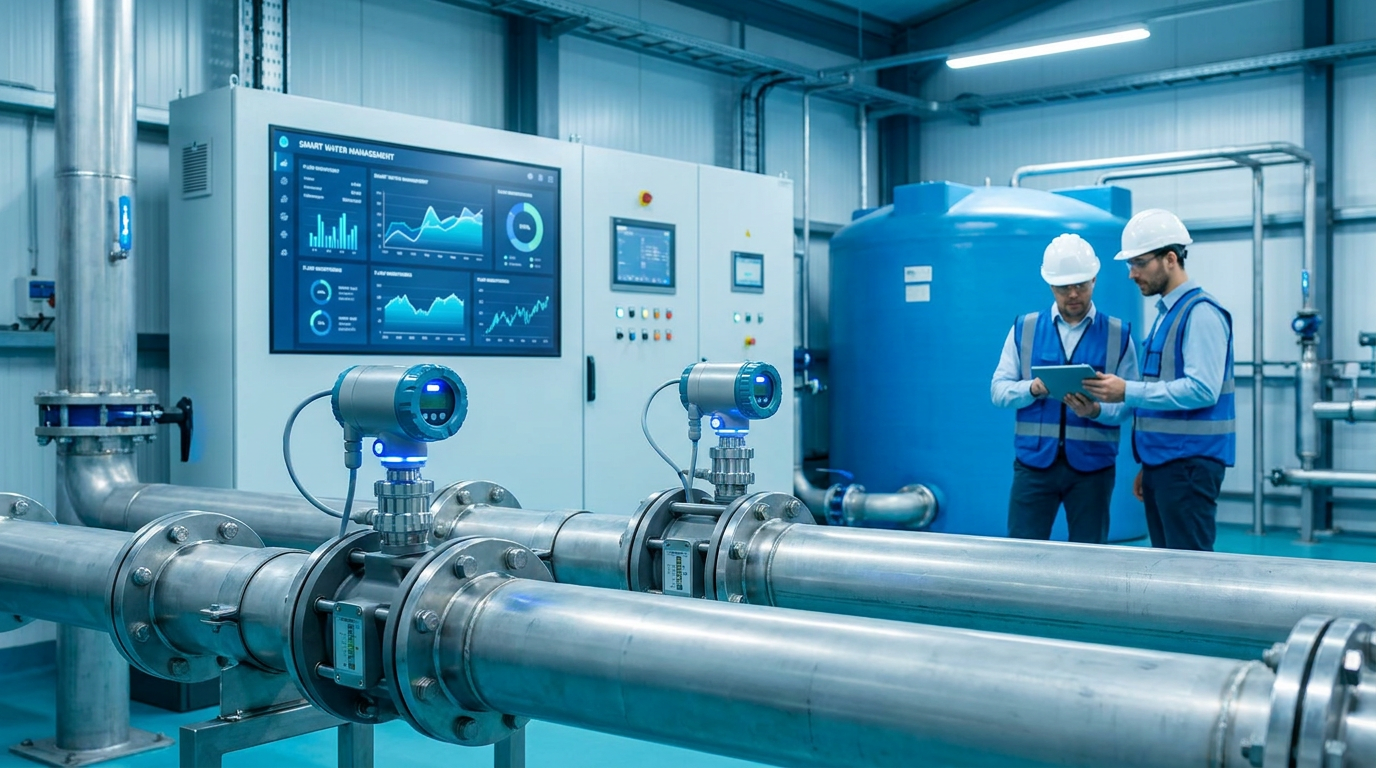
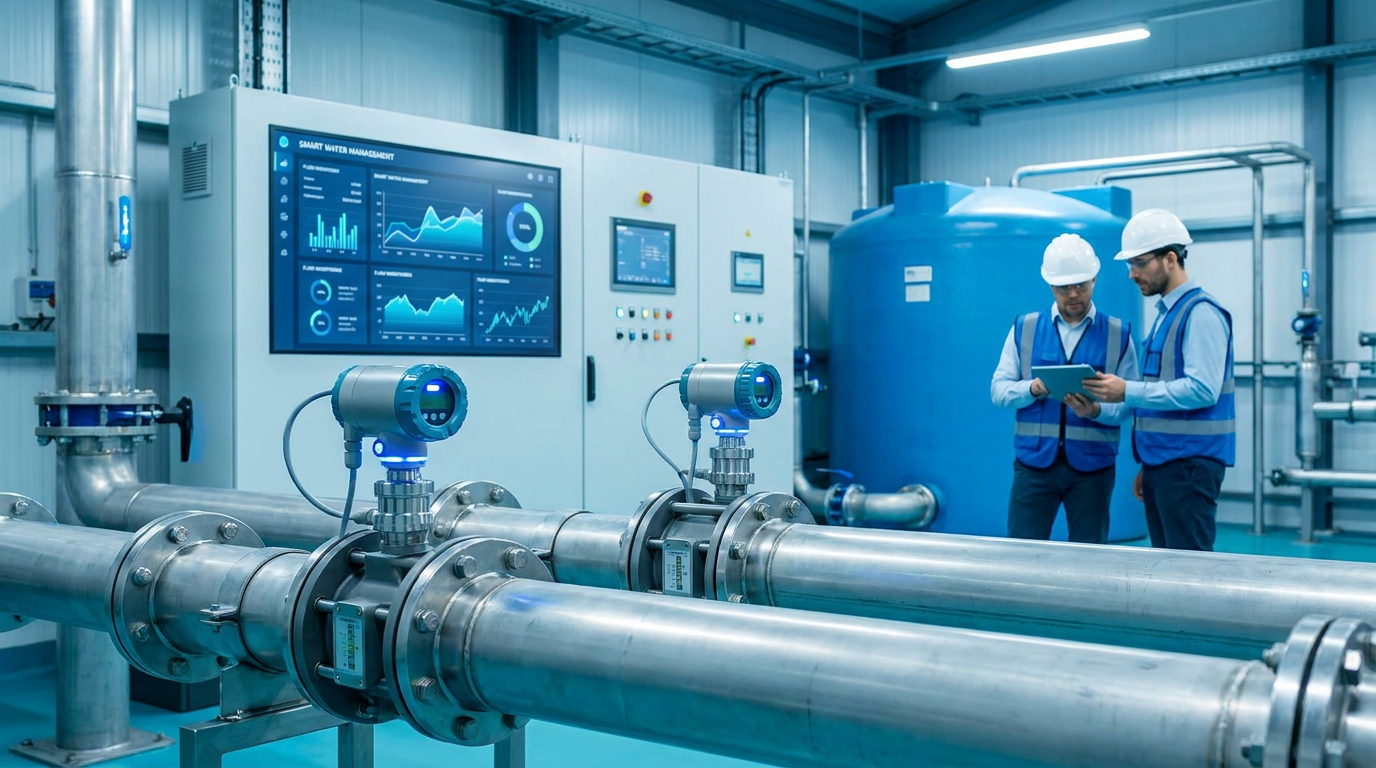
At the perception layer, the widespread adoption of high-precision measurement devices such as ultrasonic flowmeters and electromagnetic flowmeters has significantly enhanced adaptability to complex flow environments. These devices feature ultra-low starting flow capabilities, allowing for the precise capture of minute flow variations while resisting interference from turbid water quality and pipe scaling.
Data Transmission: Cloud-Edge-End Collaborative Architecture
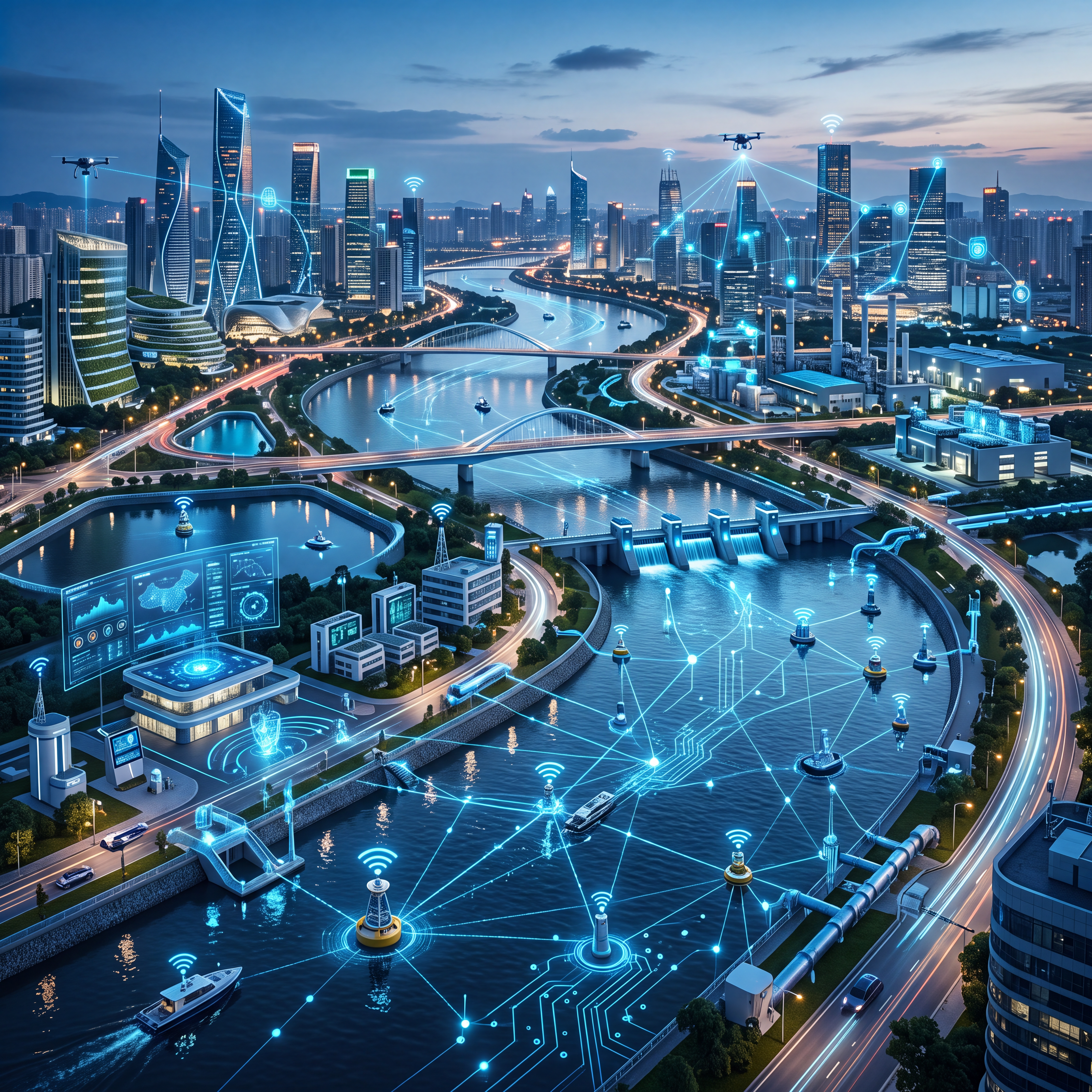
In terms of data transmission and processing, the deep integration of NB-IoT, LoRa, and 4G/5G communication technologies enables monitoring nodes distributed across vast geographical areas to upload multi-dimensional data—including water level, flow rate, and water quality—in milliseconds.
Furthermore, the introduction of edge computing gateways empowers front-end devices with preliminary data analysis and anomaly detection capabilities. This "Cloud-Edge-End" collaborative architecture drastically reduces data transmission latency and network bandwidth pressure, elevating the real-time performance and accuracy of water abstraction metering to unprecedented heights.
Typical Application Scenarios: Deep Empowerment of Key Sectors
Industrial Compliance
High-frequency, high-precision abstraction metering systems enable real-time monitoring of total and instantaneous water intake, shifting regulation from "post-event tracing" to "in-process control."
Agricultural Efficiency
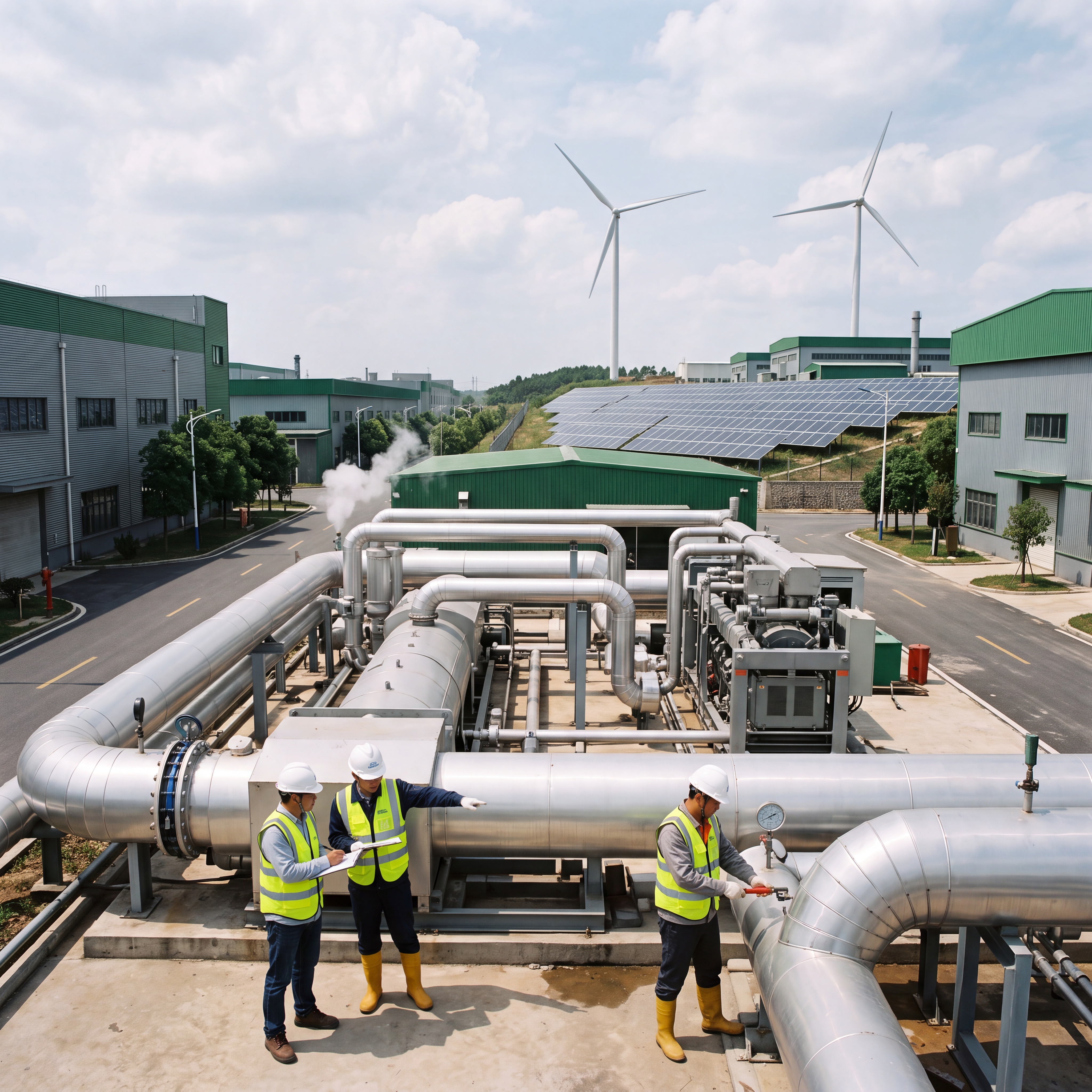
Combining intelligent water metering with soil moisture monitoring allows agricultural parks to achieve supply based on actual demand, driving the modernization of agricultural water conservation.
Municipal Leakage Control
Deploying high-precision flow and pressure equipment at key nodes, combined with District Metered Area (DMA) technology, effectively pinpoints leak zones and reduces network leakage rates.
Future Trends: Digital Twins and AI Integration
Looking ahead, water resource metering and monitoring will evolve beyond single-point data collection towards deep data mining, business synergy, and lifecycle management. Future monitoring systems will accumulate massive historical water usage datasets to accurately predict water demand curves for different regions and seasons.
Simultaneously, AI algorithms will intelligently identify the health status of metering equipment, predicting failures in advance to enable predictive maintenance. Physical entities such as water pumping stations and transmission networks will be mirrored in virtual space as high-fidelity 3D digital models, into which real-time water resource monitoring data is injected.
Integrated Management: Quantity and Quality Bundling
Relying solely on water volume monitoring is no longer sufficient for modern water resource management. The future trend involves the deep bundling of water abstraction metering with water quality monitoring, where a single system simultaneously monitors extraction volumes while analyzing indicators such as pH, electrical conductivity, and turbidity.
This comprehensive platform will break down data silos, achieving closed-loop management of the entire water cycle—from abstraction, supply, and usage to discharge. Establishing a highly reliable and intelligently interconnected water resource metering and monitoring system will provide the most solid technical guarantee for protecting the source of life.
Conclusion
With the continuous iteration of IoT, artificial intelligence, and big data technologies, water metering will become increasingly precise, water resource monitoring more three-dimensional, and water conservation management more intelligent. This transition is critical for achieving synergistic development between ecology and the economy.
Written by the News Editorial Department of Ecolor Technology