Latest Technology Advances in Smart Water: Ecological Flow Monitoring at Hydropower Stations
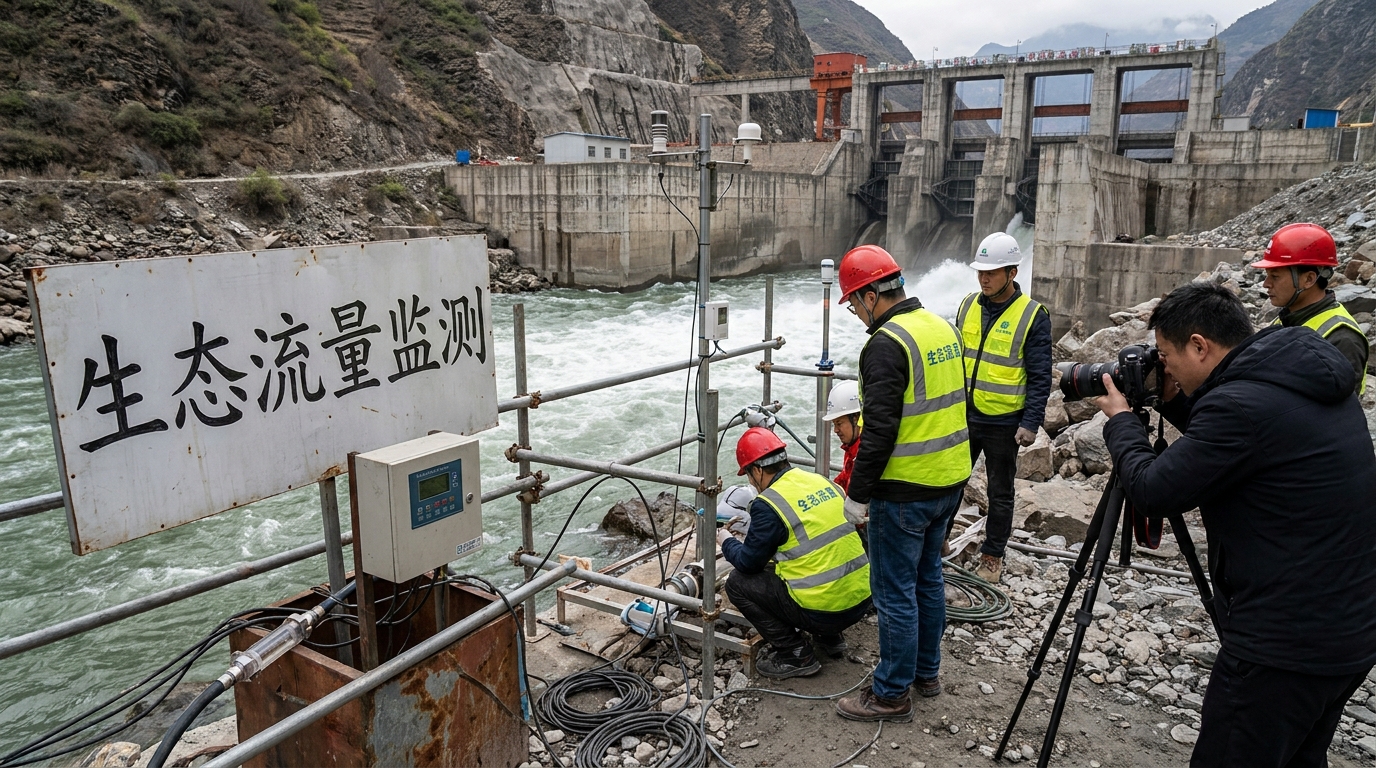
As global awareness regarding ecological protection rises, ecological flow monitoring at hydropower stations has emerged as the critical lever for balancing energy development with water ecosystem conservation. Accurate, continuous, and reliable monitoring of minimum downstream discharge is not only a mandatory requirement under current water resource management regulations but also the core technological foundation for achieving sustainable green hydropower. This article explores how Doppler radar technology is revolutionizing this field.
The Critical Need for Modern Ecological Flow Monitoring
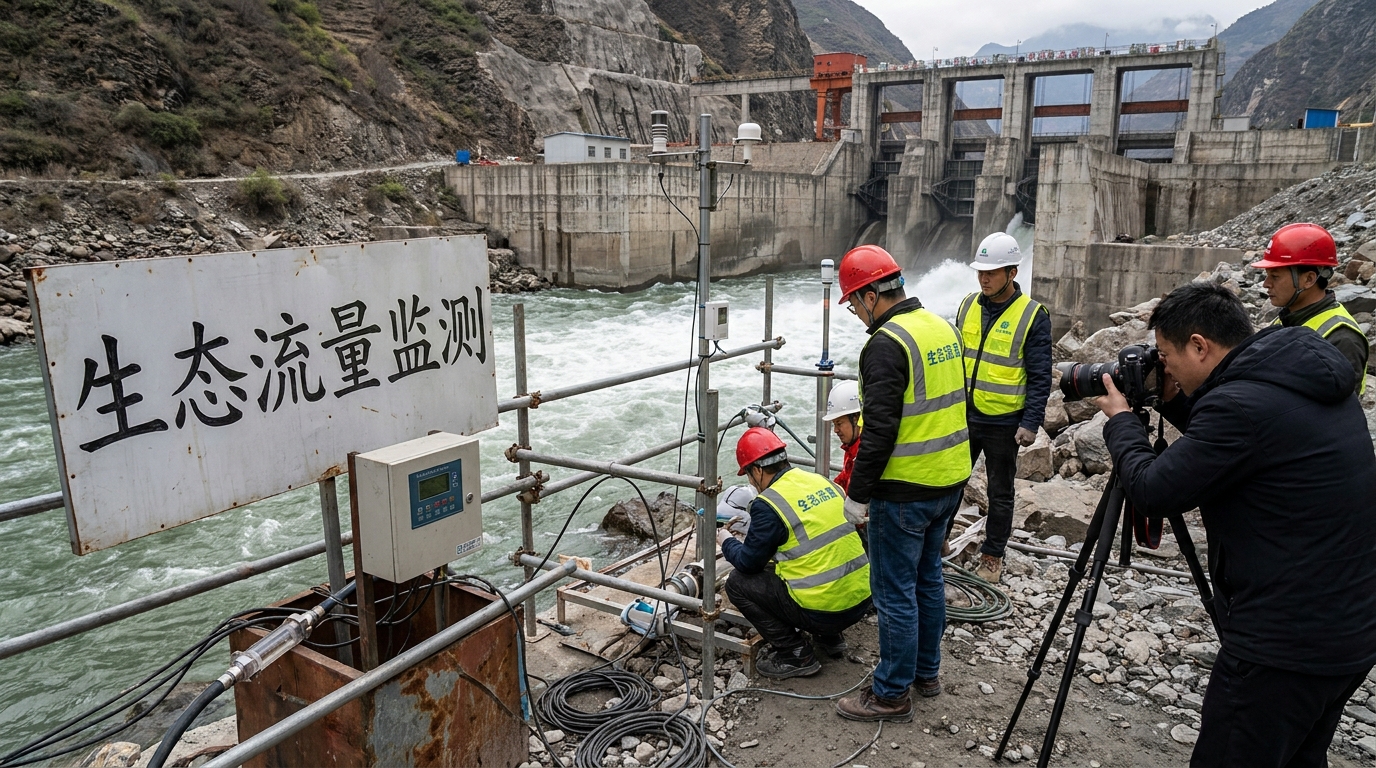
Ecological flow refers to the minimum water volume required to maintain the basic structure and function of aquatic ecosystems, ensuring the survival and reproduction of aquatic organisms. For hydropower stations that interrupt natural river continuity, any reduction in downstream flow can degrade the water body's self-purification capacity and damage biodiversity.
Strictly verifying and guaranteeing minimum downstream discharge is the bottom line for maintaining watershed ecological health. However, complex environments like deep gorges and turbulent flows pose significant technical challenges to traditional monitoring methods used in the industry.
Limitations of Traditional Contact-Based Flow Measurement
Early industry standards relied on contact-based equipment like mechanical propeller velocity meters or ultrasonic time-of-flight flowmeters. While accurate under specific conditions, these devices are highly susceptible to entanglement with floating debris during flood seasons and abrasion from sediment.
Furthermore, traditional equipment struggles to operate stably in chaotic flow regimes featuring large head drops and high velocities. The high cost of subsequent manual maintenance and associated safety risks have created an urgent demand for non-contact, highly adaptable monitoring solutions.
Revolutionary Precision with Doppler Radar Technology
The introduction of Doppler radar technology provides a revolutionary solution for the precise calculation of ecological flows at hydropower stations. Operating on the Doppler effect principle, the system transmits microwave signals toward the water surface and detects frequency shifts caused by the relative motion of ripples.
By analyzing these frequency differences, the system precisely calculates surface velocity. When integrated with radar or ultrasonic water level gauges, it combines real-time levels with cross-sectional geometry data to derive an accurate, real-time value for minimum downstream discharge.
Non-Contact Design
Completely detached from the water surface, avoiding debris damage and sediment accumulation.
All-Weather Stability
Microwave signals remain unaffected by fog, rain, snow, or temperature gradients.
Remote Deployment
Low power consumption allows solar-powered operation in unpopulated canyon areas.
Versatile Applications in Conventional and Diversion Hydropower
In conventional dam-type stations, radar equipment can be suspended above spillway gates or tailrace bridges, completely avoiding physical damage. For diversion-type stations with long tunnels and depleted reaches, Doppler radar systems offer distinct advantages due to their wireless capabilities.
These systems enable all-weather unmanned online monitoring in remote areas without electricity or network coverage. The robustness of microwave signals ensures data continuity even under severe weather conditions, making them ideal for challenging geographical terrains.
Future Trends: IoT Integration and Closed-Loop Automation
Hydropower ecological flow monitoring is evolving towards intelligence and closed-loop automation. Doppler radar sensors are now deeply integrated with IoT and edge computing, utilizing built-in AI algorithms to automatically filter invalid data caused by wind waves.
A profound trend is the establishment of a "monitoring and regulation closed-loop linkage." Real-time flow data will directly trigger control commands to adjust ecological release gates when thresholds are approached, shifting from passive monitoring to active ecological scheduling.
Conclusion: The Path to Green Development
Effective guarantee of ecological flow is the inevitable path for the hydropower industry to move towards an ecology-first, green development model. Non-contact flow measurement technologies represented by Doppler radar have become the core solution to the challenge of monitoring minimum downstream discharge.
As sensing technologies continue to merge with artificial intelligence, the ecological regulatory capabilities of the water sector will be comprehensively upgraded, safeguarding the vision of harmonious coexistence between humans and water in watersheds.

