Latest Technology Advances in Urban Drainage Pipe Network Online Monitoring
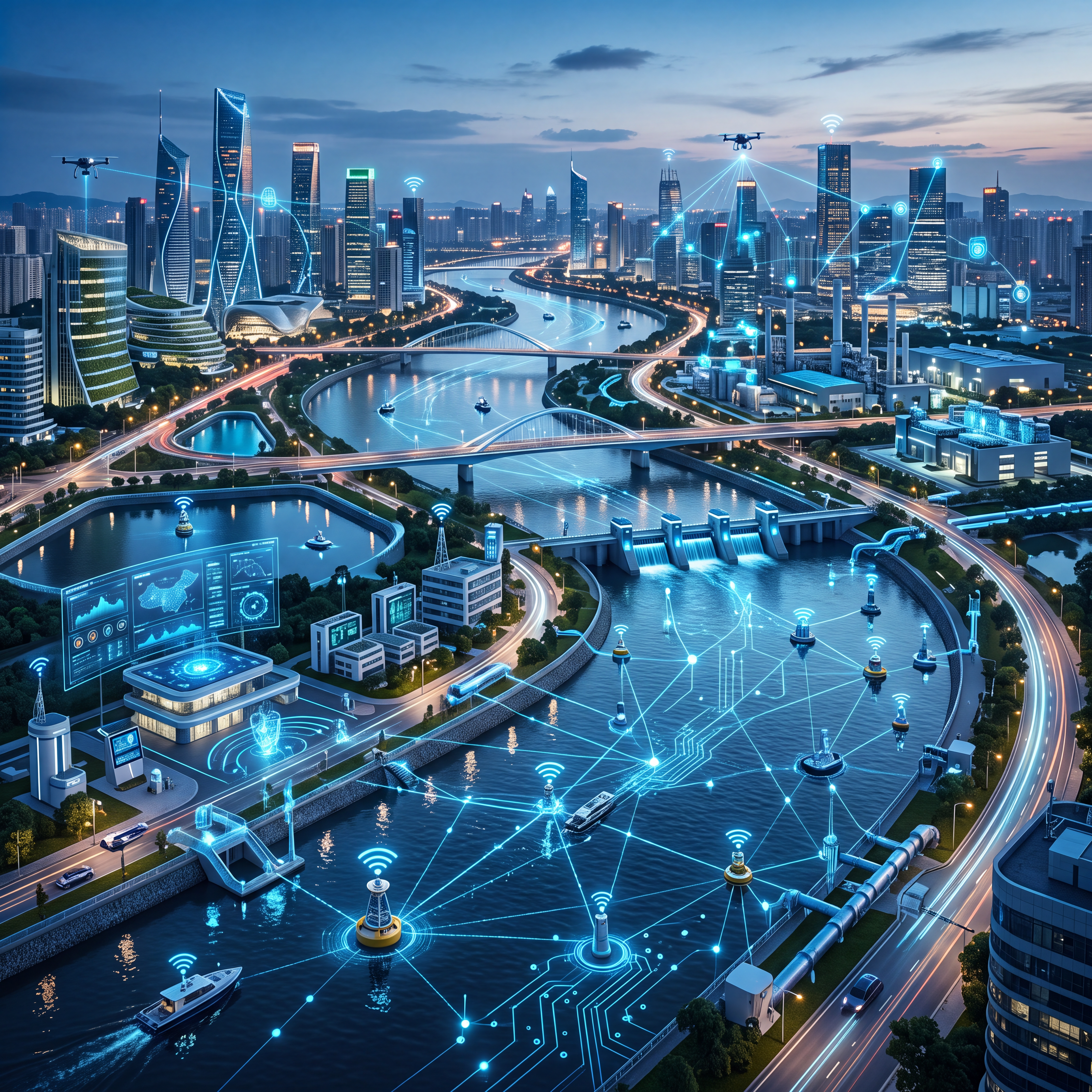
As urbanization accelerates, urban drainage pipe network online monitoring has emerged as a critical solution for managing underground infrastructure. By leveraging advanced IoT sensors and real-time data analytics, cities can transition from passive emergency response to active flood defense, ensuring water environment safety and enhancing resilience against extreme weather events.
Evolution of Urban Drainage Pipe Network Online Monitoring Technology
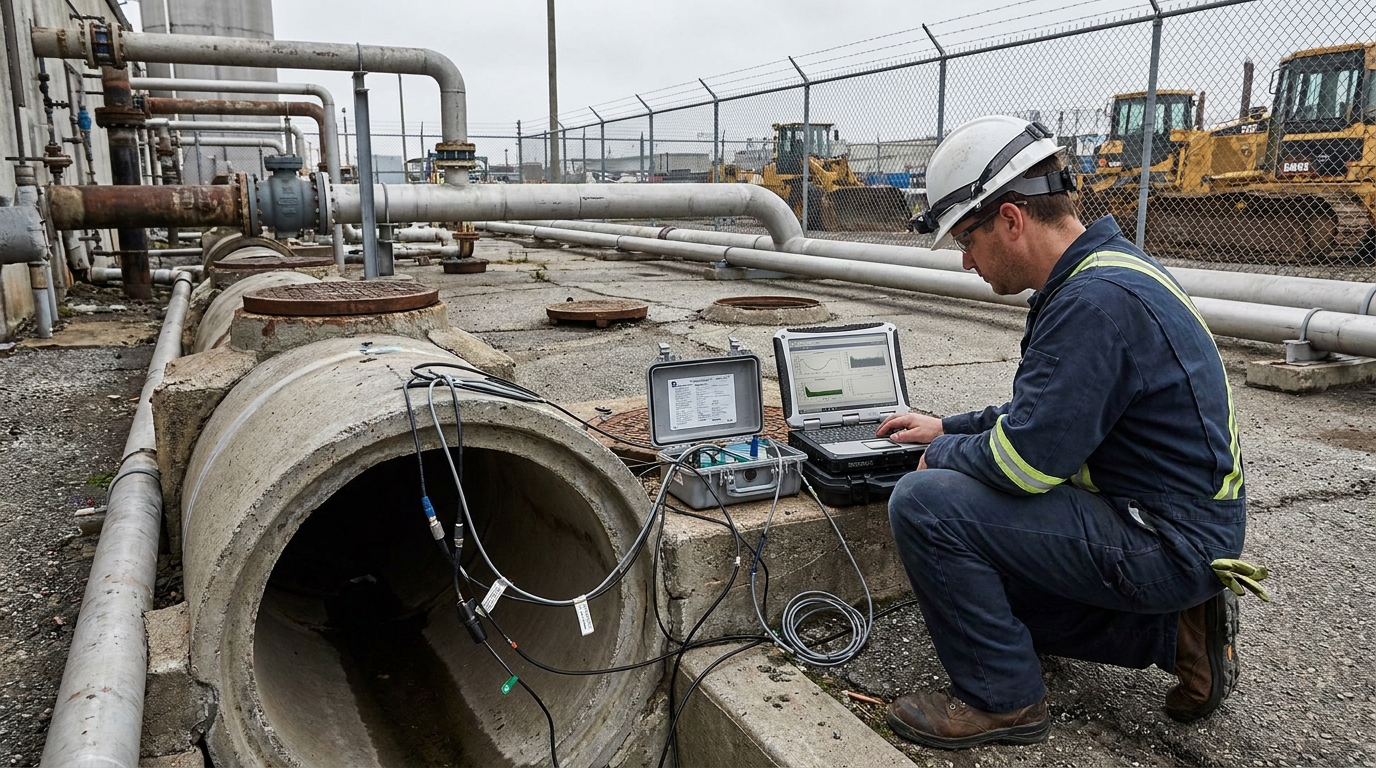
Driven by the rapid advancement of the Internet of Things (IoT) and edge computing, online monitoring technology has matured, marking a critical shift from manual inspections to automated "active defense." This transformation addresses historical inefficiencies such as large blind spots and delayed responses in traditional maintenance models.
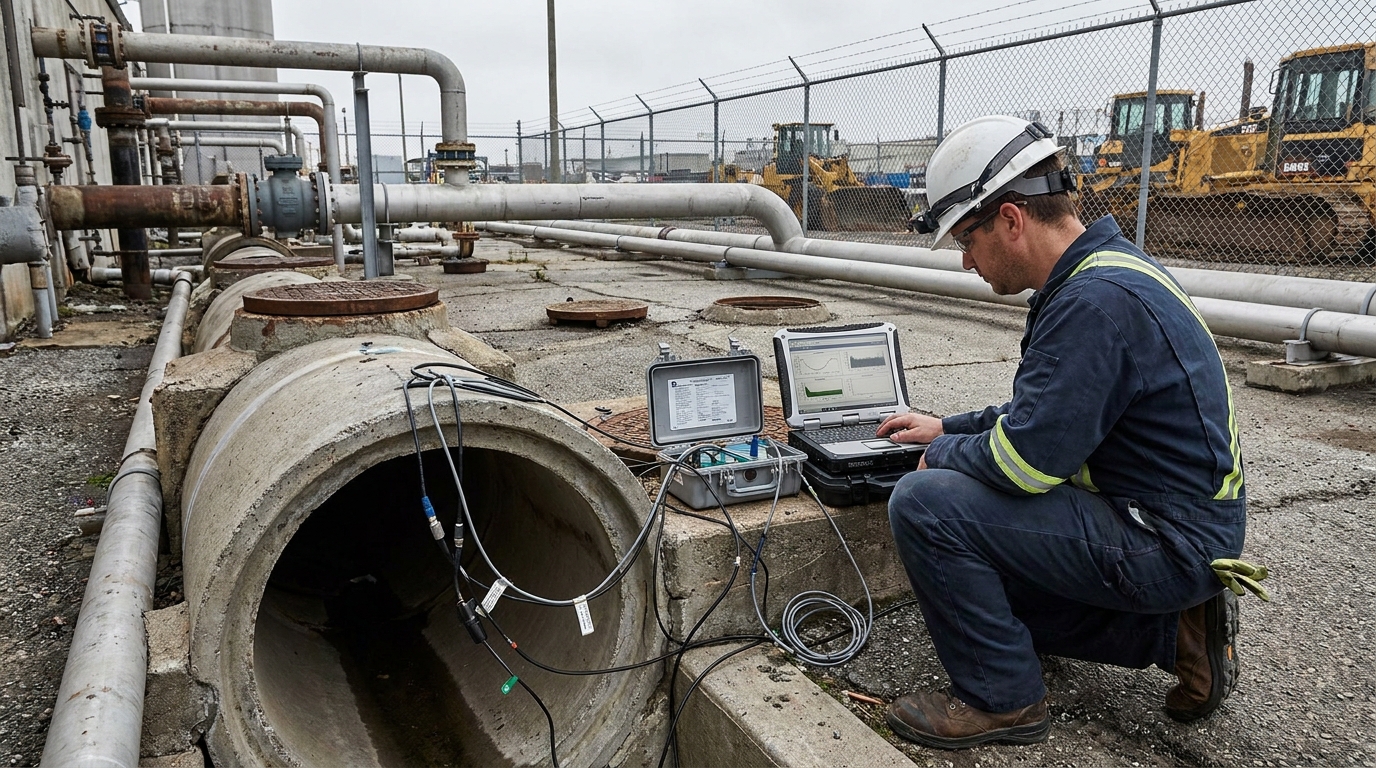
Core technologies now focus on real-time hydrological data collection using non-contact ultrasonic and radar level meters. These devices effectively prevent corrosion issues and debris entanglement while maintaining high accuracy in harsh underground environments. For flow monitoring, Doppler ultrasonic and electromagnetic flowmeters dominate, precisely calculating instantaneous and cumulative rates by measuring both velocity and cross-sectional area.
Water Level Monitoring
Ultrasonic & Radar Level Meters | Non-contact | High Accuracy
Flow Rate Monitoring
Doppler Ultrasonic & Electromagnetic Flowmeters | Velocity + Area
Data Transmission
NB-IoT, 4G, 5G Protocols | Real-time Cloud Upload
Power Supply
Micro-power Design | High-performance Batteries | Years of Operation
Core Application Scenarios for Smart Drainage Systems
The deployment of online monitoring systems for drainage networks is reshaping urban water management processes, particularly in flood control and emergency command. During heavy rainfall, equipment at key nodes like underpass bridges allows command centers to grasp real-time groundwater trends and trigger automatic alerts when thresholds are exceeded.
Beyond flood prevention, these systems enable precise daily siltation and leakage inspection by comparing upstream and downstream data to locate blockages scientifically. Furthermore, in combined sewer systems, monitoring overflow outlets provides critical data on pollutant loads, supporting effective remediation of black and odorous waterbodies and rain-sewage diversion projects.
Future Trends in Digital Twin and AI-Driven Monitoring
The industry is evolving towards the integrated fusion of "water quantity + water quality" multi-source heterogeneous data. Future sensor nodes will simultaneously monitor dimensions such as COD, ammonia nitrogen, pH, and toxic gases like hydrogen sulfide, providing a comprehensive view of pipe network structural safety and environmental impact.
Artificial intelligence and big data analysis will become core drivers, utilizing machine learning to construct hydraulic models that predict network status hours in advance. Additionally, digital twin technology will fully empower management by seamlessly docking physical assets with virtual models, allowing managers to visualize flow trajectories and conduct simulation drills for storm scenarios on 3D platforms.
Conclusion
In summary, online monitoring of drainage pipe networks represents a profound transformation in urban water management philosophy rather than just hardware stacking. By building rigorous warning systems and leveraging intelligent data, this technology safeguards the safe operation of the city's underground lifeline, playing an irreplaceable cornerstone role in future smart city construction.